




TomatoFuel:
Red tomatoes for green flying
Residual biomass from tomato production is being turned into climate-friendly aviation fuel: the aim of the EU’s ToFuel project is to develop a waste-free and carbon-neutral biorefinery concept that produces sustainable and economically competitive aviation fuel.
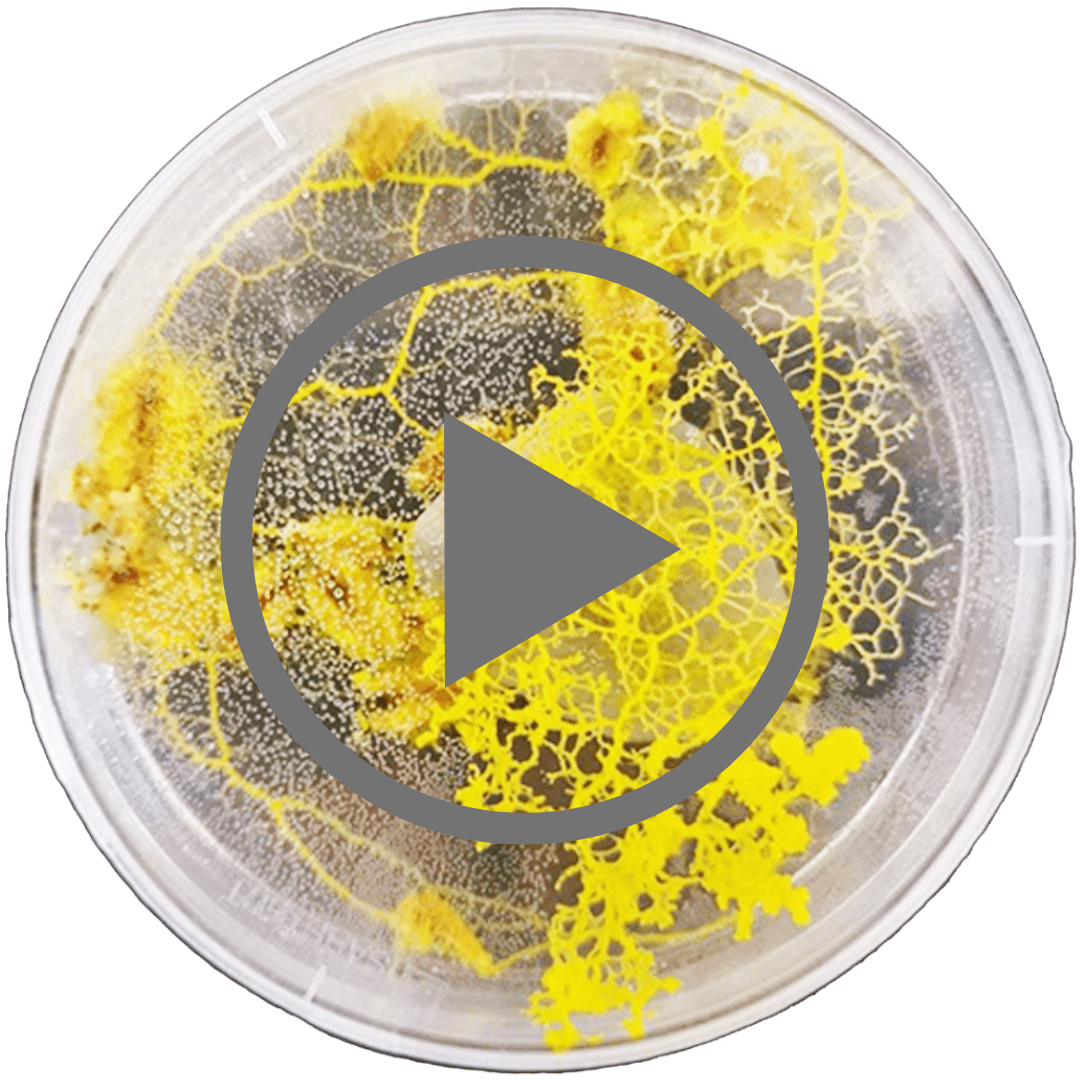
Slime MOLd:
Fungi as organic network organisers
This thesis investigates how slime molds and their simulation (SISMO) can be used to design optimal (energy) networks. Experiments show that, under certain conditions, SISMO reproduces the behavior of real slime molds while providing faster and more accurate network planning.

Global Grid:
a ‘green’ electrified hemisphere
Global Grid puts forward the vision of a global electricity grid that connects renewable energy sources via interhemispheric transmission lines. This would enable climate targets to be met more cost-effectively and ensure a secure electricity supply through global cooperation.
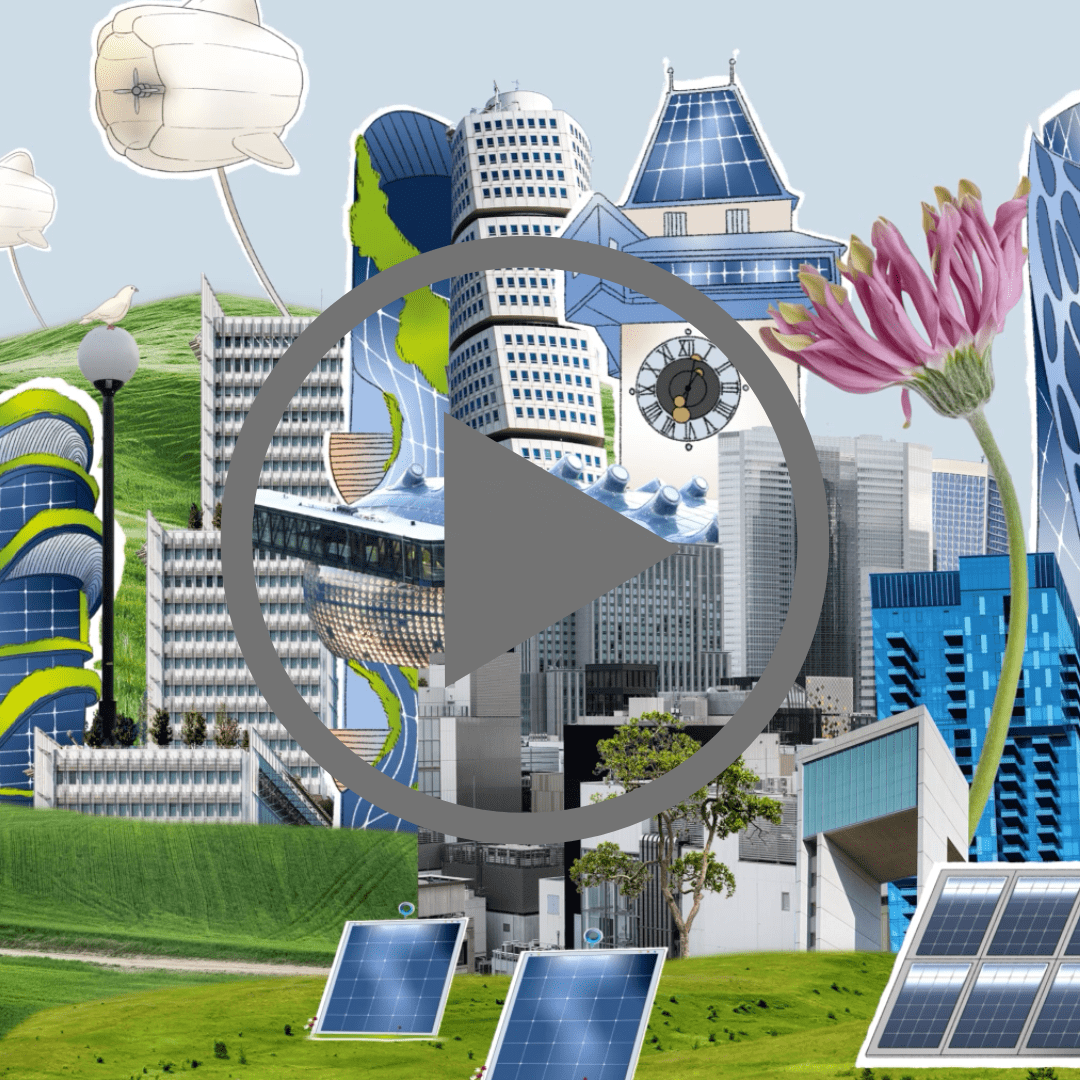
Regenerative Economy:
Learning from agriculture
The project investigates how regenerative agriculture can drive the transition towards a regenerative economy. The aim is to combine environmental and economic resilience through regional value creation. This creates a domino effect that brings about sustainable change in value chains.

The Power of Utopia: What looking through
a new lens can achieve
This utopia explores how positive visions of the future can motivate people to take collective action for climate protection and social change. The aim is to develop scientifically grounded visions for a sustainable, resilient and socially just future.

MycoCatalysis:
Fungal catalysts instead of precious metals
The project builds on current research into vanadium-rich fungi and further develops their potential as sustainable, heterogeneous catalysts for oxidation reactions. The aim is to develop bio-based alternatives to catalysts containing precious metals.
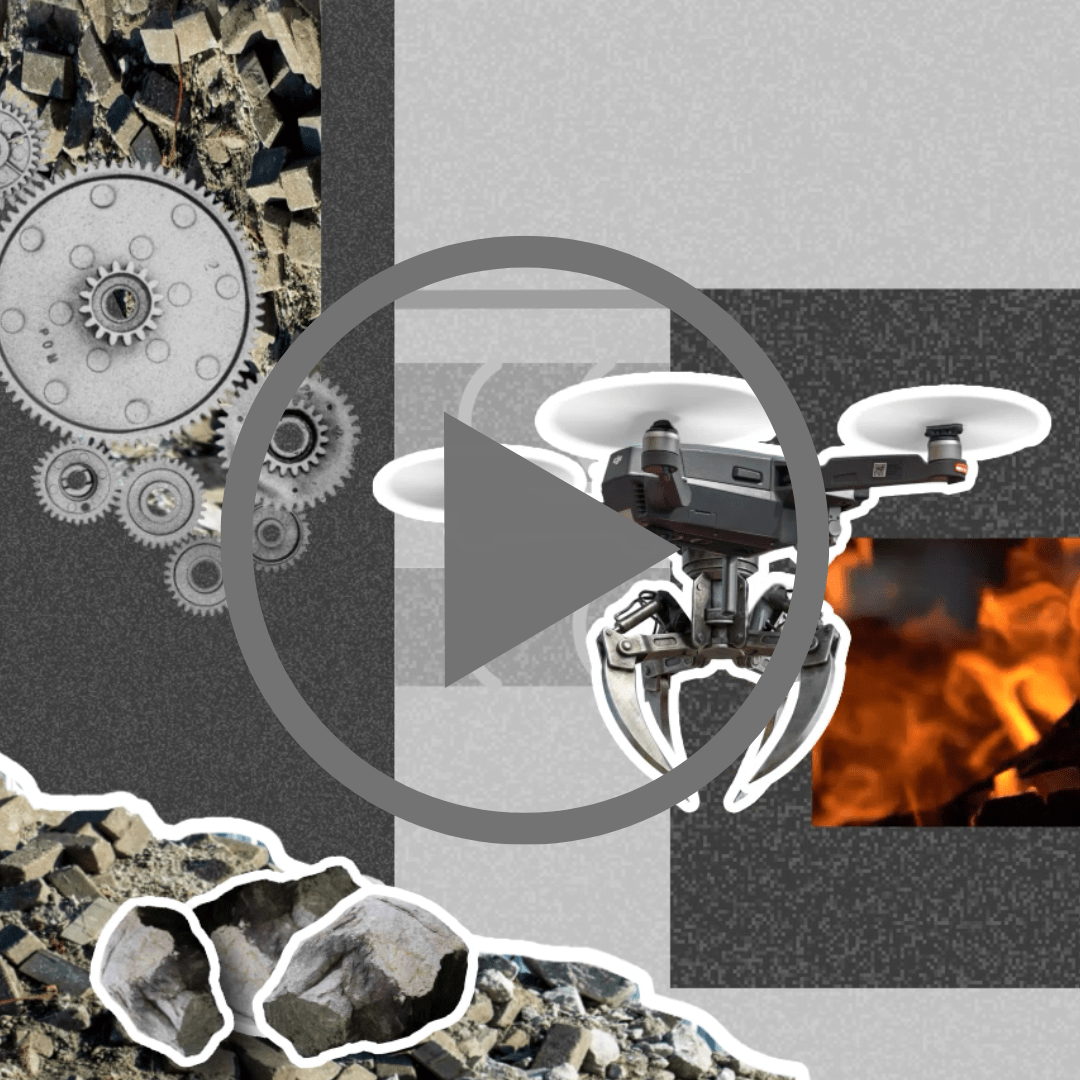
Mineral Carbonation: From waste to building material with added value
This utopia focuses on research into carbonation. The aim here is to permanently sequester CO₂ in industrial waste materials and convert them into valuable building materials. In this way, waste becomes a CO₂ sink and a sustainable raw material.

Integrity of Solid Wood Components: A Paradigm Shift from Re-Use to Ever-Use
The integrity-oriented concept (IOK) shows that 90% of the wood mass remains intact. This reduces the amount of virgin wood needed and maximizes recyclability. Conventional wood construction does not achieve this level of efficiency.

(Semi-)autonomous trolleys for the future of goods transport
The CarryMeHome concept offers a visionary solution for mobility and transportation in car-free (inner) cities of the future. At its core are (semi-)autonomous trolleys that serve as flexible and sustainable transportation aids.
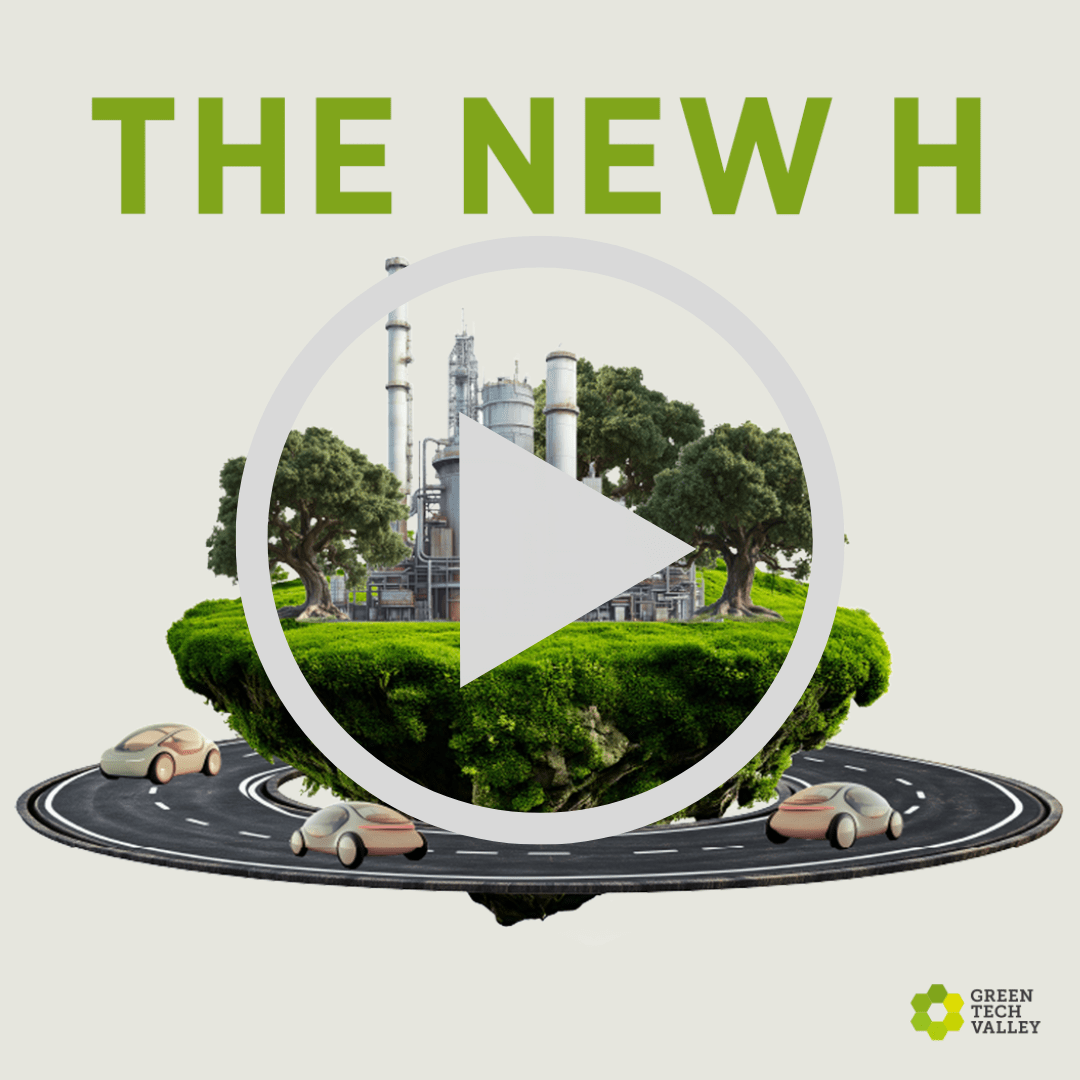
FREE H
Fully Renewable EcosHystem
Huge photocatalytic hydrogen production plants at the Earth’s solar hotspots, floating electrolysis plants coupled with offshore wind farms, and end-user-friendly, internationally standardized modular systems are intended to create Hydrogen Valleys.

Recyclable-free residual waste bin in urban areas
This vision explores the question of what role AI-powered systems, digital sorting aids, or smart waste bins could play in
minimizing improper disposal and sustainably raising awareness of waste sorting in urban areas.
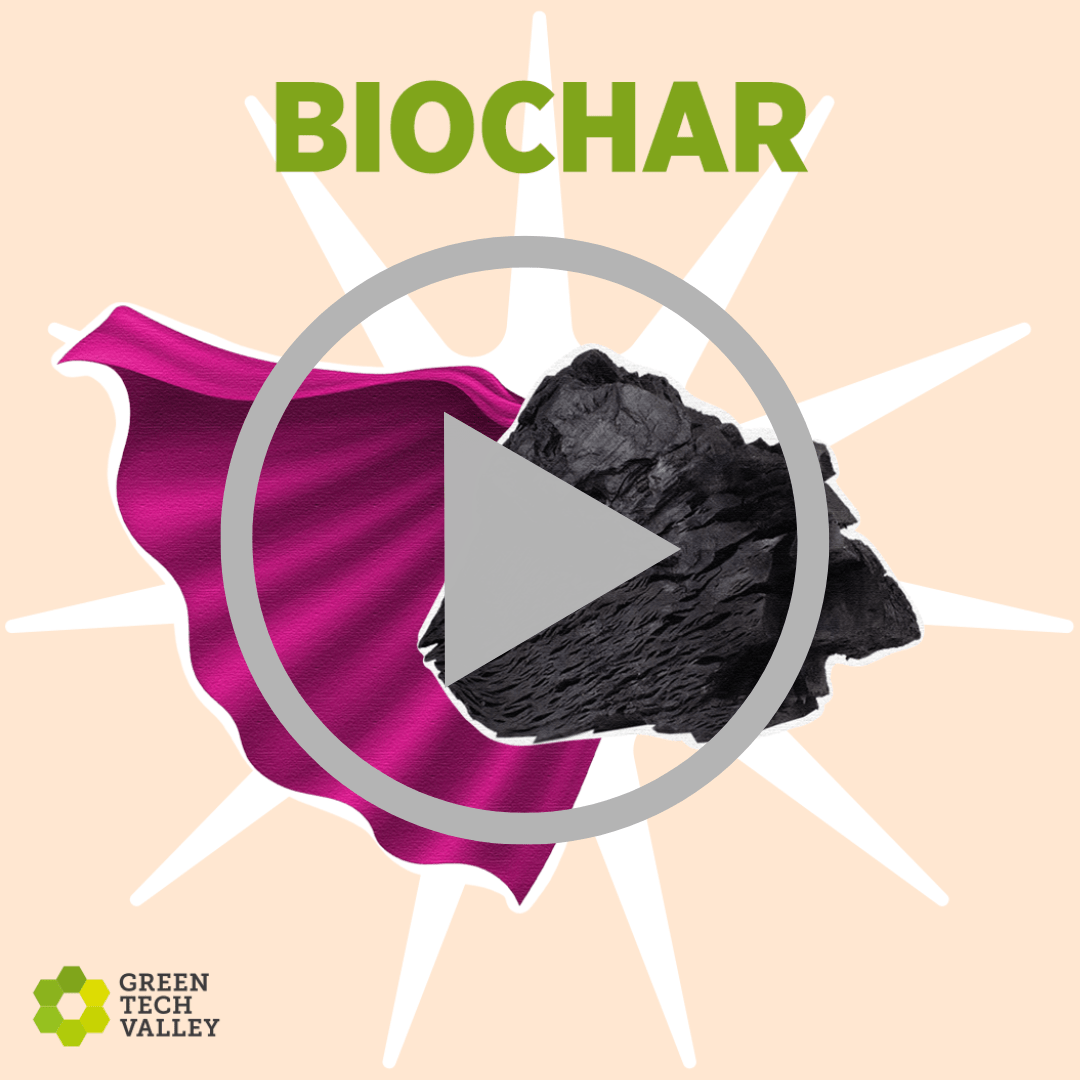
Biochar 2050:
From Use to Regeneration
Biochar is more than just a soil conditioner or a building material additive. It is a product that preserves value over the long term.
Biochar is specifically used to sequester carbon, close material cycles, and conserve resources.
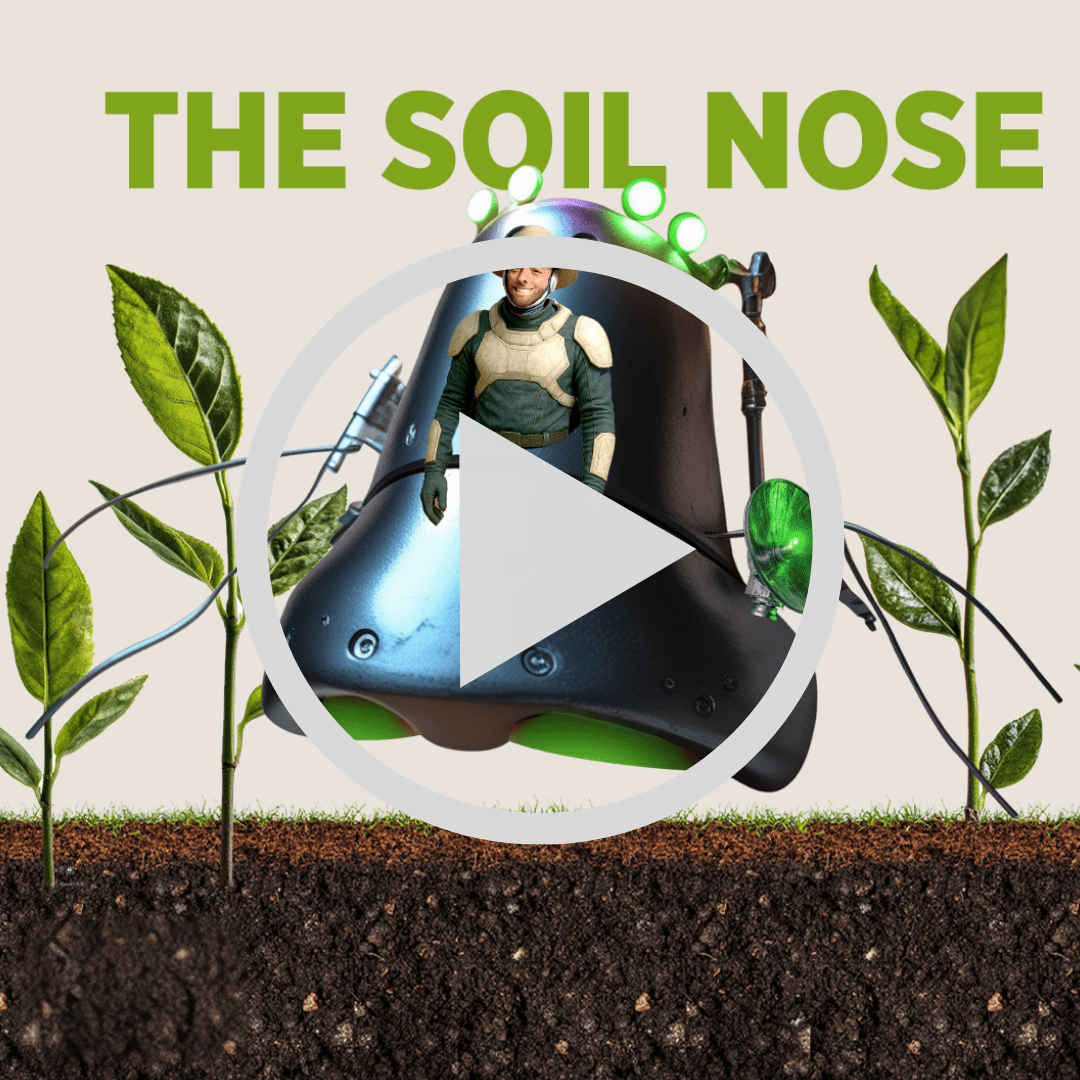
Smart Soil Sensor for Healthy, High-Yielding Soils
The SPIN-FERT project aims to develop new soil management strategies.
The project involves processing various agricultural byproducts and waste materials to produce high-performance fertilizers and growing media without peat.
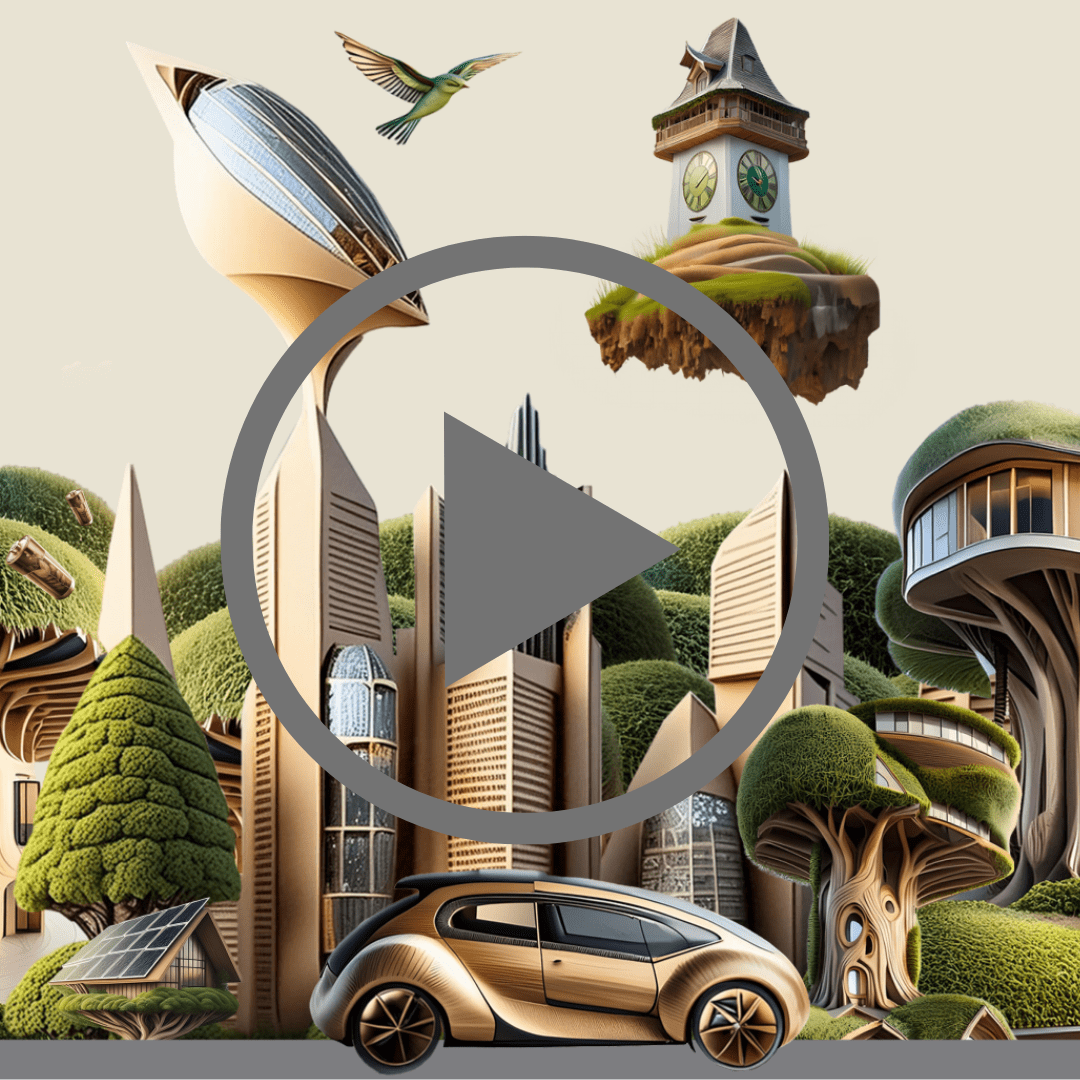
Wood as a key component in
high-tech products
Wooden components are not only lightweight and structurally strong, but also capable of storing CO₂. Researchers have developed processes that provide wood with natural fire protection, make it water-repellent and make the most of its insulating properties
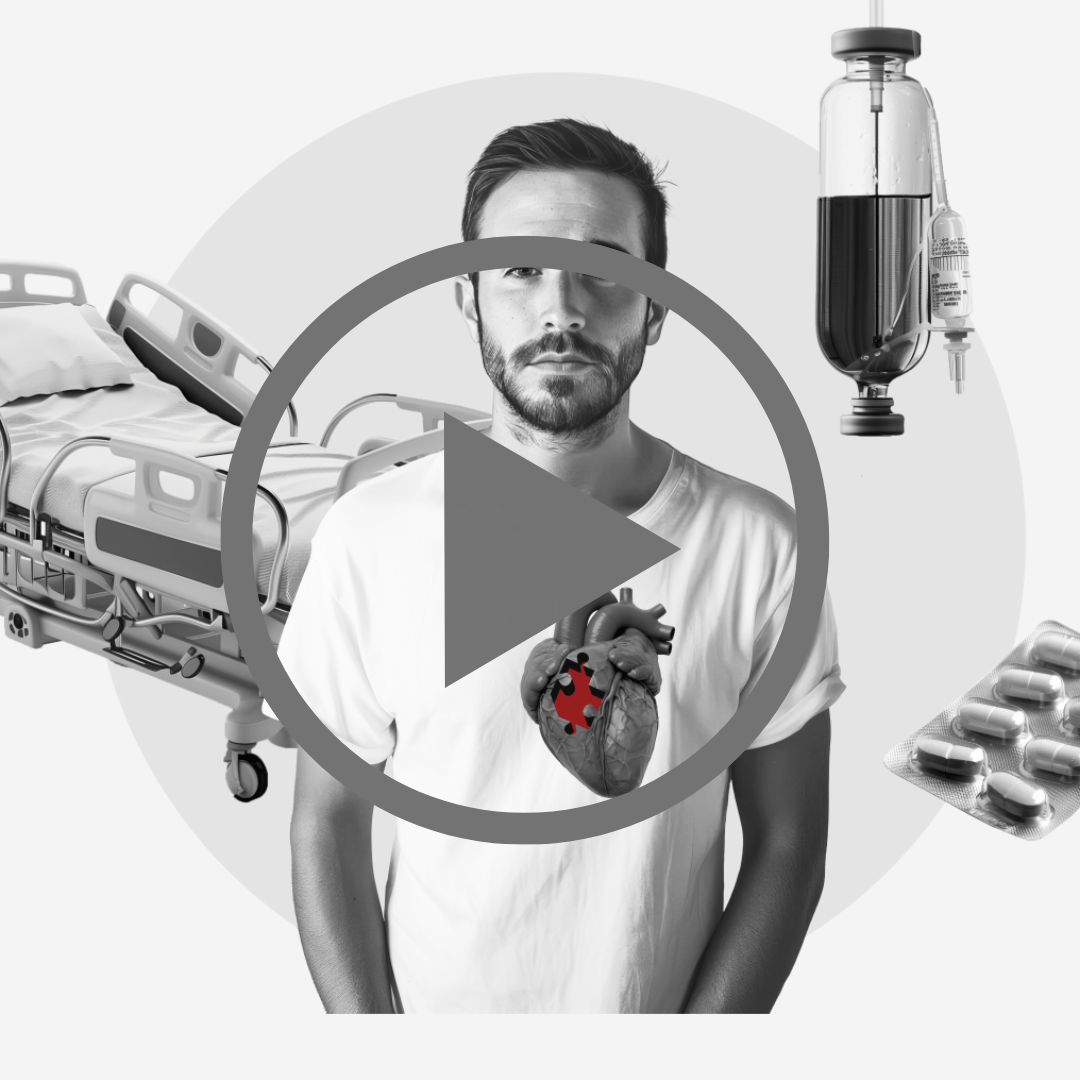
Creating plant-based blood vessels
in the laboratory
Researchers are producing precise, personalised replicas of blood vessels using 3D printing of plant-based biopolymers. These offer greater biocompatibility, allow for customisation to individual patients and reduce the need for animal testing.
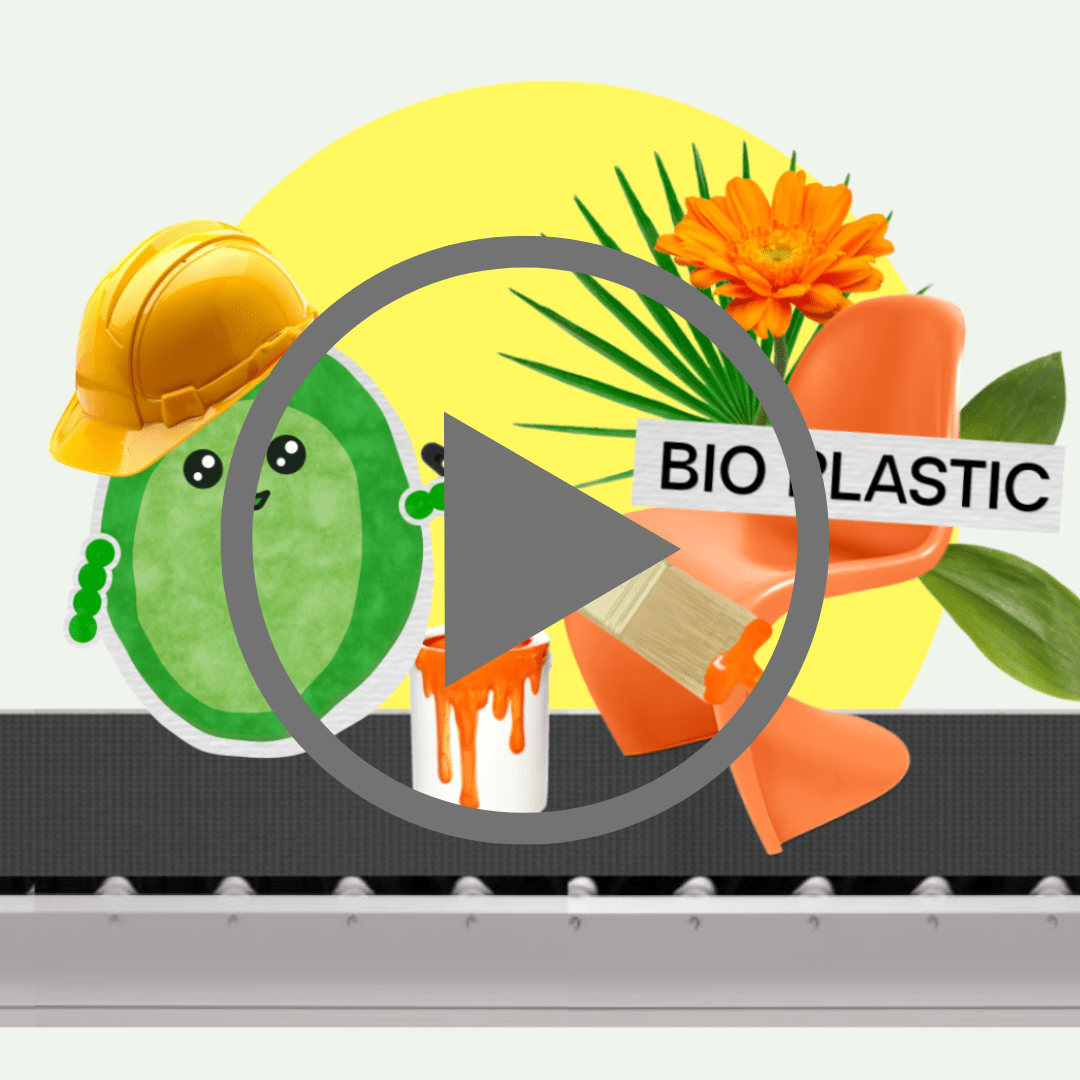
When cyanobacteria are the
new employees
In the future, we will have achieved a groundbreaking transformation in the chemical industry. At the heart of this revolution are cyanobacteria, which act as ‘green catalysts’ and offer an environmentally friendly alternative to traditional chemical processes.
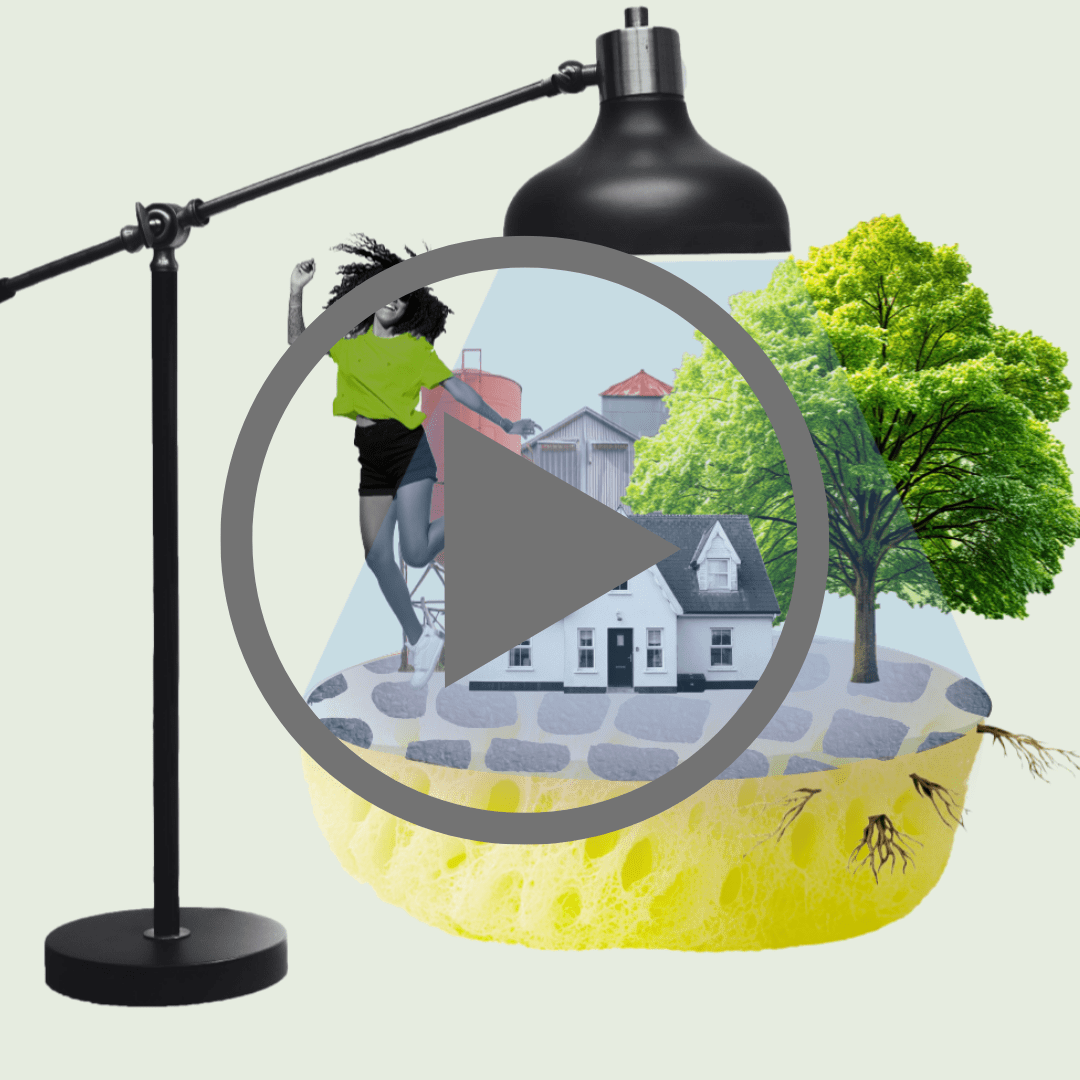
The reinvention of peri-urban spaces
as ‘sponge areas’
A living environment as a ‘sponge city’: AI-driven water management systems regulate water flow and storage, whilst photocatalytic surfaces and integrated solar technology help to purify water and air whilst generating energy for public facilities.

What if nature were granted personality rights?
Resources would be regarded as common goods, the use of which must benefit all members of society as well as nature itself. This perspective promotes a more sustainable use of natural resources and ensures that future generations are also taken into account.
Depolarising electrolysers
as ‘carbon busters’
As part of the SHyRE project, researchers at Graz University of Technology are working on innovative, depolarised electrolysers. These operate by using a toxic gas from the atmosphere or from industrial waste gas to depolarise the electrolysis cell.
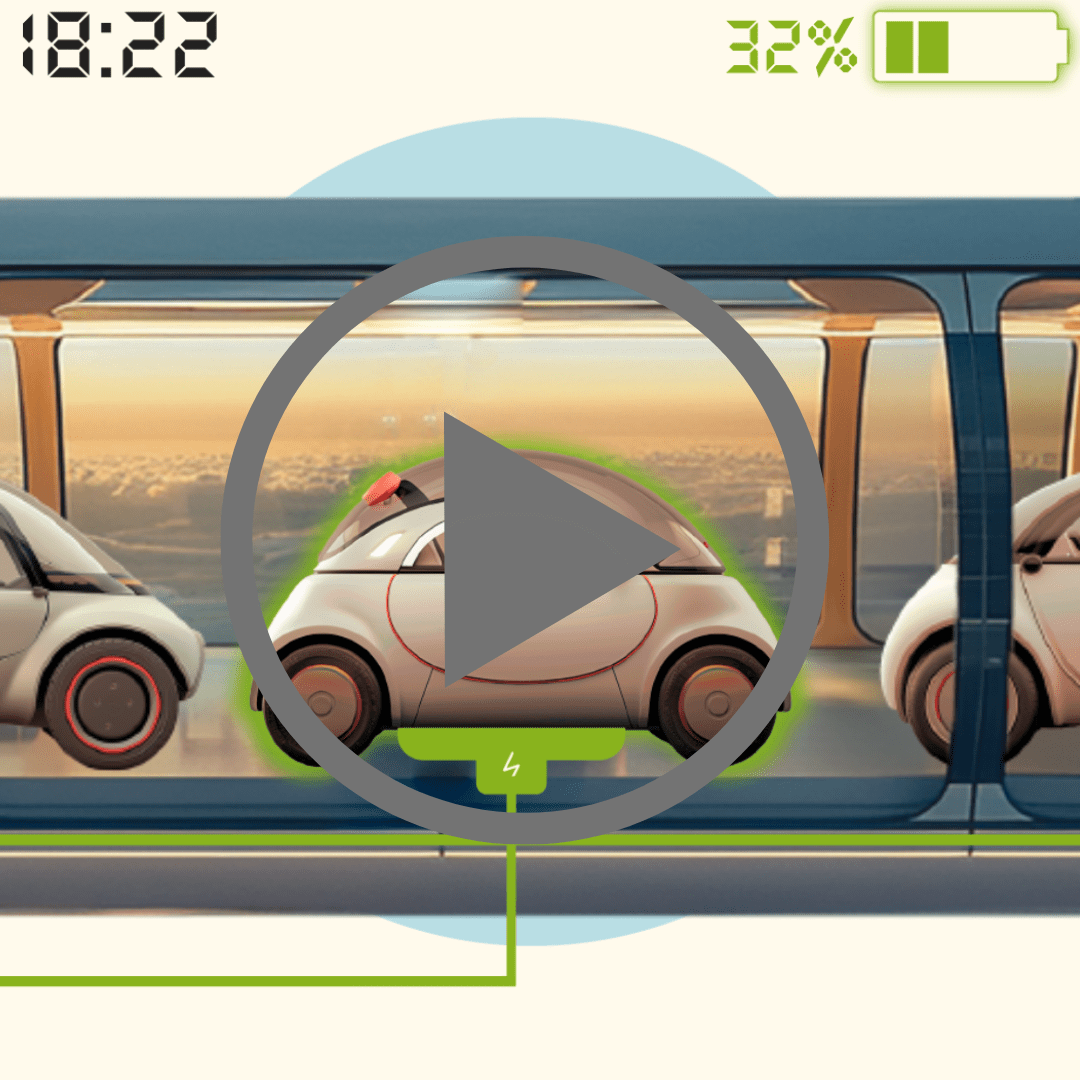
RailCharge: Electric cars will be
loaded onto trains
Instead of equipping electric cars with ever-larger batteries and encouraging private transport, electric cars will be loaded onto trains using innovative, efficient loading systems and automatically charged whilst in transit via Matrix Charging®.
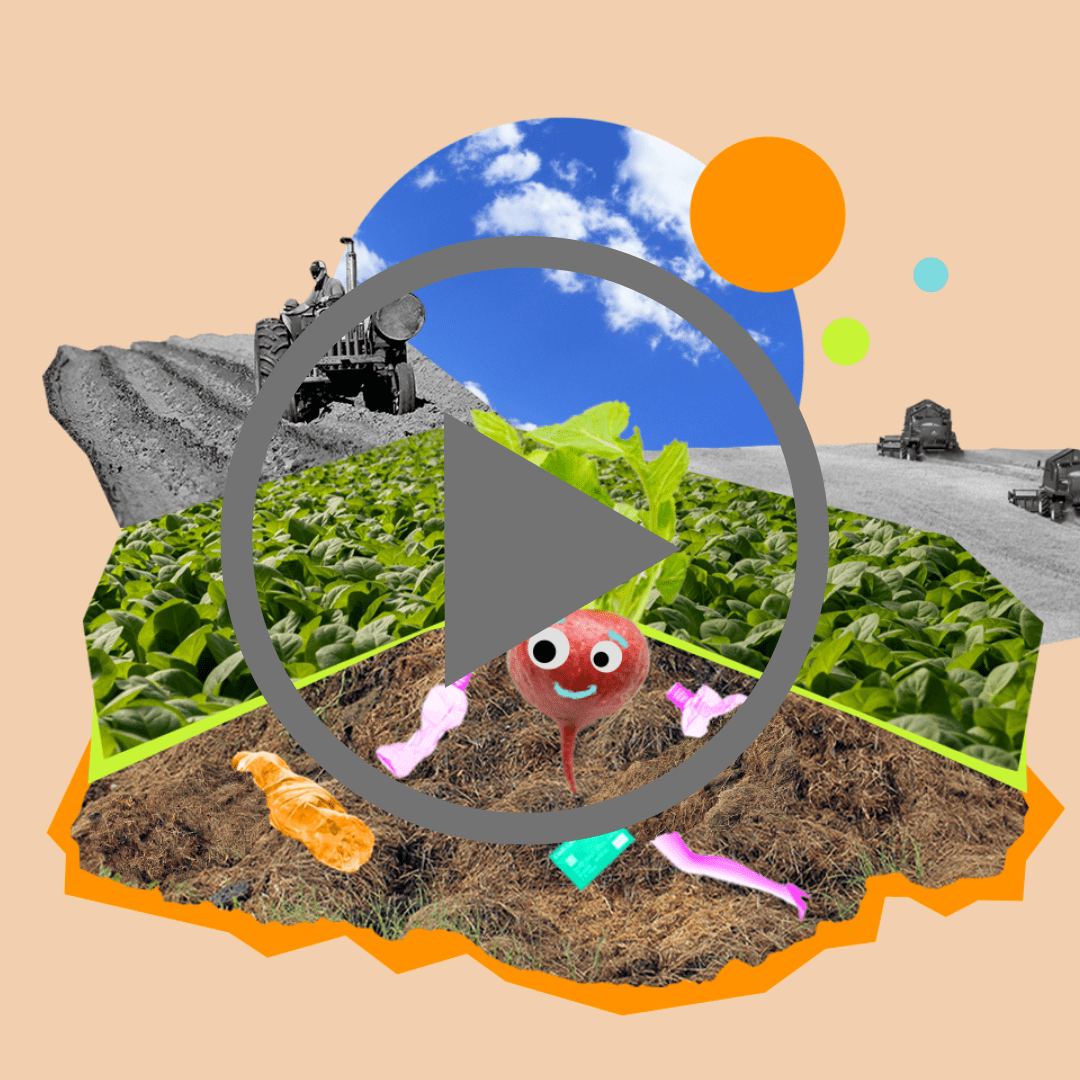
A revolution in composting:
Biogenic waste free from microplastics
Plastics in compost not only jeopardise soil quality, but also find their way into our food chain.
In this utopia, the amount of plastic in biogenic waste is reduced through innovative, circular-economy-oriented processes.
When green electricity
is stored in trees
The transformation of the energy system requires a massive expansion of the production capacity of renewable energy generation facilities. Large hot-water storage tanks convert summer heat into winter district heating, and innovative redox flow batteries support the grids.
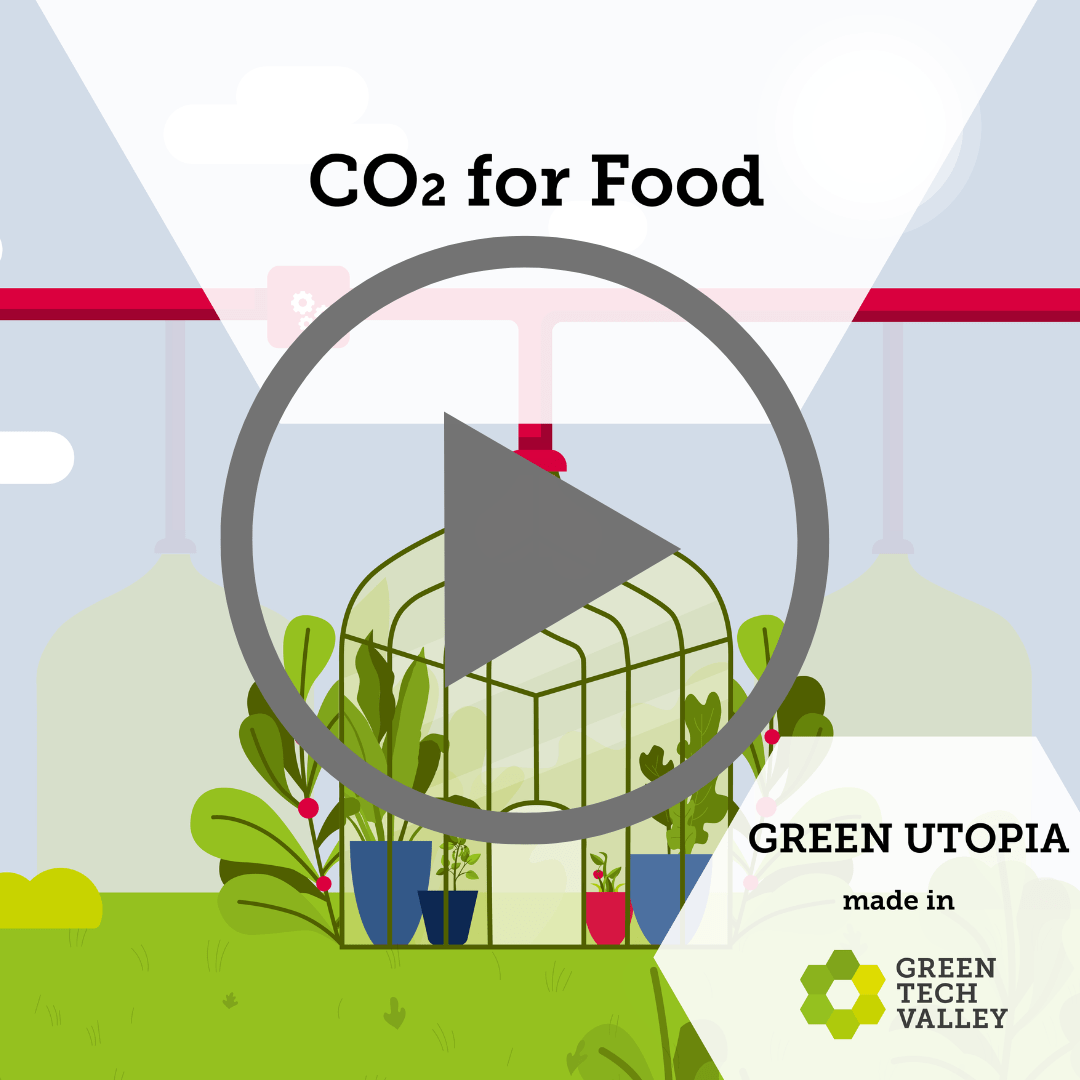
When CO2 doesn't end up in the air,
but on your plate
The premise is this: capture, store, and utilize CO2 from various sources. Innovative processes are addressing this challenge, for example by using proteins derived from CO2 to replace animal feed—which has traditionally been highly climate-intensive—and, in the future, perhaps even to feed people.
How the Prince Woos the Princess with
Sustainability
Extreme weather, natural disasters... How do people, as social groups, respond to the effects of climate change?
Where are the social tipping points, and what is needed to motivate people to tackle these major challenges?

How Hydrogen from the Sun Powers Movement
The use of green hydrogen is a key component of the future energy system. In the future, the direct photocatalytic production of hydrogen without electrolysis is expected to be used—a game-changer for this important component of the future energy system.
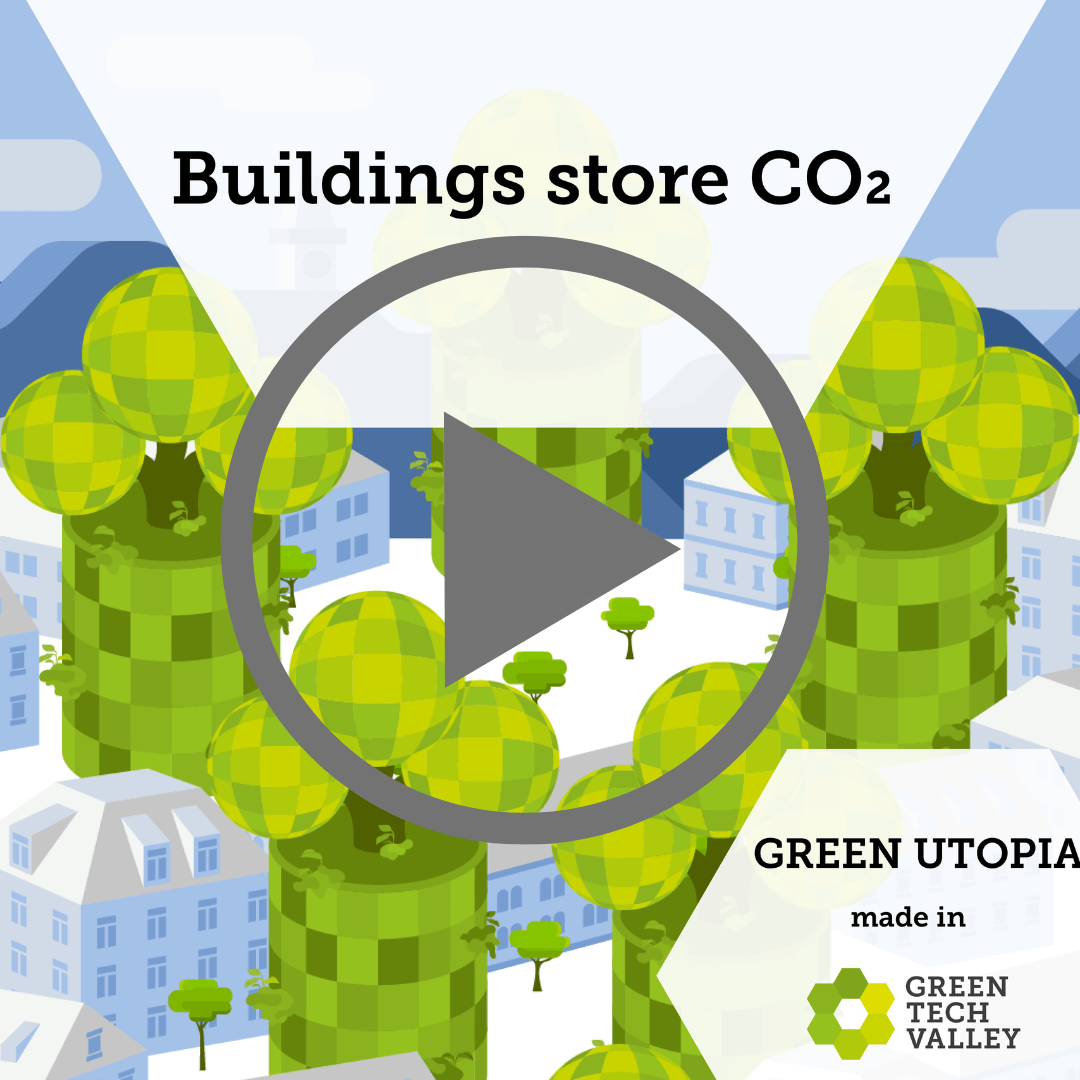
How Buildings Will Become
CO2 Storage Sites in the Future
The idea of “Buildings as CO2 Storage” envisions buildings as CO2 sinks rather than CO2 emitters. To this end, the production of building components is made emission-free, the use of natural materials is promoted, and innovative technologies transform building components into CO2 sponges.
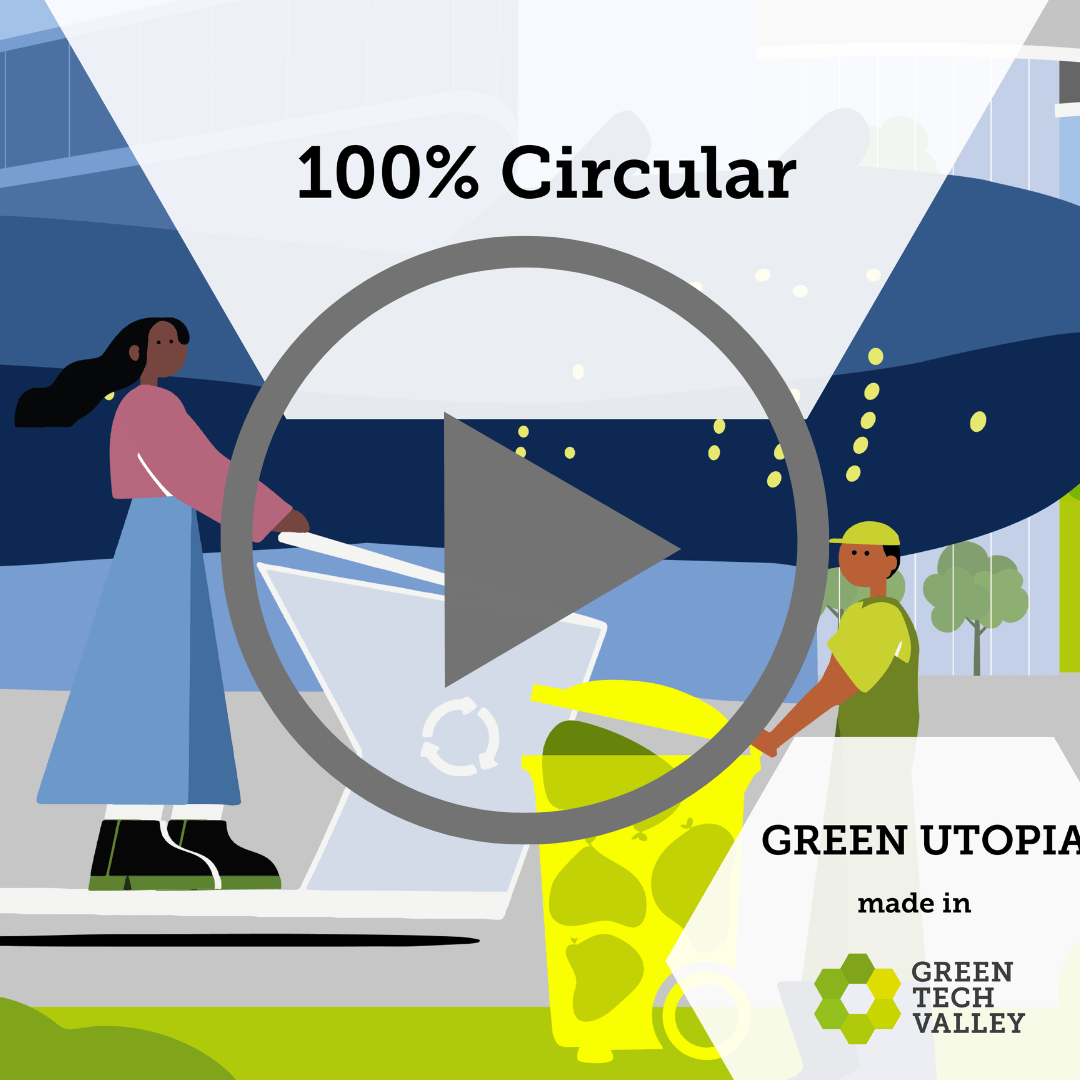
How Revolutionary Approaches Could Create a Waste-Free World
Waste is usually just a recyclable material in the wrong place.
To ensure a sustainable future, raw materials must be recovered from the trash and returned to the material cycle in order to create
a waste-free society.
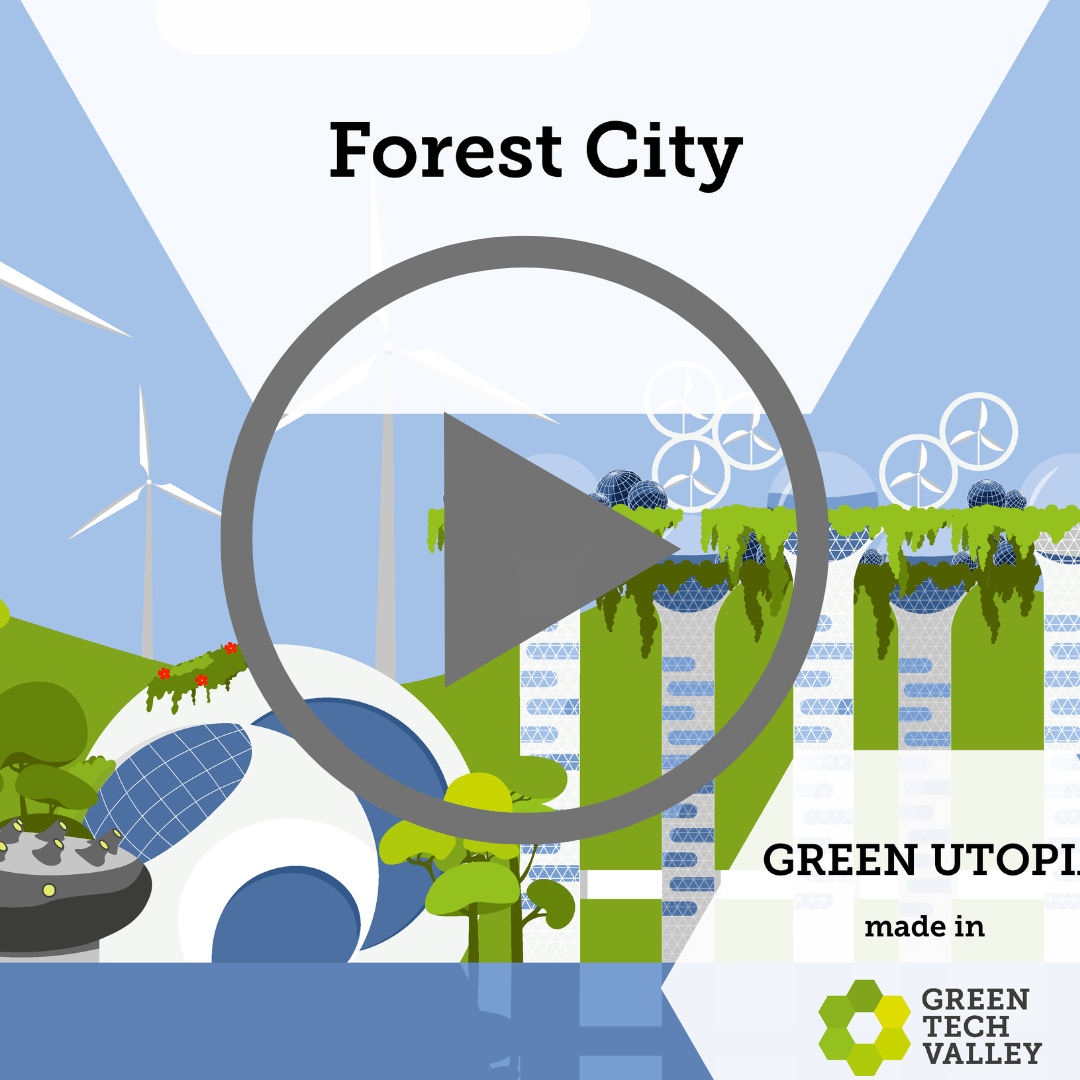
How Cities Become Bioactive
Habitats
The idea: nature-based cities in which organic, bioactive, and energy-active surfaces cover the entire area, generating energy, food, and oxygen, while storing water and sequestering CO2. The focus here is on vertical farming and energy generation using new materials.
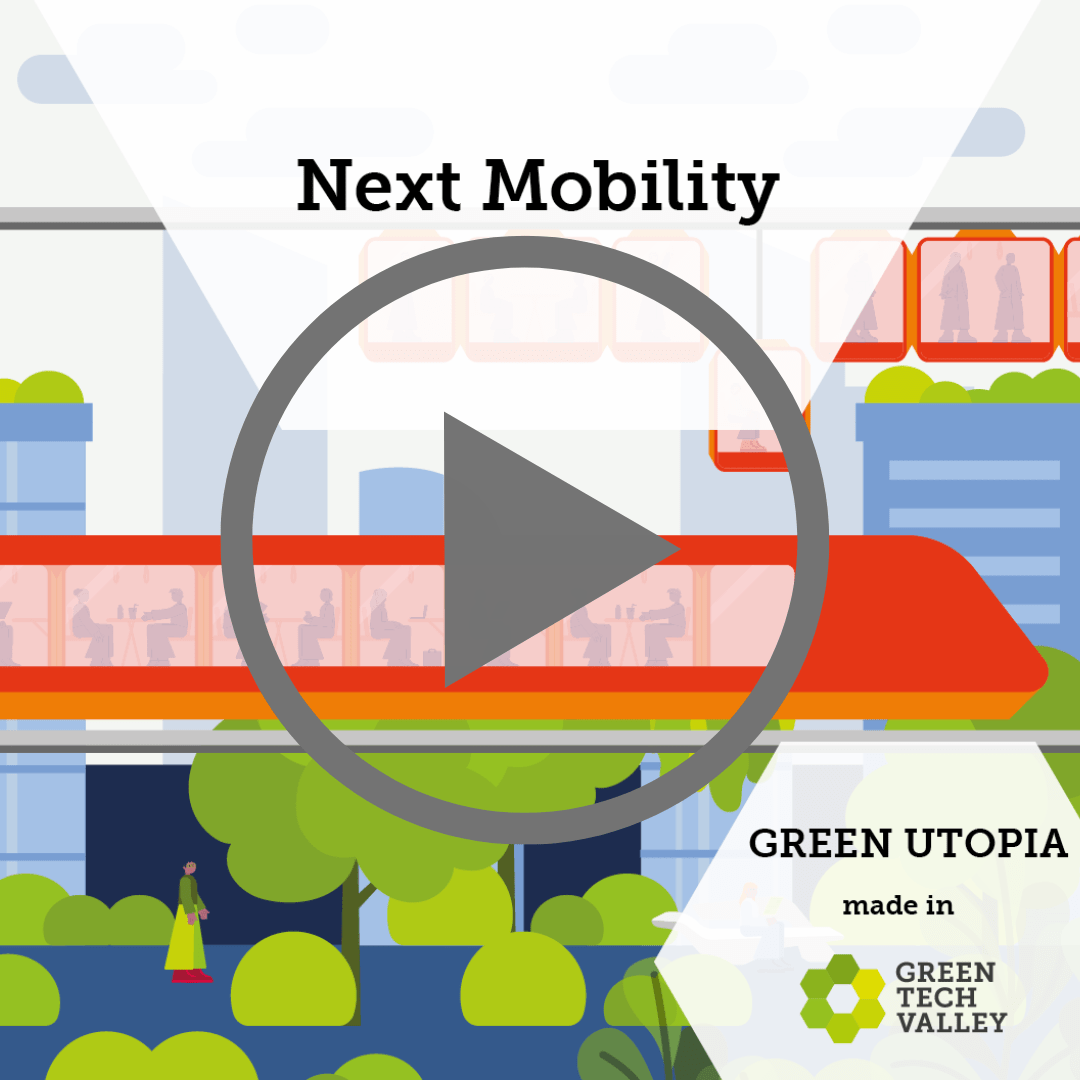
How Mobility Can Be Not Only Climate-Friendly but Also Relaxing
Modular transportation systems that function as a unified whole in terms of transportation but still combine the advantages of individual travel: This is the idea behind this vision, which builds on current developments such as autonomous driving, lightweight construction, and new forms of propulsion.