



GREEN STARTUP SUMMER
The Green Startup Summer Graz programme (formerly known as Green Tech Summer) offers students at Austrian universities the chance to turn their visions of a green future into thriving businesses. The programme is fully funded – All you need is motivation, commitment and drive to make the world a little bit more sustainable!
Participants work with experts from Green Tech Valley, the City of Graz, the Steirische Wirtschaftsförderungsgesellschaft SFG, Science Park, the High Tech Incubator. Graz, and Gründungsgarage.
Support is provided by the build! startup center and the KWF, the Social Business Hub Styria, the KAIT. Kapfenberg Accelerator & Incubator for Green IT and the Center for Applied Technology Leoben (ZAT).
The grand final of Green Tech Summer 2026
Sie sehen gerade einen Platzhalterinhalt von YouTube. Um auf den eigentlichen Inhalt zuzugreifen, klicken Sie auf die Schaltfläche unten. Bitte beachten Sie, dass dabei Daten an Drittanbieter weitergegeben werden.
Mehr InformationenVideo & Photos: Salon deluxe
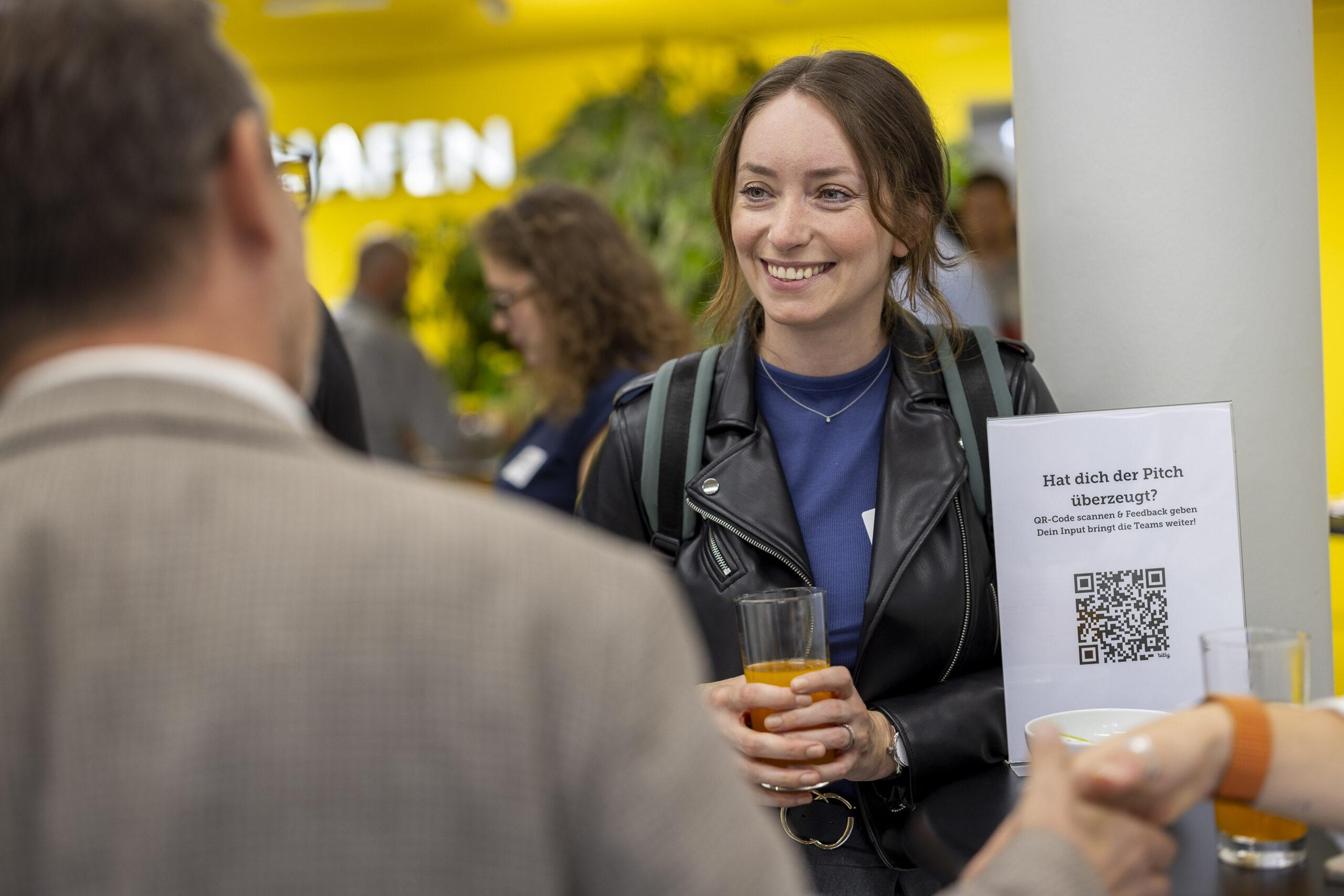
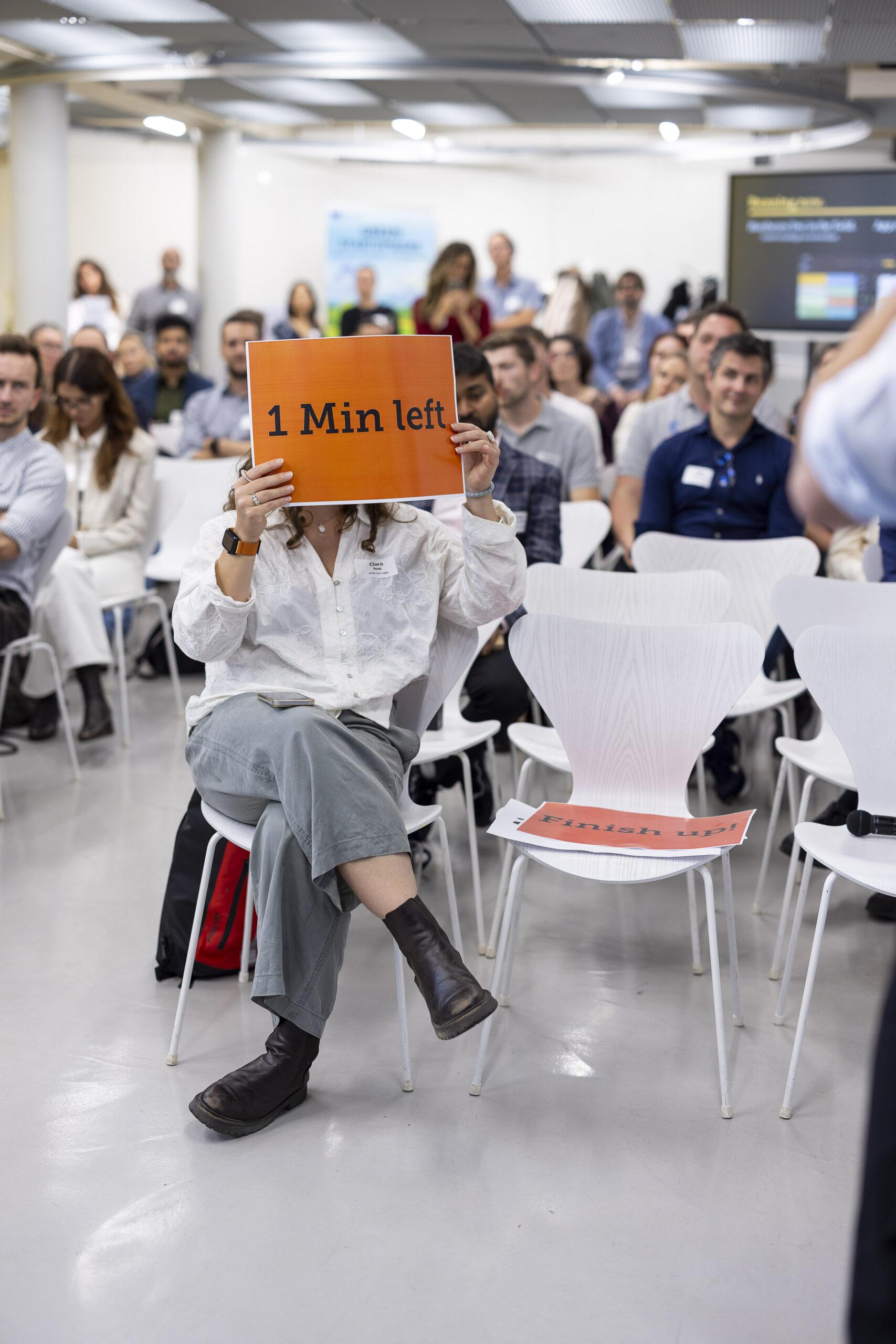
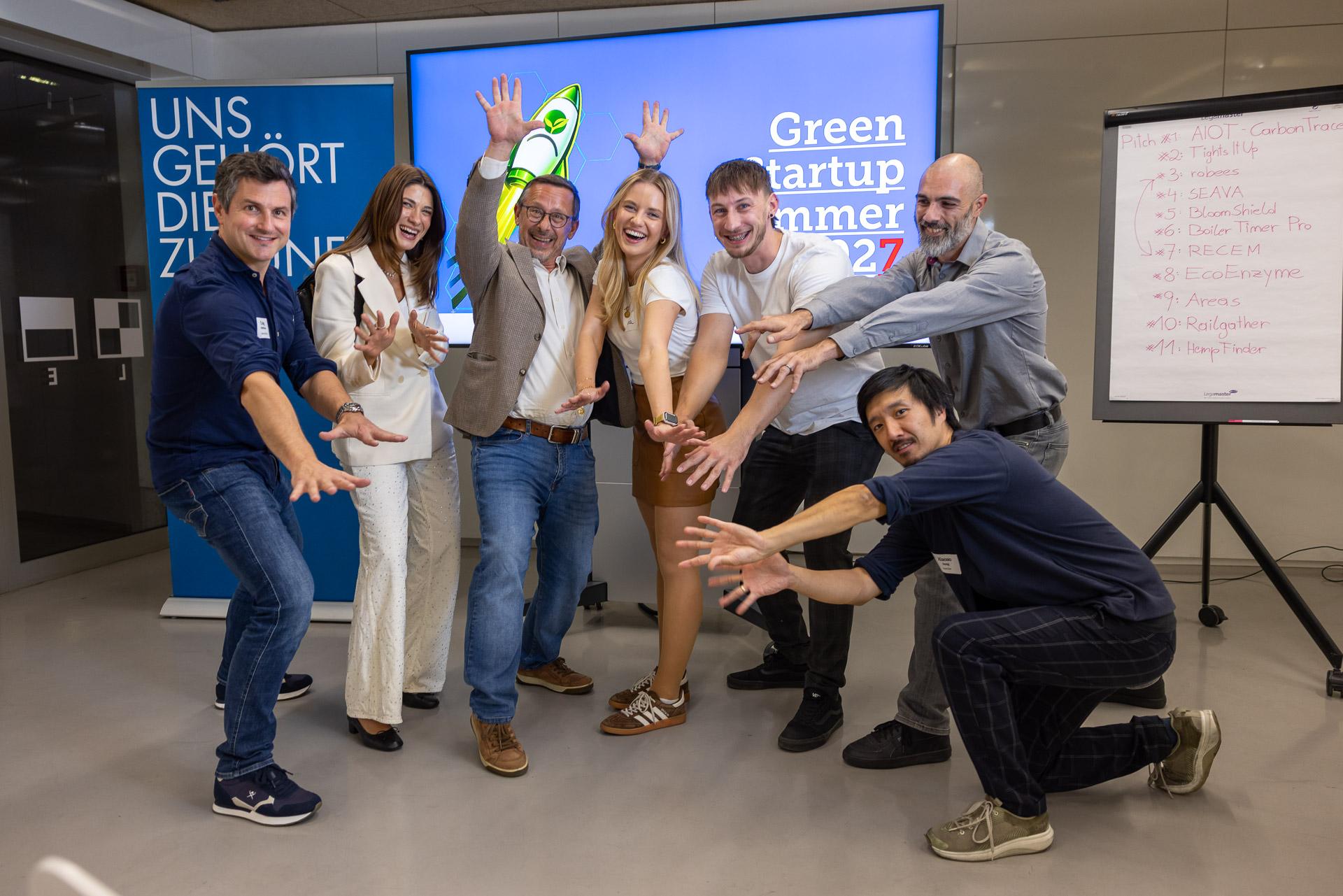
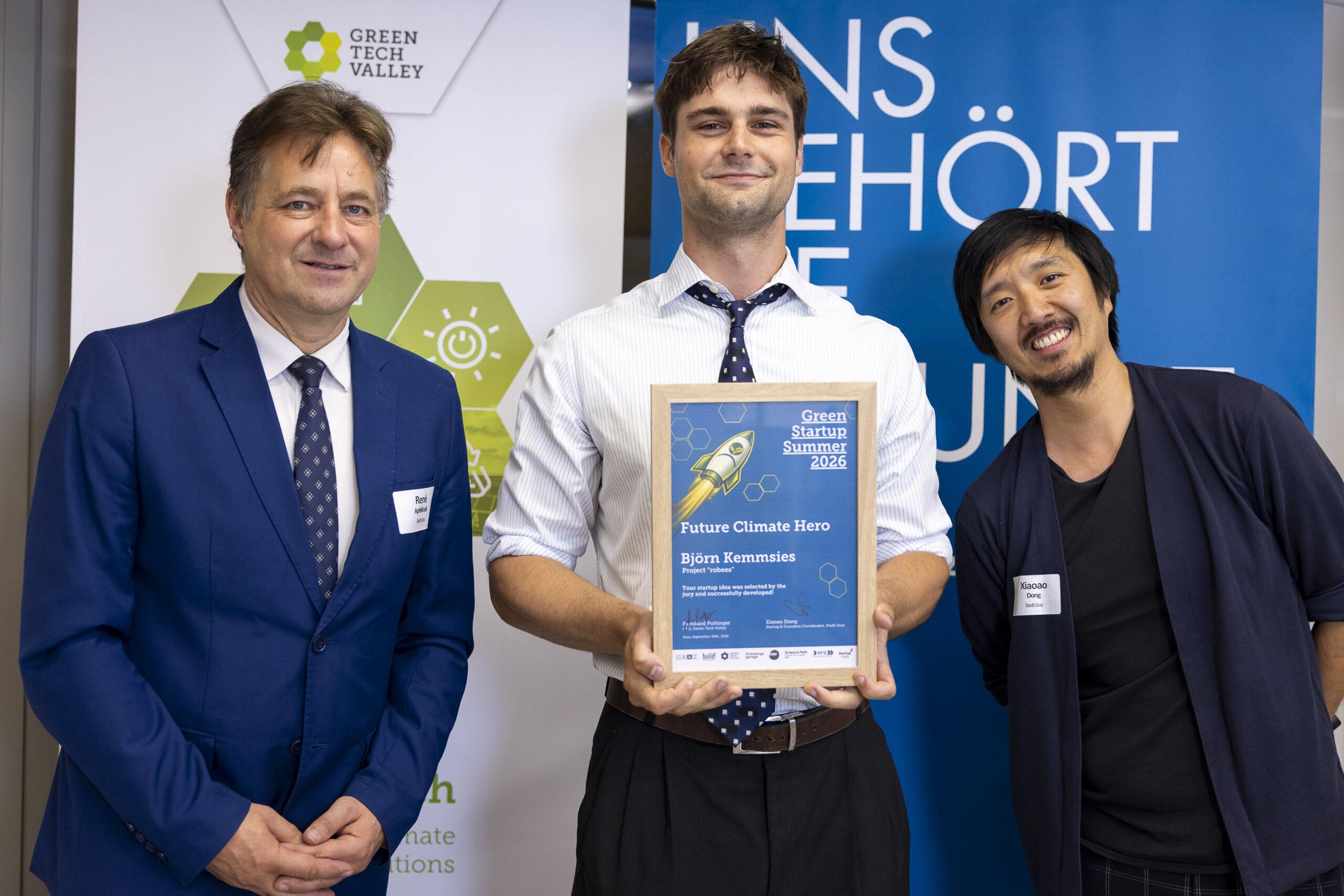
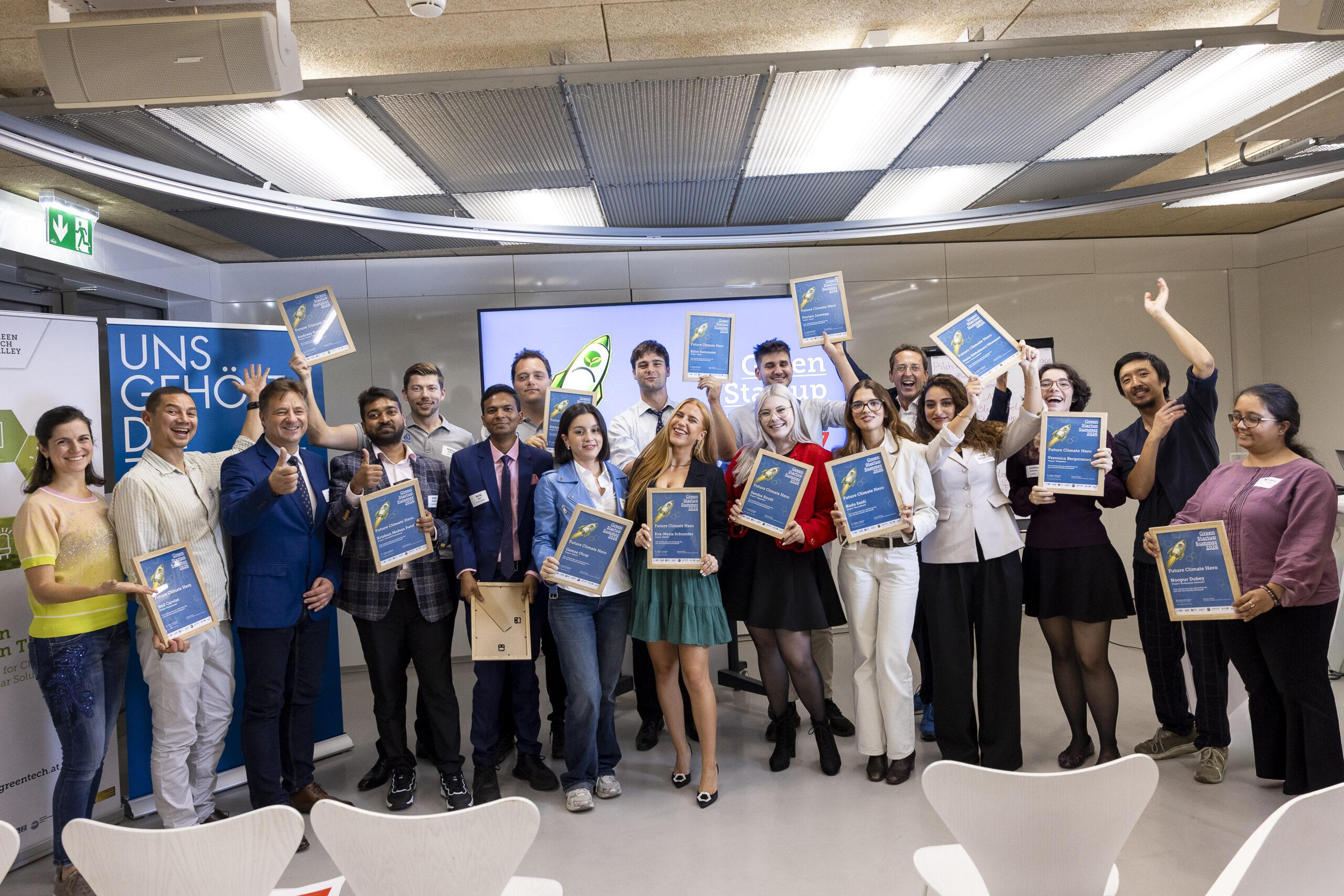
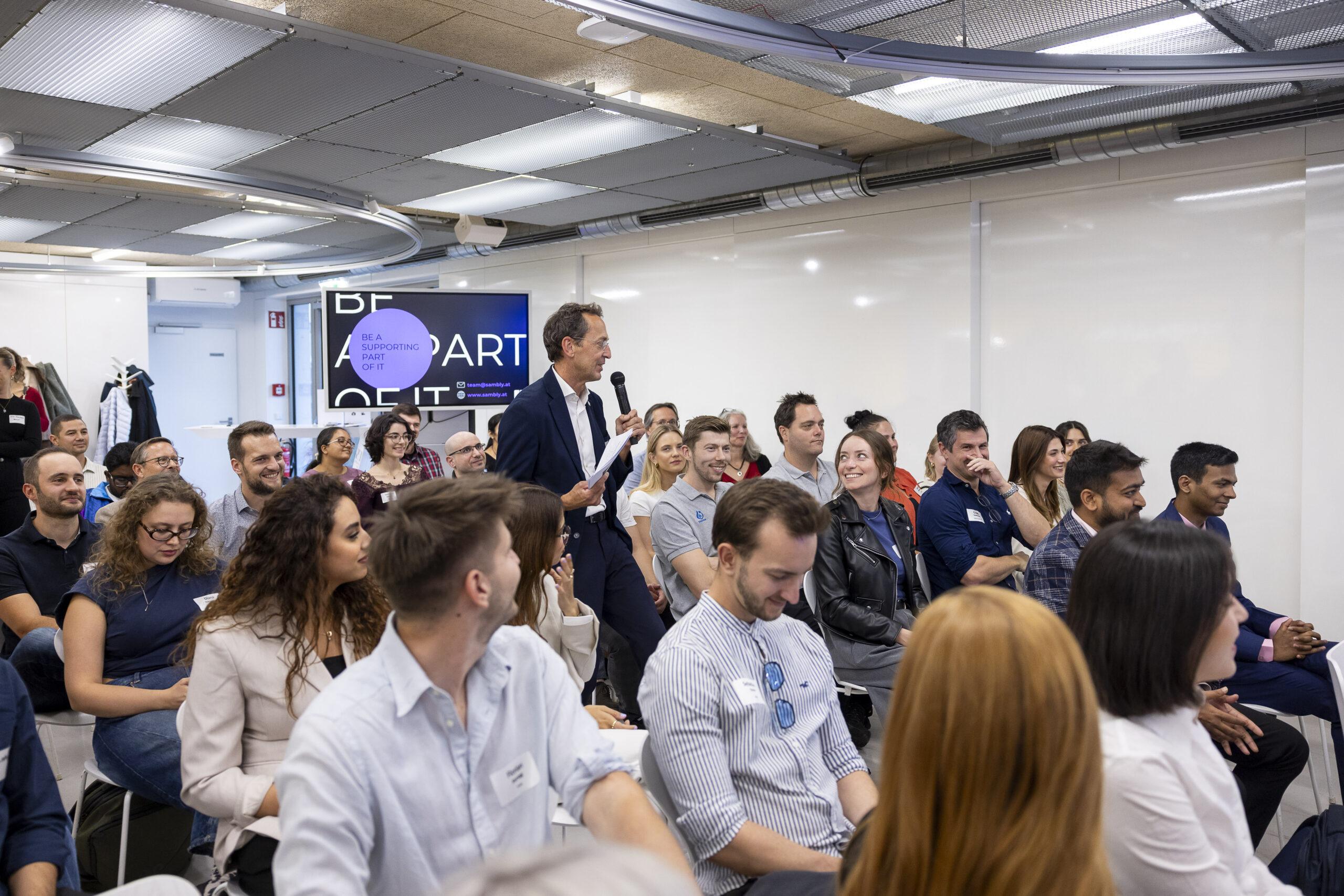
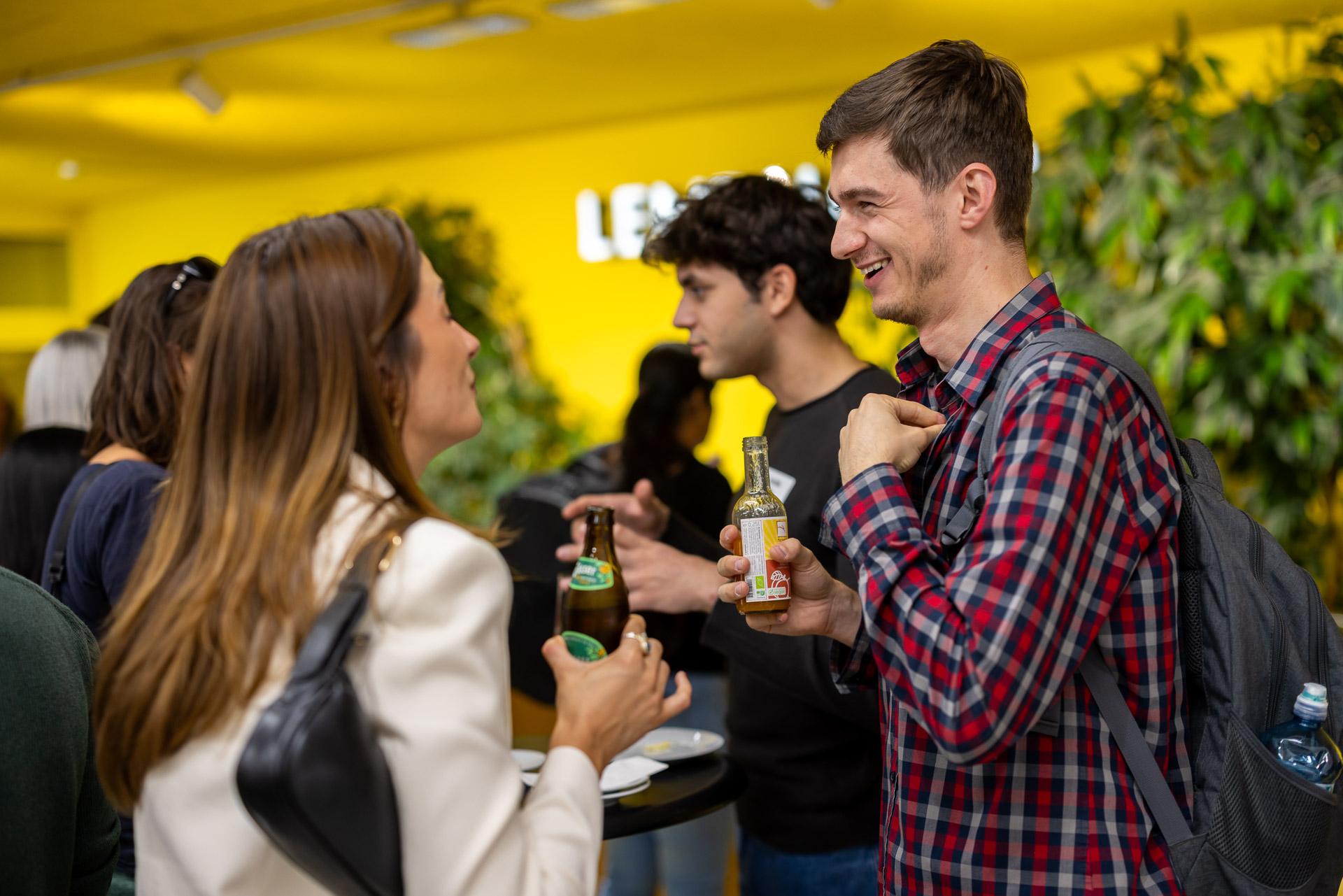
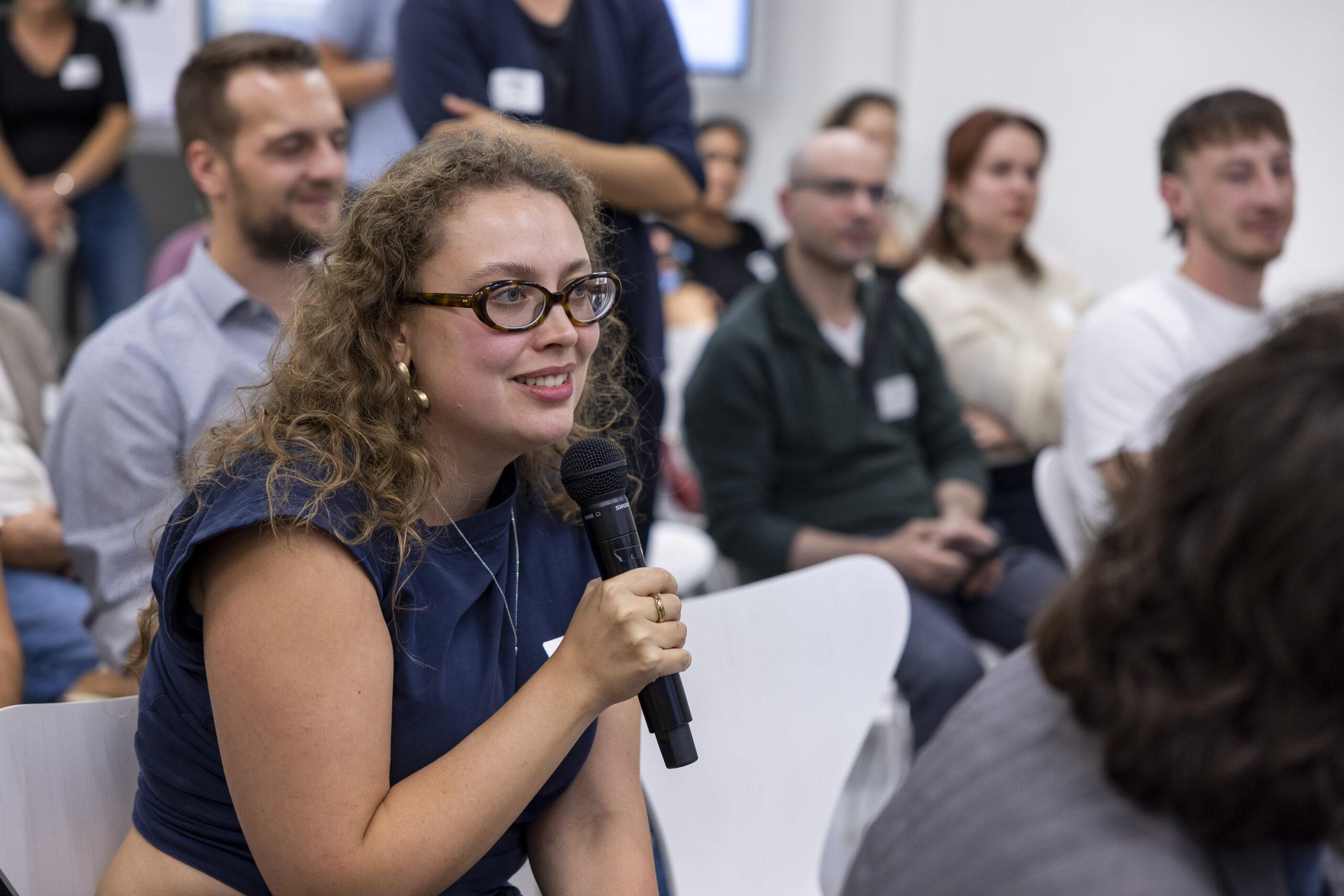
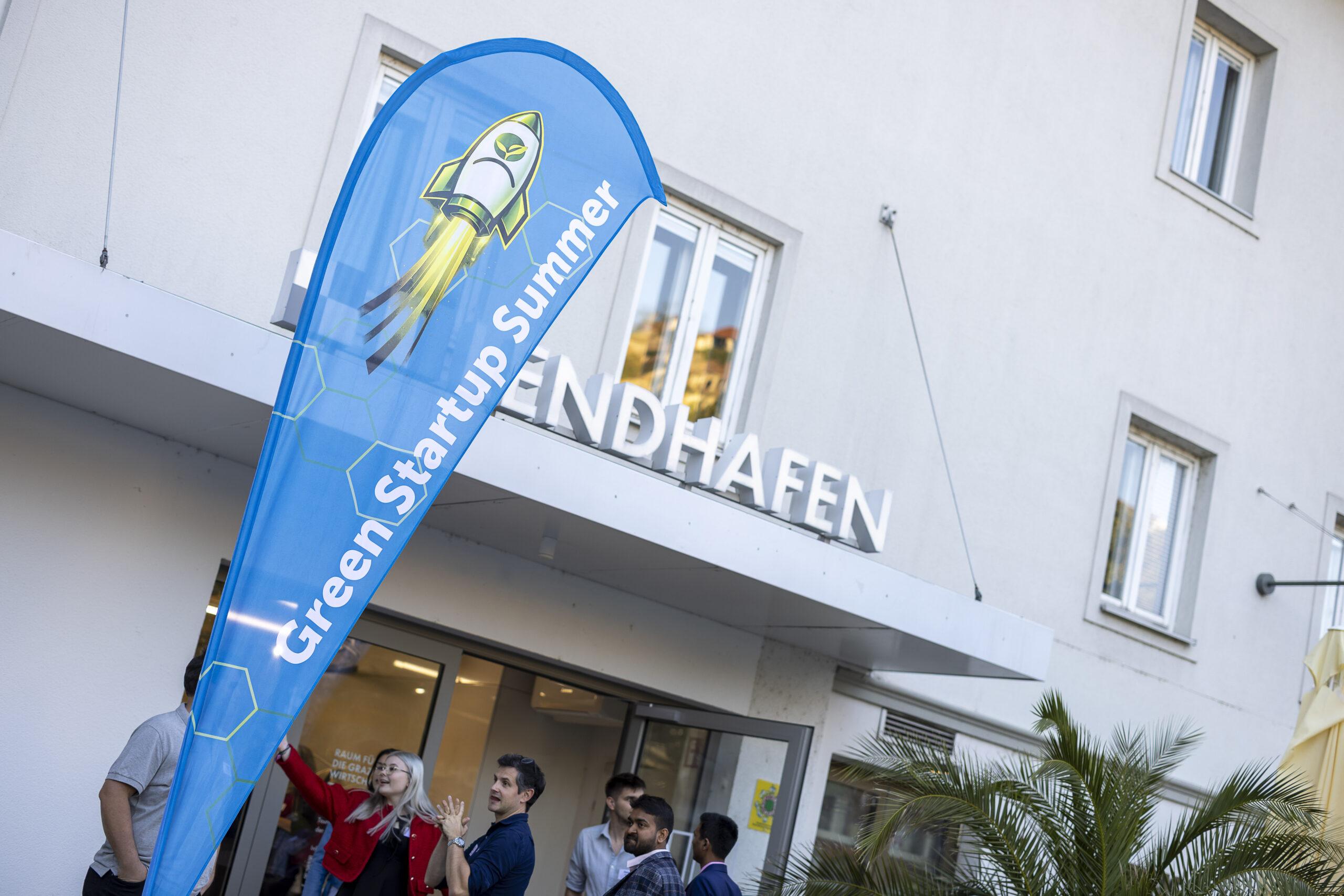
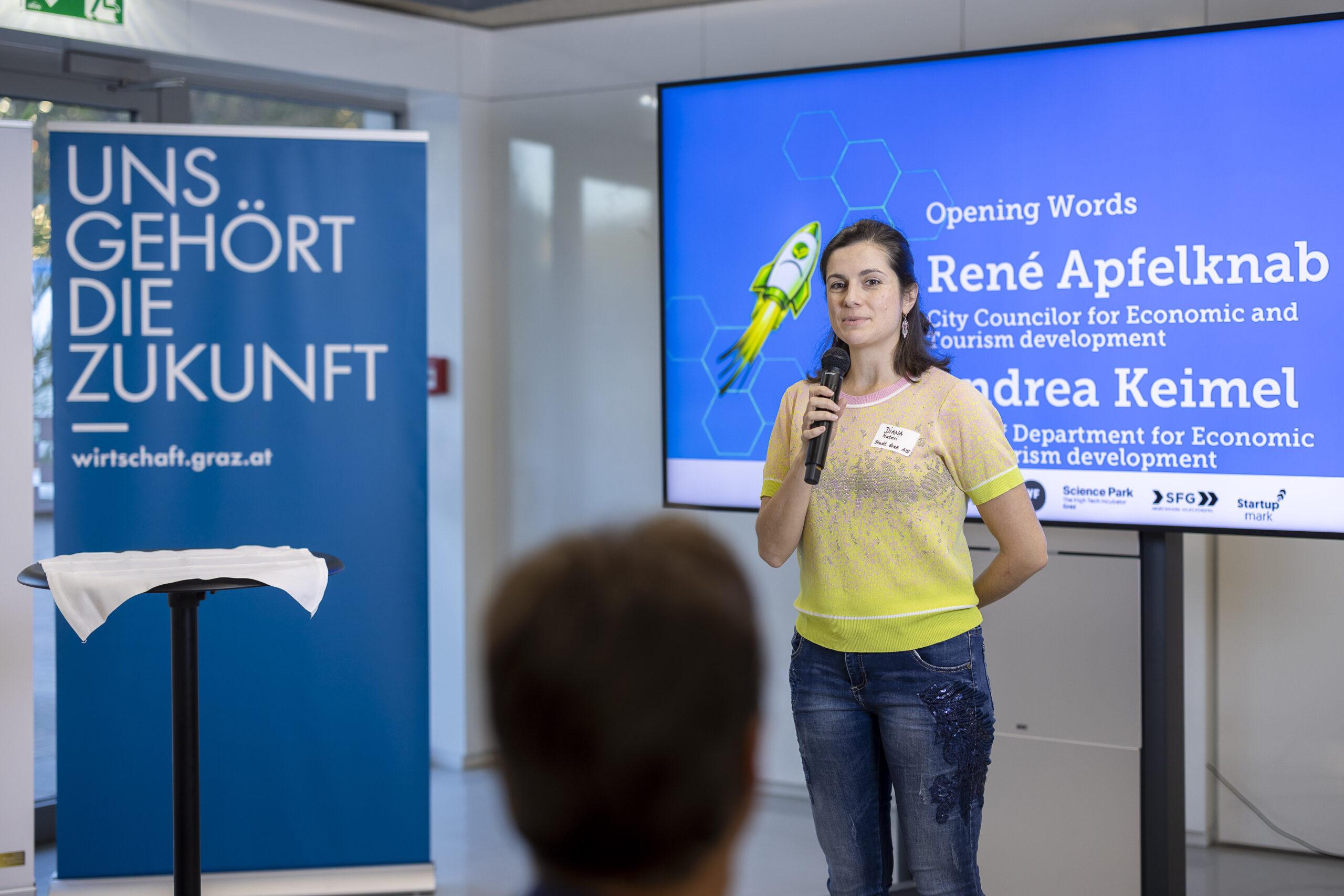
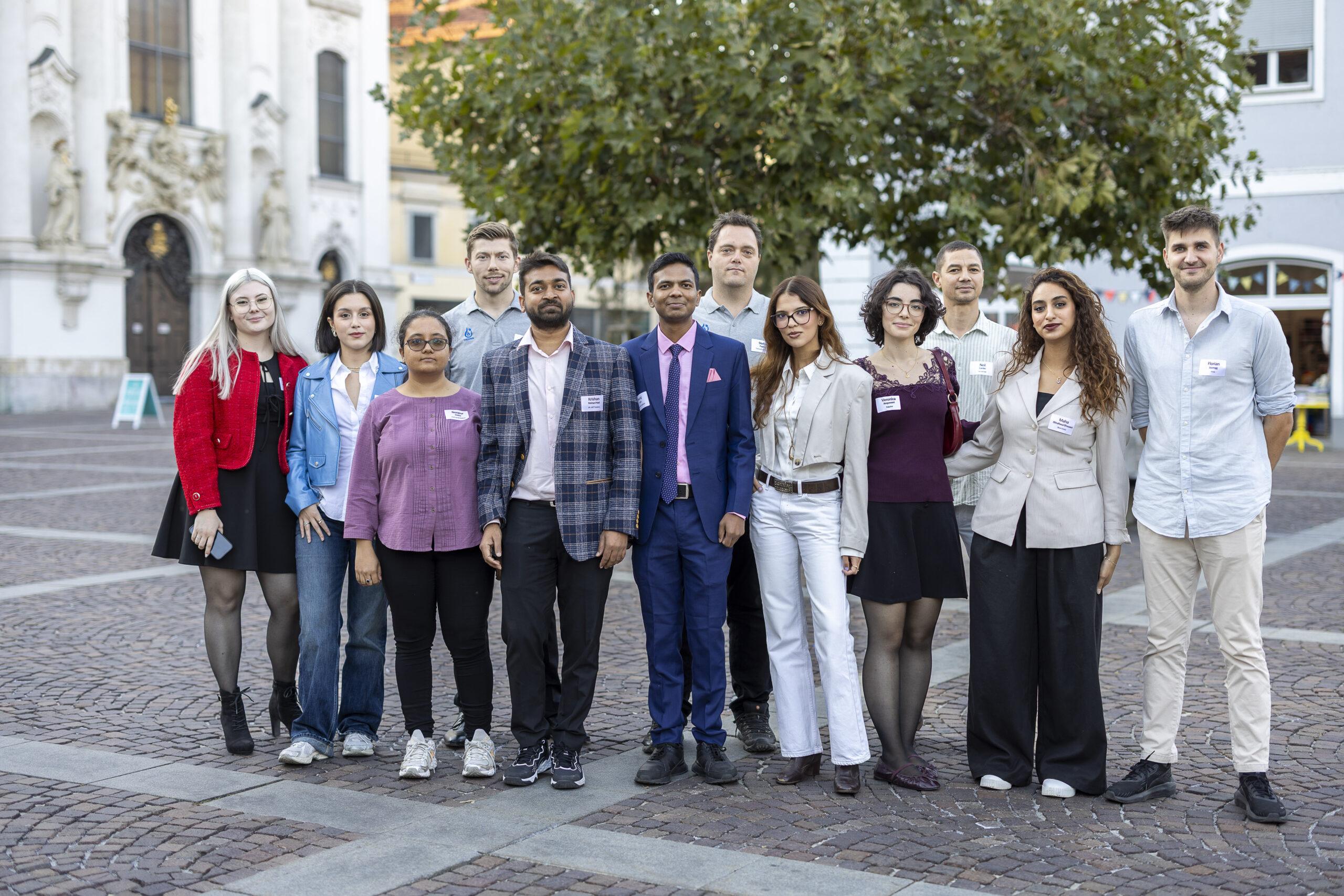
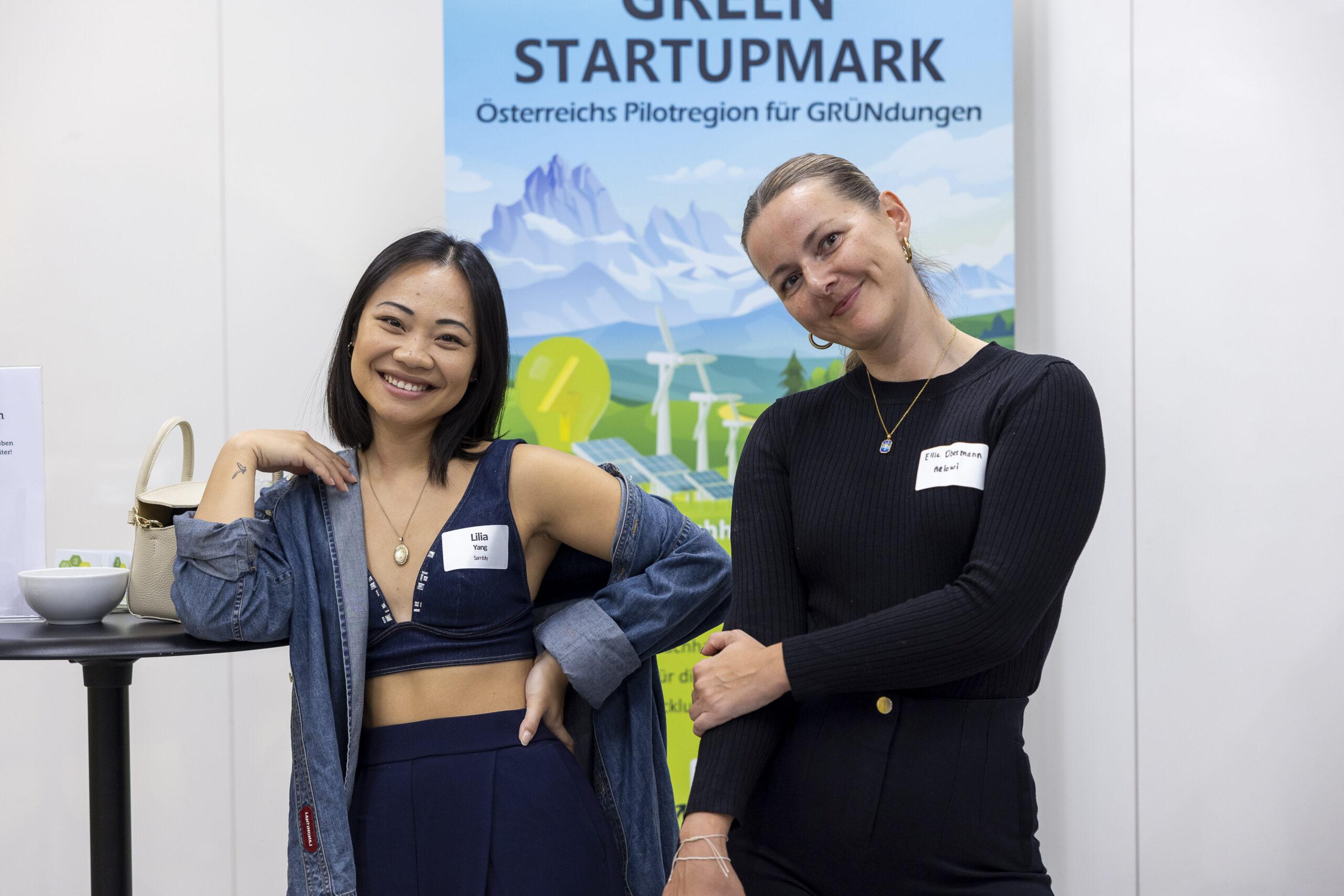
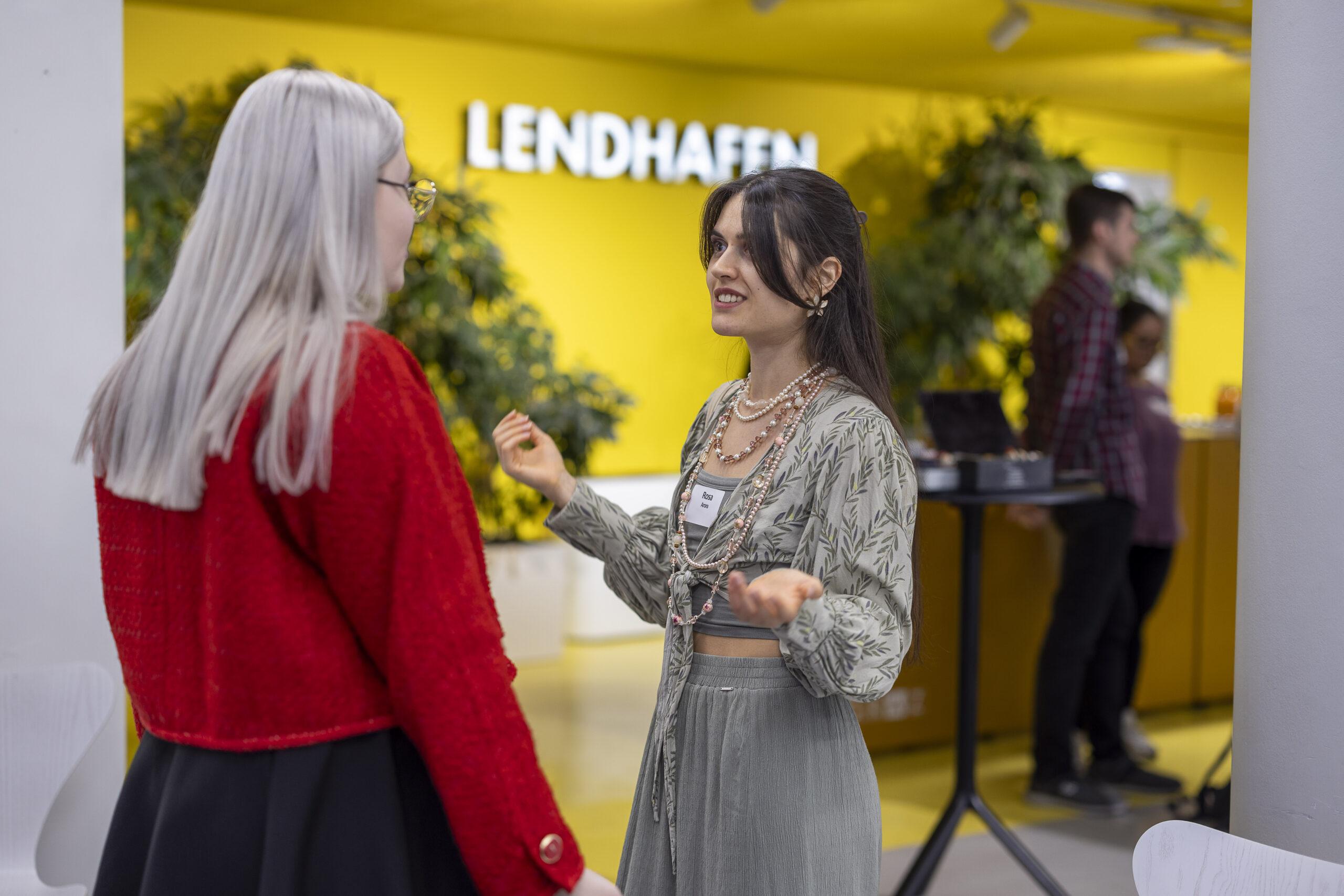
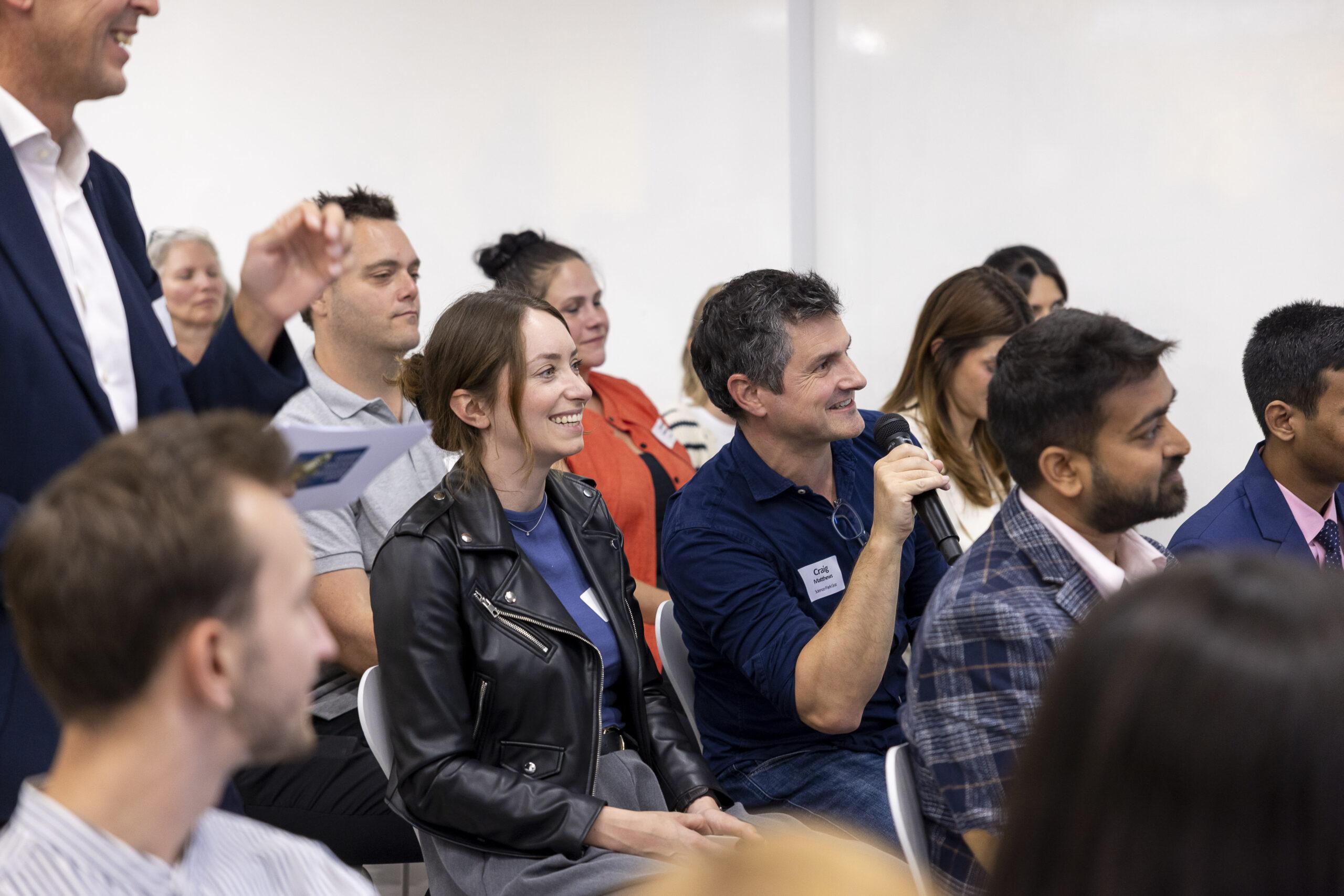
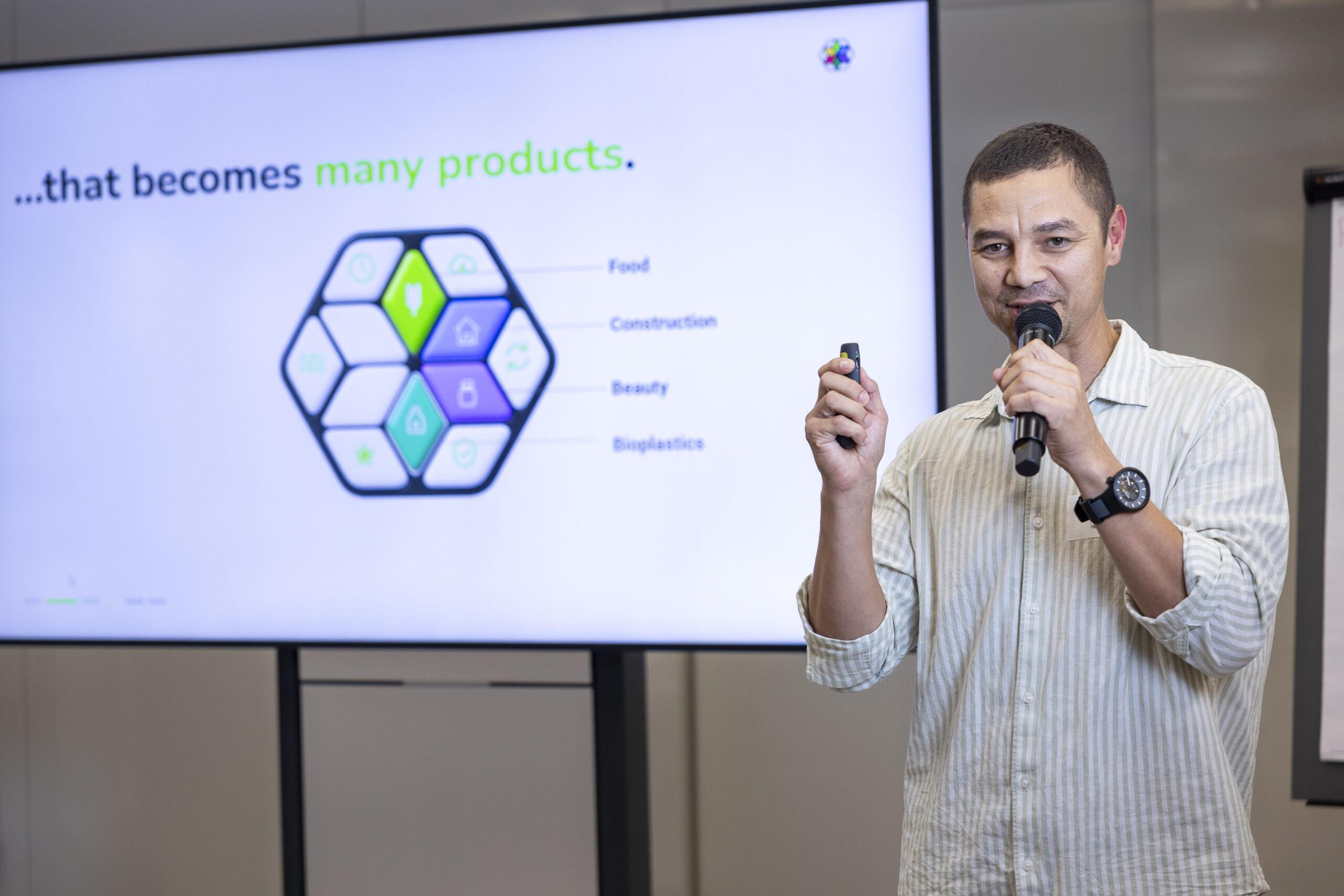
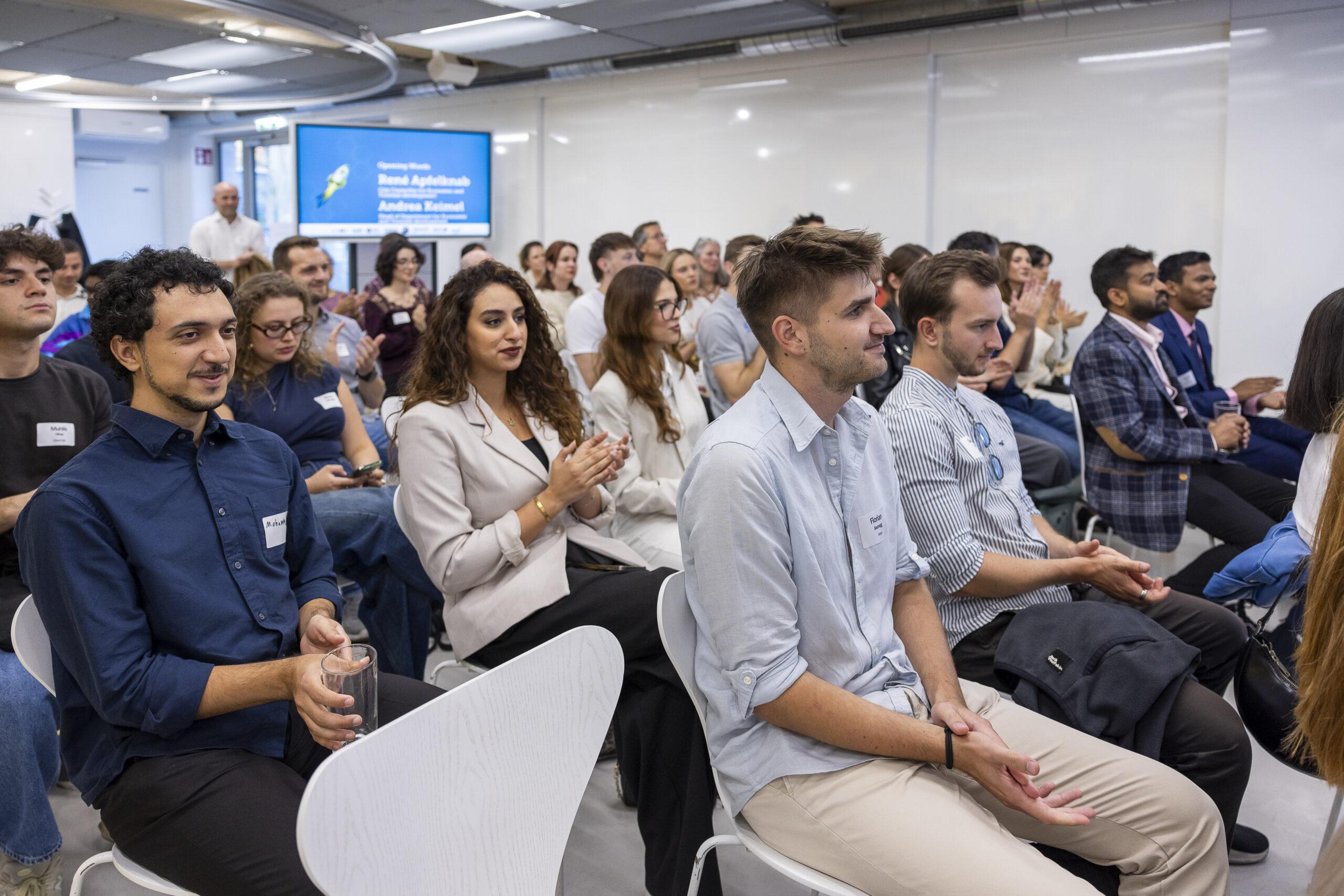
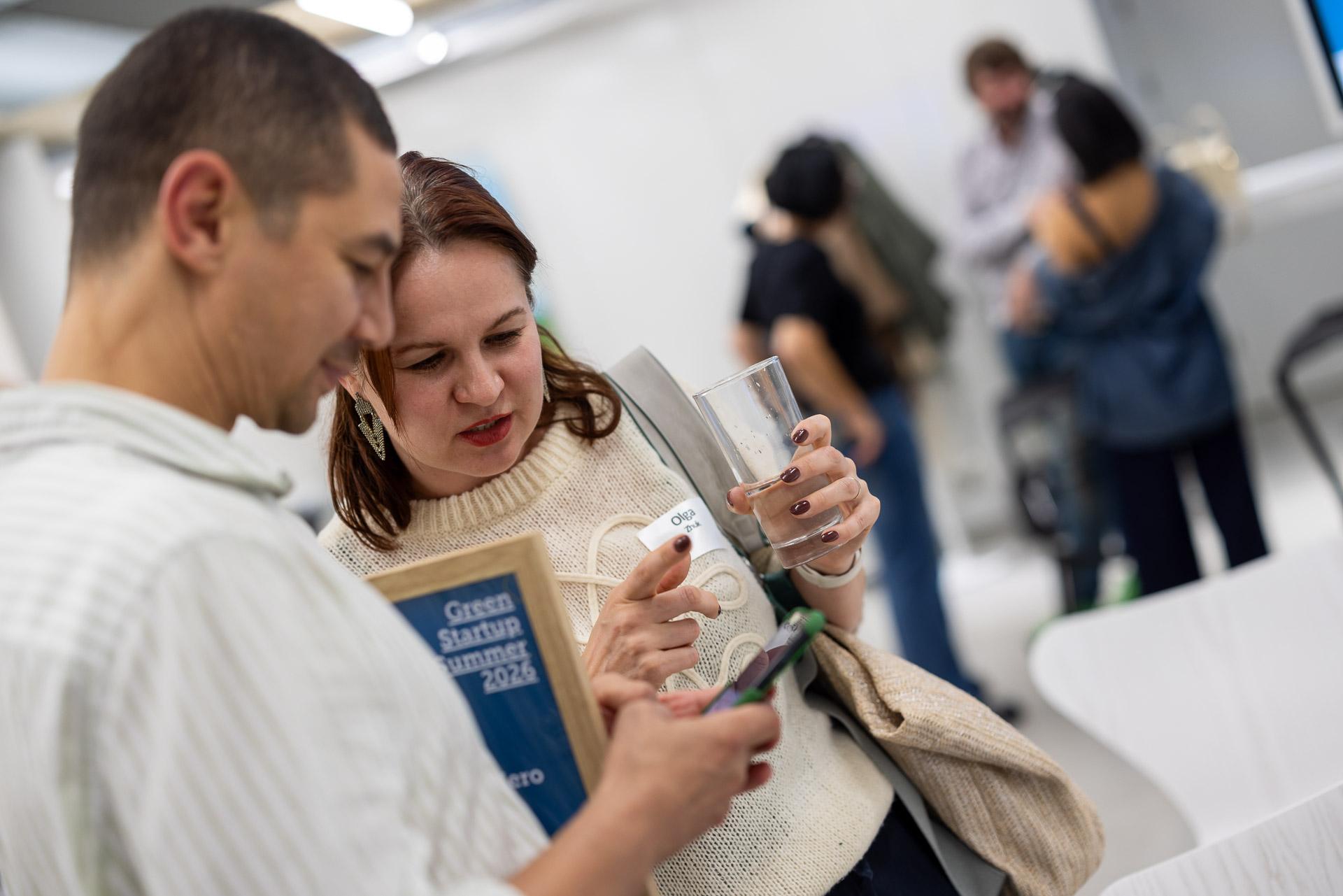
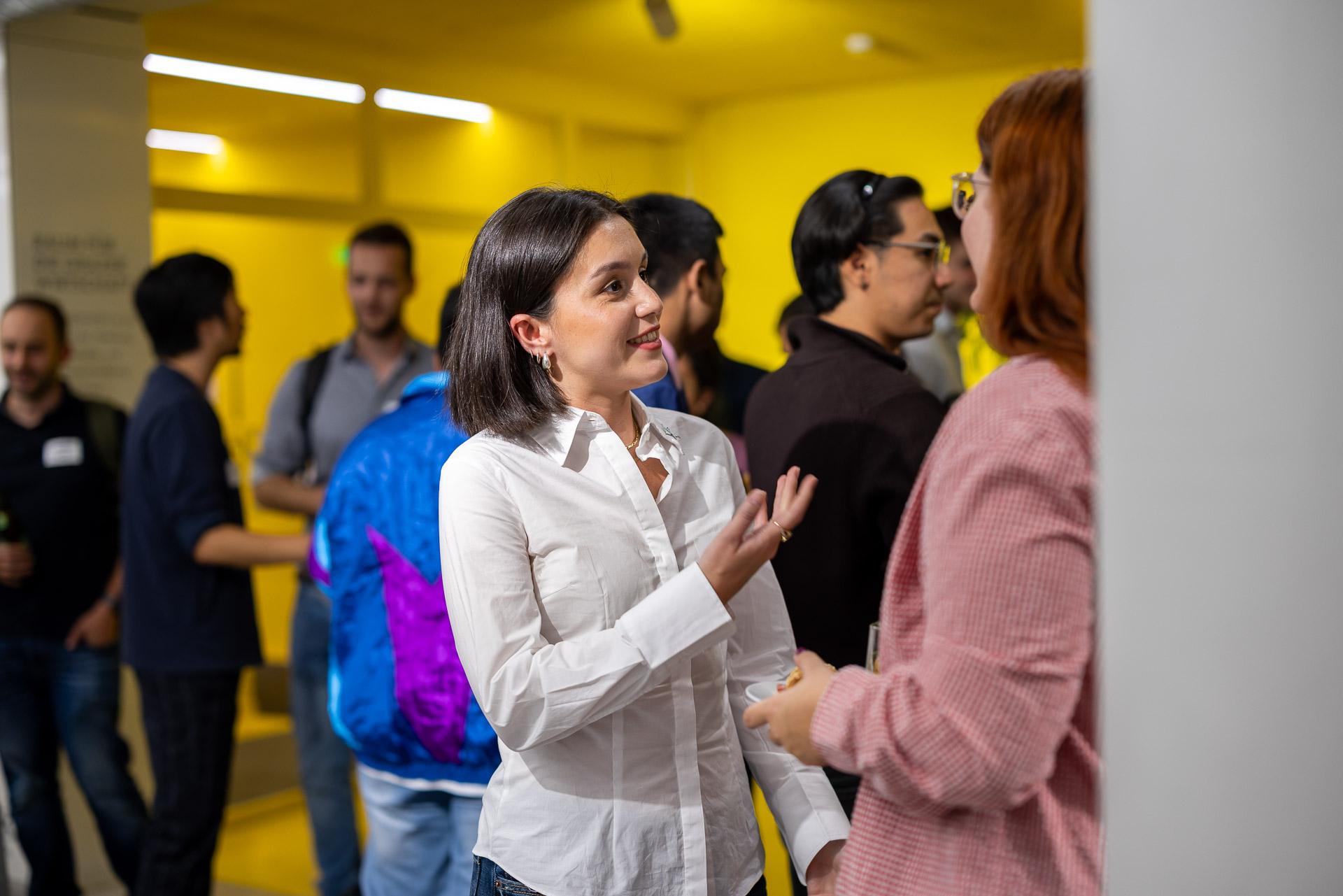
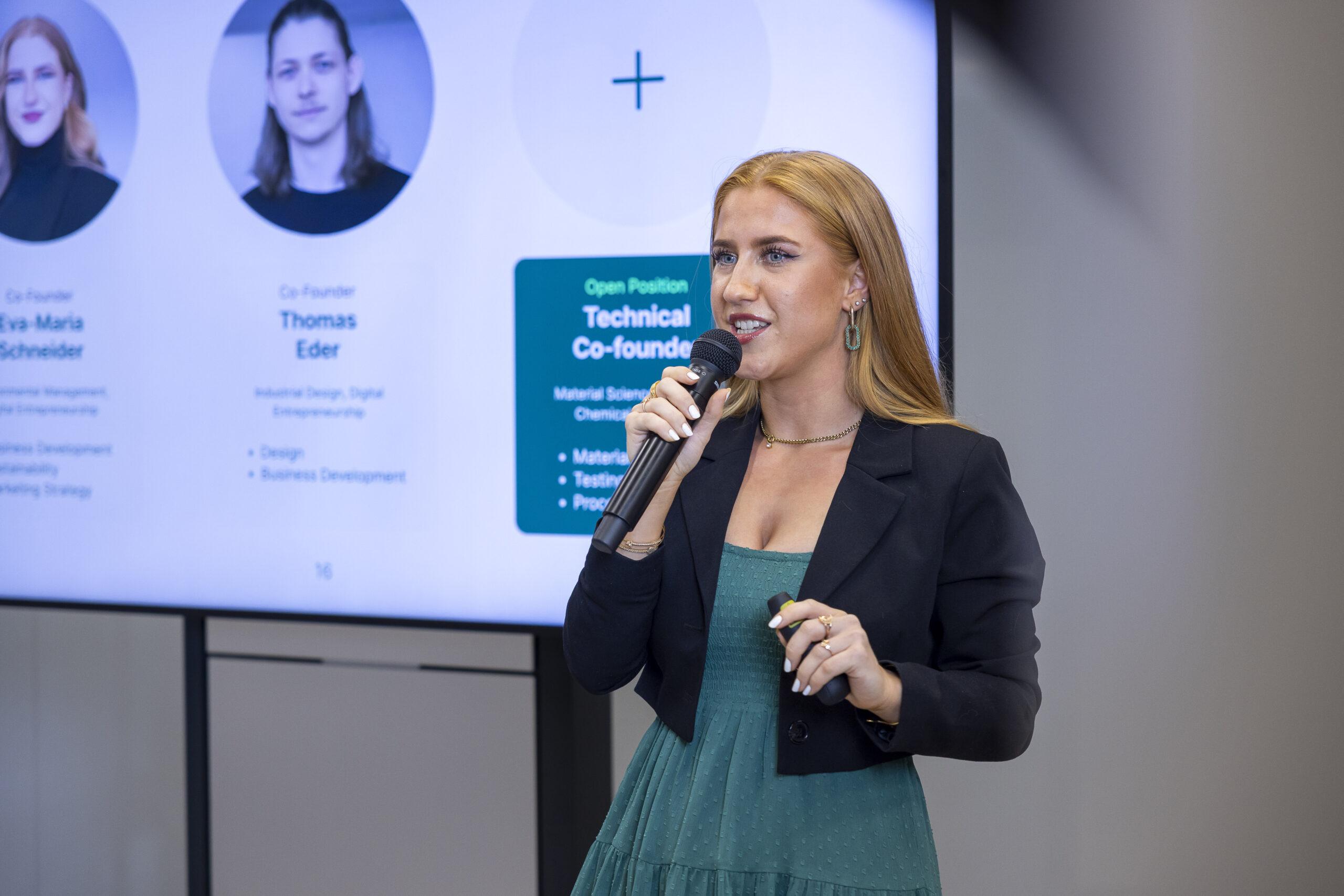
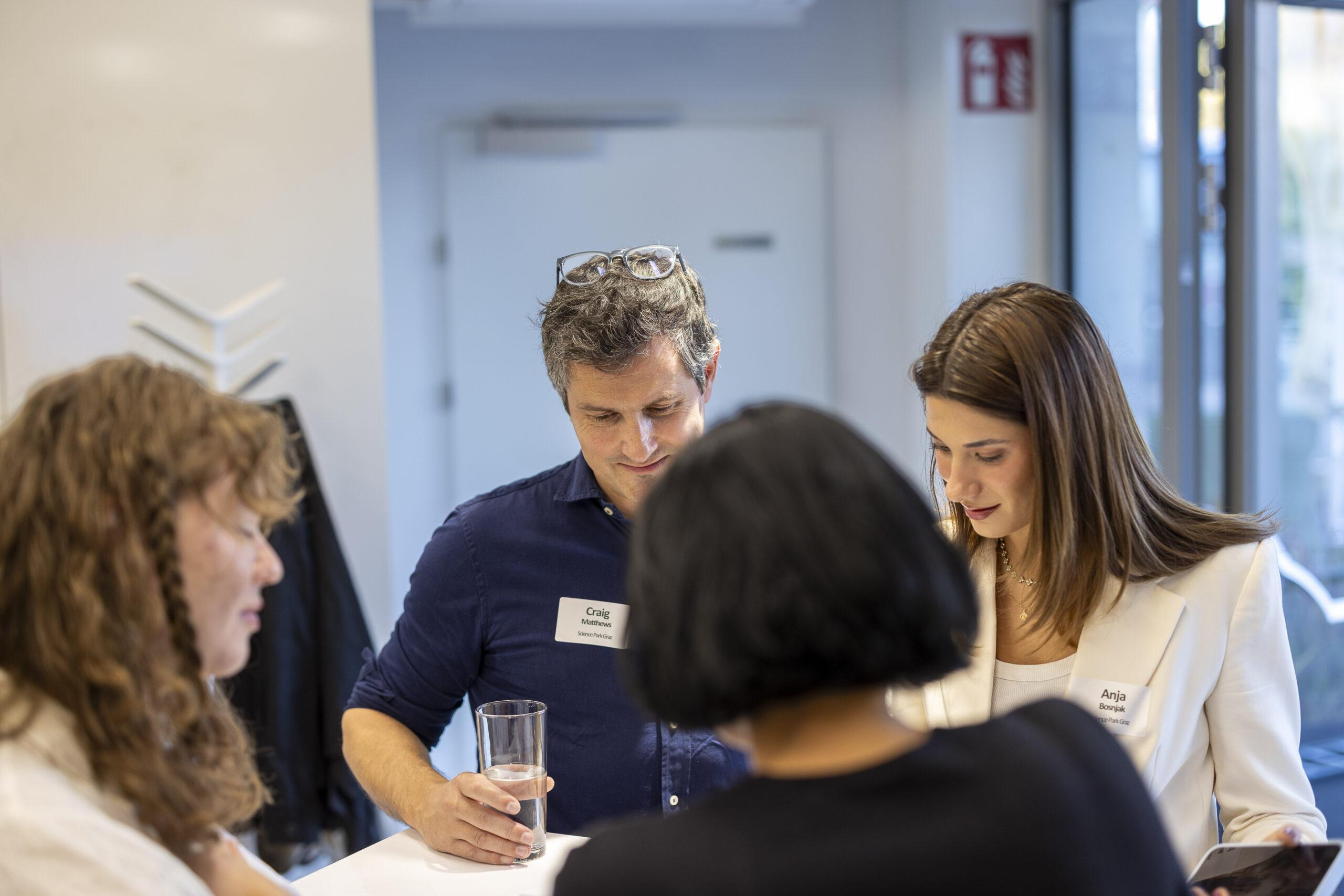
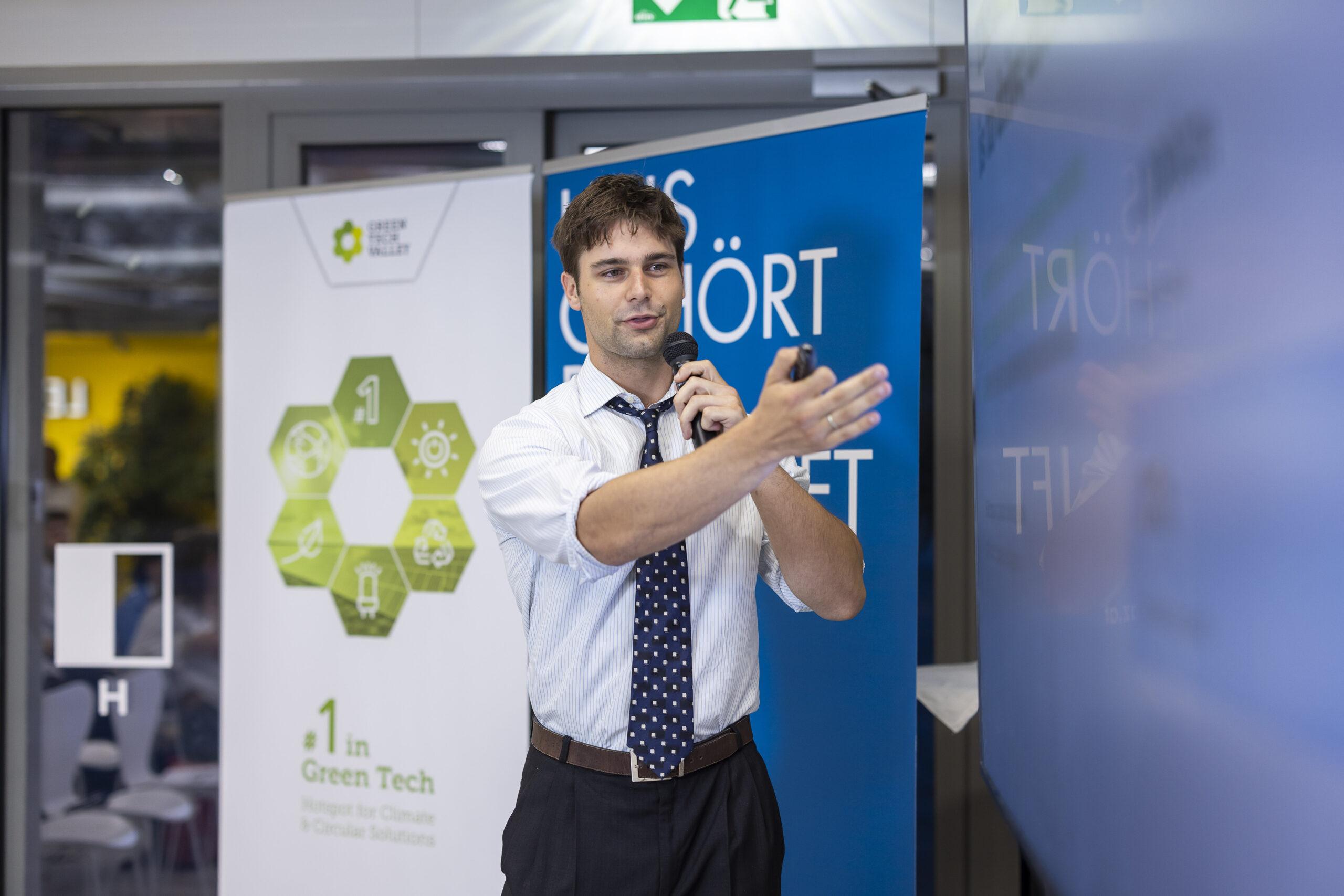
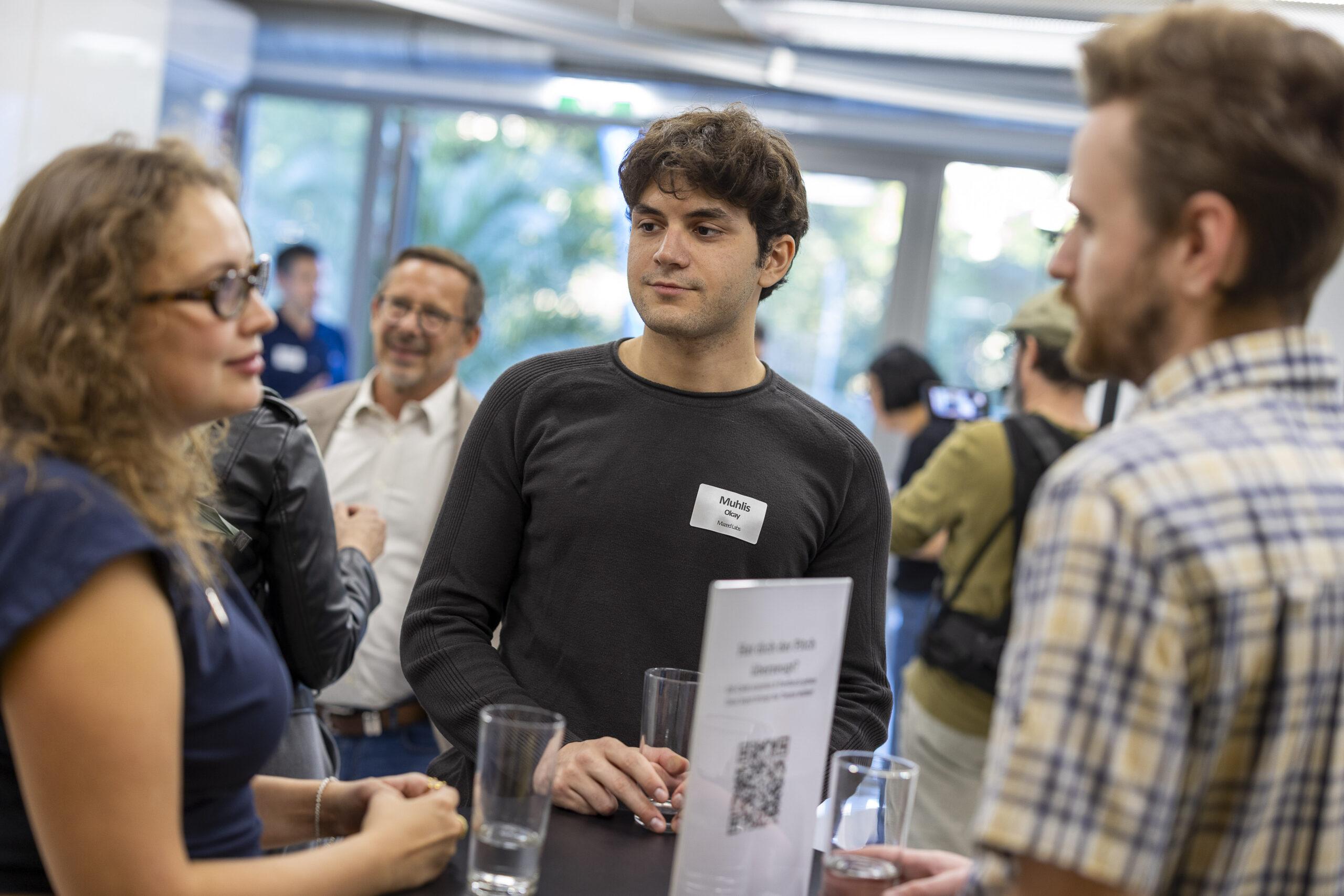
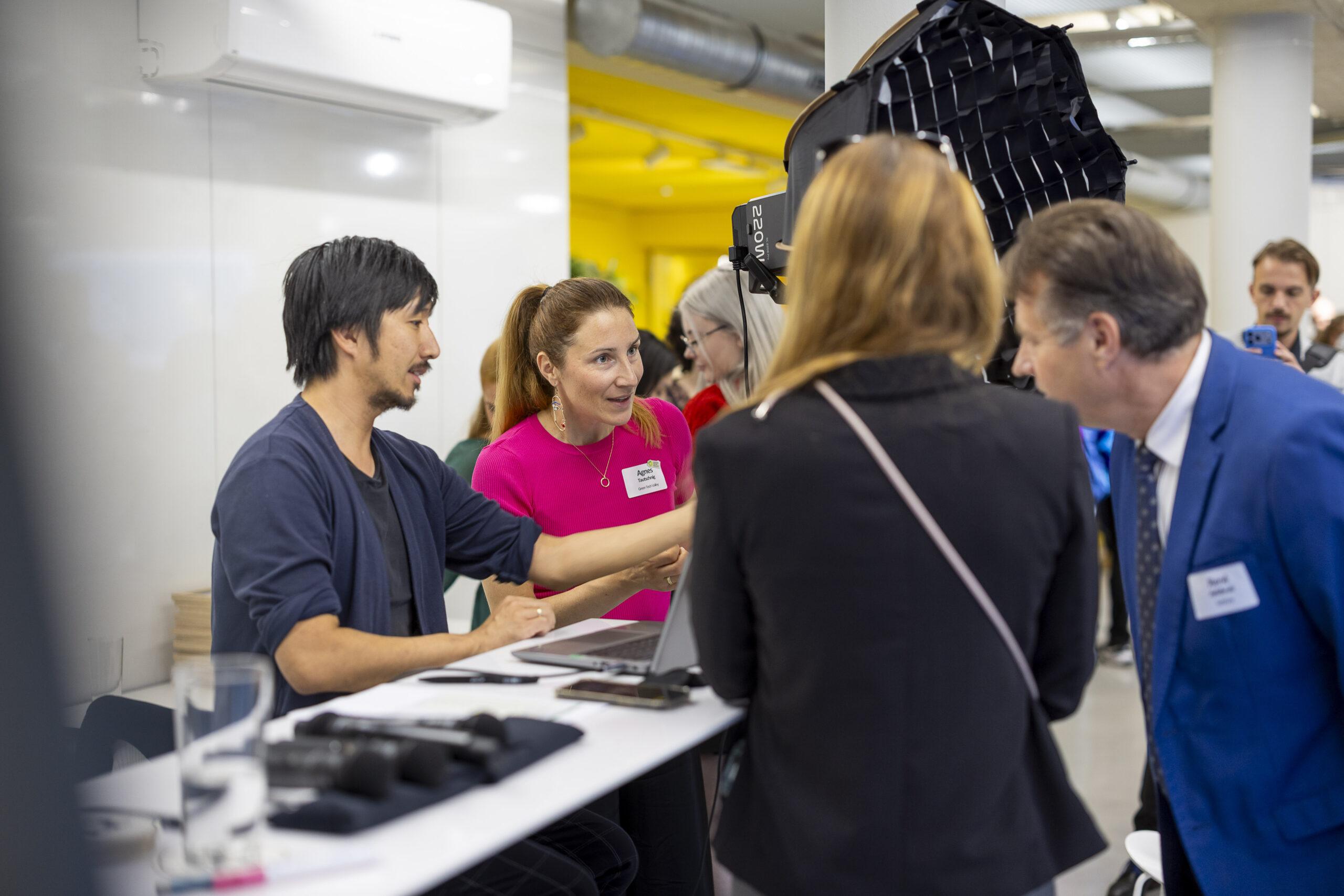
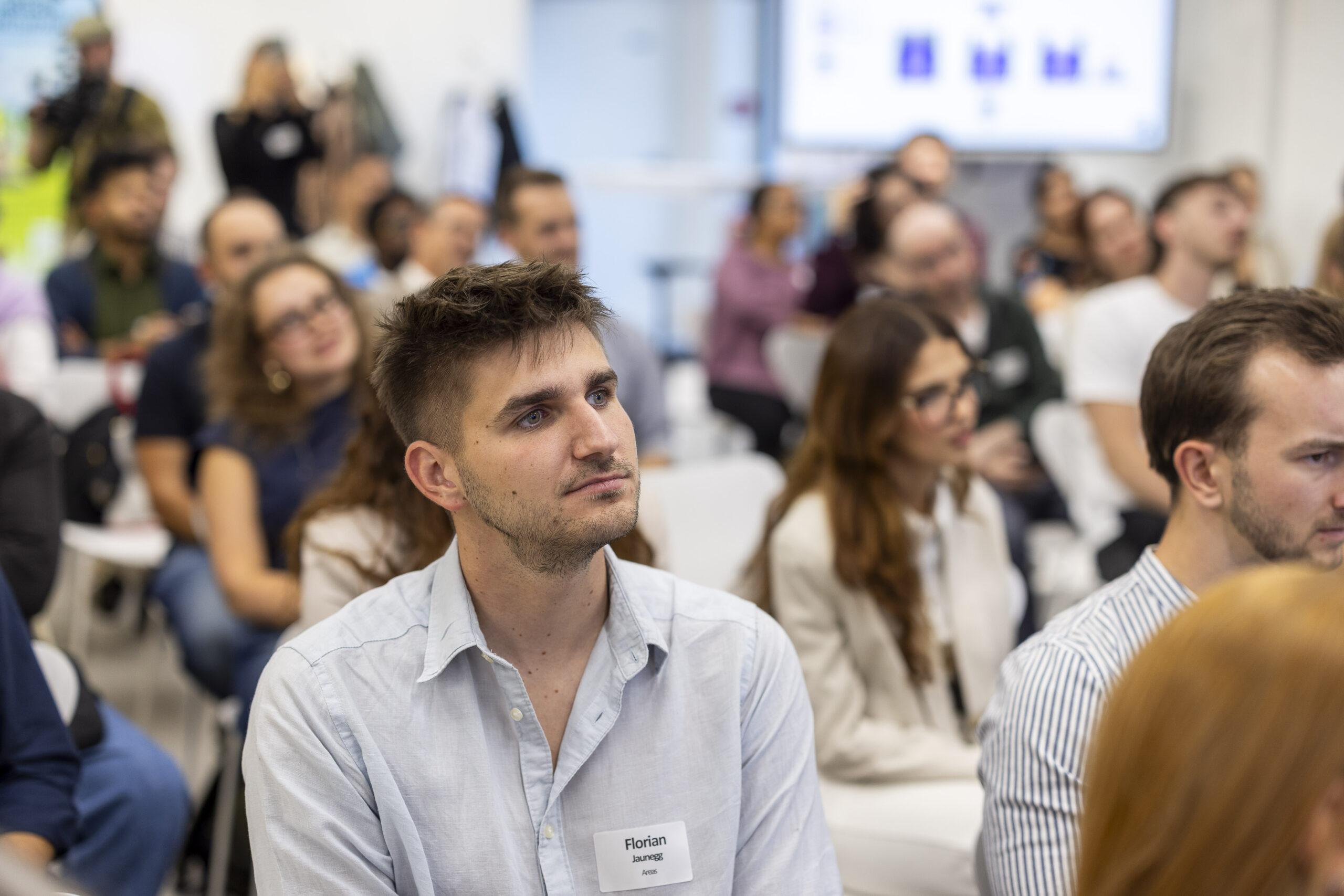
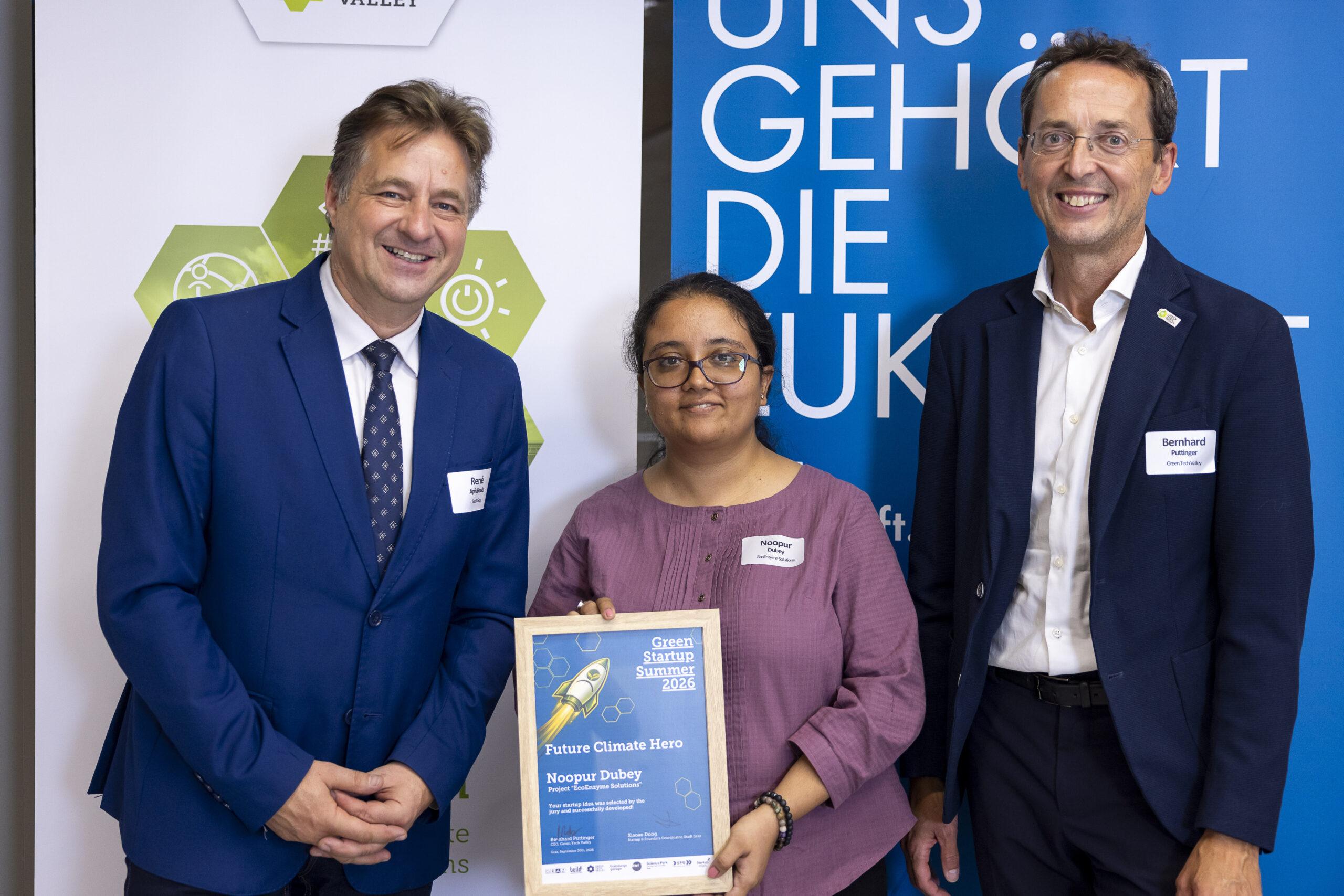
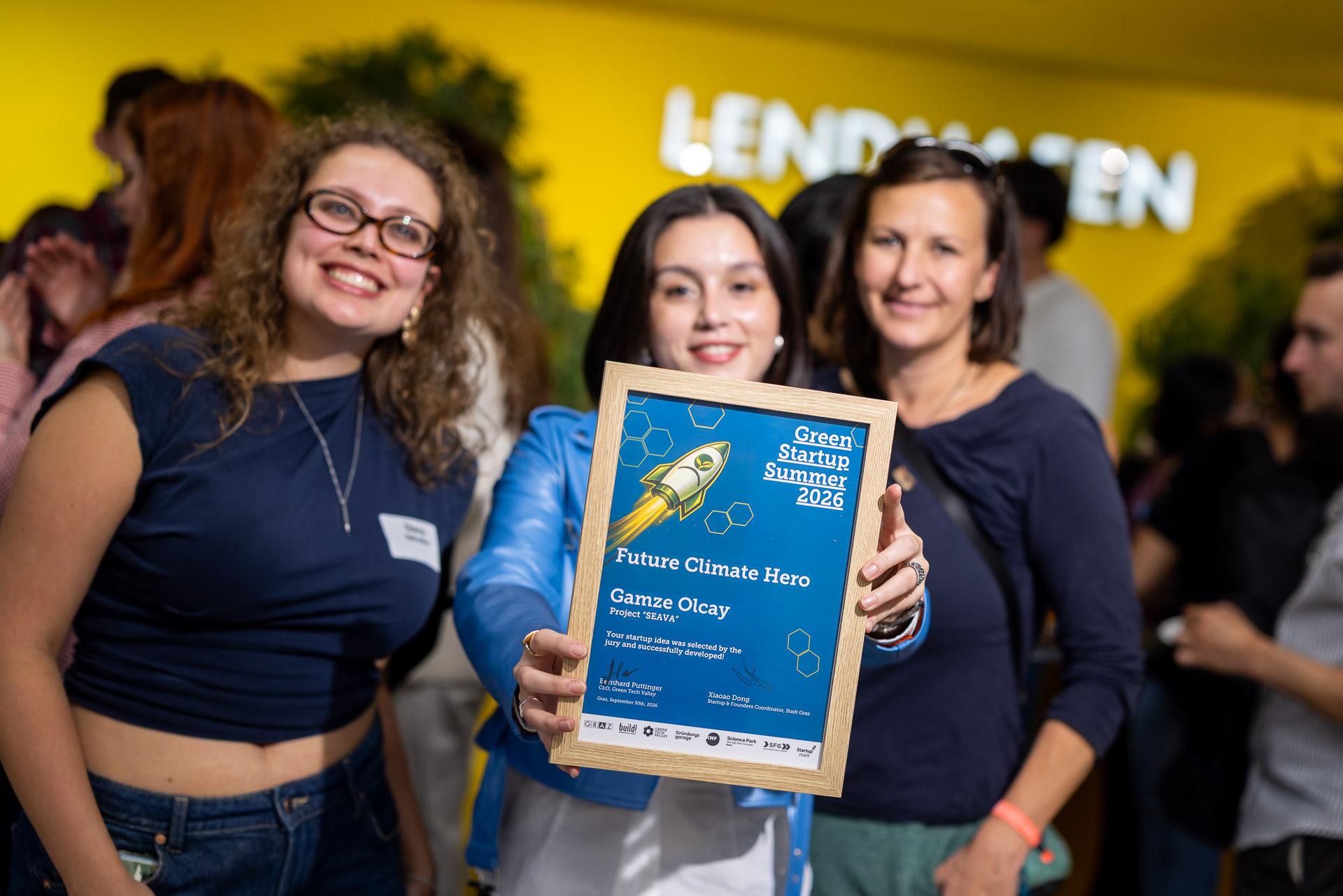
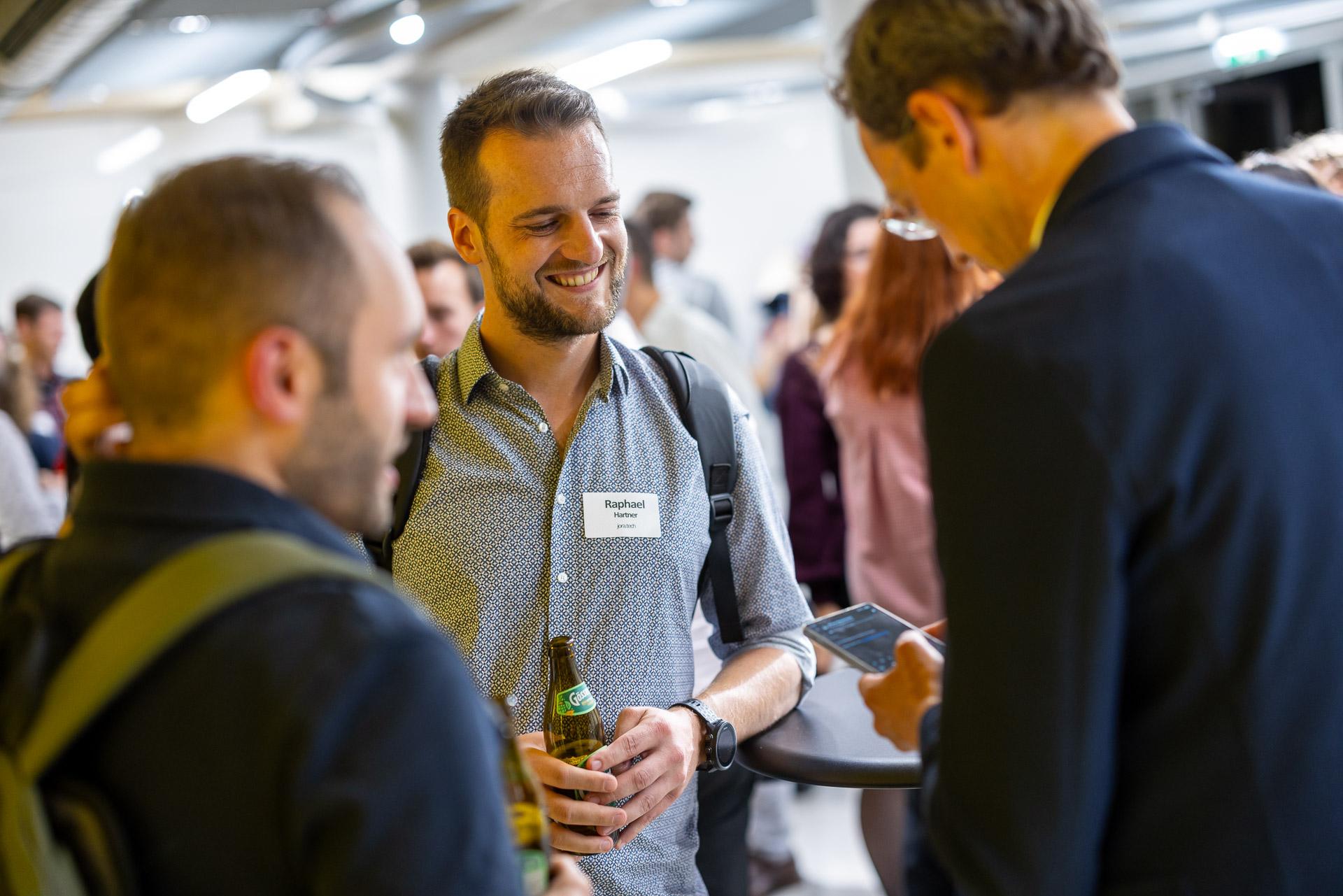
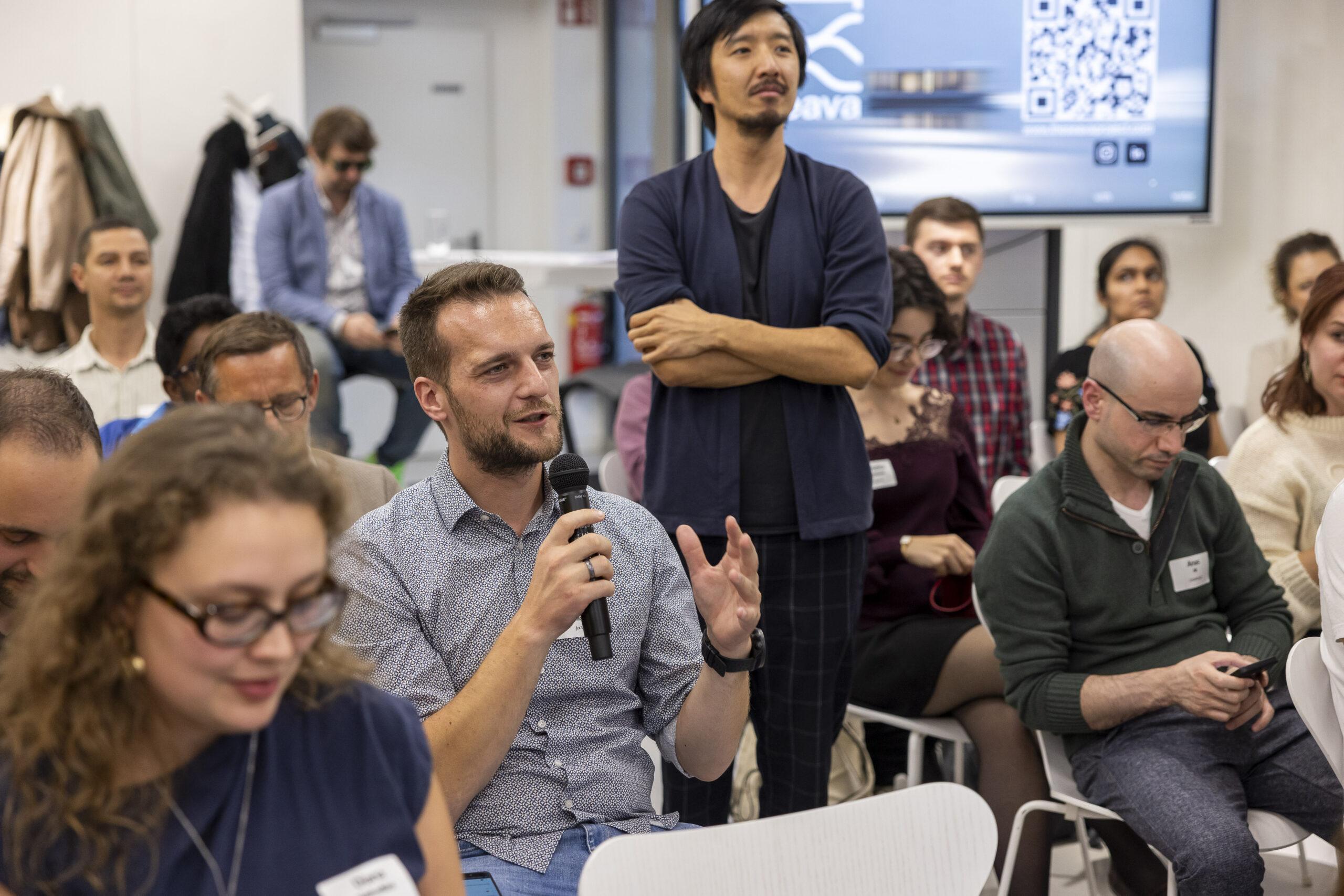
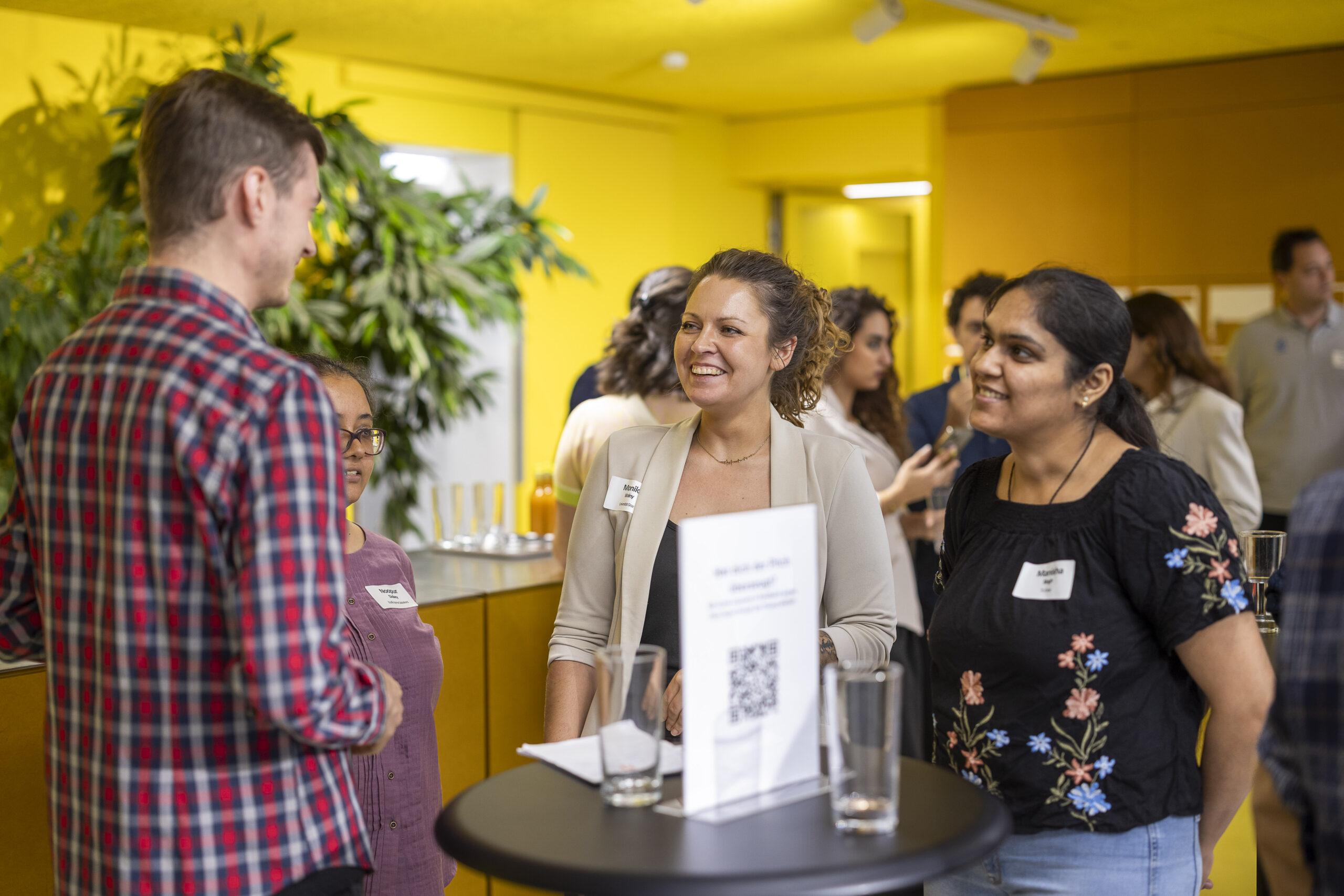

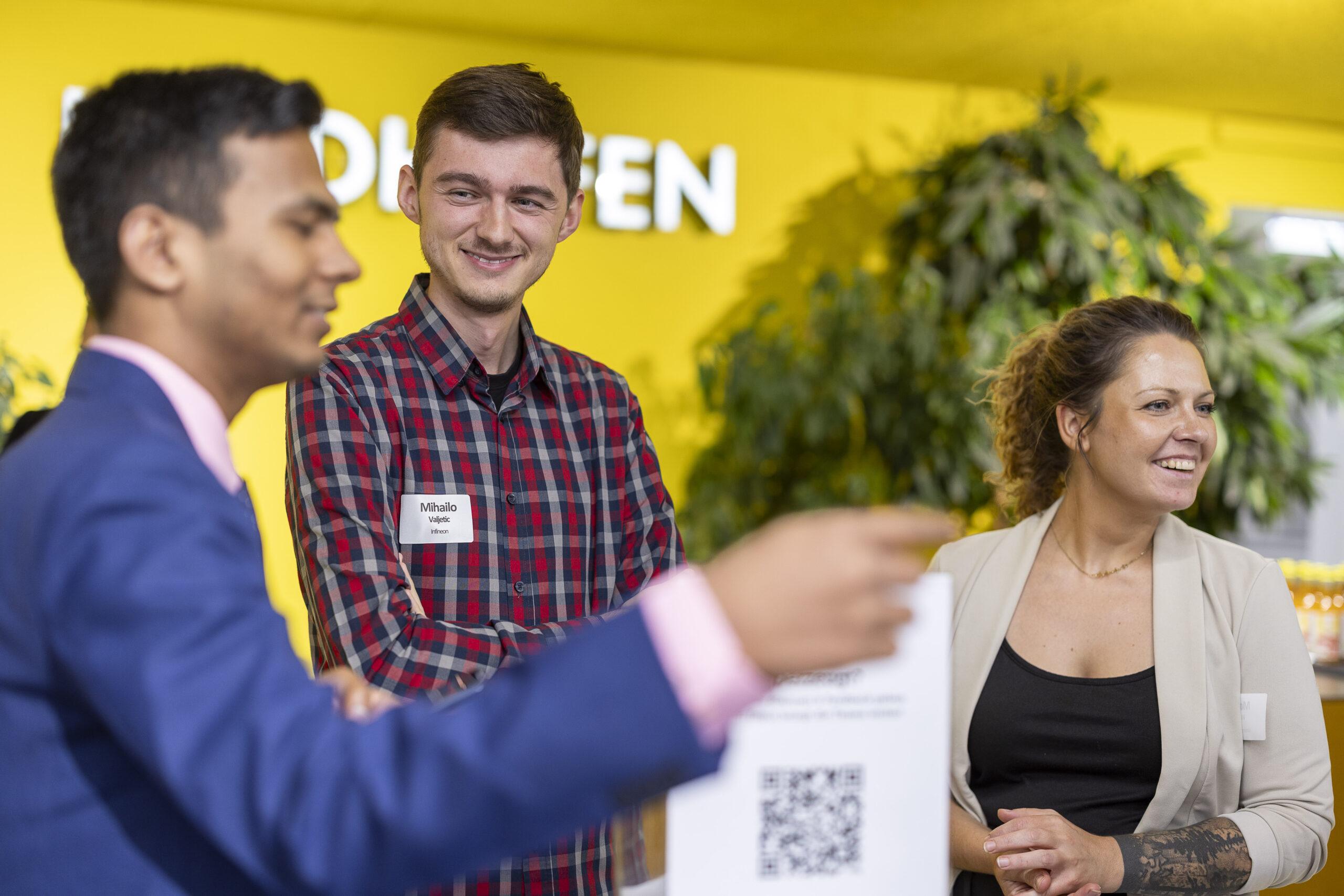
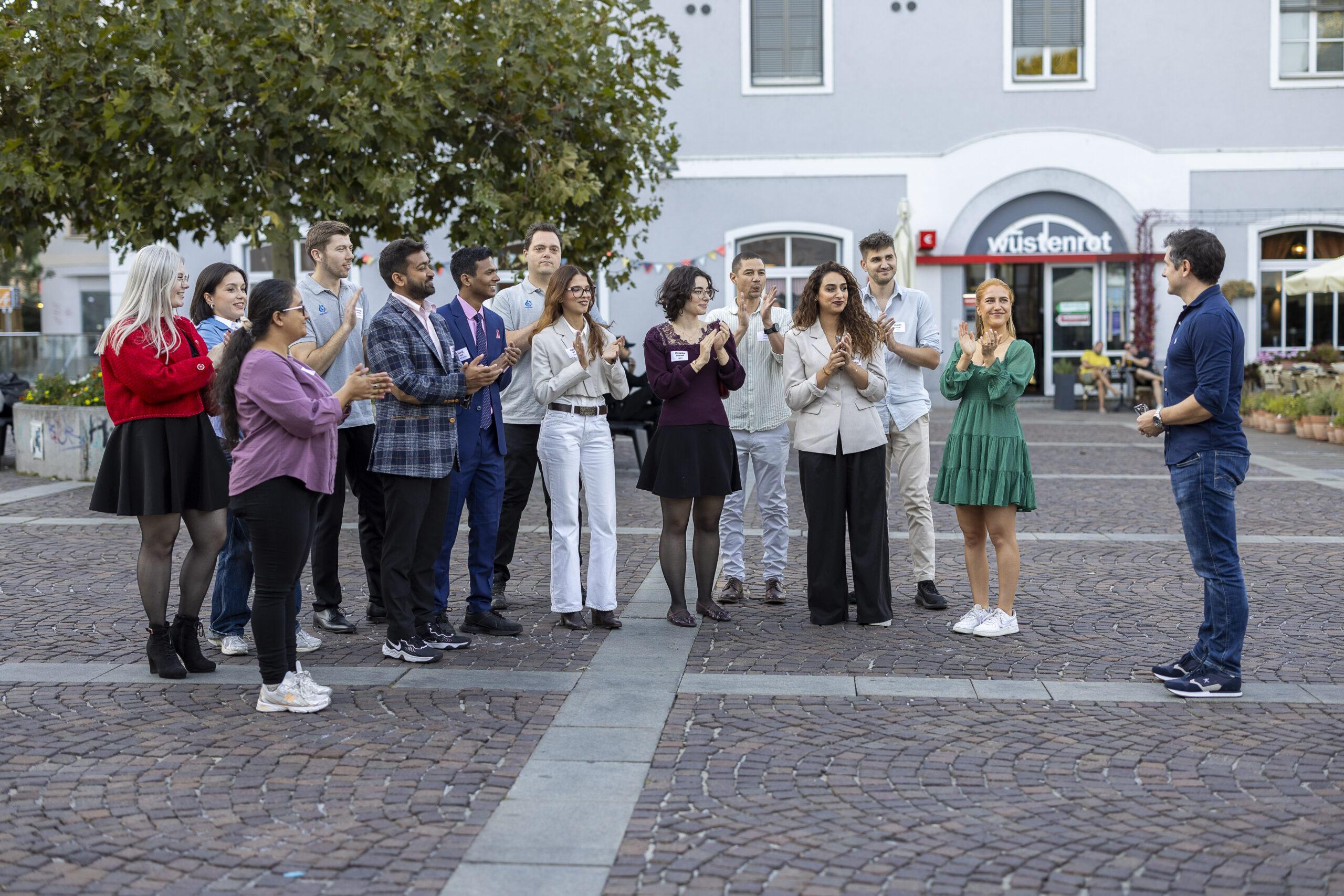
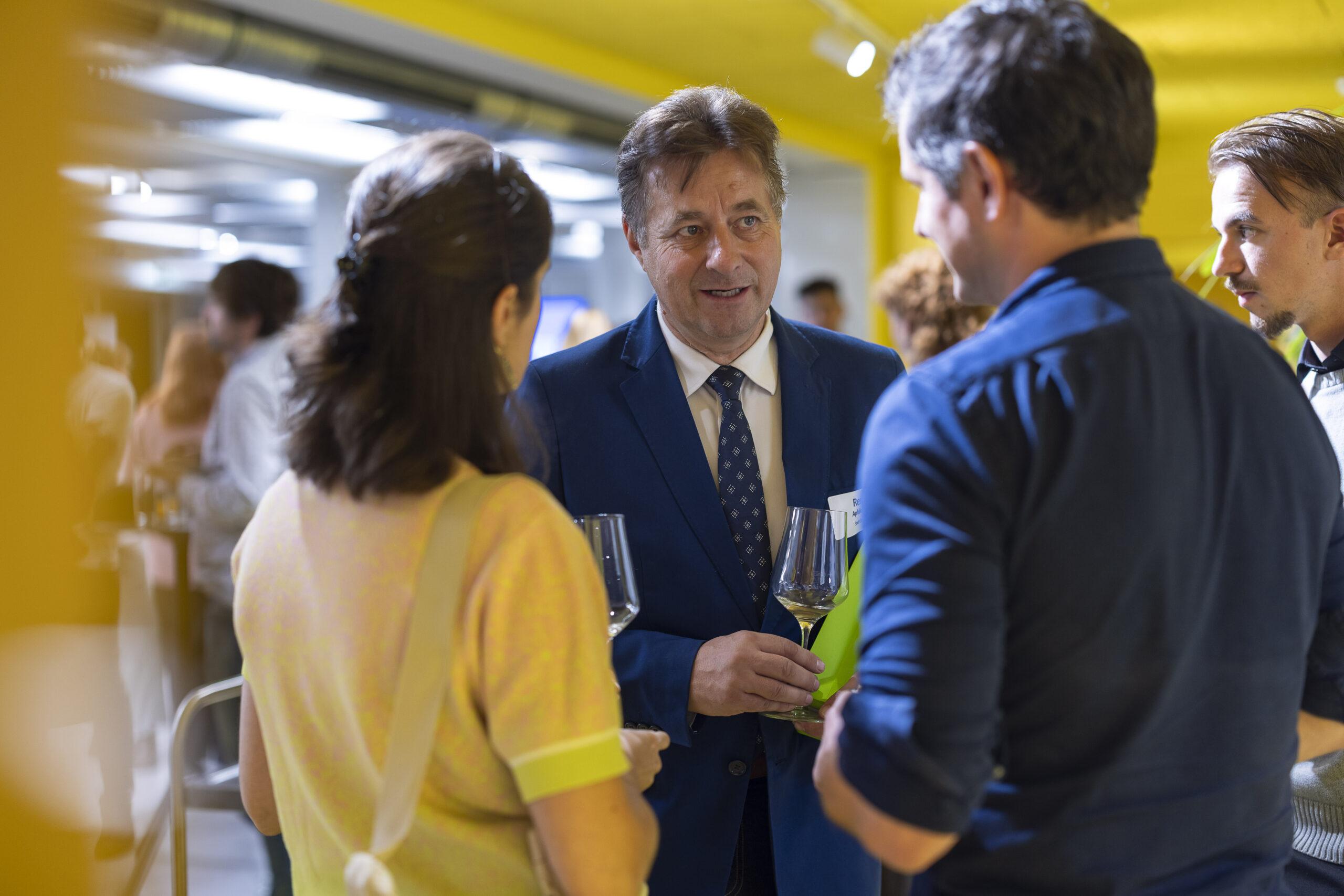
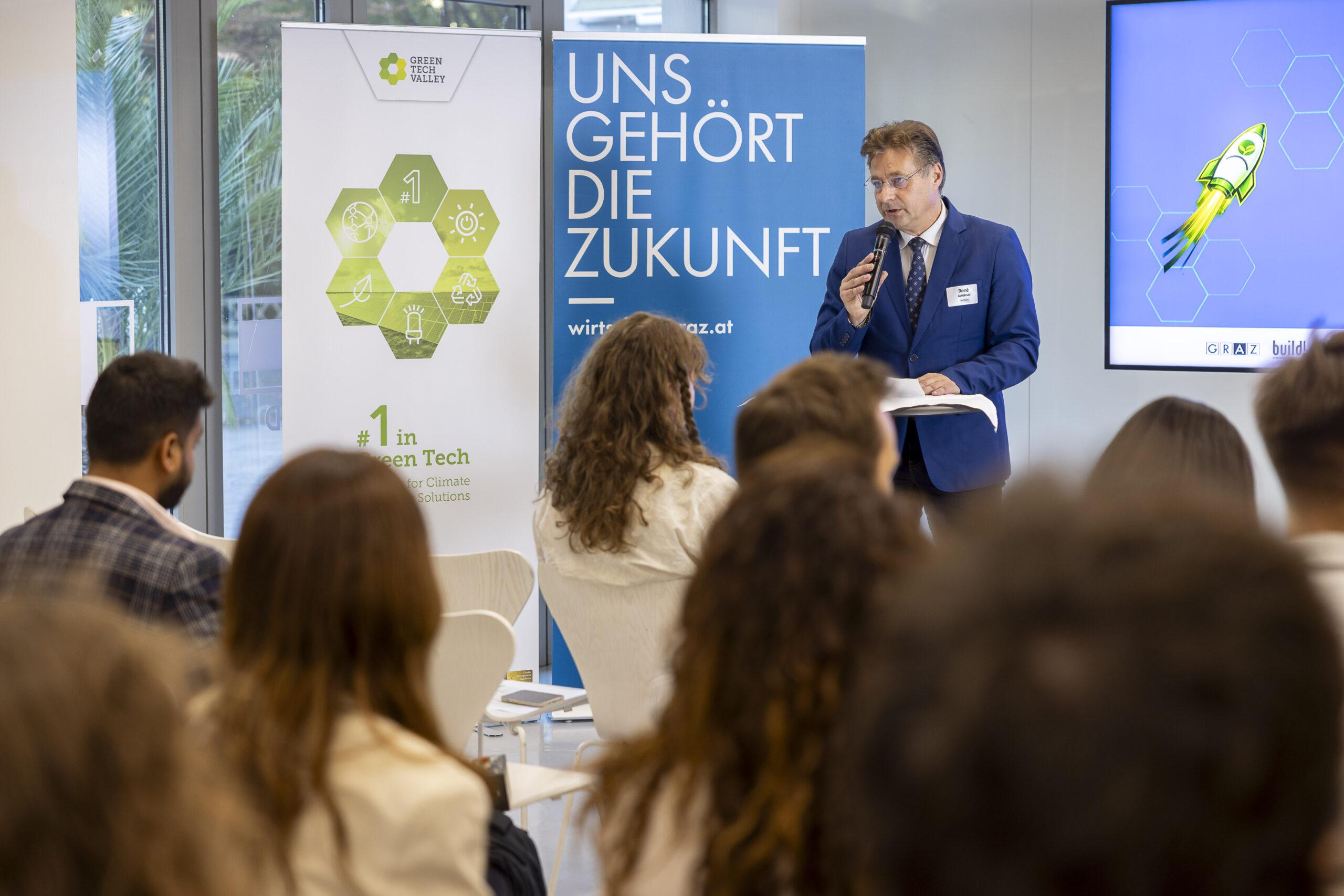
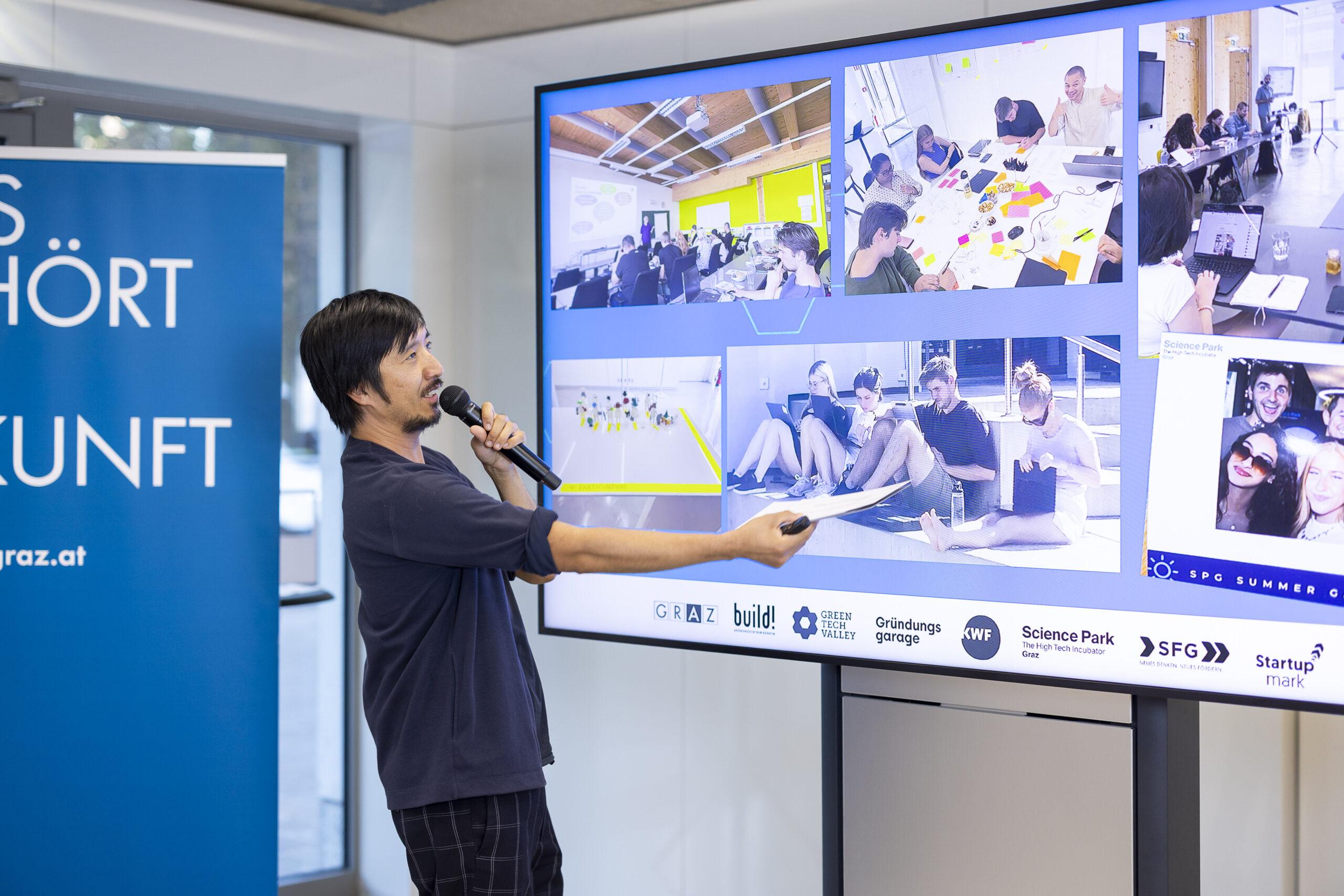
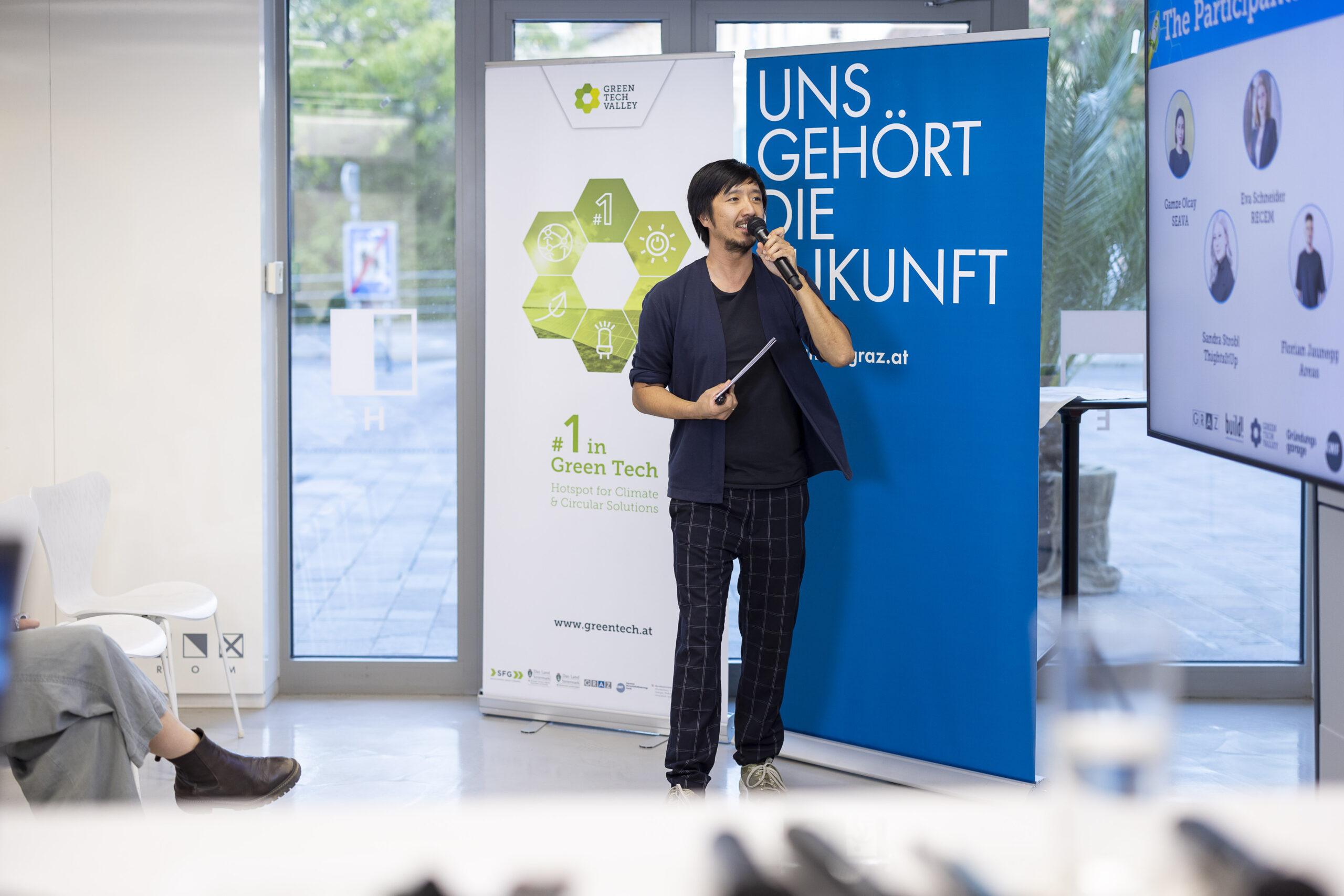
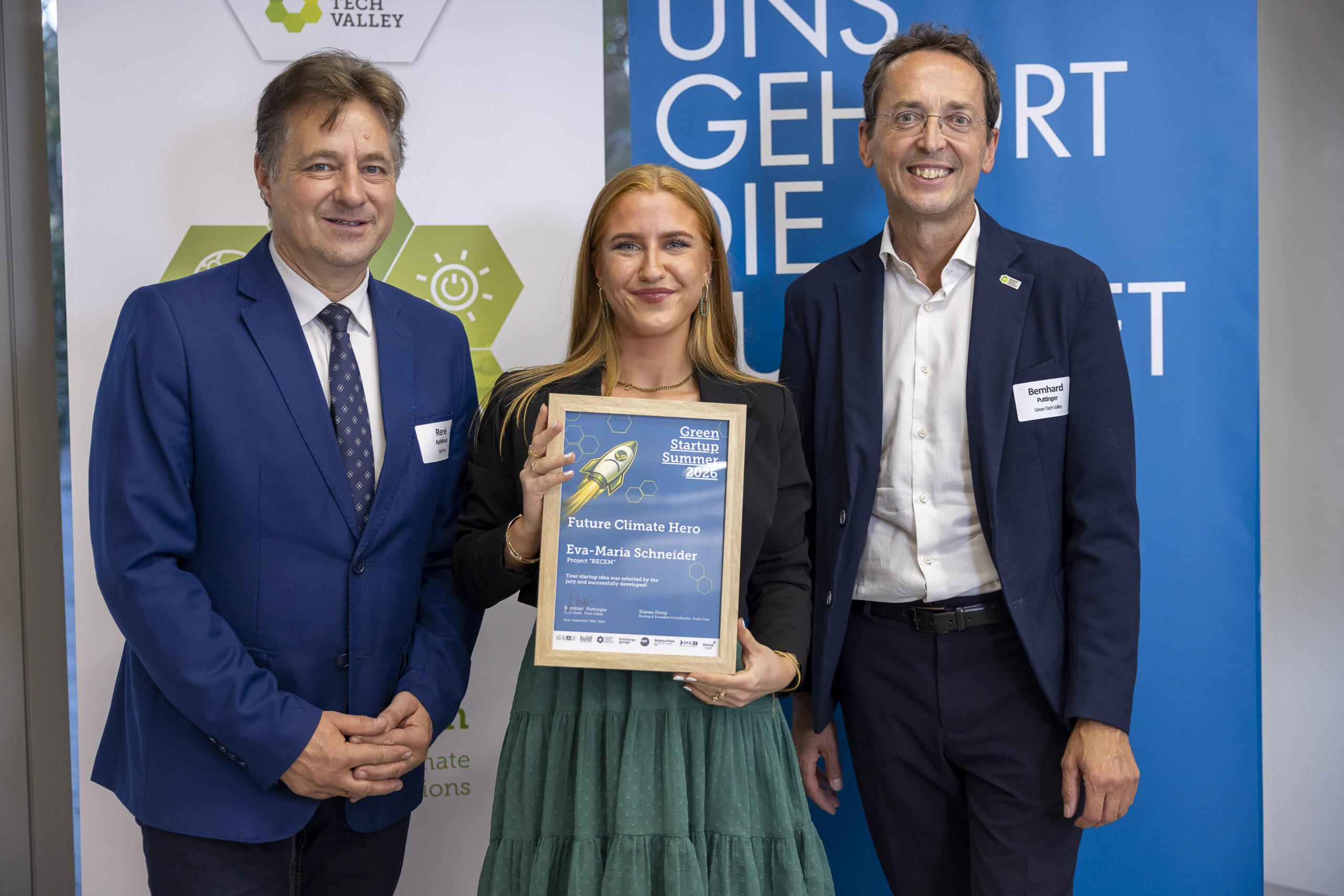
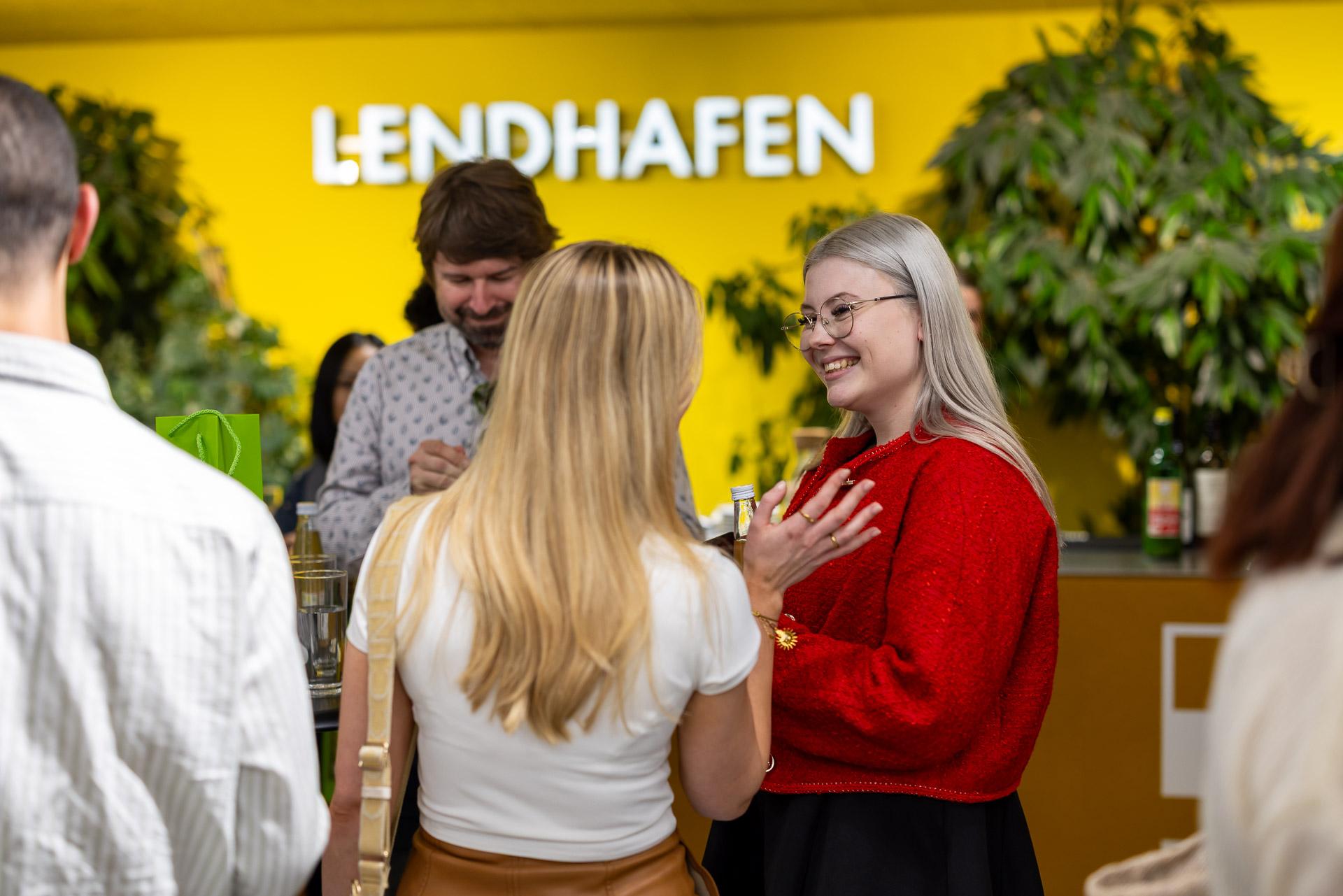
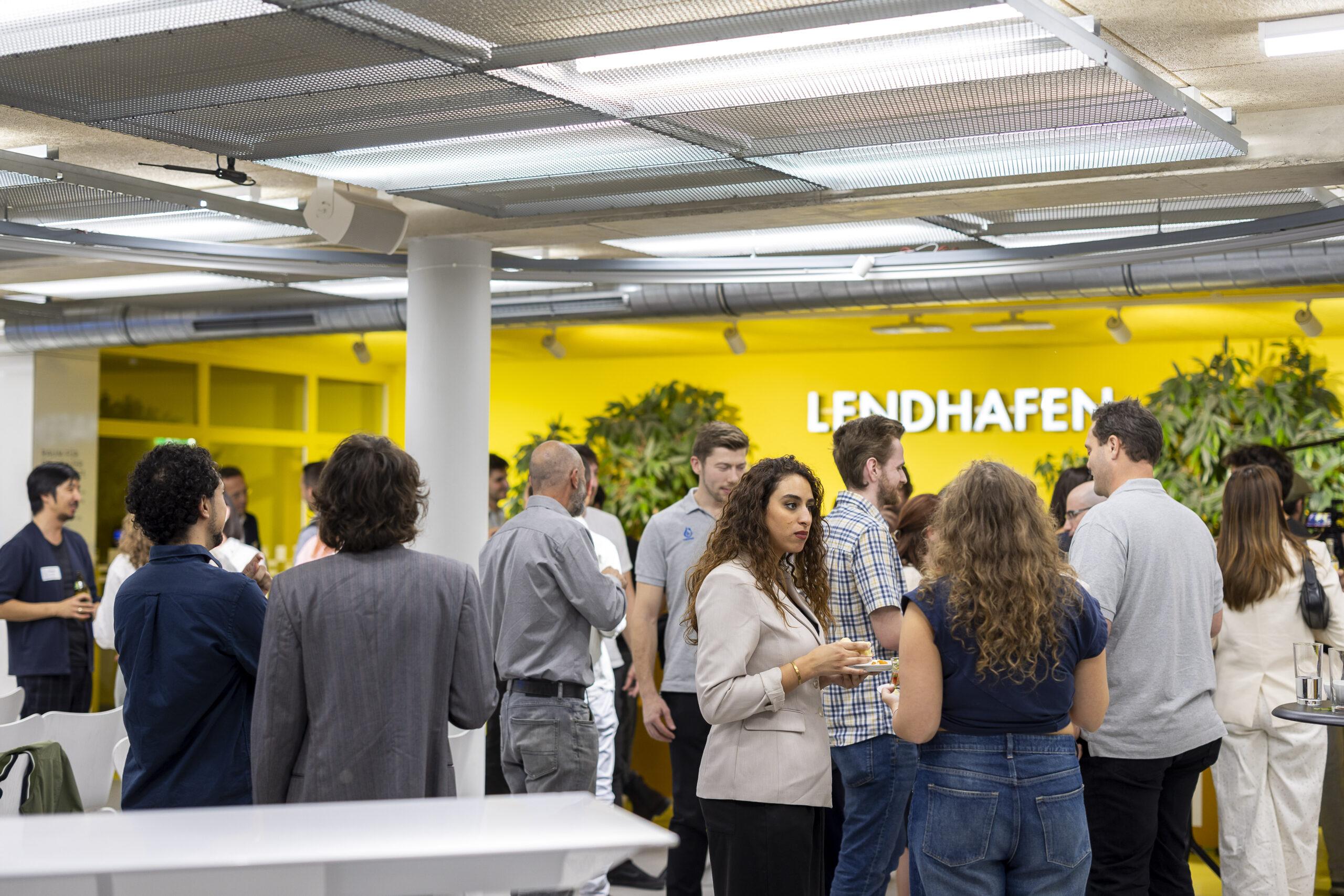
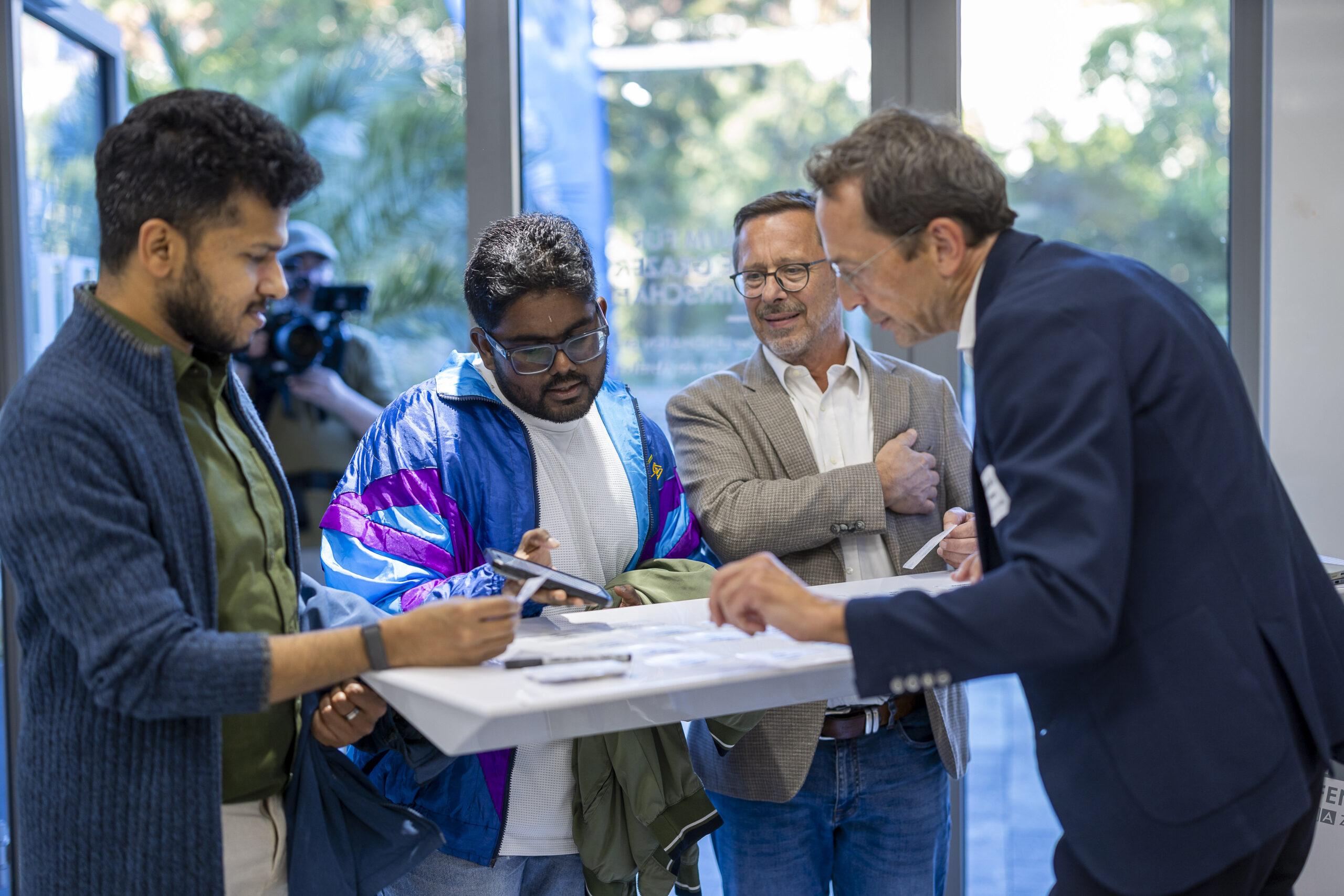

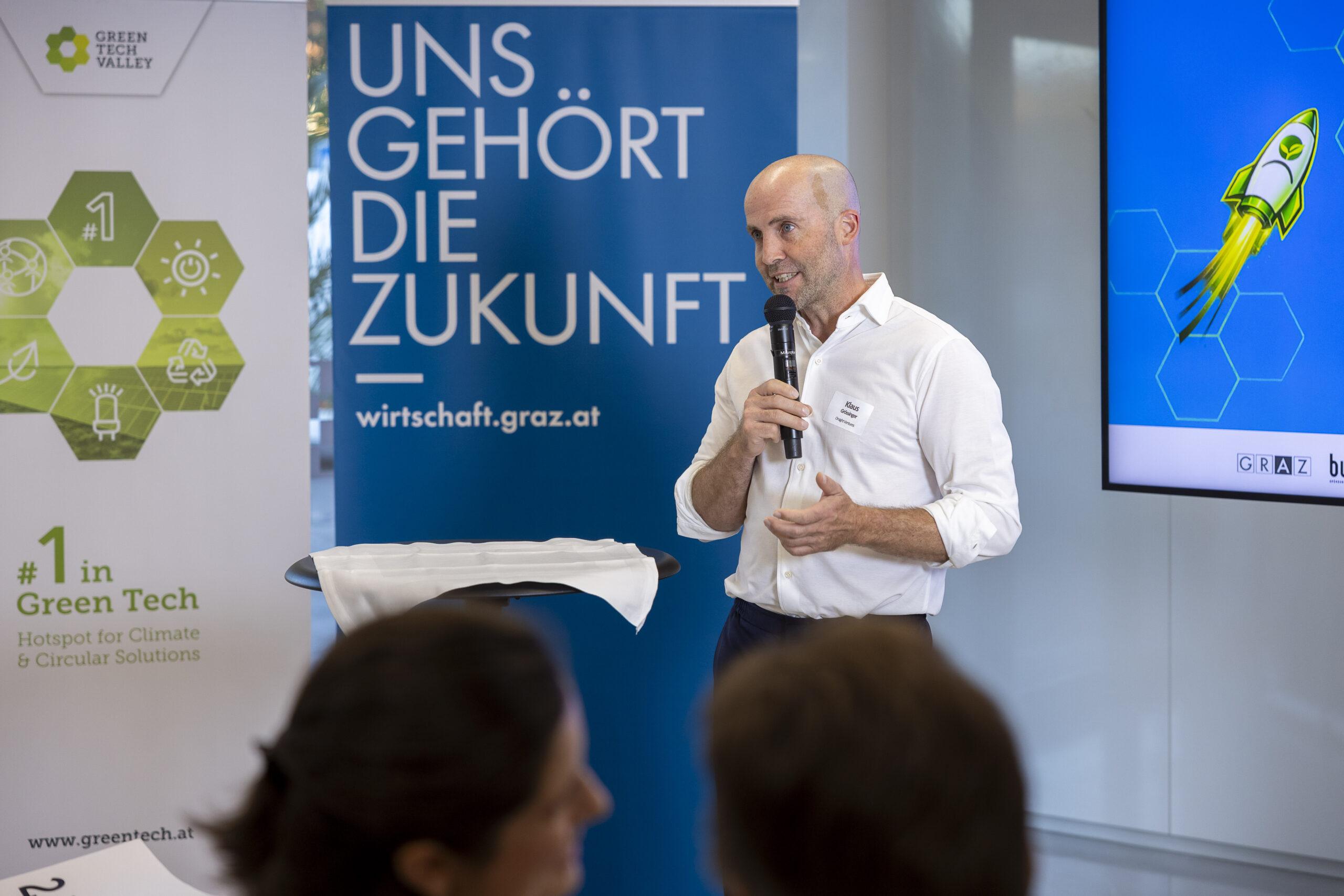
We proudly present: the teams of 2026!
robees
Björn Kemmsies

Propolis cracking as the lid comes free, the smell of warm wax, and the hum getting louder. Beekeeping is done by hand, by feel, learned over years, one mistake at a time. Some know the issue before the lid is even off.
Then you close it up, drive home, and for two weeks you know nothing at all.
robees stays behind. Weight, warmth, sound, on your phone the whole year round, from the first nectar of March to the last cold night of February.
For one hive or two hundred, nobody works blind between visits.
You close the lid, but robees keeps reading.
RECEM
Turning Waste into a Resource for Sustainable Construction
Eva-Maria Schneider

RECEM is developing a sustainable cement substitute based on sewage sludge ash, a by-product of wastewater treatment. The innovative material has the potential to partially replace Portland cement in construction applications, reducing CO₂ emissions while turning an underutilized waste stream into a valuable resource. RECEM addresses two major challenges at once: the construction industry’s need for lower-carbon materials and the growing need for sustainable solutions for sewage sludge ash. By combining circular economy principles with material innovation, RECEM aims to contribute to a more resource-efficient and climate-friendly construction industry.
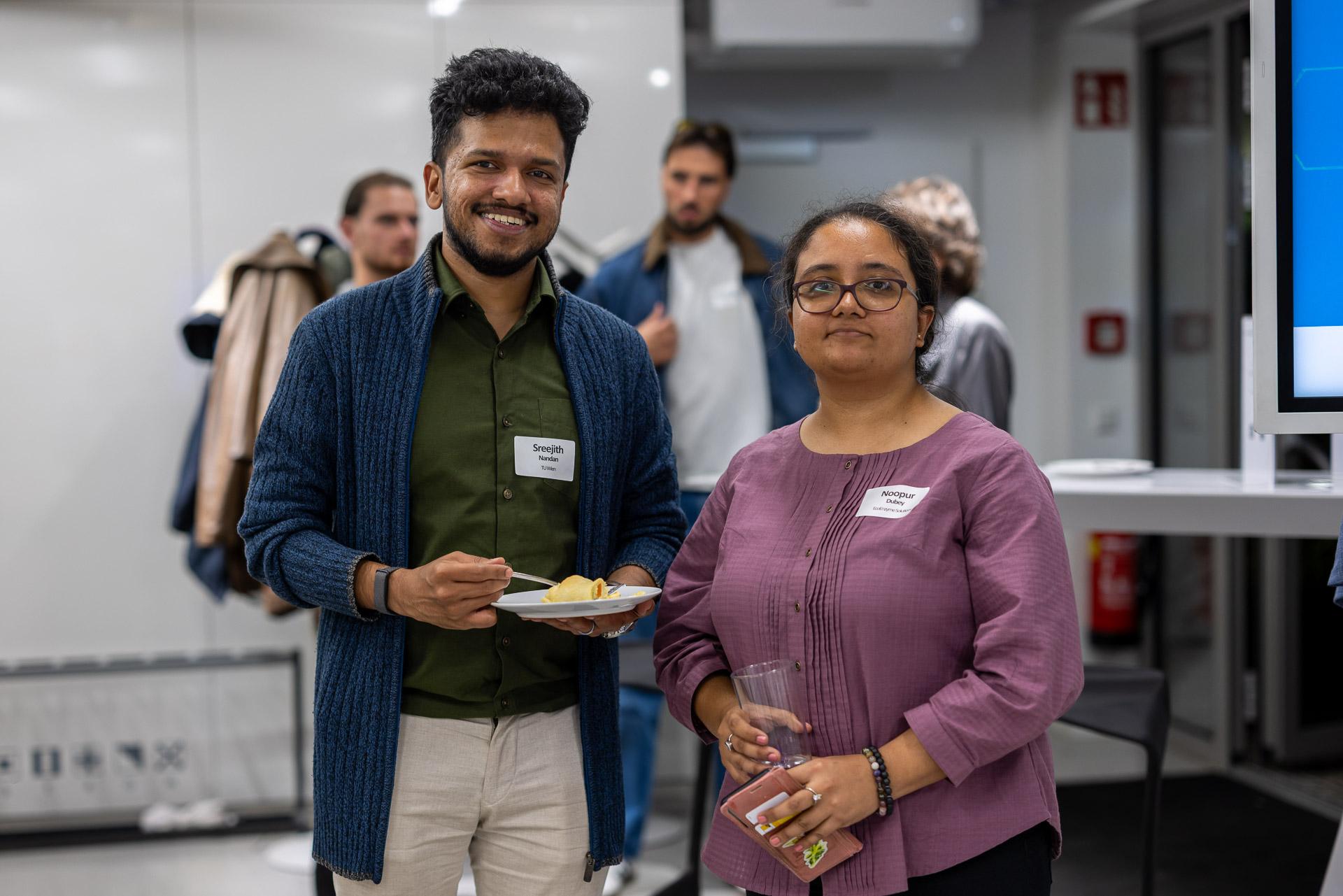
EcoEnzyme Solutions
Noopur Dubey

I am developing an enzyme-based cleaning solution for biotechnology and pharmaceutical laboratories to reduce their reliance on harsh chemical cleaning agents. Initial conversations with researchers working in biotech laboratories showed interest in a more environmentally friendly alternative, provided that it is efficient and cost-effective. The project explores whether enzymes can effectively remove difficult biological residues, such as protein contamination, while reducing hazardous chemical use and waste. The next step is to collaborate with a research laboratory to develop and test the solution and generate initial proof-of-concept results. In the long term, the goal is to support safer and more sustainable laboratory practices and help reduce chemical pollution of seas, rivers, and lakes.
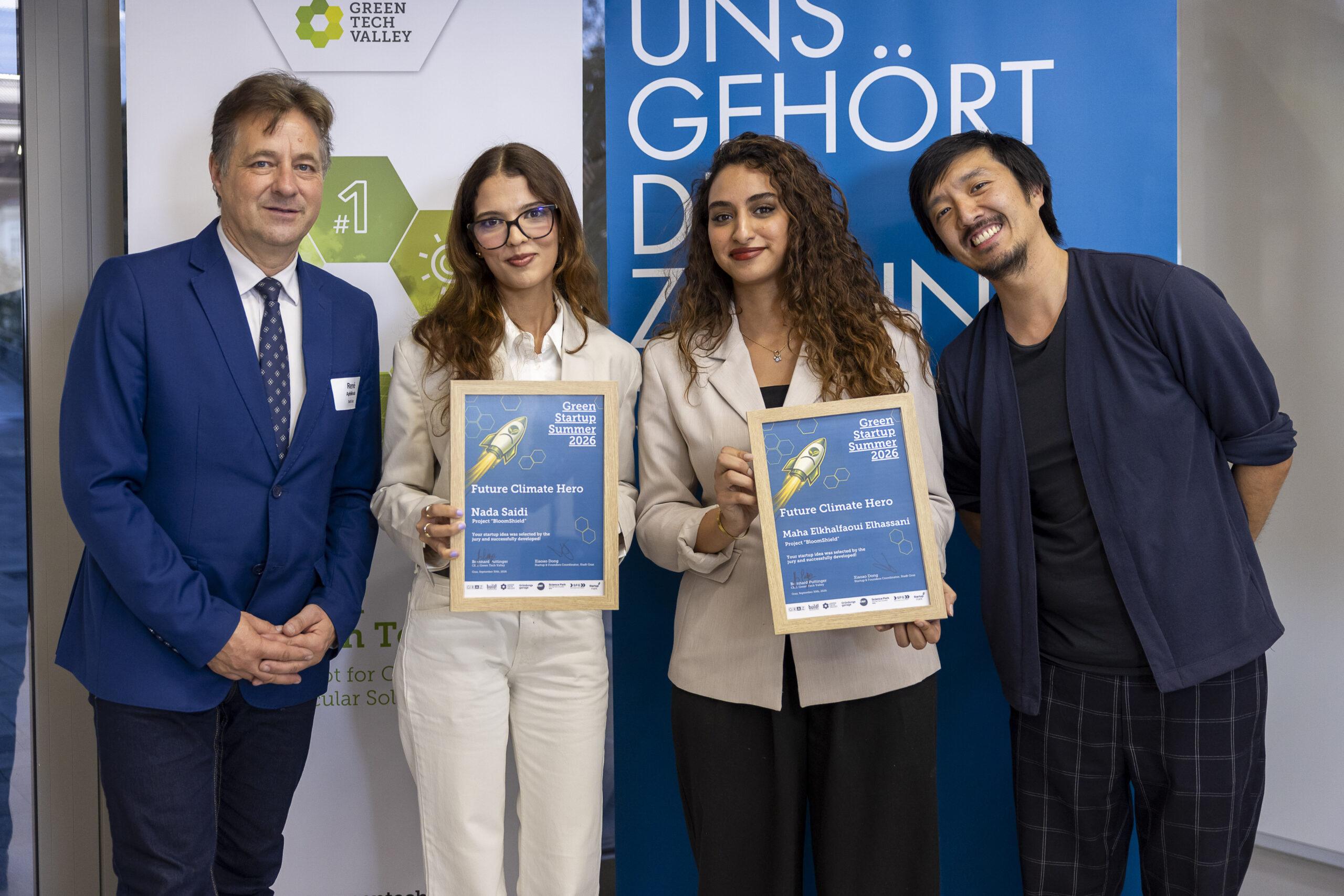
BloomShield
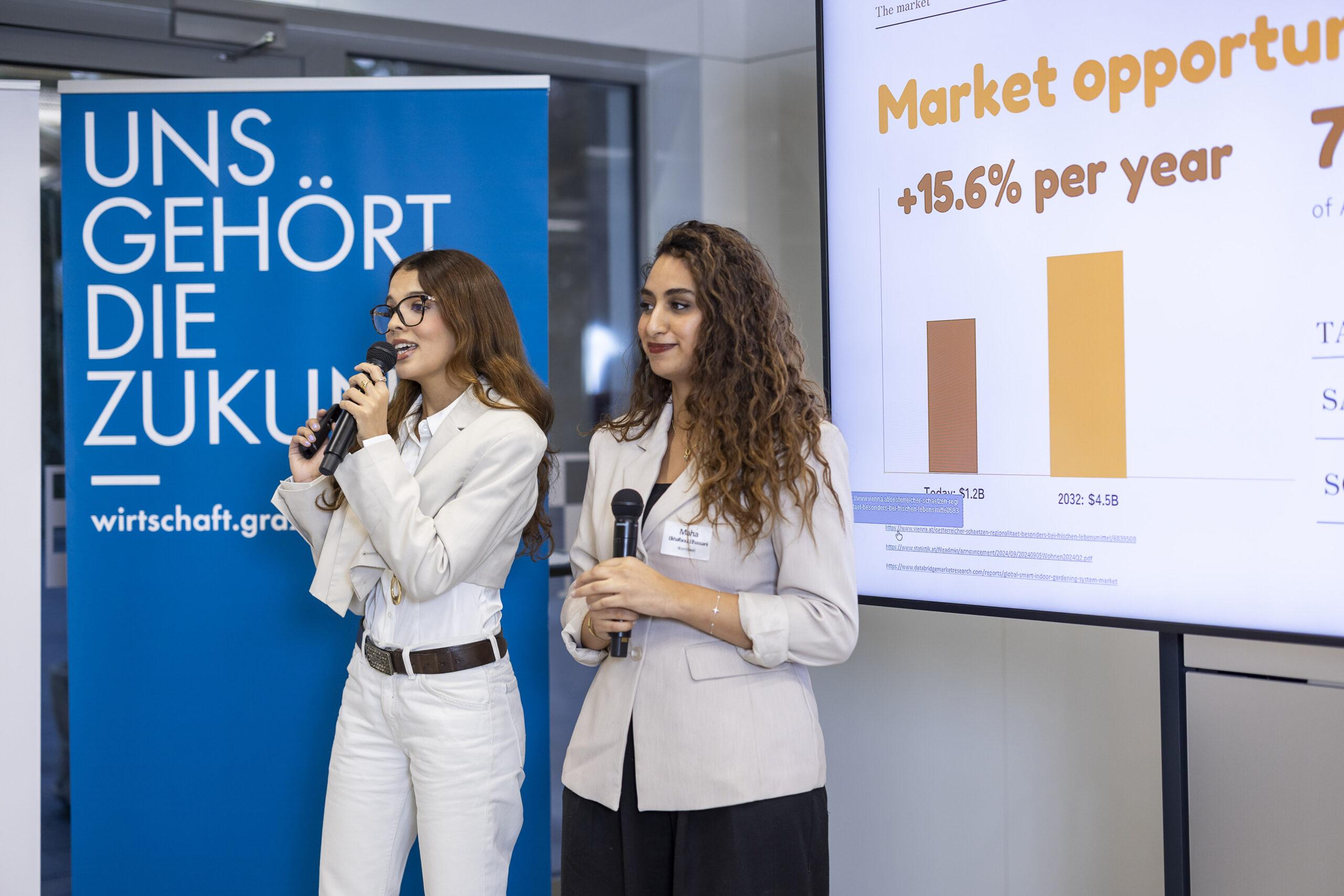
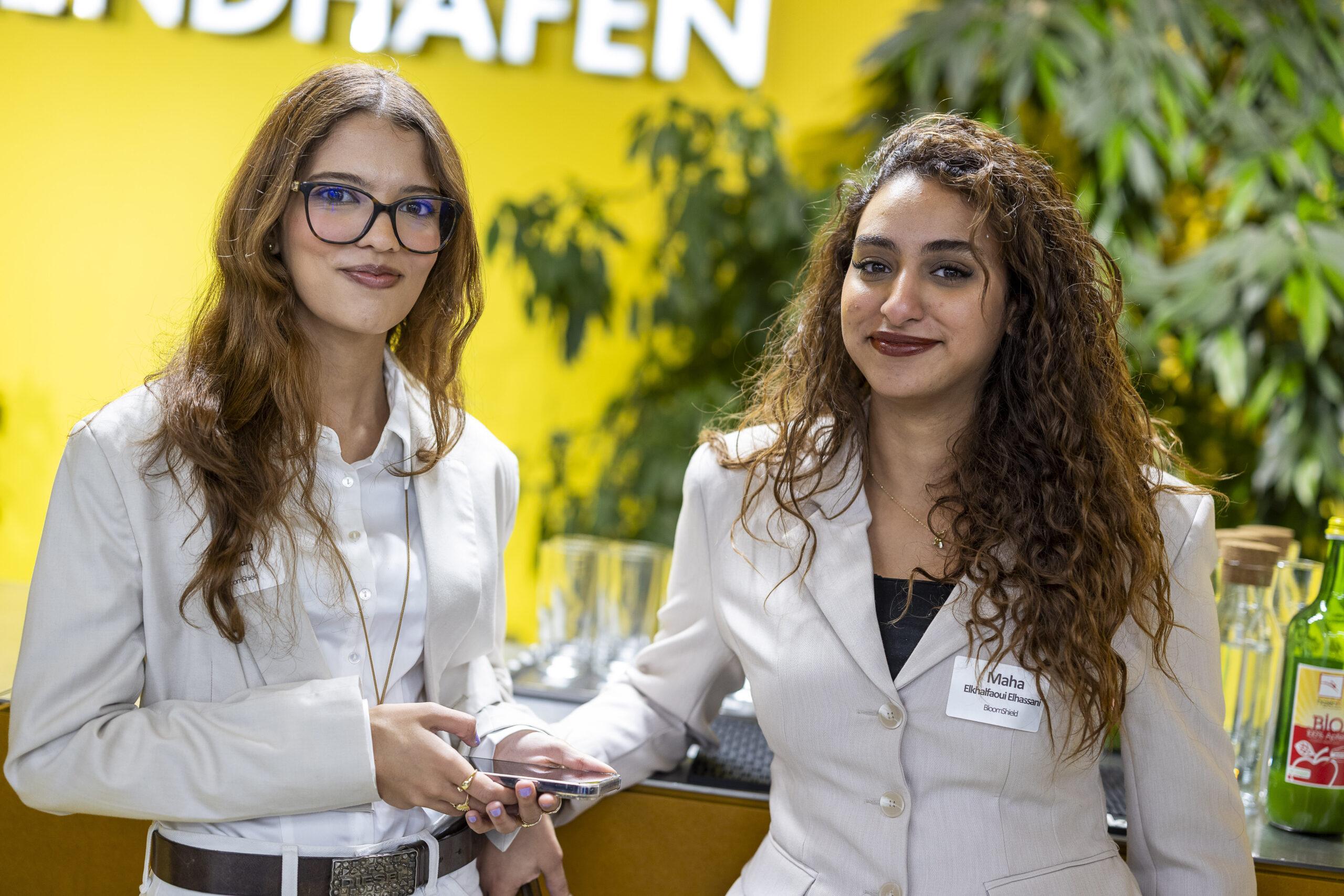
Maha Elkhalfaoui Elhassani (l.) & Nada Saidi (r.)

BloomShield is a solar-powered smart mini-greenhouse for urban balconies. Many city dwellers want to grow herbs, vegetables or flowers but lack a garden, an outdoor power outlet, or the time to water reliably, so plants often die during busy weeks or holidays. BloomShield combines a compact greenhouse structure with a solar panel, battery, water reservoir and automated irrigation, keeping plants watered and protected from wind and rain without cables or daily care. Founded by Nada Saidi and Maha El Khalfaoui El Hassani in Klagenfurt, the team is now building its first functional prototype, aiming to test it with 10 early adopters by January 2027 and to register the company in Austria in early 2027.
AR-AIOTS
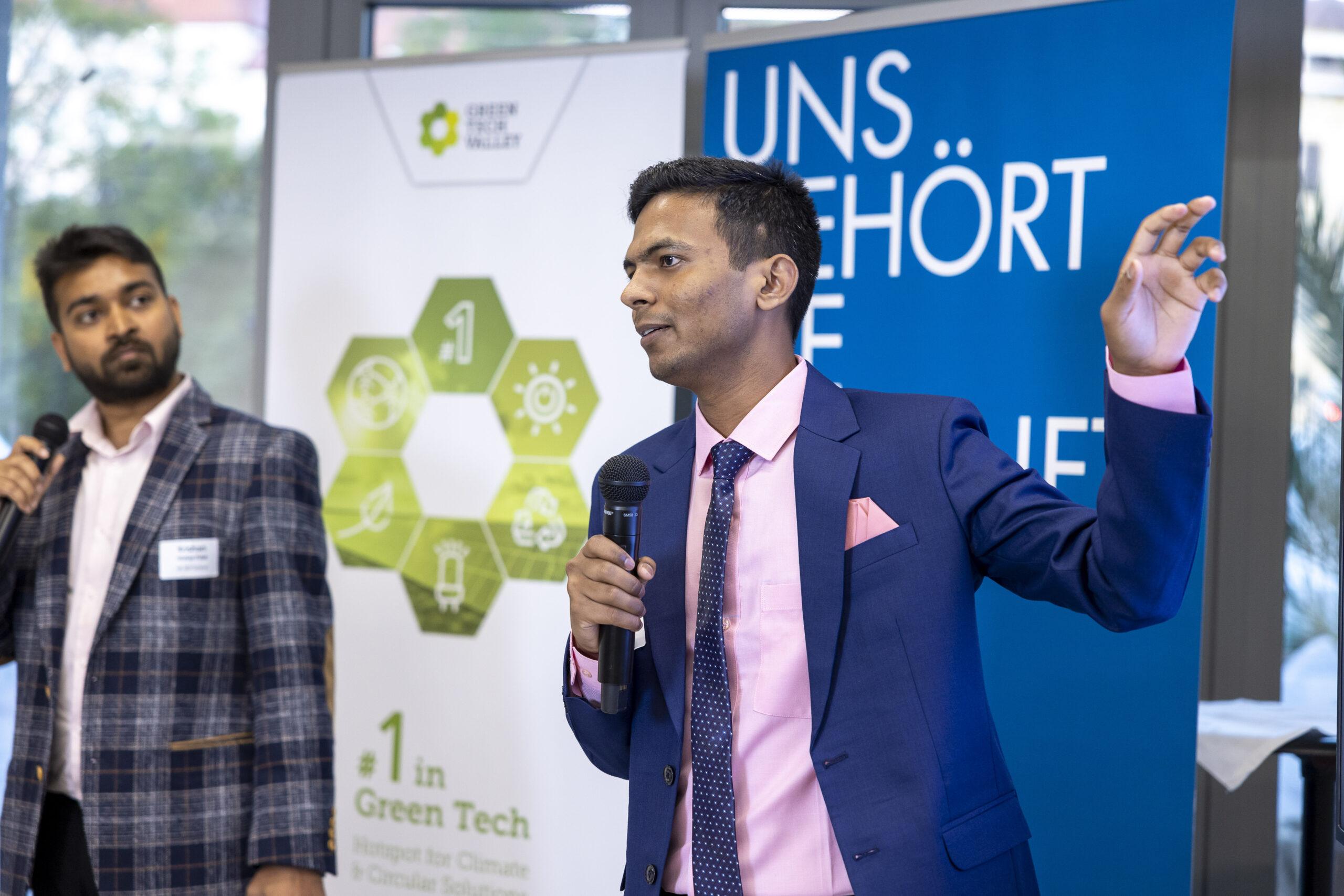
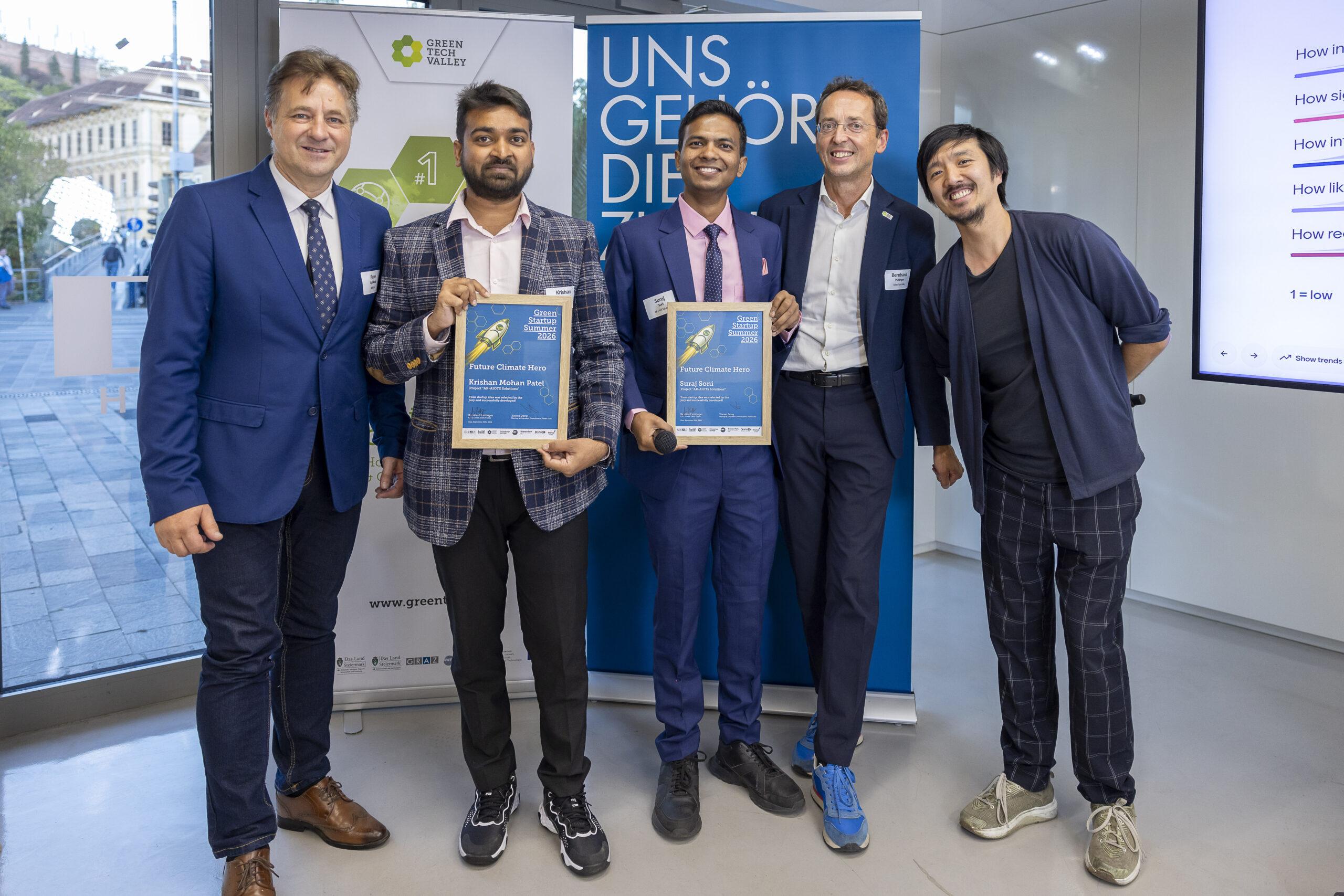
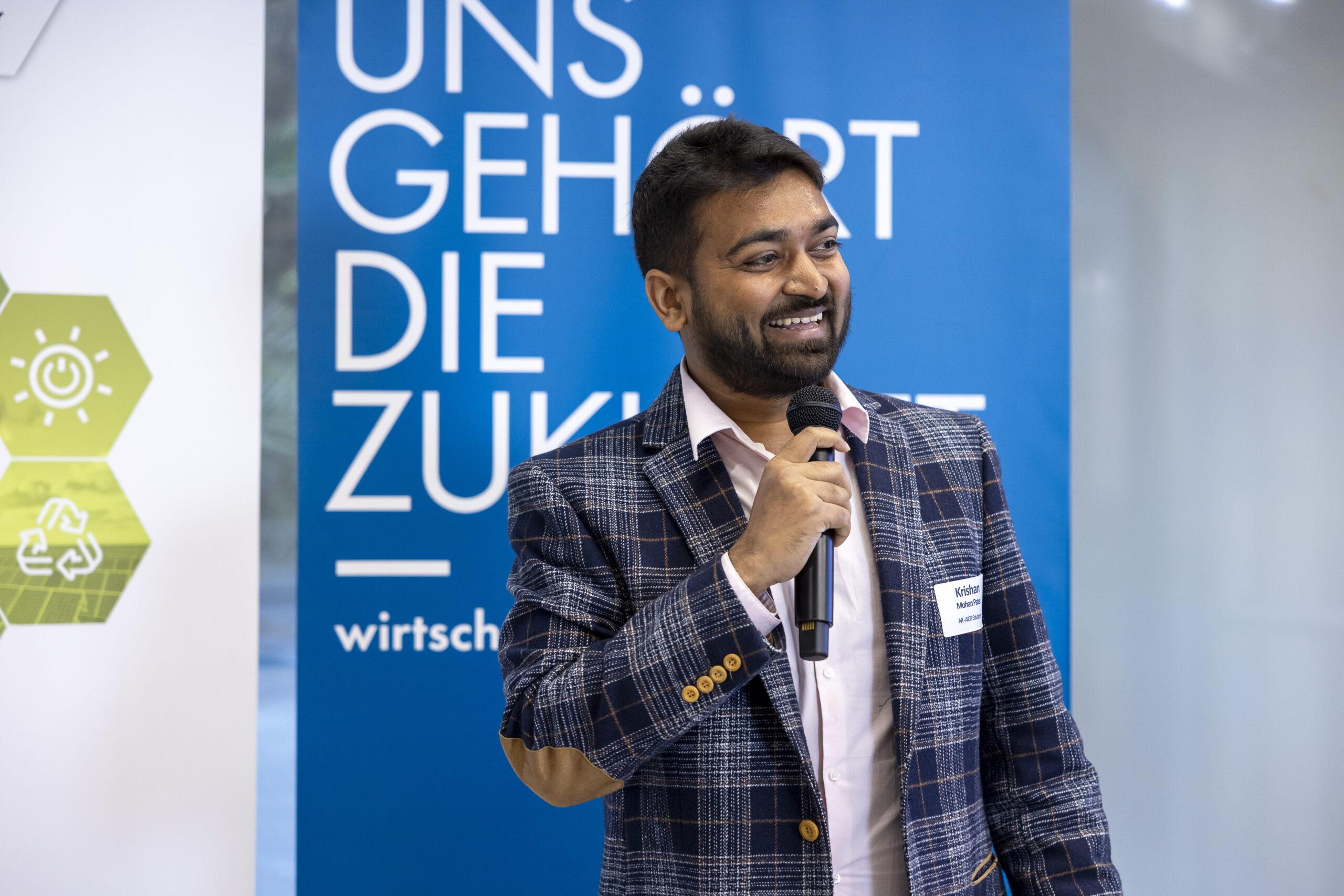
Suraj Soni (l.) & Krishan Mohan Patel (r.)

Our project aims to develop a transparent, technology-driven platform that connects companies seeking to reduce their carbon footprint with credible environmental projects, including reforestation and tree-planting initiatives. The platform will provide an end-to-end approach: helping companies understand and reduce their emissions, identify suitable carbon projects, support verified environmental activities, and track their impact. By improving transparency, traceability, and access to reliable data, we aim to reduce the risk of greenwashing and build greater trust in the carbon market. Our vision is to make meaningful climate action more accessible, measurable, and accountable for businesses.
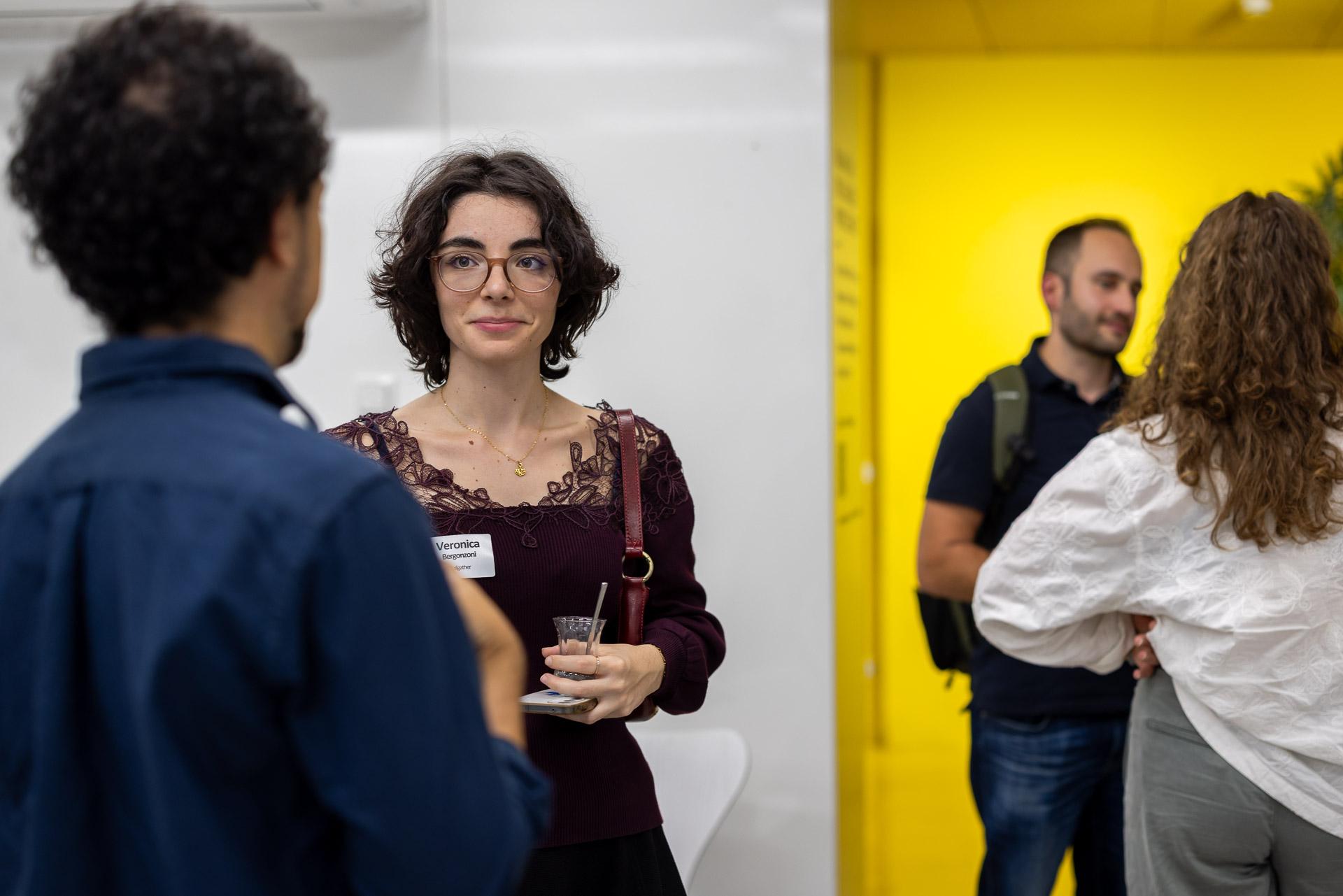
Railgather
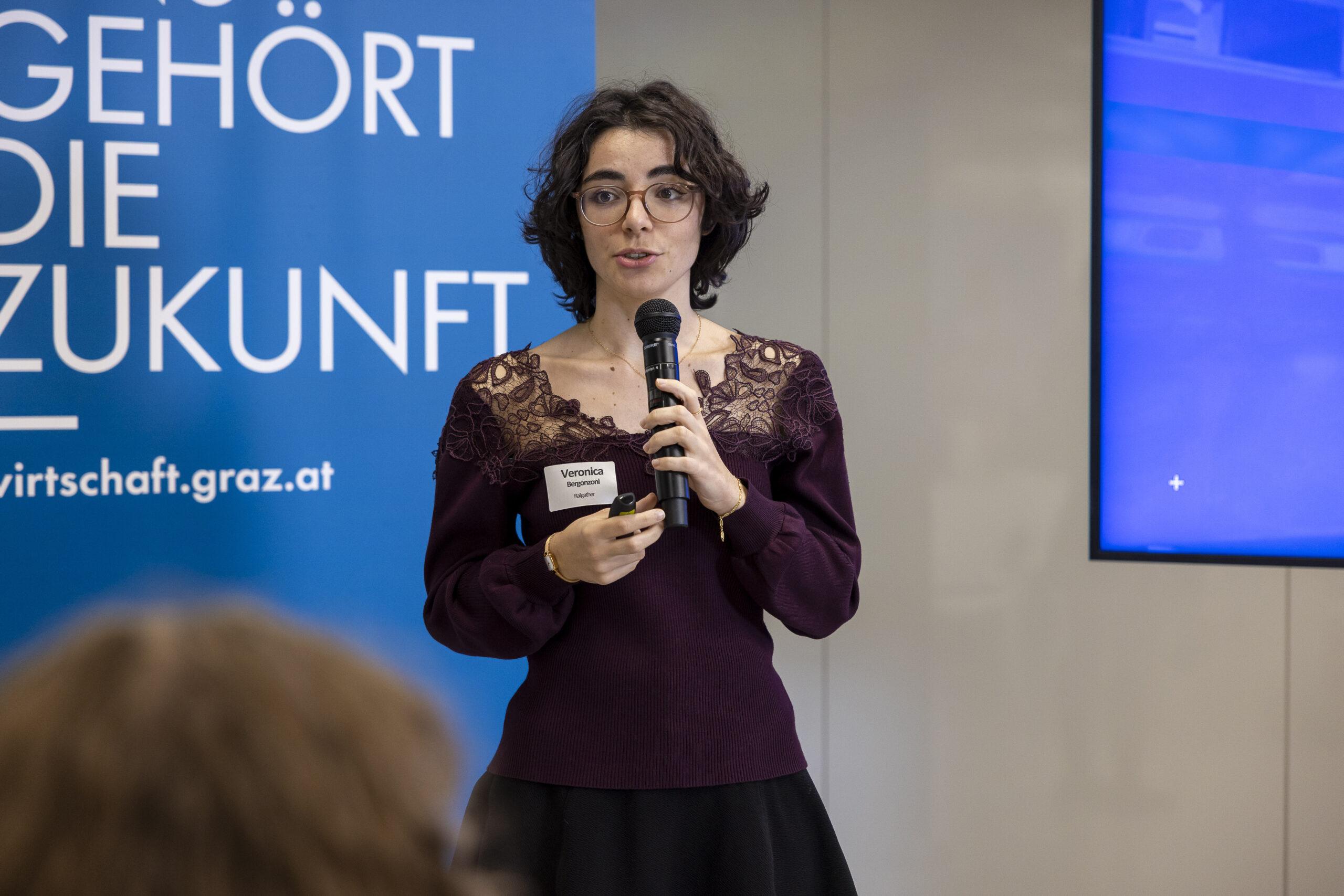
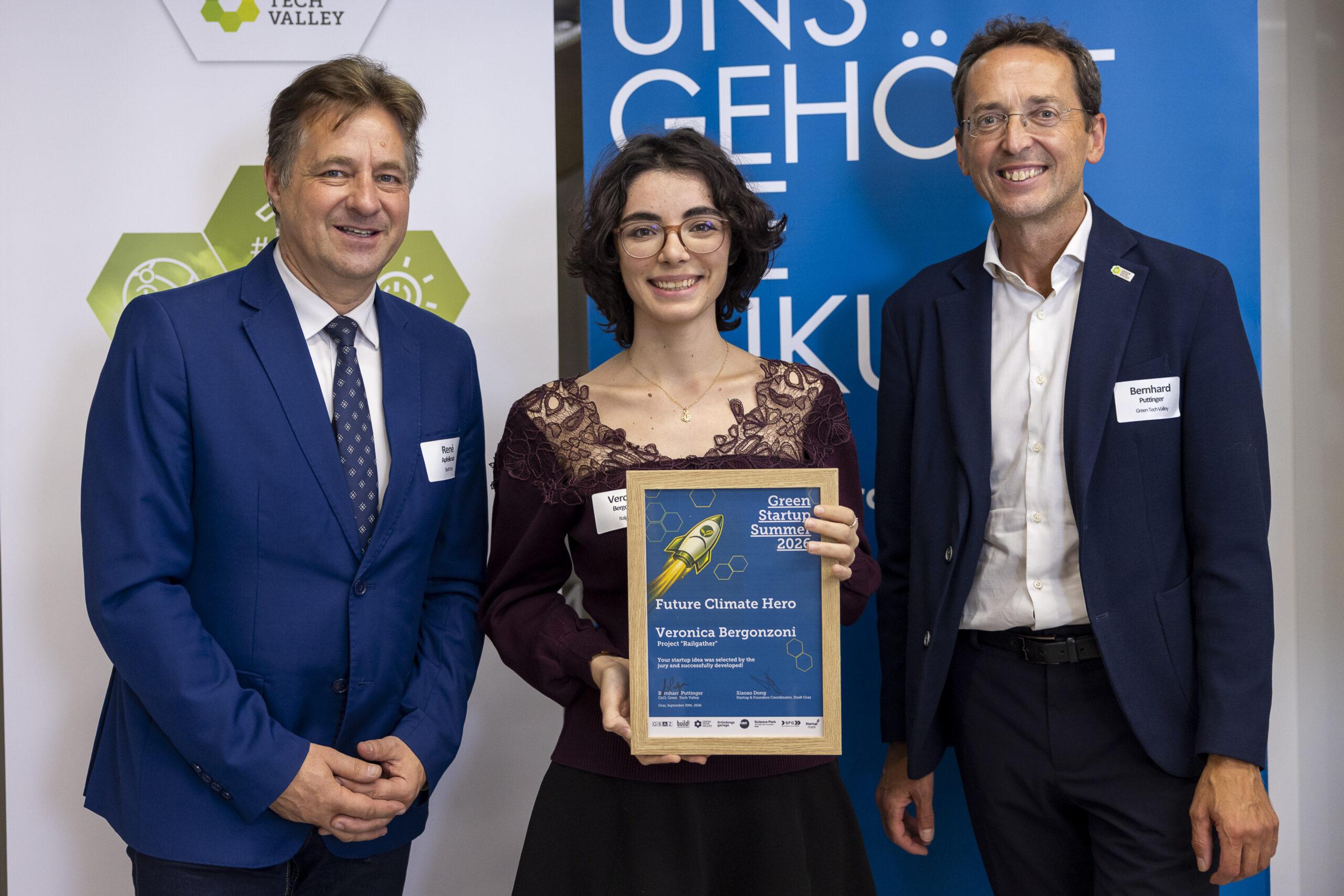
Veronica Bergonzoni

Railgather is a mobile application that connects people travelling on the same train journey. Its goal is to make solo train travel less stressful, more social and safer. Through a community of verified users, travellers can connect with people on the same journey, exchange recommendations and discover new possibilities along the way. It aims to promote sustainable mobility by focusing on train tourism in a growing market, following a freemium business model accessible to all young travelers. So every train journey can connect not just places, but people.
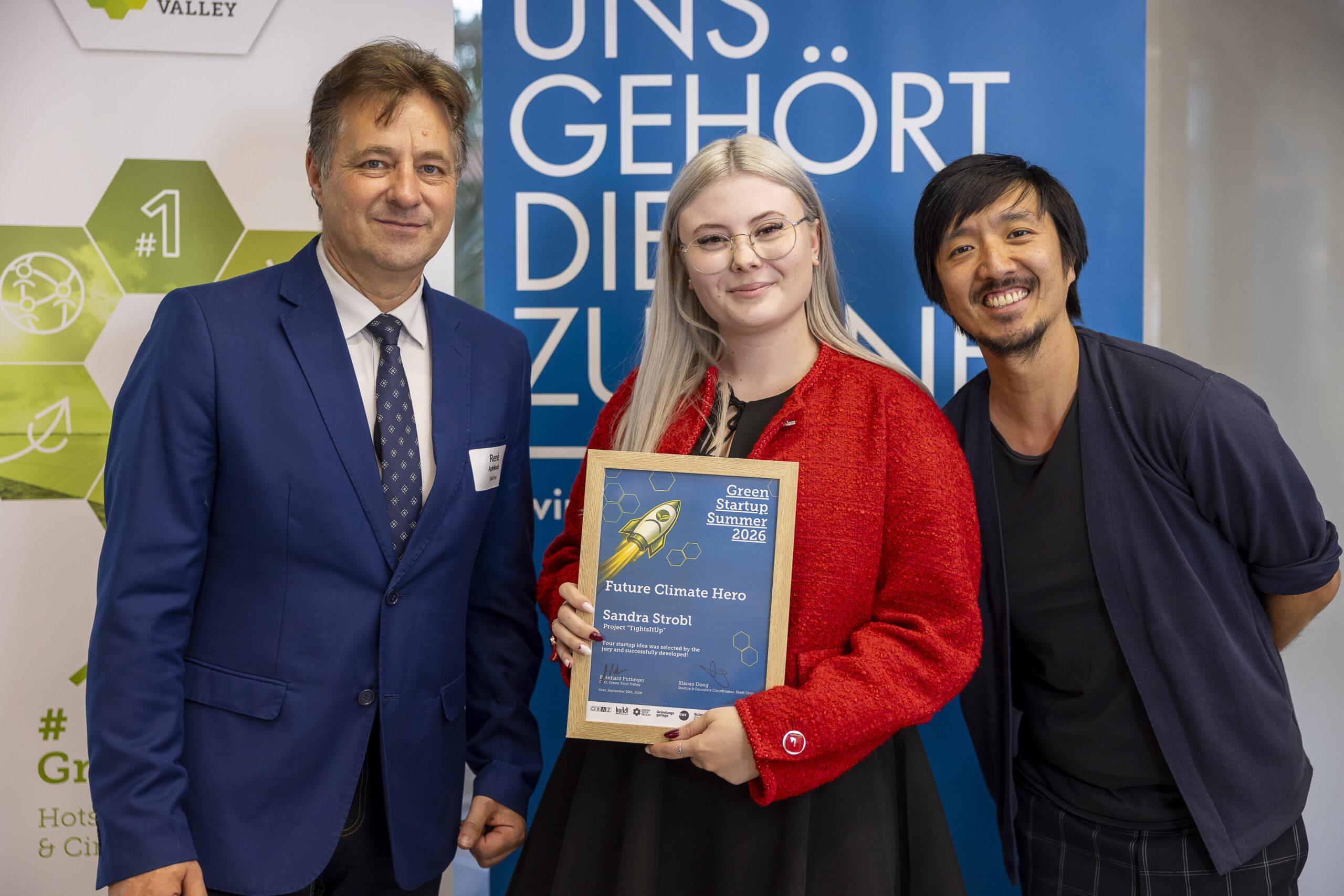
TightsItUp
Sandra Strobl

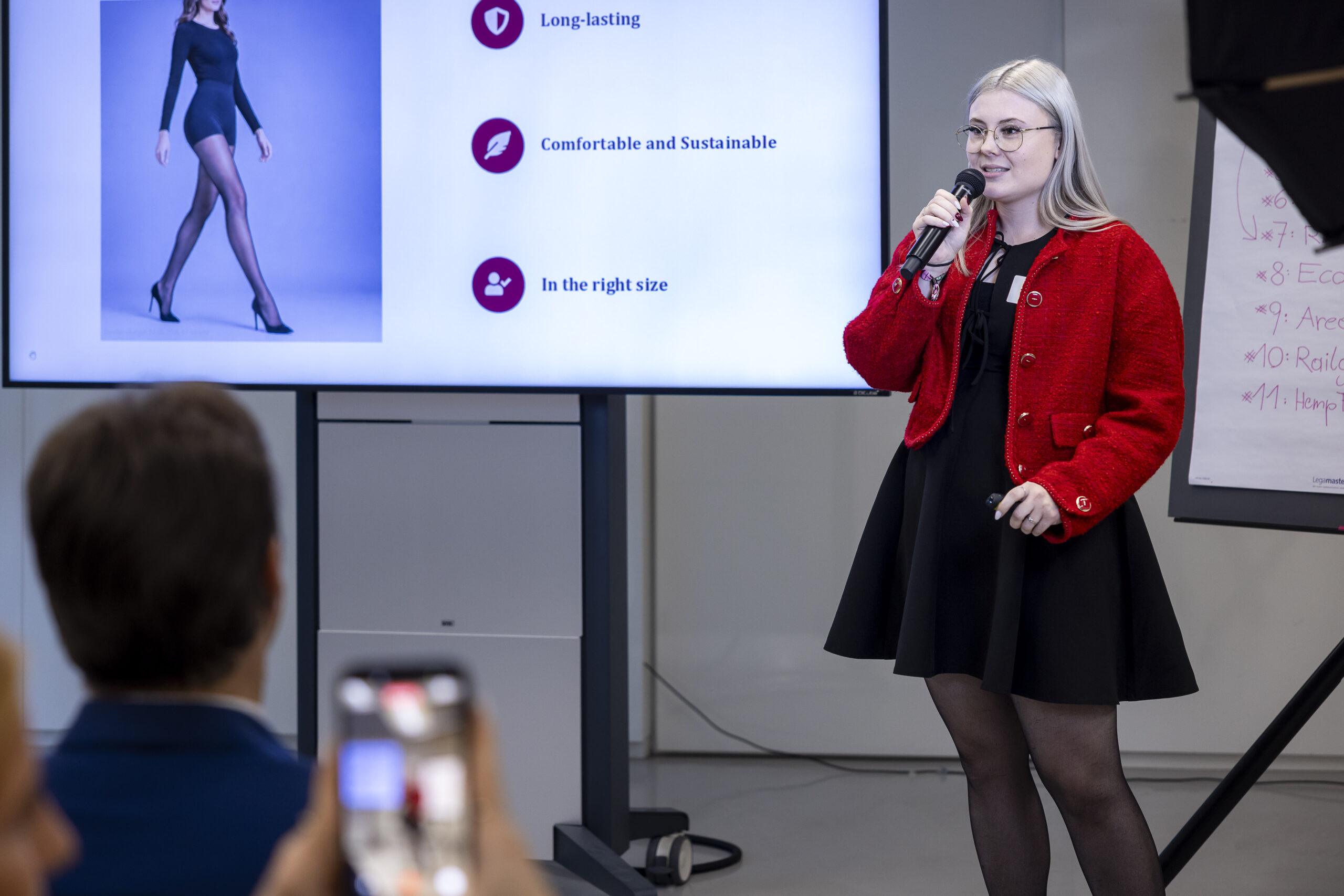
TightsItUp is building tights that last. Conventional tights are effectively single-use: they tear the first time you pull them on and end up in the bin within weeks. We solve this with an innovative two-fabric construction: a stronger hip and gusset section absorbs the main strain, which lets us optimise the leg section for tear resistance – and opens the door to more sustainable materials that don’t work in conventional tights.
Fewer tears means fewer replacement purchases, less textile waste and lower material consumption. Plus selectable leg lengths and production planned within Europe.
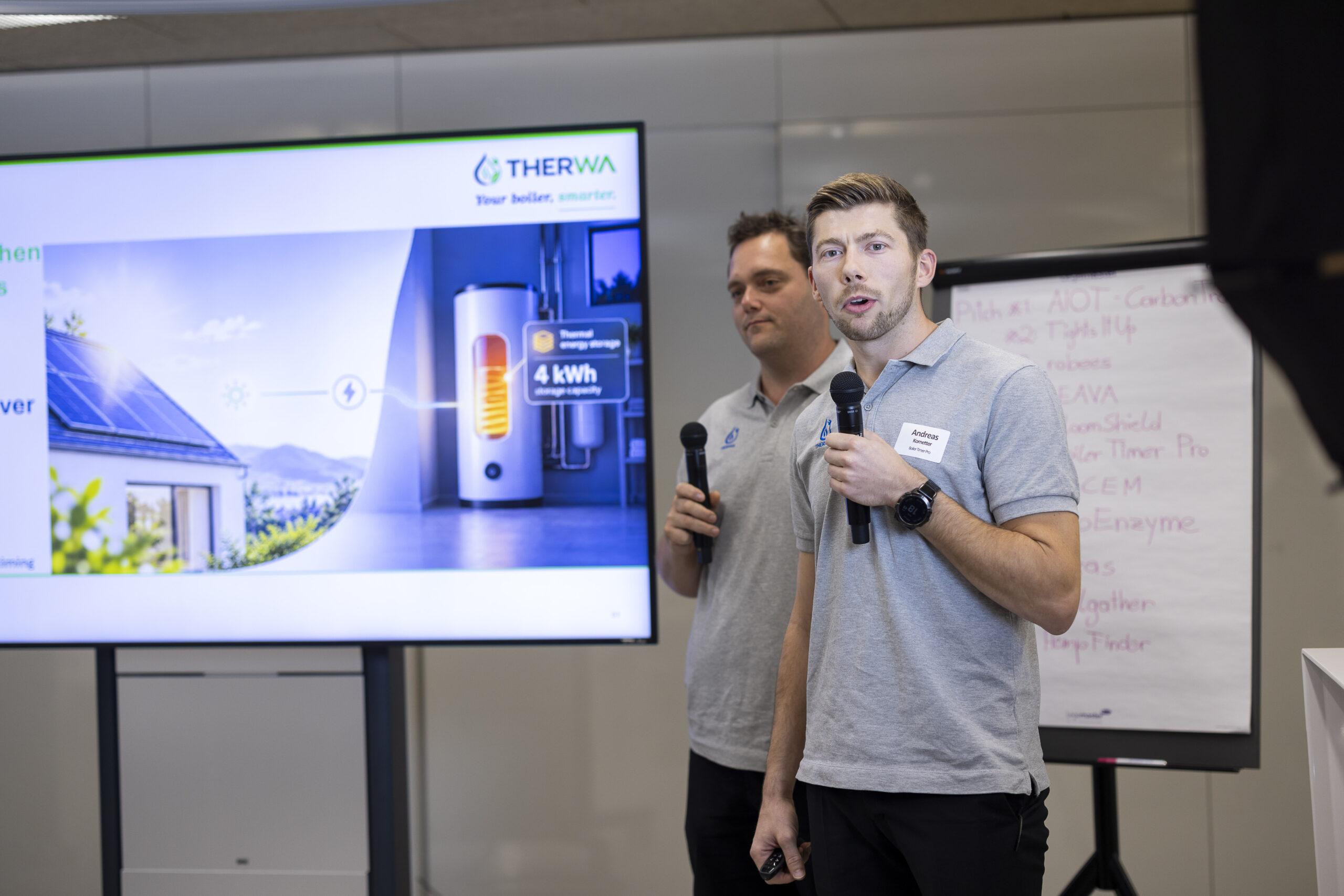
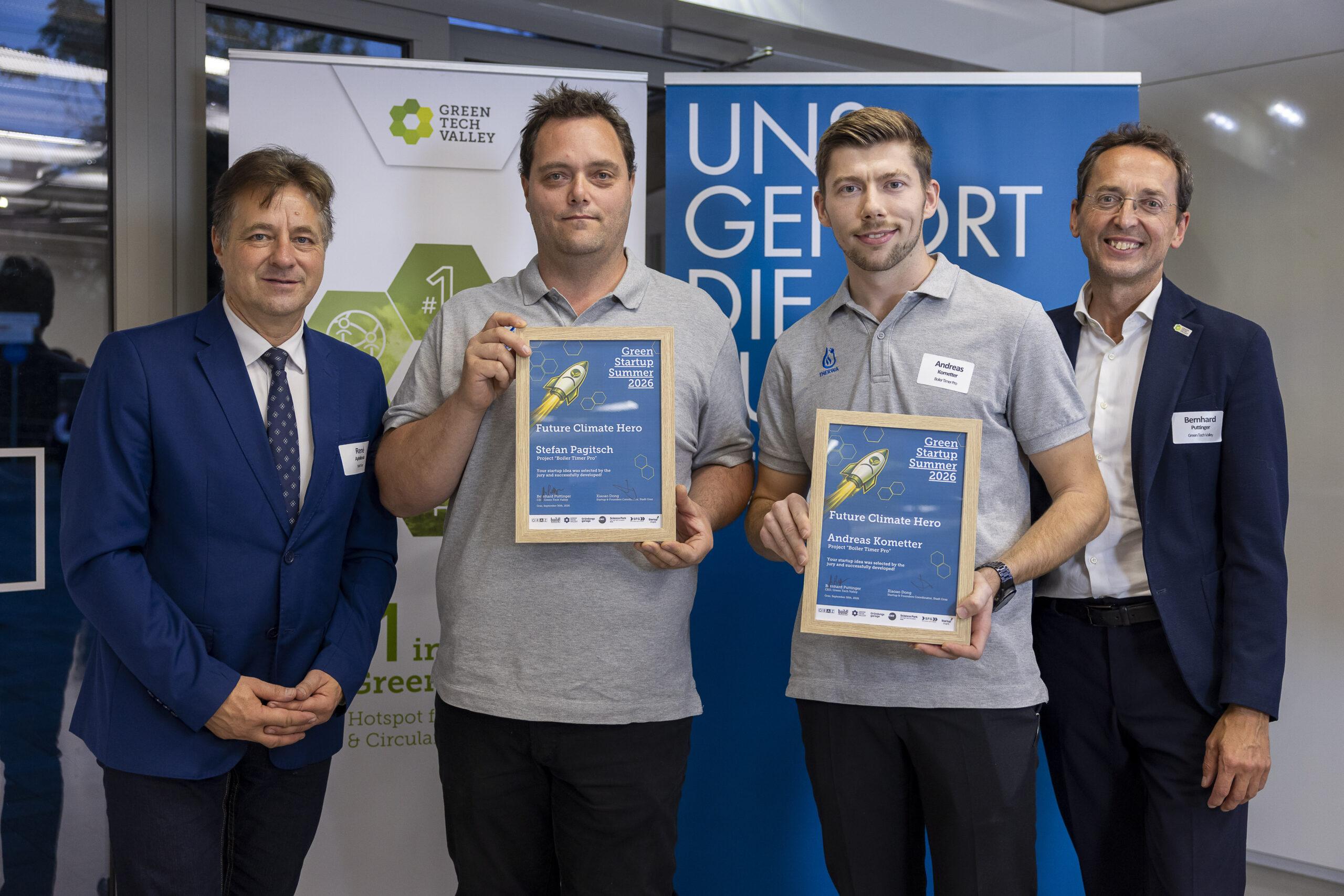
Boiler Timer Pro
Stefan Pagitsch (l.) & Andreas Kometter (r.)

The concept is planned in several versions. The basic version operates completely offline with local scheduling and no cloud connection. Boiler Timer Pro adds app-based configuration and weekly schedules, while the Smart+ concept is intended for more advanced, automated and potentially grid-supportive operation in cooperation with energy partners or electricity tariffs.
A key principle of the project is simplicity. The device should be easy to understand, easy to retrofit, suitable for existing boilers and attractive even for users with little interest in smart-home technology. The intended business model combines affordable hardware with a broader long-term opportunity in flexible energy consumption.
The project is currently in the MVP and customer-validation phase. Surveys, prototype development, installation concepts and market testing are being used to validate customer demand, preferred product variants, willingness to pay and the practical requirements for future pilot installations.
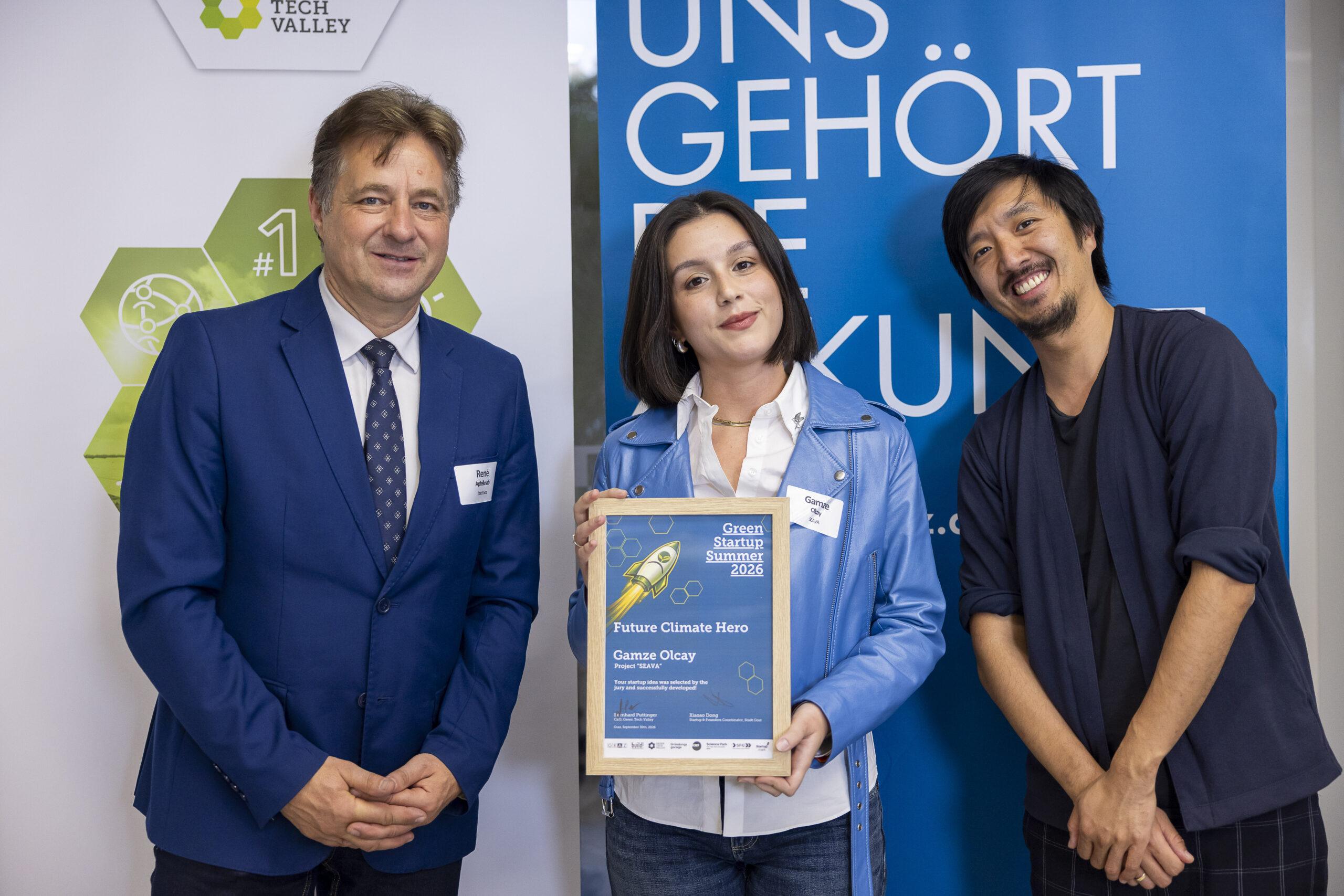
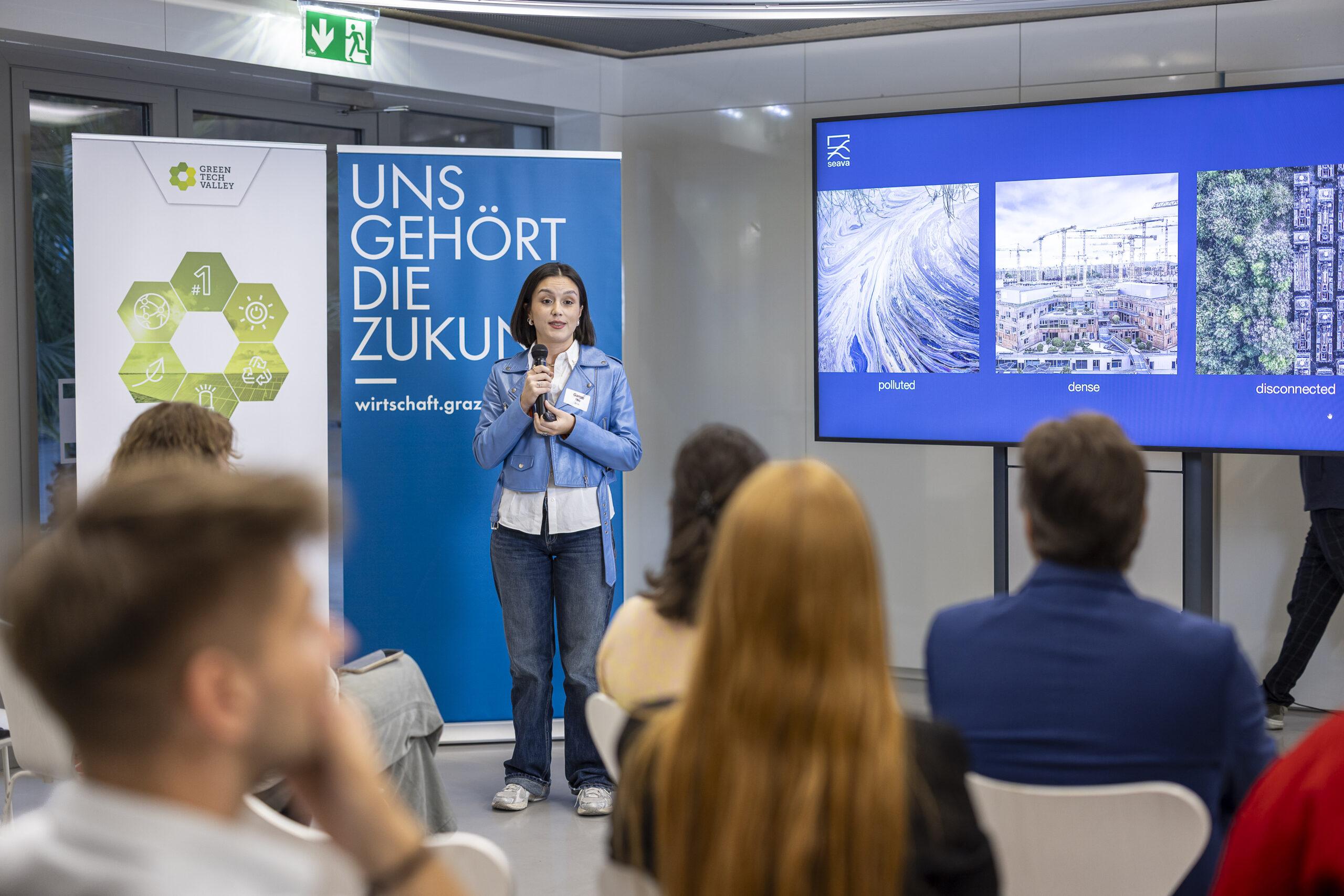
SEAVA
Gamze Olcay

Designed for calm-water environments, SEAVA combines lightweight wooden construction with floating platforms to create adaptable spaces for living, working, tourism and other uses. The system responds to growing challenges such as limited land availability, increasing urban density and climate-related flooding by opening up water as a new space for sustainable development.
SEAVA is designed as a modular and repeatable system. Different unit sizes and layouts can be created from the same basic system, allowing the concept to adapt to different locations, users and requirements for future.
Using wood, ecological materials and the possibility of integrating off-grid solutions such as solar energy, water rycling system, SEAVA aims to reduce environmental impact while creating a close connection between architecture, water and nature.
The vision is to make floating systems more accessible, scalable and sustainable, adaptable from individual spaces and tourism concepts to larger developments and climate-adaptation projects.
Discover SEAVA:
https://www.theseavaproject.com/
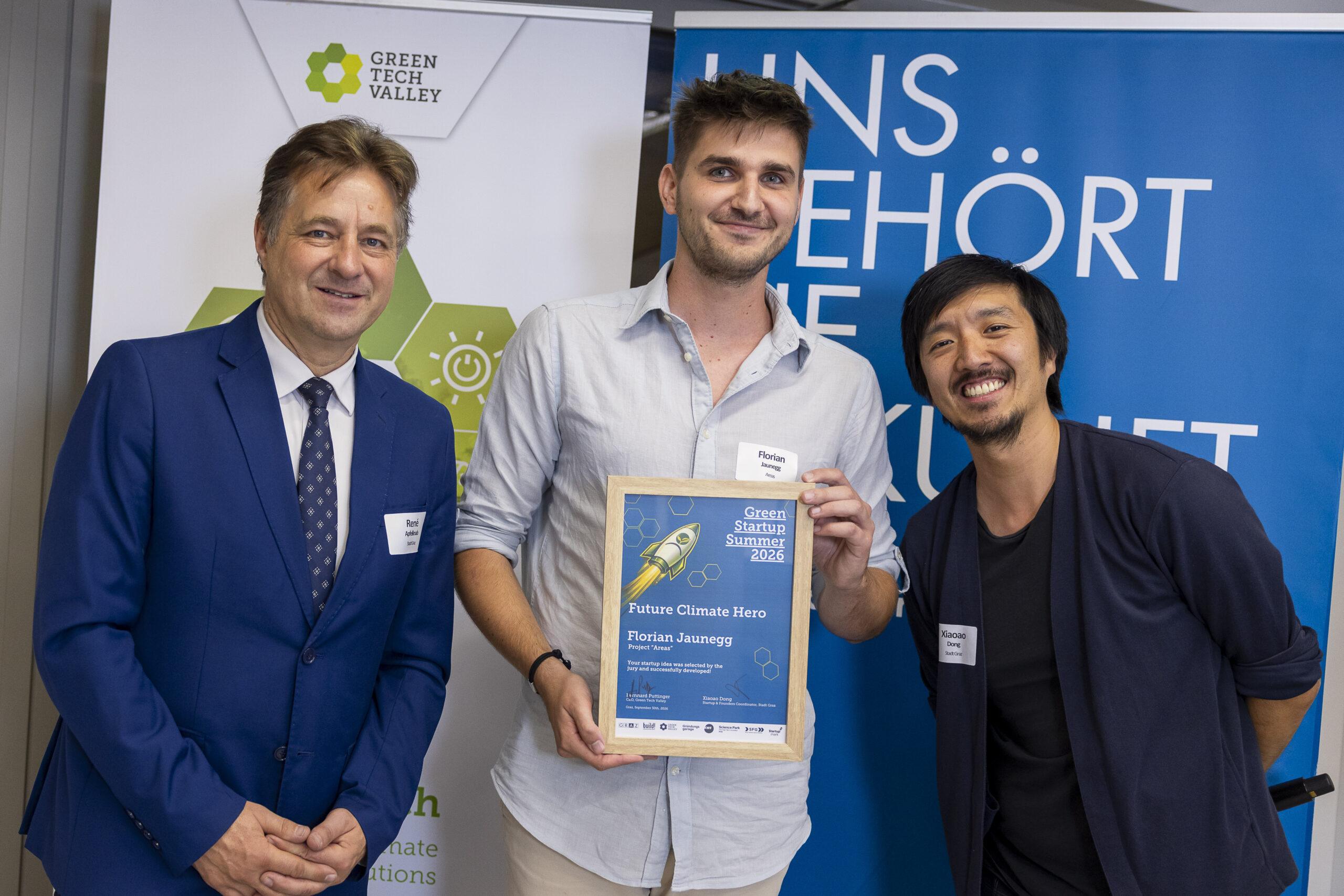
Areas
Florian Jaunegg

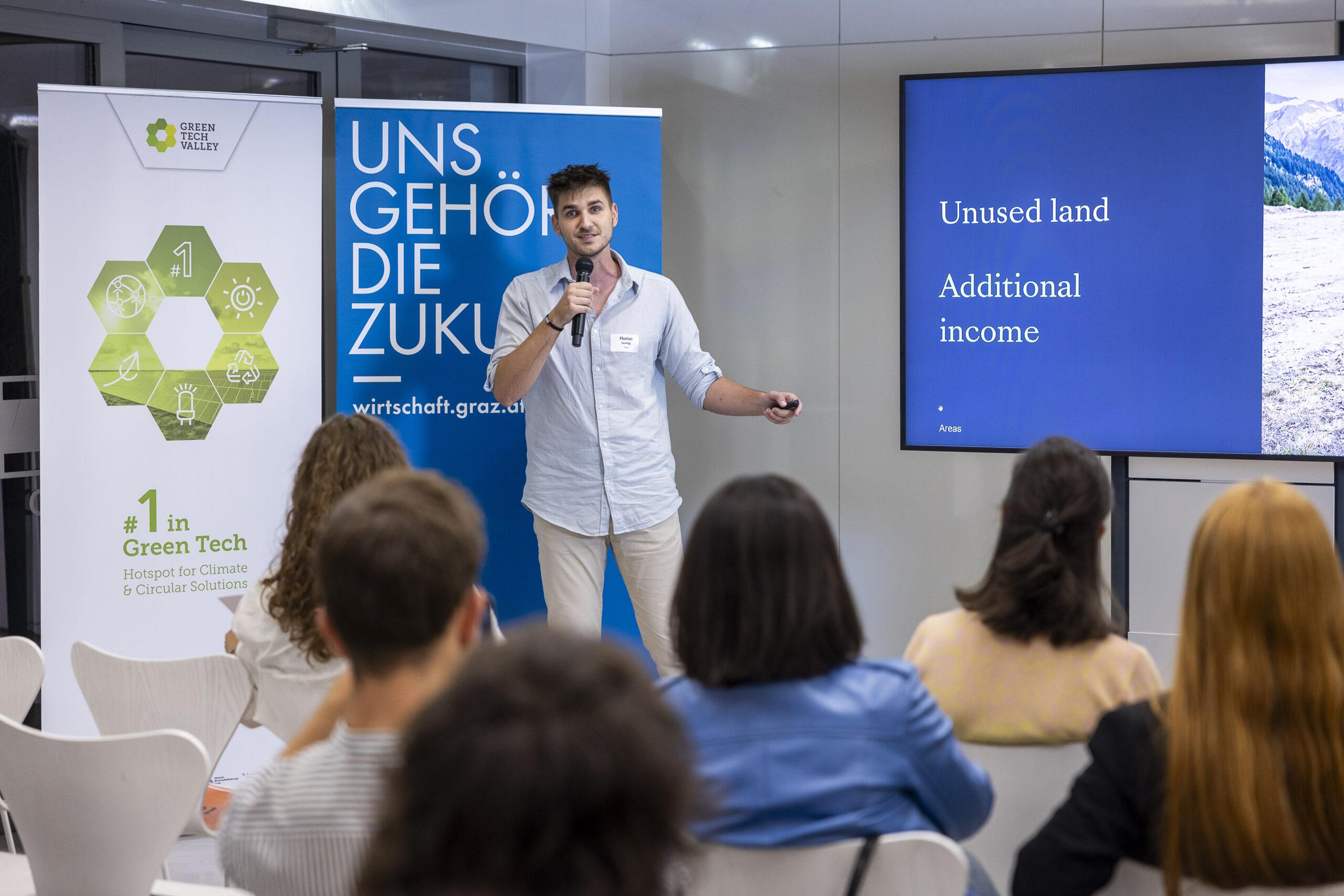
Areas is developing a European network of small, legal campsites in nature. Each site offers one to ten pitches on land provided by farmers, municipalities or private landowners.
Digital booking and self check-in make stays easy, while landowners earn additional income with little administrative effort. By offering an affordable alternative to unregulated wild camping, Areas aims to protect fragile ecosystems and support local communities.
In partnership with Vanlifezone, we are currently developing our booking platform and our first pilot site in Austria. We’re looking for landowners to host pilot sites and experts to provide legal guidance.
A key principle of the project is simplicity. The device should be easy to understand, easy to retrofit, suitable for existing boilers and attractive even for users with little interest in smart-home technology. The intended business model combines affordable hardware with a broader long-term opportunity in flexible energy consumption.
The project is currently in the MVP and customer-validation phase. Surveys, prototype development, installation concepts and market testing are being used to validate customer demand, preferred product variants, willingness to pay and the practical requirements for future pilot installations.
HempFinder
Neil Carelse

Most people don’t search for hemp. They search for insulation, fabric or packaging that fits their budget, deadline and sustainability goals, and never find out that a hemp alternative exists. Suppliers are scattered, and product information is incomplete.
HempFinder is an AI-powered discovery platform for Europe’s industrial hemp economy. Describe what you need on the web, or scan an everyday product with the mobile app, and HempFinder shows verified hemp alternatives and the suppliers behind them. When no match exists yet, the request becomes an Open Need: a public demand signal that producers can respond to.
HempFinder has already mapped 1,880 organisations across Europe and has its first three confirmed supplier partners. After 13 customer interviews, a new MVP is in development, with a pilot planned for 10 early adopters and 10 suppliers.
Search. Scan. Compare. Switch.
Discover HempFinder:
https://www.hempfinder.at
The grand final of Green Tech Summer 2025
Sie sehen gerade einen Platzhalterinhalt von YouTube. Um auf den eigentlichen Inhalt zuzugreifen, klicken Sie auf die Schaltfläche unten. Bitte beachten Sie, dass dabei Daten an Drittanbieter weitergegeben werden.
Mehr InformationenVideo & photos: Salon deluxe
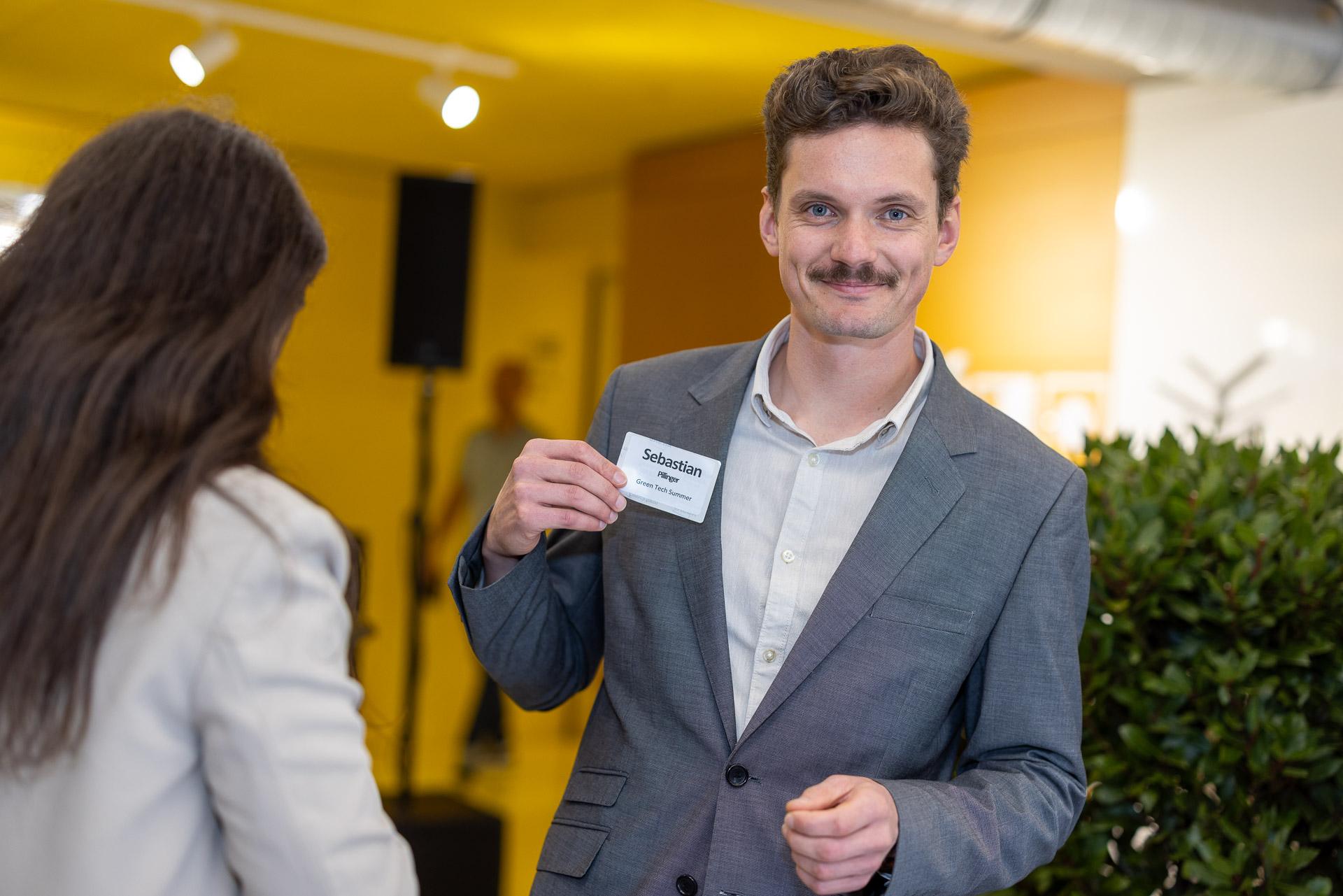
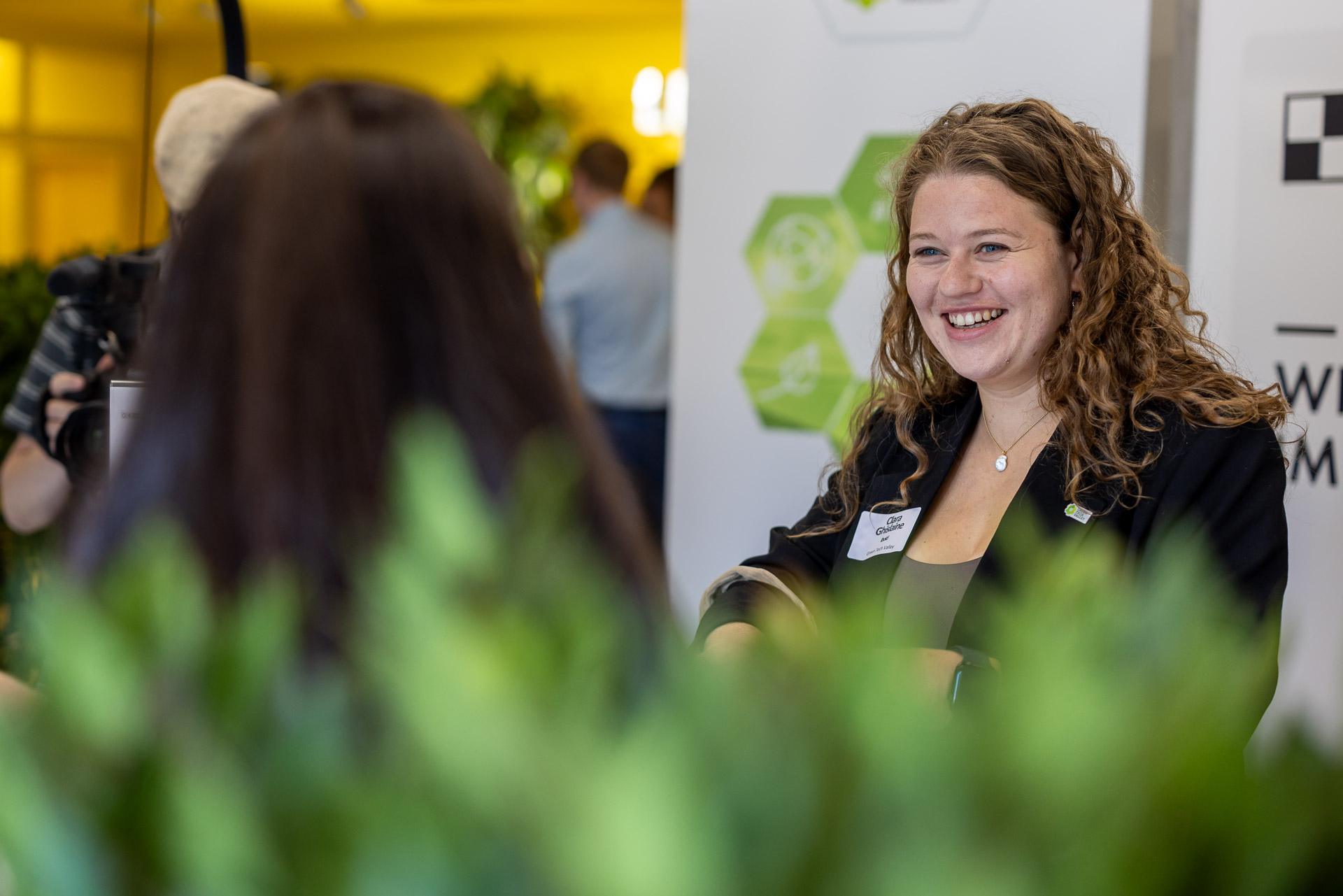
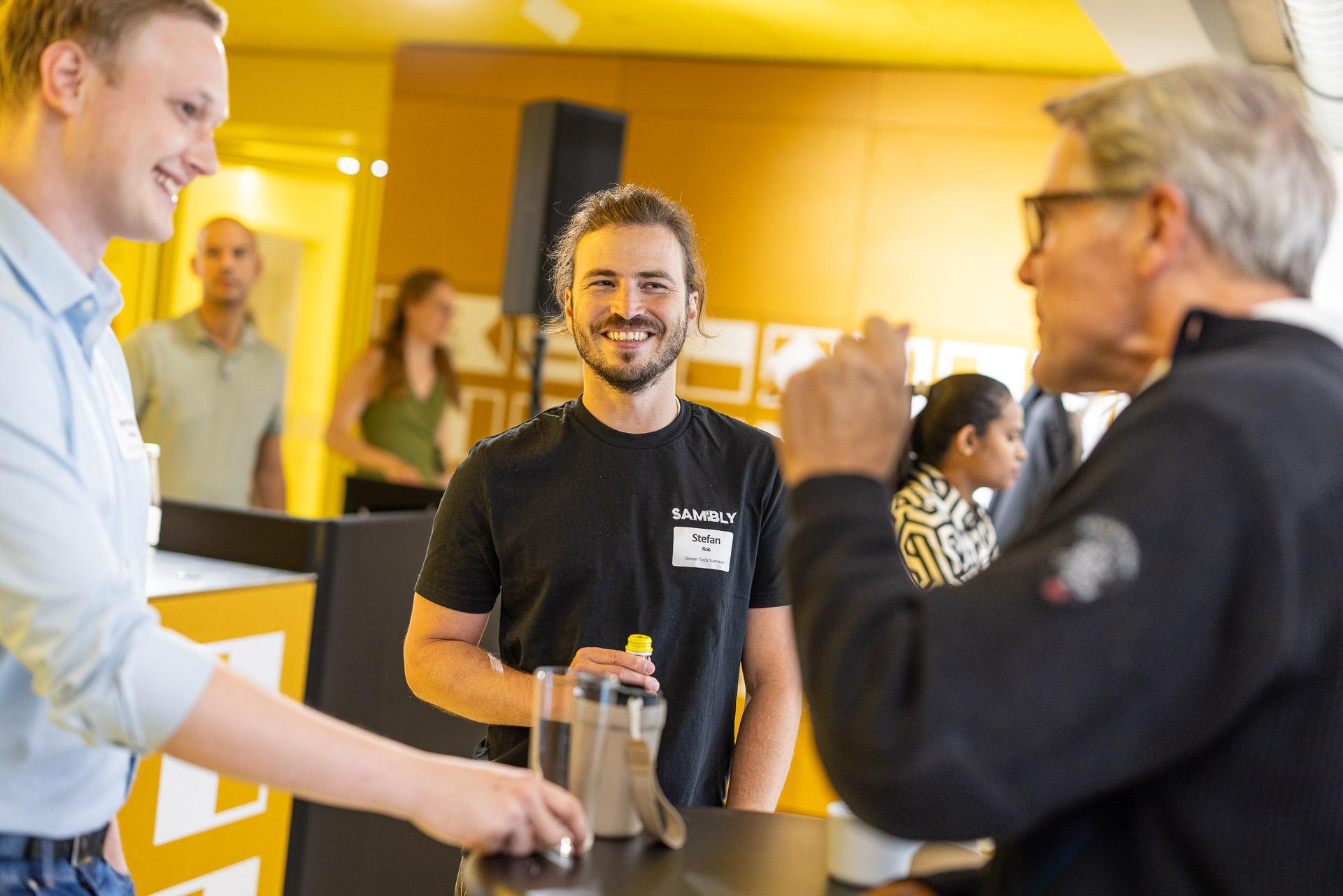
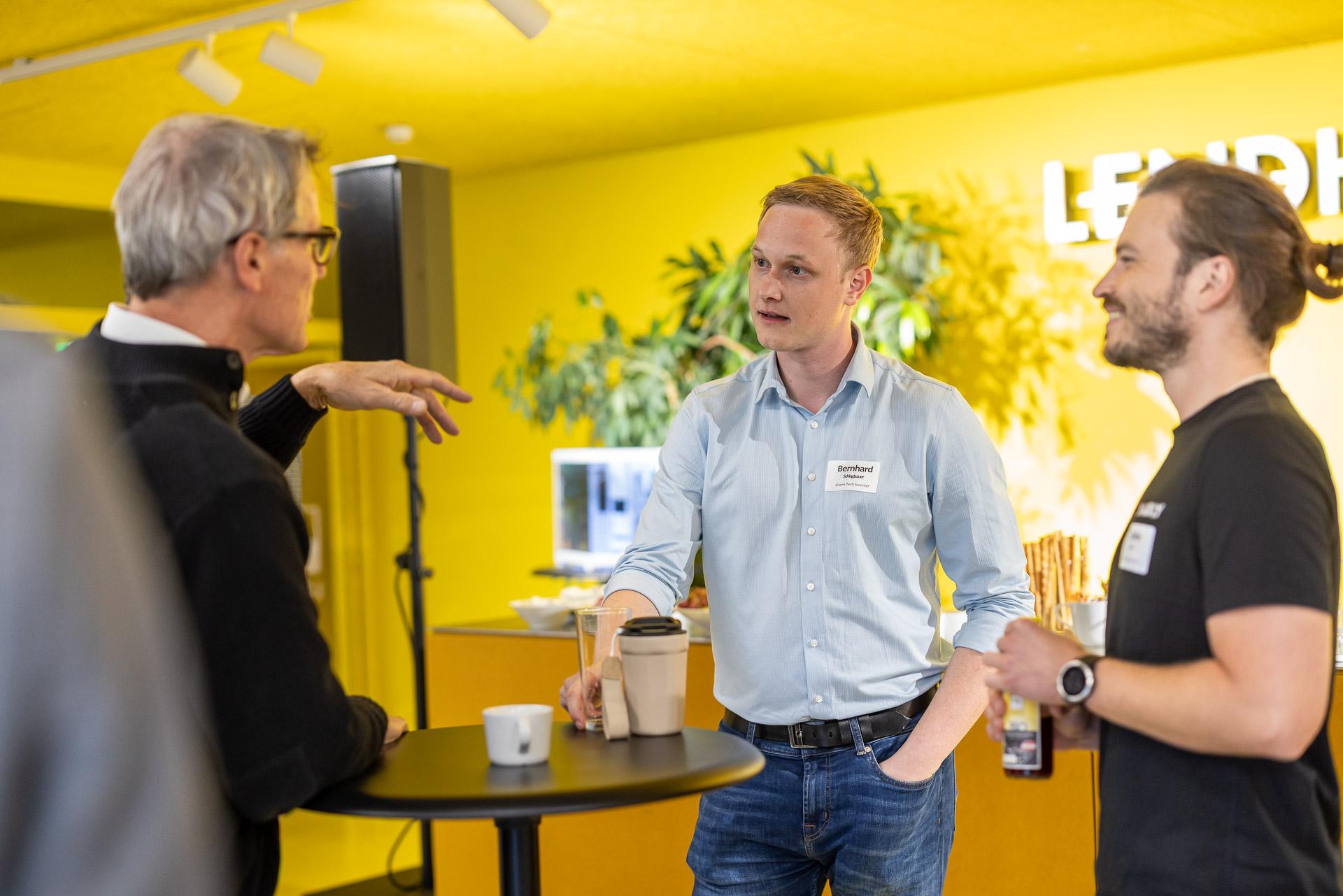
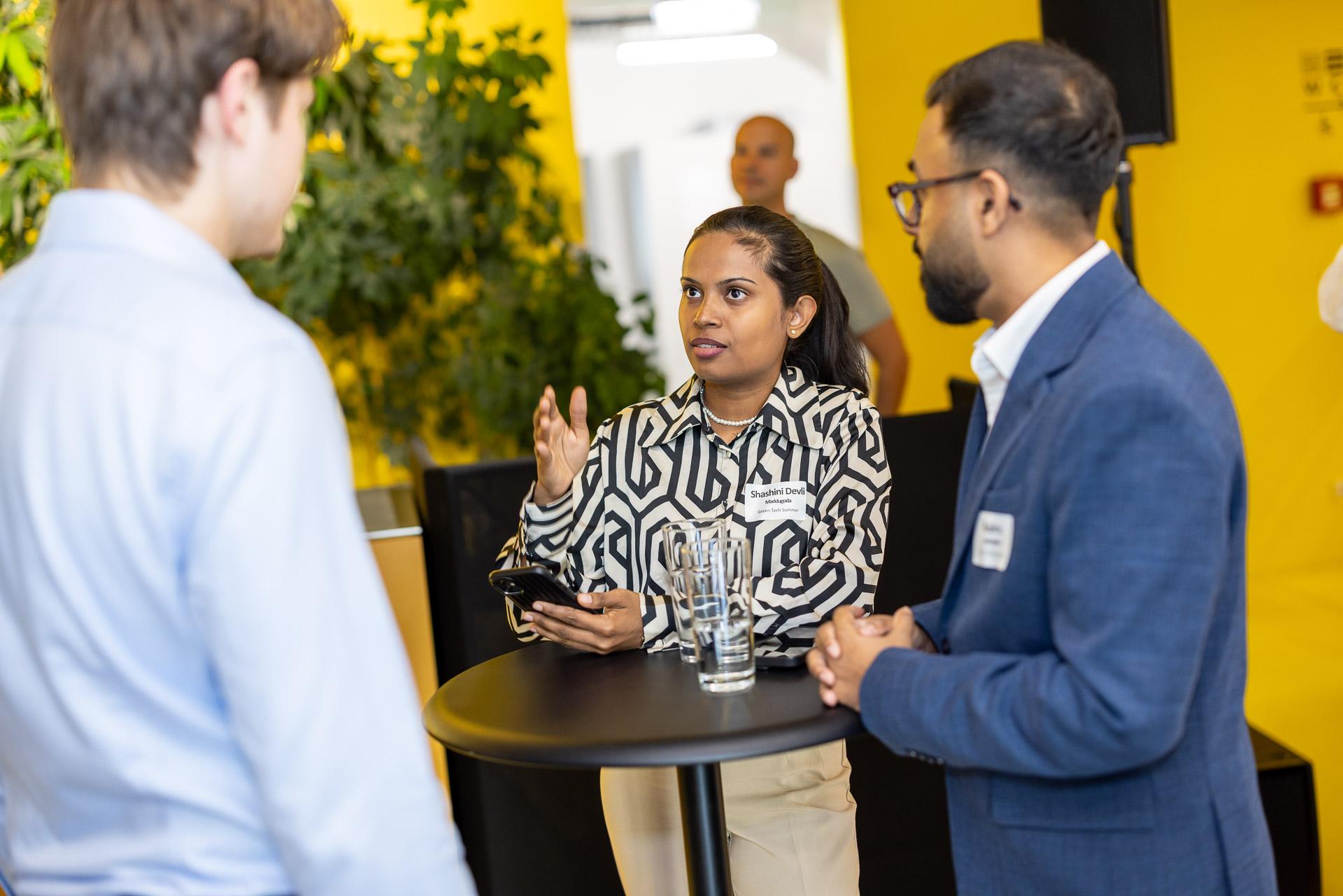
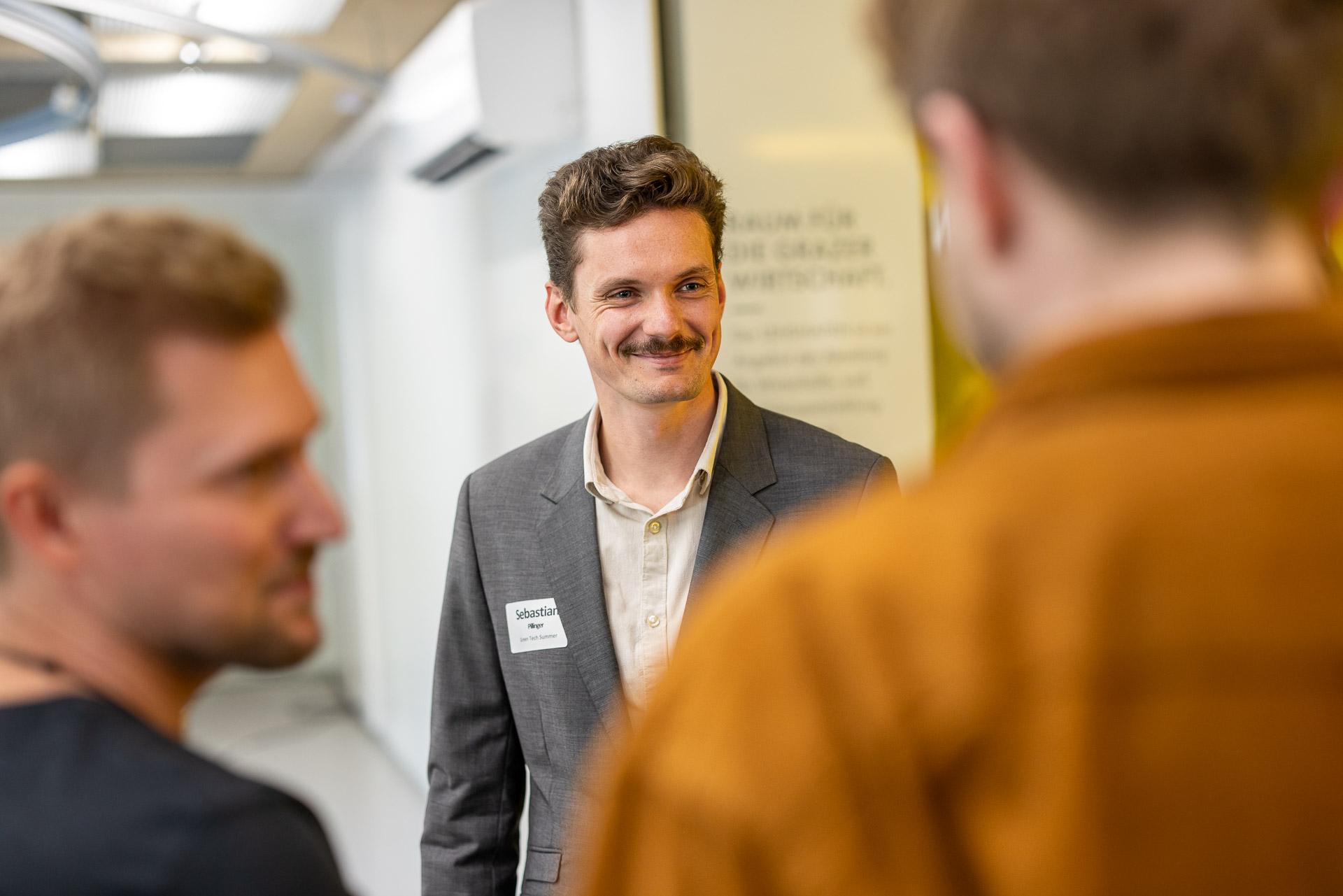
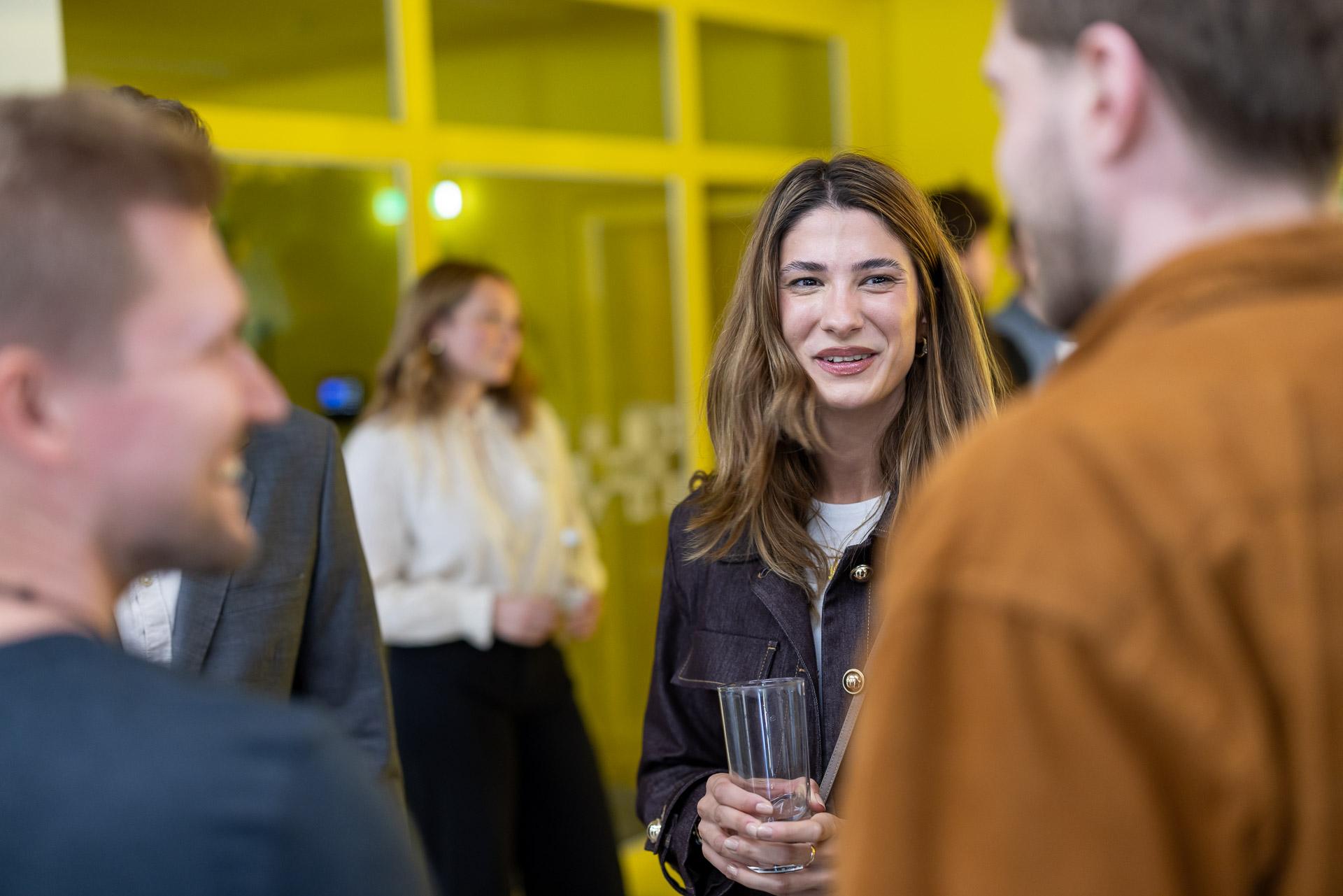
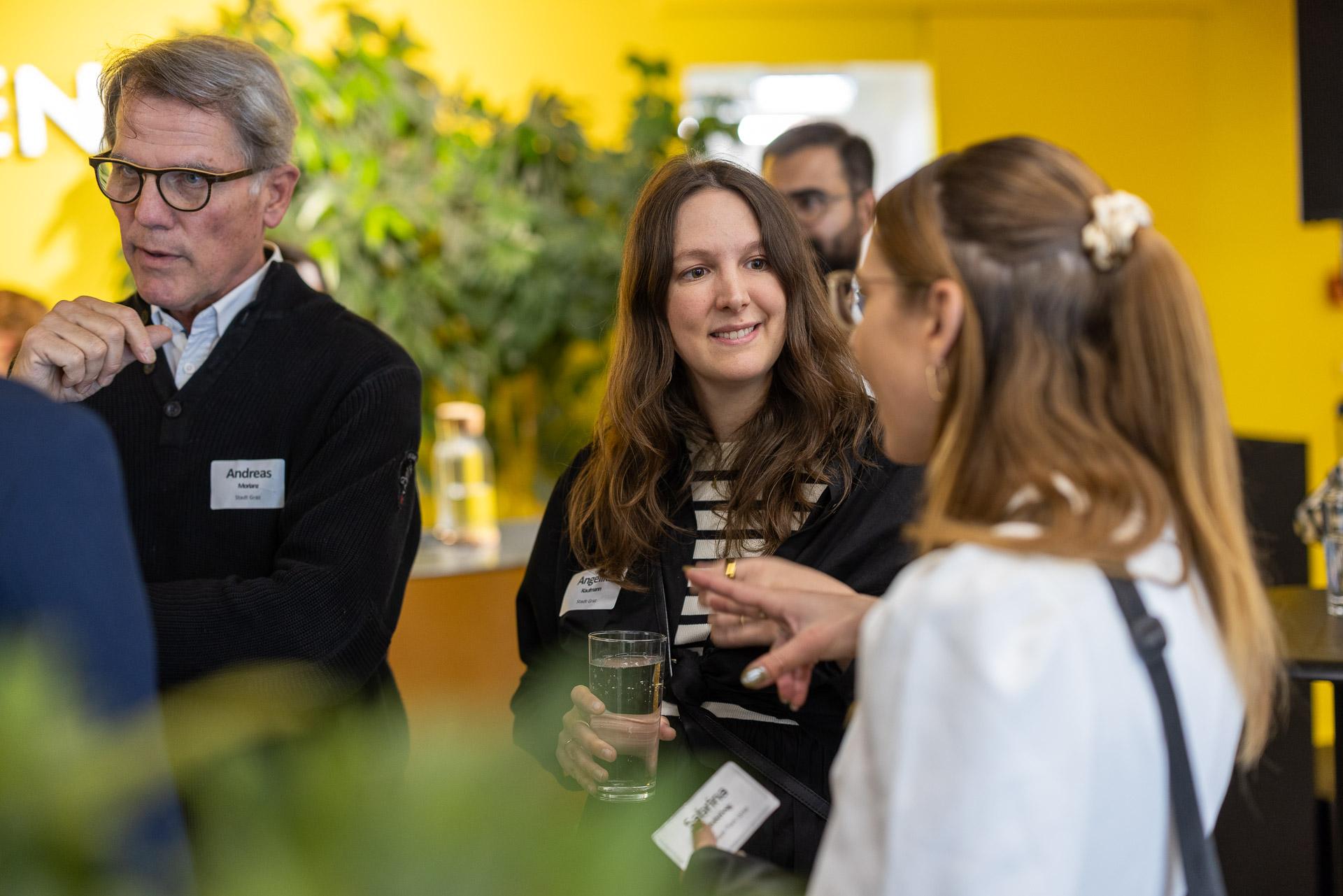
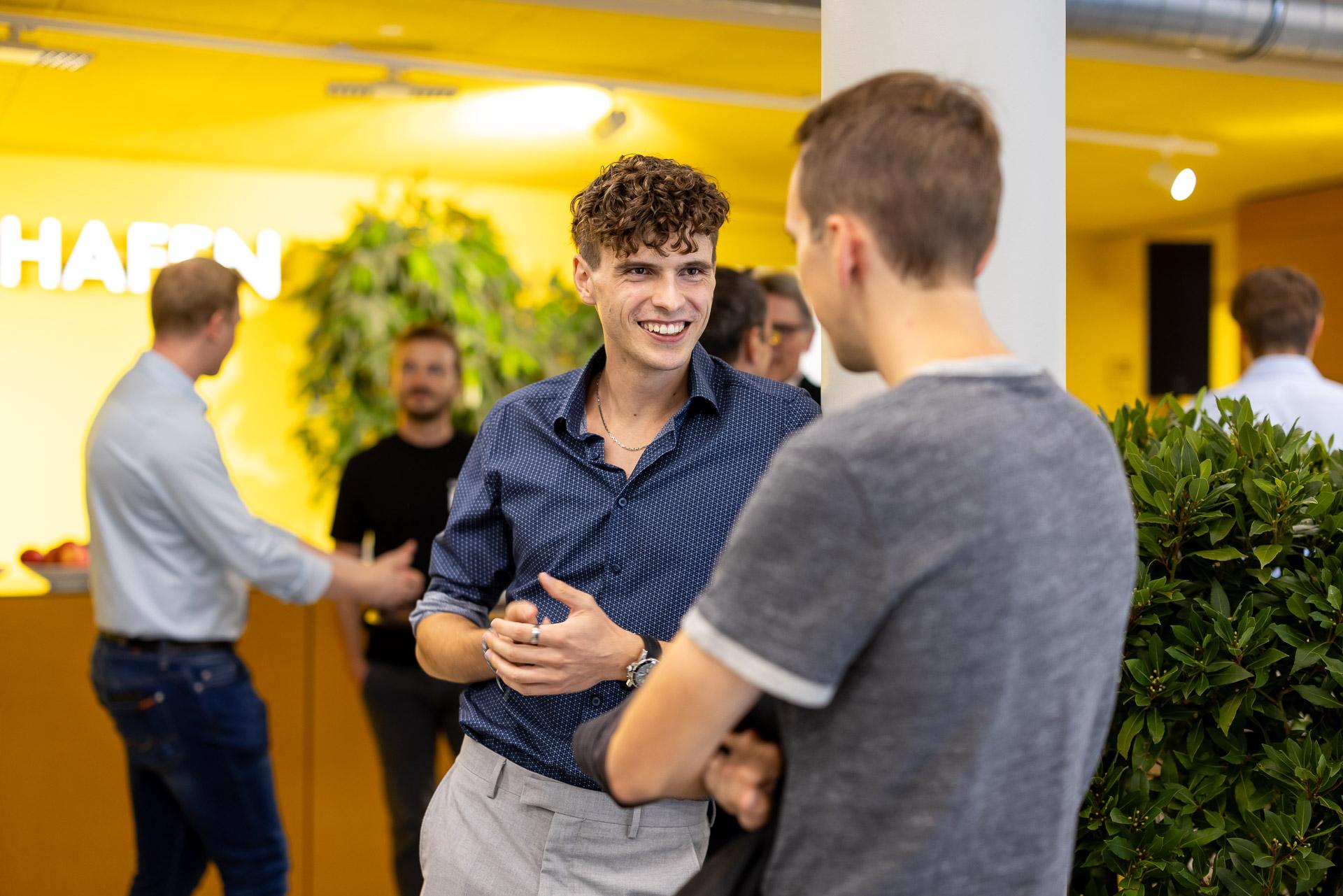
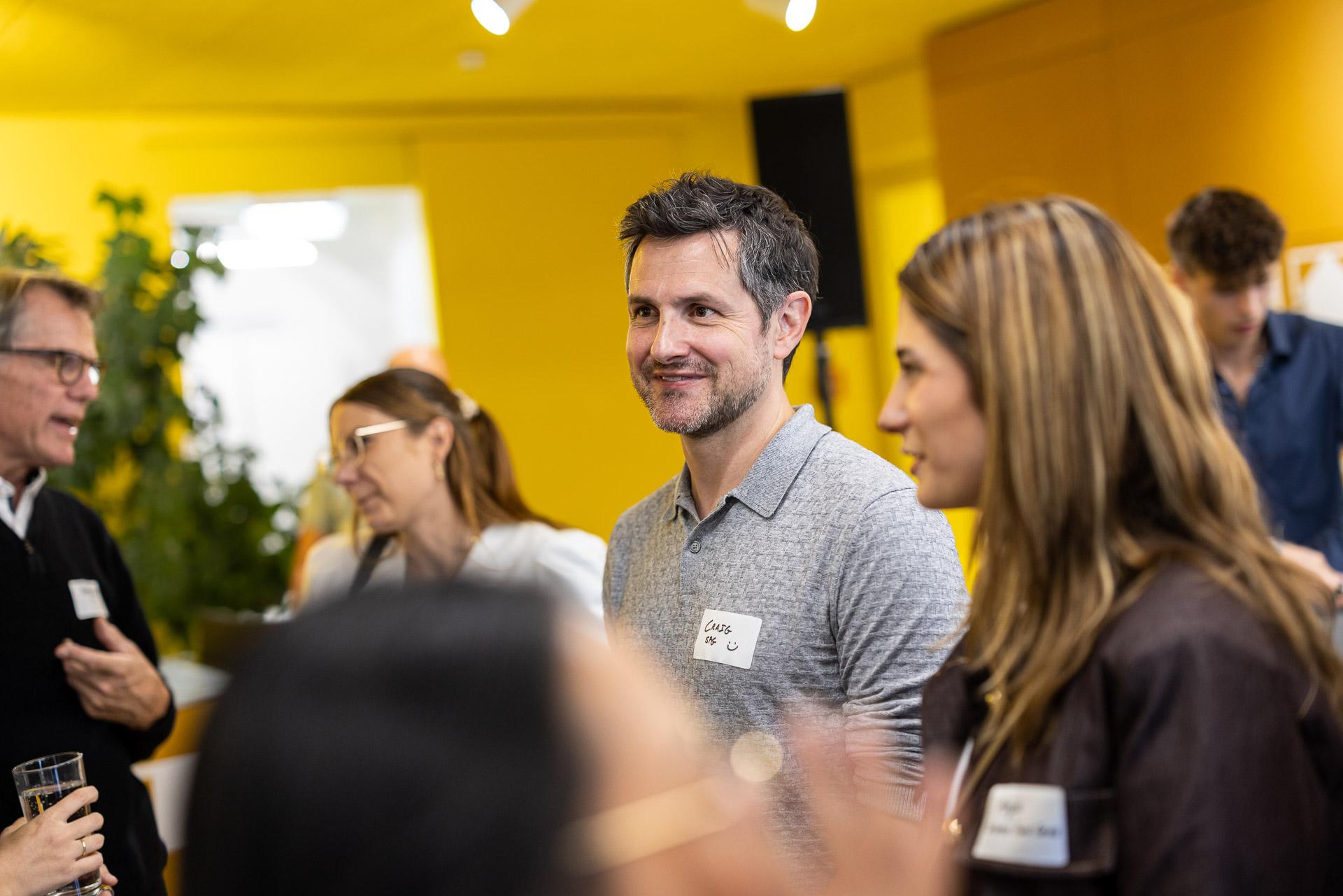
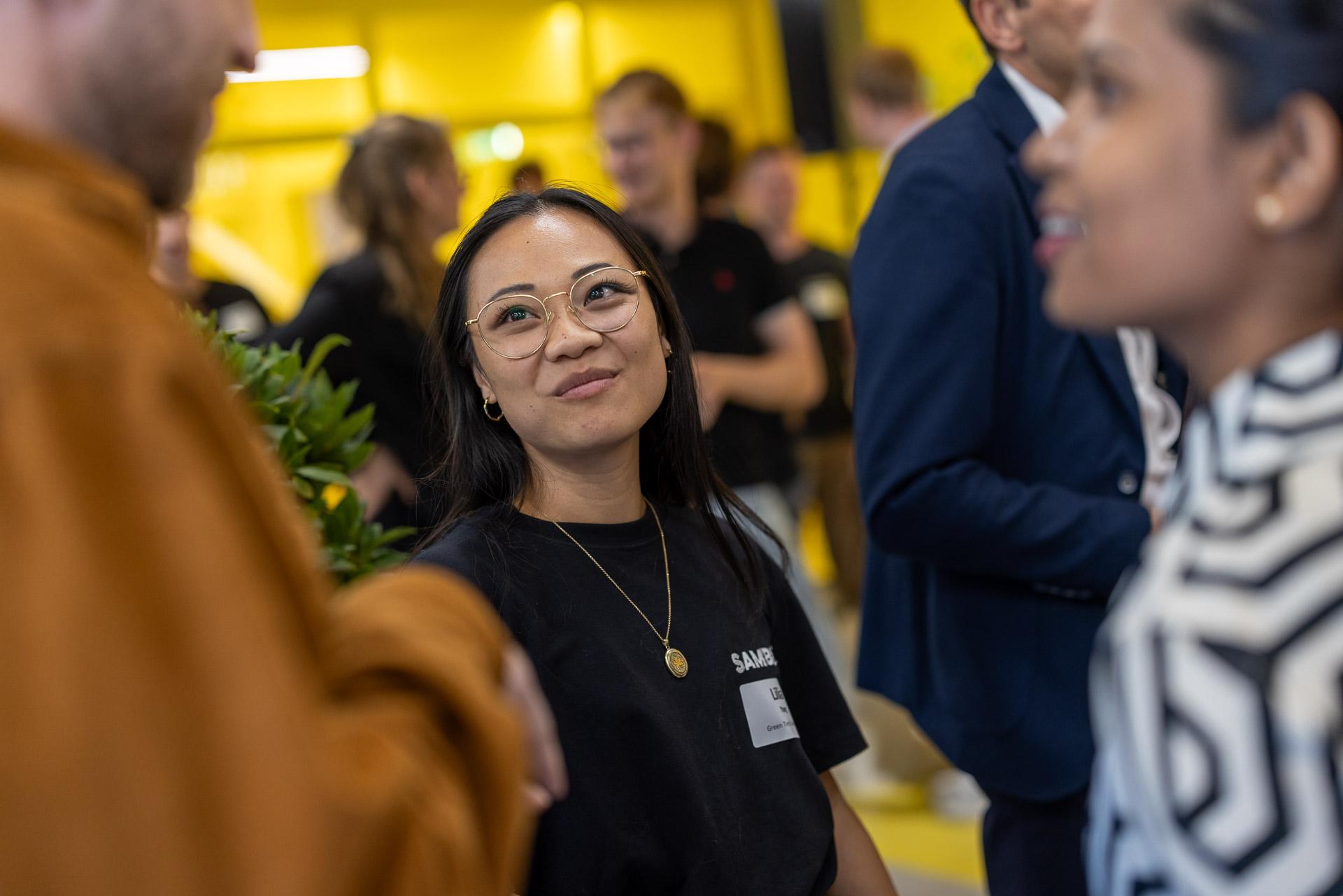
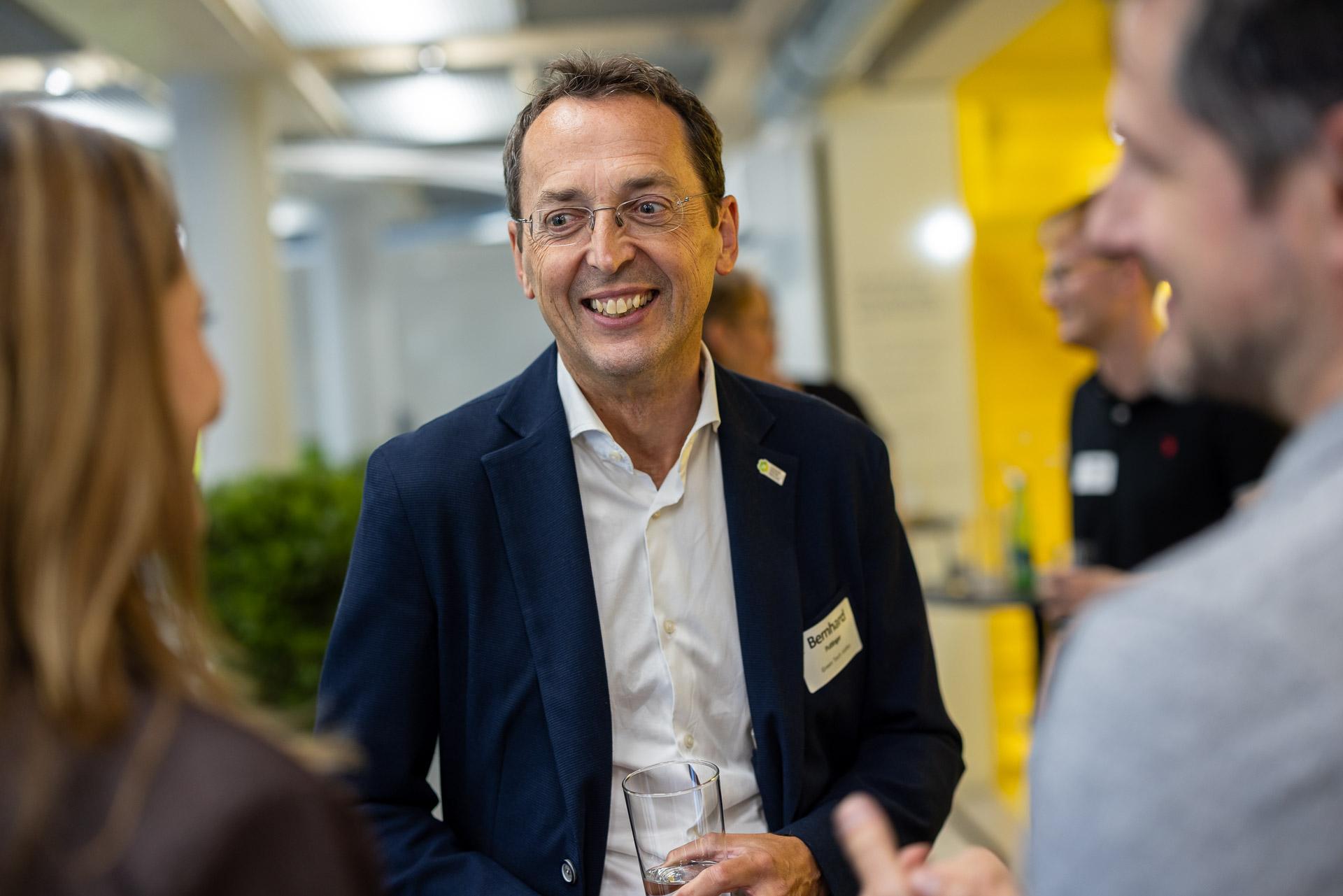
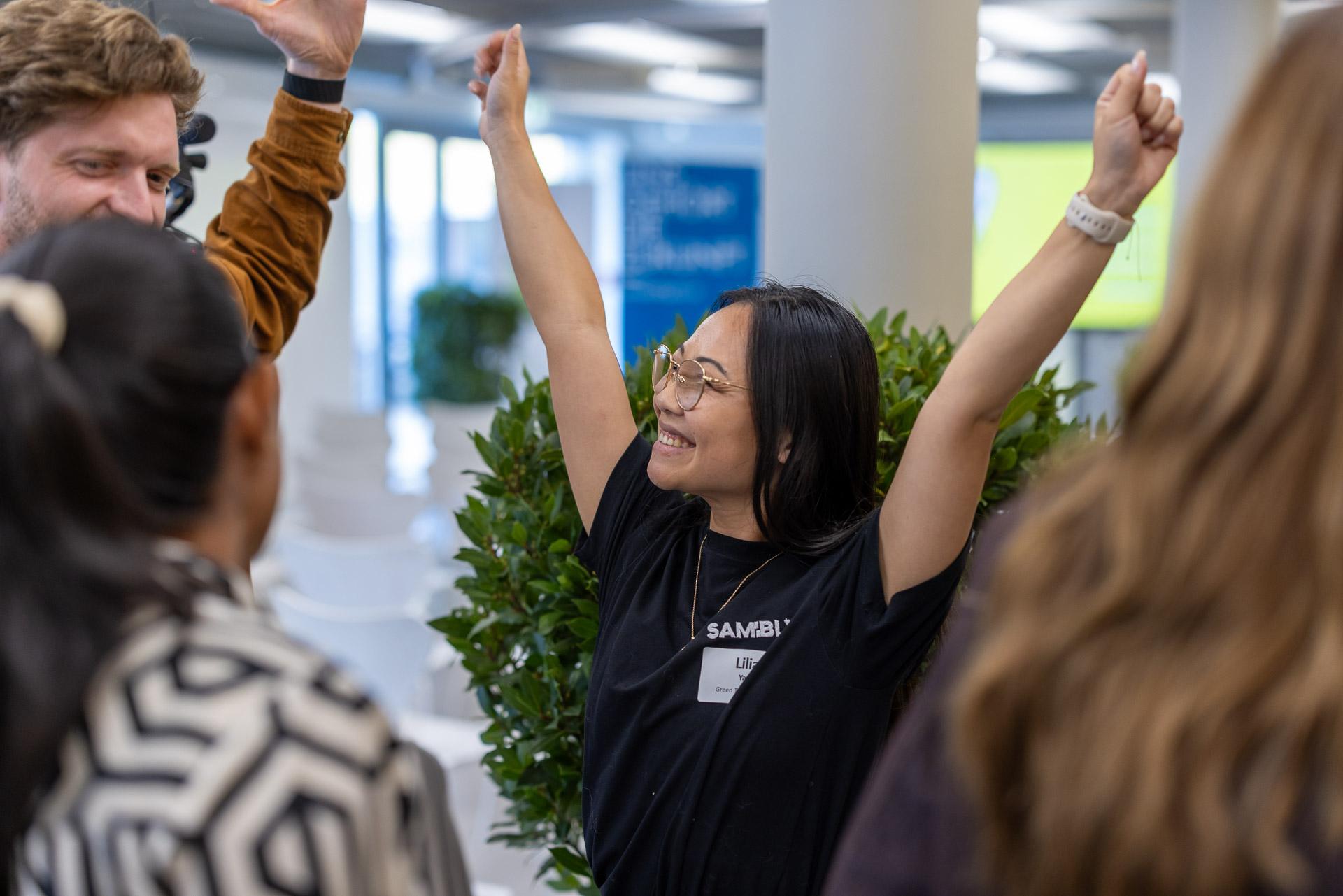
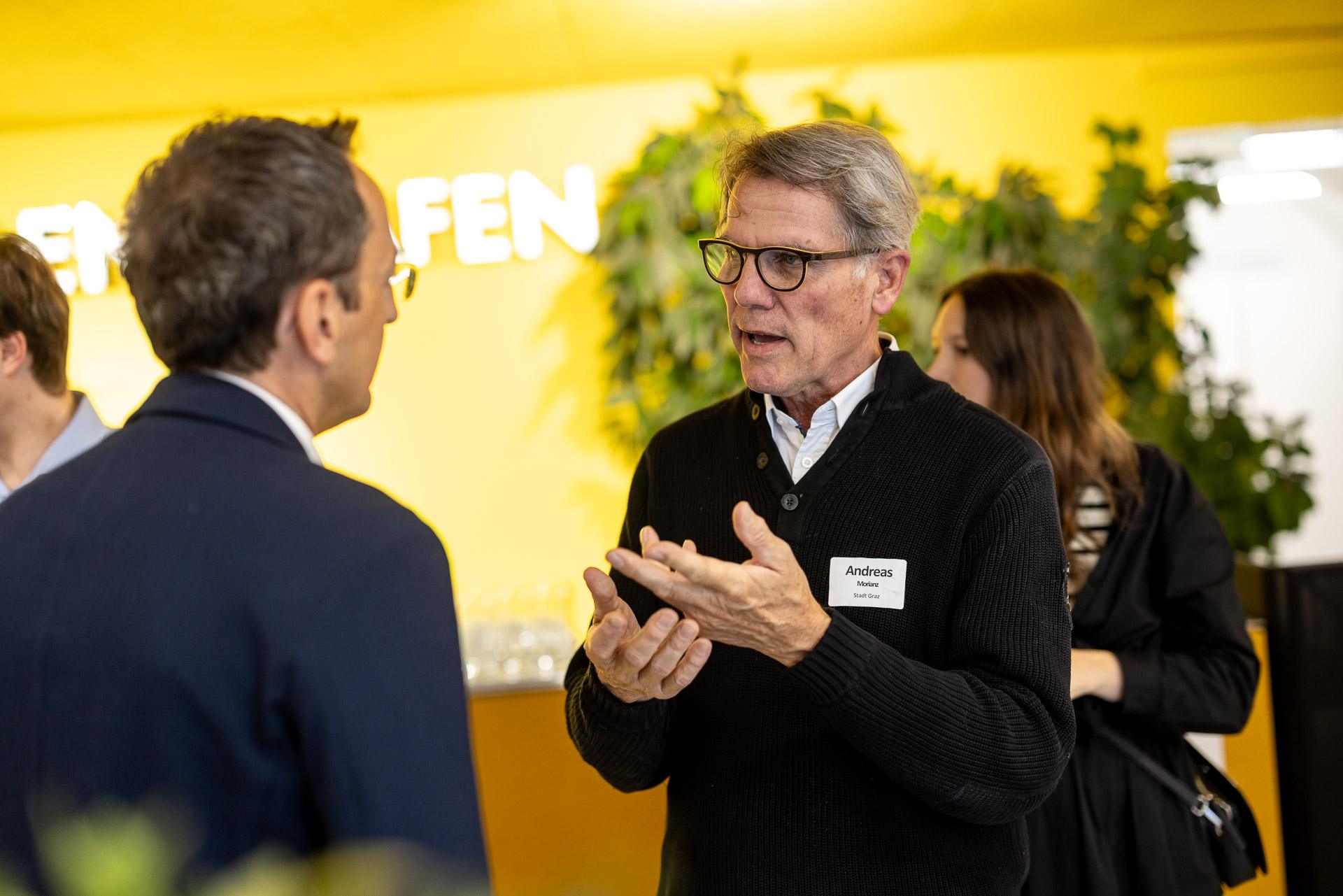
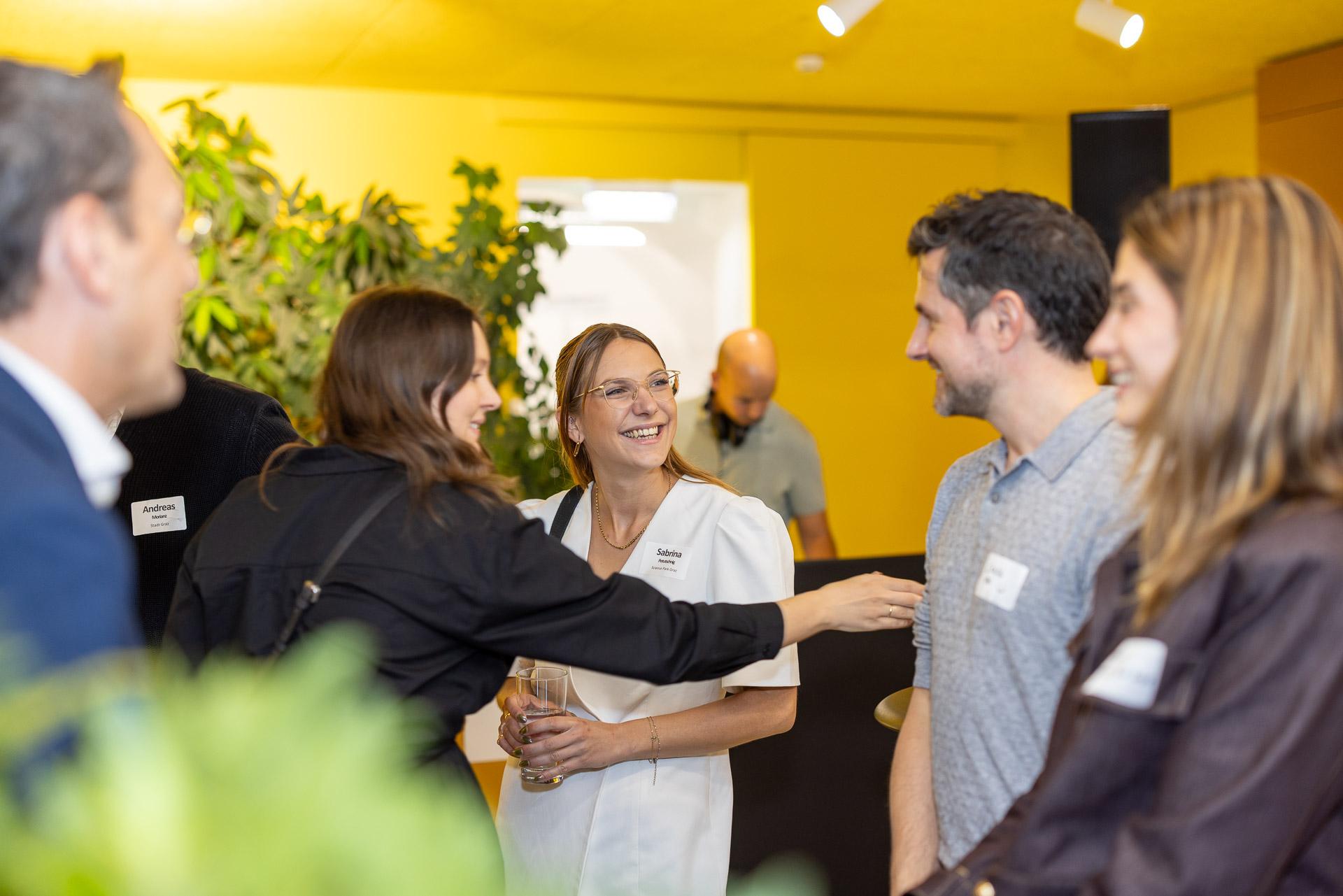
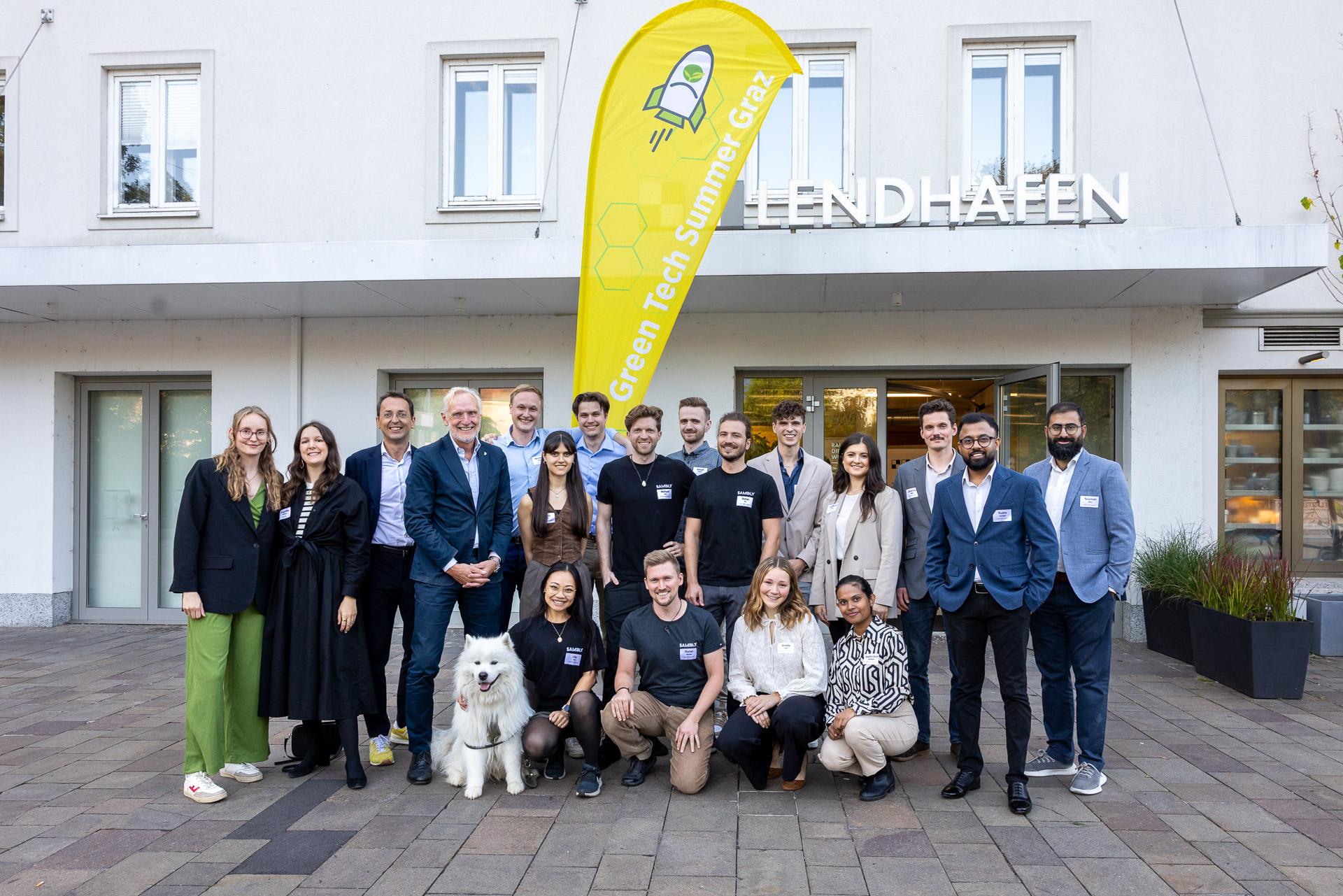
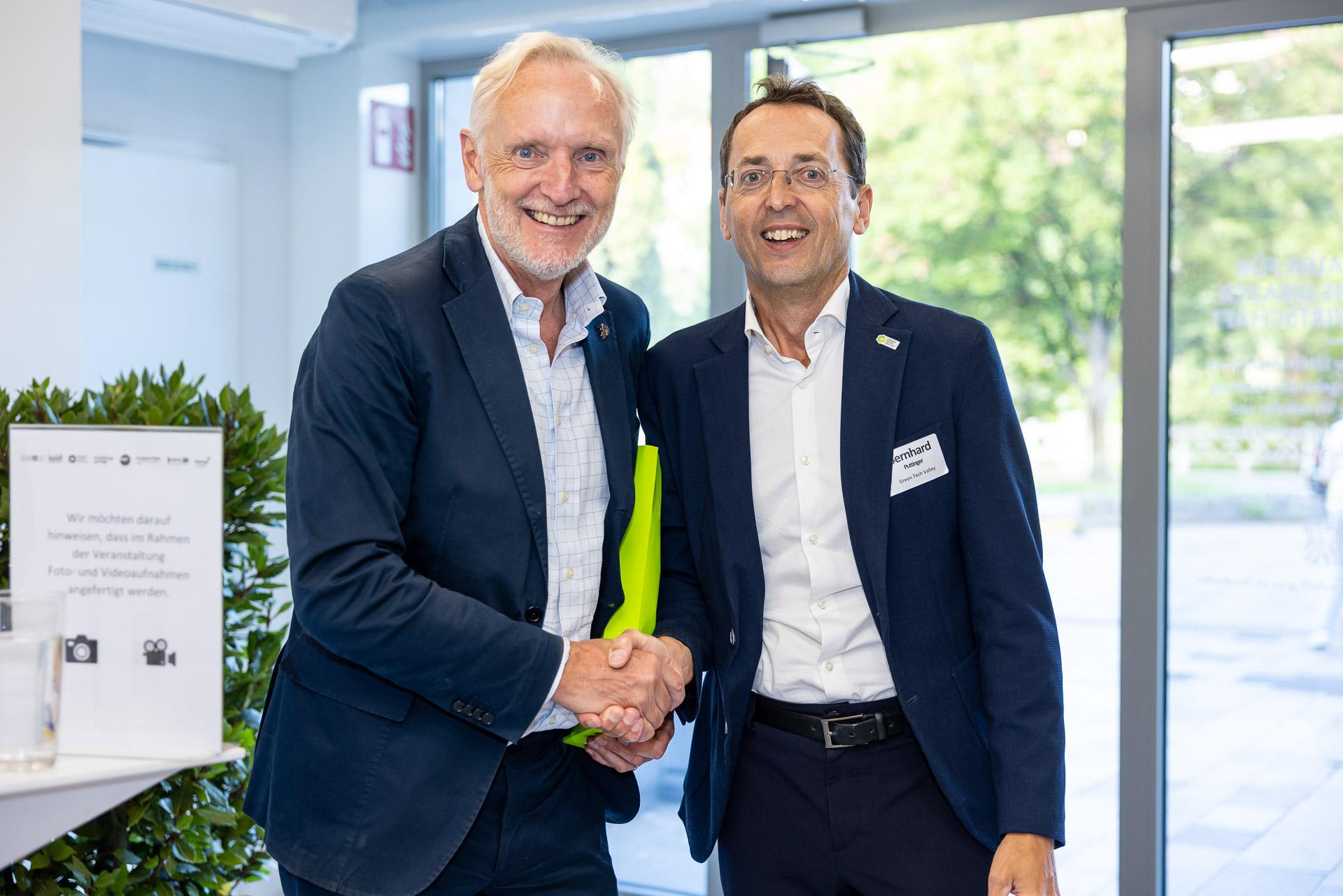
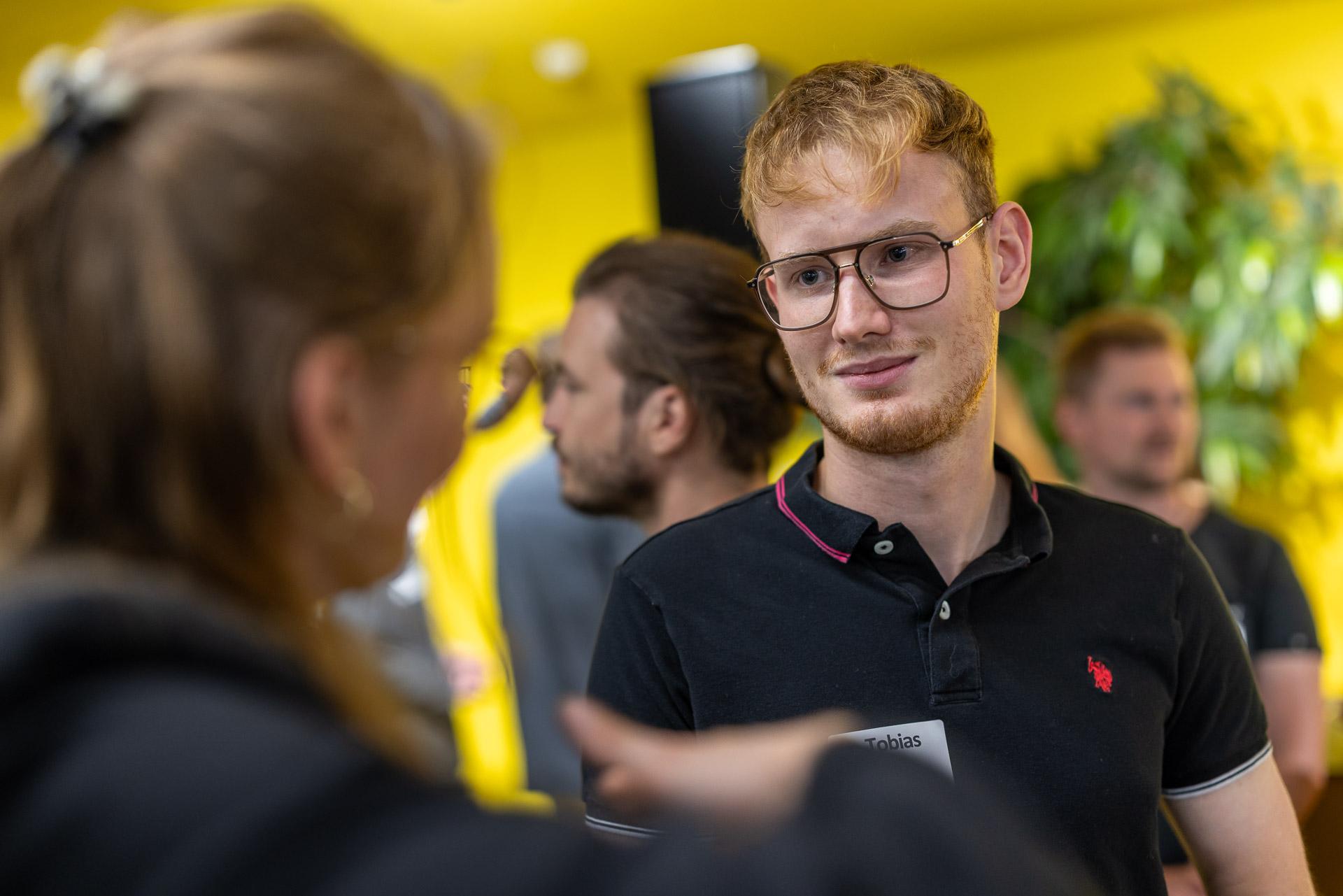
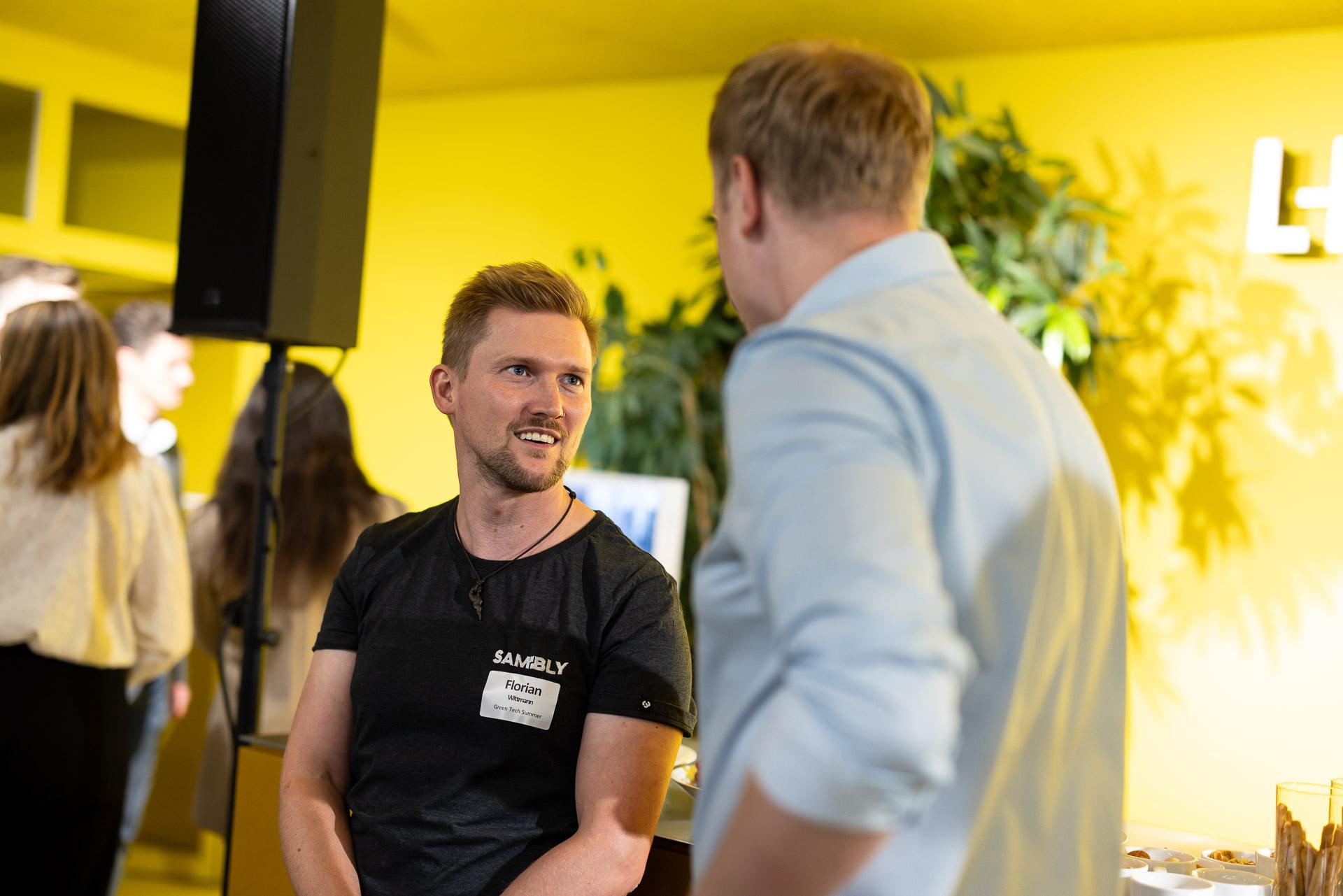
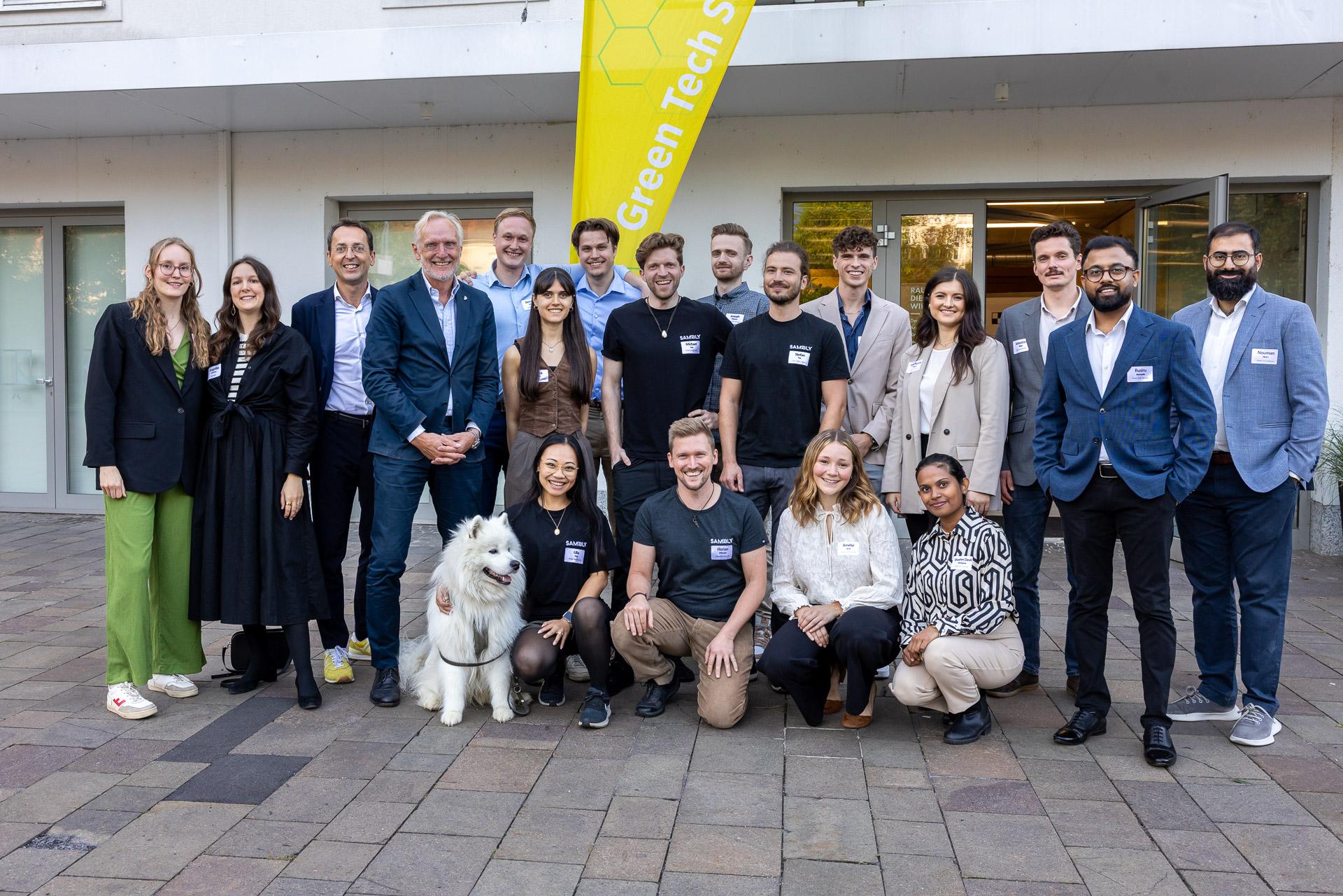
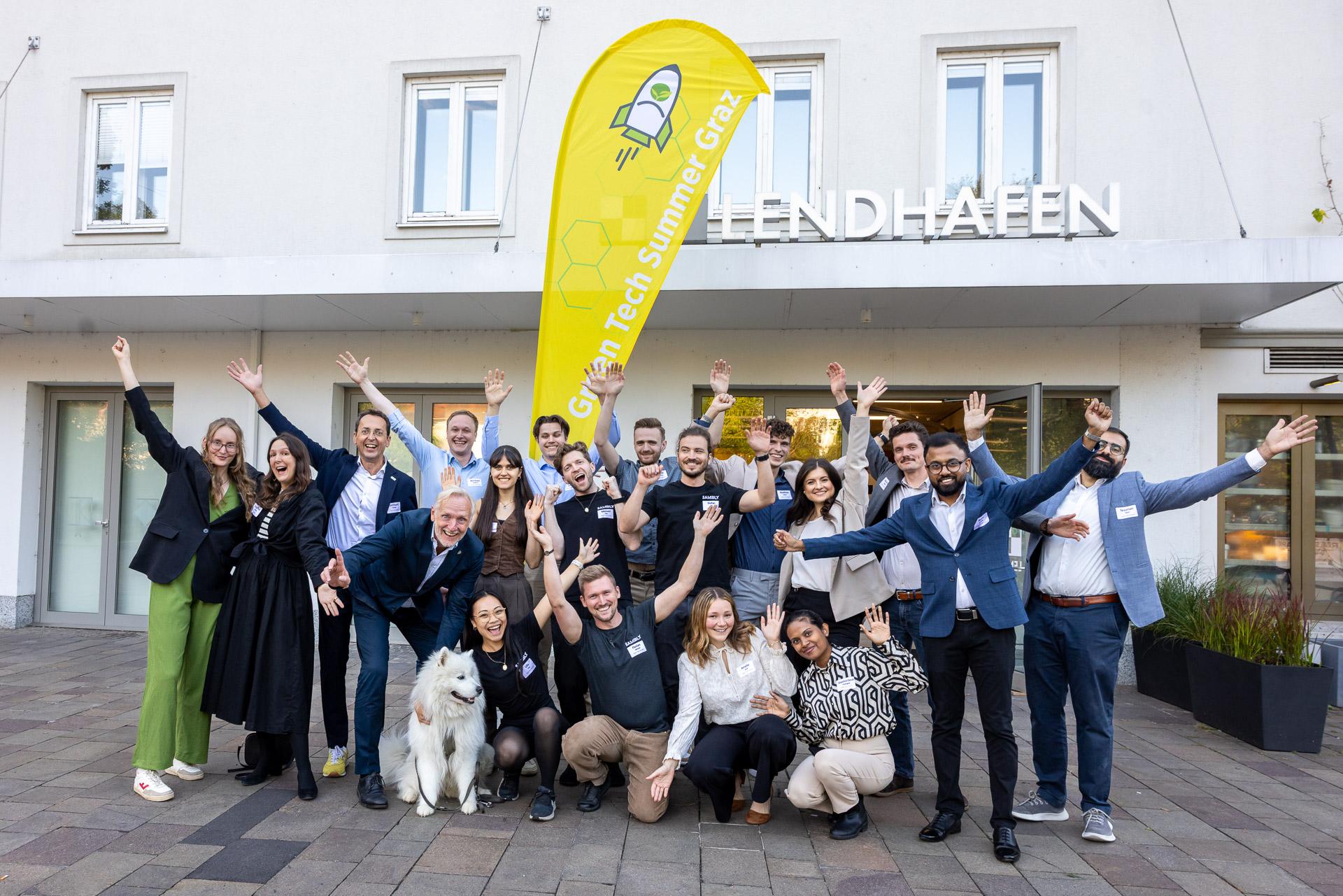
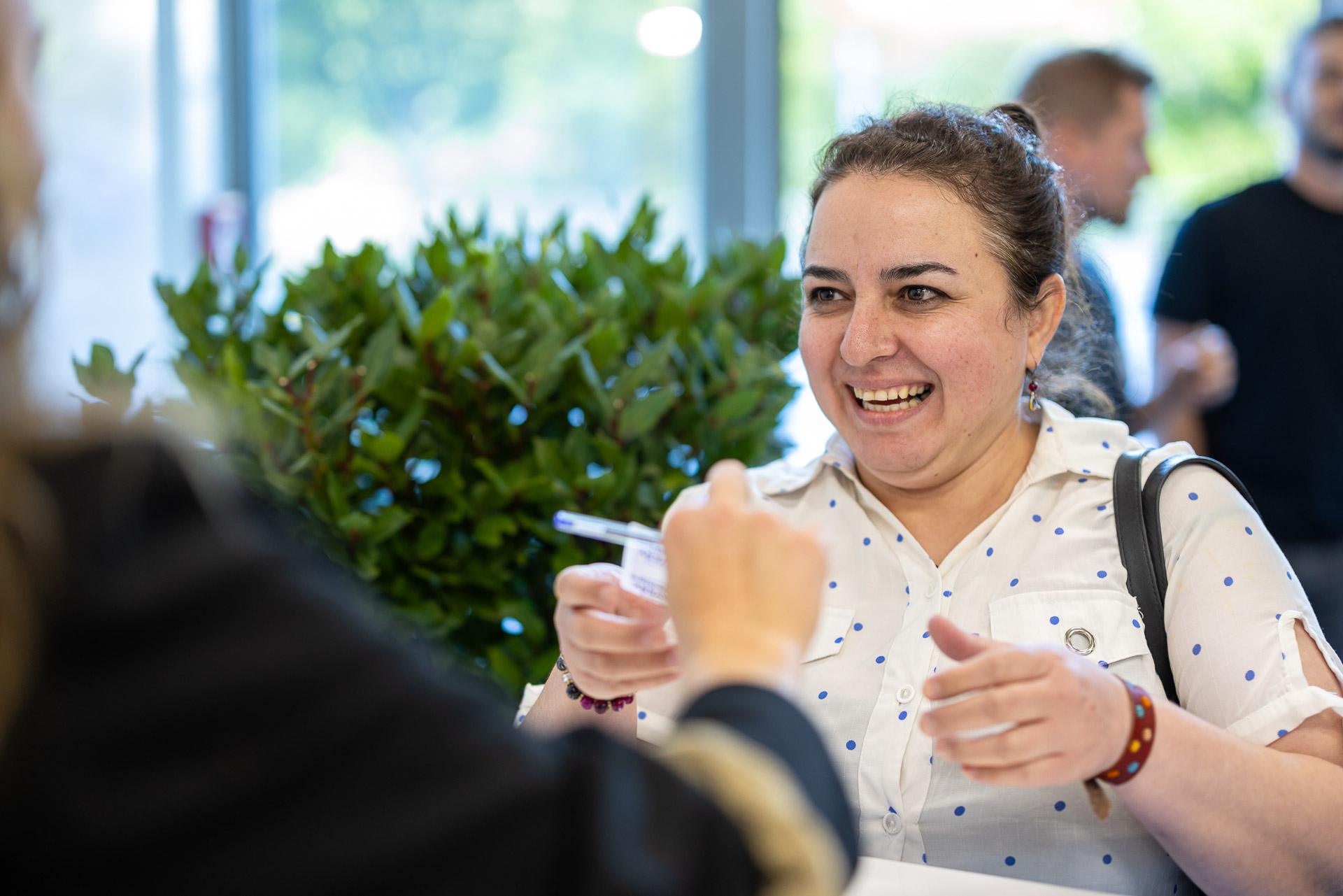
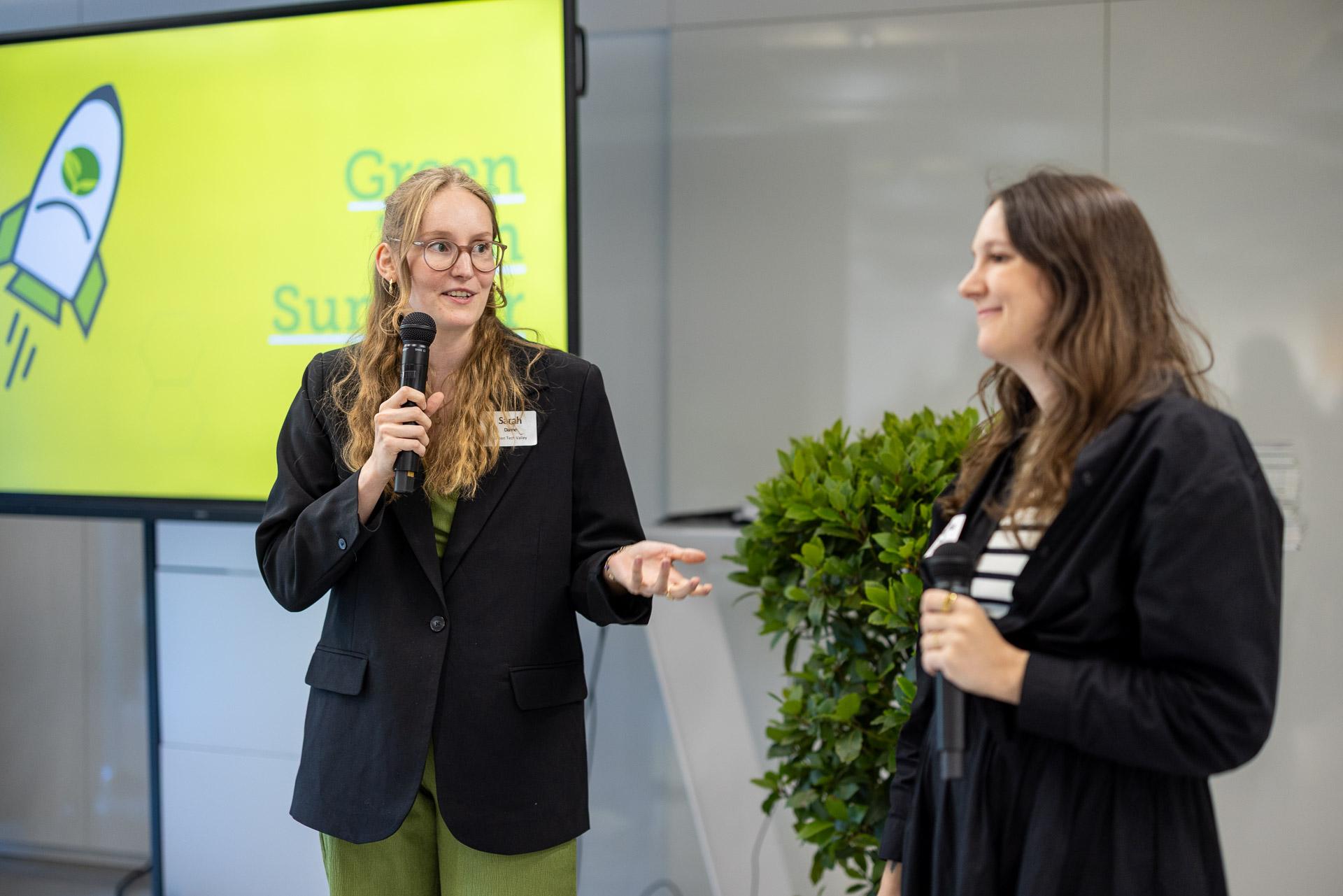

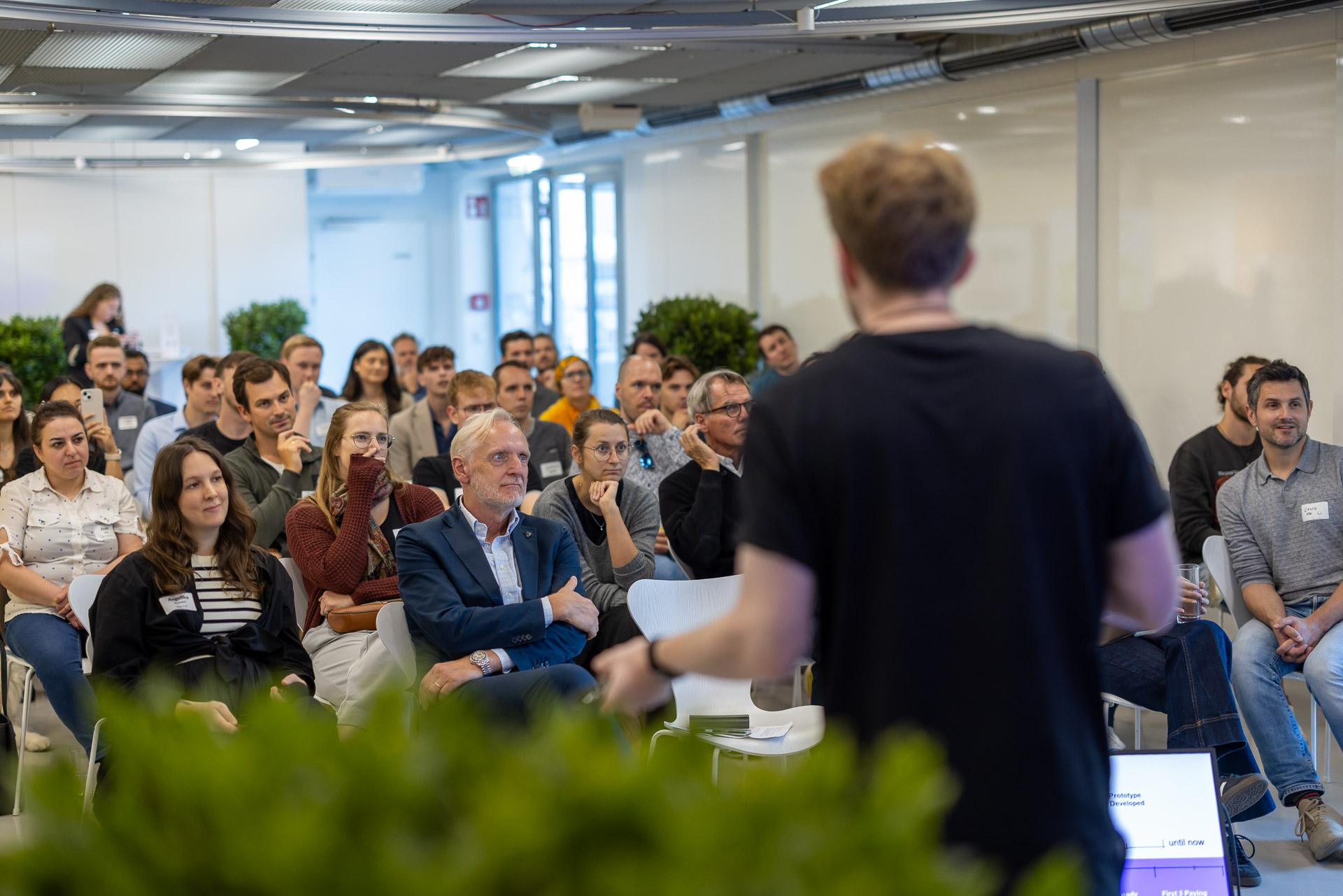
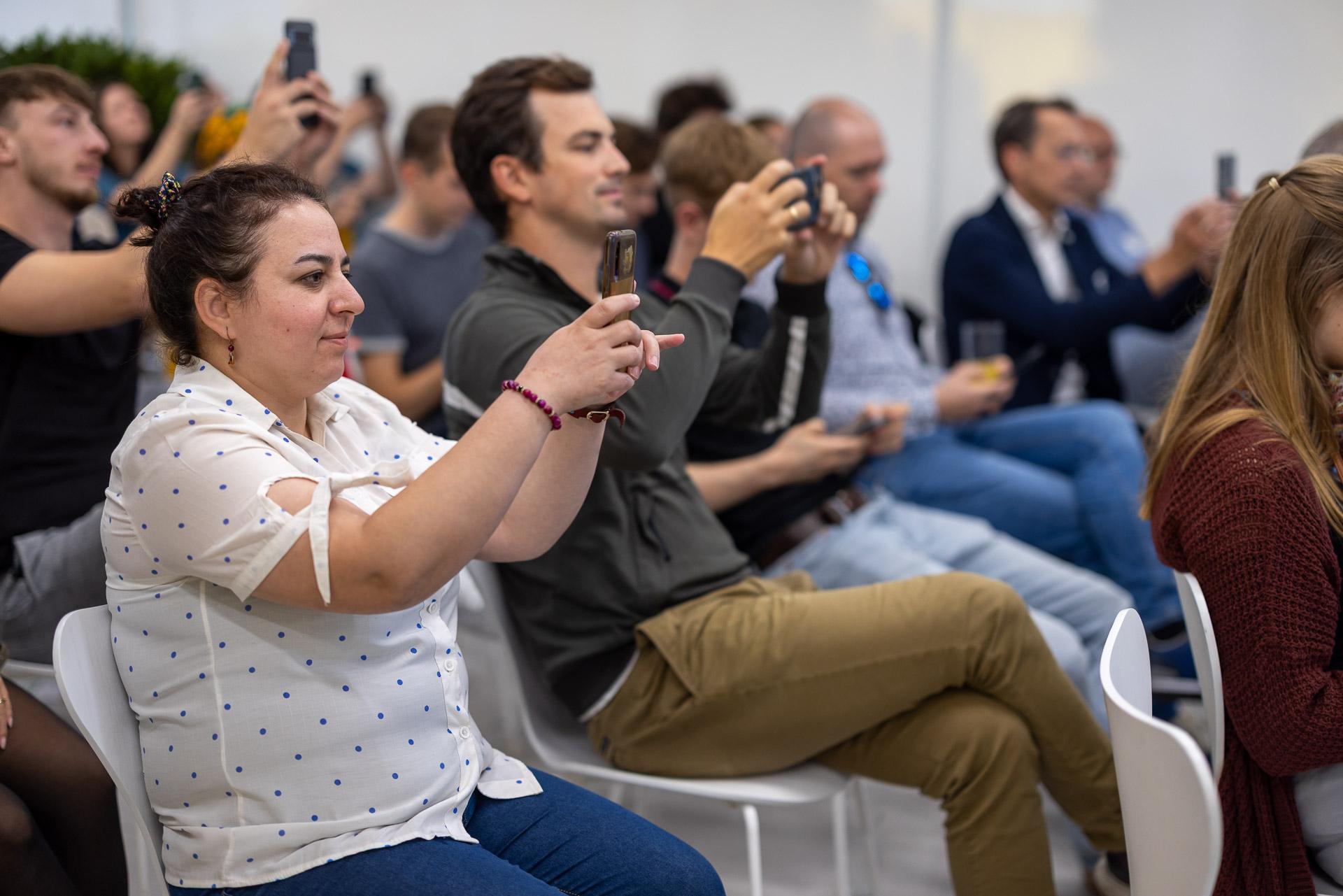

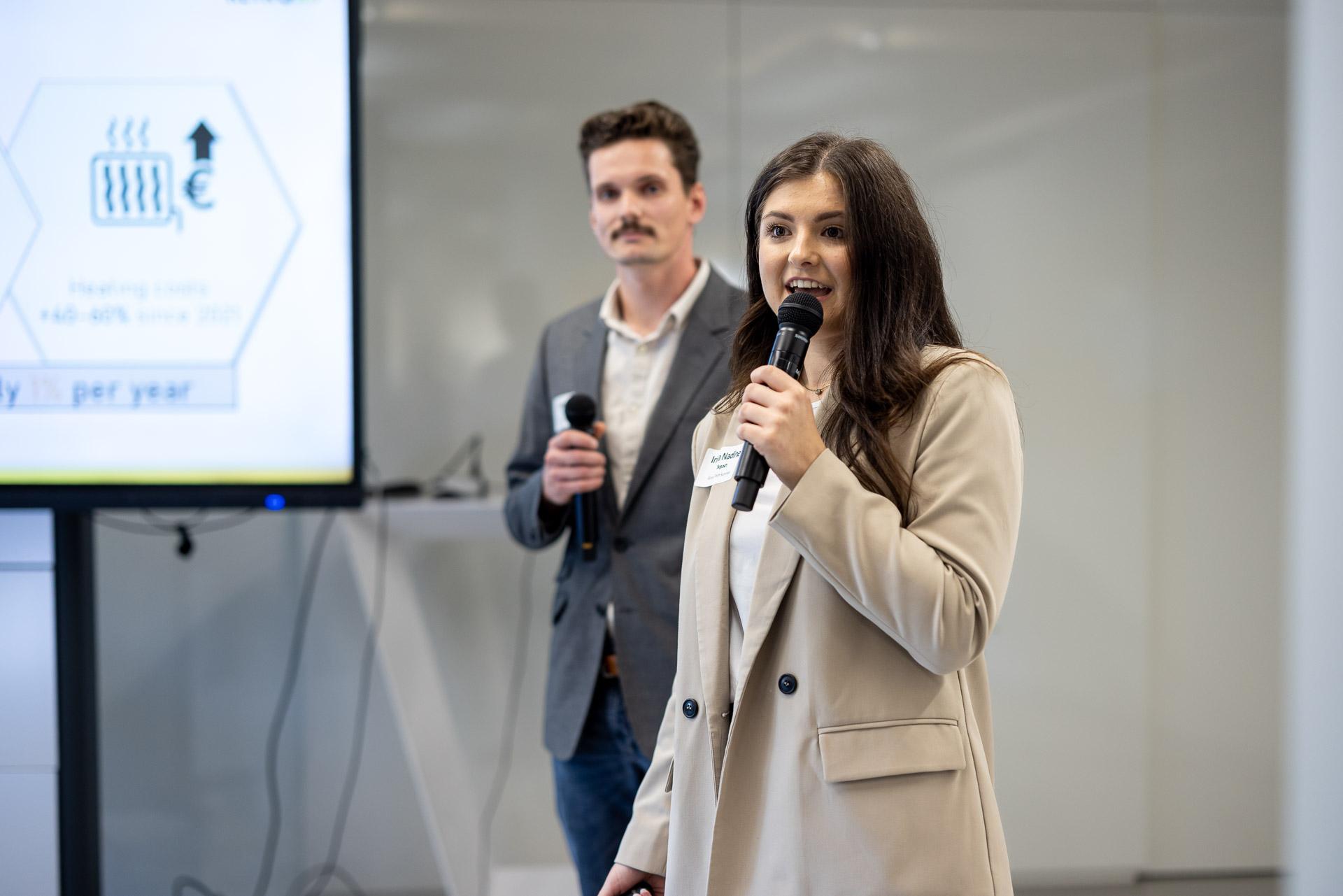
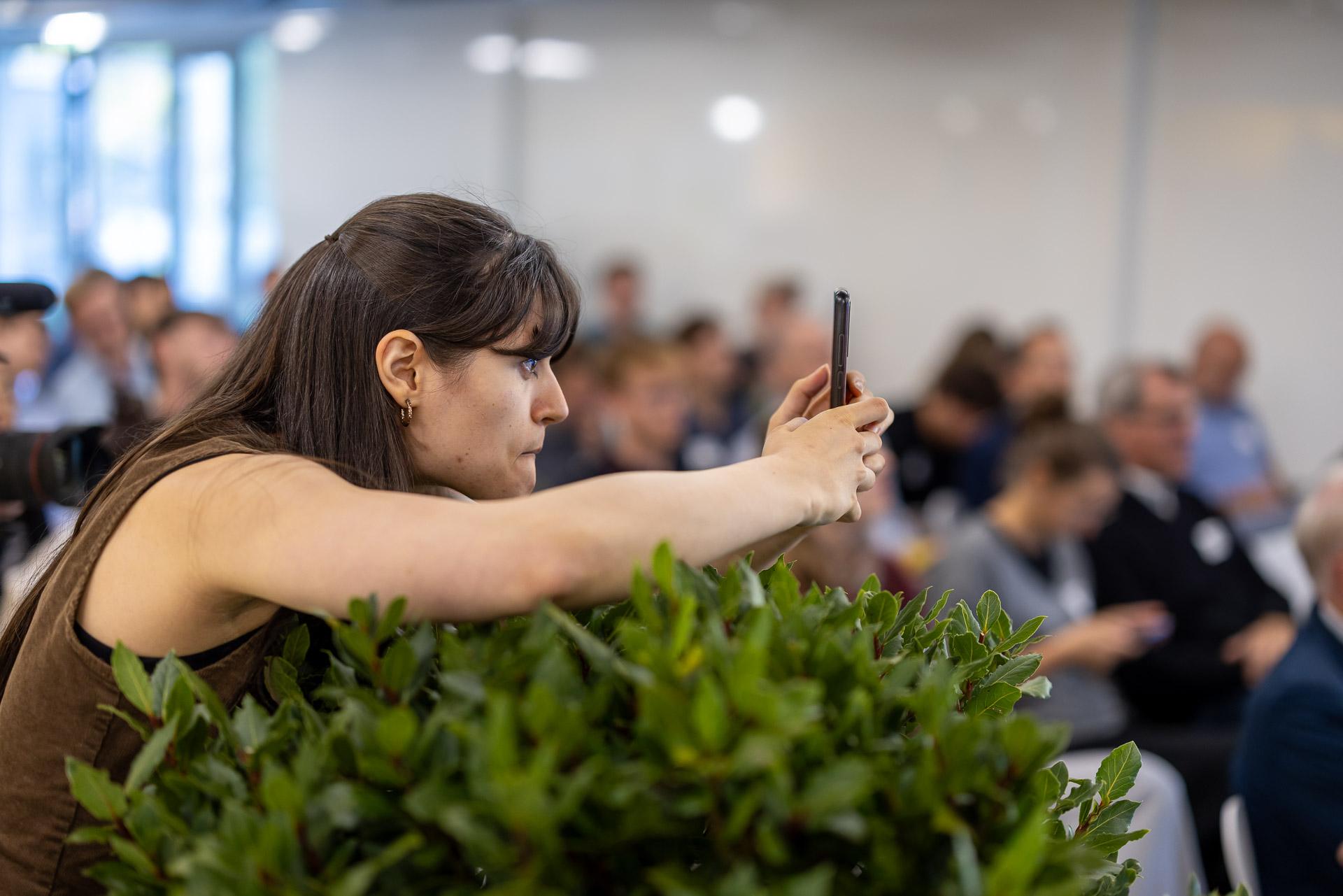

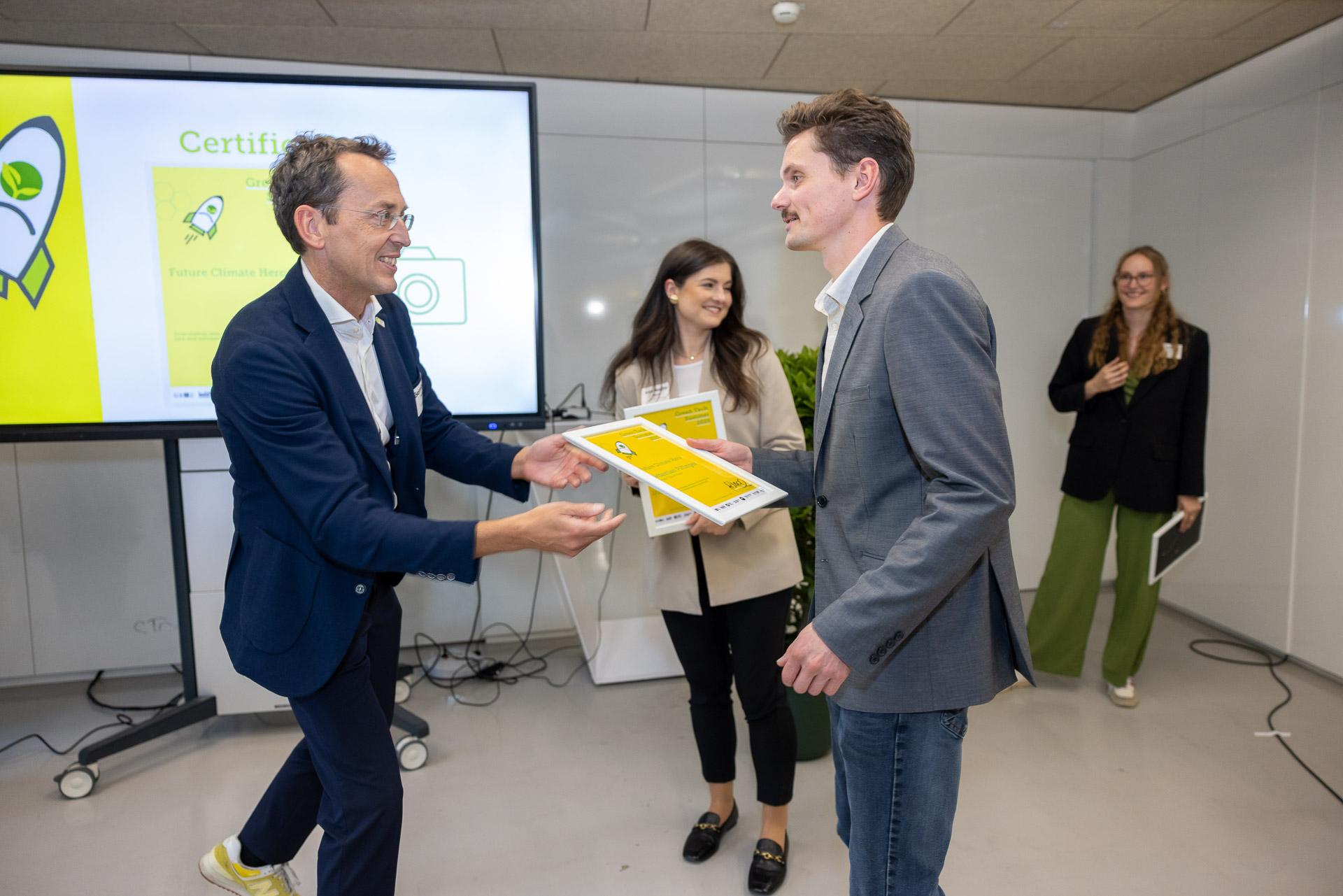
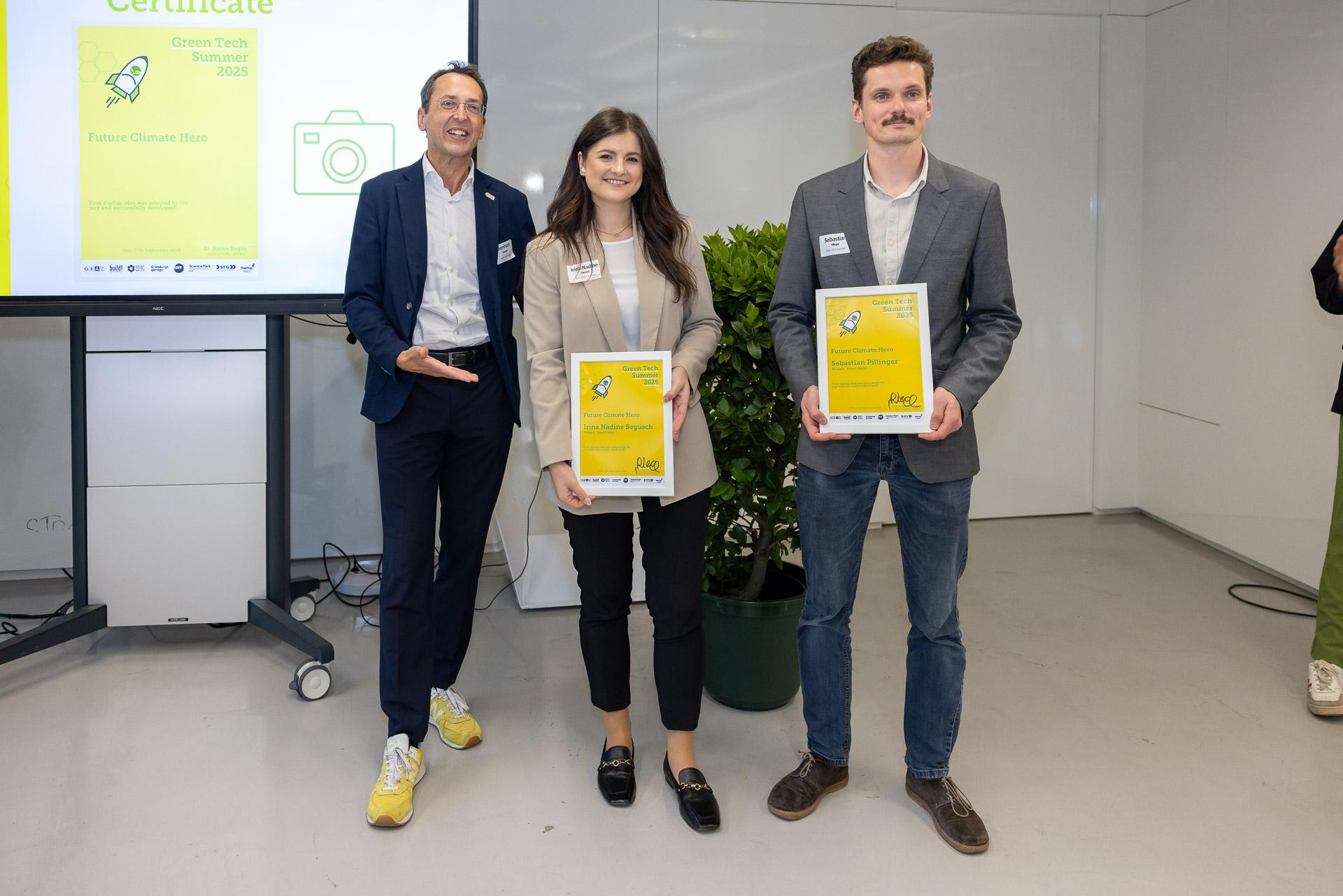
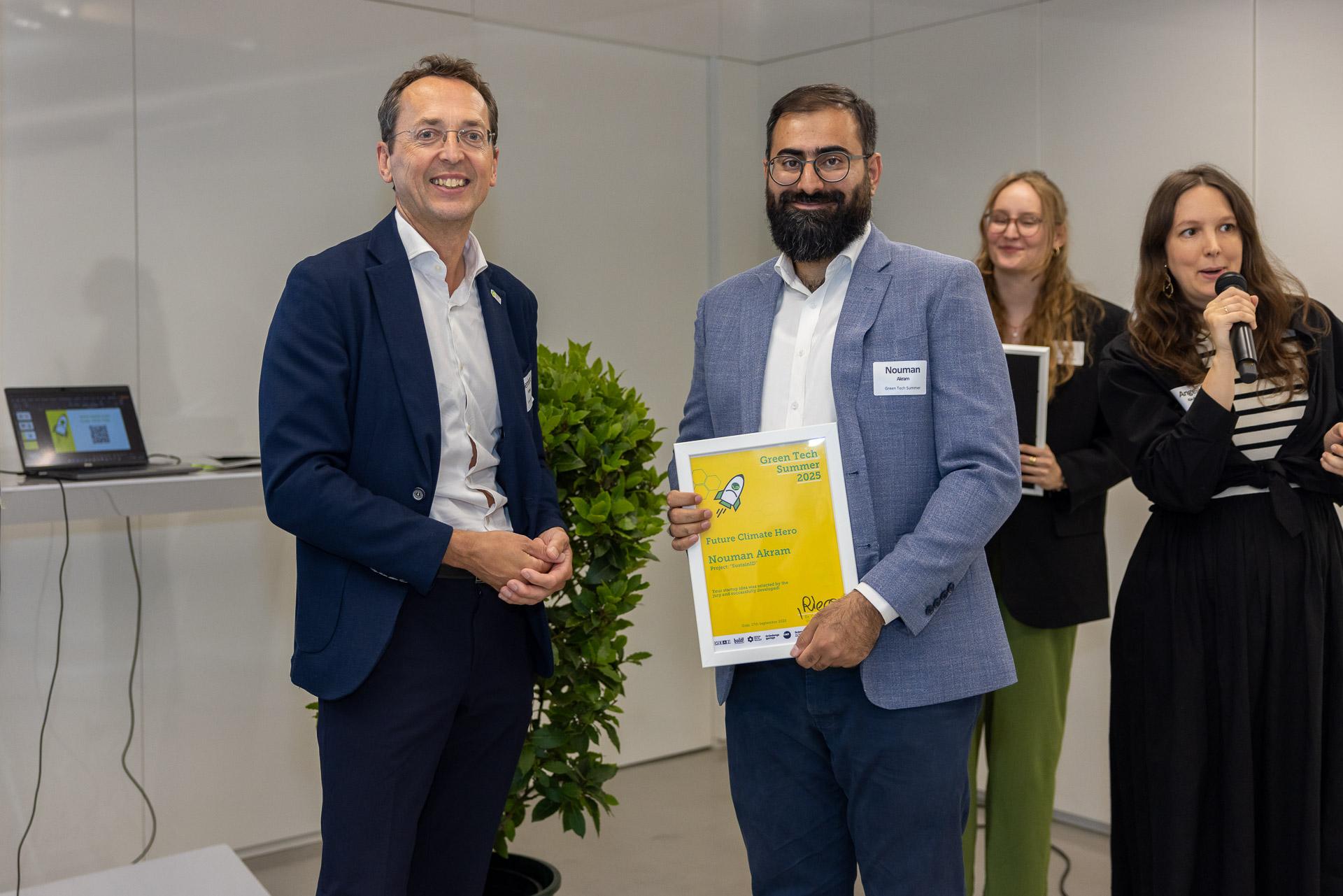
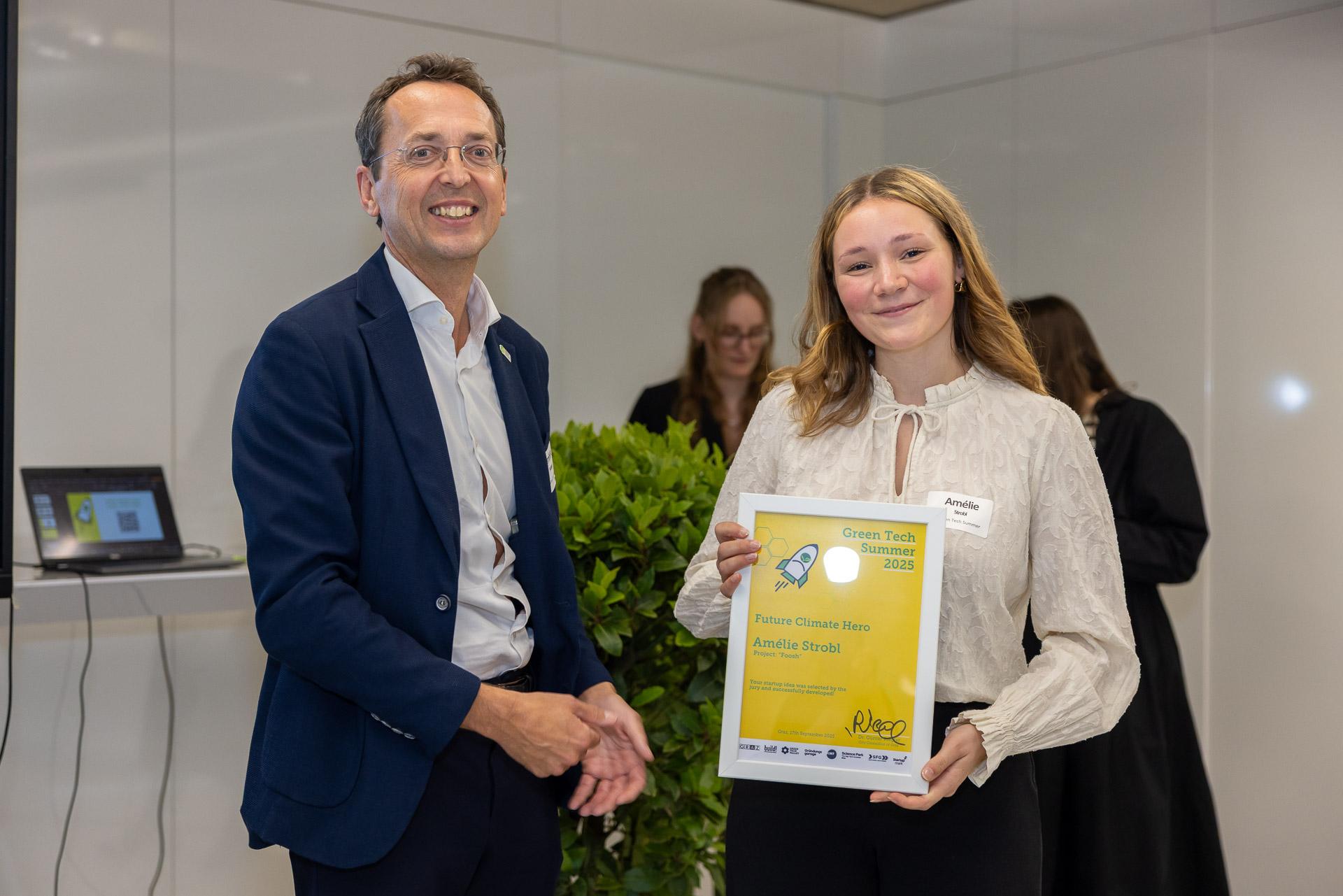
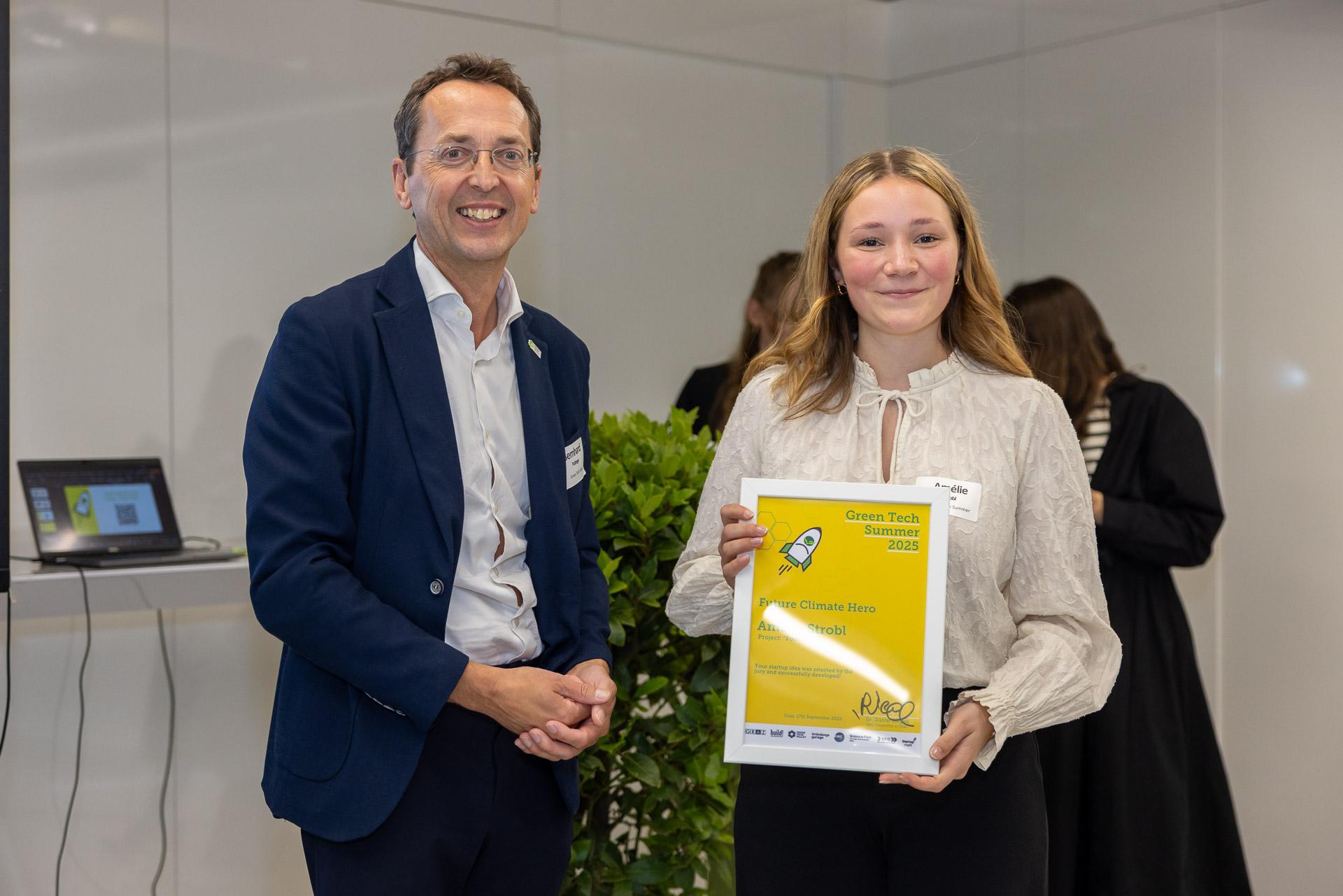
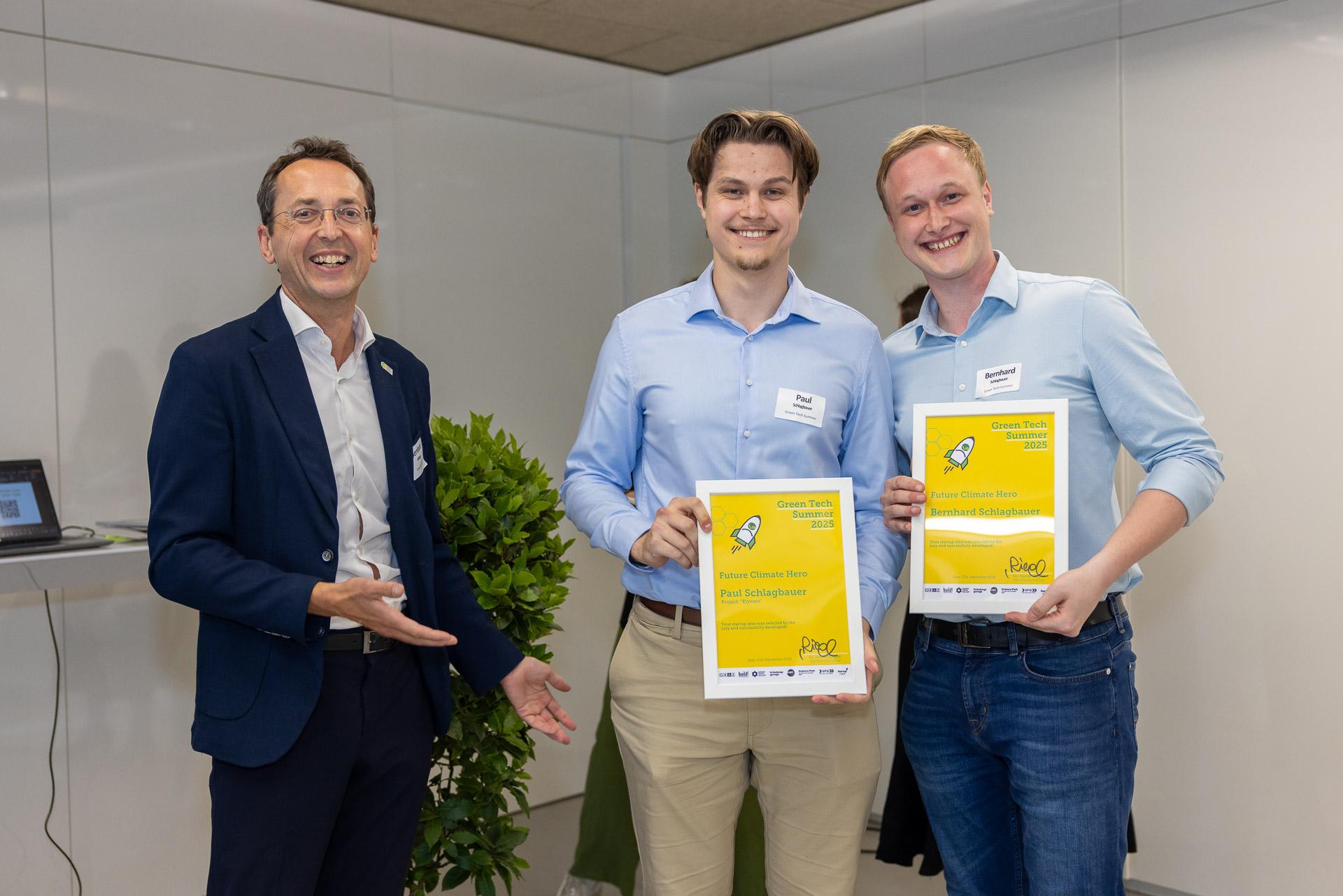
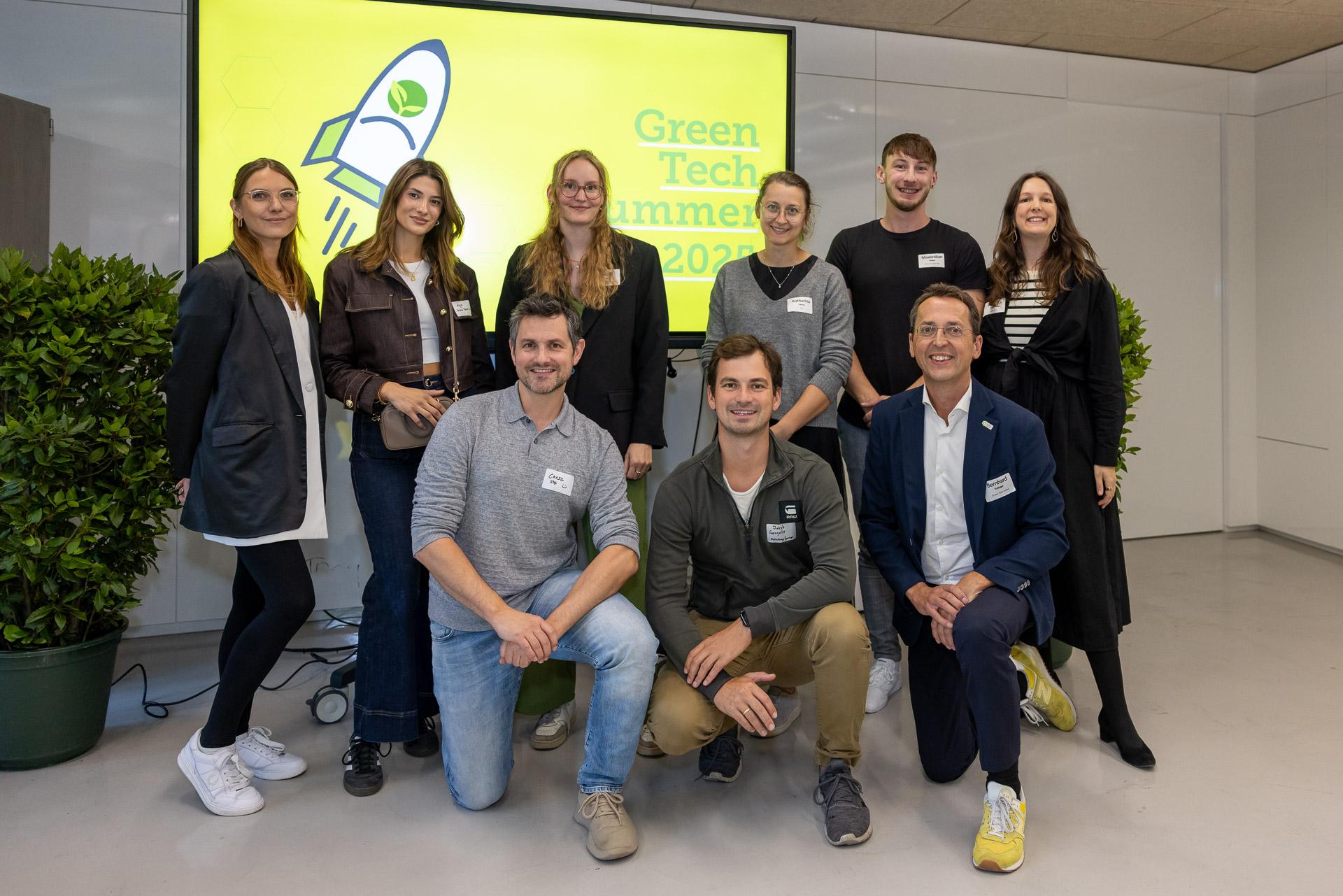
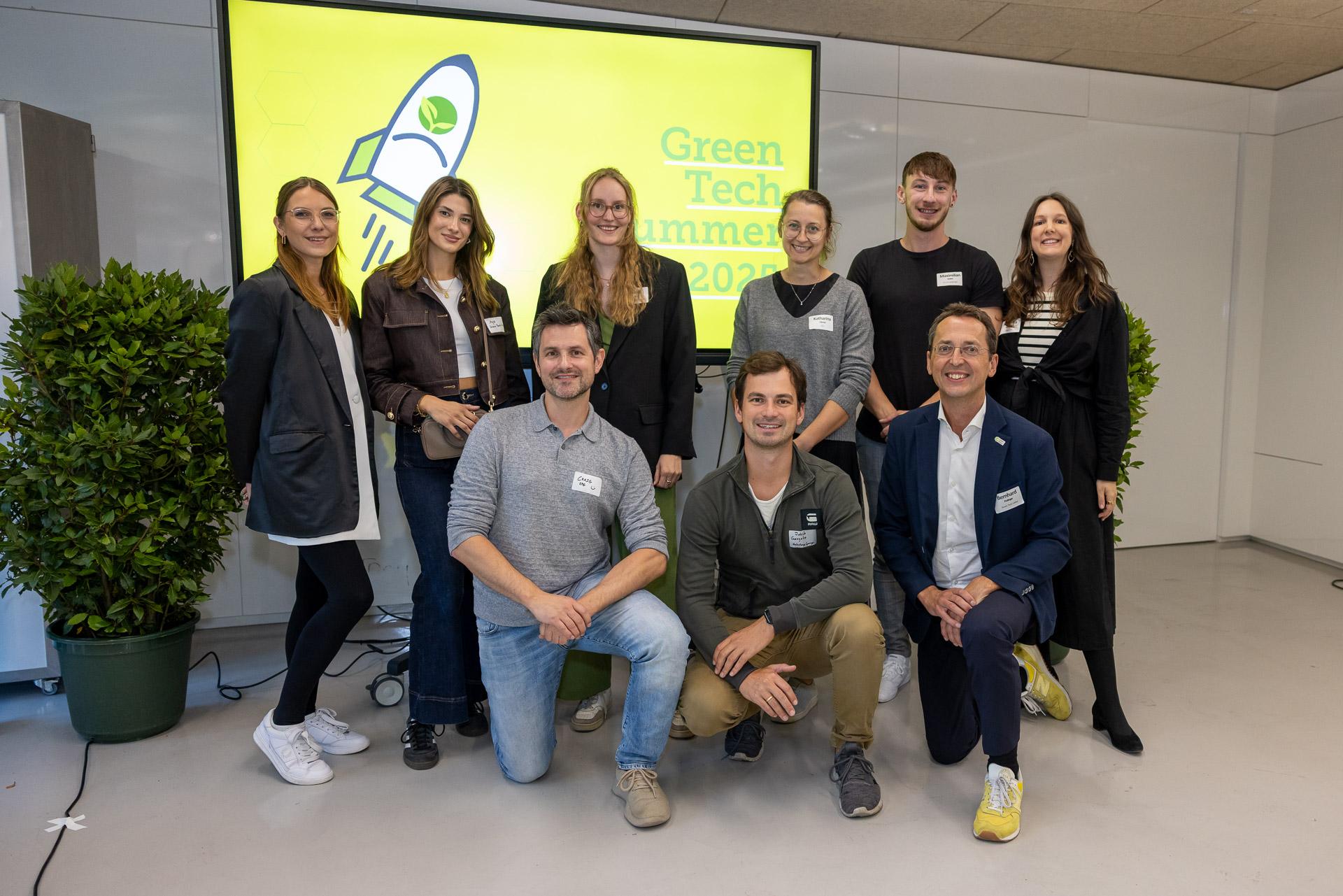
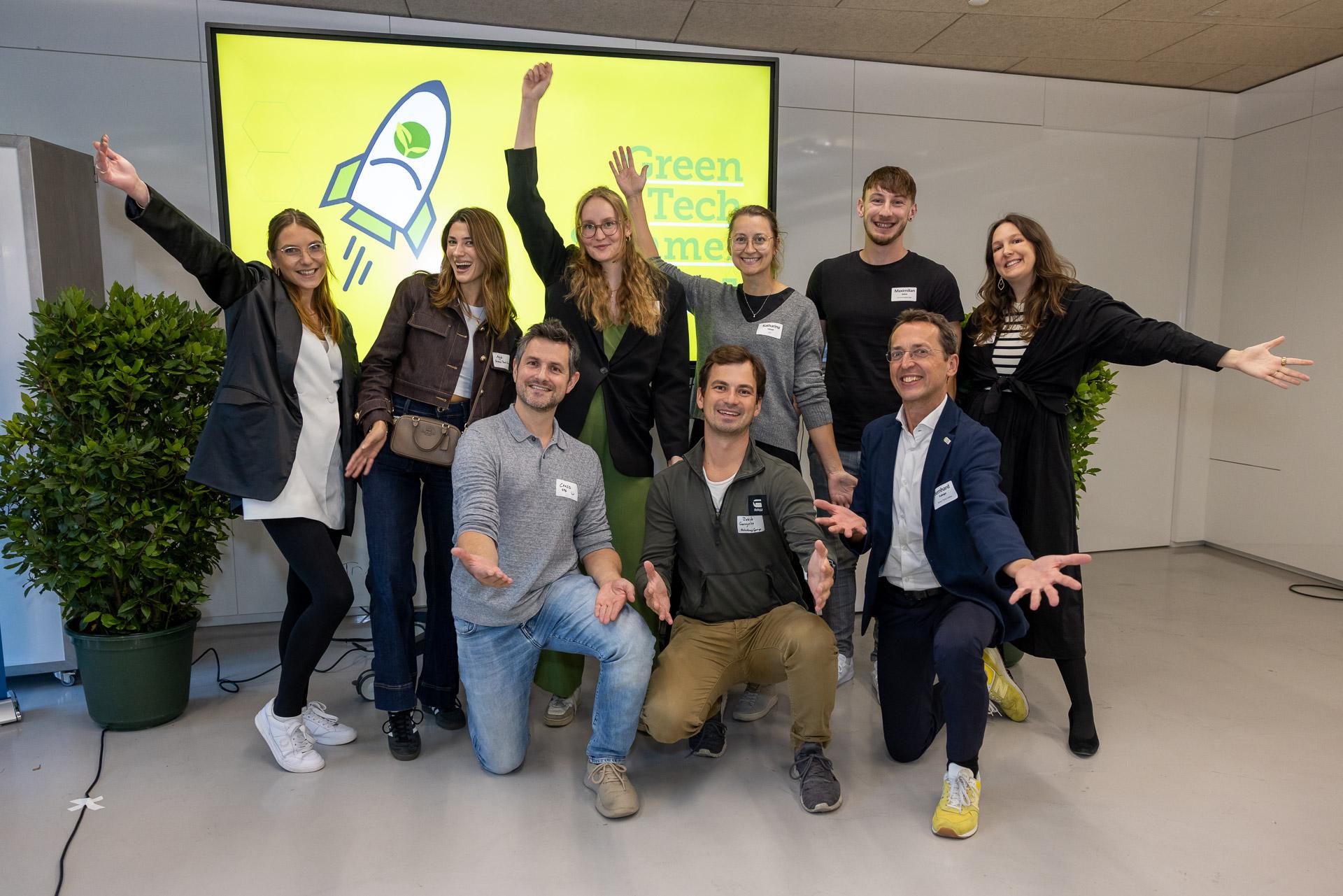
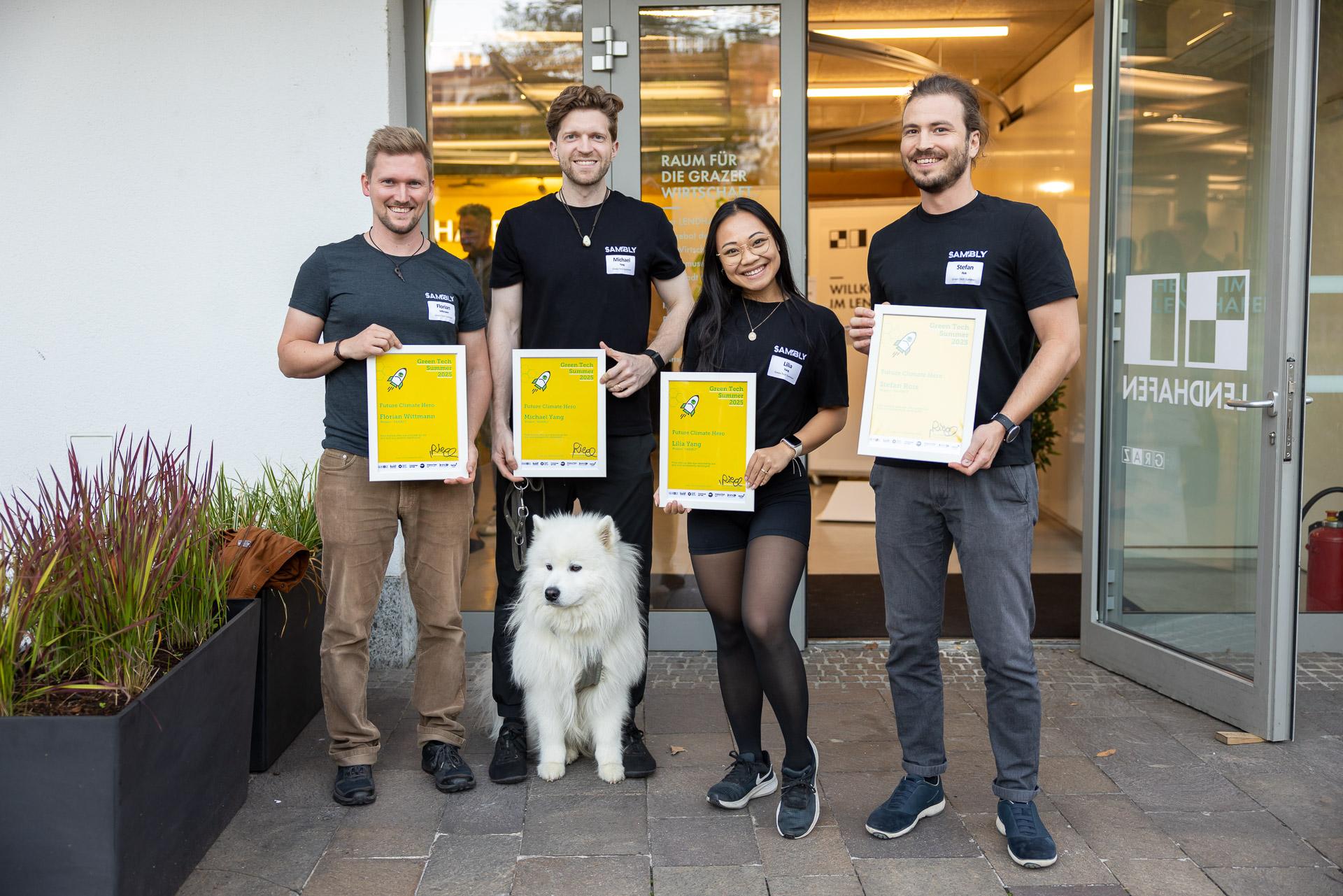
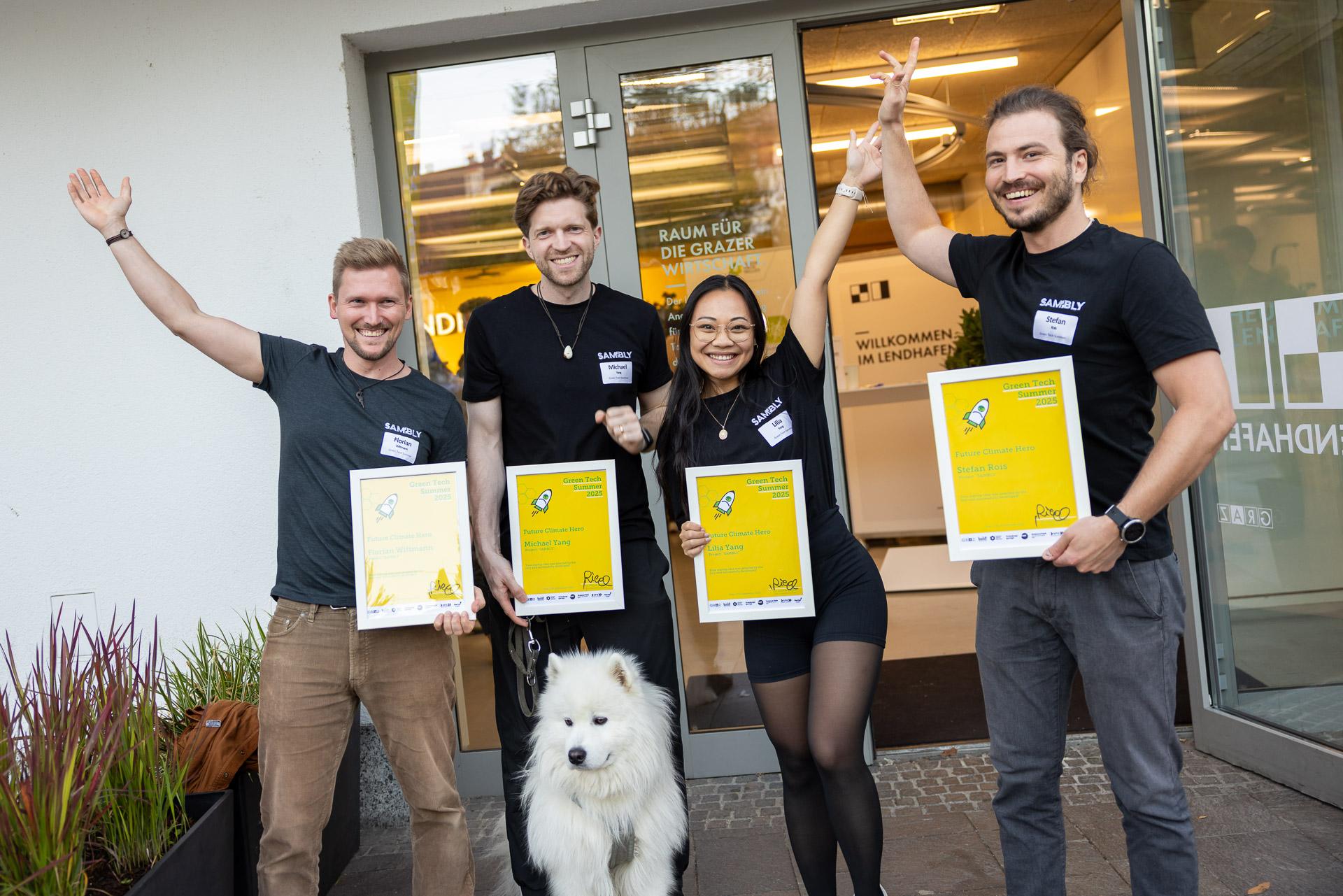
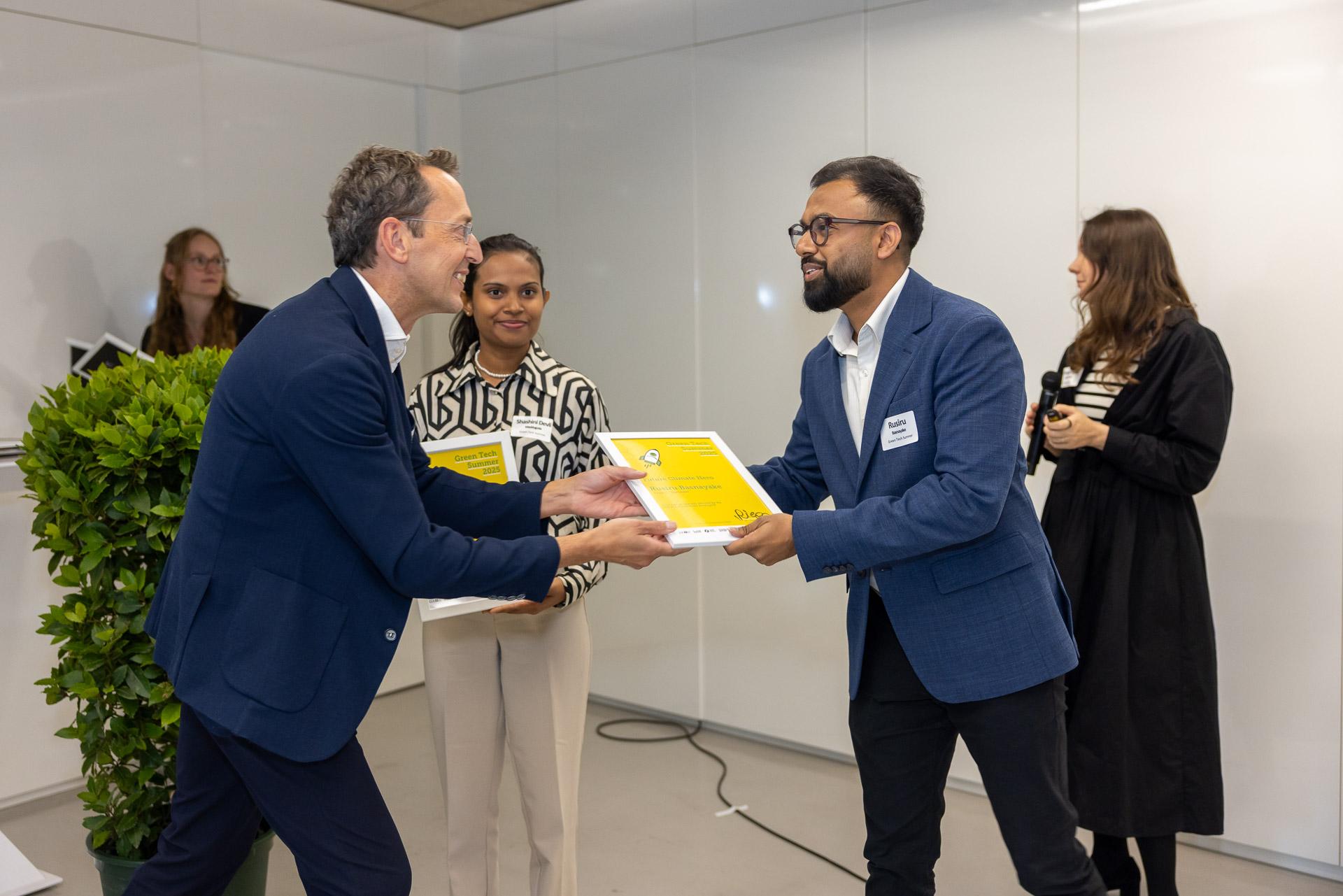
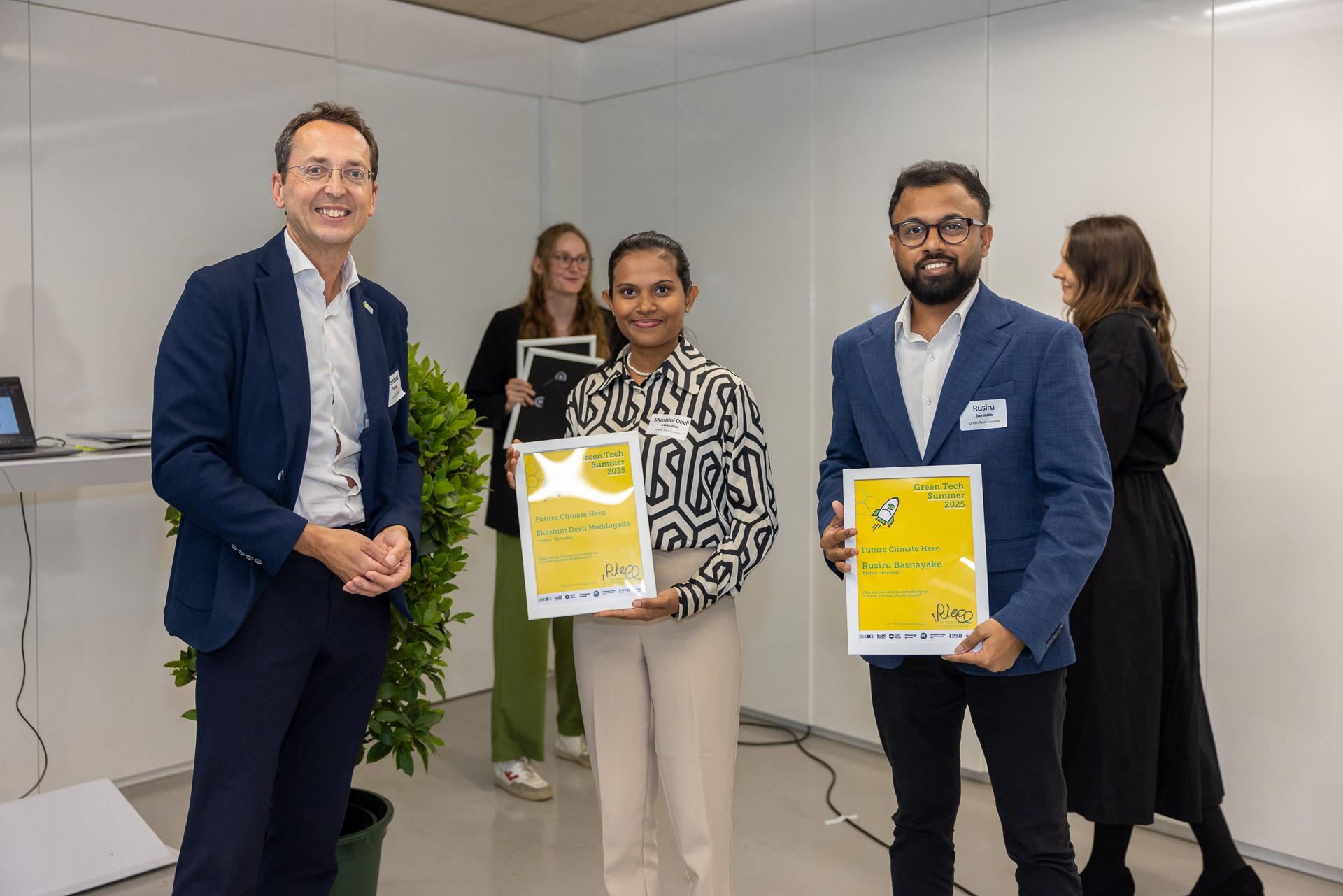
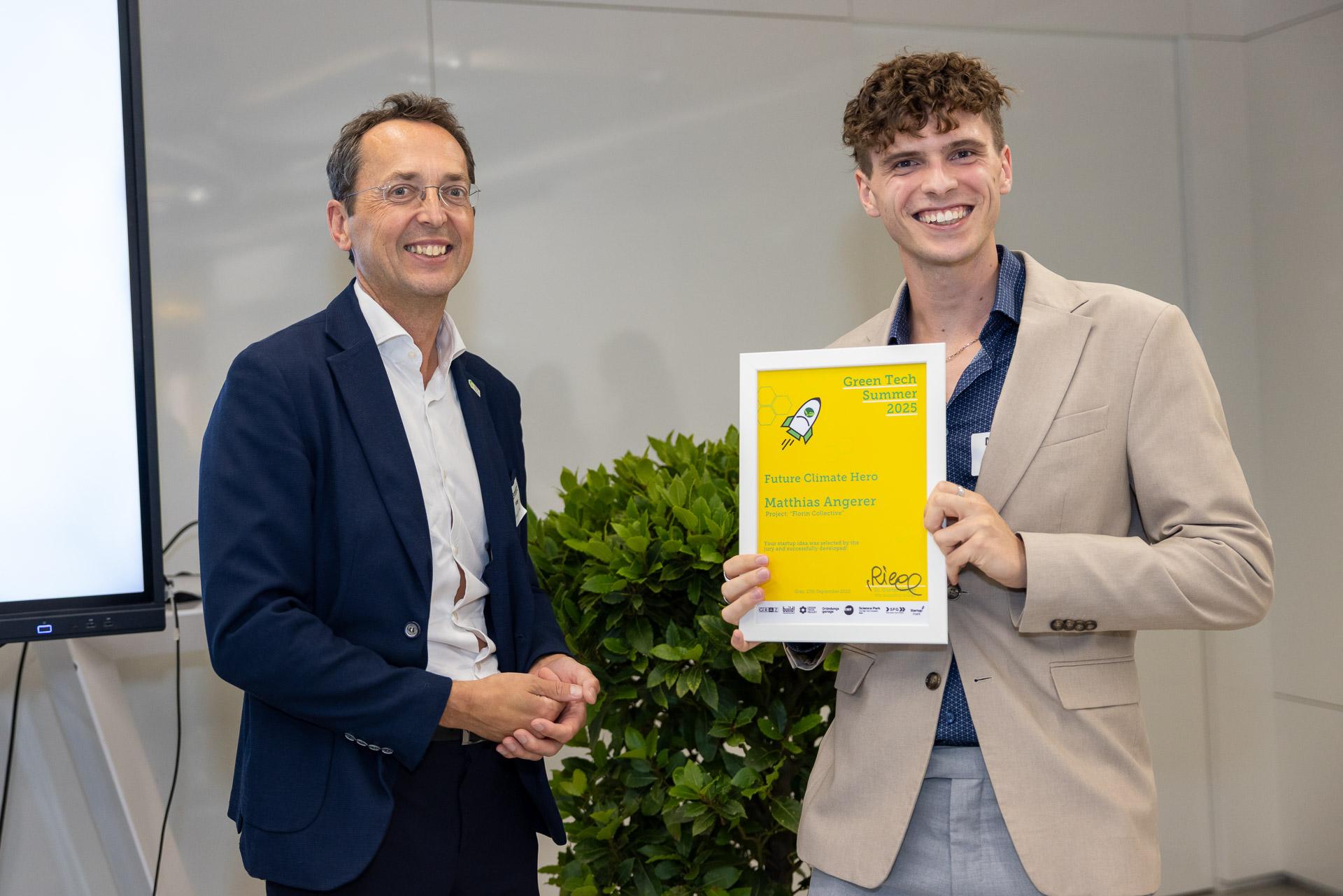
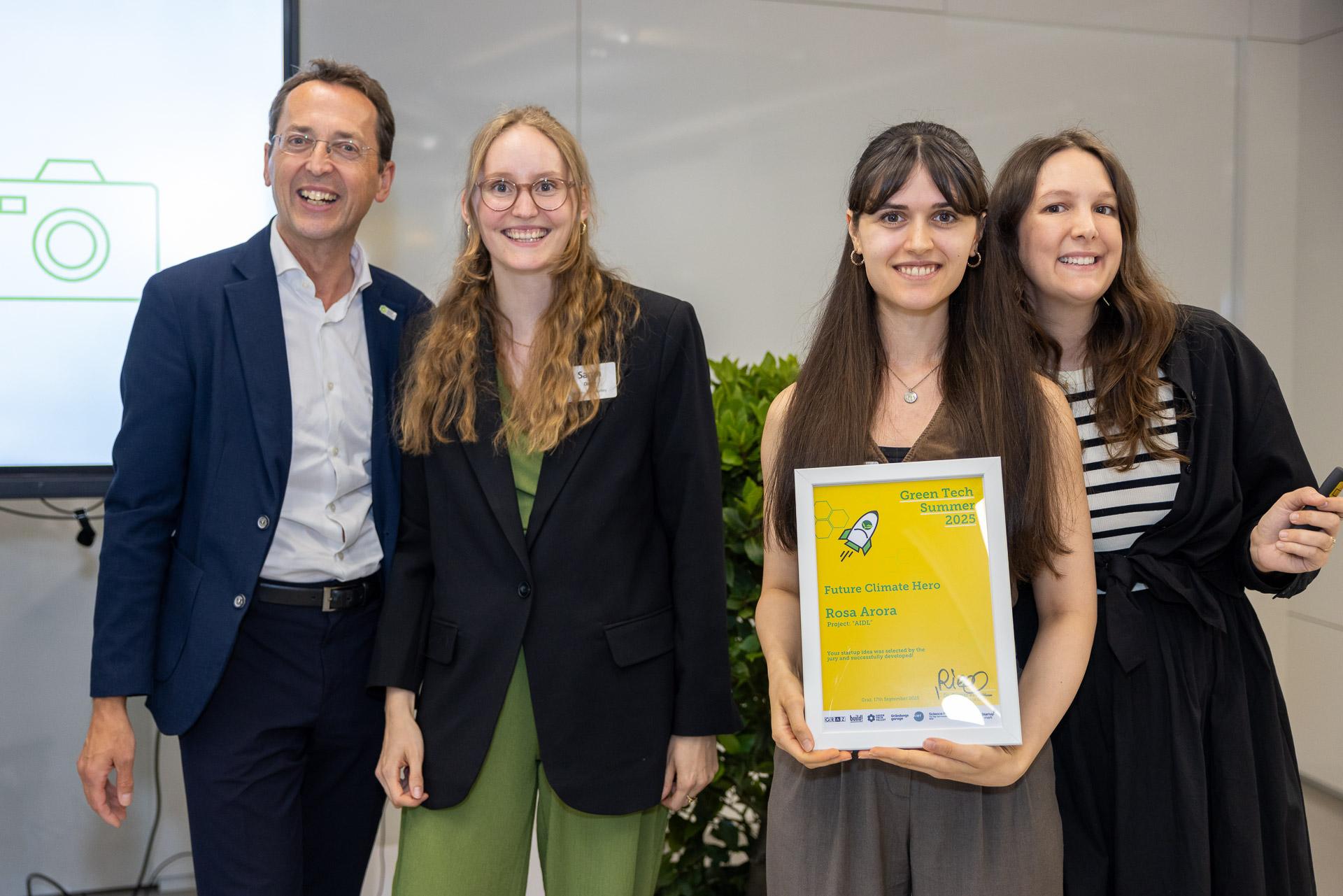
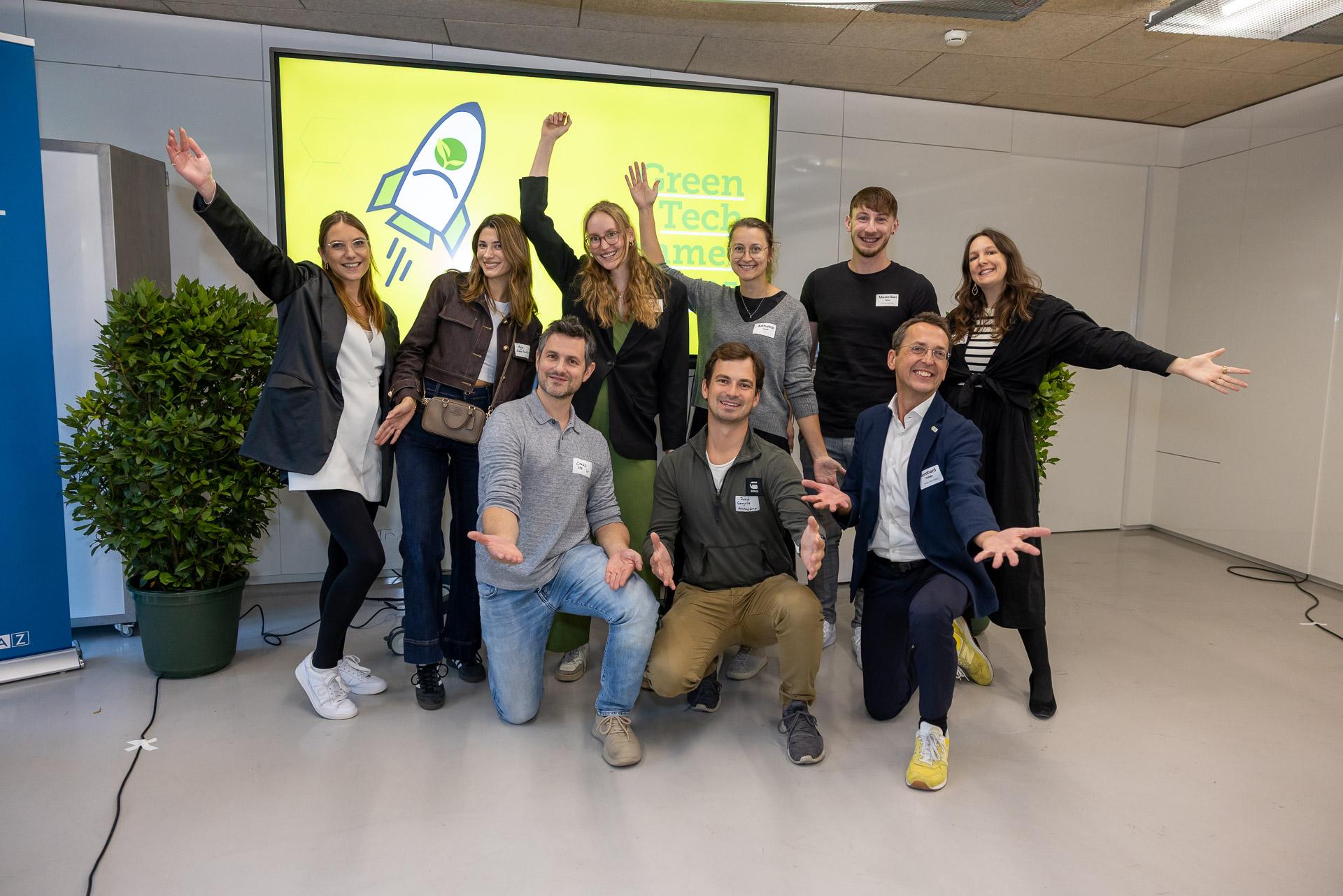
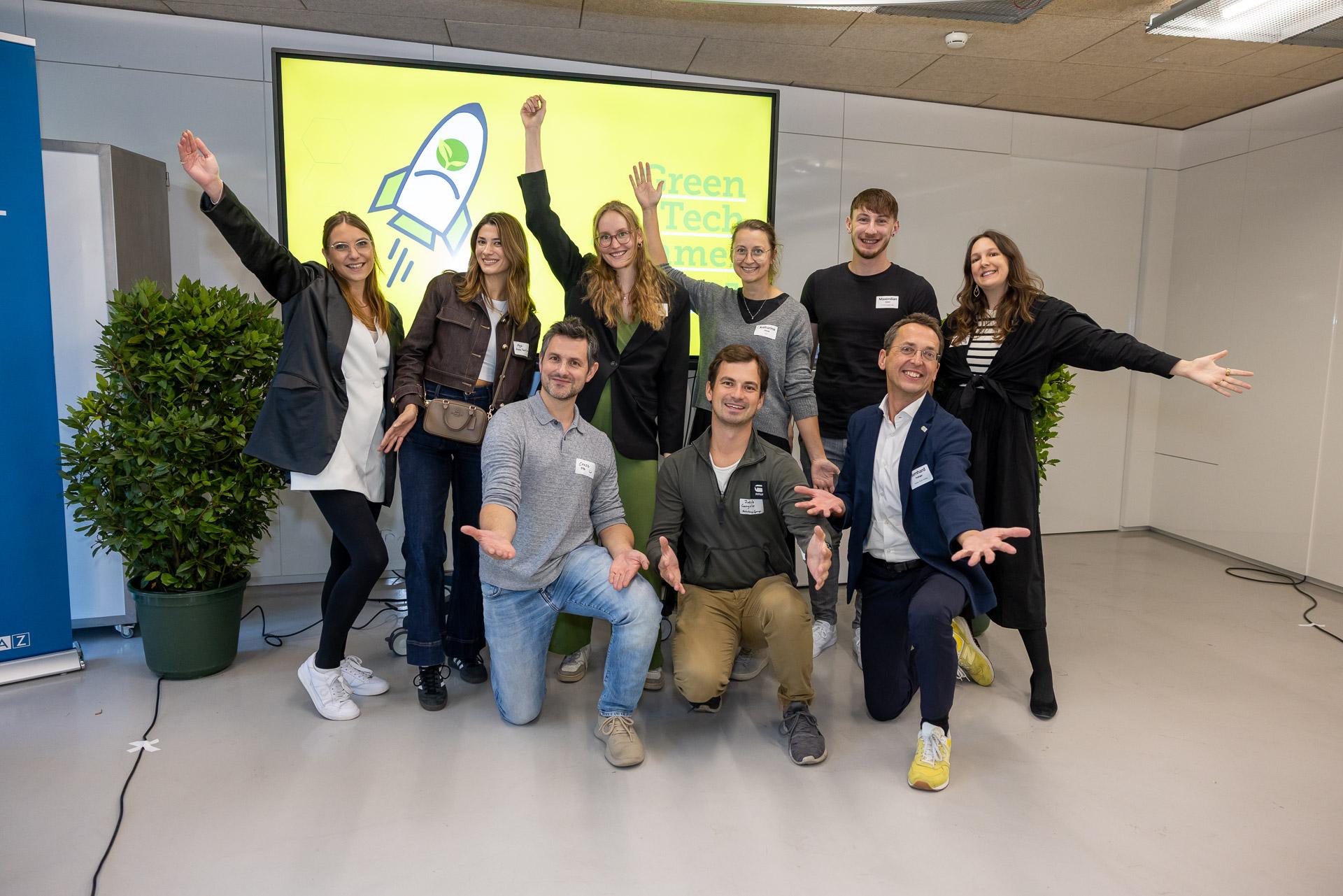
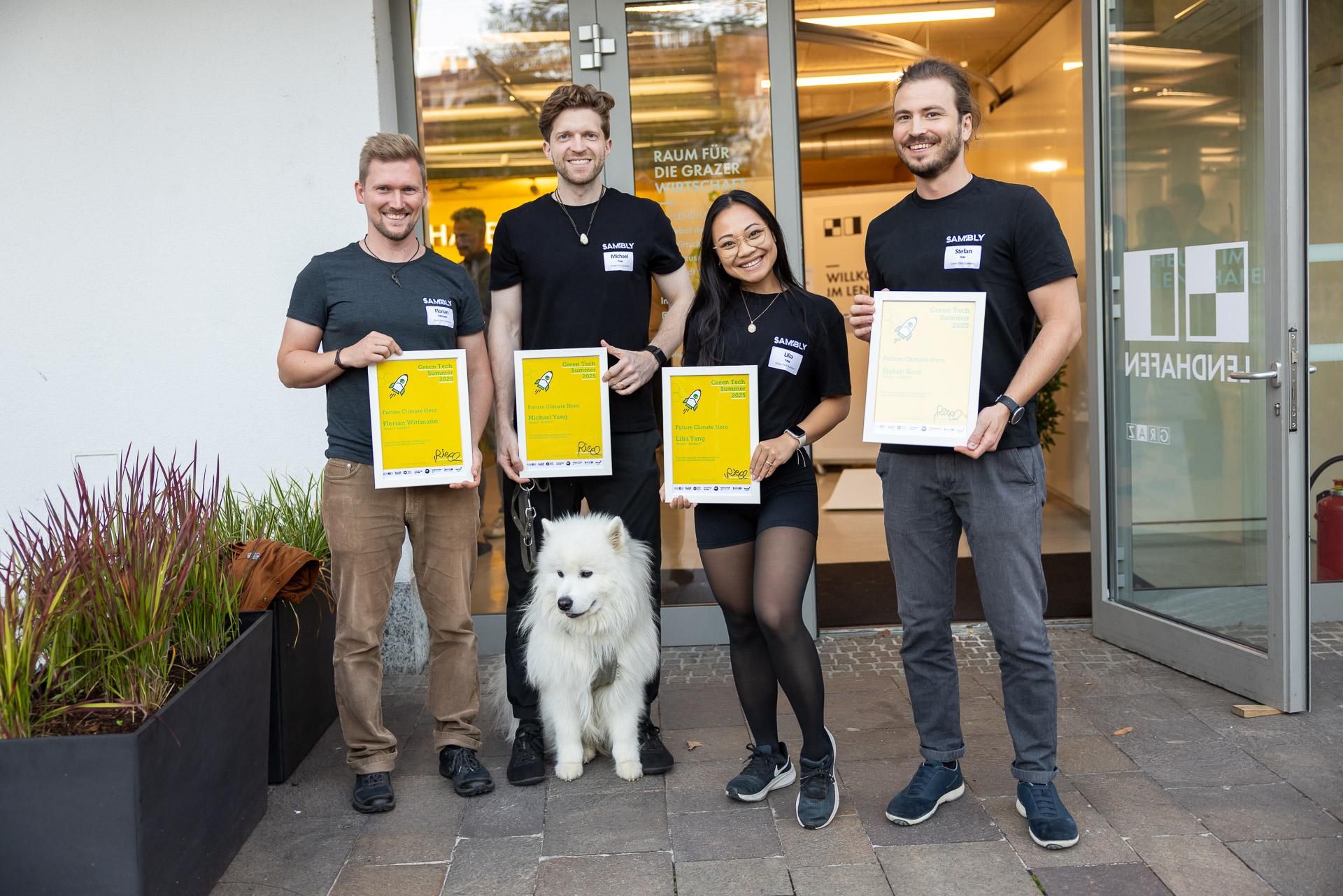
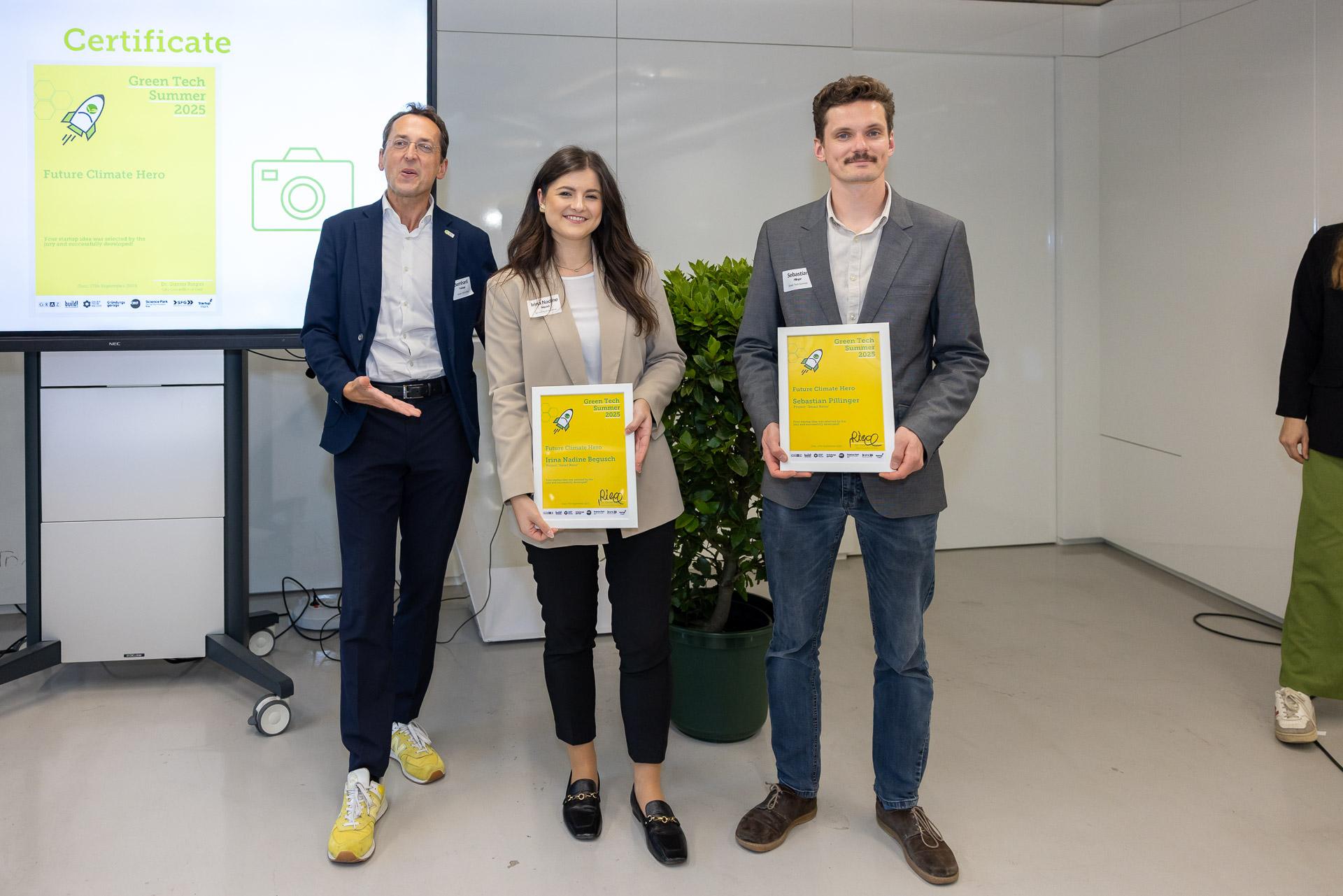
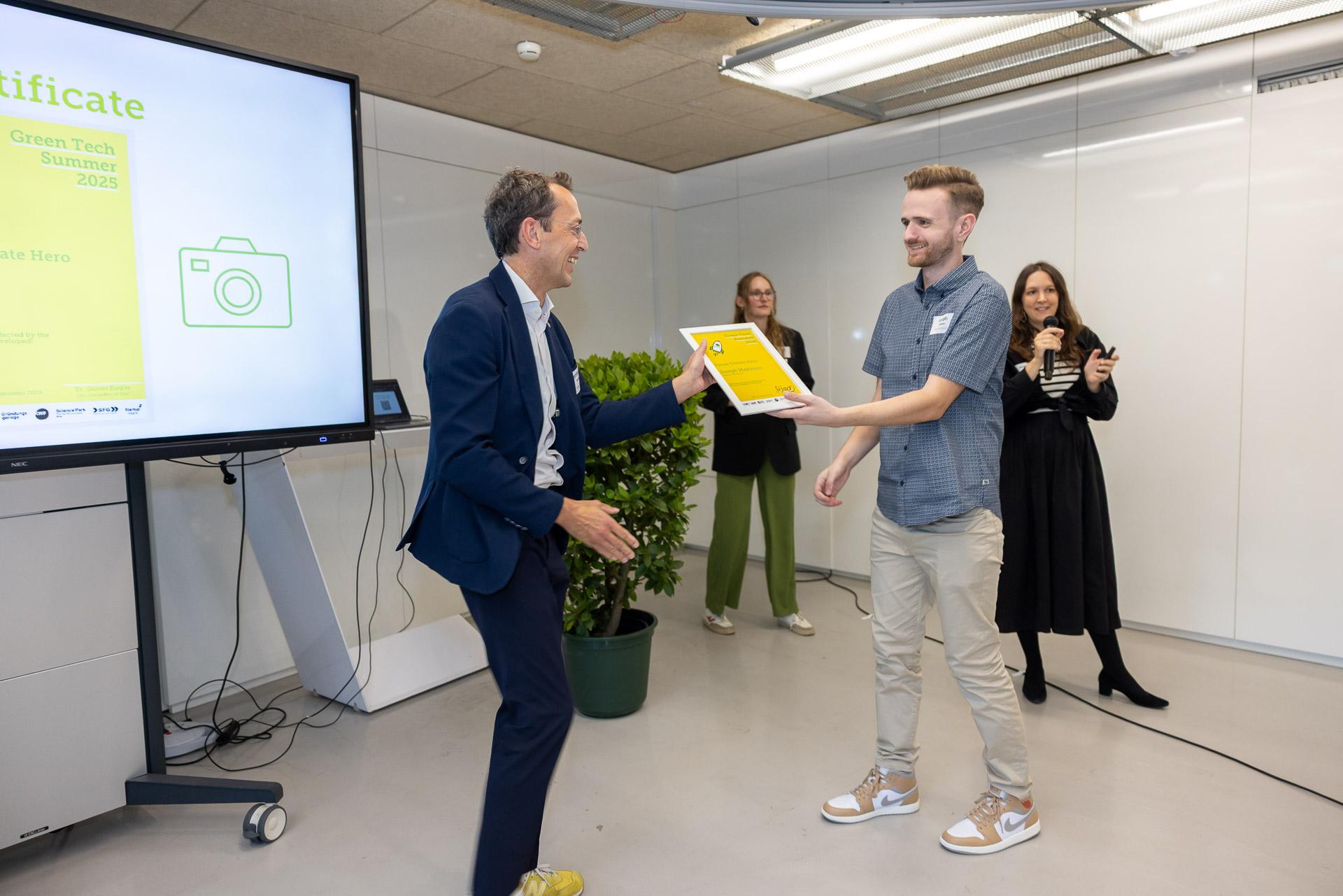
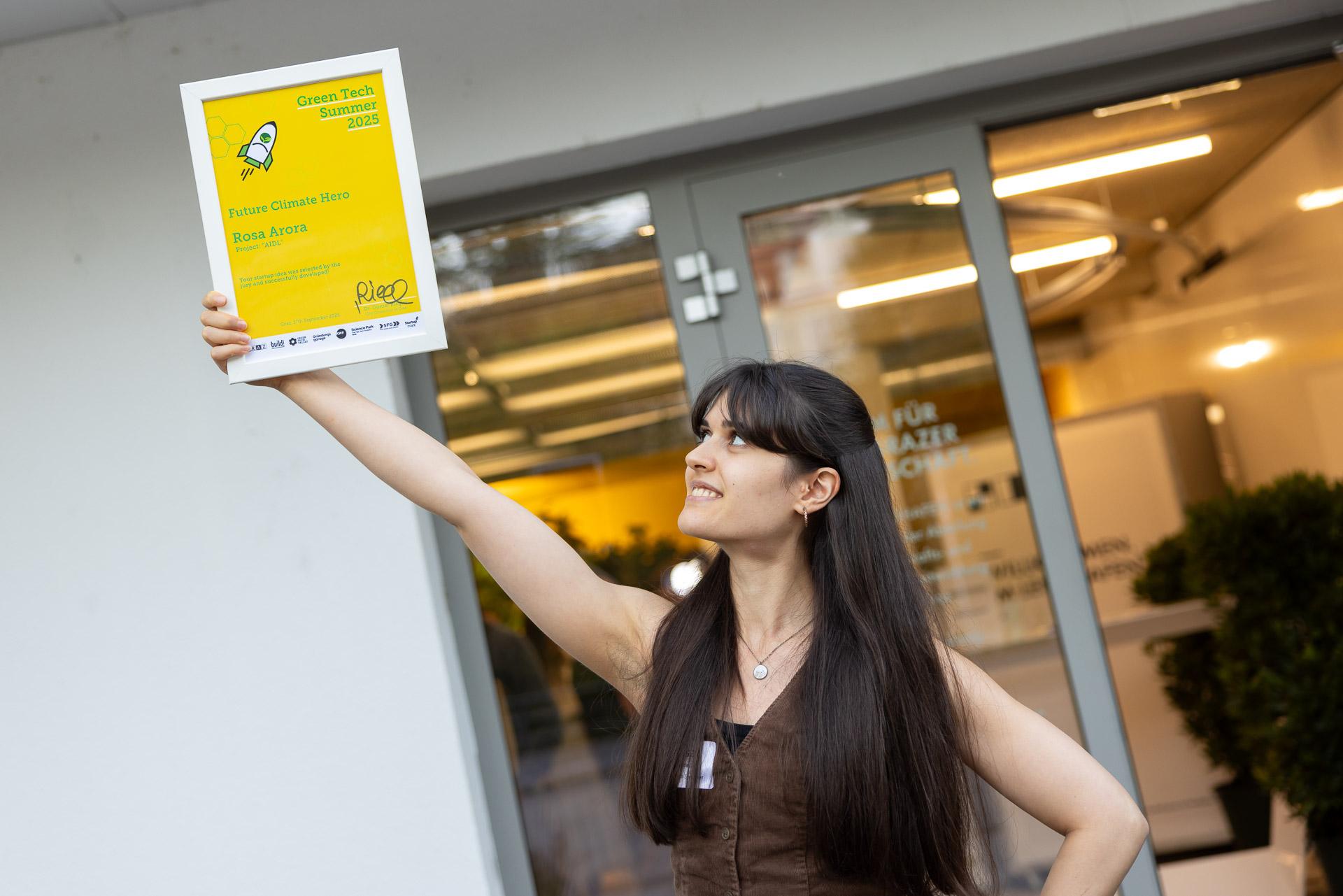
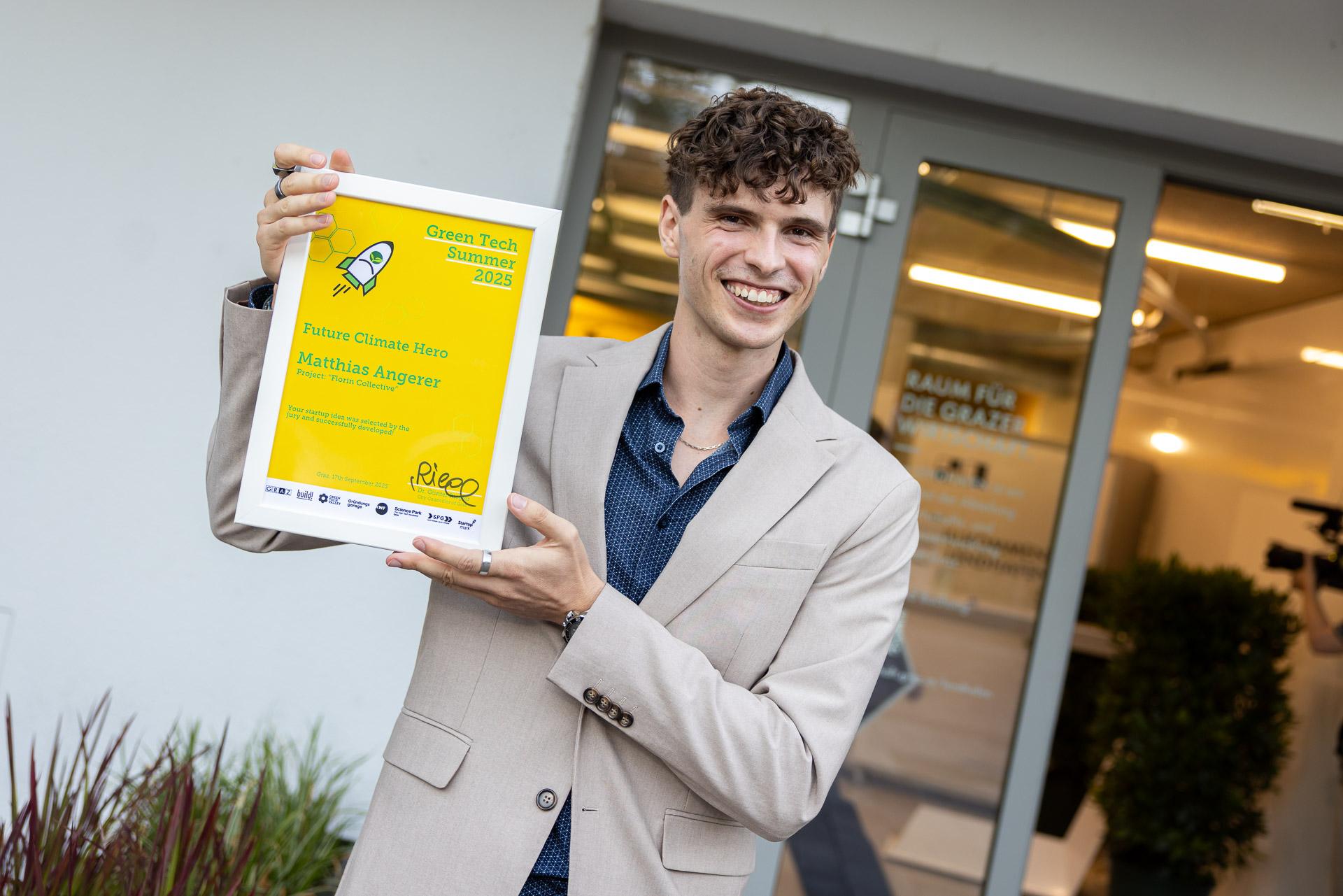
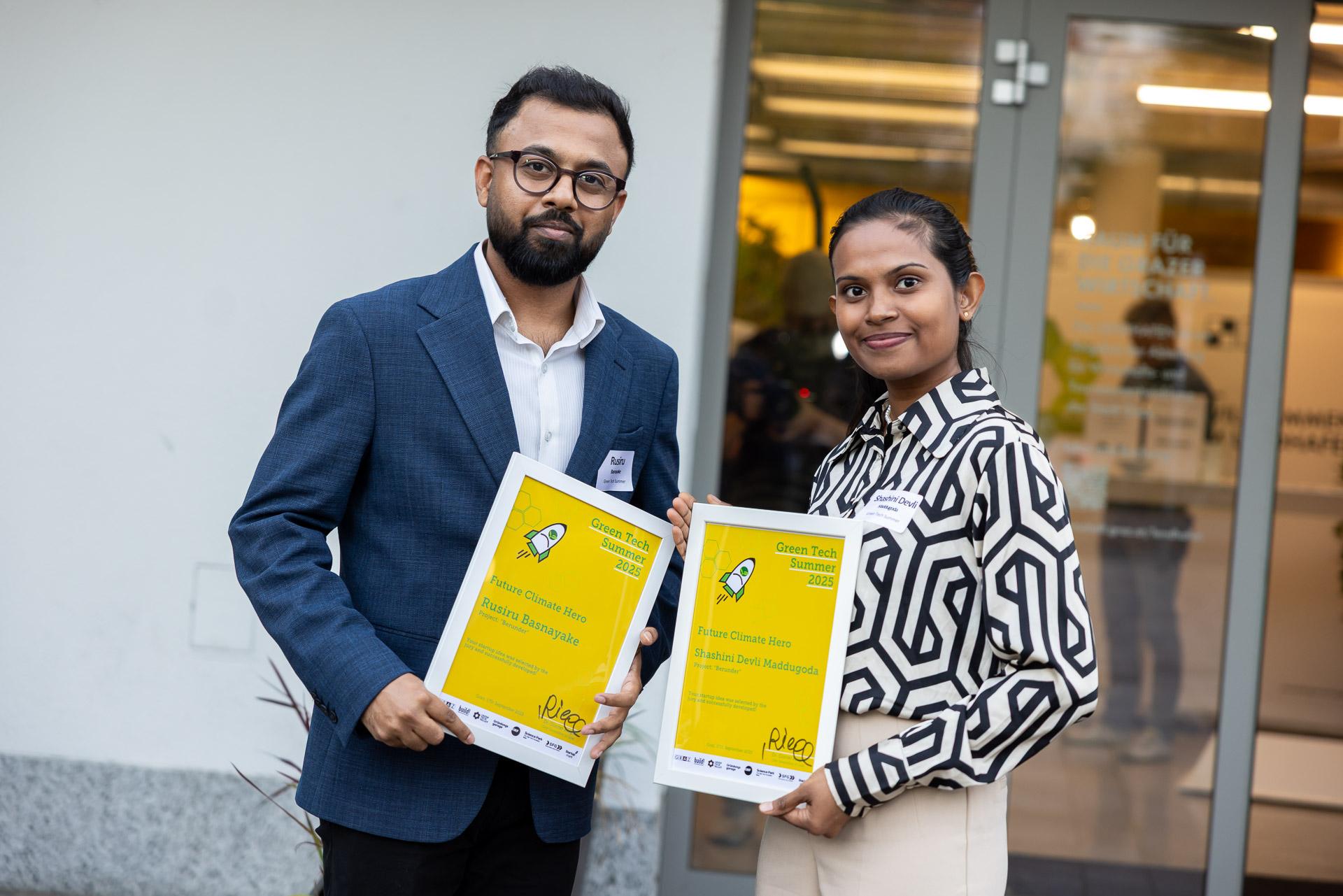
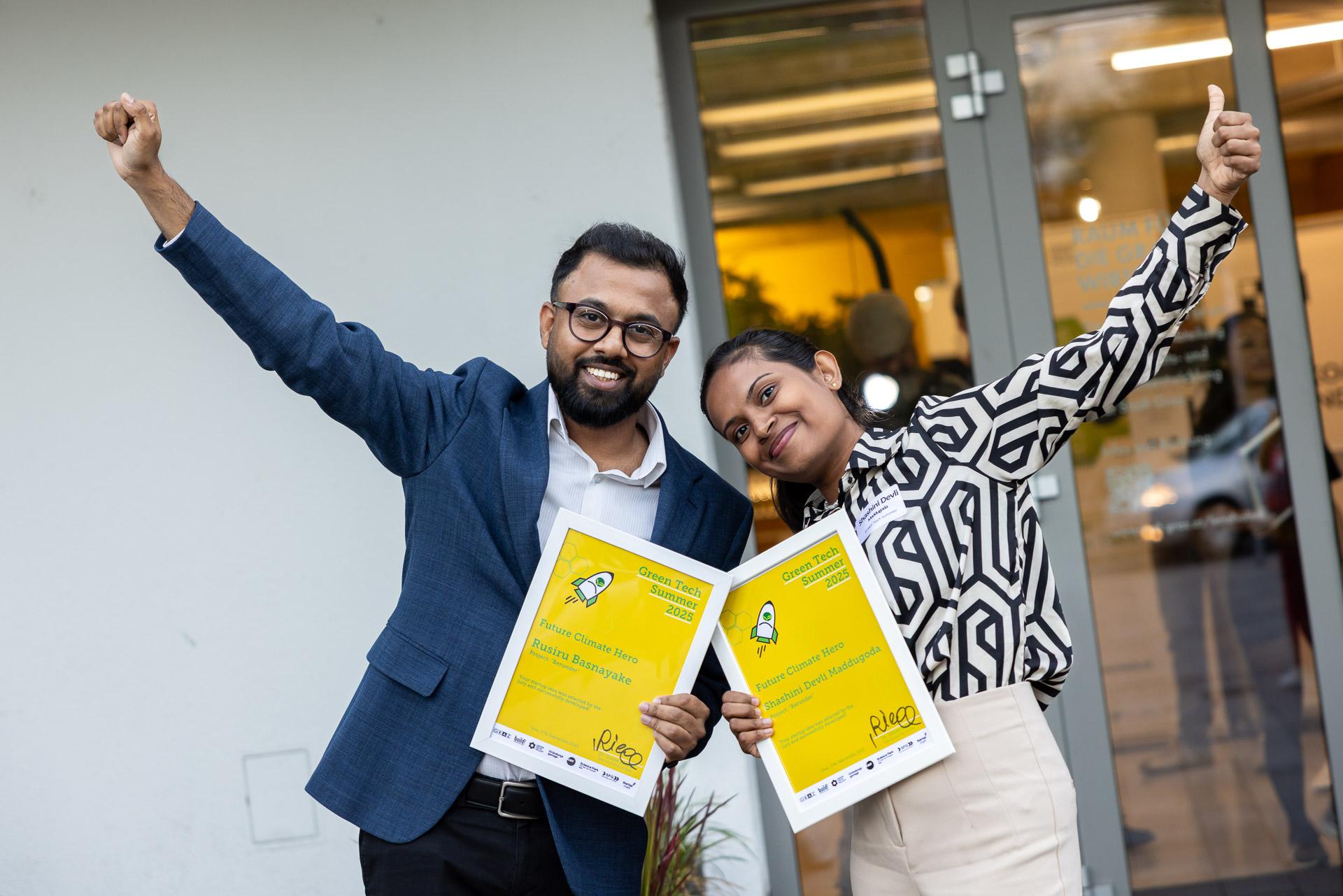
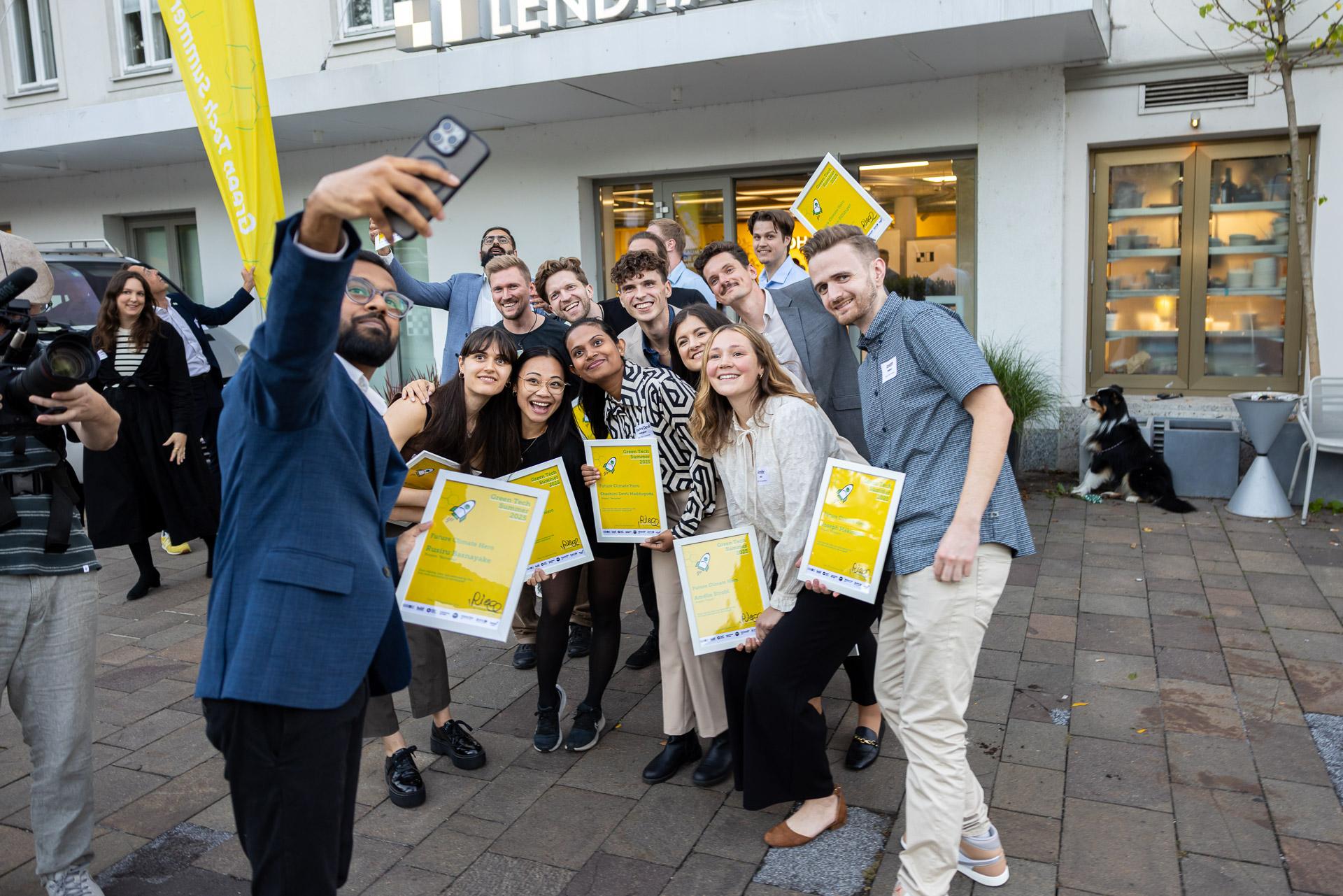
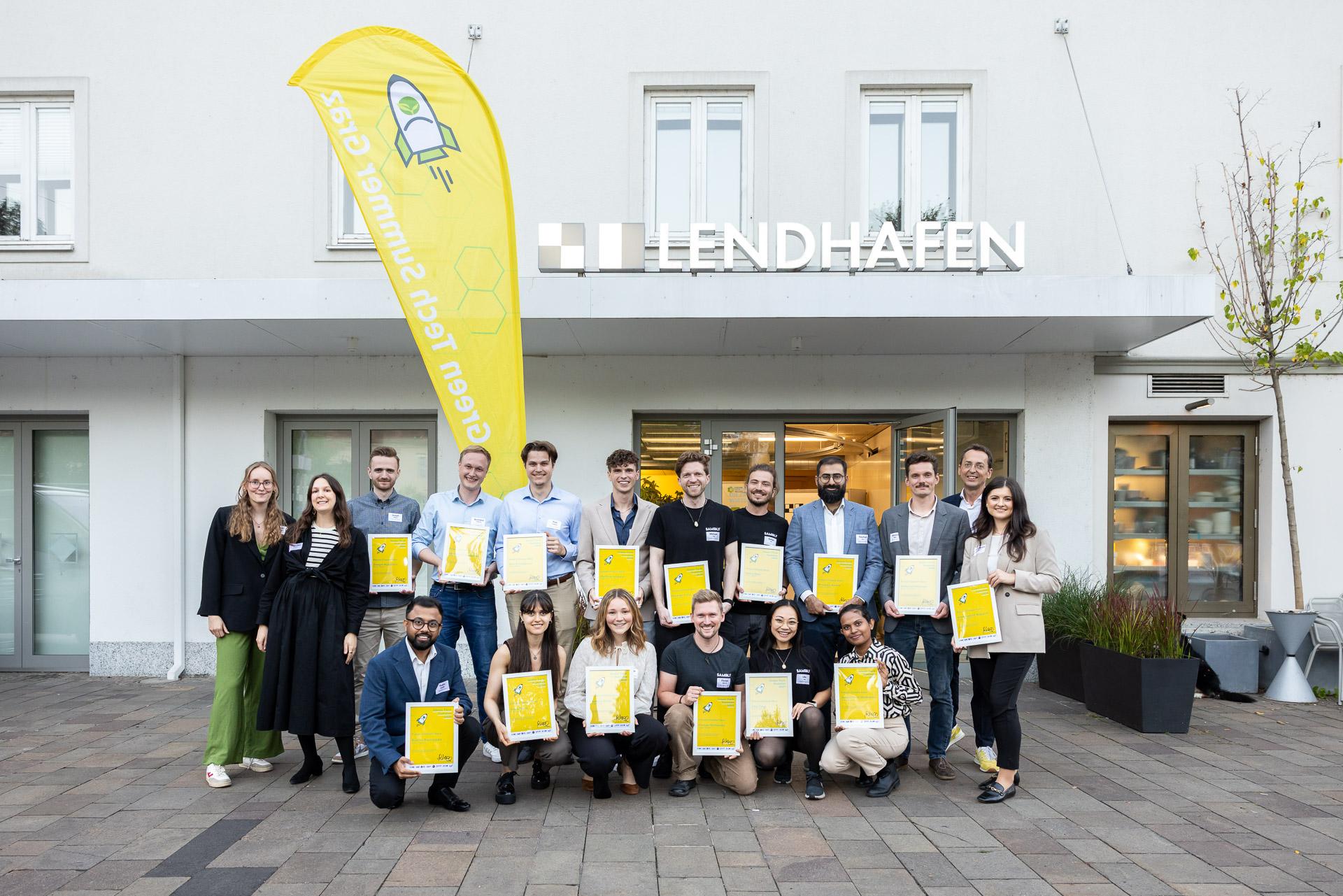
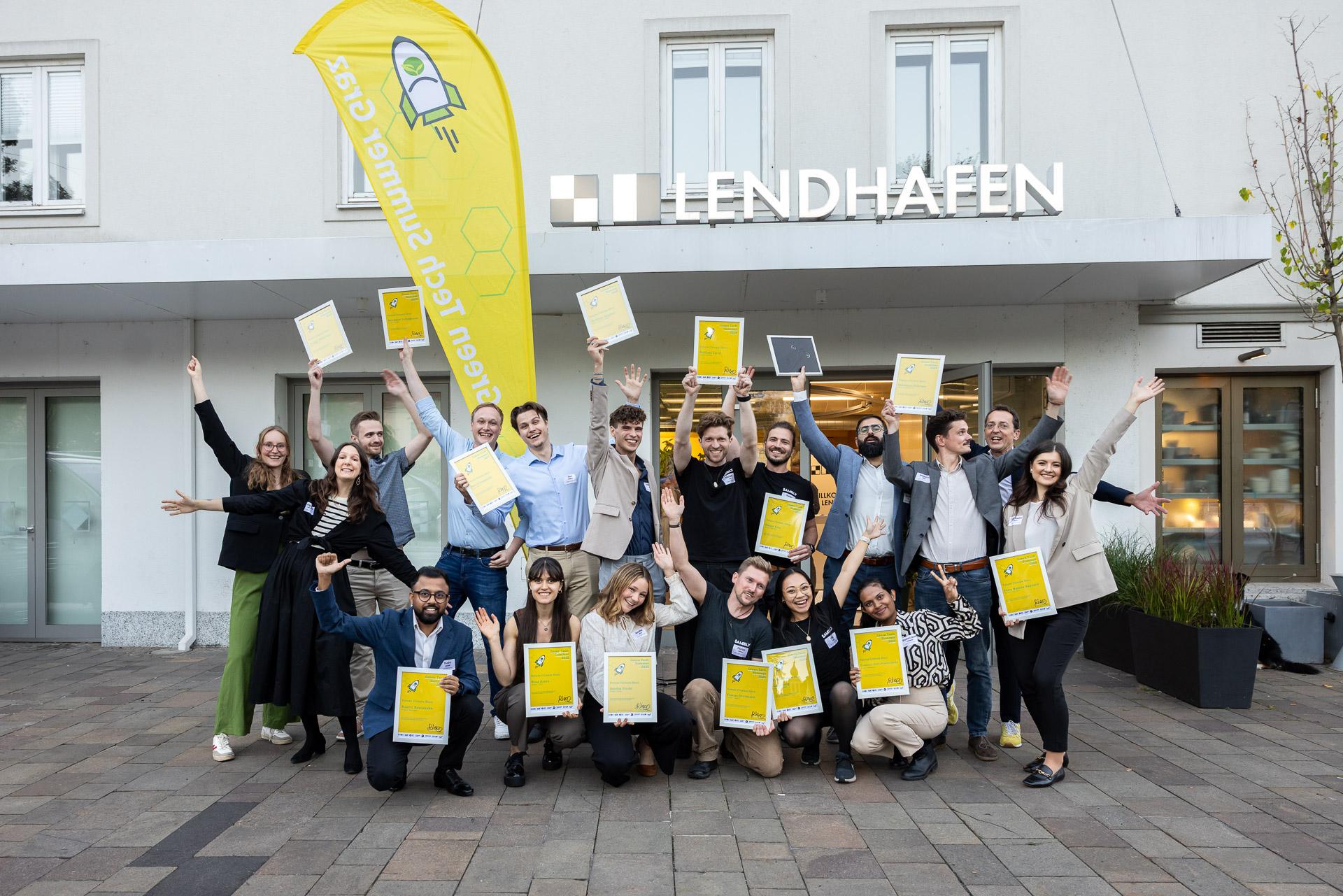
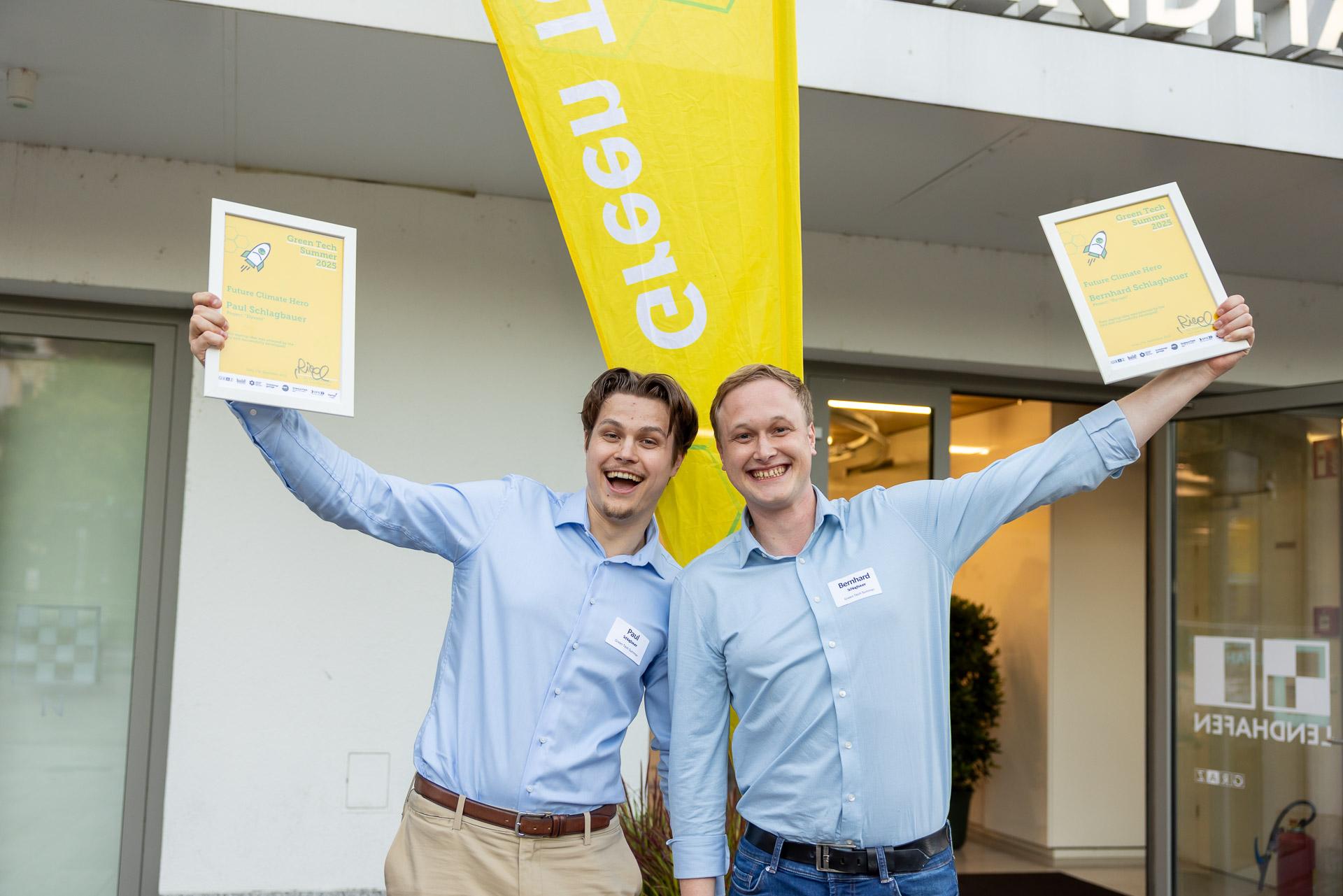
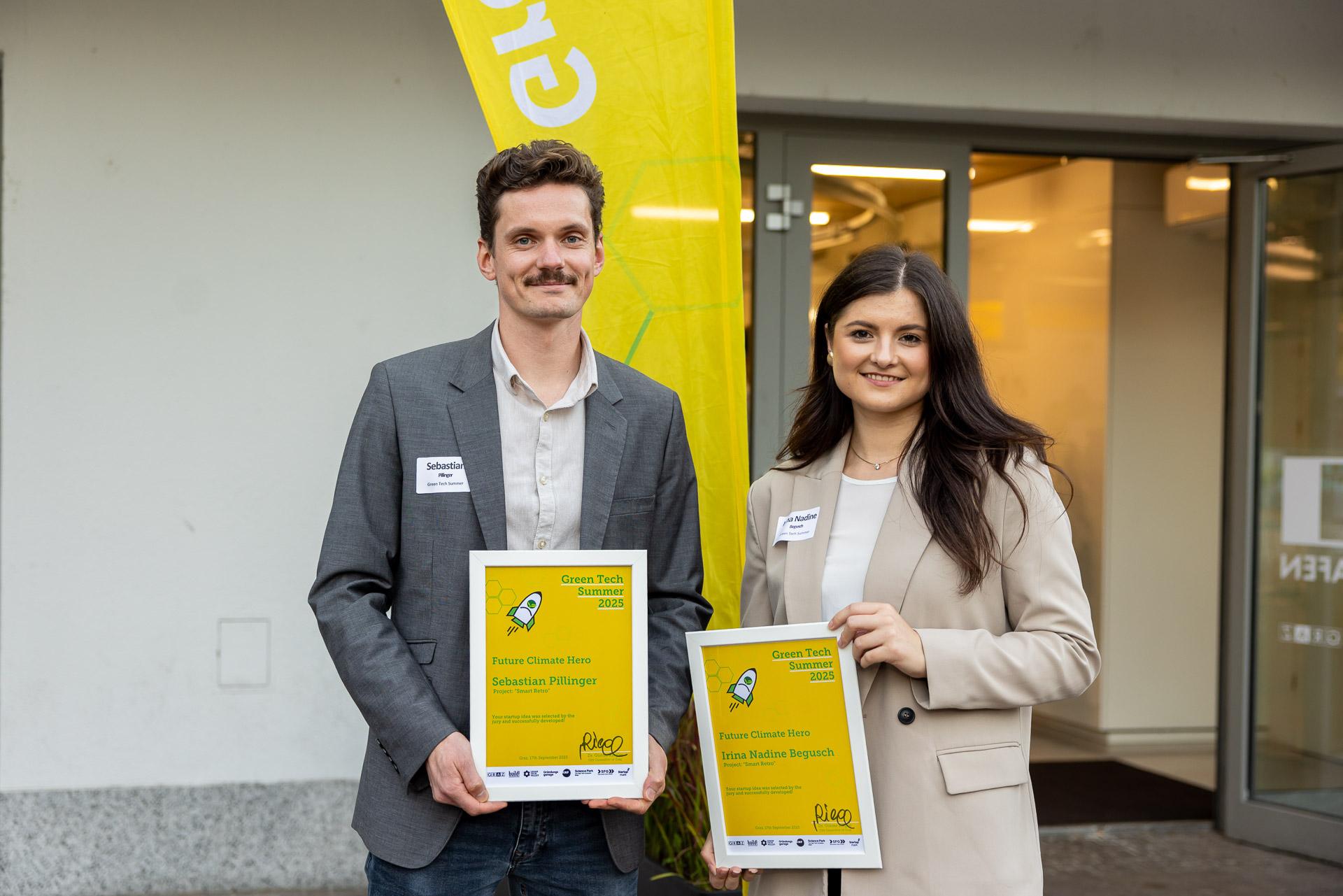
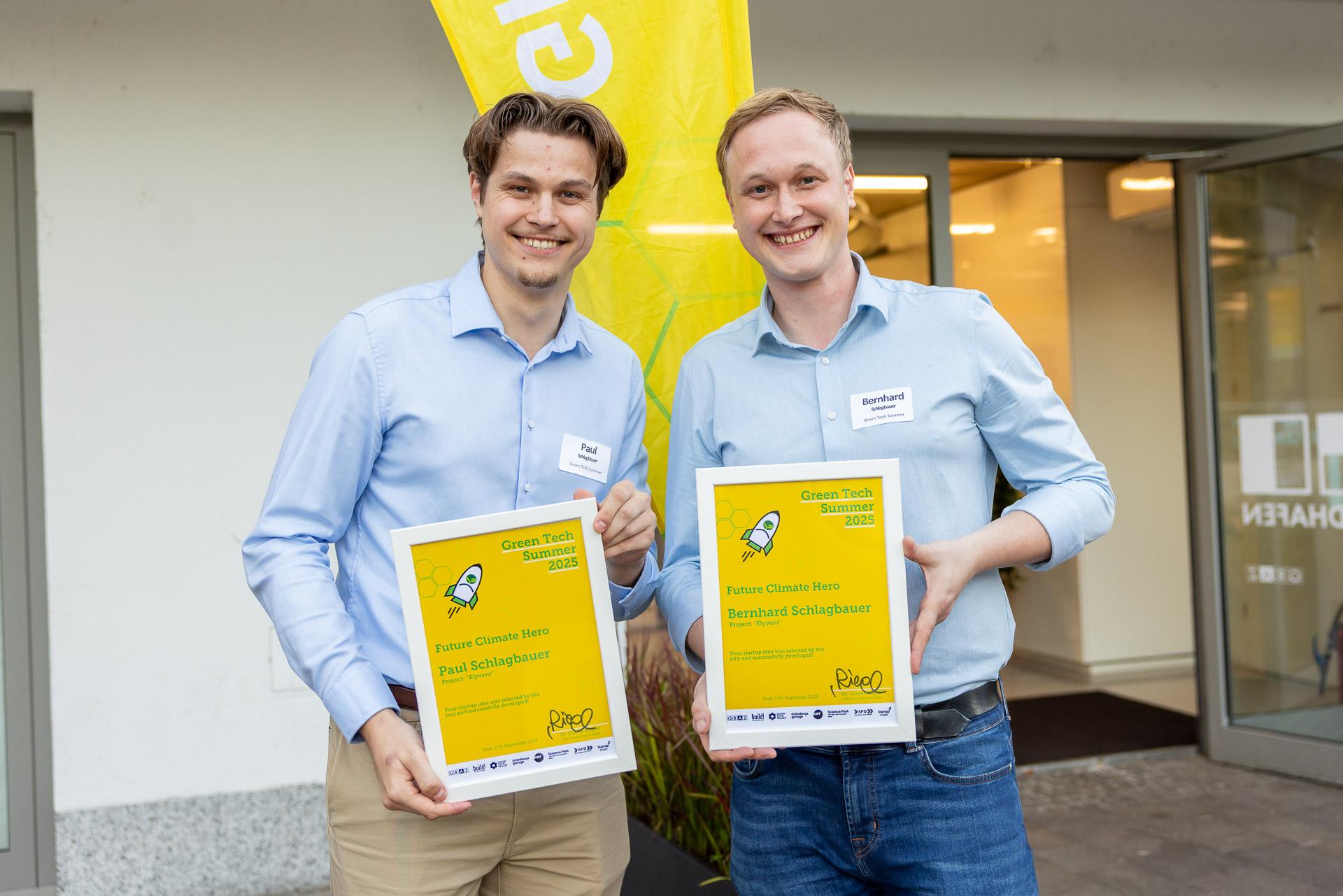
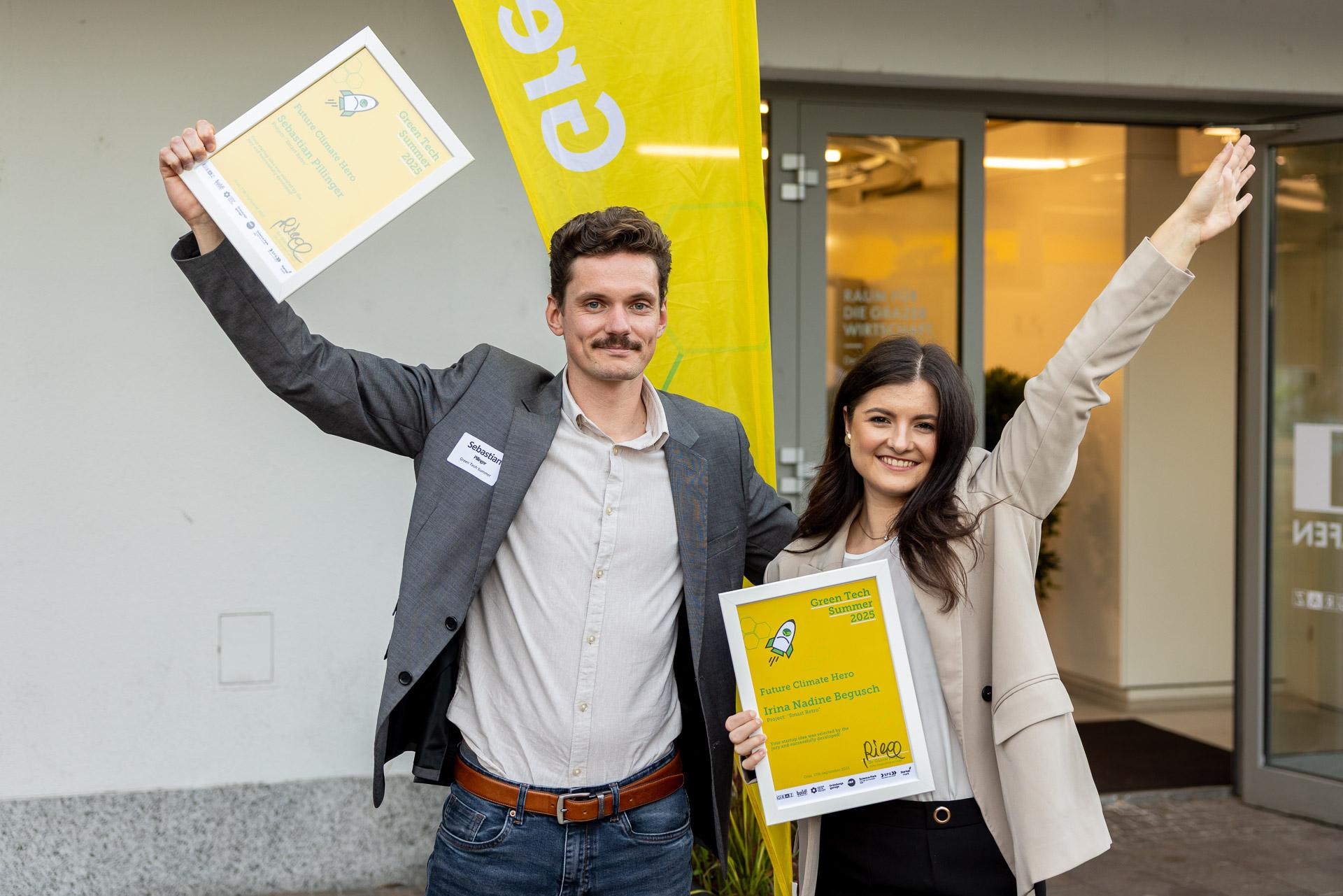

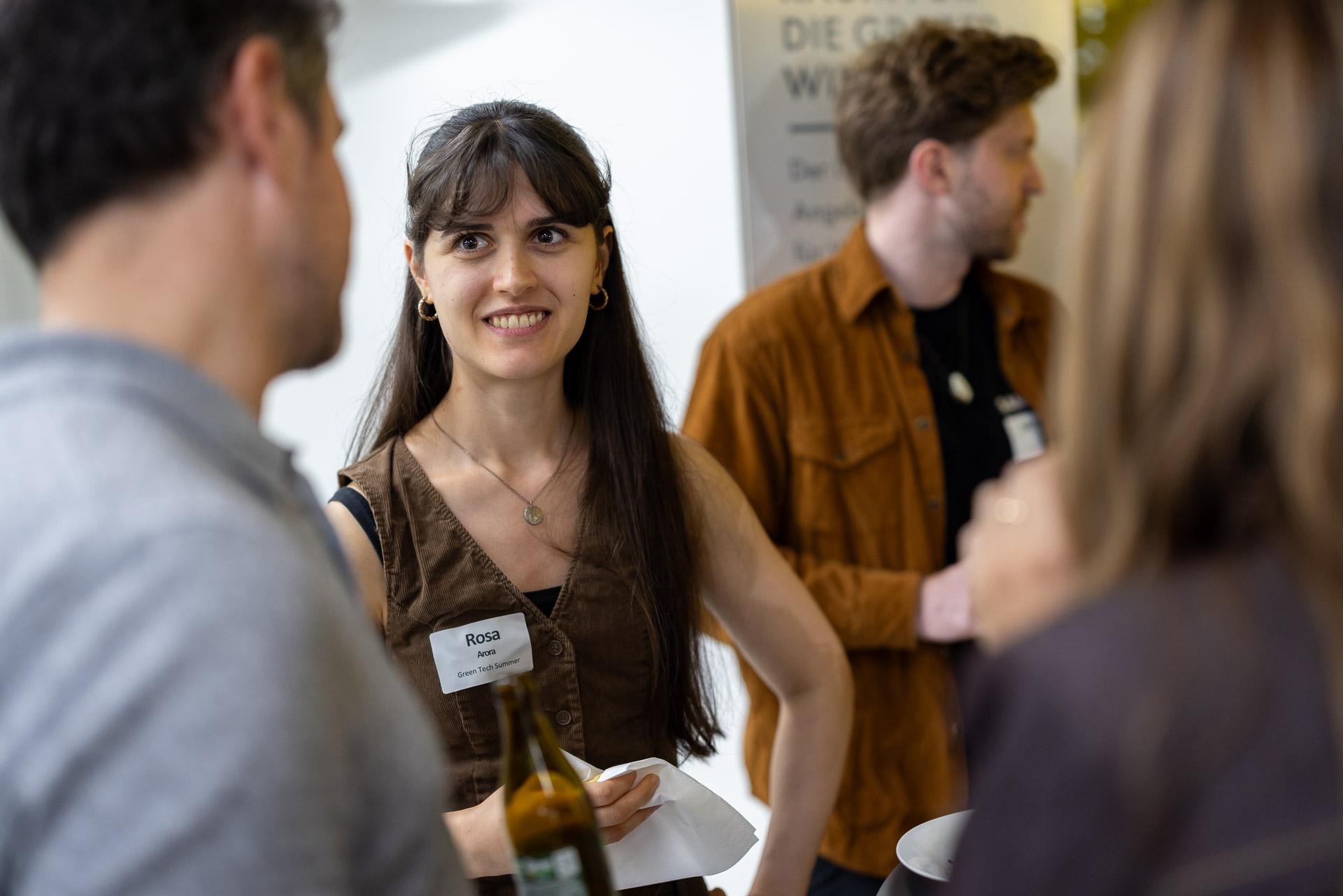
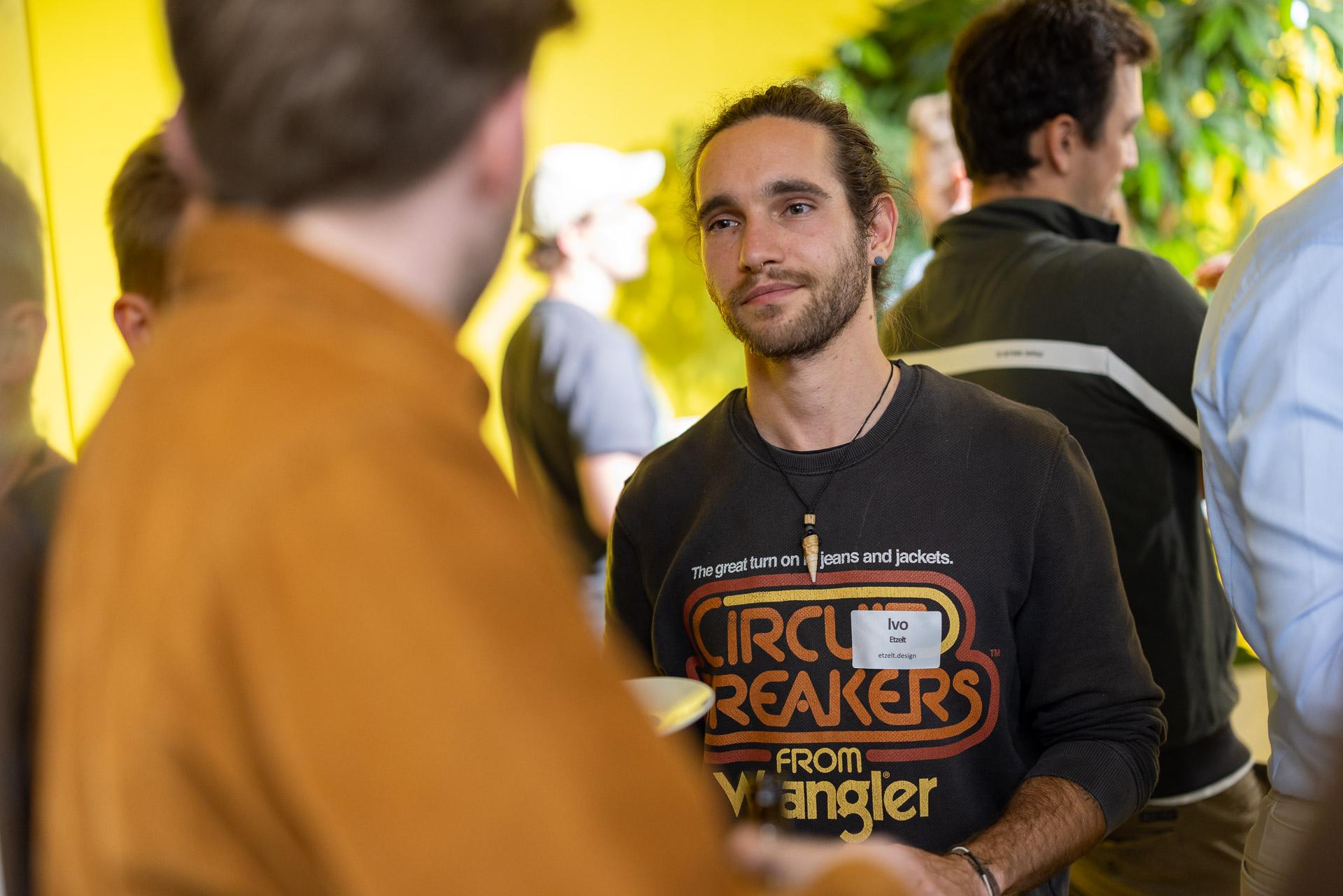
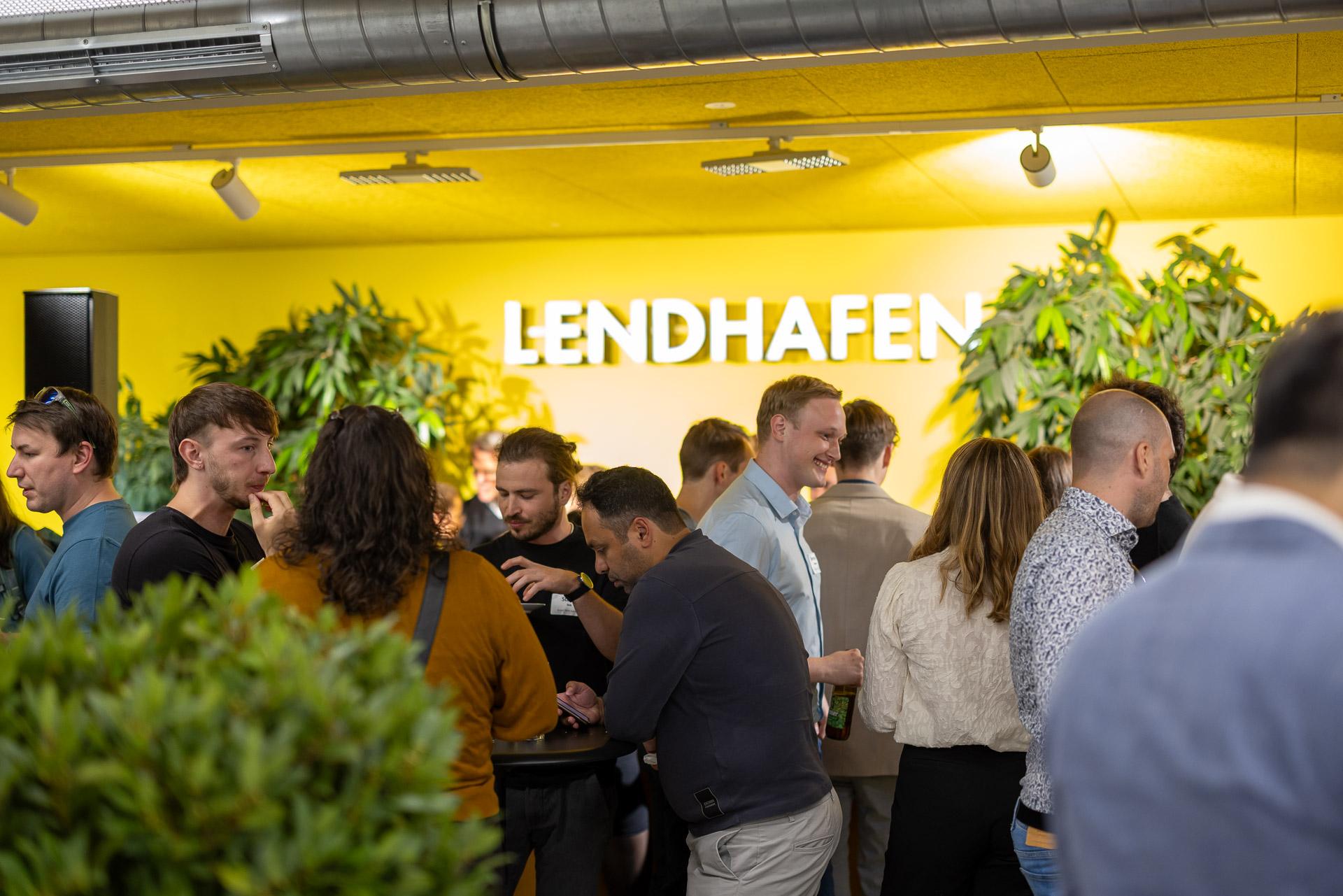
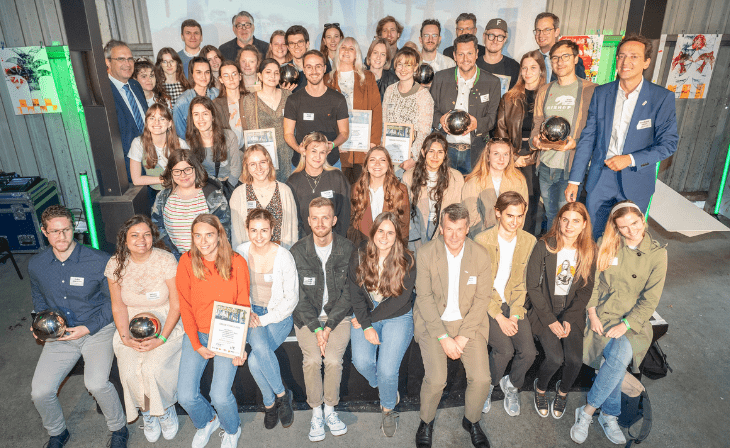
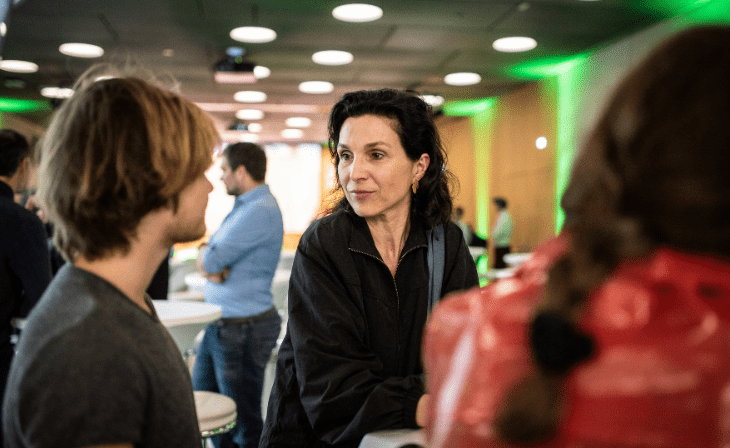
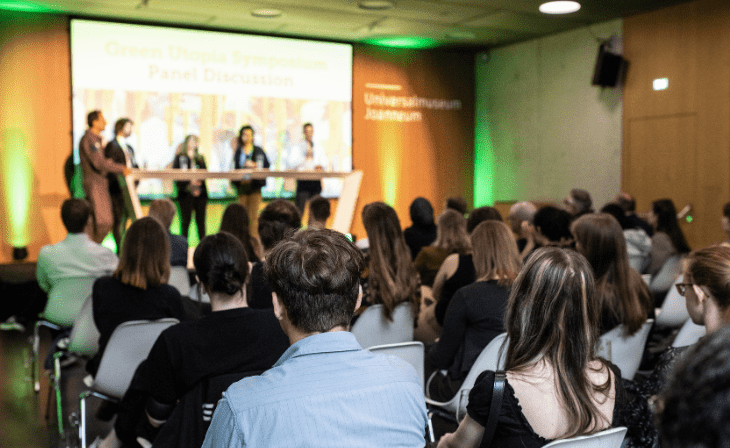
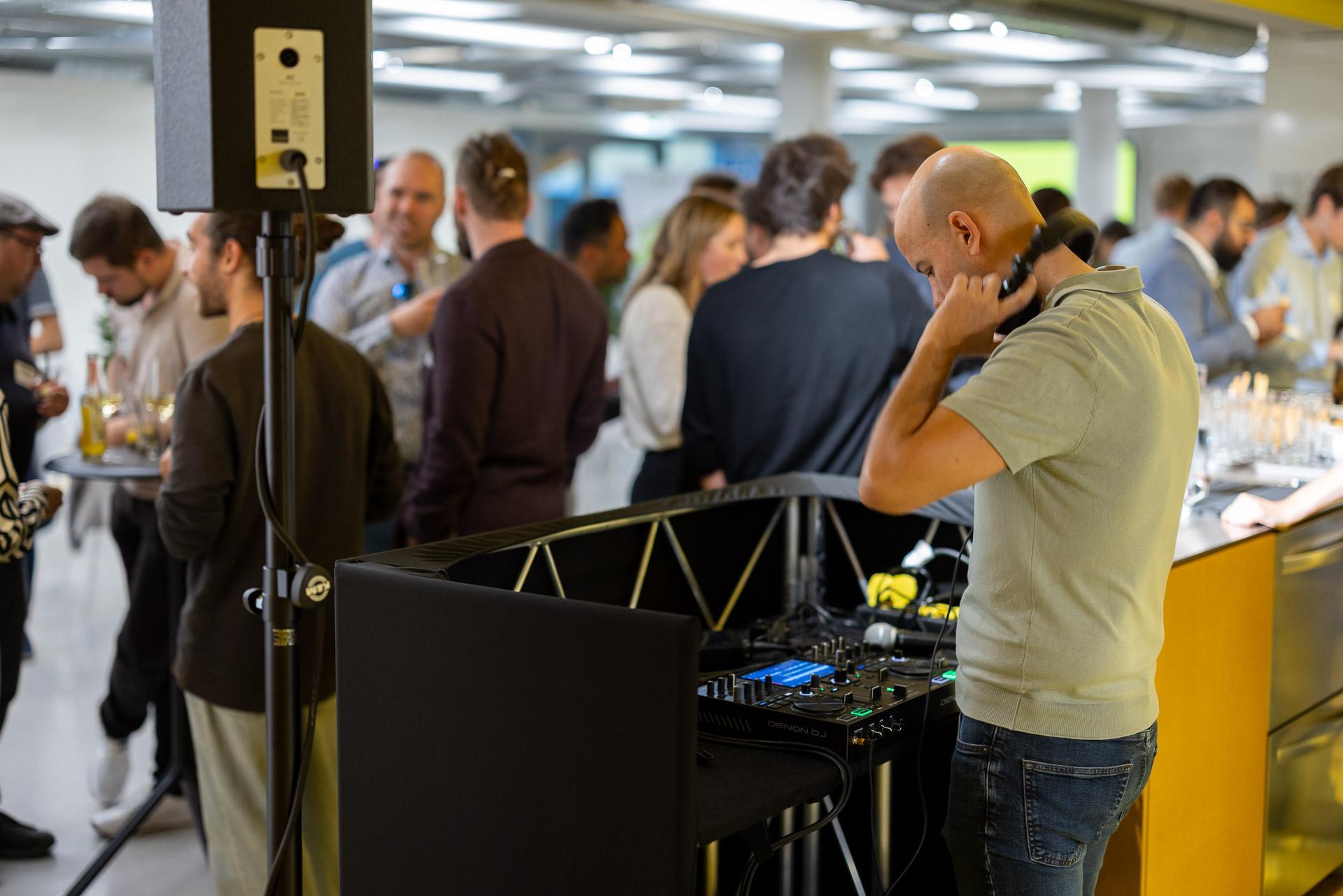

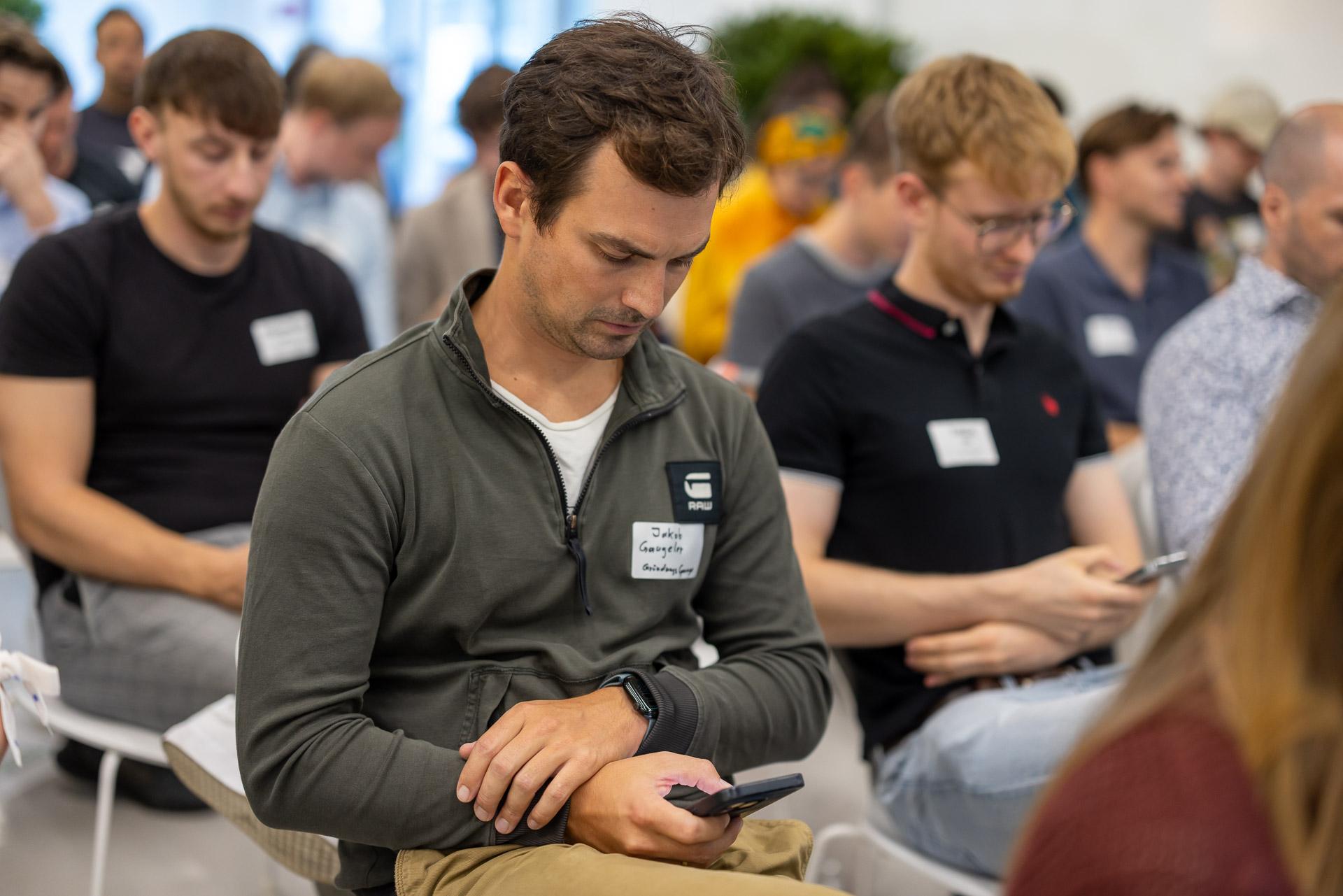
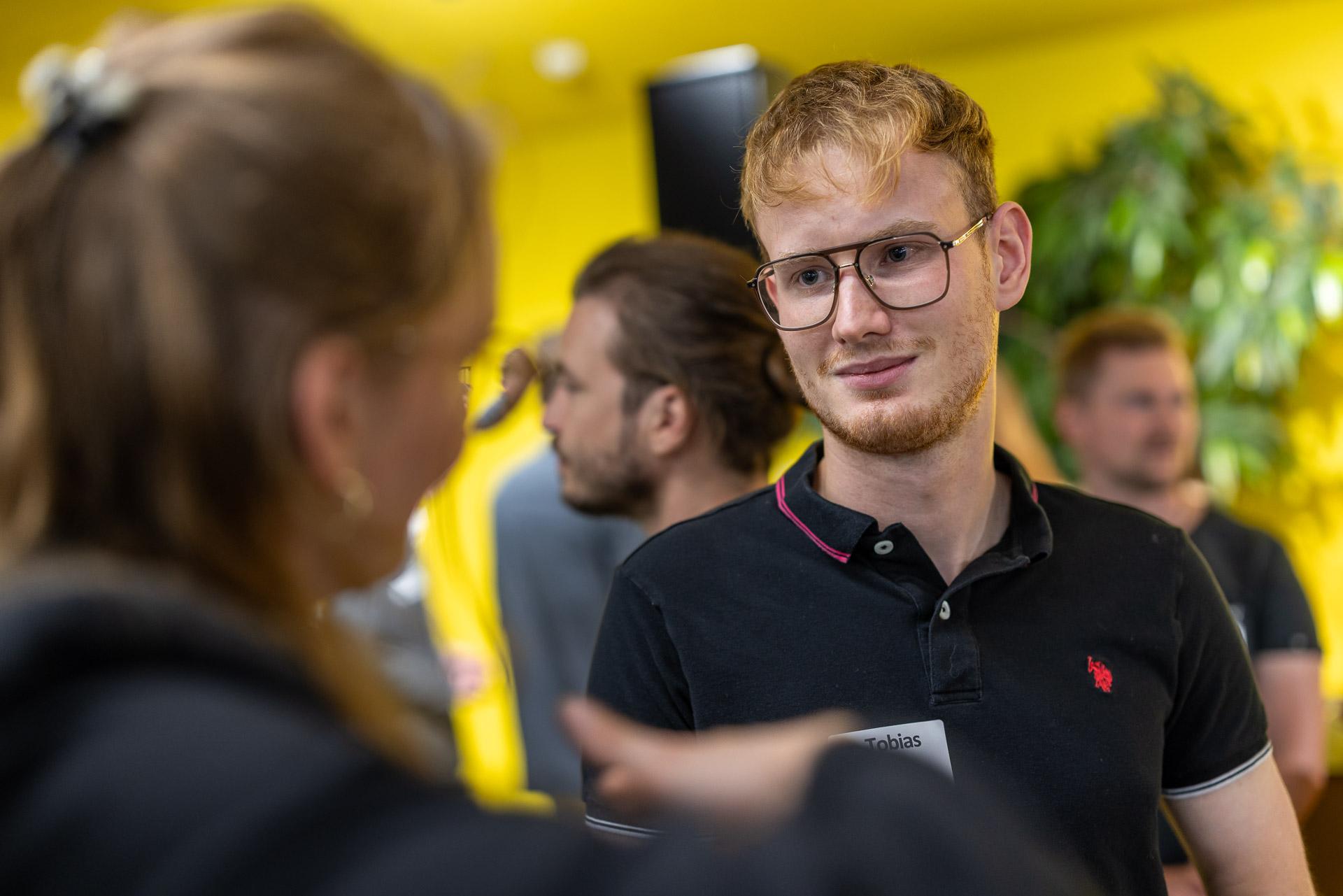
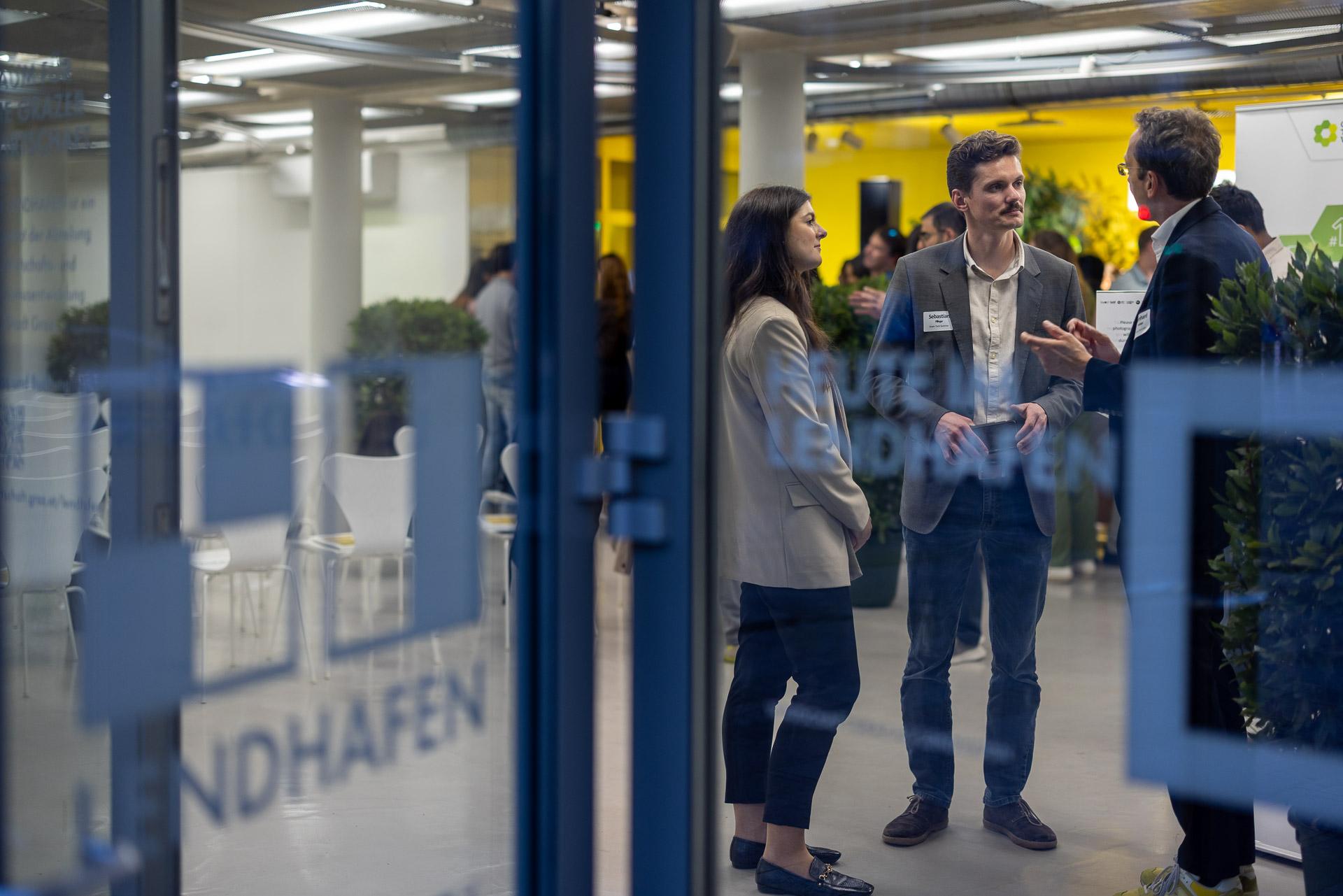
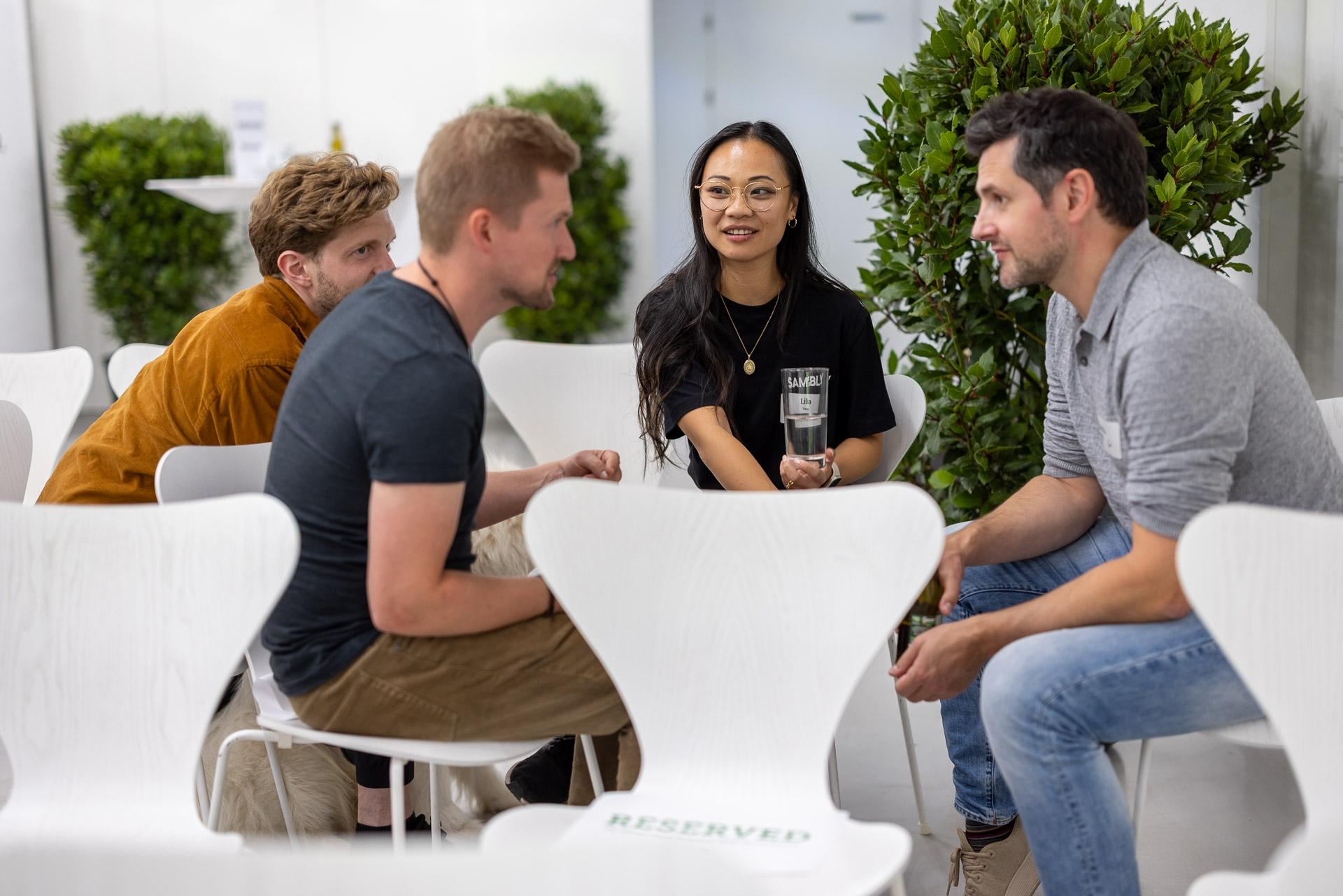
We proudly present: the teams of 2025!
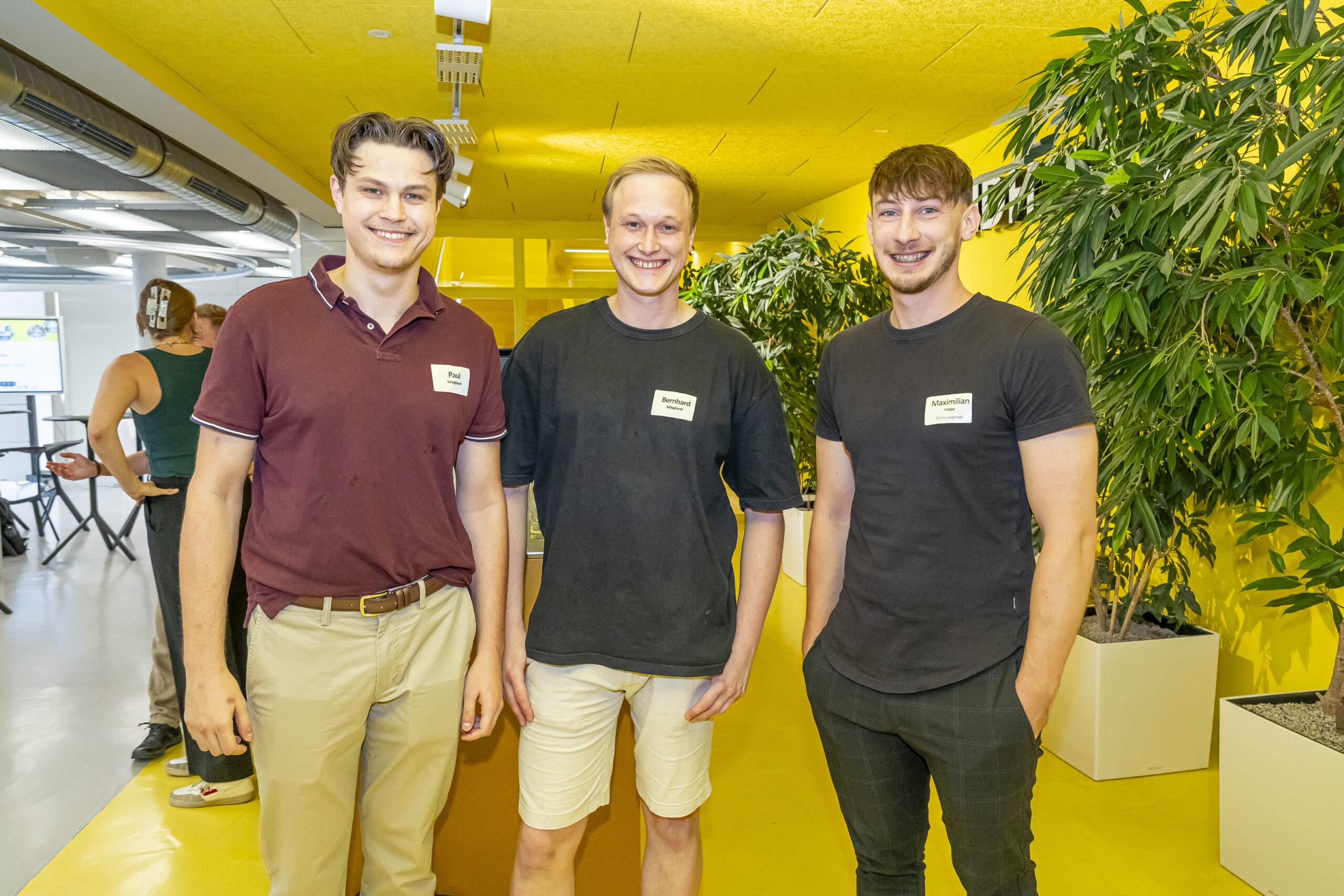
Elyvent
Bernhard Schlagbauer (l.)
Paul Schlagbauer (r.)
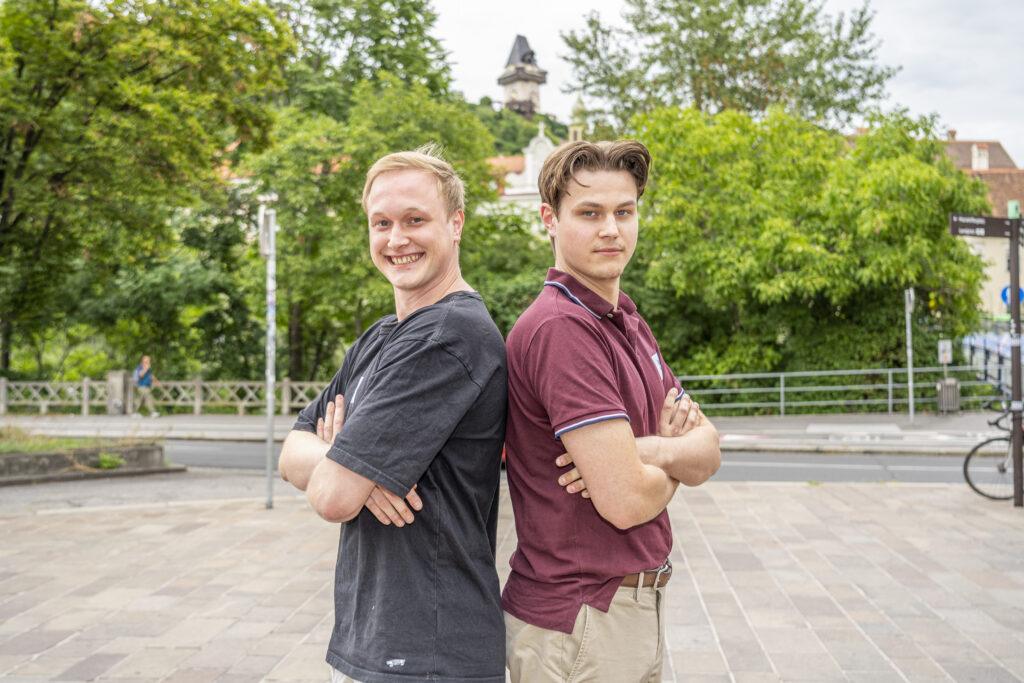
Elyvent is the Uber of dine-in ordering solutions: It works cross-venue with partners and markets itself to consumers. It’s low-risk for hospitality owners, as it is free to get started and stays free until it proves that it works – by charging a commission for every order.
In contrast to other digital dine-in ordering methods, we aim to work closely with restaurant owners AND customers. By requiring no commitment and upfront costs from restaurant owners, almost all of them are curious about our idea. And since we provide one unified platform to all the restaurants, it is viable to market digital dine-in ordering to potential guests. By offering a loyalty program, a more reliable way to search restaurants, and by being visible to restaurant guests, we want to change the way we think about restaurants, embracing a digital, more efficient age.
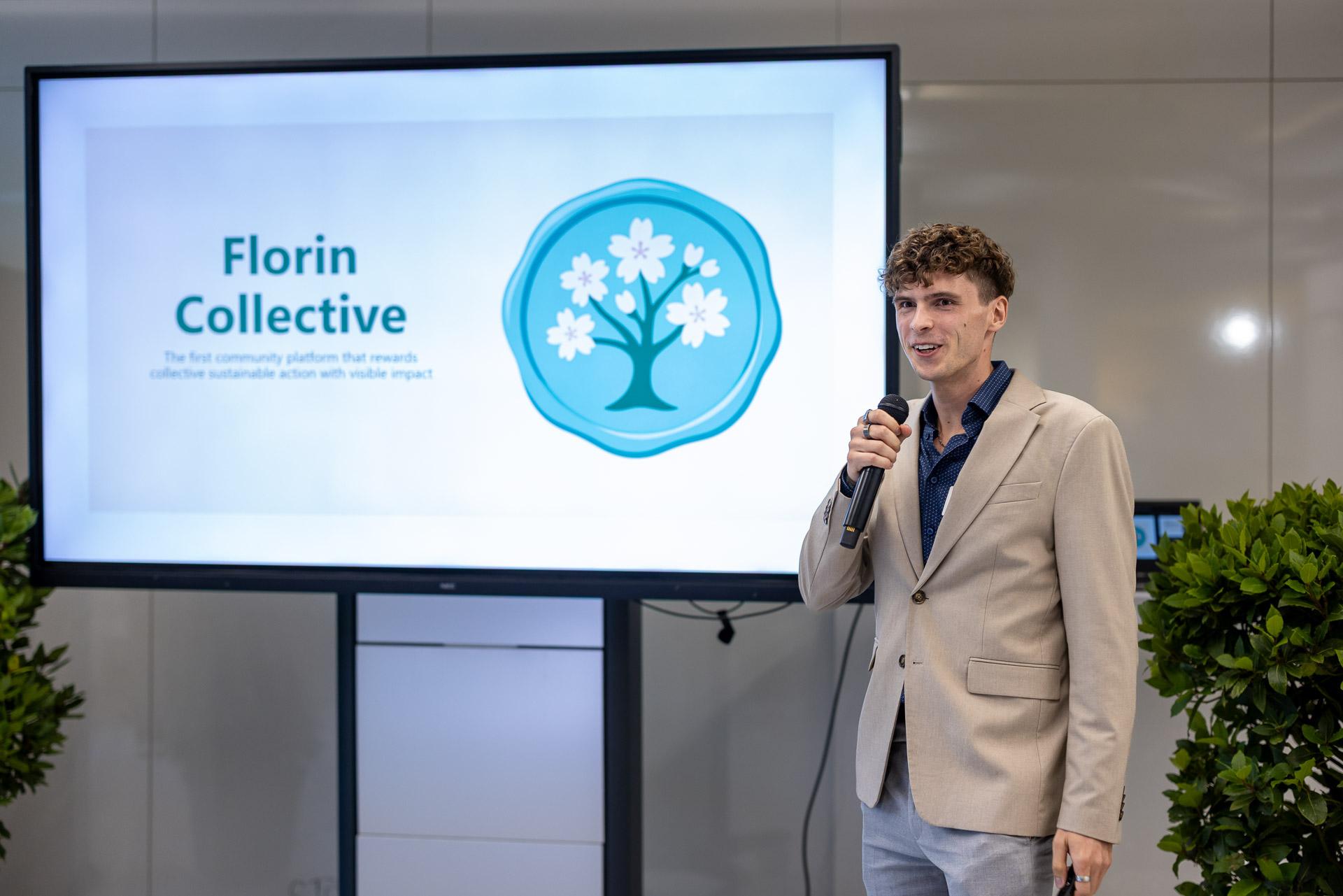
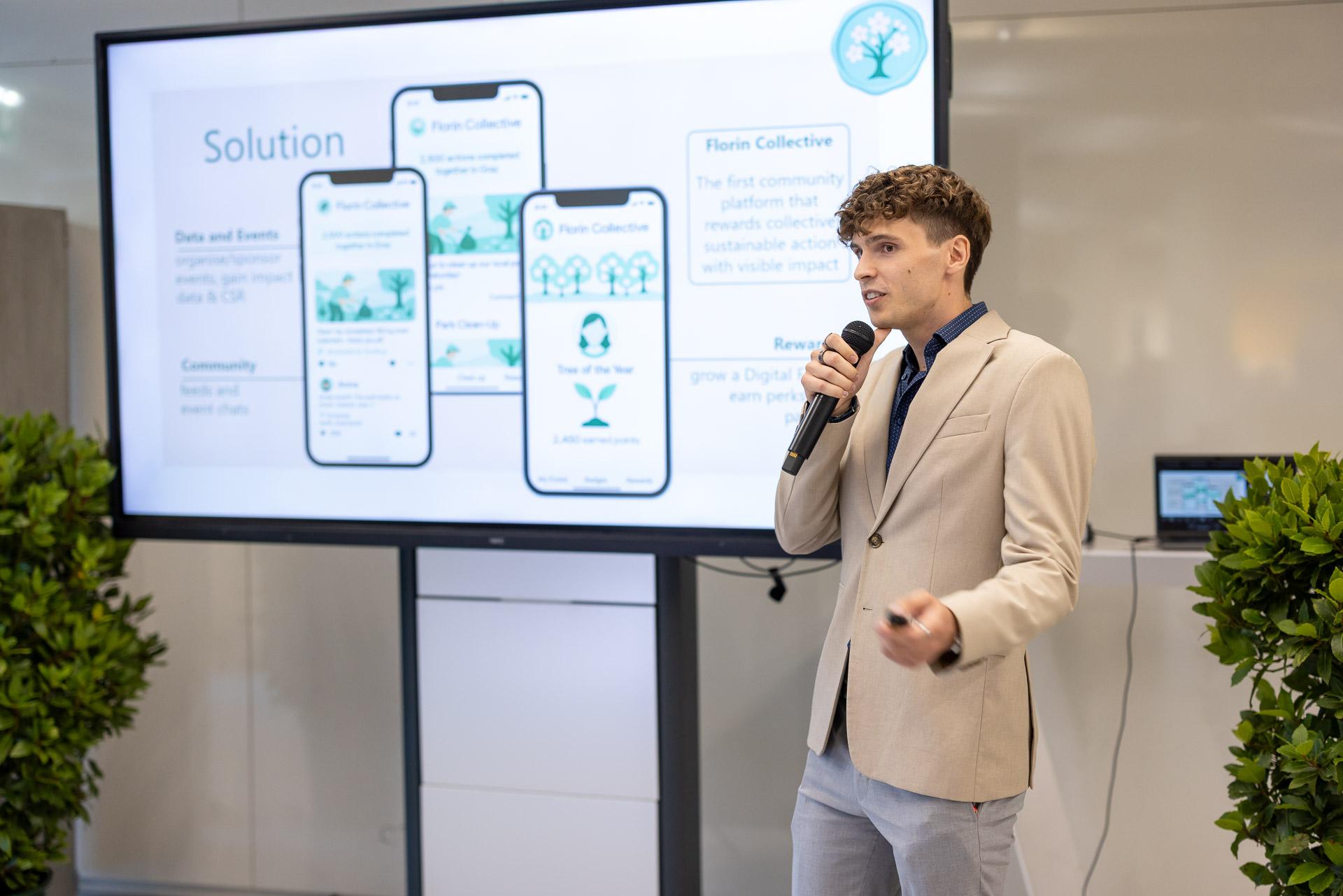
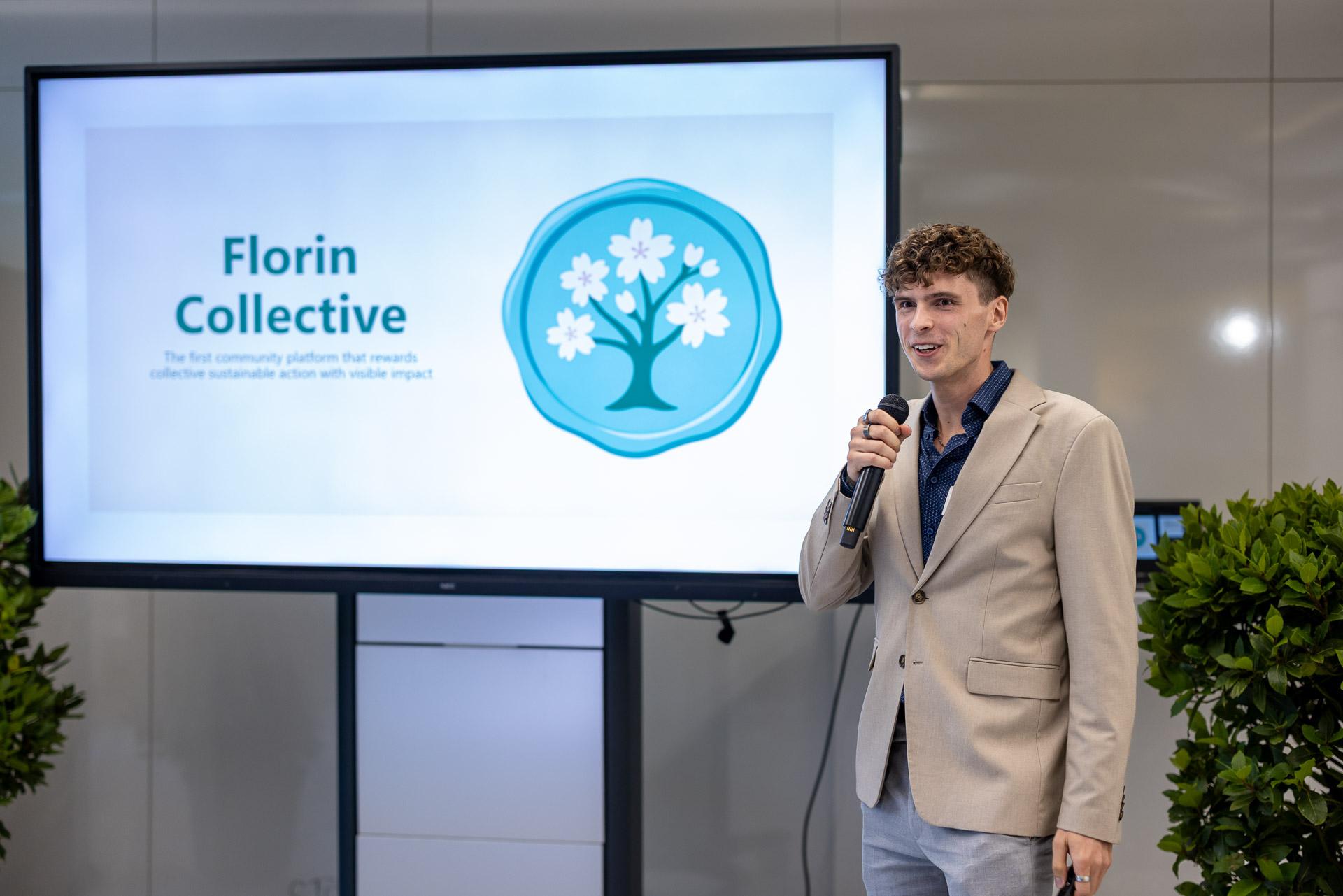
Florin Collective
Matthias
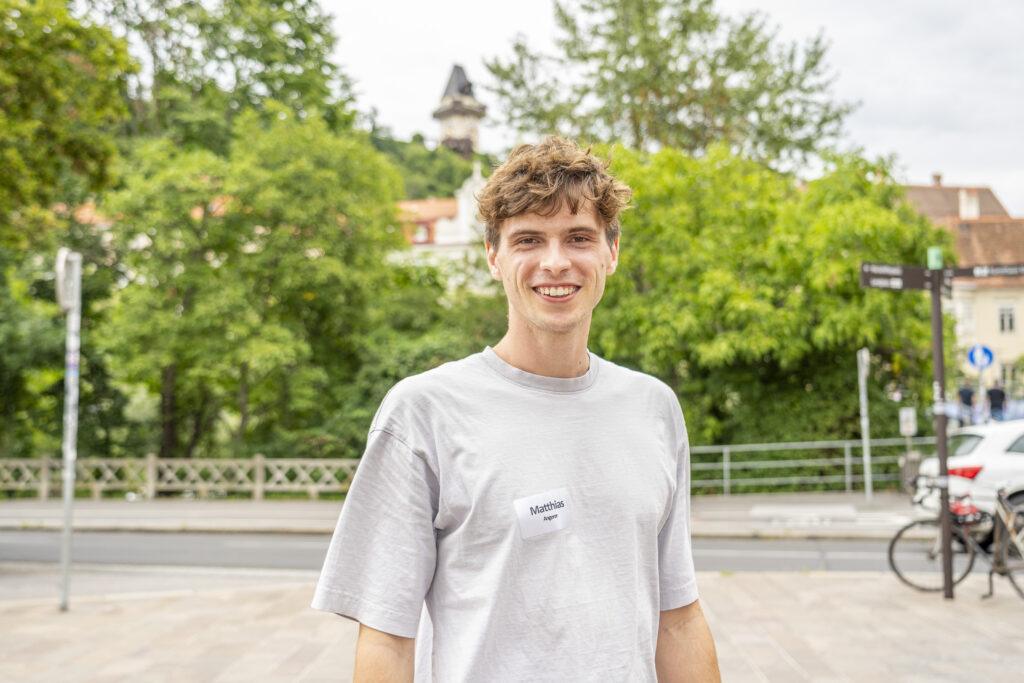
Florin Collective is a digital community platform that, unlike consumption-based reward systems, puts collective sustainable action at the center. Citizens earn verified Impact Points for real-world activities like clean-ups, cycling, or food sharing, which can be redeemed for local benefits and events. Each action grows a personal Digital Tree that joins the collective forest, symbolizing shared progress. NGOs and cities use the platform to engage citizens and organize events, while companies sponsor projects, gain visibility, and access transparent CSR data—creating one ecosystem where communities, businesses, and individuals grow sustainability together.
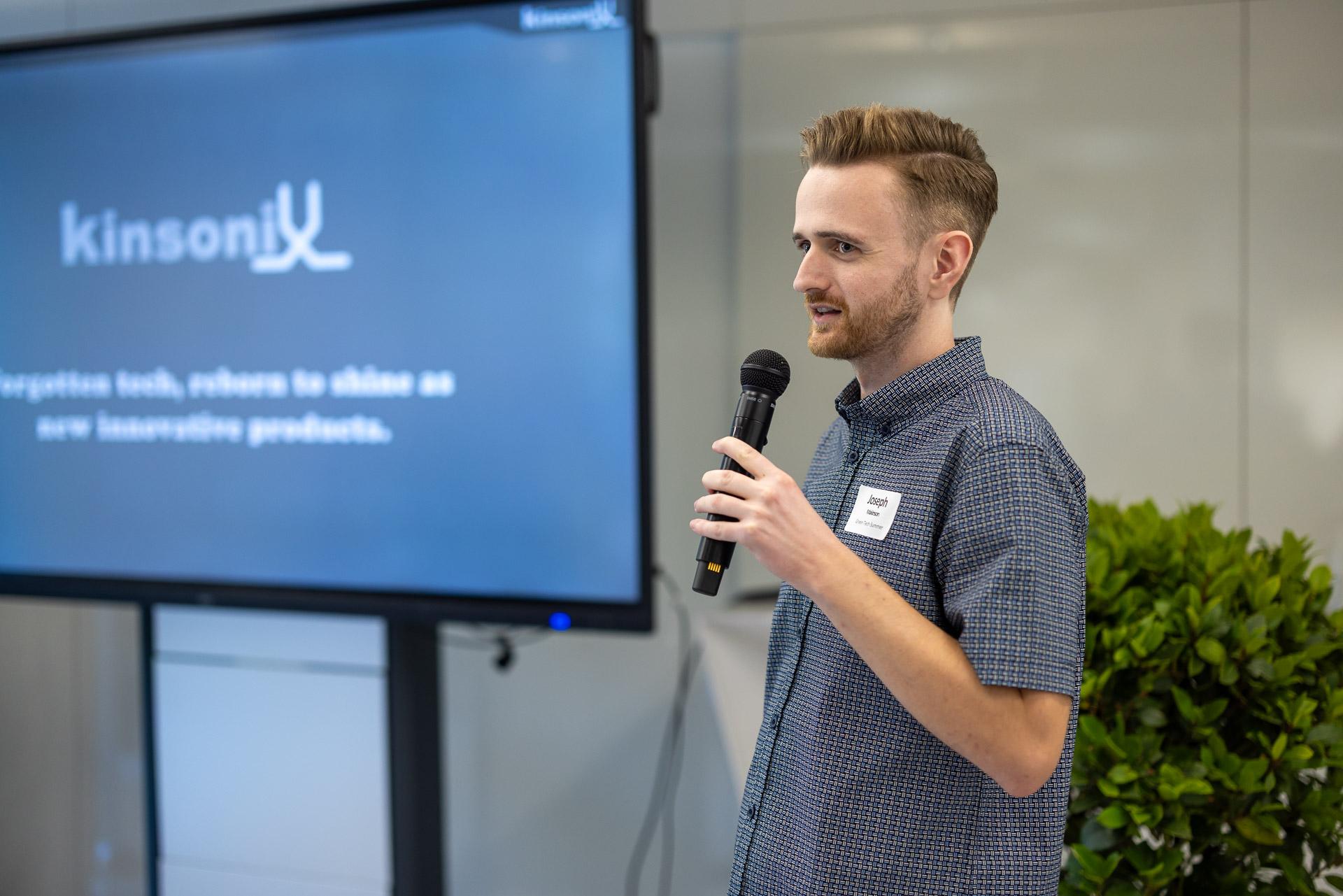
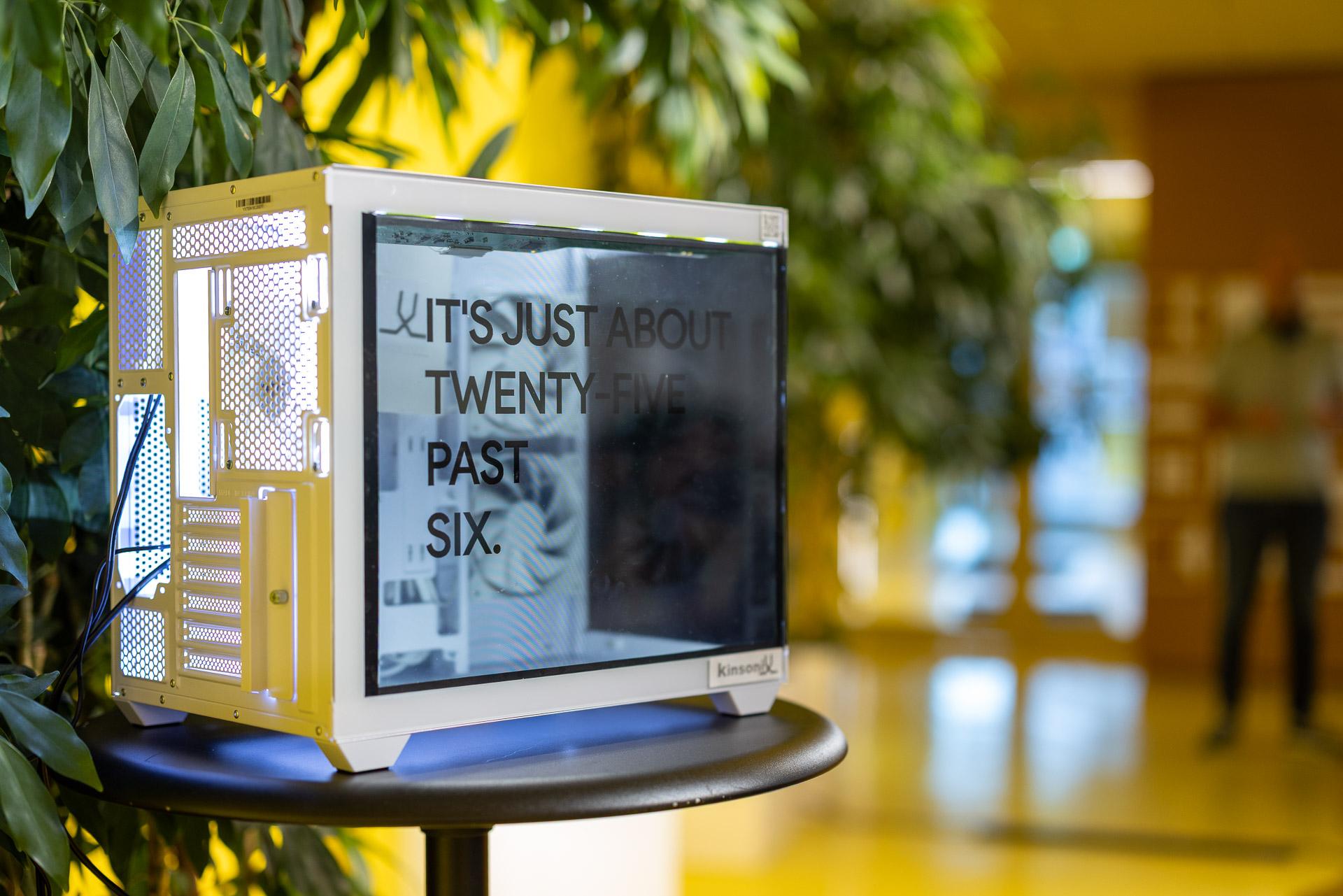
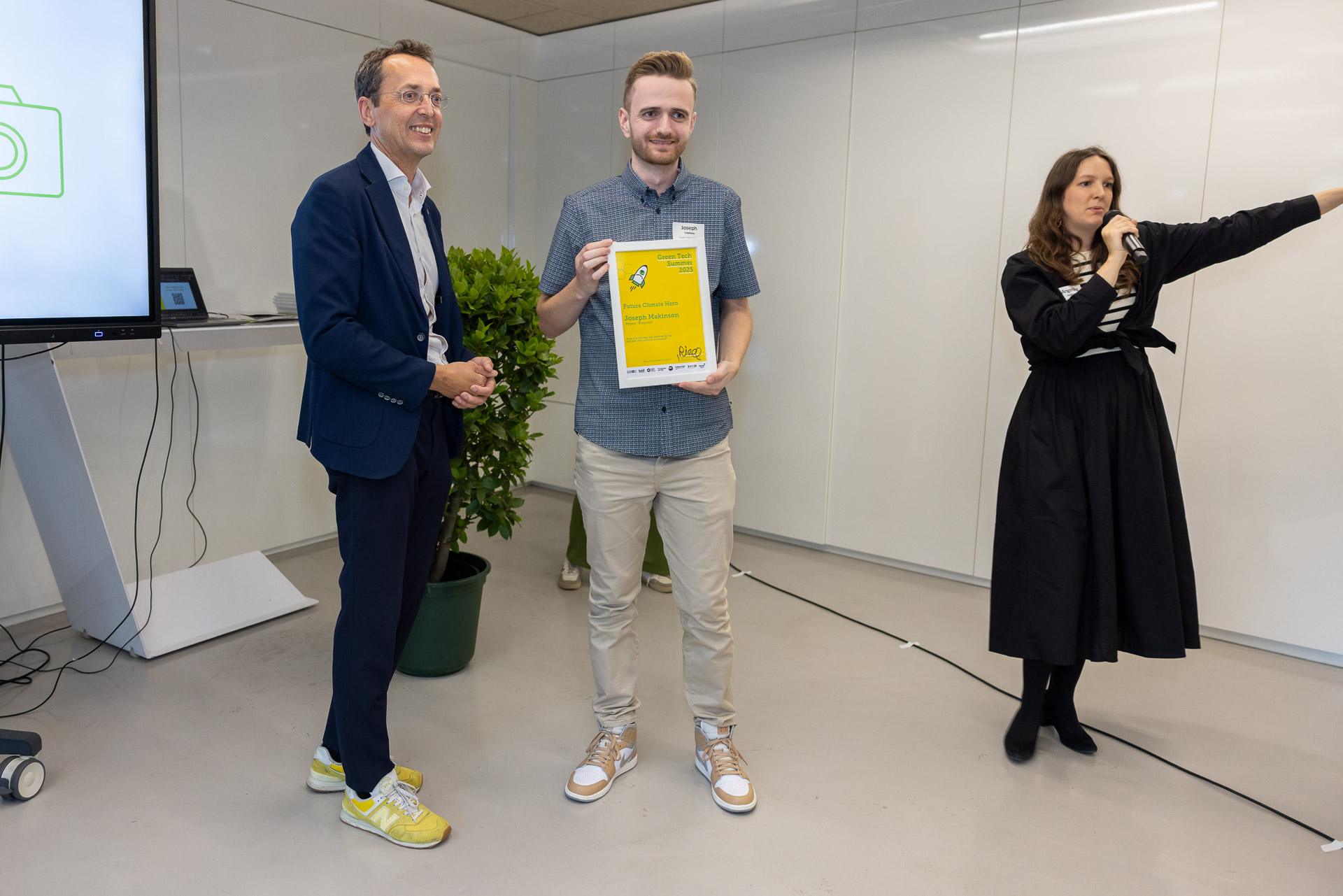
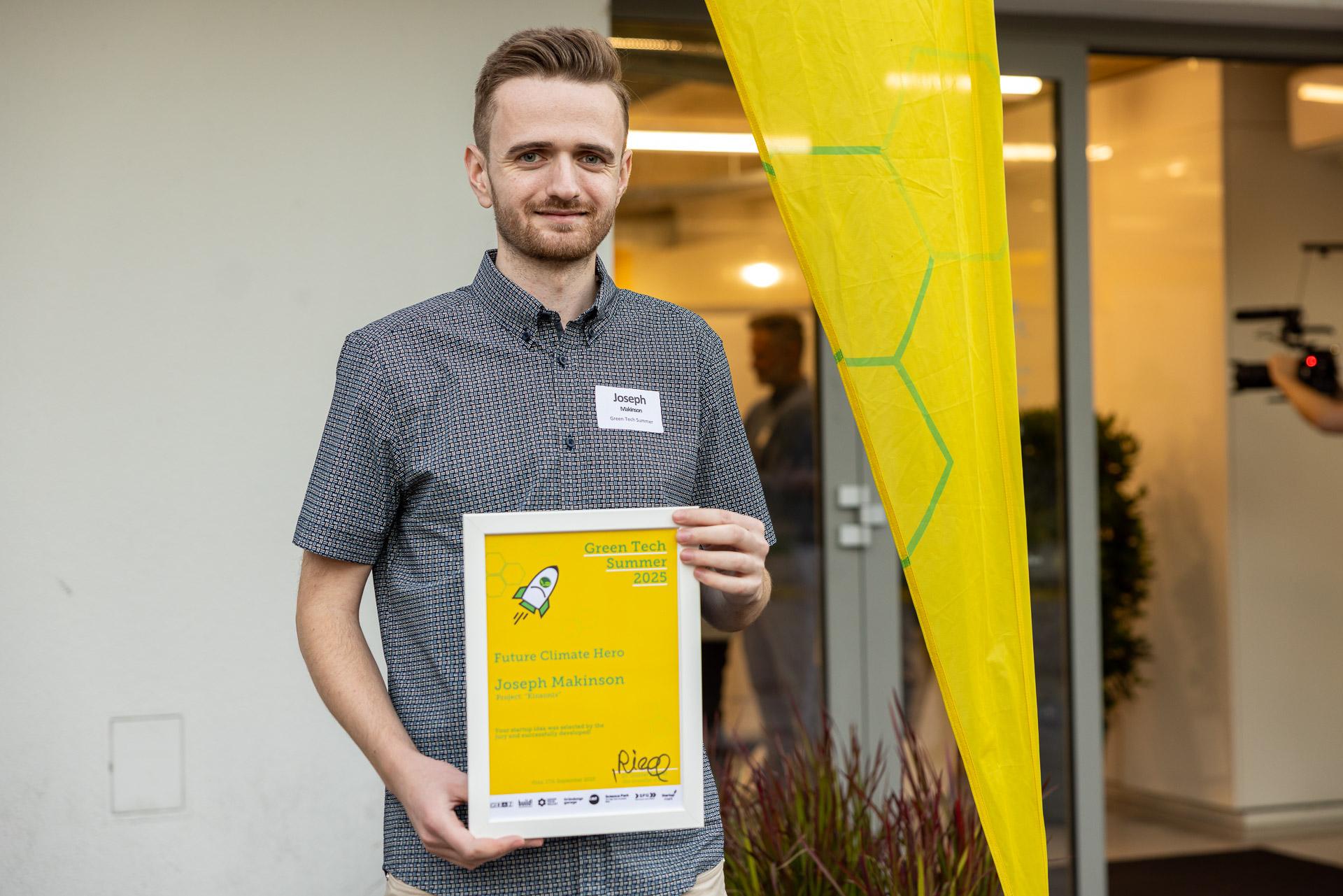
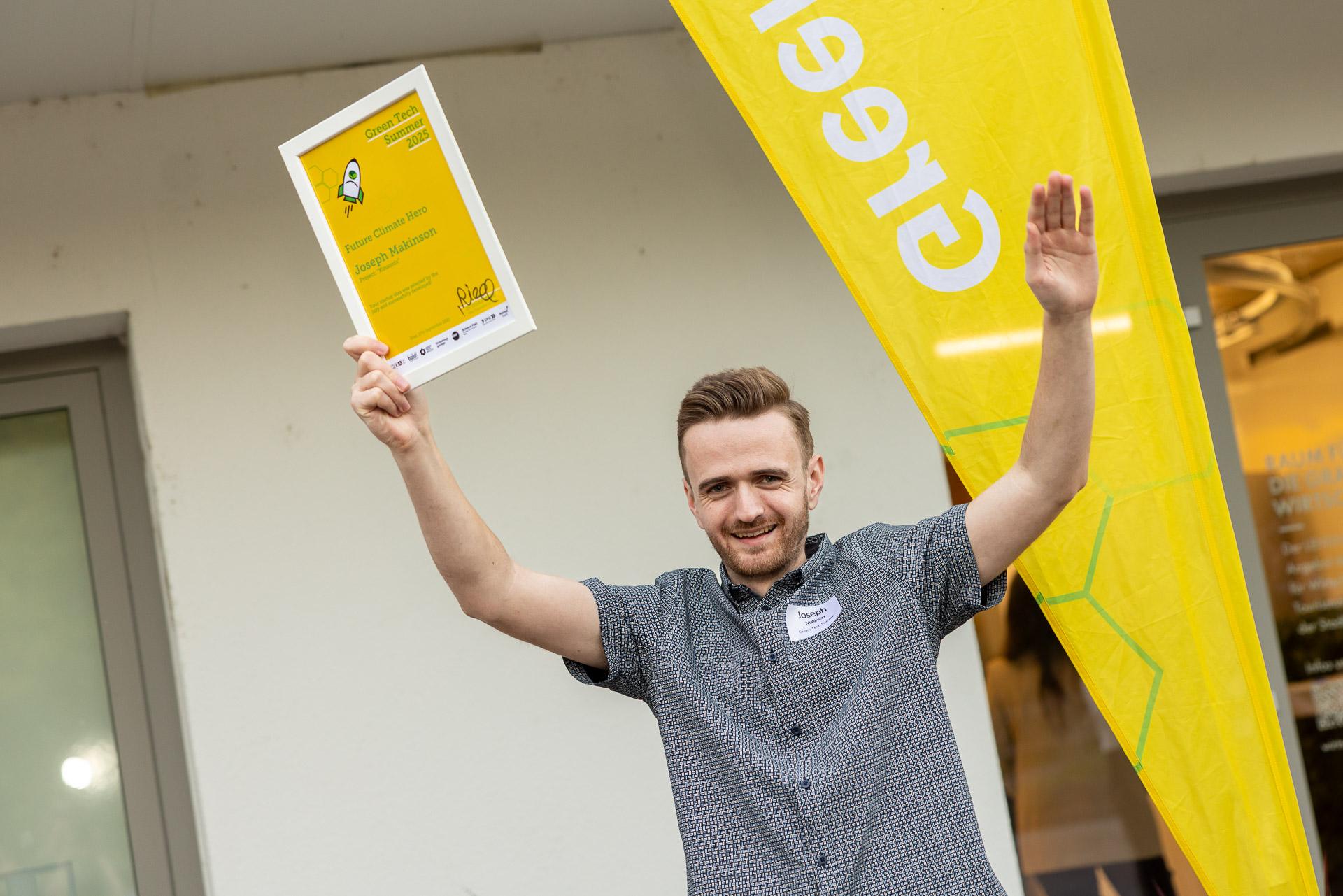
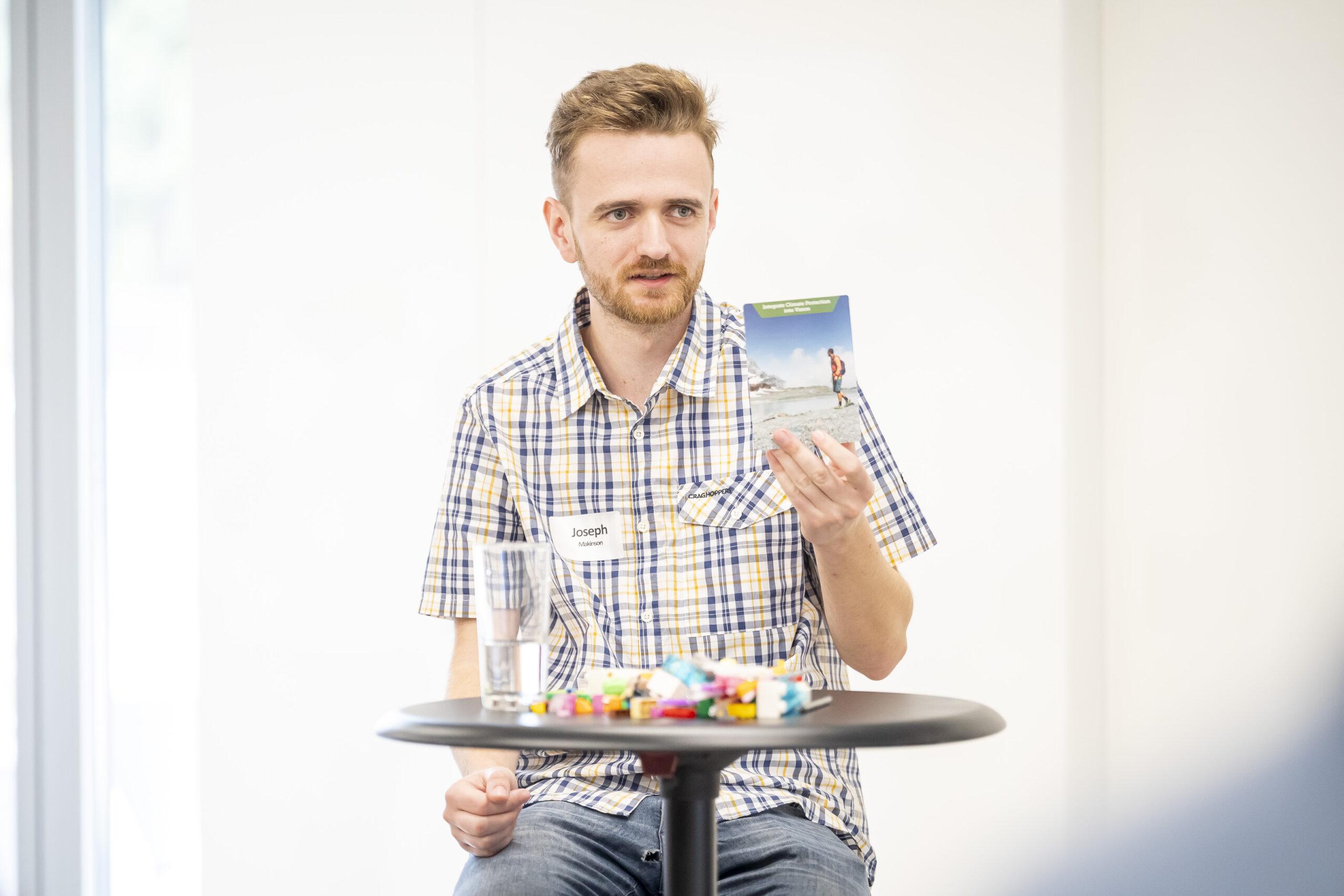
Kinsonix
Joseph Makinson

Kinsonix repurposes old LCD monitors into transparent PC displays. These monitors function normally but show the PC’s internals behind the screen. The original backlight is replaced with a low-power LED strip, and the power supply is adapted to connect directly to the PC.
- Problem Solved: Old LCD monitors often become e-waste. This product gives them a second life using recycled materials, reducing waste and promoting sustainability.
- Target Users: Gaming-PC users, who like to add personalized touches to their setups to stand out from the crowd.
- Demand: As a cosmetic PC enhancement, demand is extremely high, as it is not only competing with, but also outperforming all RGB mods.
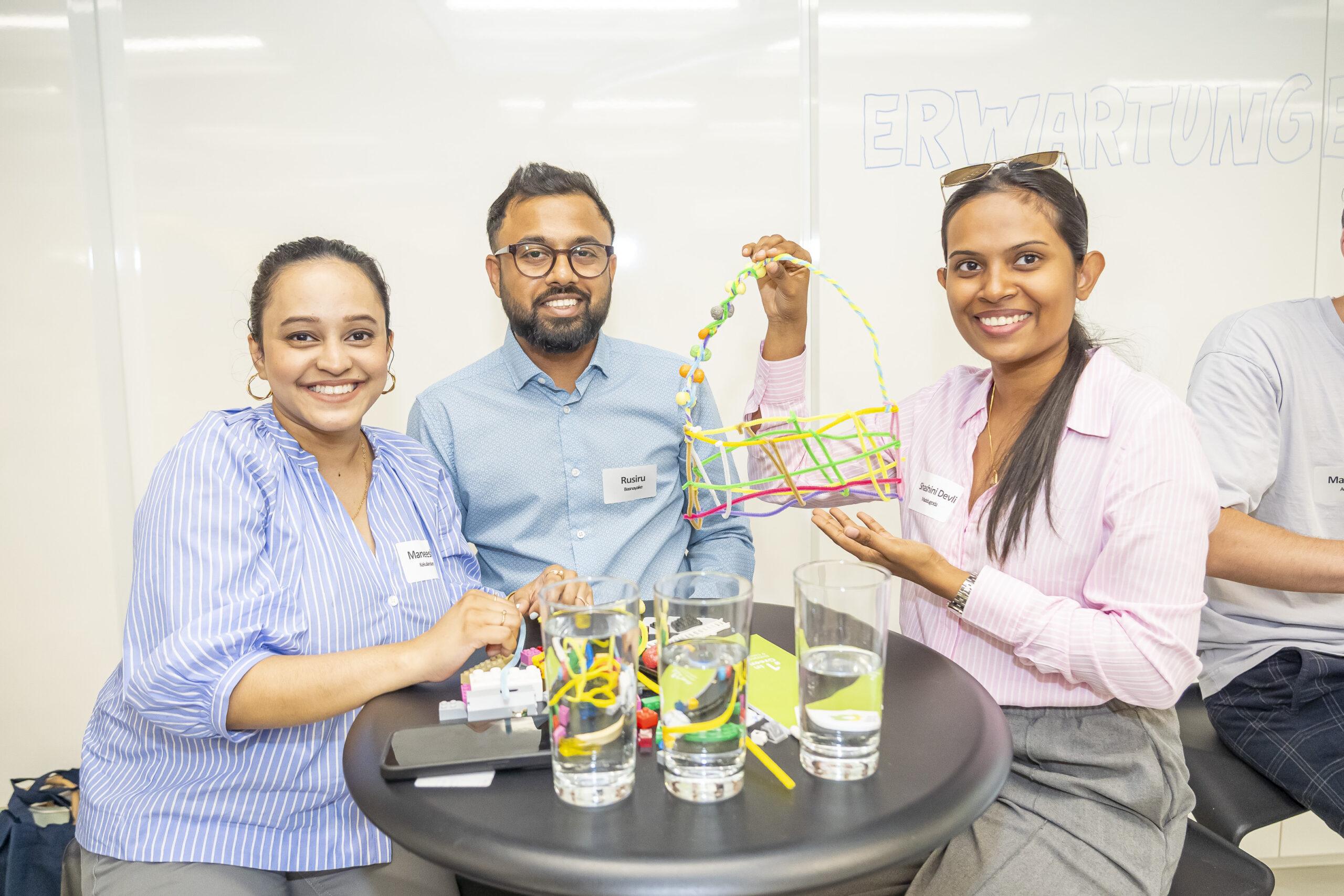
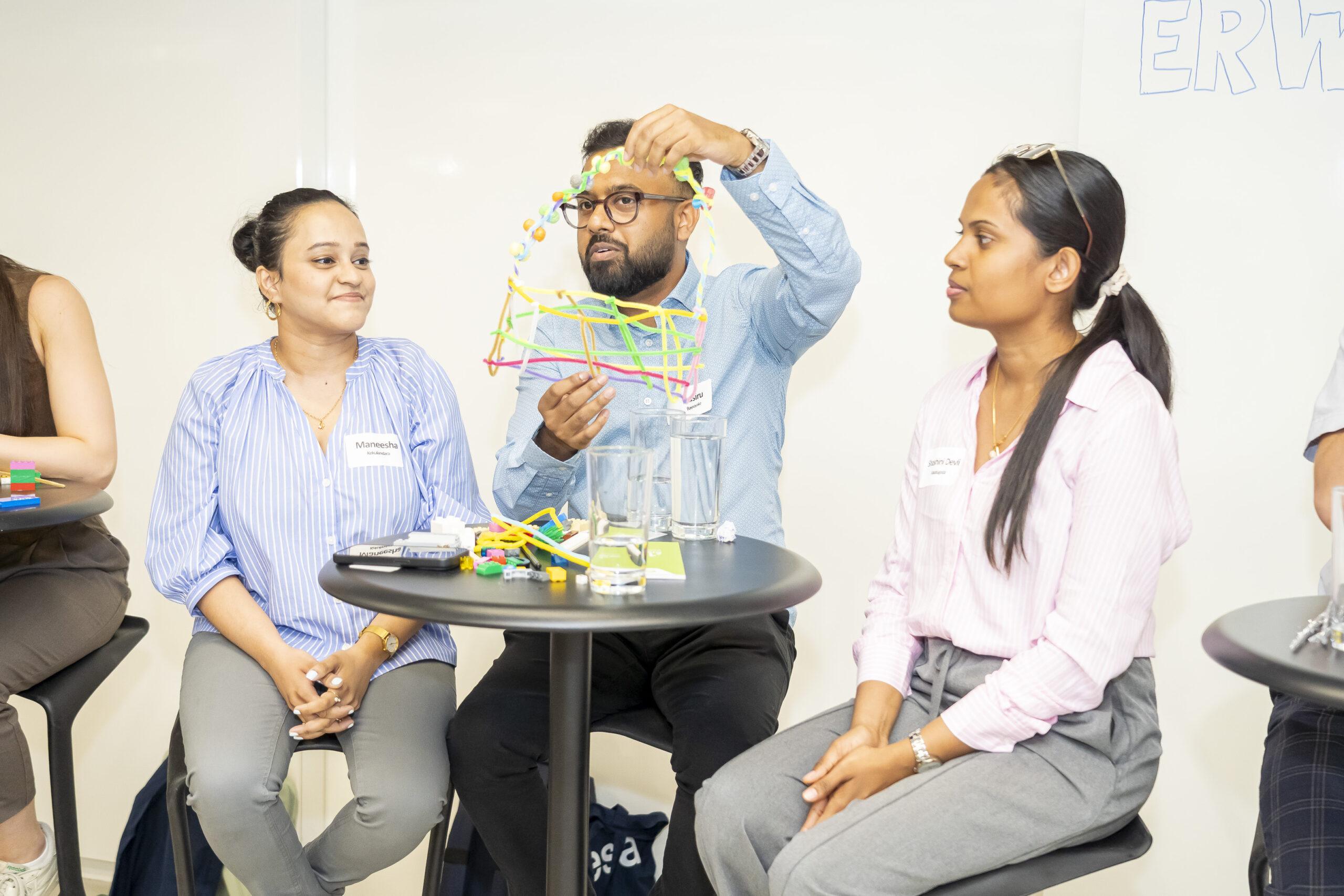
Berunder
Maneesha Kekulandara (l.)
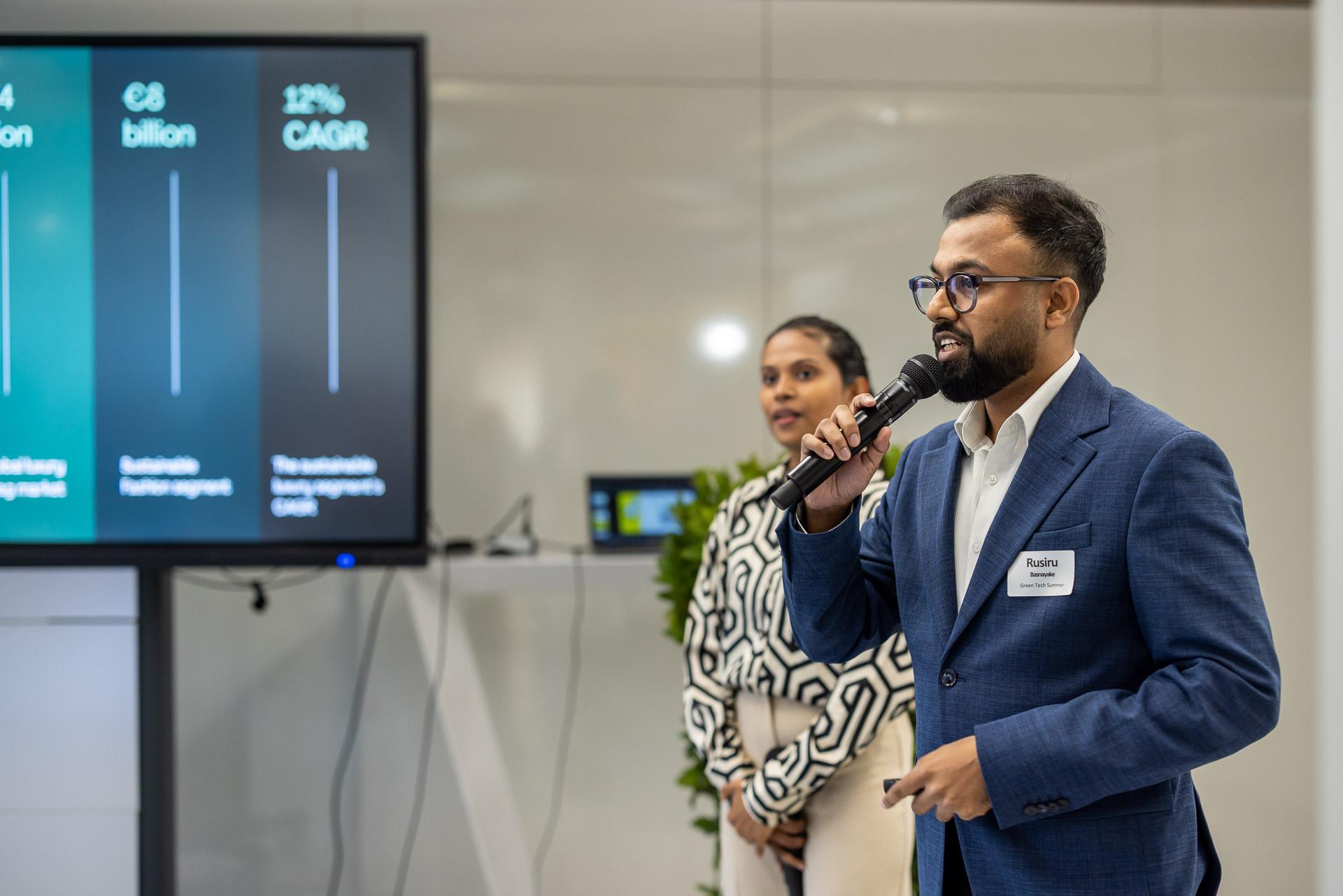
Rusiru Basnayake (m.)
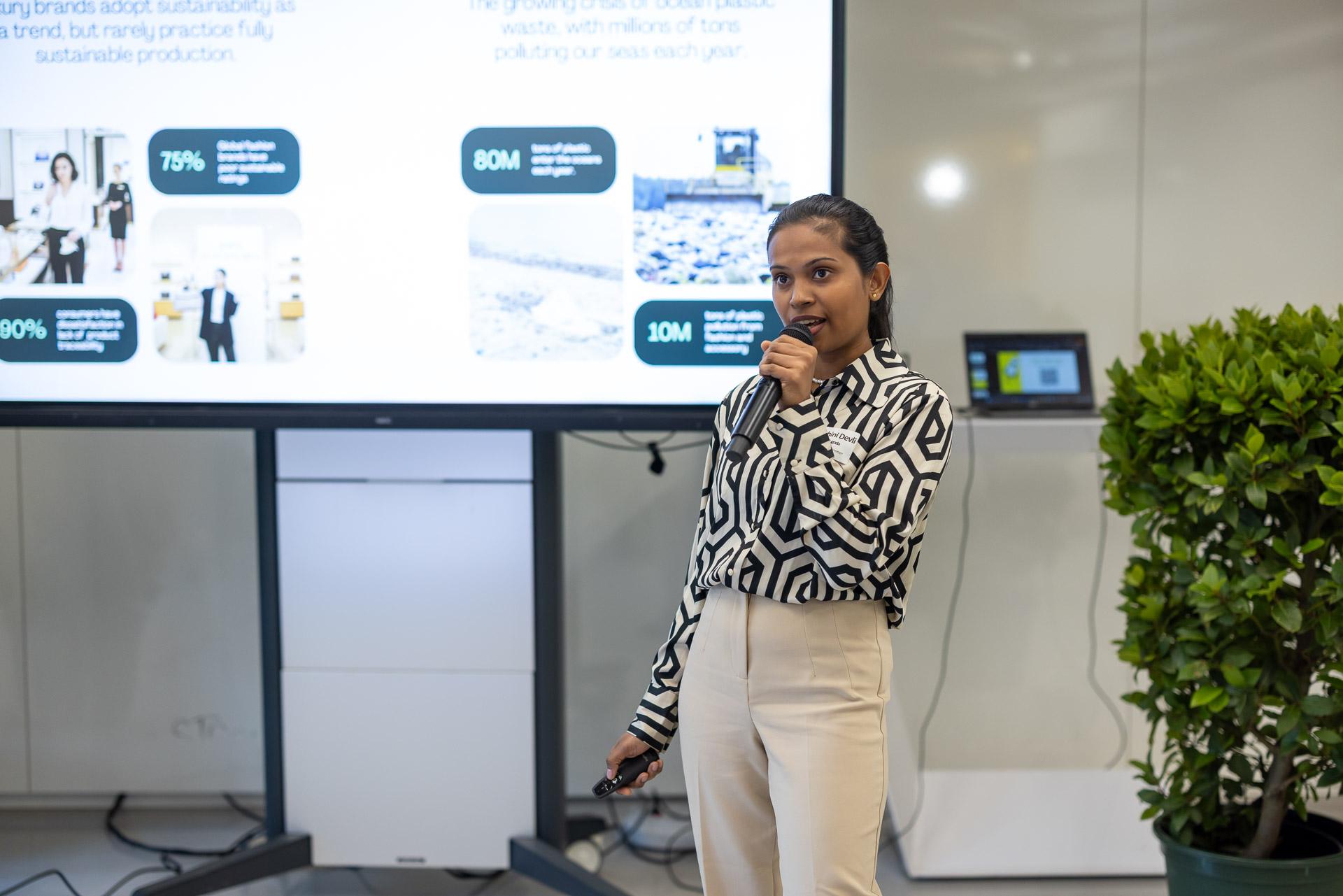
Shashini Devli Maddugoda (r.)
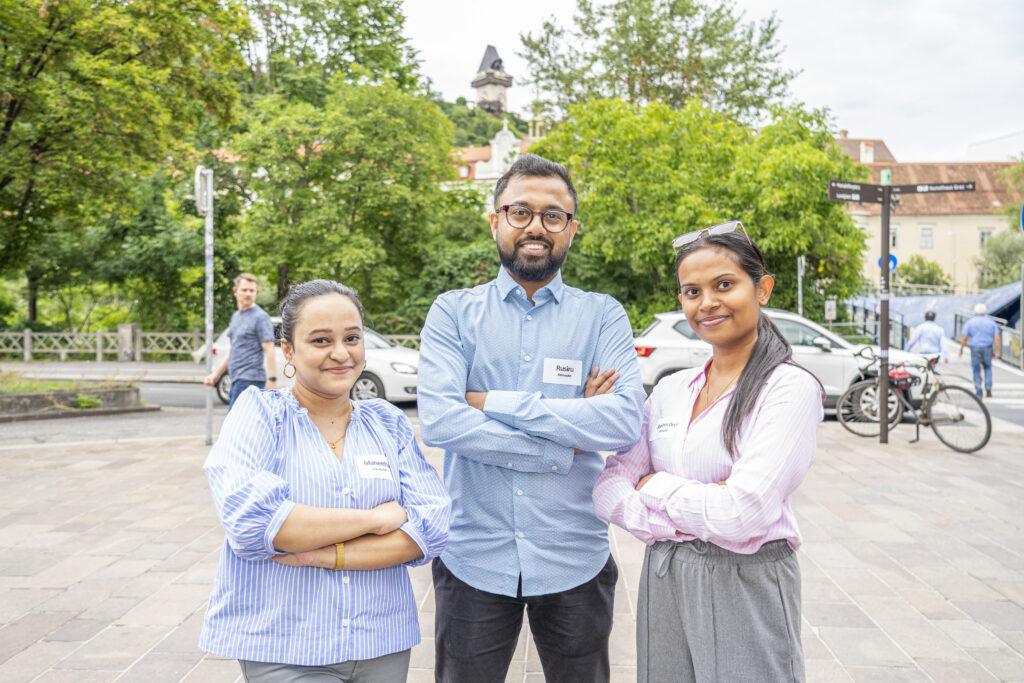
Luxury Fashion from Recycled Ocean Plastics
We are launching a high-end fashion brand that transforms recycled sea plastics into luxury bags, blending sustainability with sophistication. Using advanced textile technology and partnering with ocean cleanup organizations, we turn marine waste into premium, eco-conscious accessories. Our mission is to redefine luxury by proving that elegance and environmental responsibility can coexist.
Millions of tons of plastic pollute oceans yearly, harming marine life, while the luxury fashion industry still lacks truly sustainable options despite growing demand. We address this gap by offering exquisitely designed bags made from upcycled sea plastics, setting a new standard in eco-friendly luxury.
Our target market includes affluent, eco-conscious consumers and luxury enthusiasts seeking premium accessories without compromising values. Over 70% of luxury buyers prefer sustainable brands, yet few high-quality recycled products exist.
Our first product line will feature limited-edition luxury bags, blending sustainability with exclusivity.
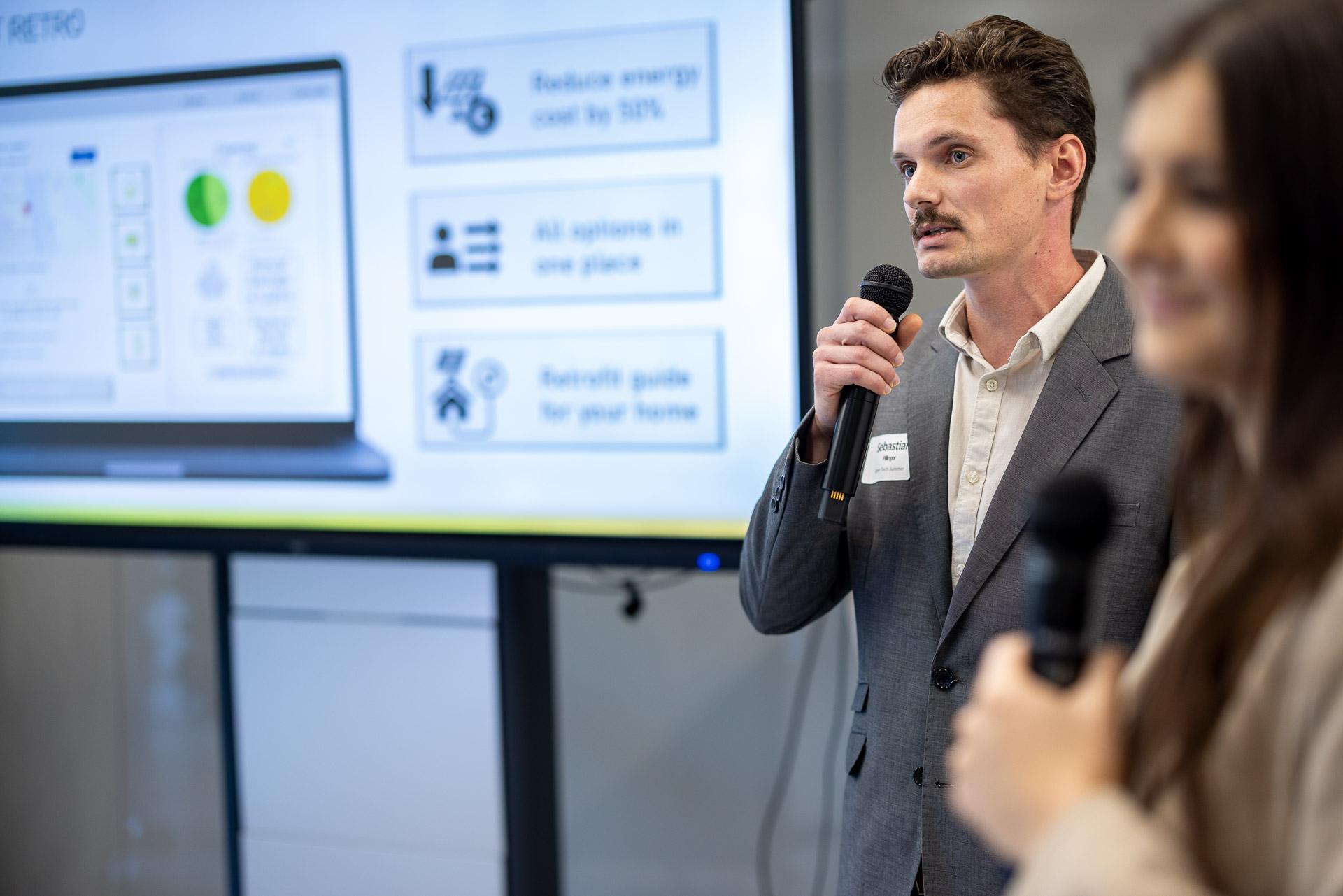
SMART RETRO
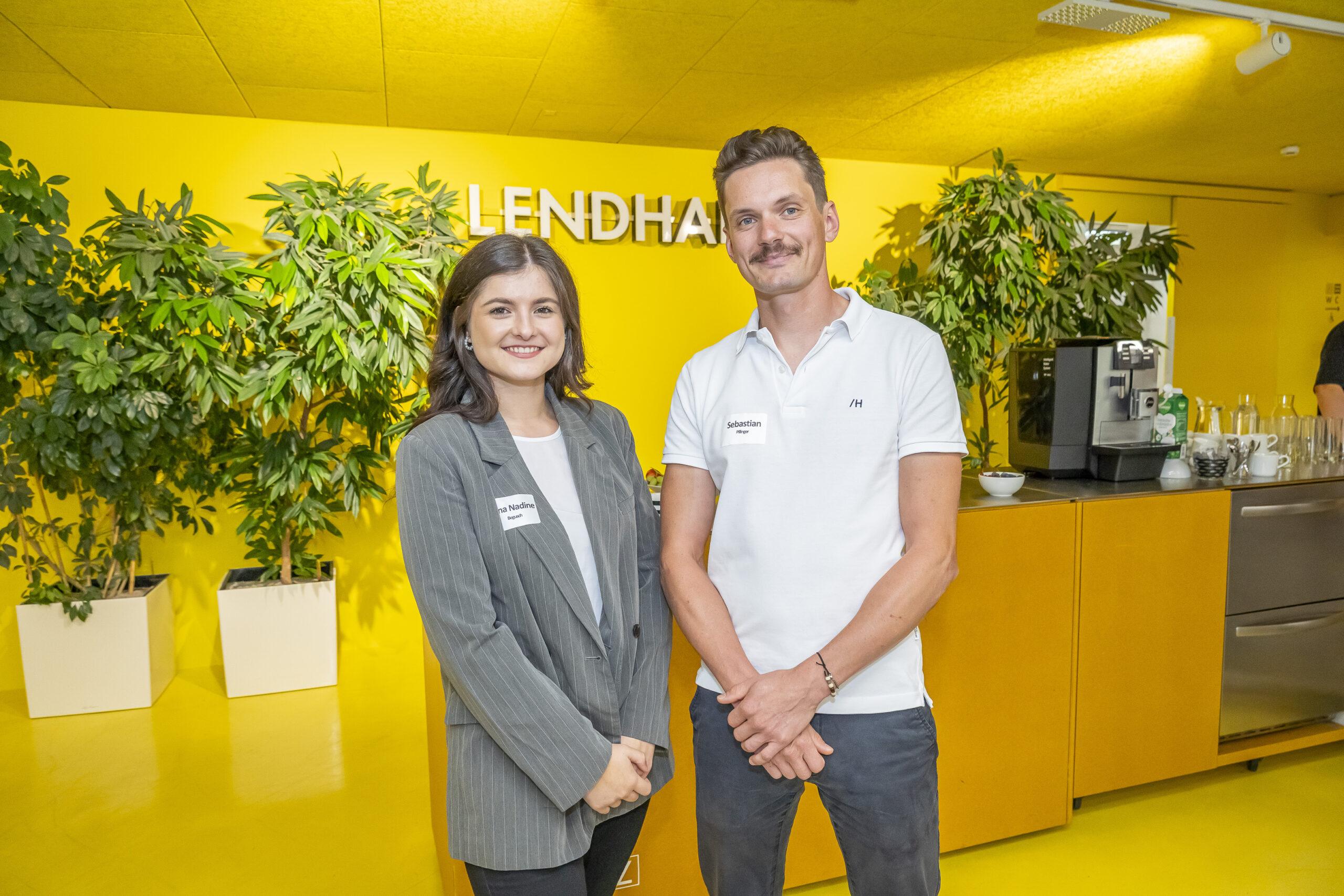
Sebastian Pillinger
Irina Nadine Begusch
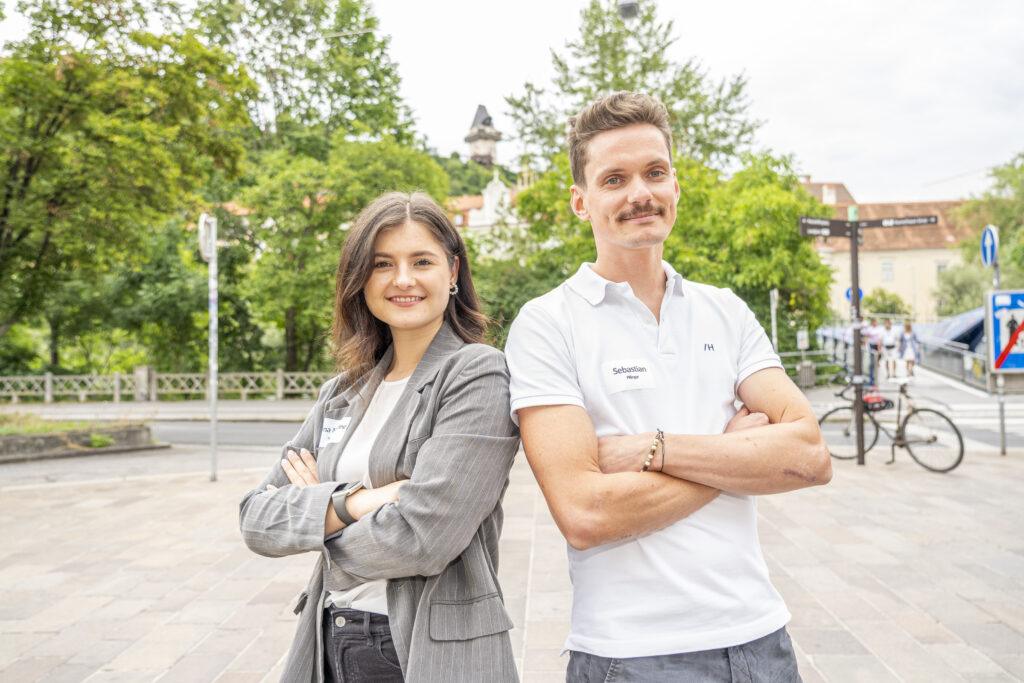
Millions of residential buildings in Europe are outdated: poor insulation, rising heating costs and inefficient systems. Renovation options are confusing, subsidies are complex and homeowners lack clarity about what is really worthwhile. As a result, renovation rates are stagnating at around 1%.
Our solution, SMART RETRO, is a web-based tool that simulates the most effective combinations of photovoltaics, heat pumps, storage and renovation measures. With just a few inputs (living space, location, desired technologies), the tool instantly calculates the most important results: energy savings, investment costs, payback period and climate impact.
The results are presented in clear graphics and key figures, making sustainable renovations understandable and accessible. Energy consultants, utility companies and homeowners are provided with a practical decision-making tool that accelerates the energy transition in the building sector.
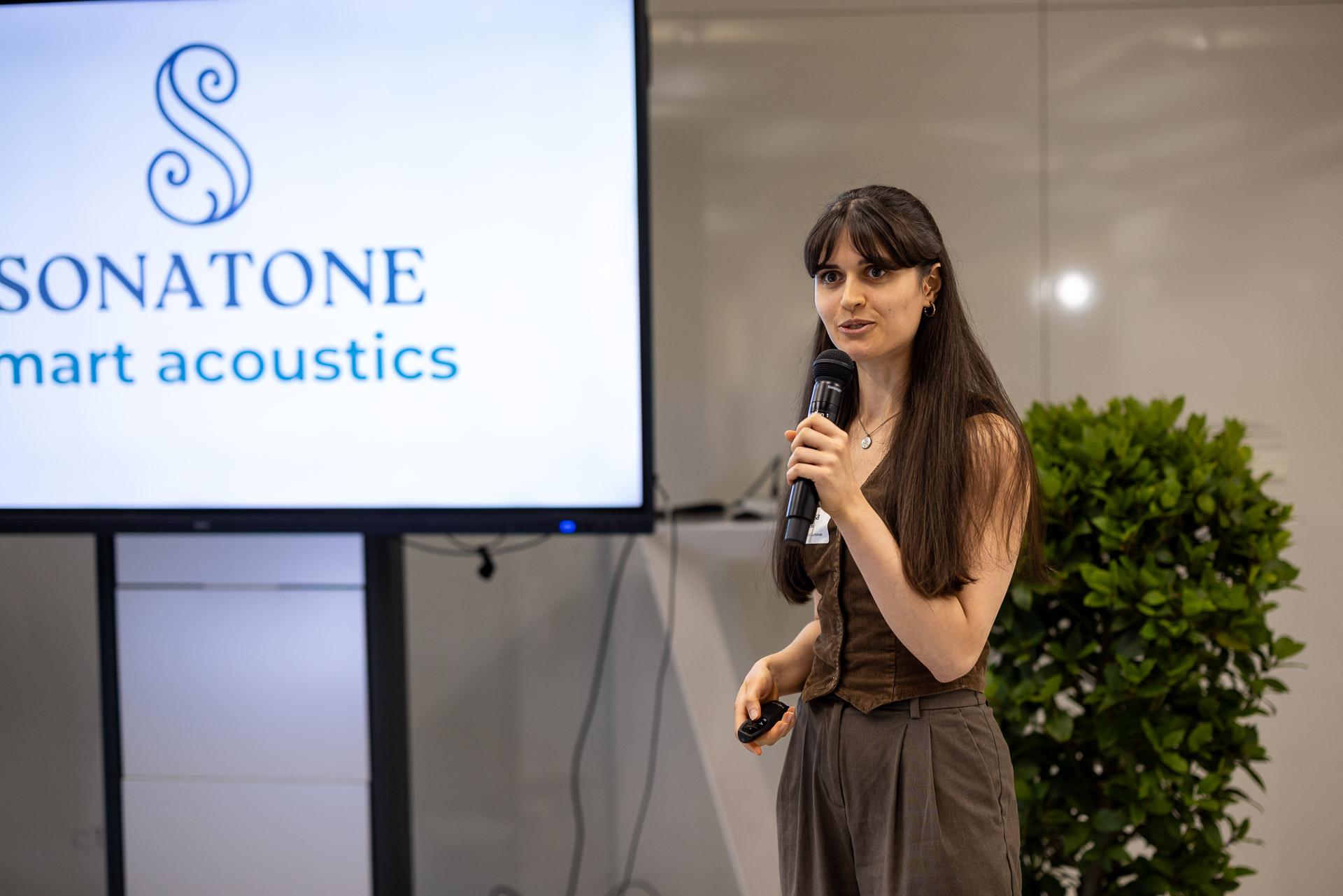
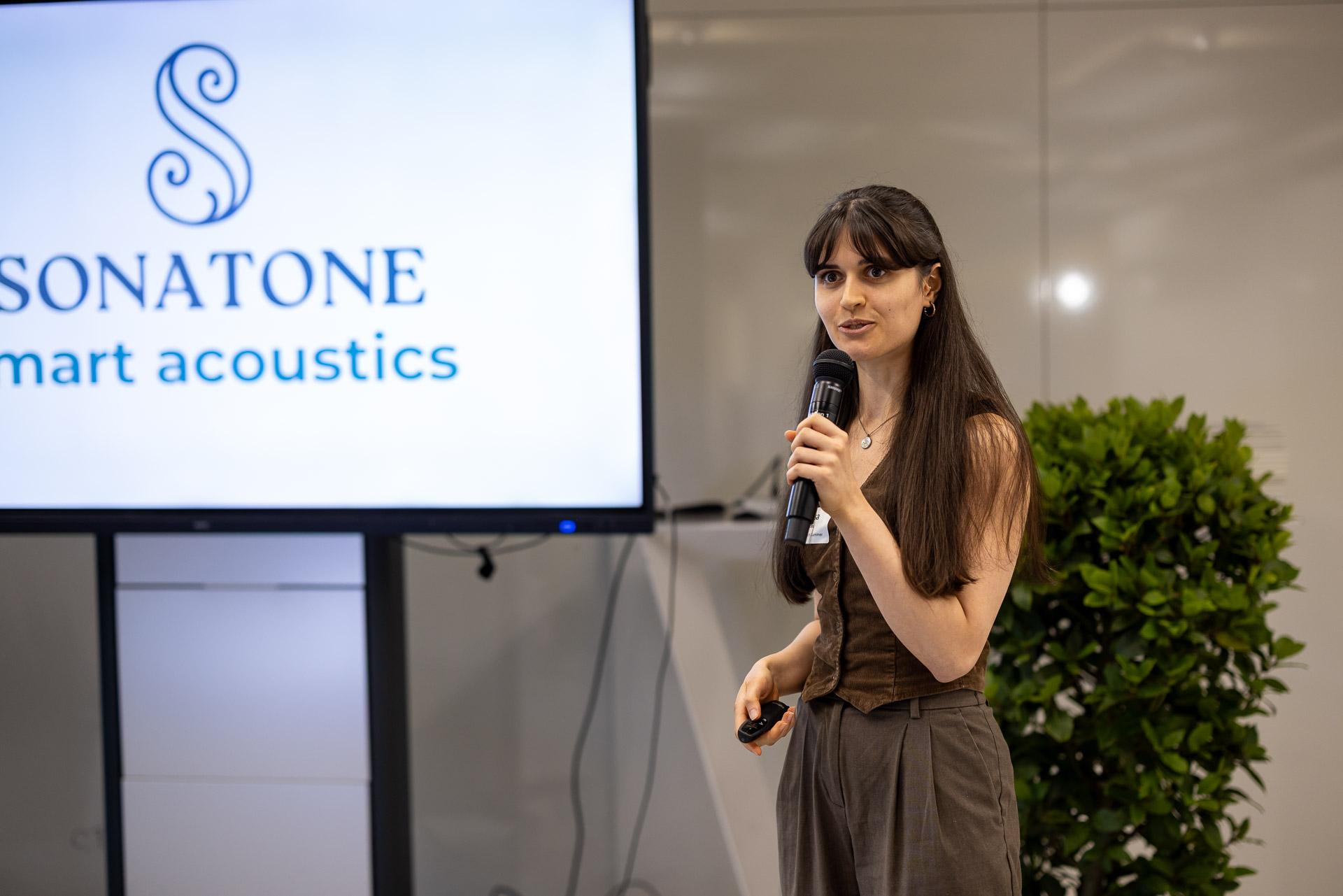
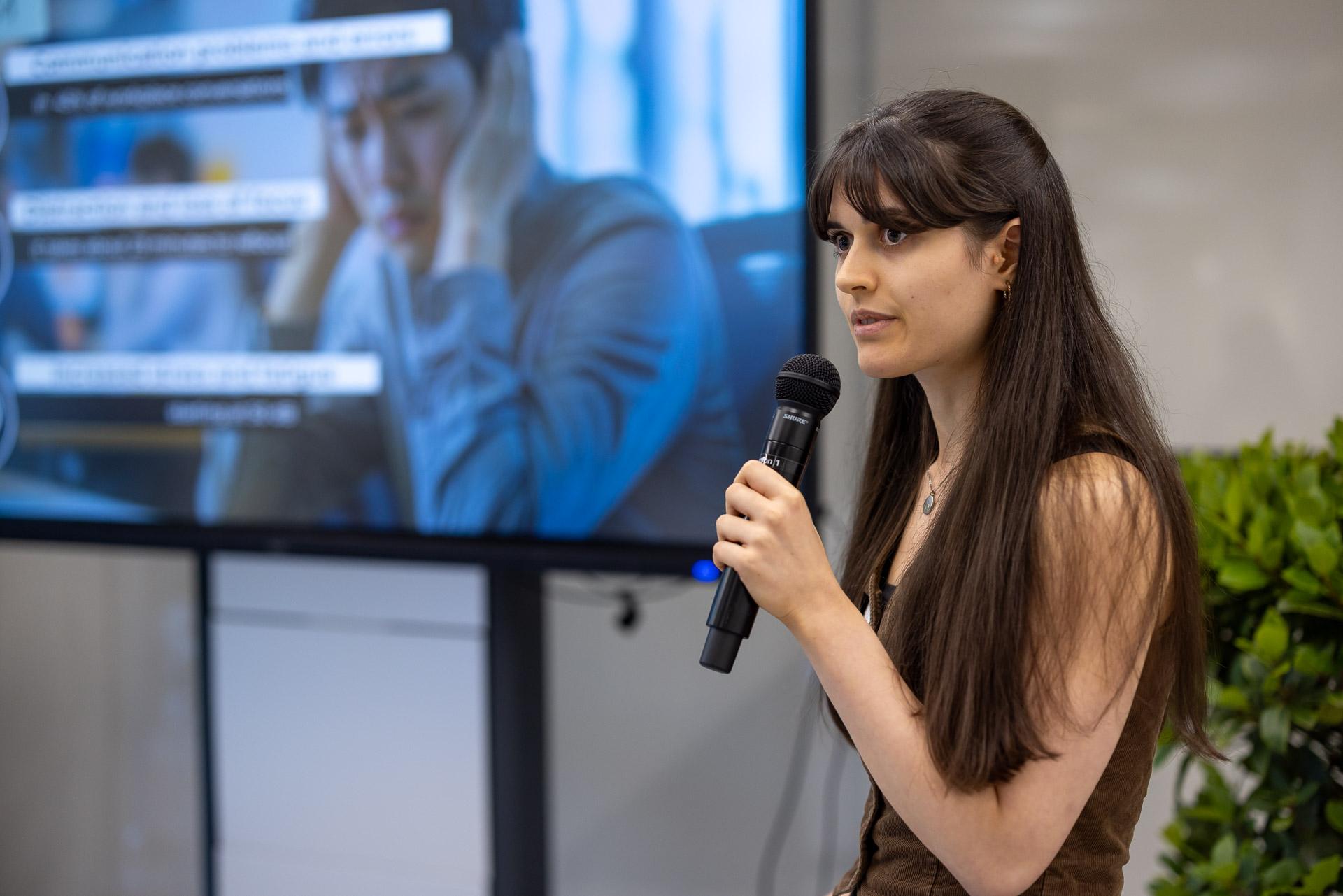
Sonatone
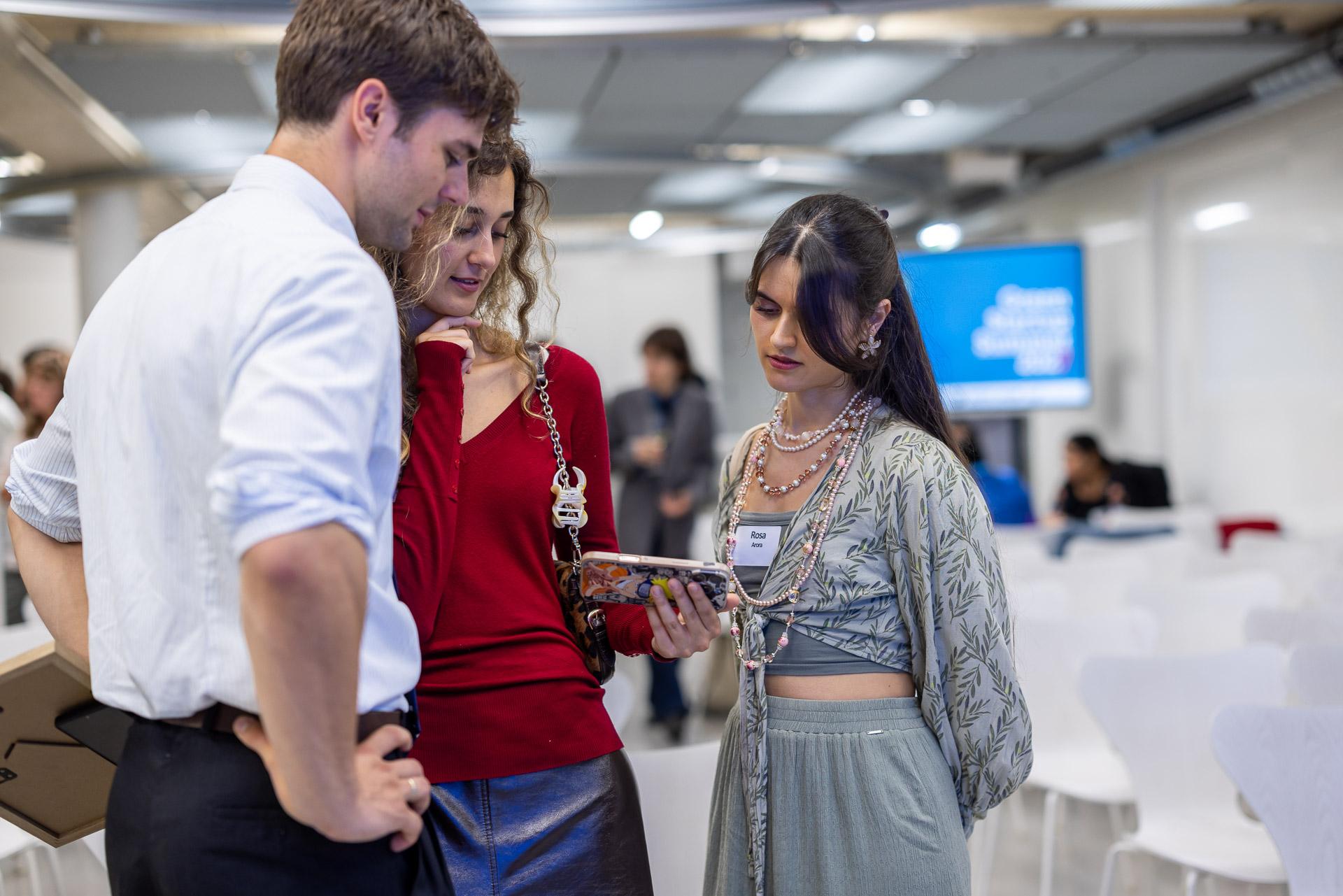
Rosa Arora
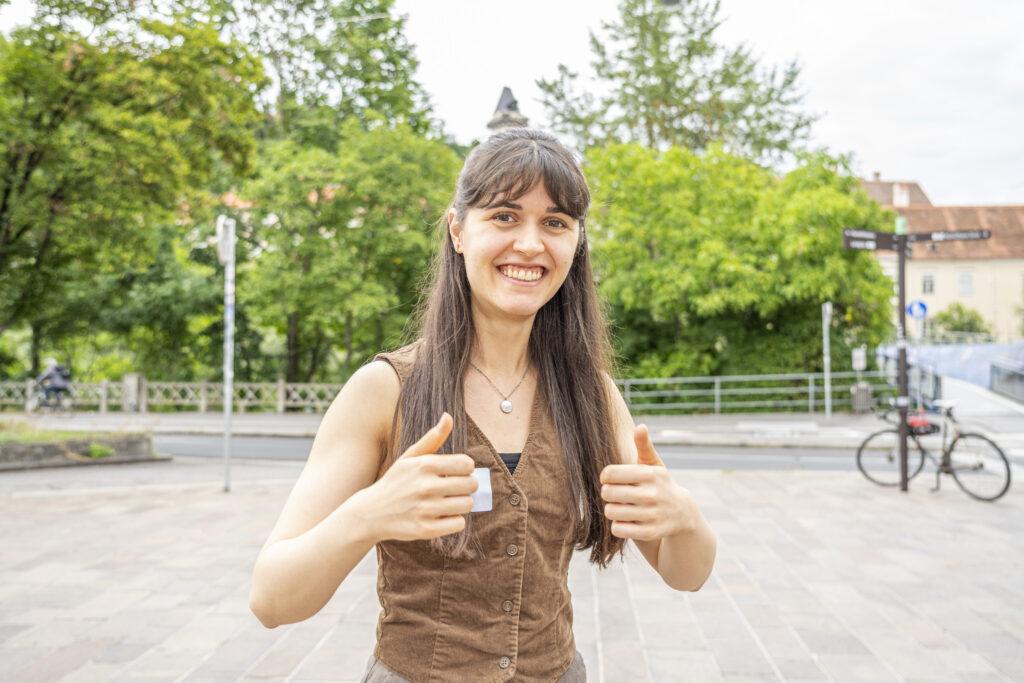
Sonatone is pioneering a new generation of sustainable acoustic elements made entirely from recycled cotton textile waste. Our mission is to transform discarded fabrics into functional, design-forward acoustic panels that improve comfort, reduce noise, and support a healthier planet. Unlike conventional soundproofing products that rely on plastics or synthetic fibers, our panels are 100% plastic-free and crafted with a circular mindset. By giving textile waste a second life, we not only reduce landfill impact but also provide a natural, breathable alternative that blends seamlessly into modern spaces. We are currently developing our first line of acoustic solutions, designed specifically for coworking spaces, offices, restaurants, and public venues where noise control and aesthetics matter most. Our vision is to help businesses create quieter, more productive environments while aligning with their sustainability goals. As we move foward, we are actively seeking partnerships with forward-thinking organizations that value both design and environmental responsibility. Together, we can shape the future of acoustics, where sustainability and performance go hand in hand.
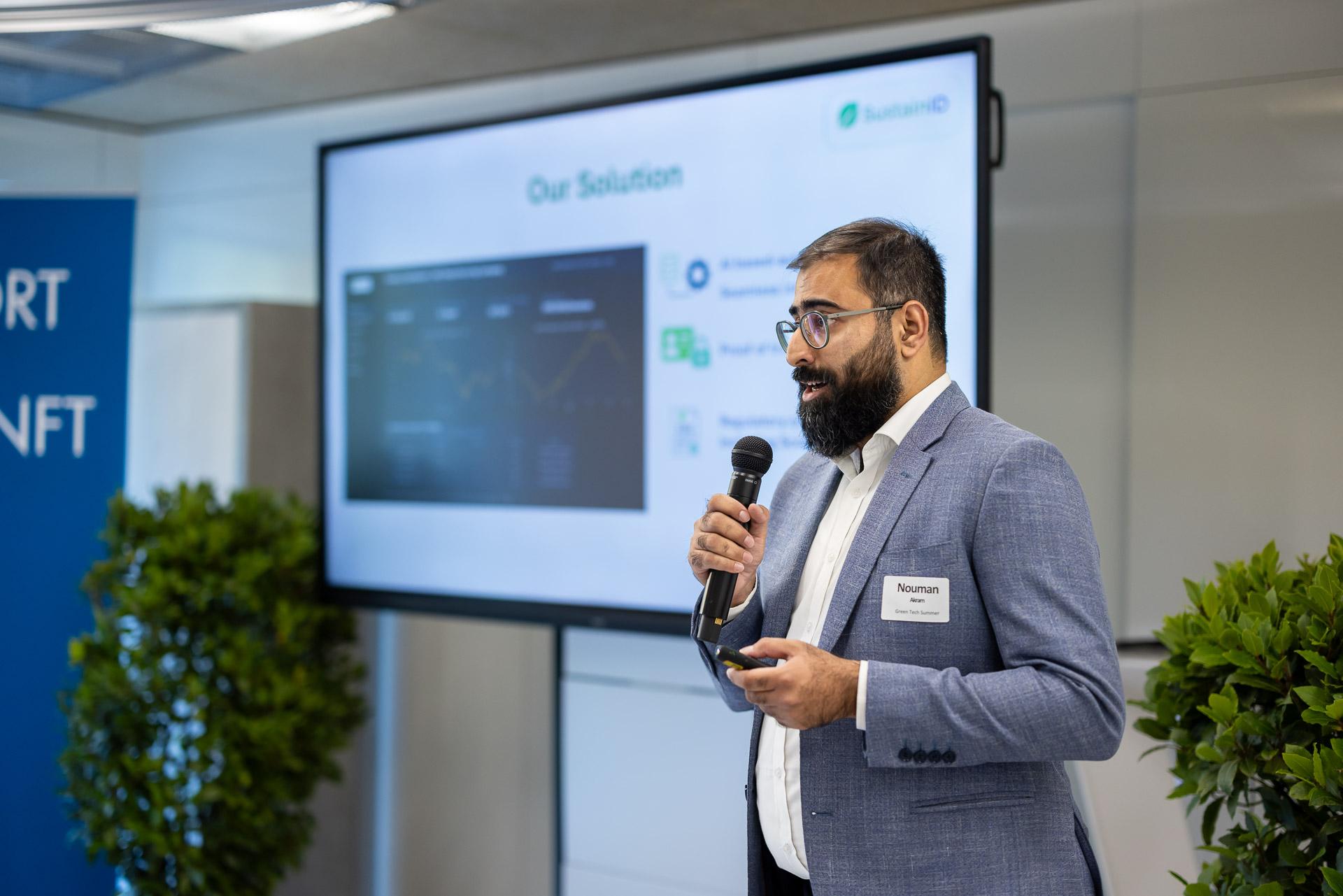
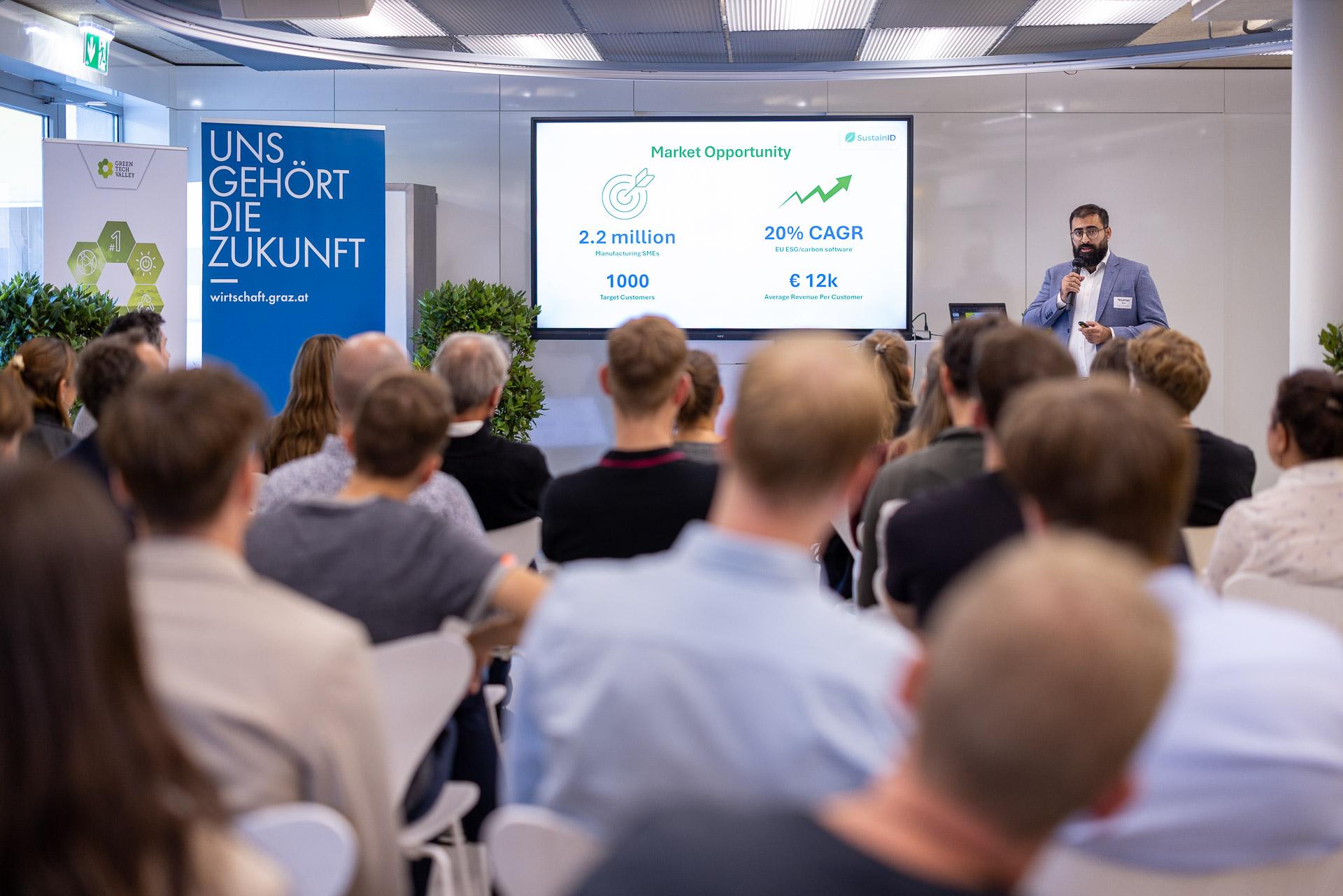
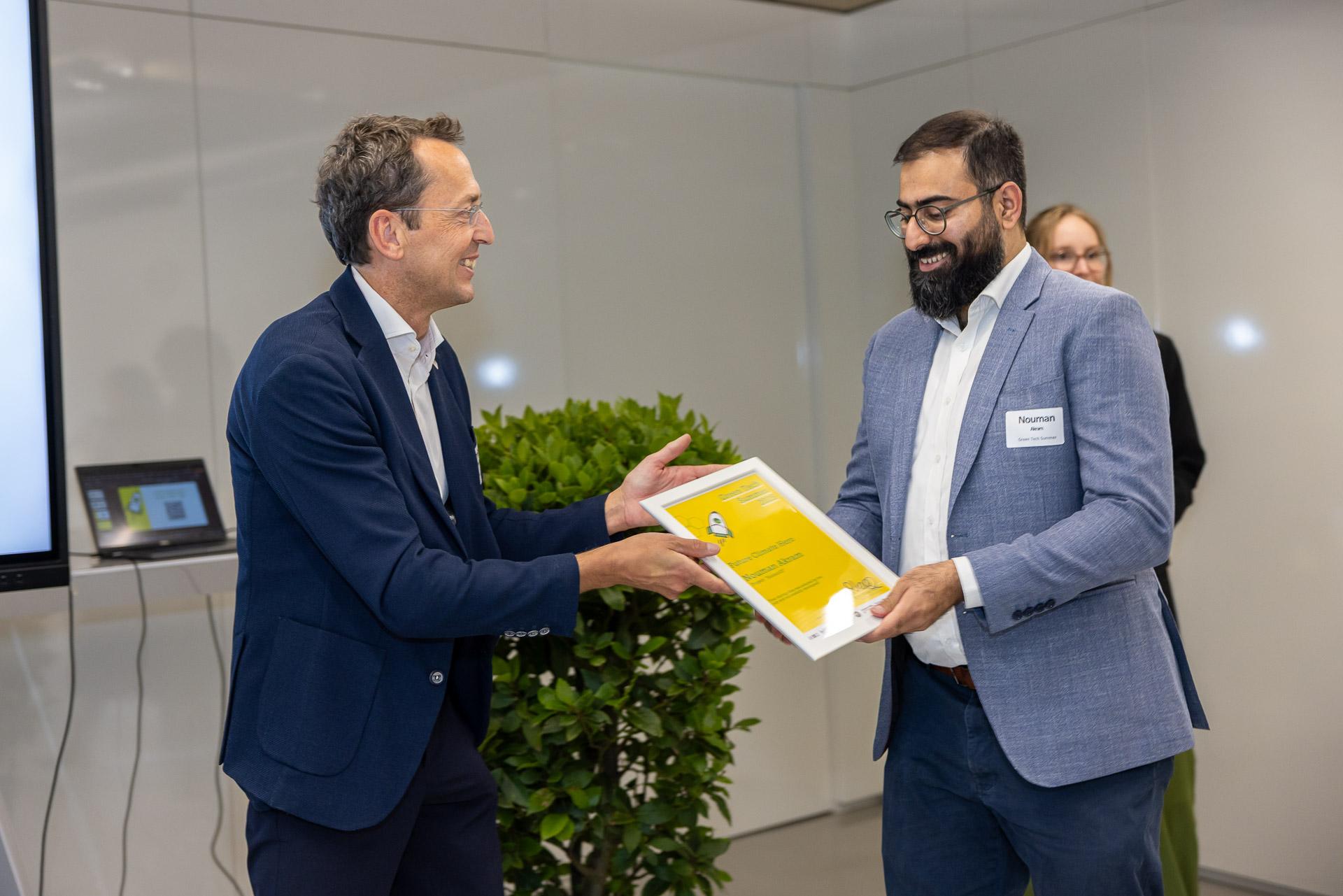
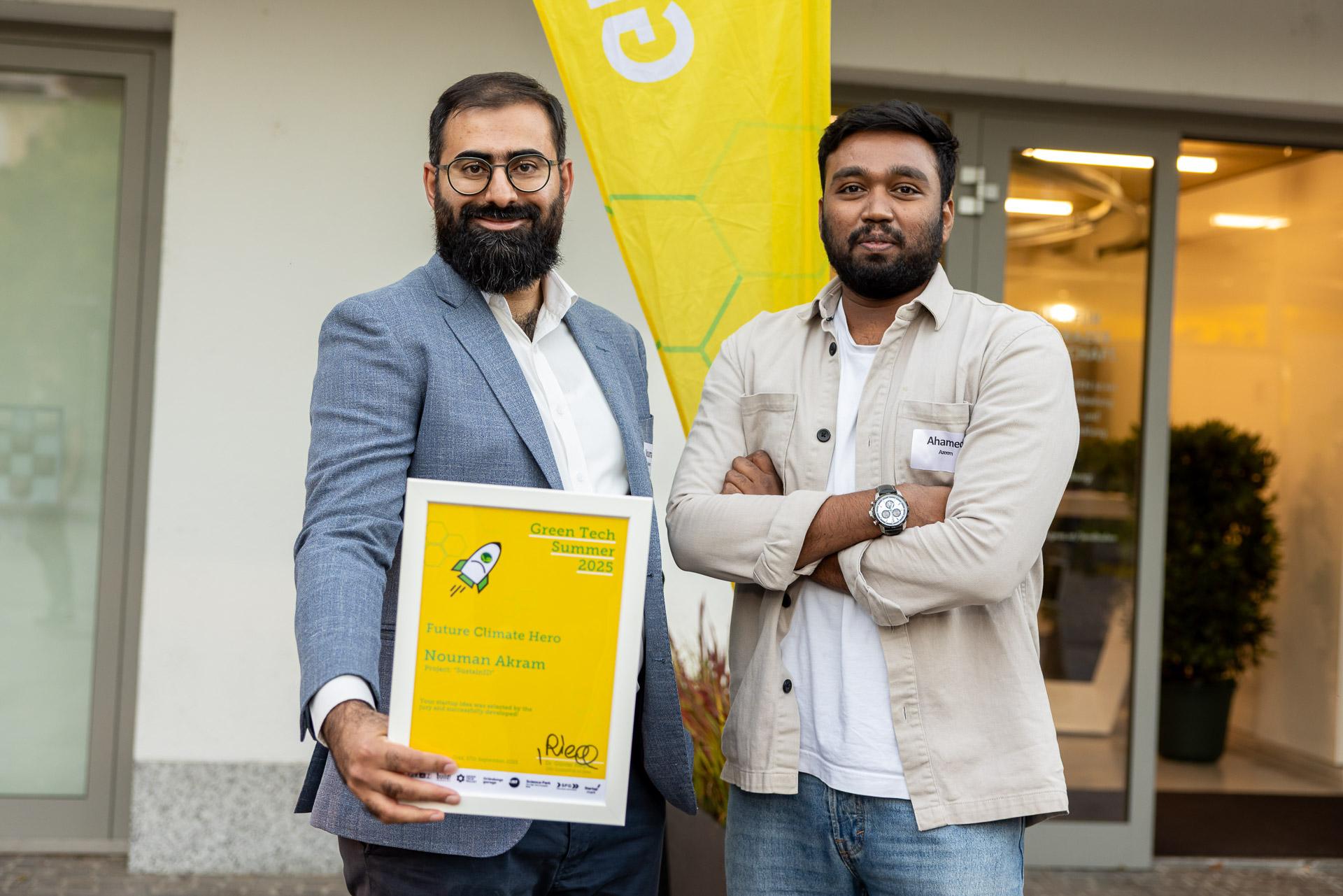
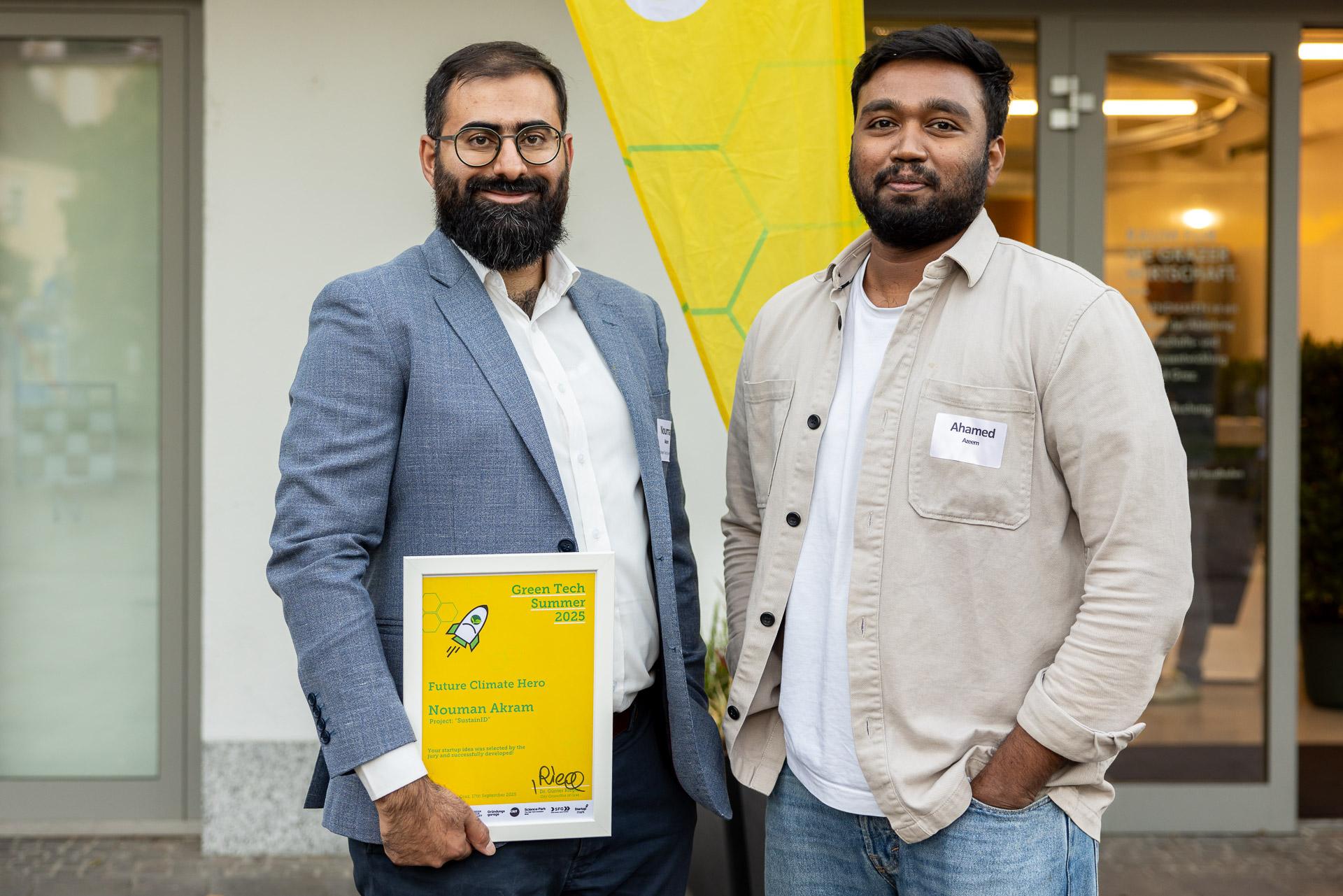
SustainID
Nouman Akram
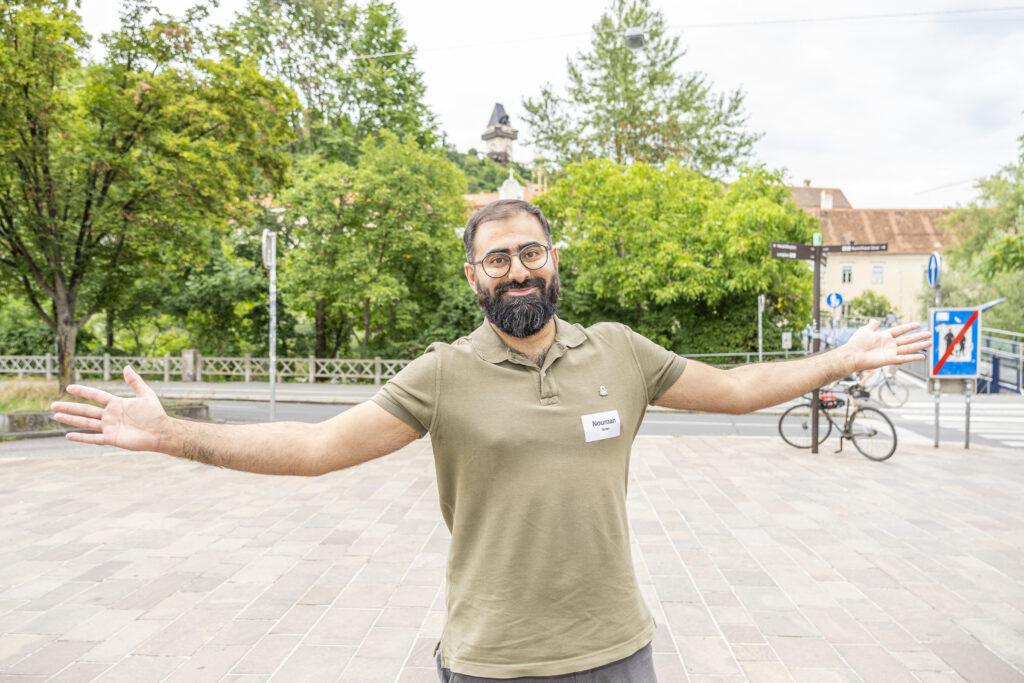
SustainID addresses the urgent need for SMEs to comply with the EU Corporate Sustainability Reporting Directive (CSRD) by 2026/27. Many manufacturing and energy-sector SMEs with over 50 employees still track carbon, energy, and waste data manually across scattered spreadsheets, leading to labor-intensive, error-prone, and risky processes—especially given the sensitivity of proprietary manufacturing data.
The solution is a secure, flexible, and scalable software that integrates digital identity and data encryption to automate the collection, aggregation, and calculation of sustainability metrics. SustainID seamlessly connects with existing ERP systems, IoT sensors, and supplier portals, ensuring data privacy, integrity, and traceability. It restricts access to authorized users only and creates tamper-proof, audit-ready data trails.
By streamlining workflows and generating standardized reports tailored for CSRD submissions, SustainID reduces complexity, saves time, and helps SMEs unlock sustainable finance opportunities. With CSRD deadlines approaching and investor scrutiny rising, SustainID equips SMEs and consultants to confidently meet evolving EU sustainability requirements cost-effectively.
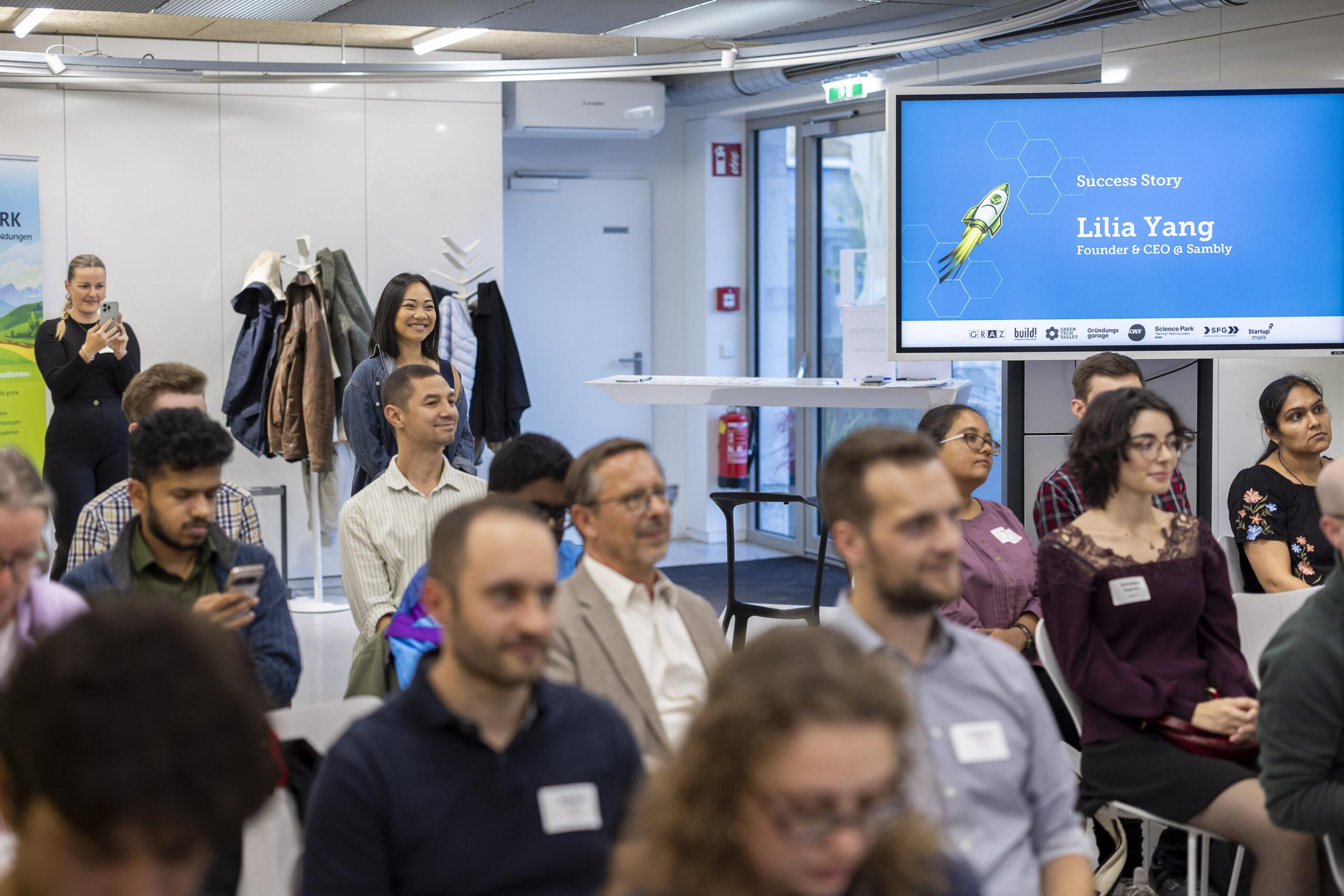
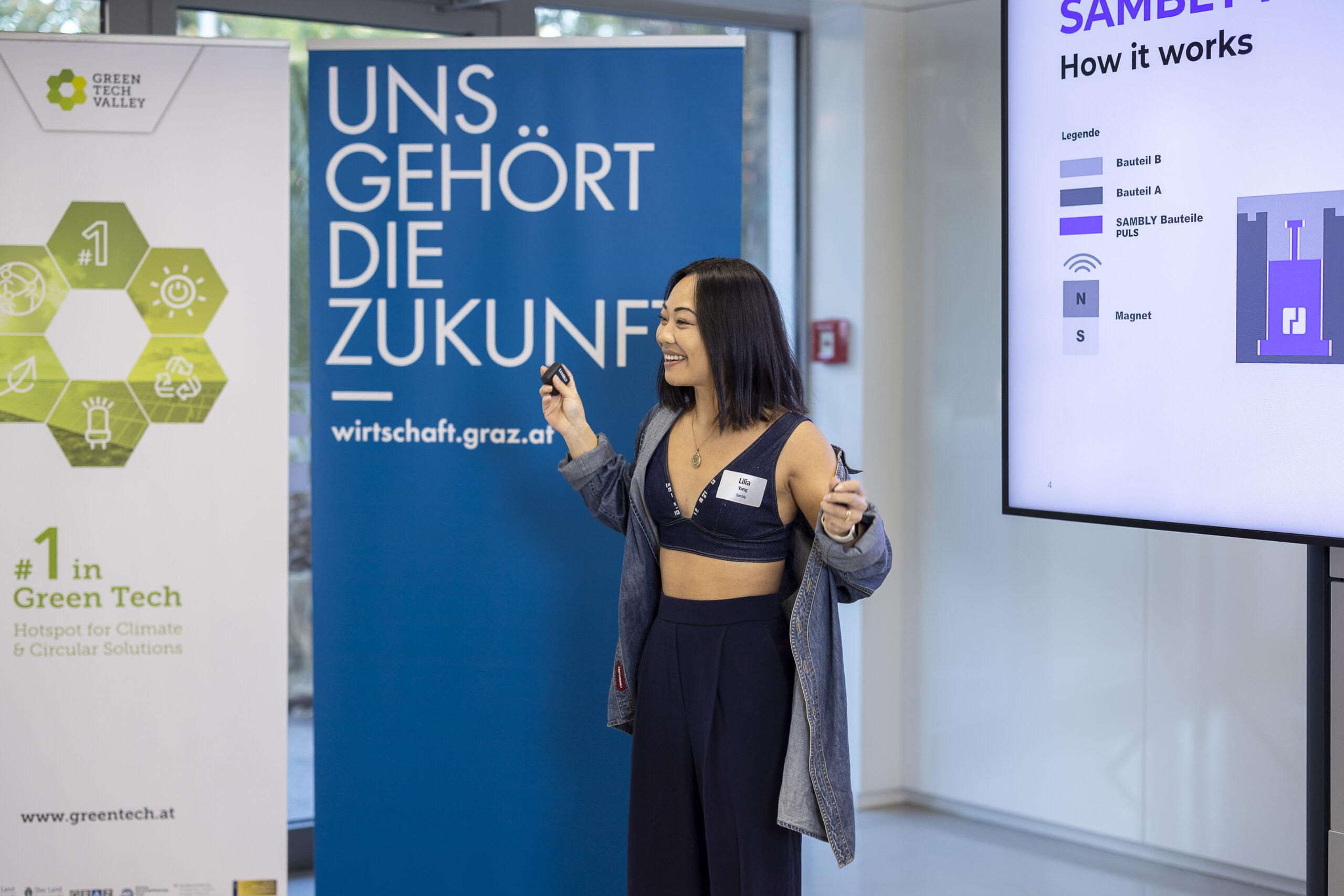
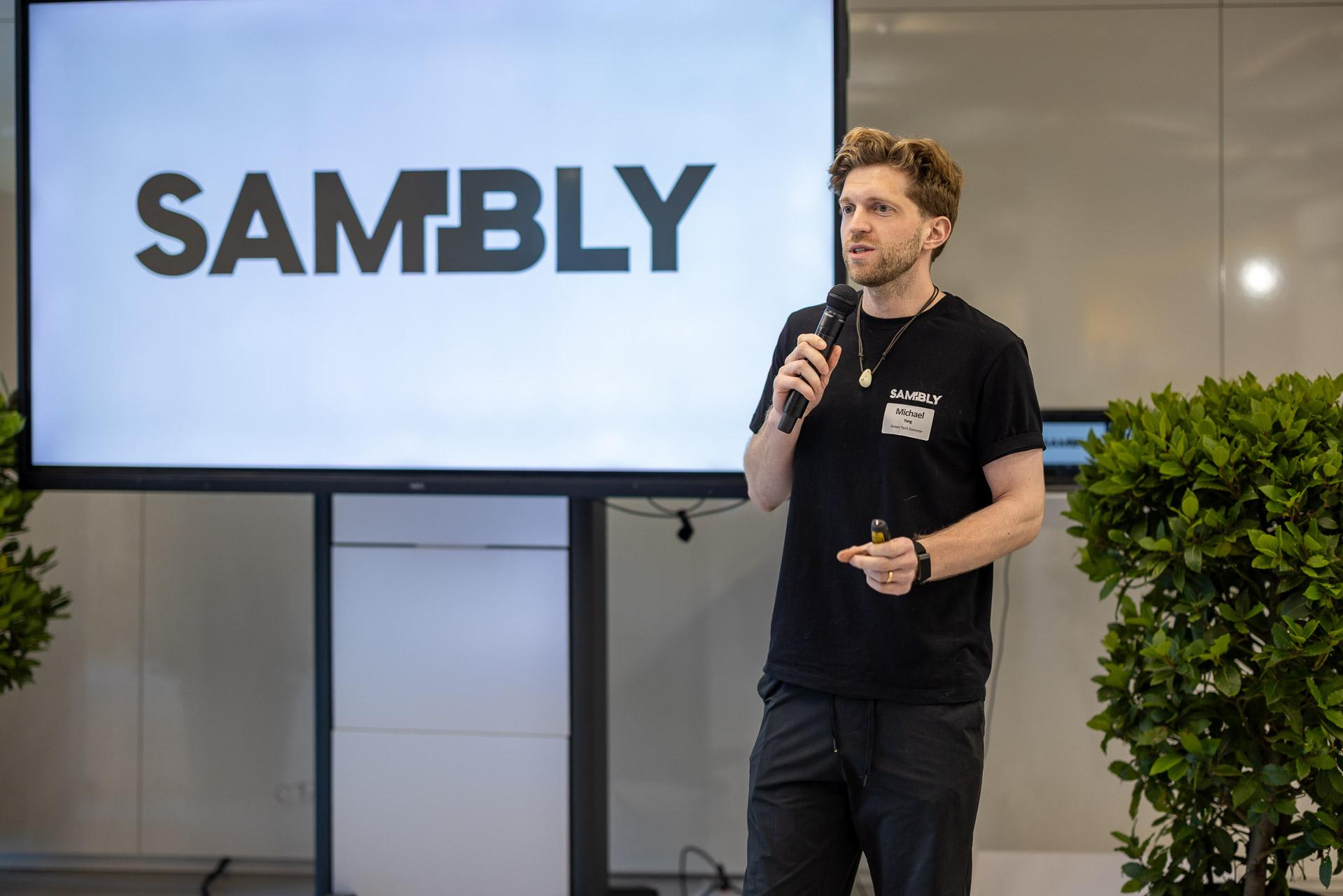
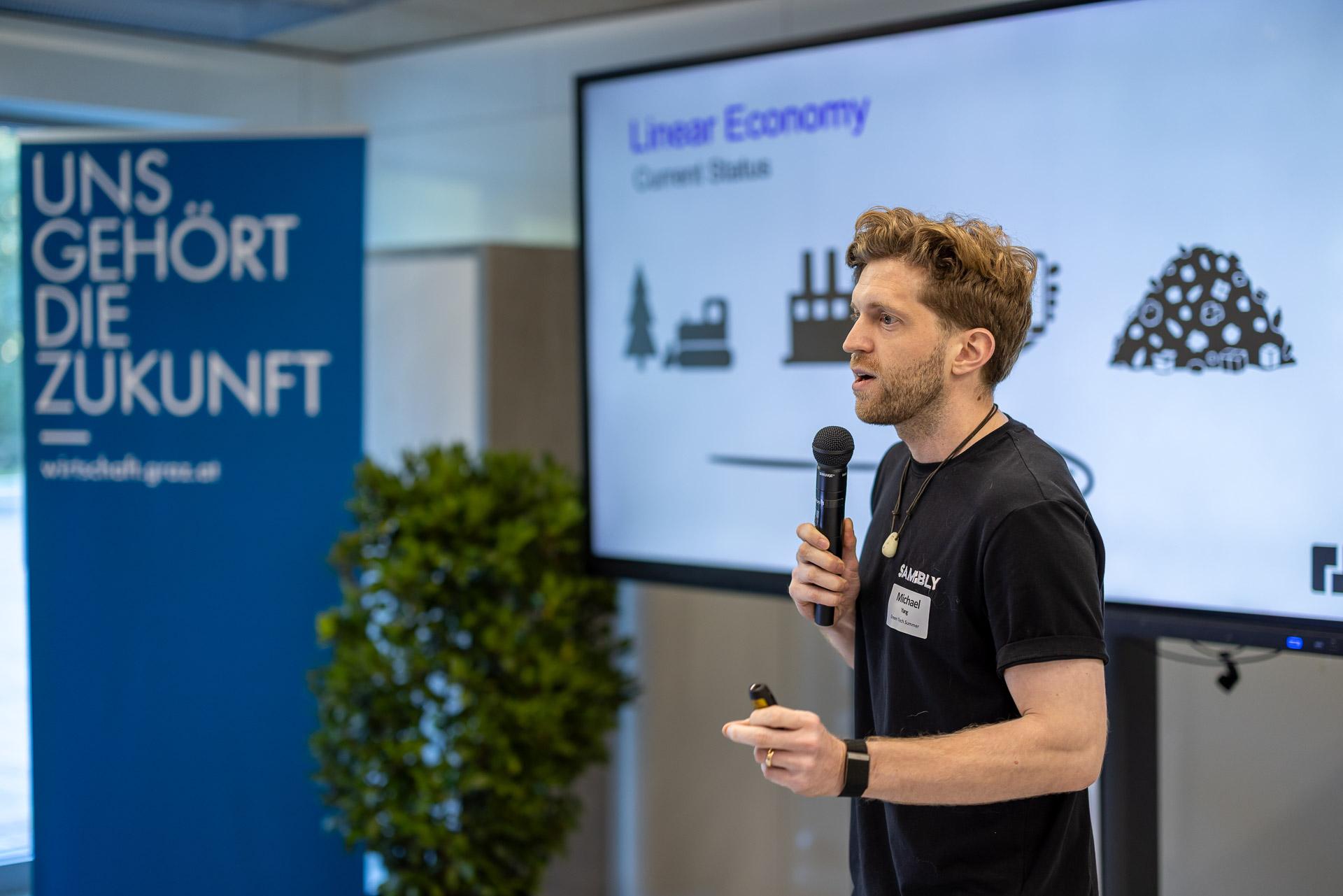
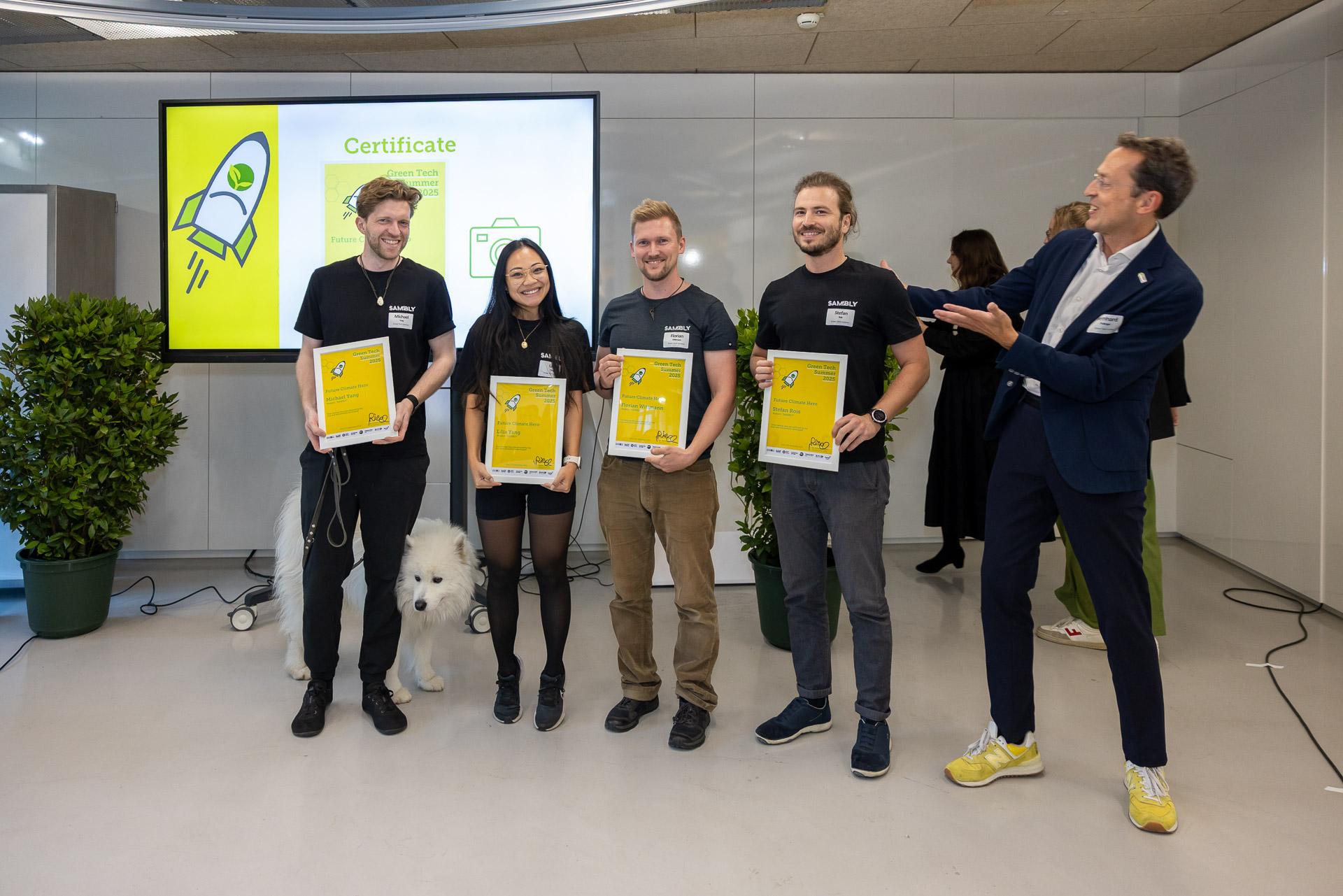
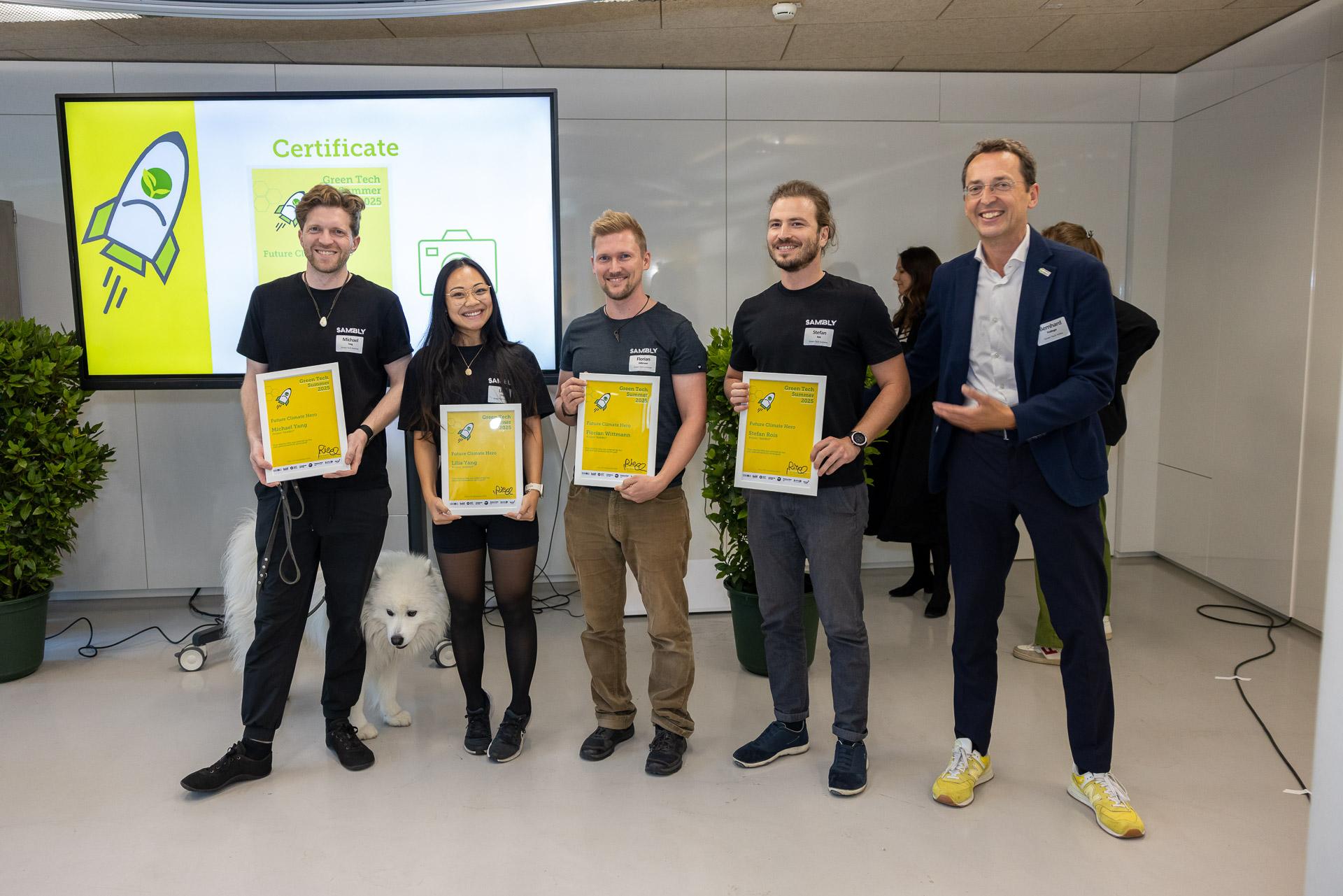
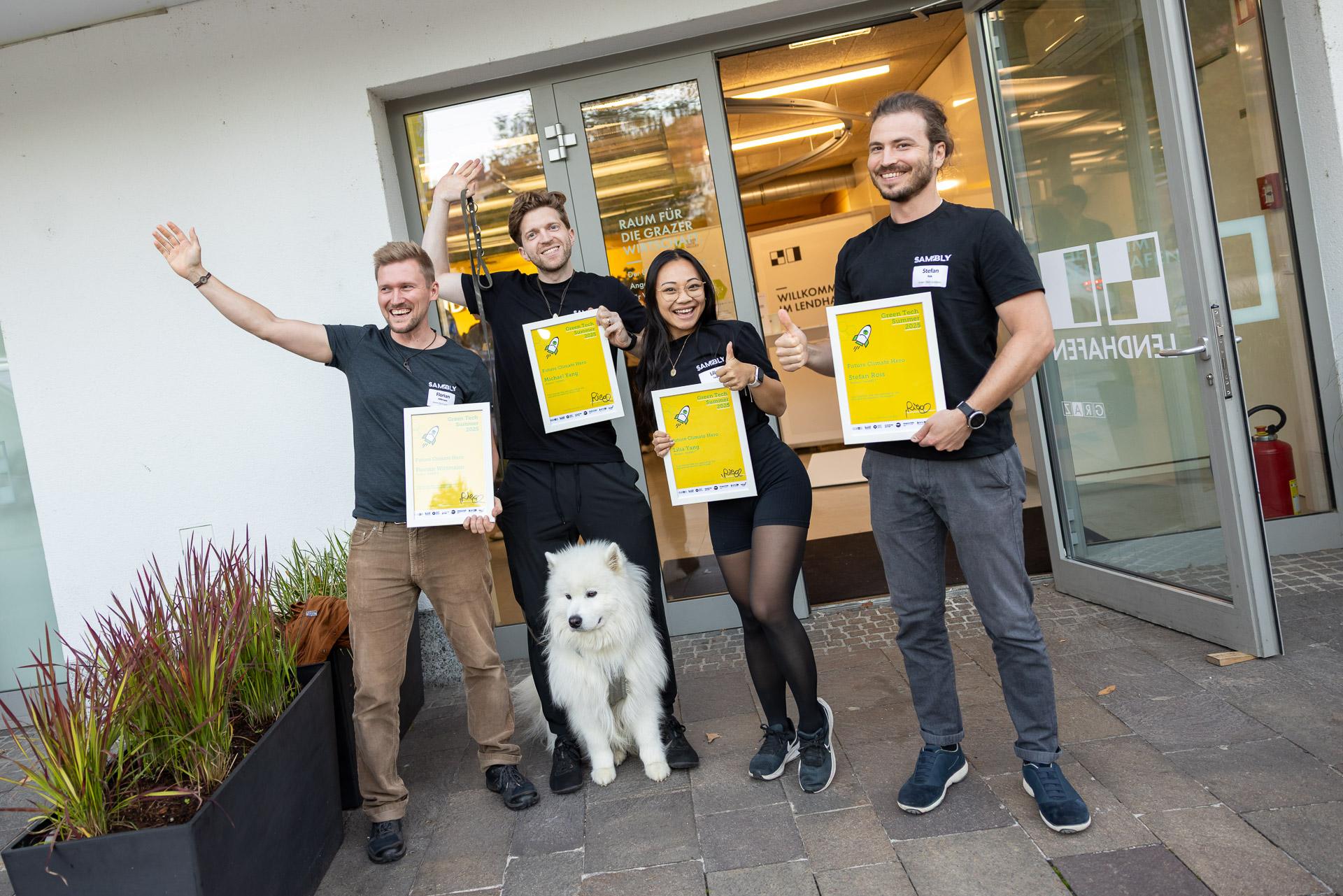
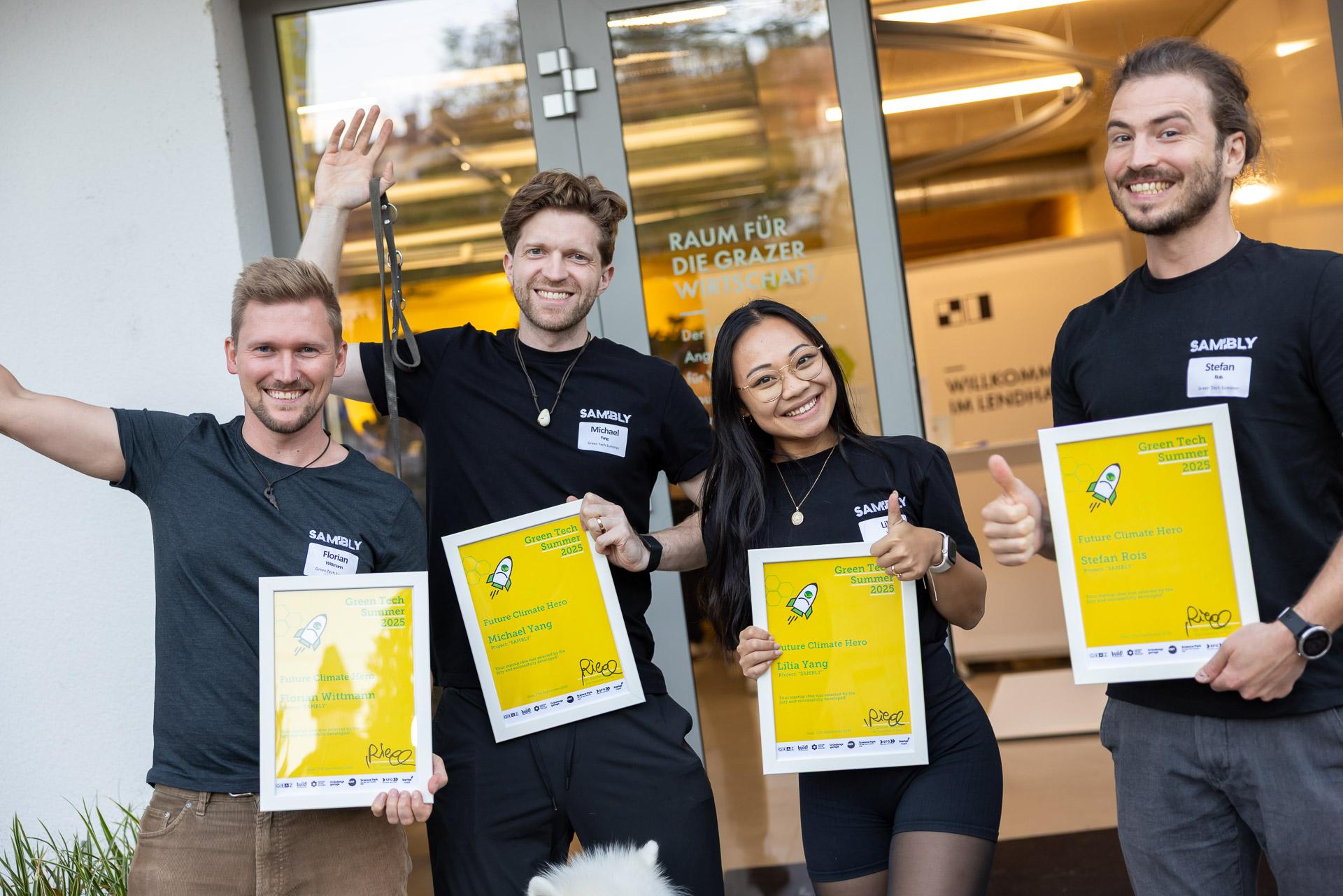
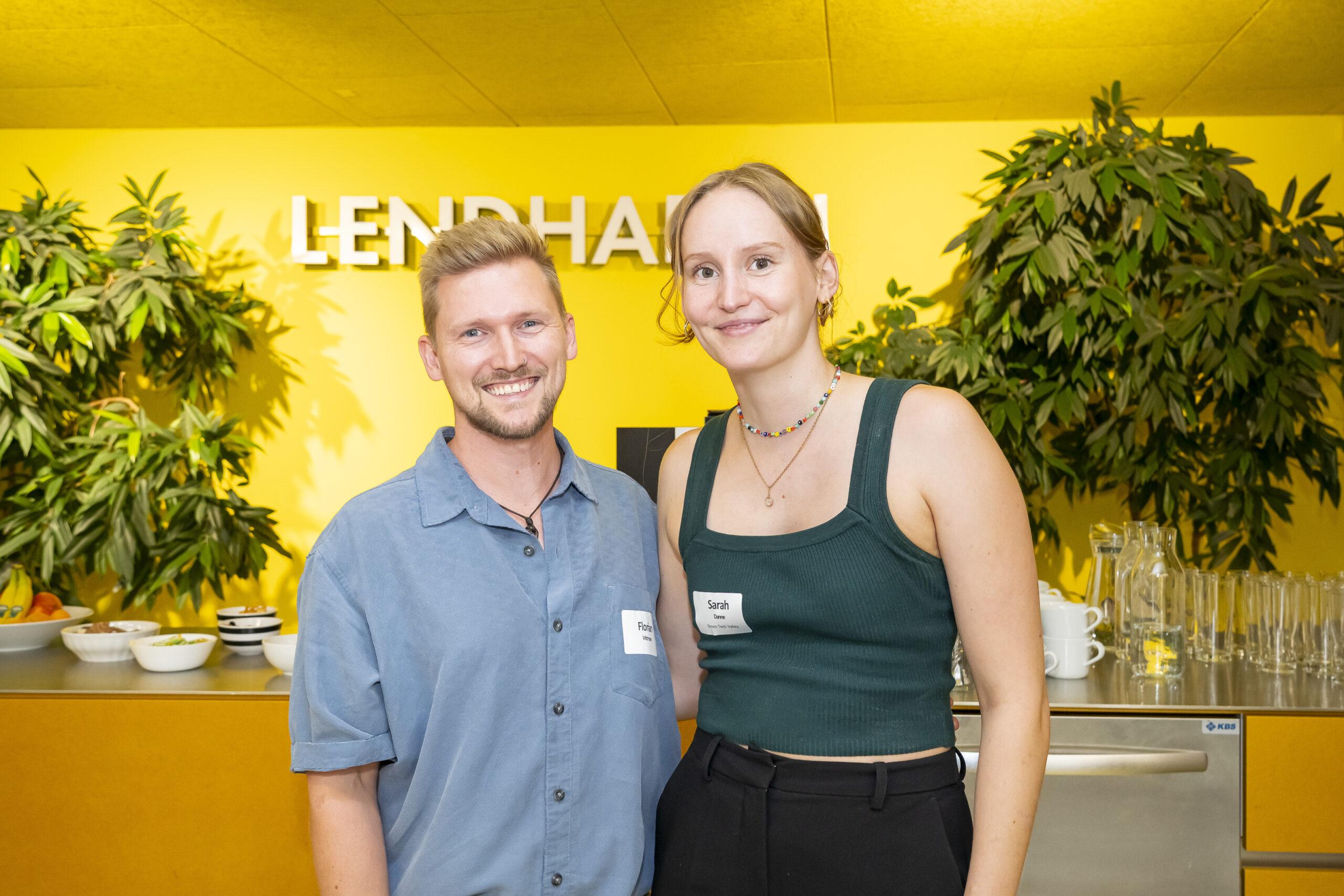
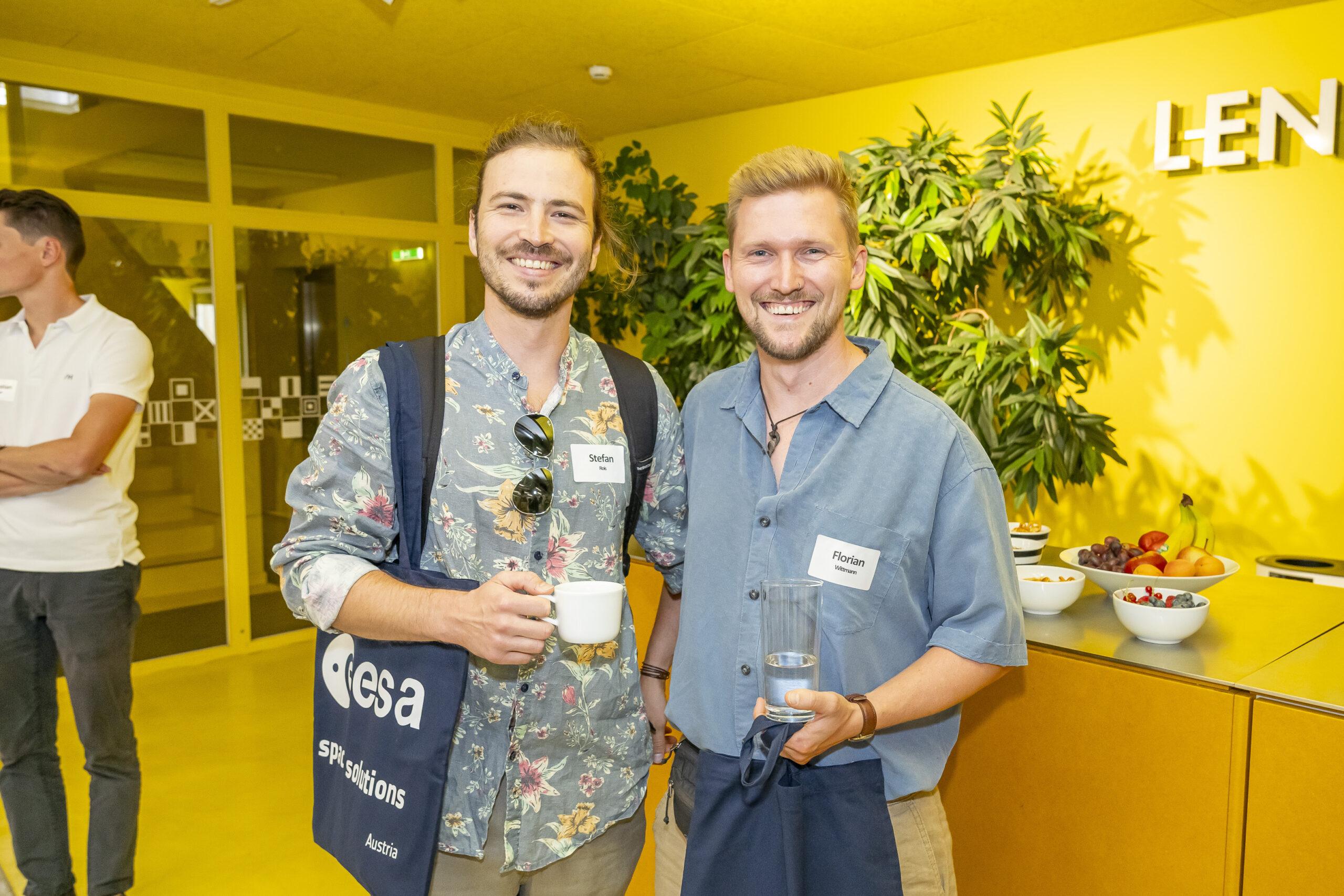
Sambly
Florian Wittmann (l.)
Lilia & Michael Yang
Stefan Rois (r.)

We are developing a screw alternative that enables small electronic device housings to be opened within seconds, cutting assembly and disassembly costs and improving sustainability throughout the product lifecycle.
With rising electronic waste and costly repairs in high-wage countries, premature disposal is common. Recycling is also time-consuming, expensive, and energy-intensive.
Our primary targets are electronics manufacturers seeking cost savings and circular economy integration, recycling and repair businesses wanting more efficient e-waste processing, and end-users or repair enthusiasts who benefit from easier DIY repairs.
We validate demand by analyzing high-impact products. For example, Bosch power tools generate €8.1 billion annually, producing 81 million units. With the EU’s CO2 tax projected at €65/ton by 2026, our solution could save Bosch €7 million by avoiding 162,000 tons of CO2 emissions through better material recovery.
This demonstrates the strong potential of our fastening alternative to enable circular design and significantly reduce lifecycle costs at scale.
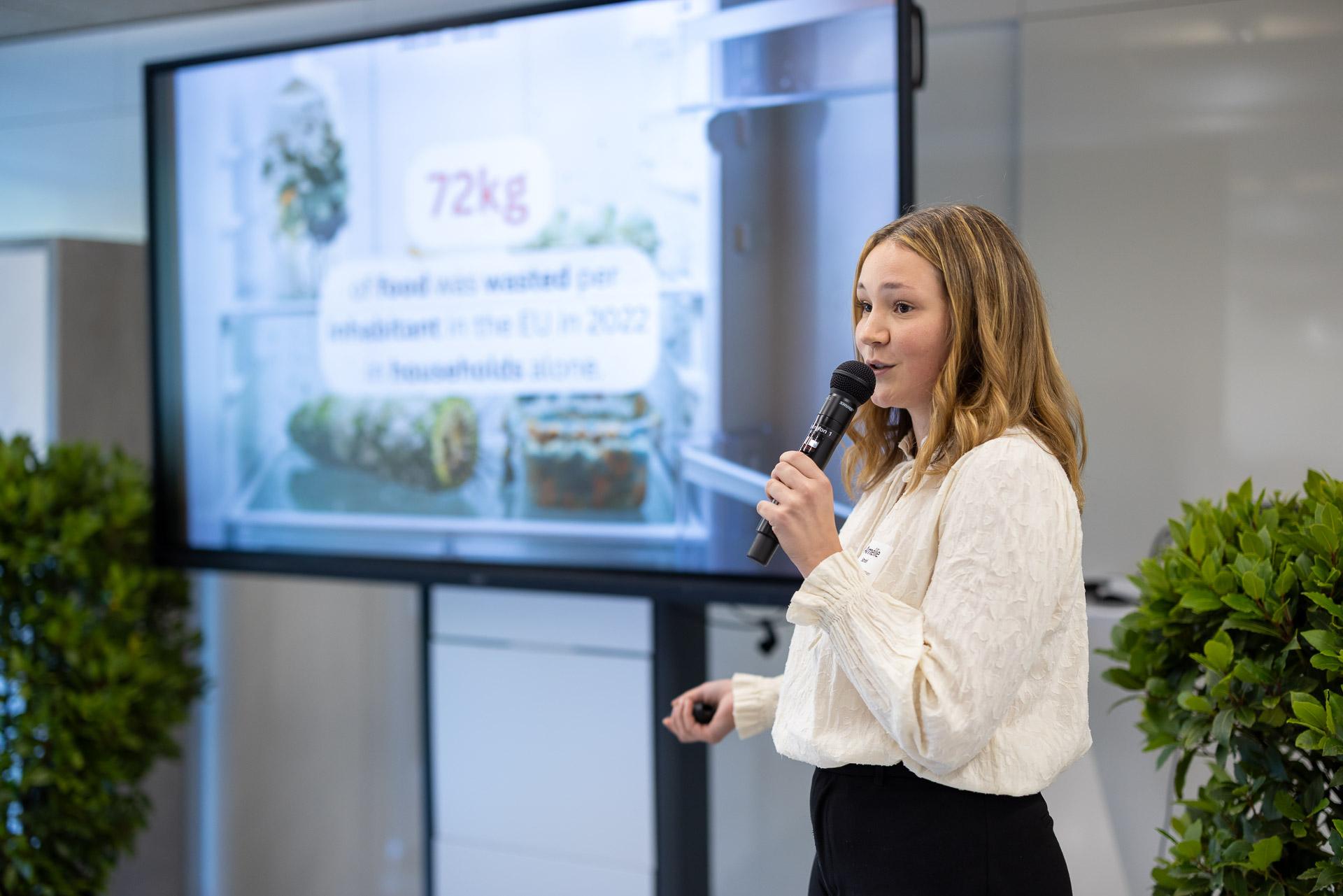
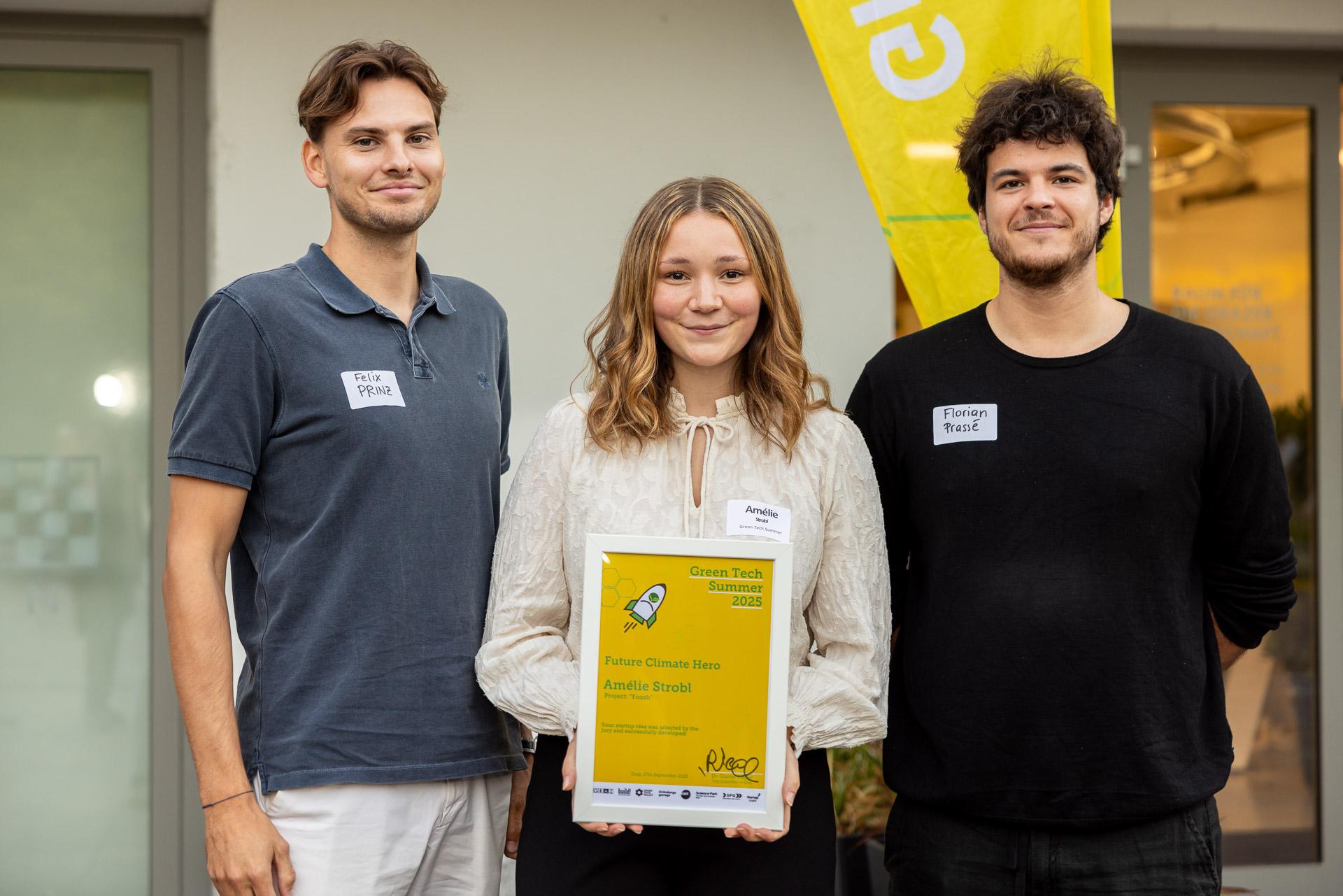
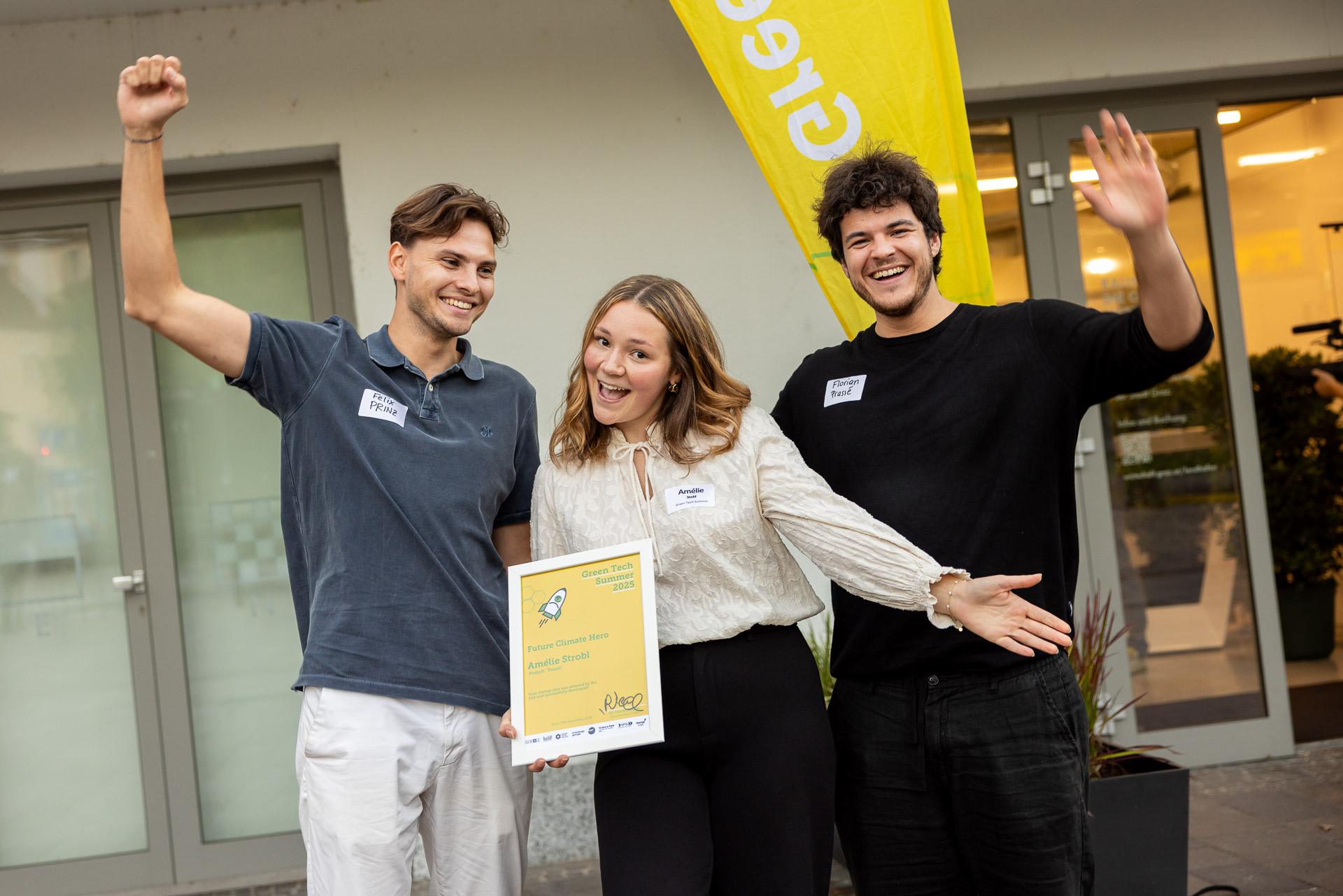
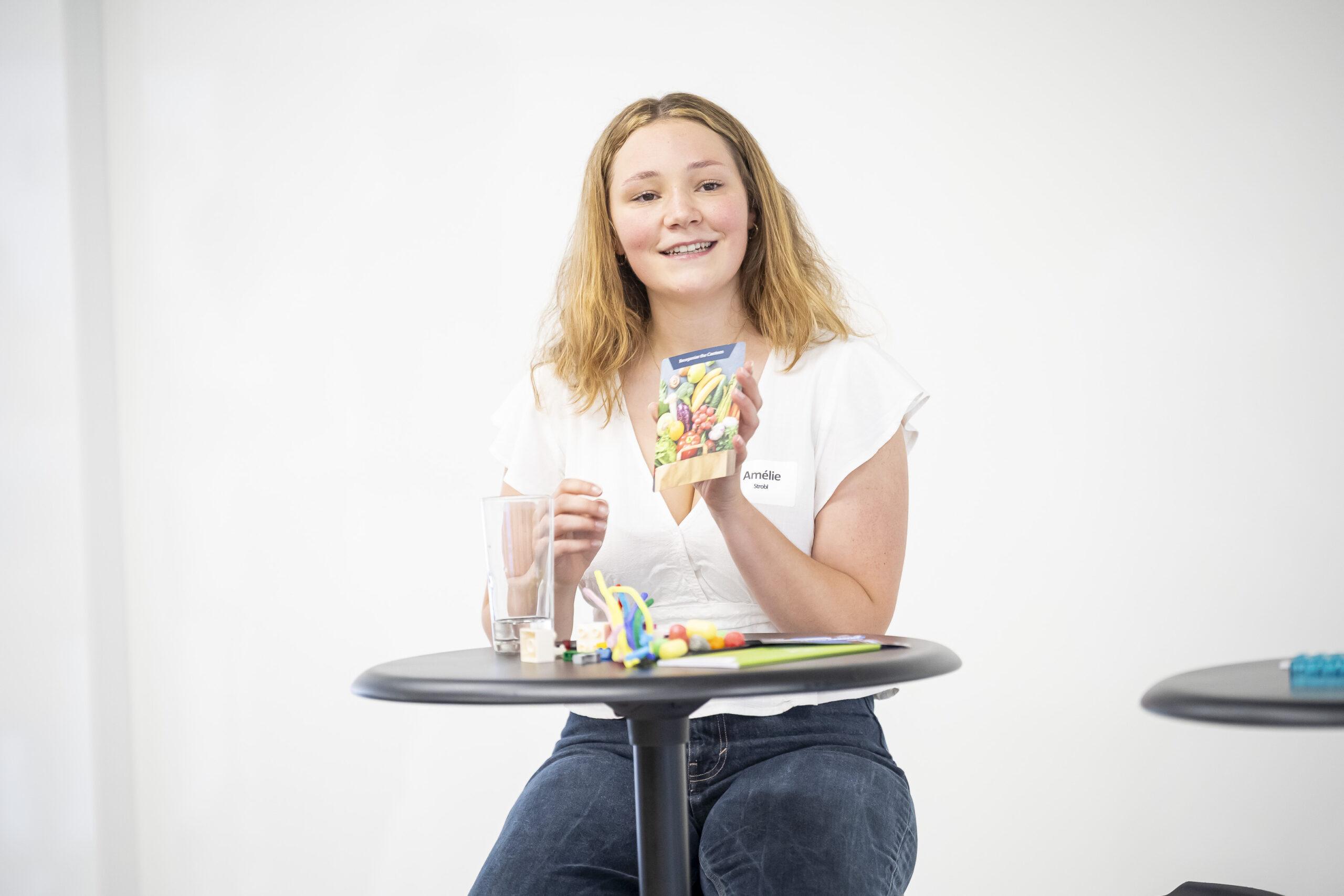
Foosh
Amélie Strobl

Foosh is an easy-to-use application that helps users to drastically limit their food waste by offering AI-generated recipes tailored to the ingredients they already have at home. Users can either add items manually from an extensive list or use our unique “Foosh Lens” to scan and upload their groceries directly into their personal digital pantry, which builds the base for the recipe suggestions. The user can then apply several filters before scrolling through the generated recipes and choosing their favourite – not just very simple, but also budget friendly and most importantly: time-saving!
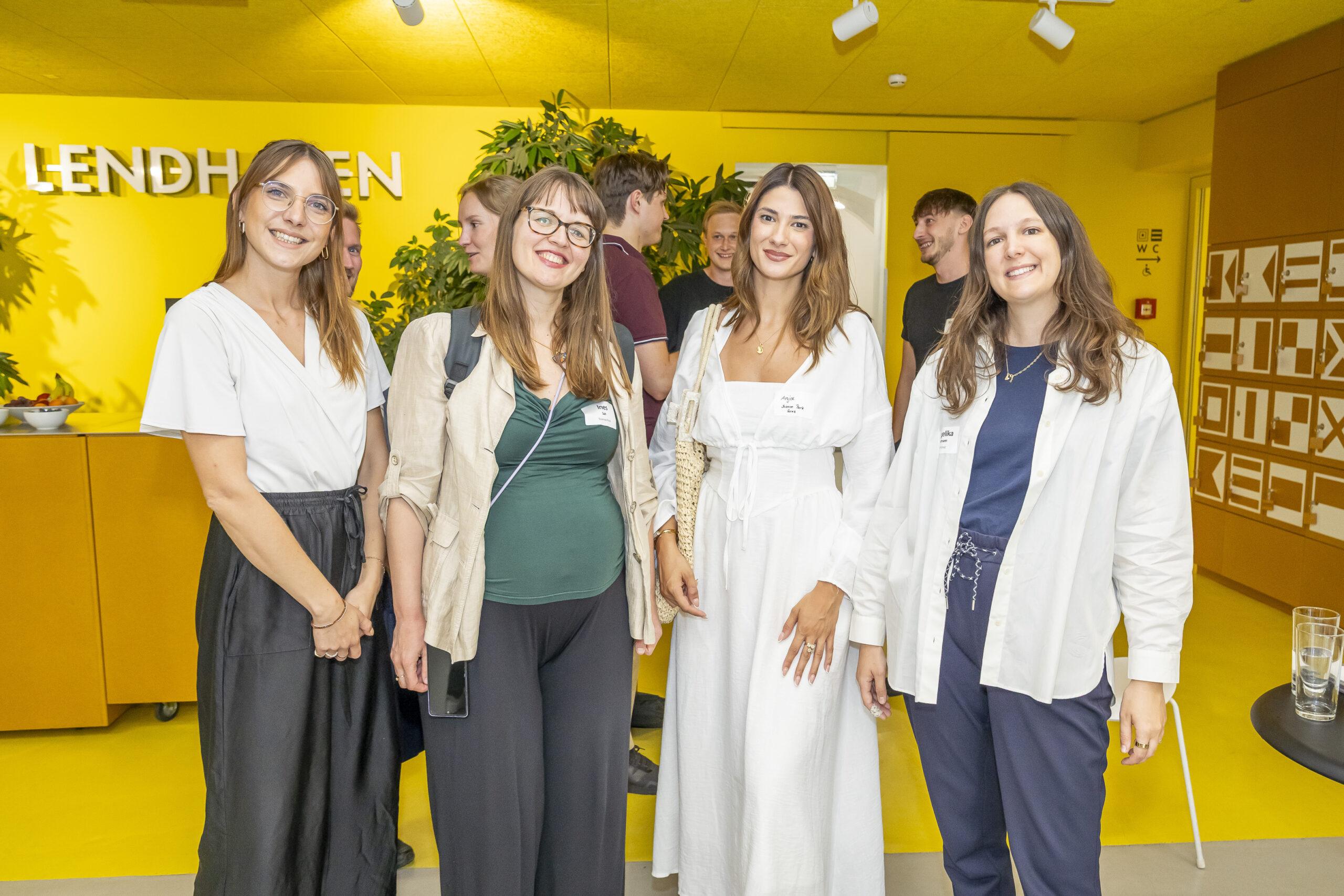
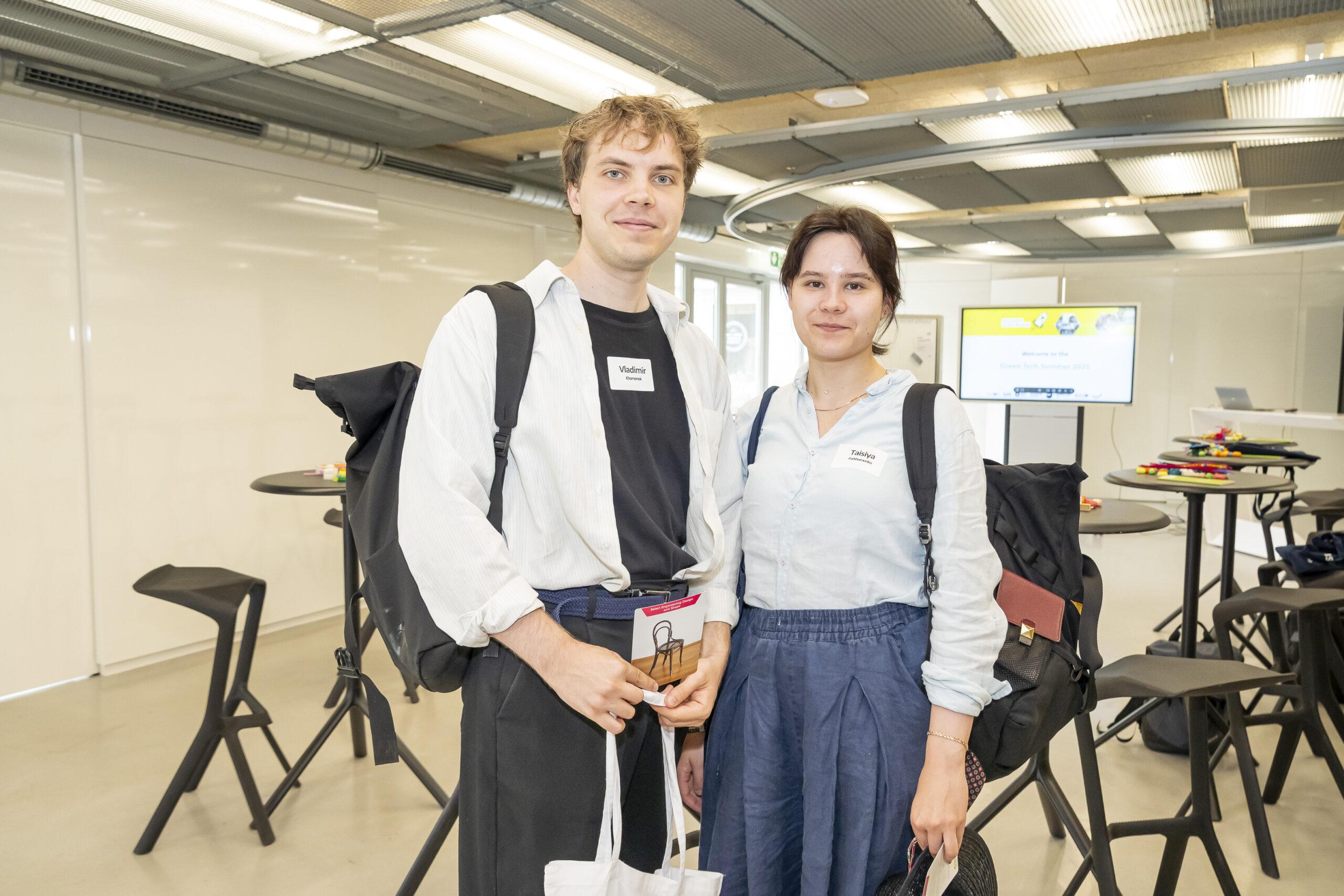
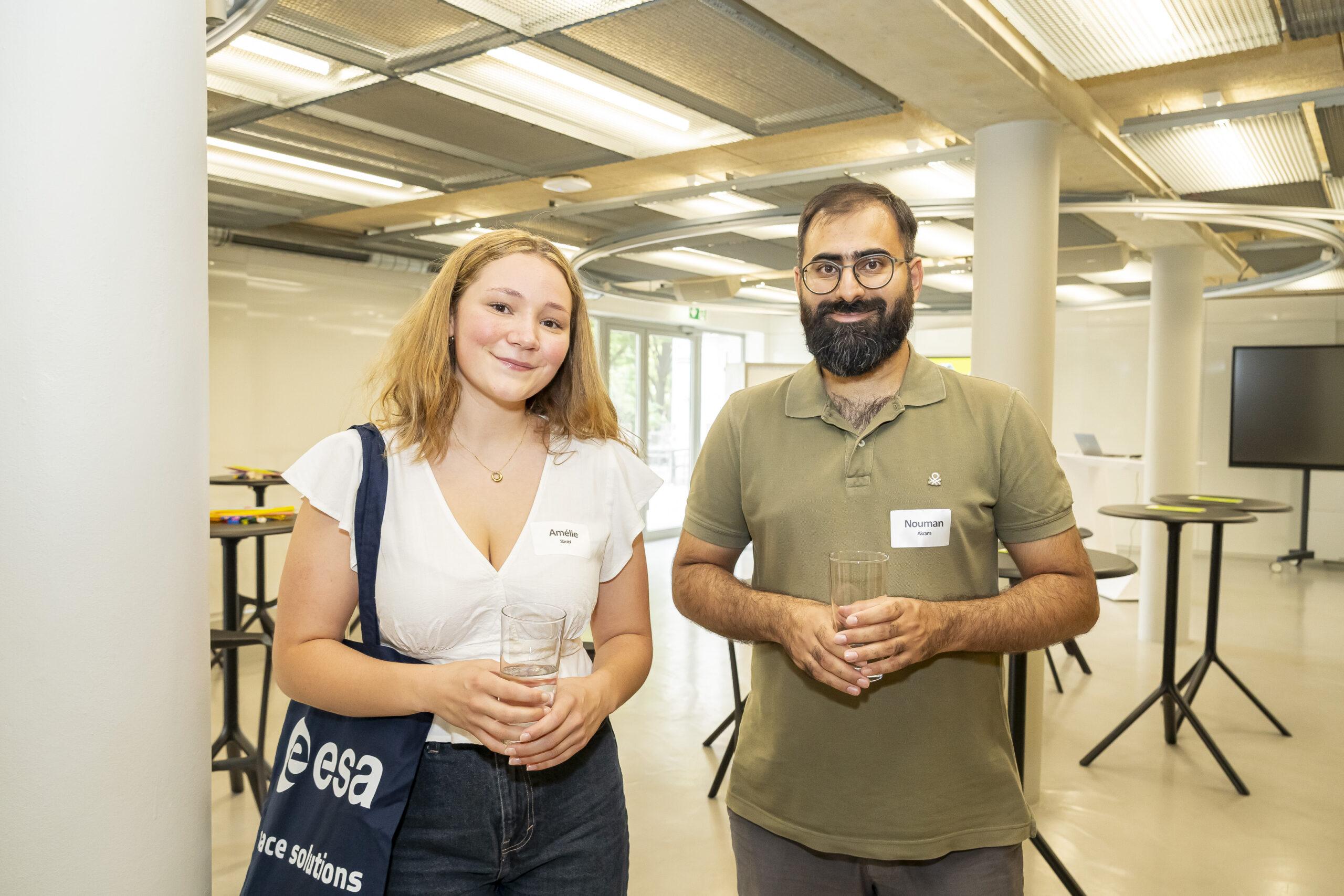
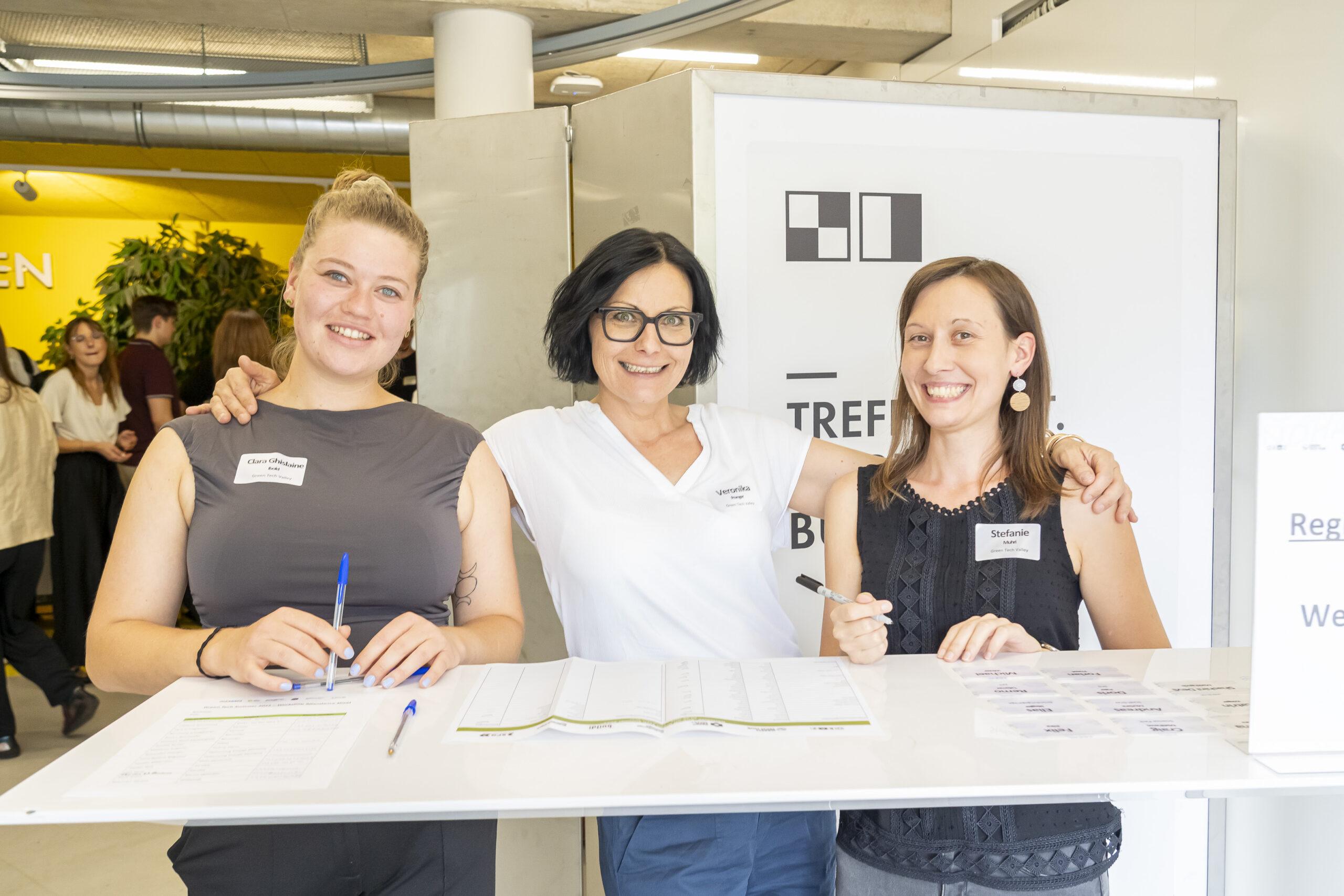
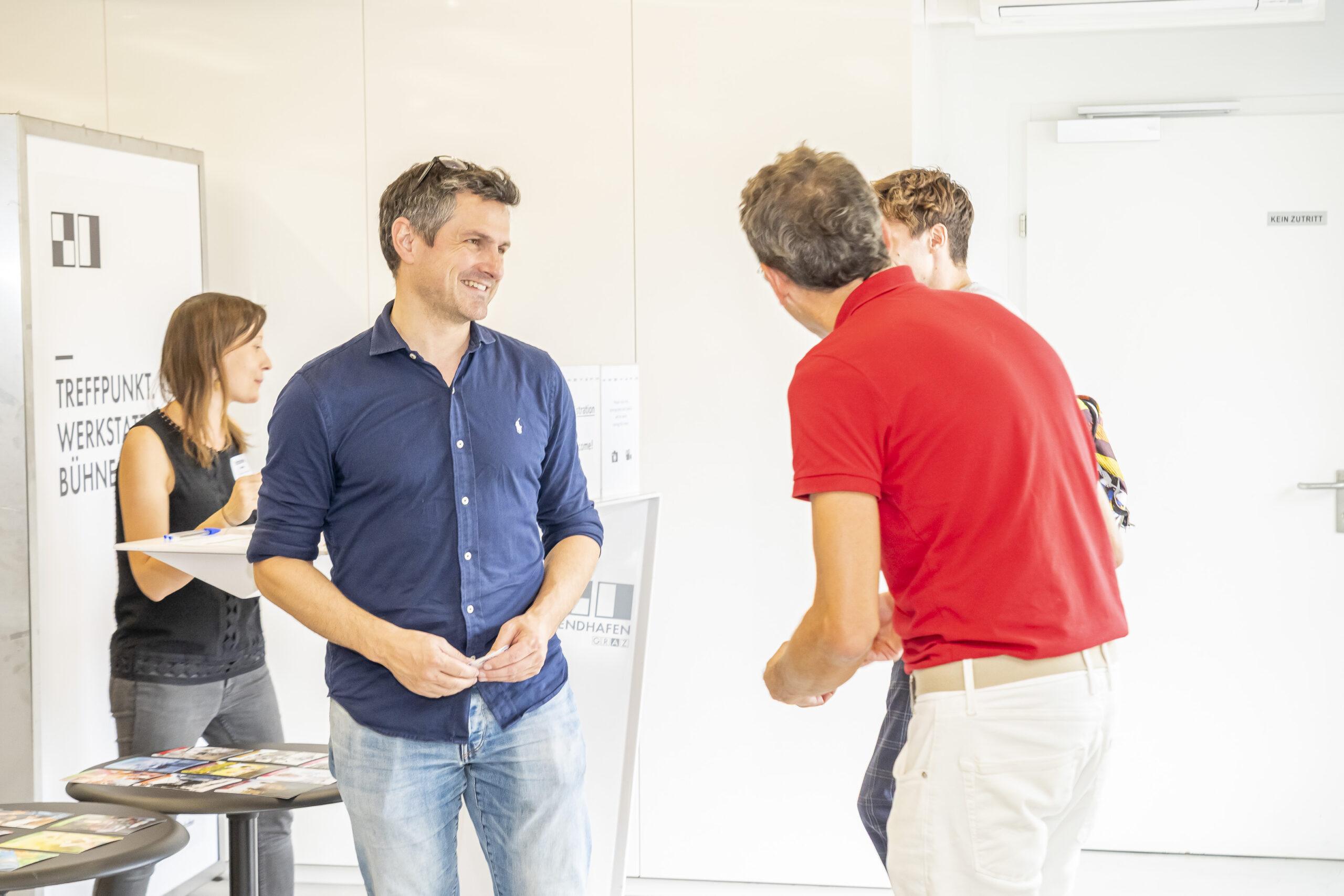
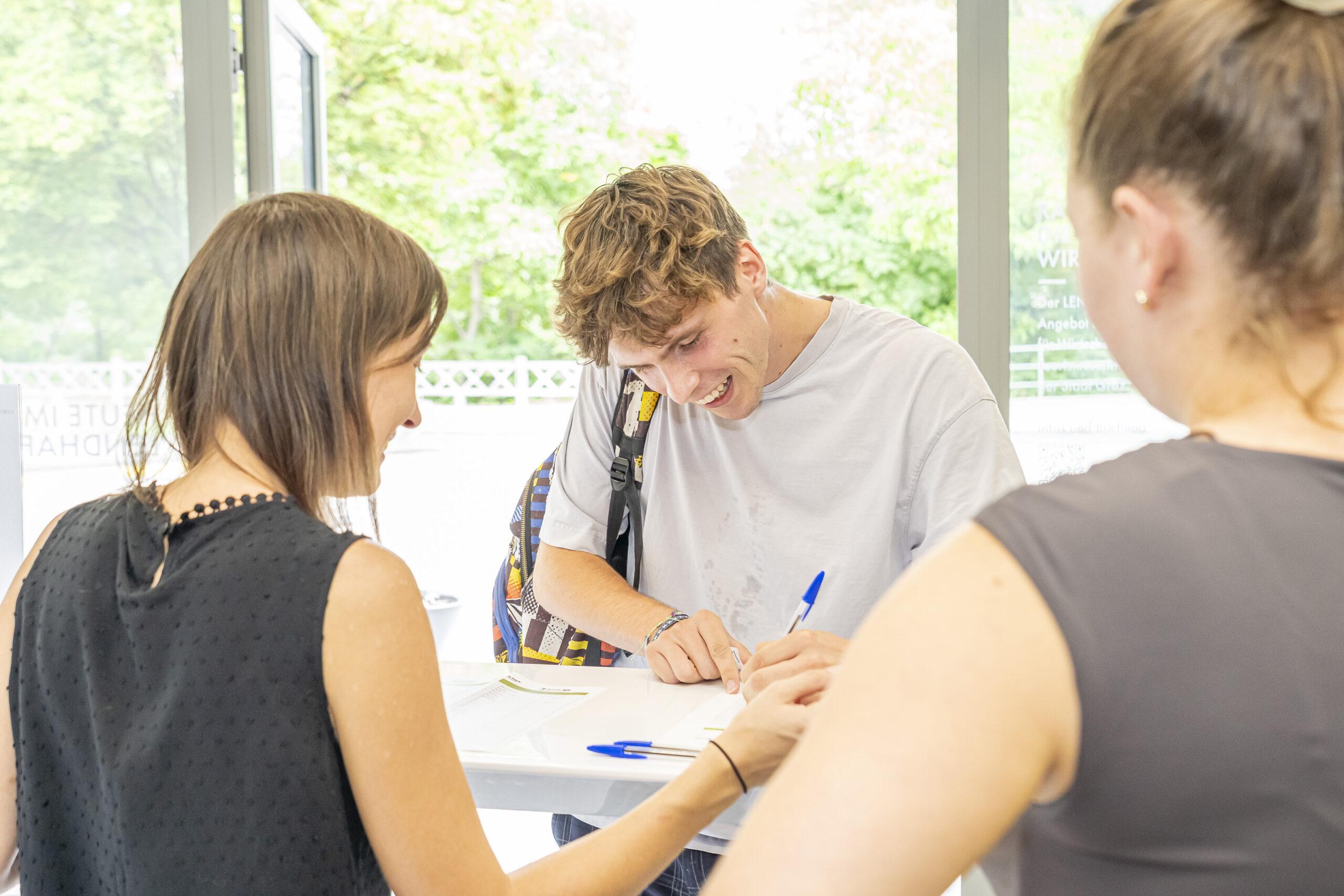
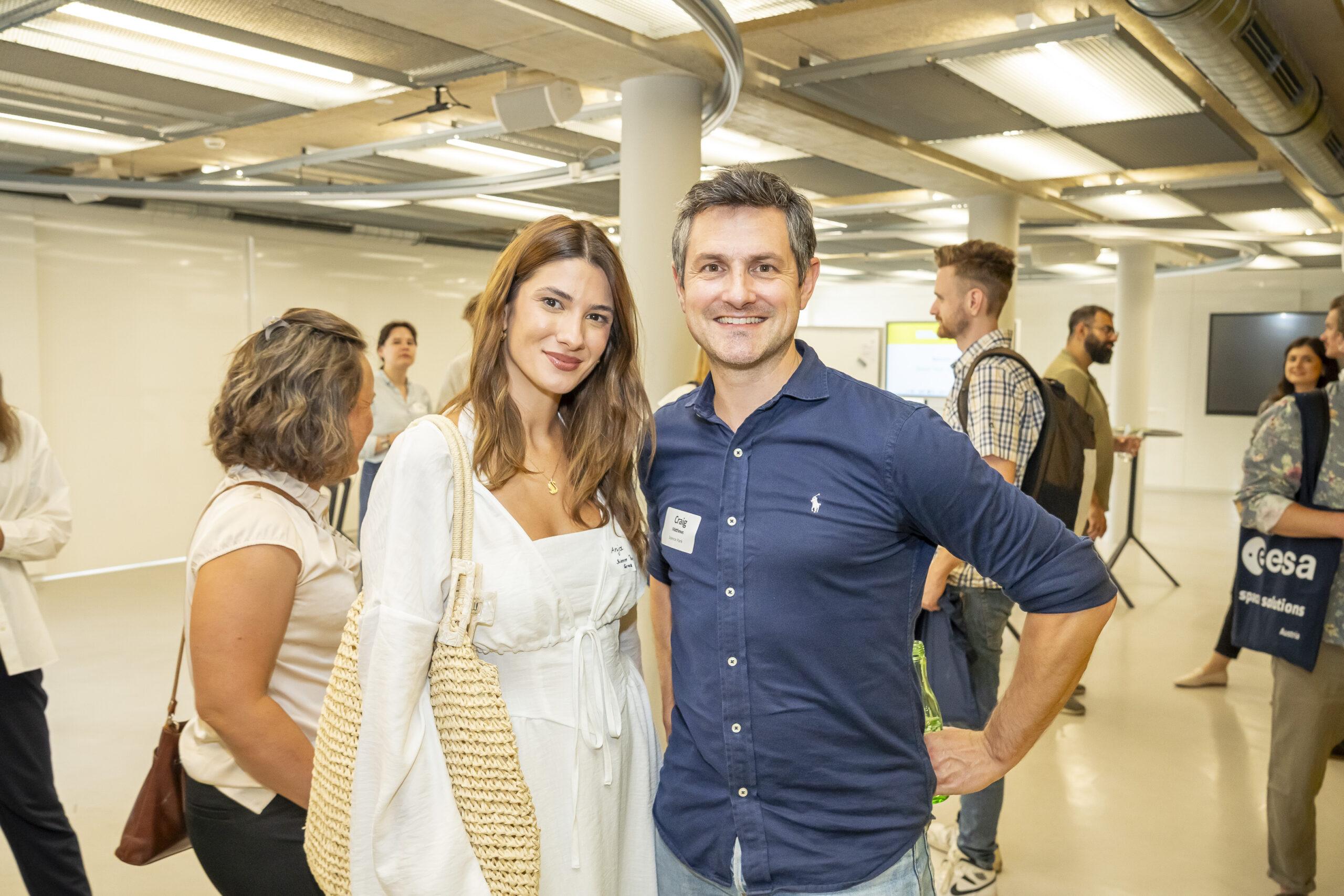
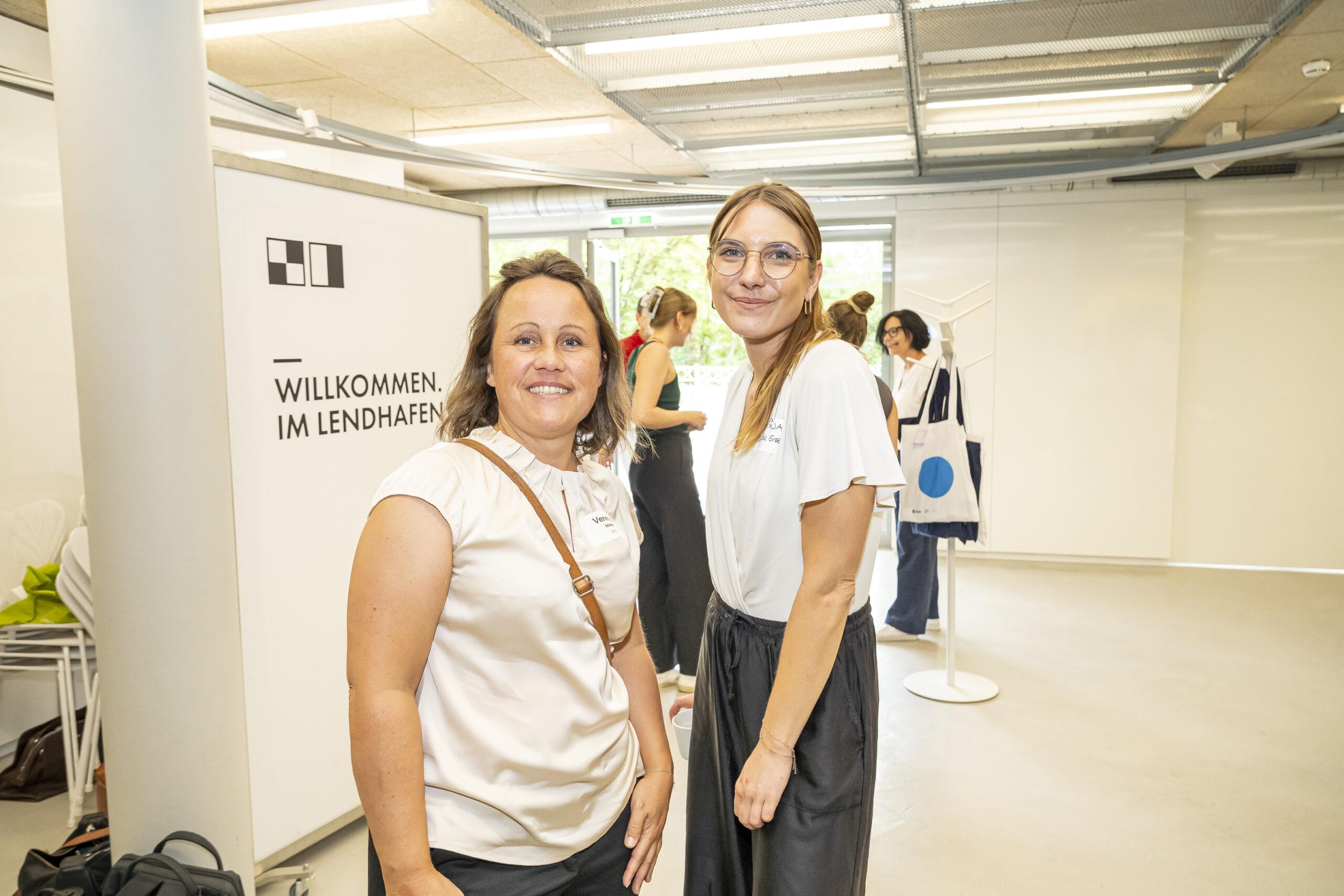
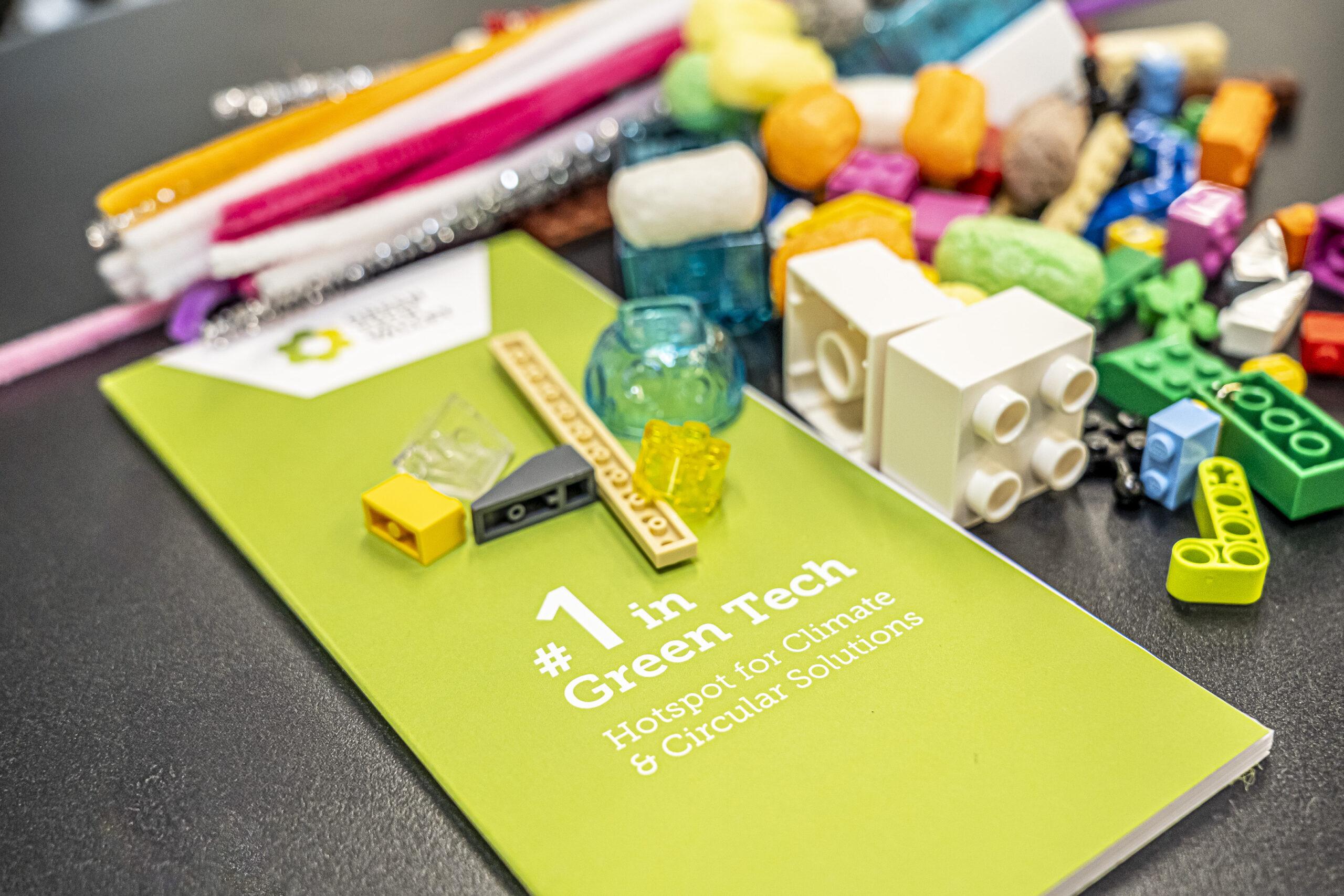
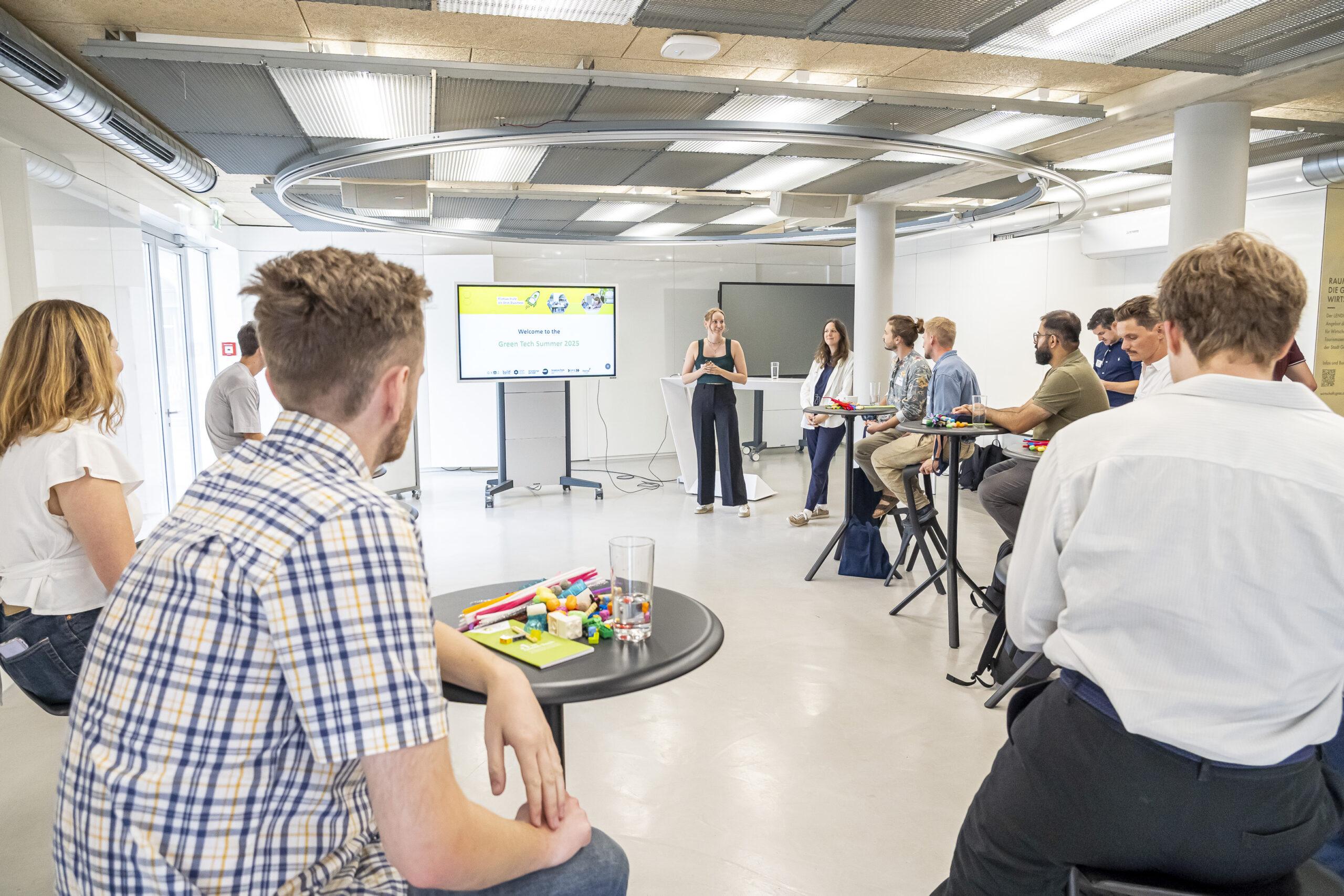
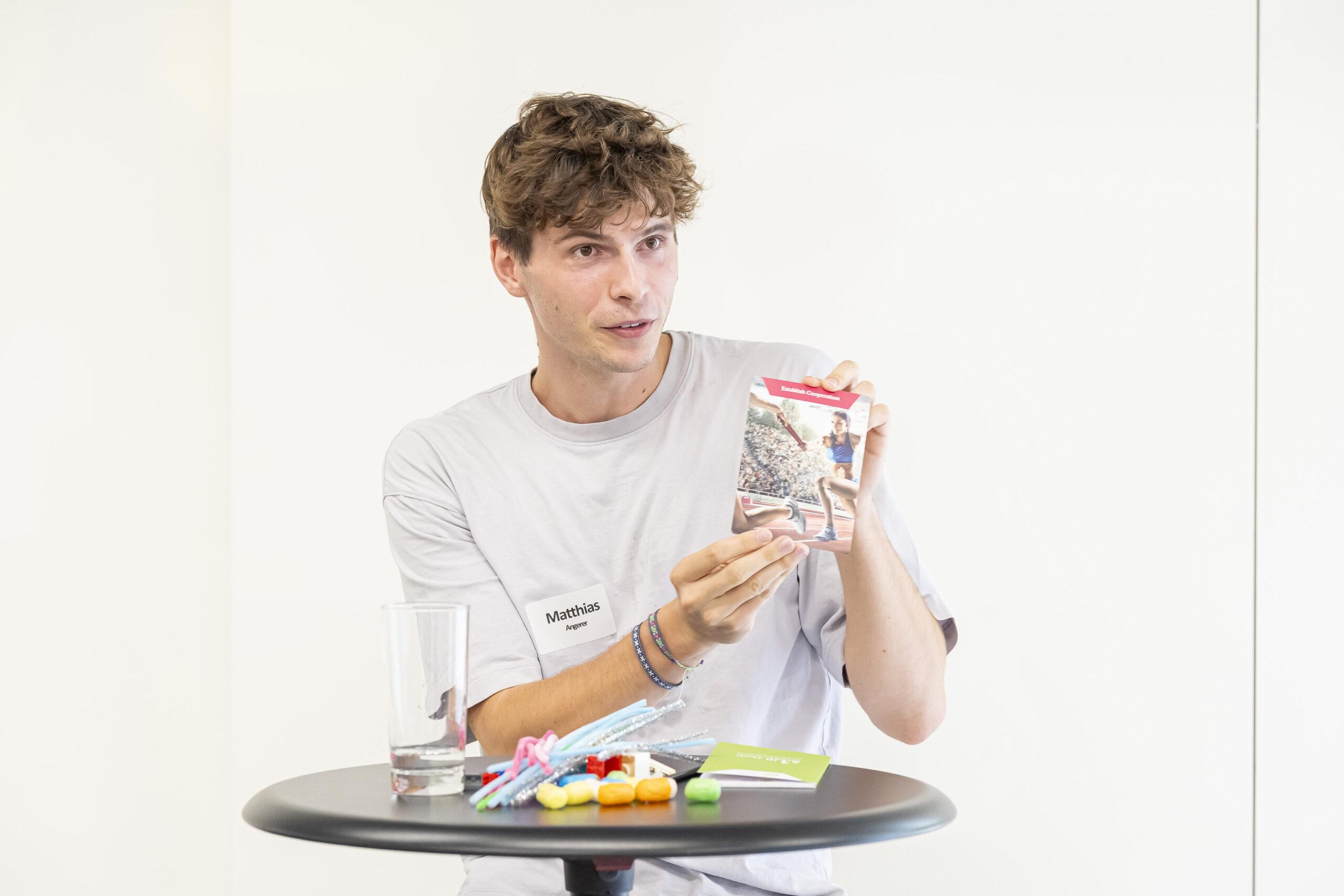
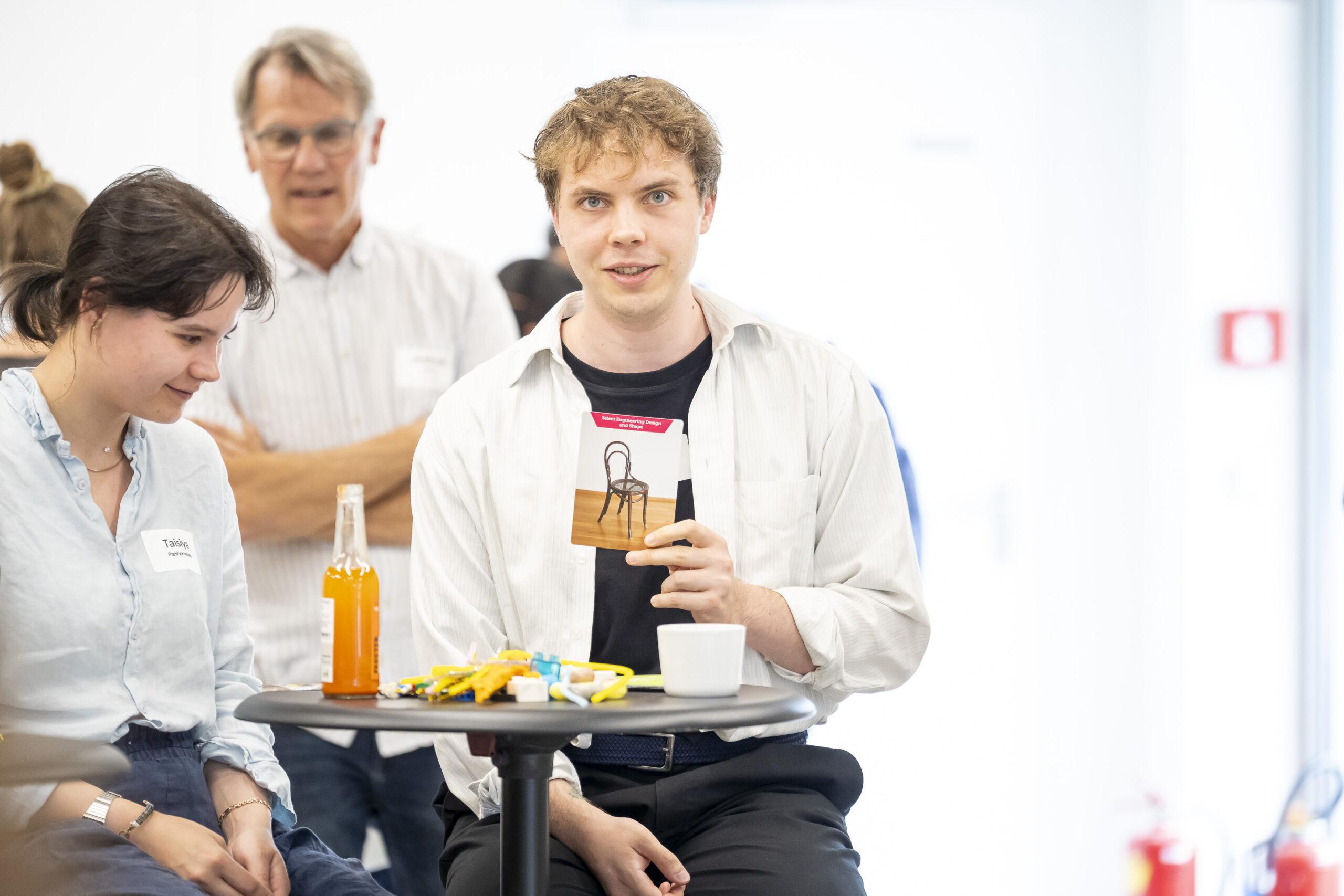
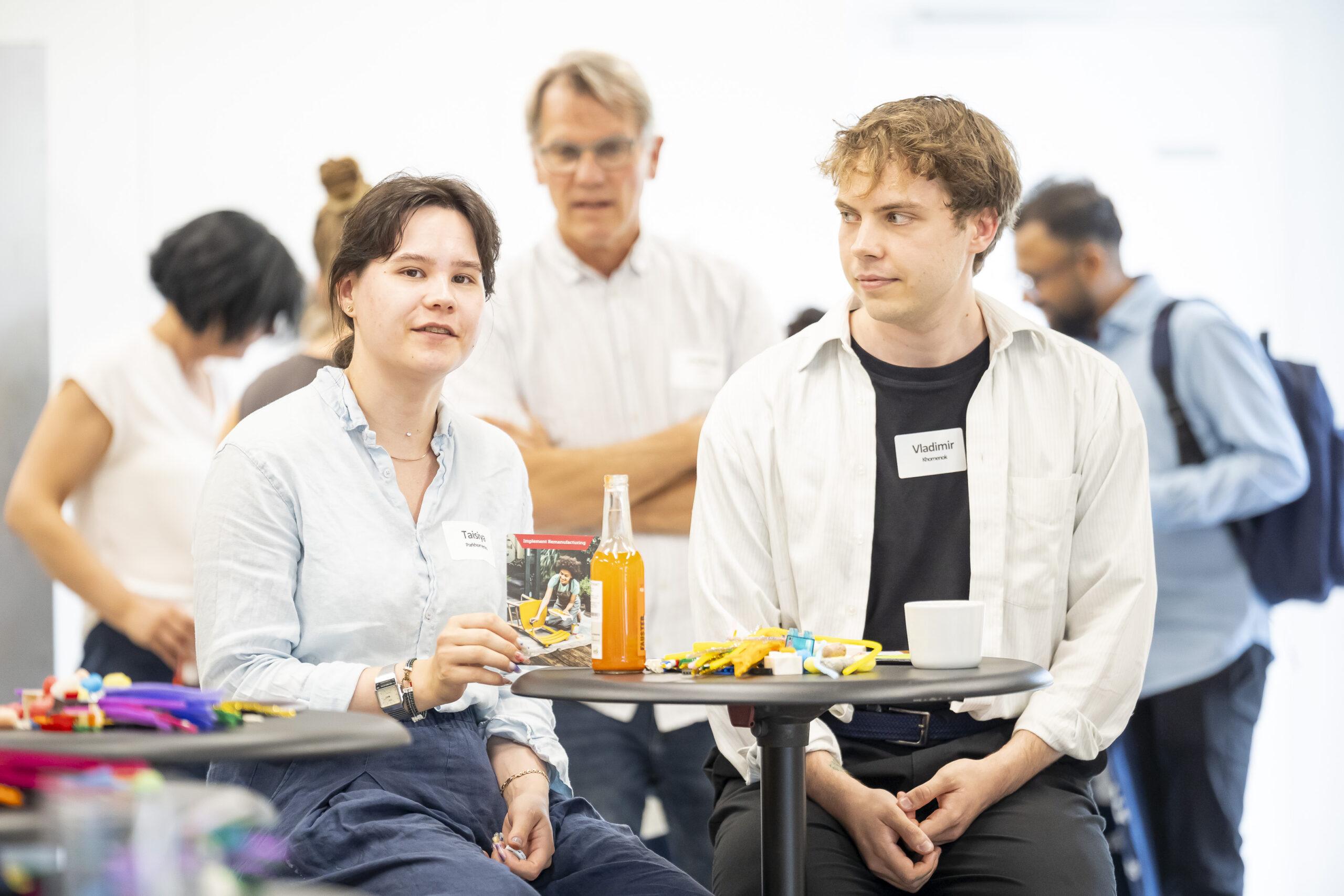
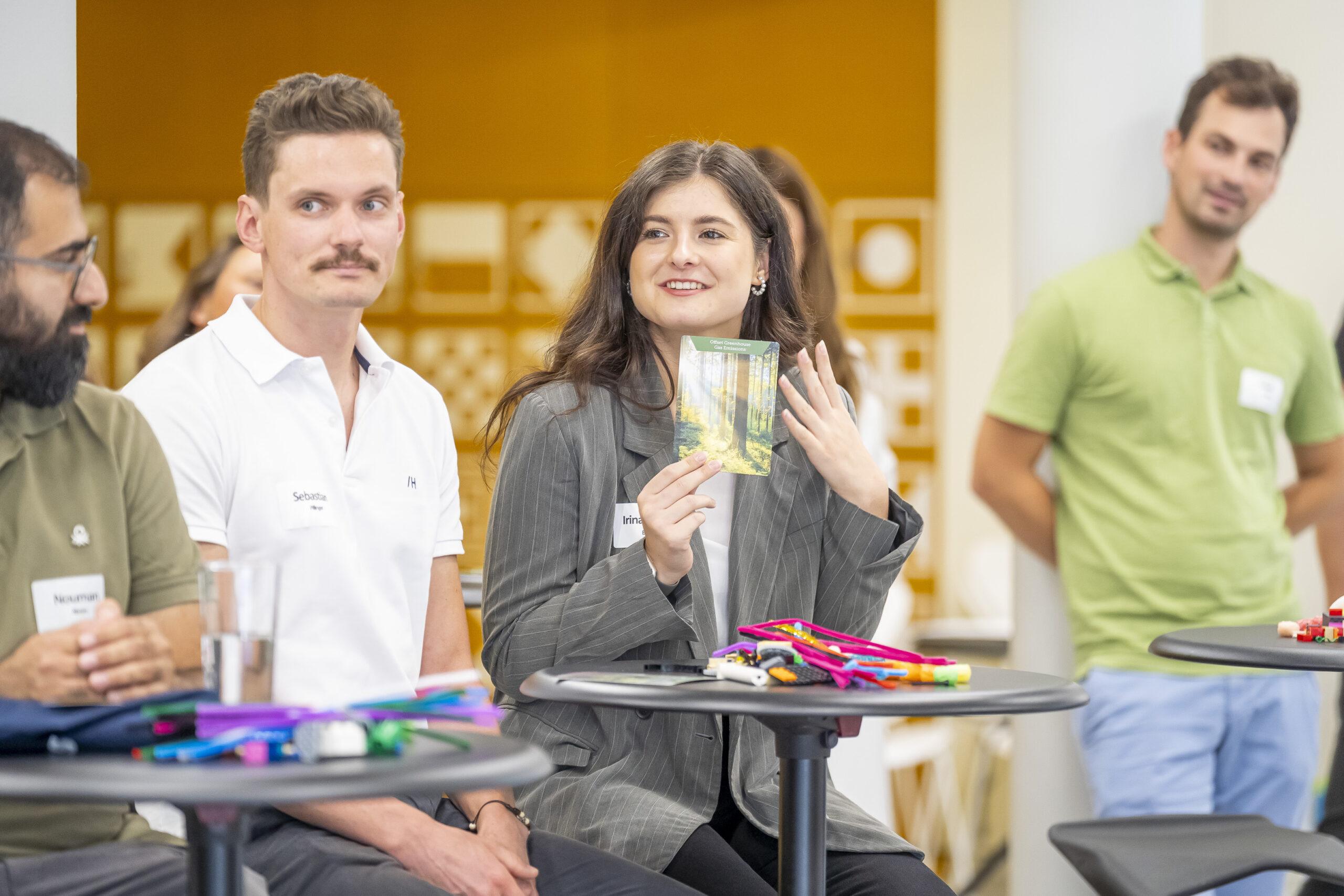
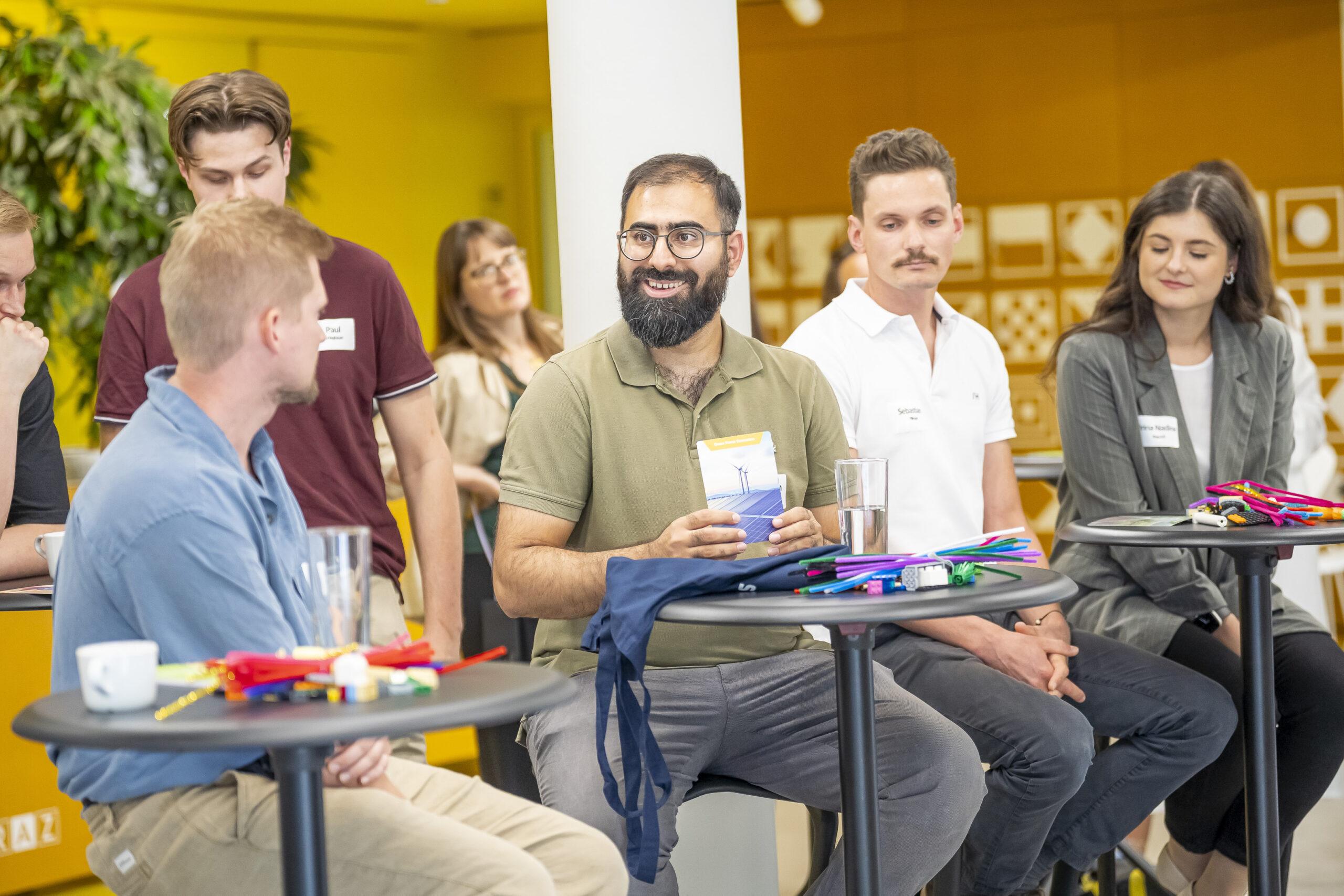
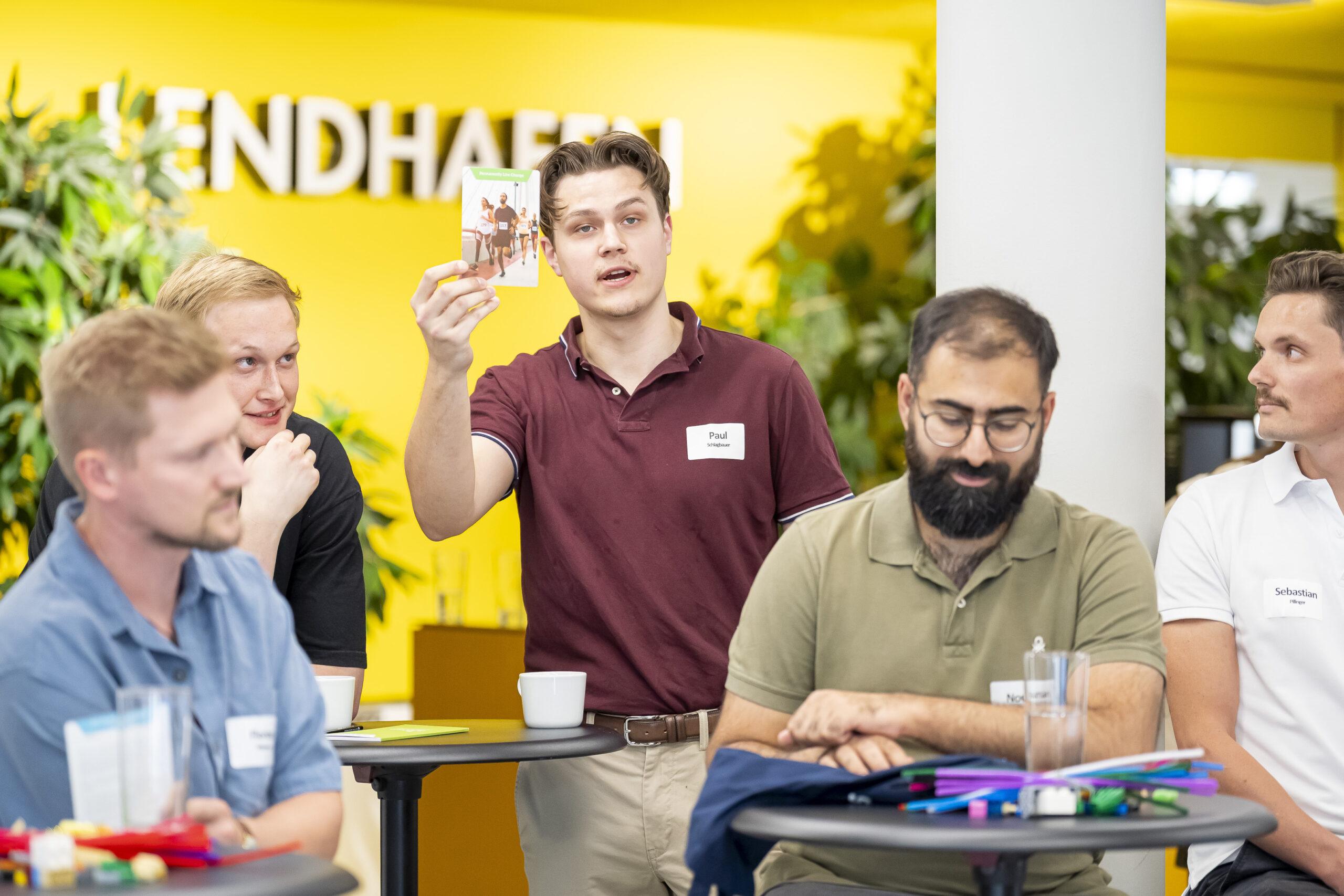
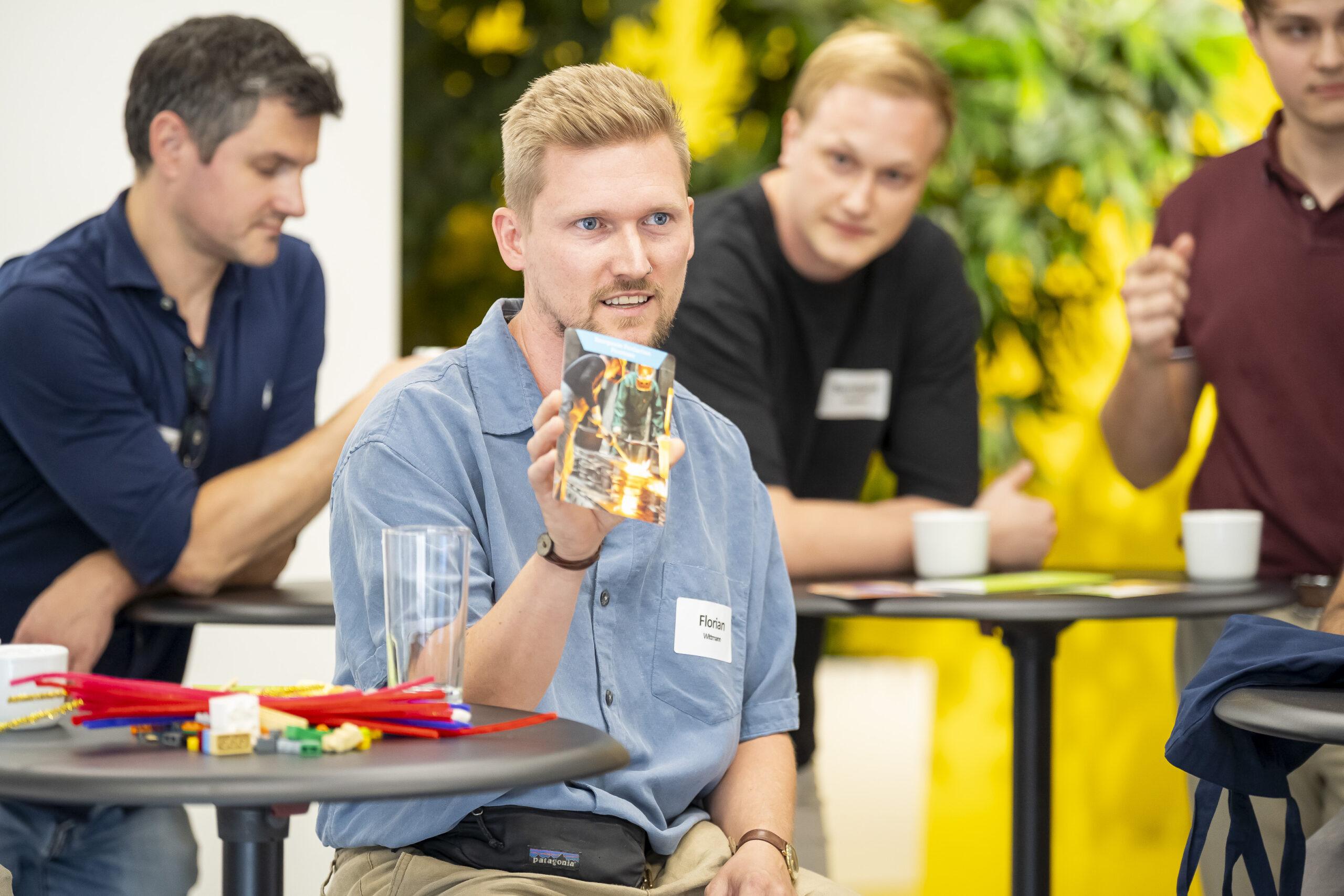
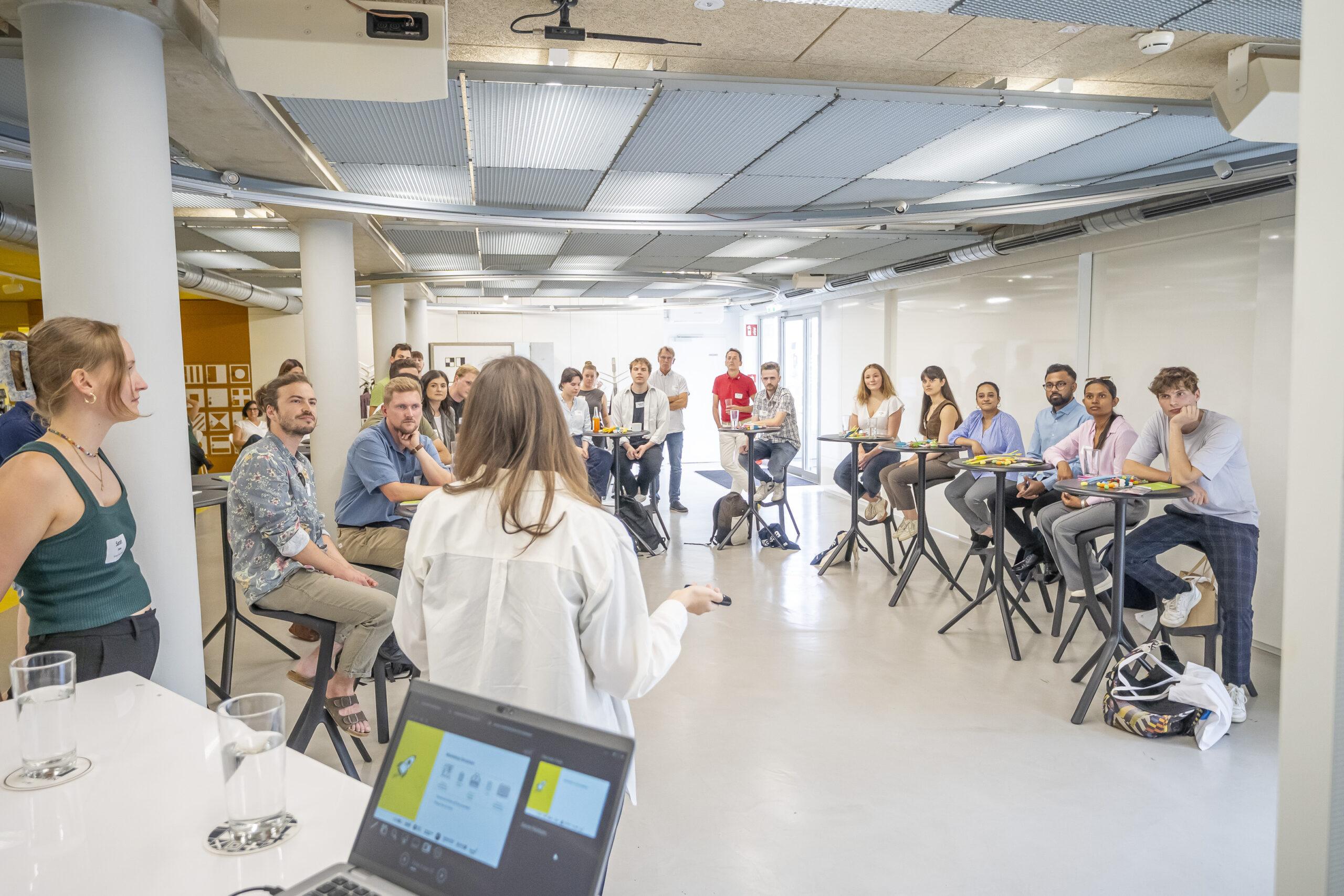
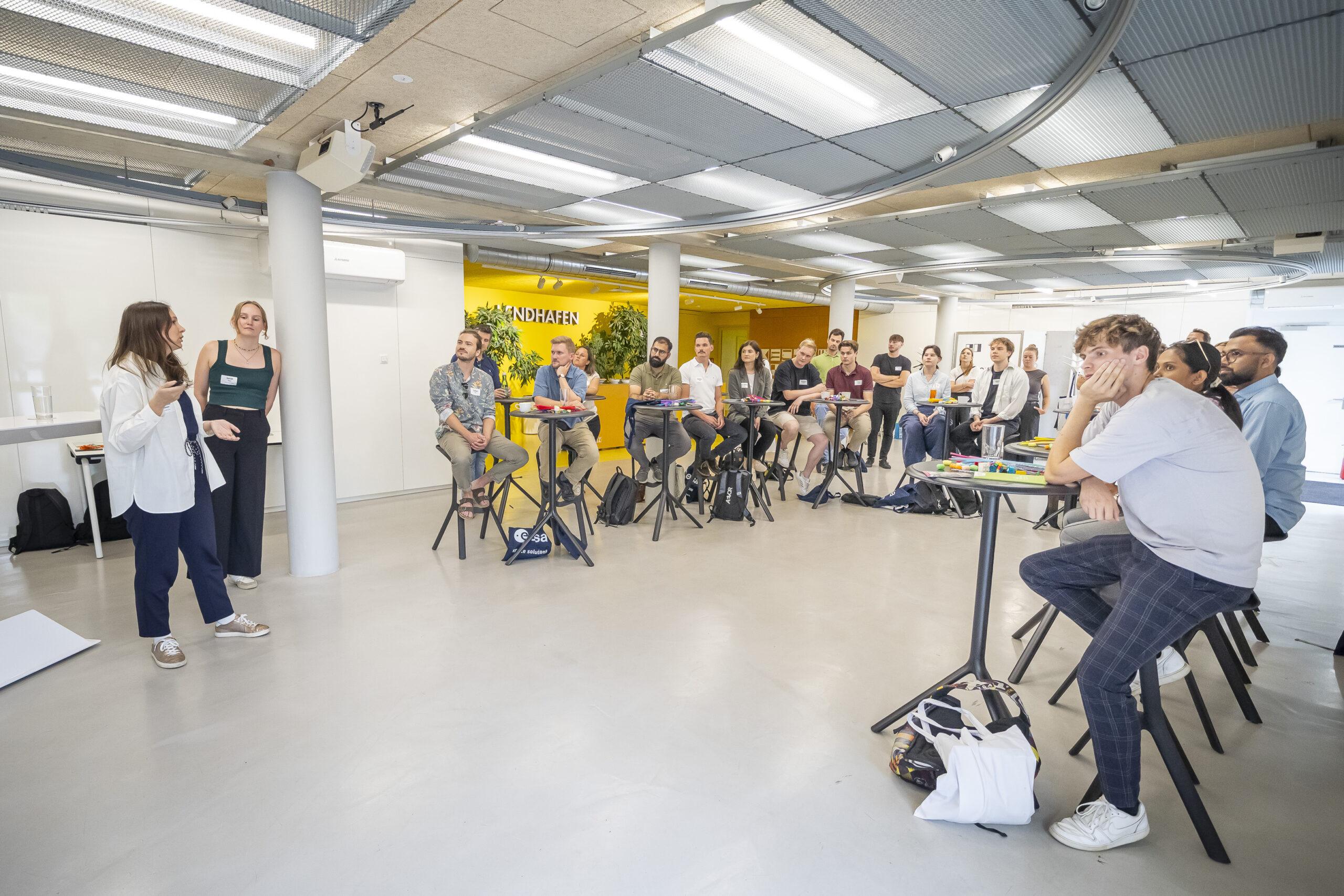
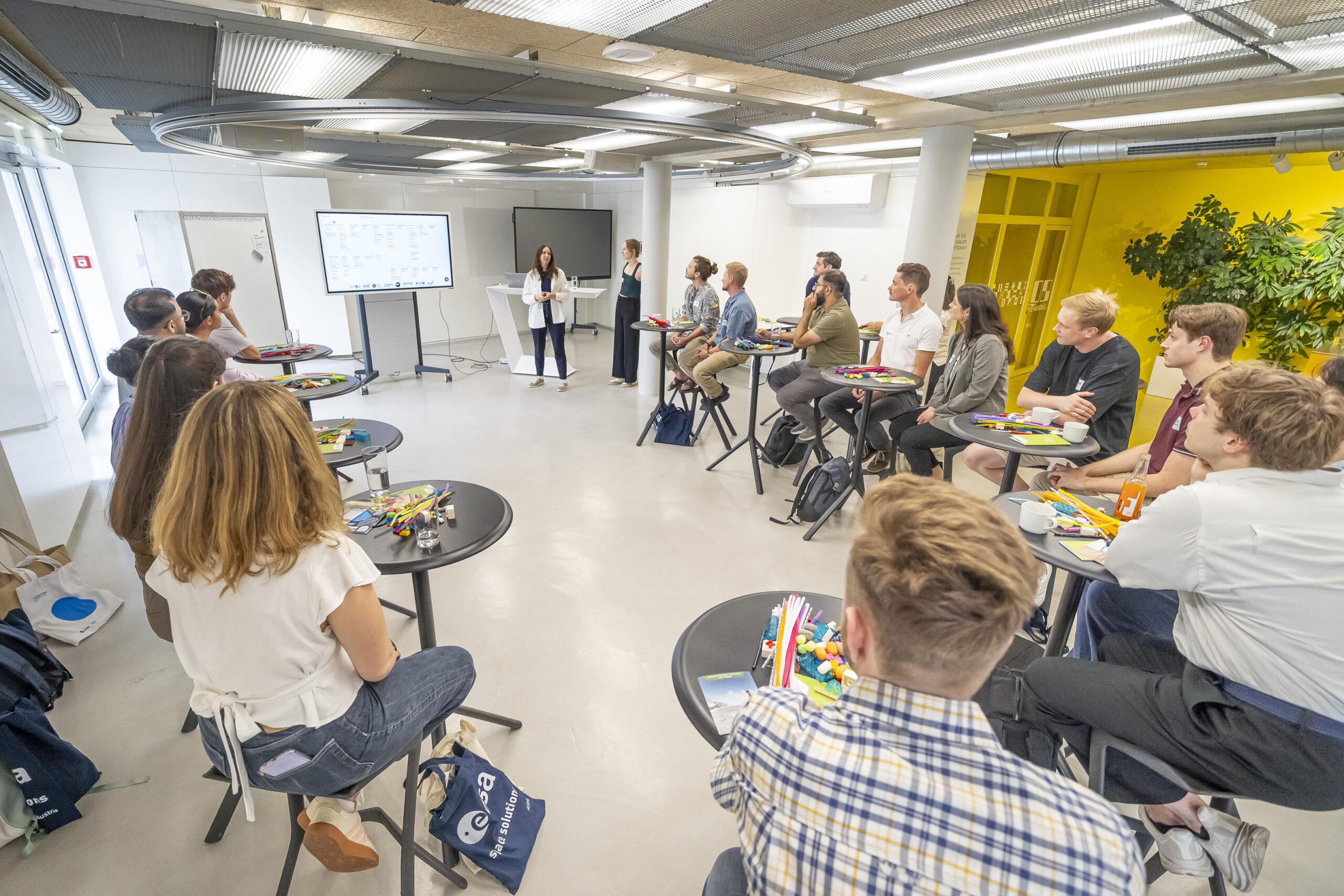
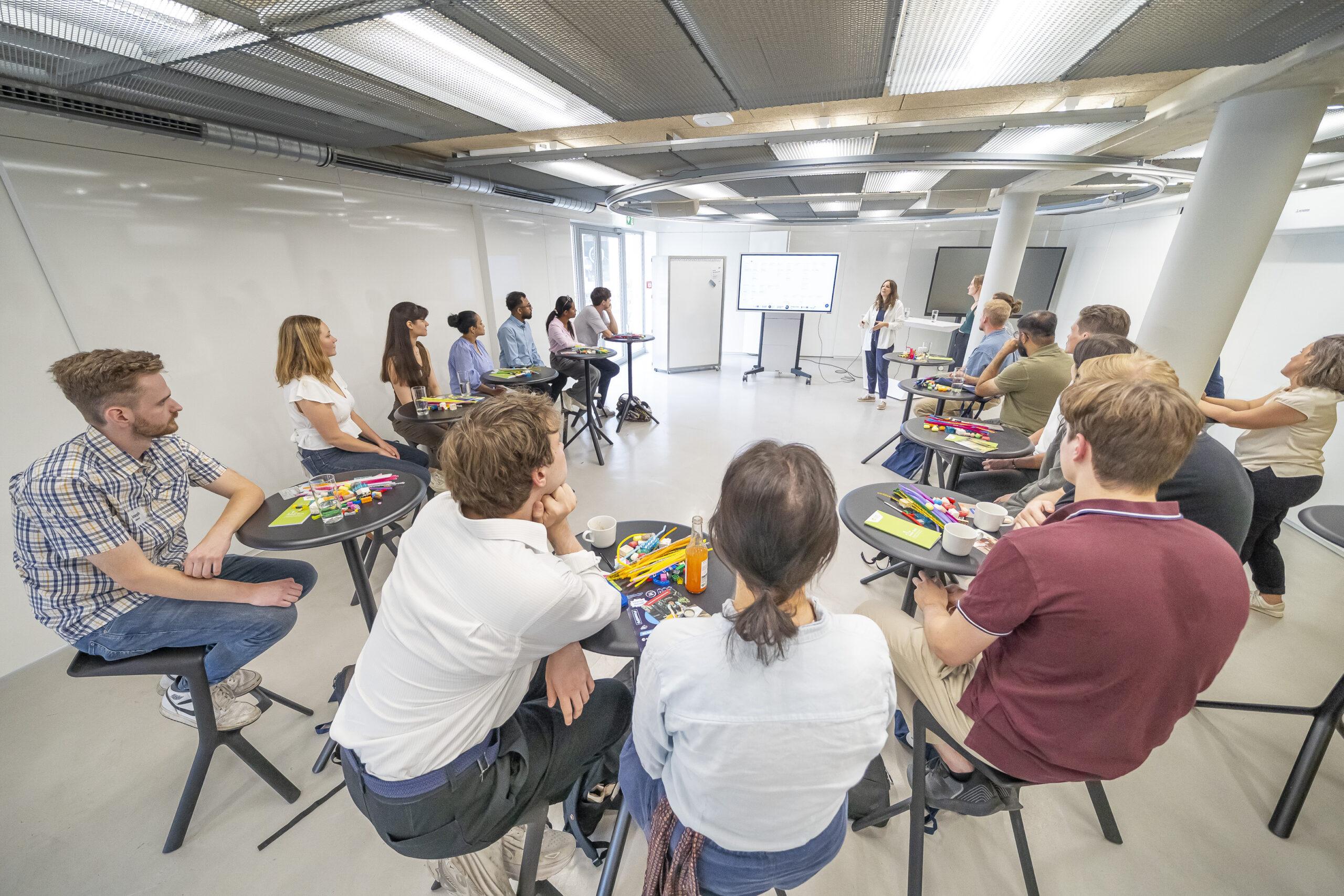
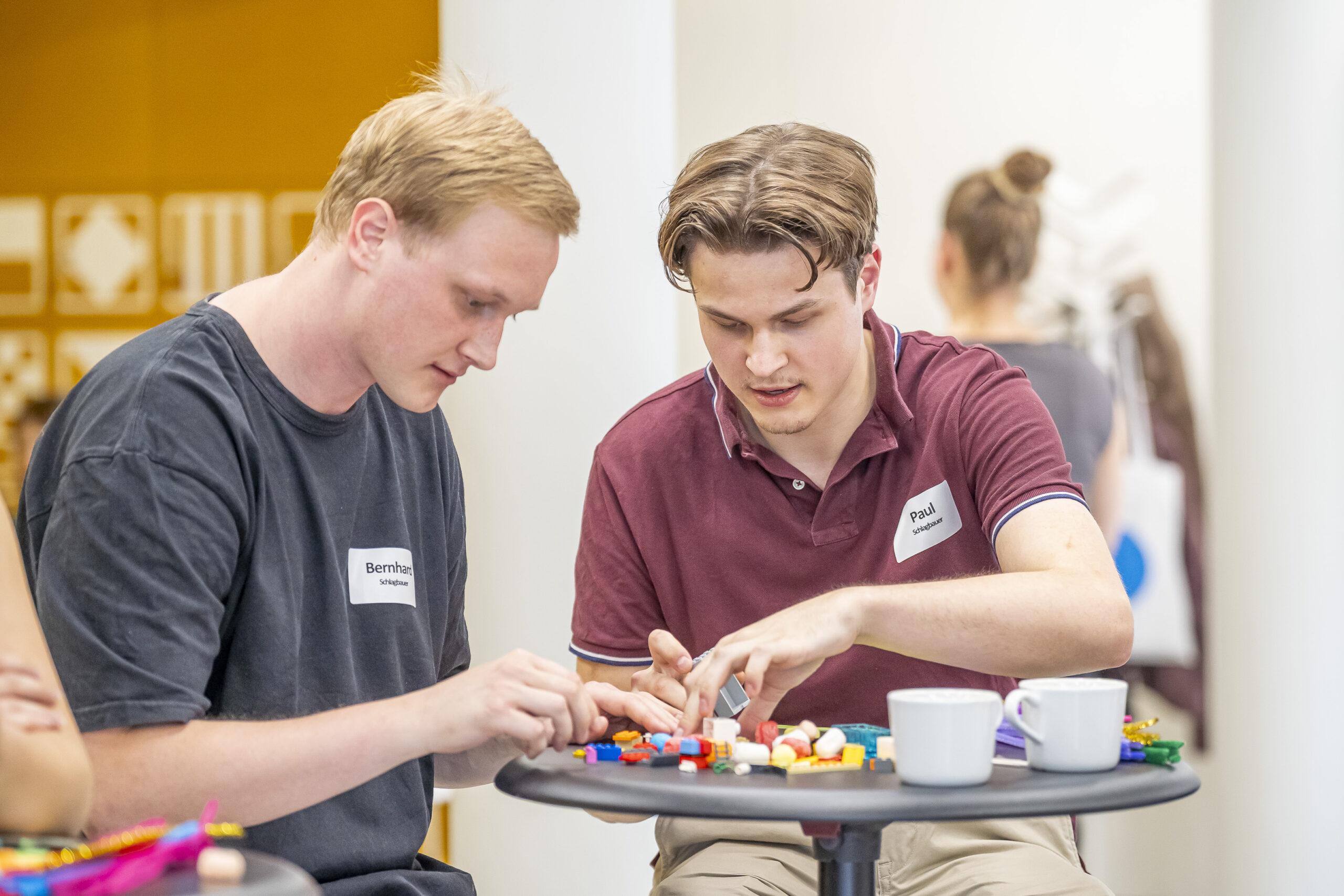
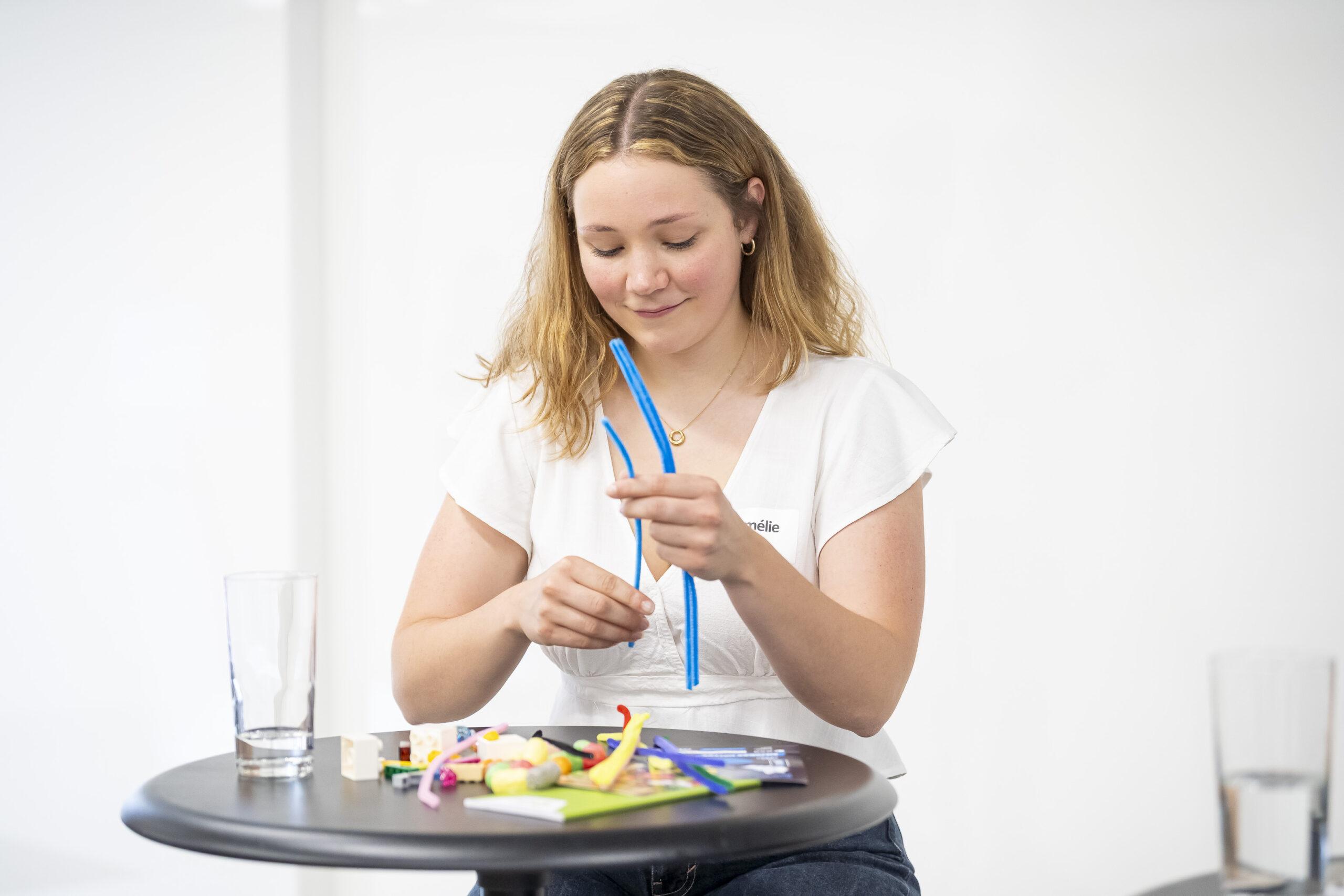
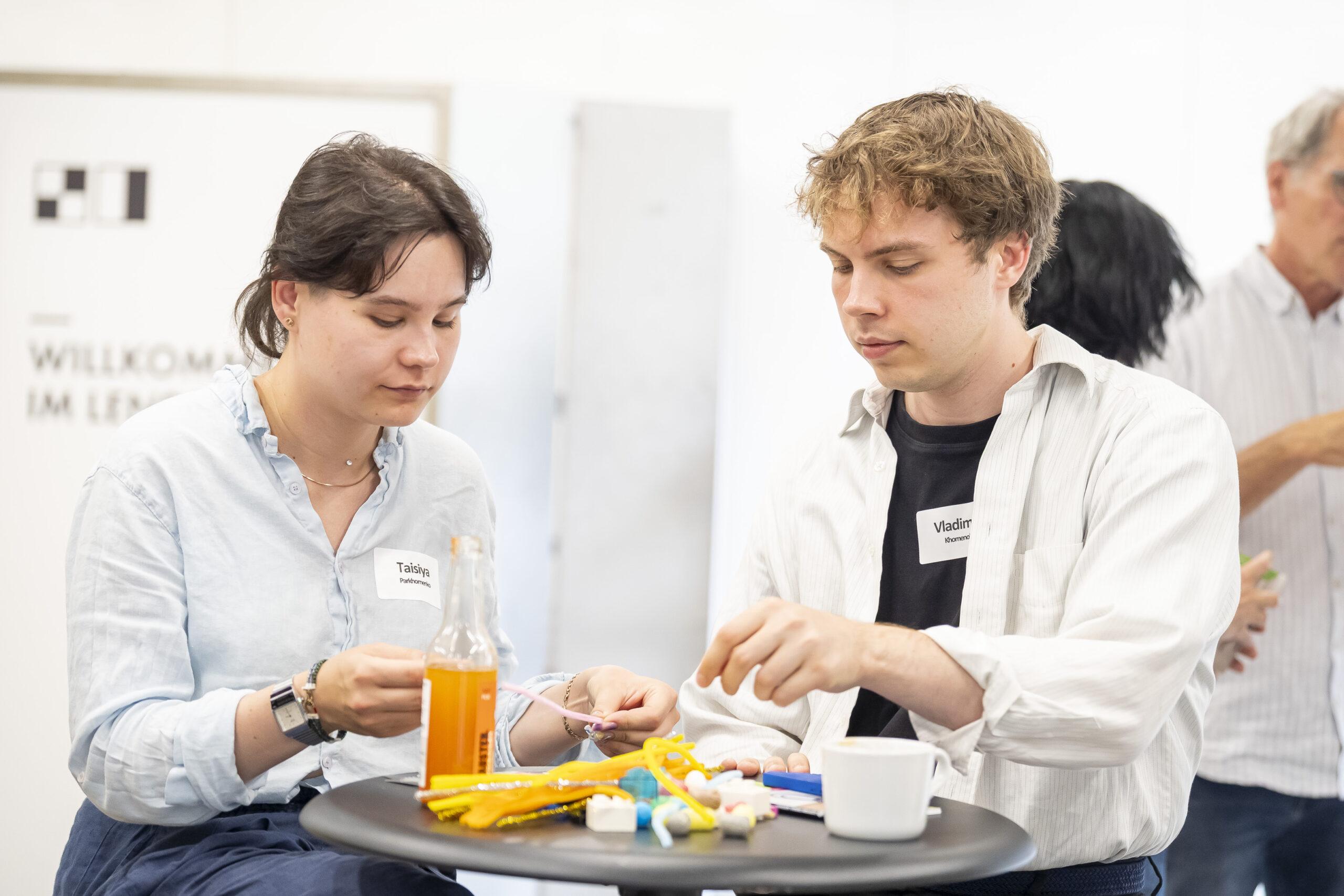
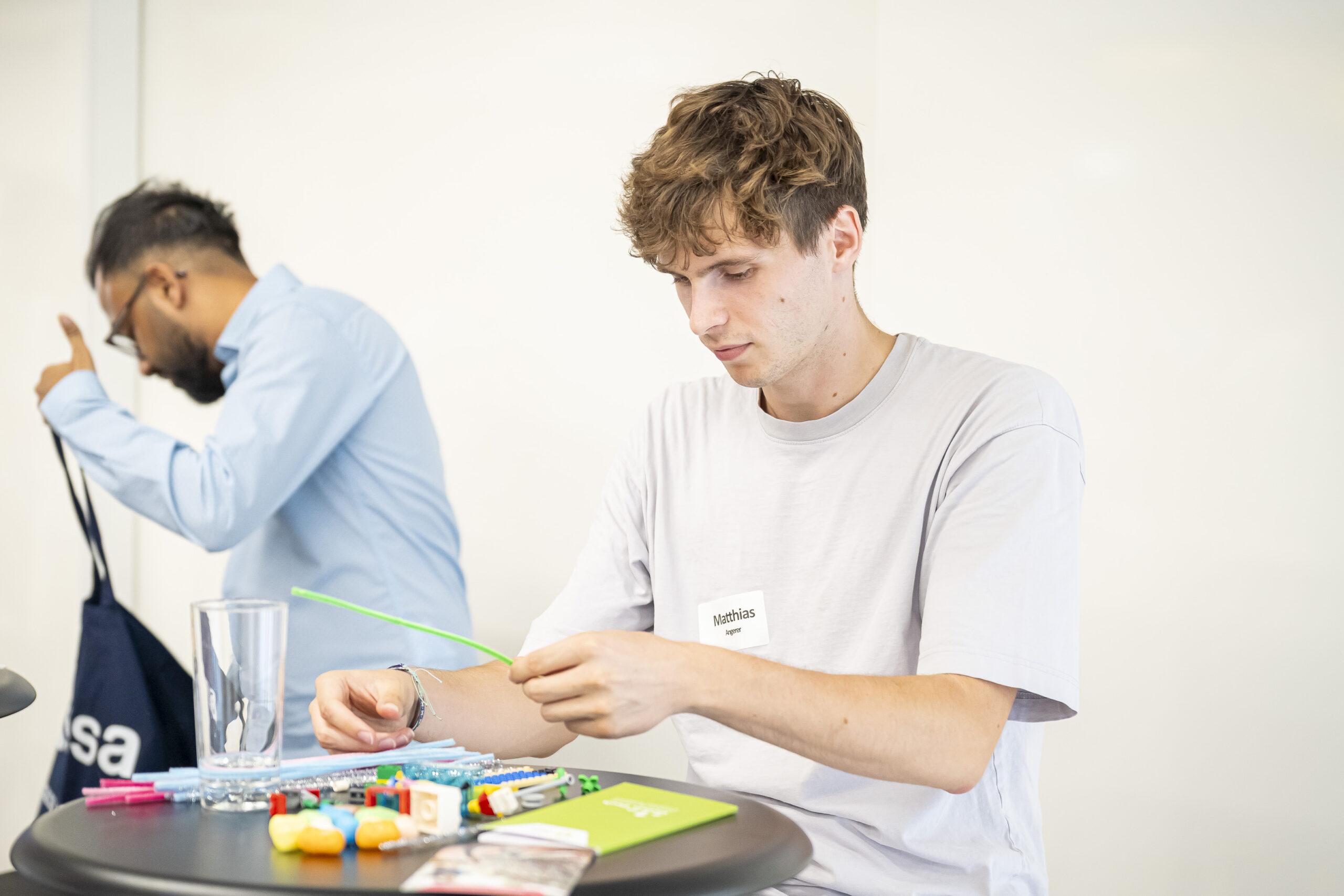
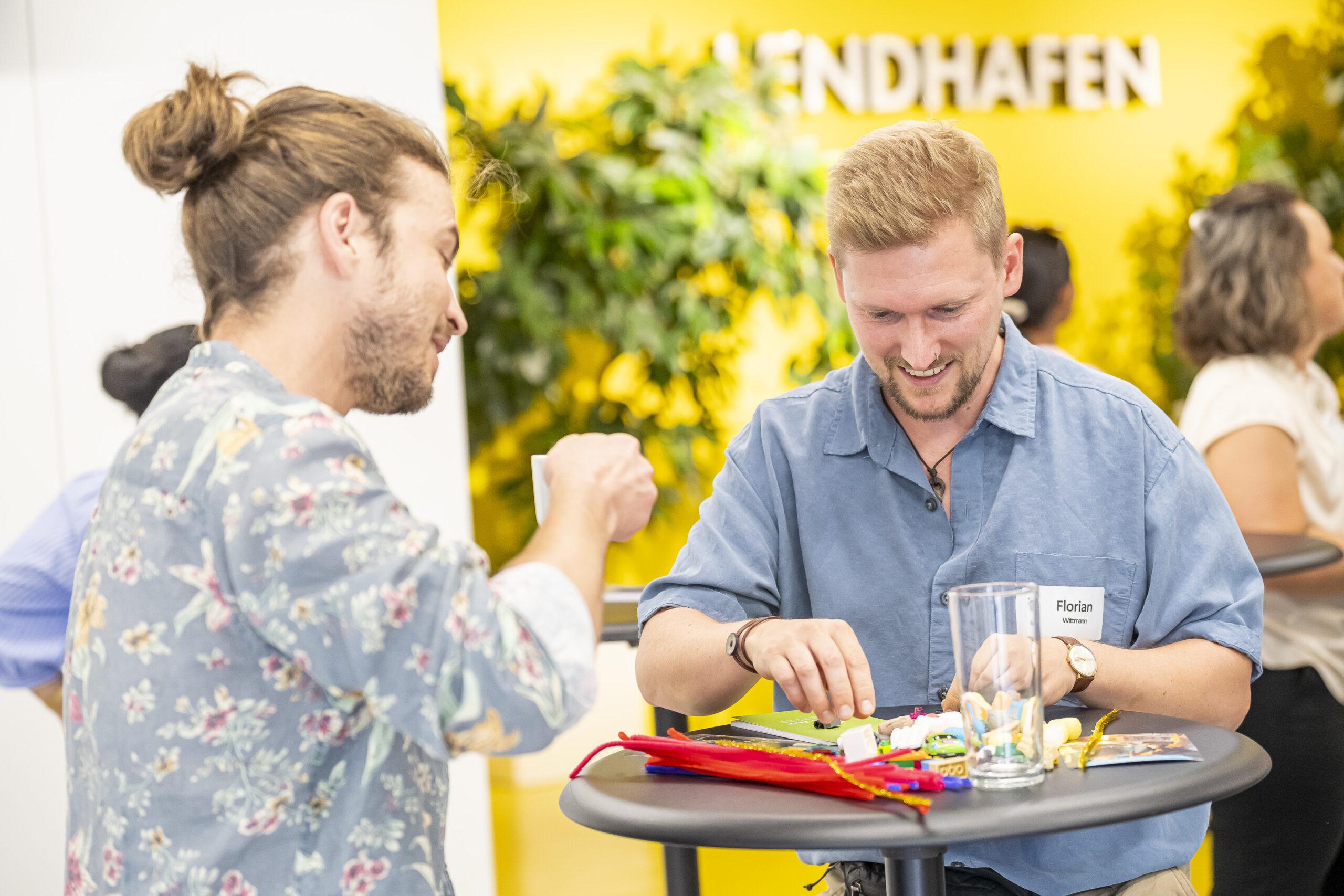
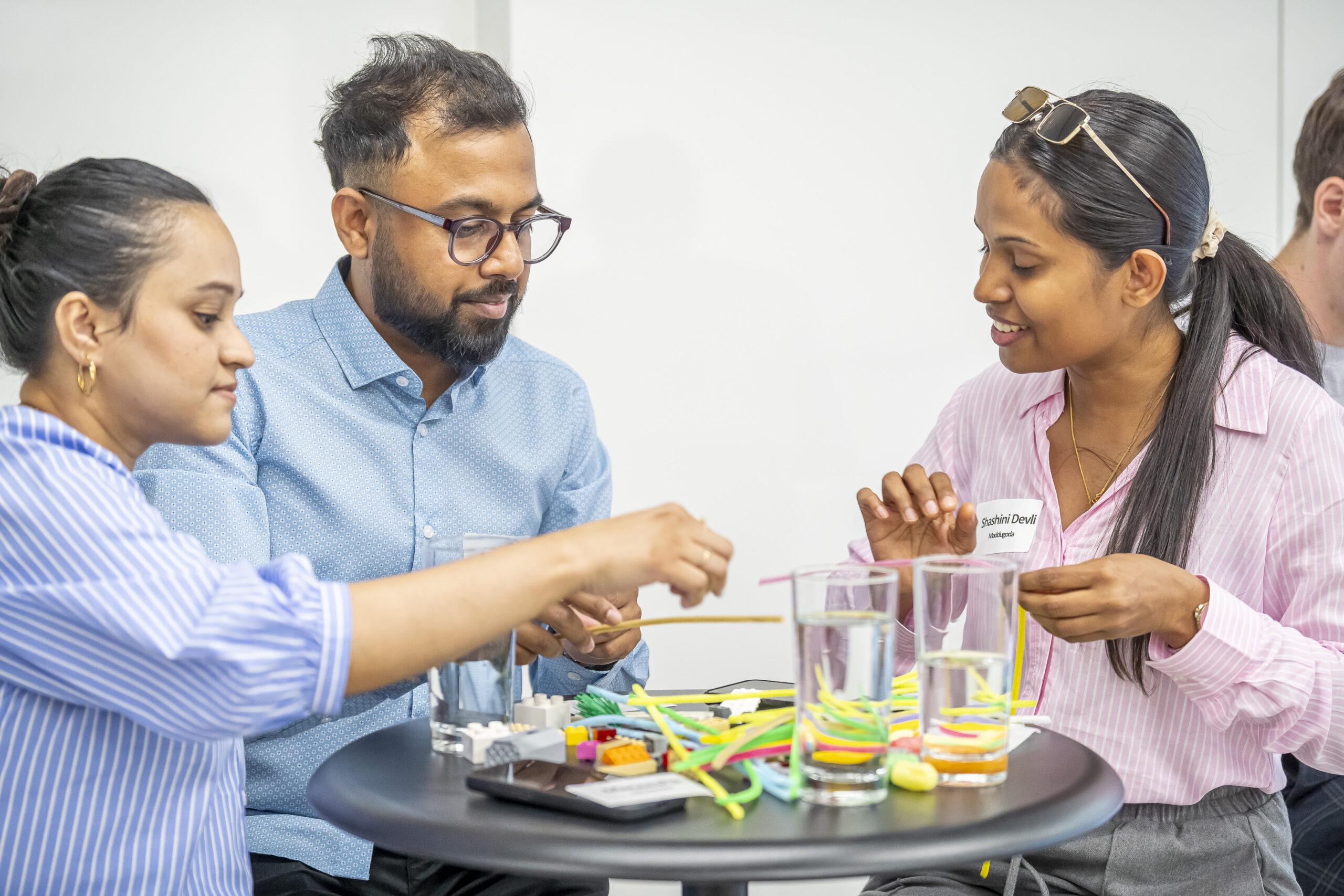
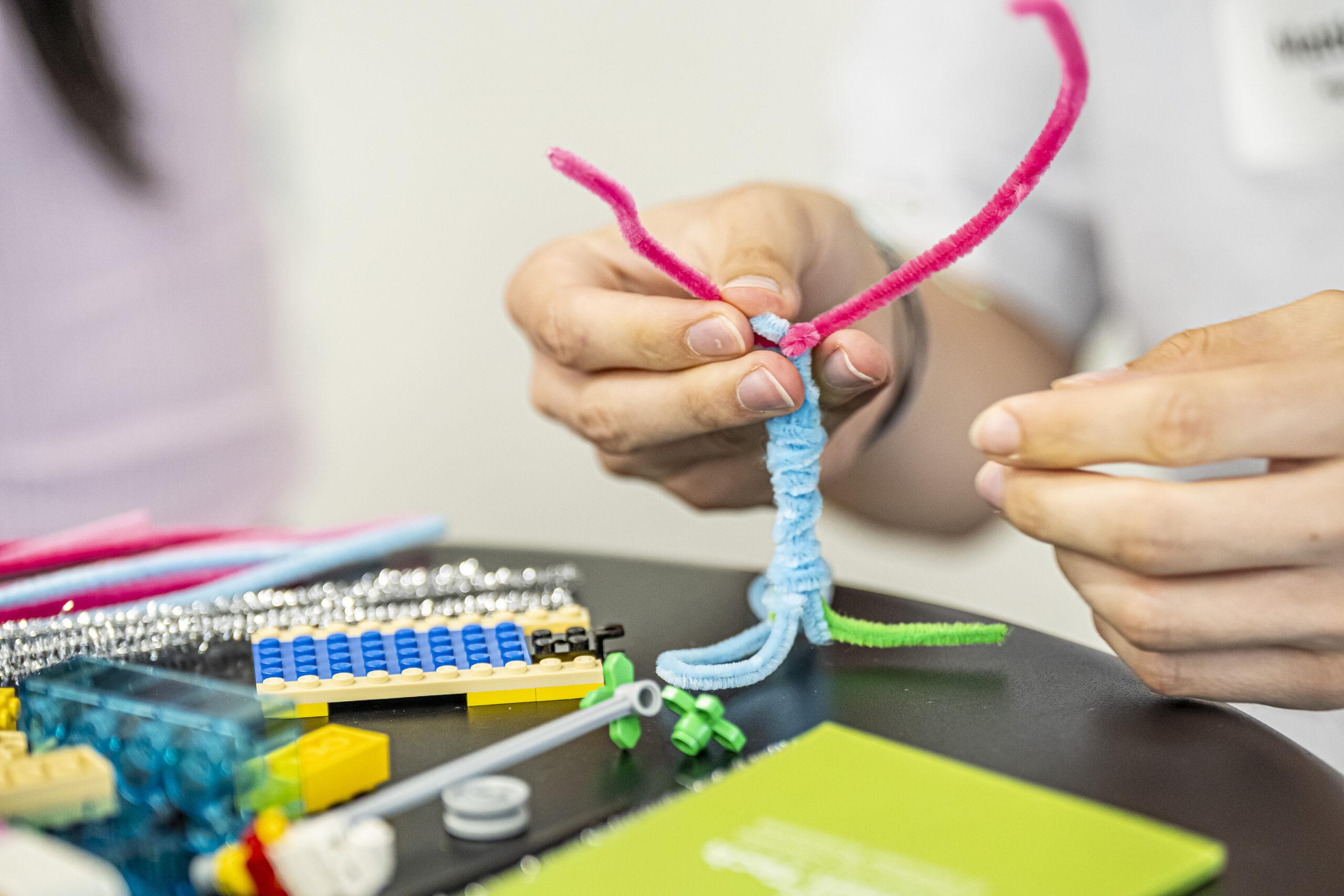
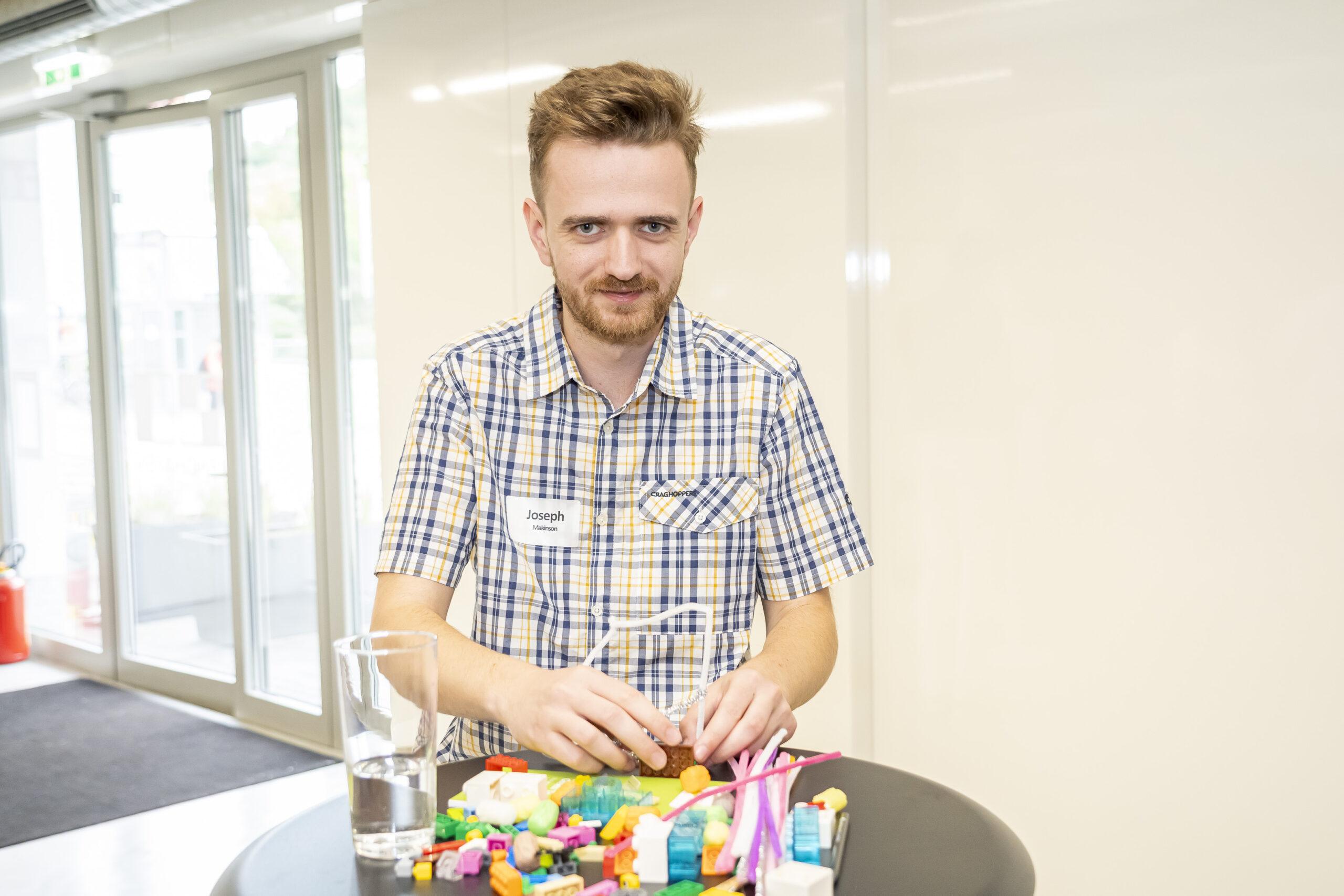
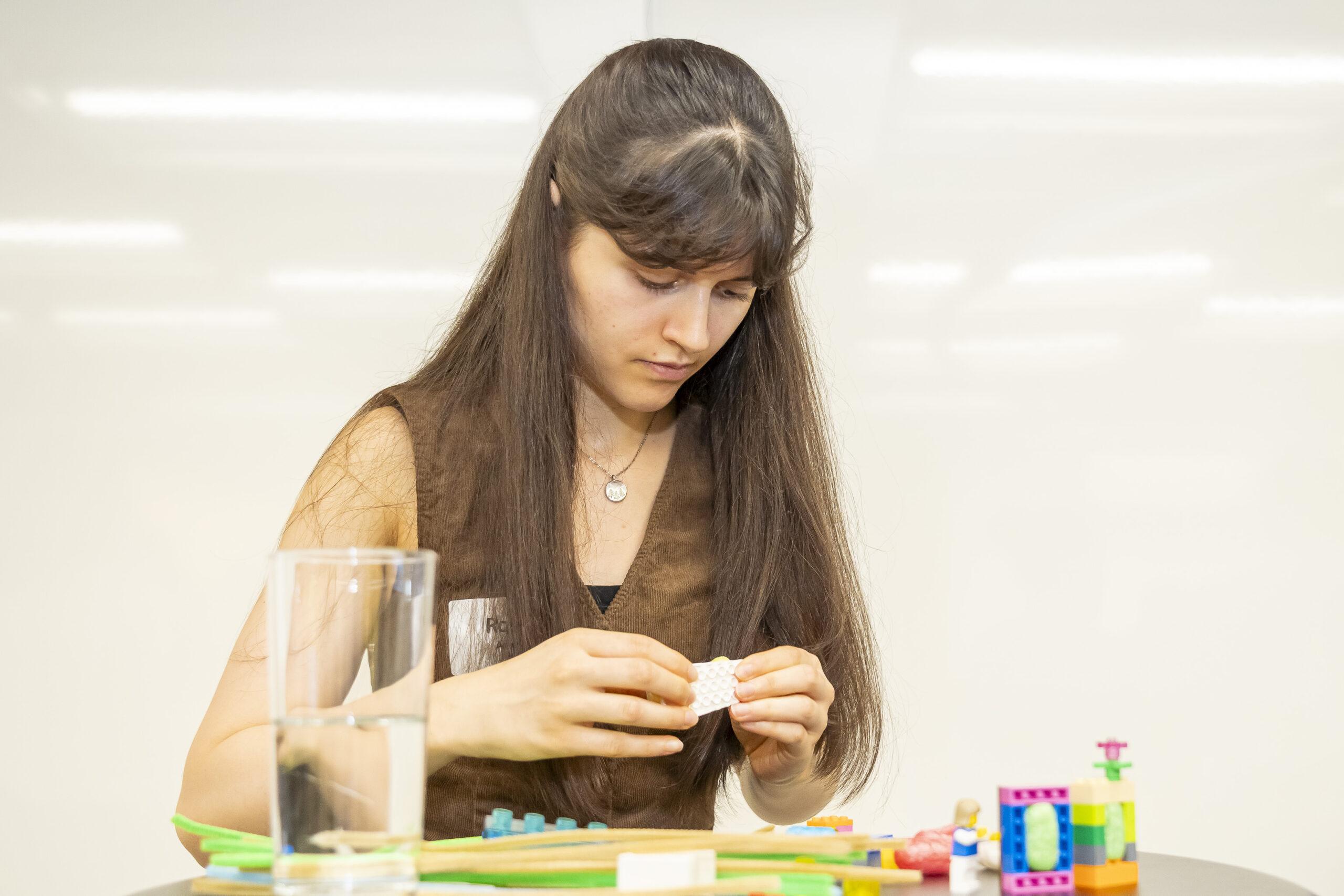
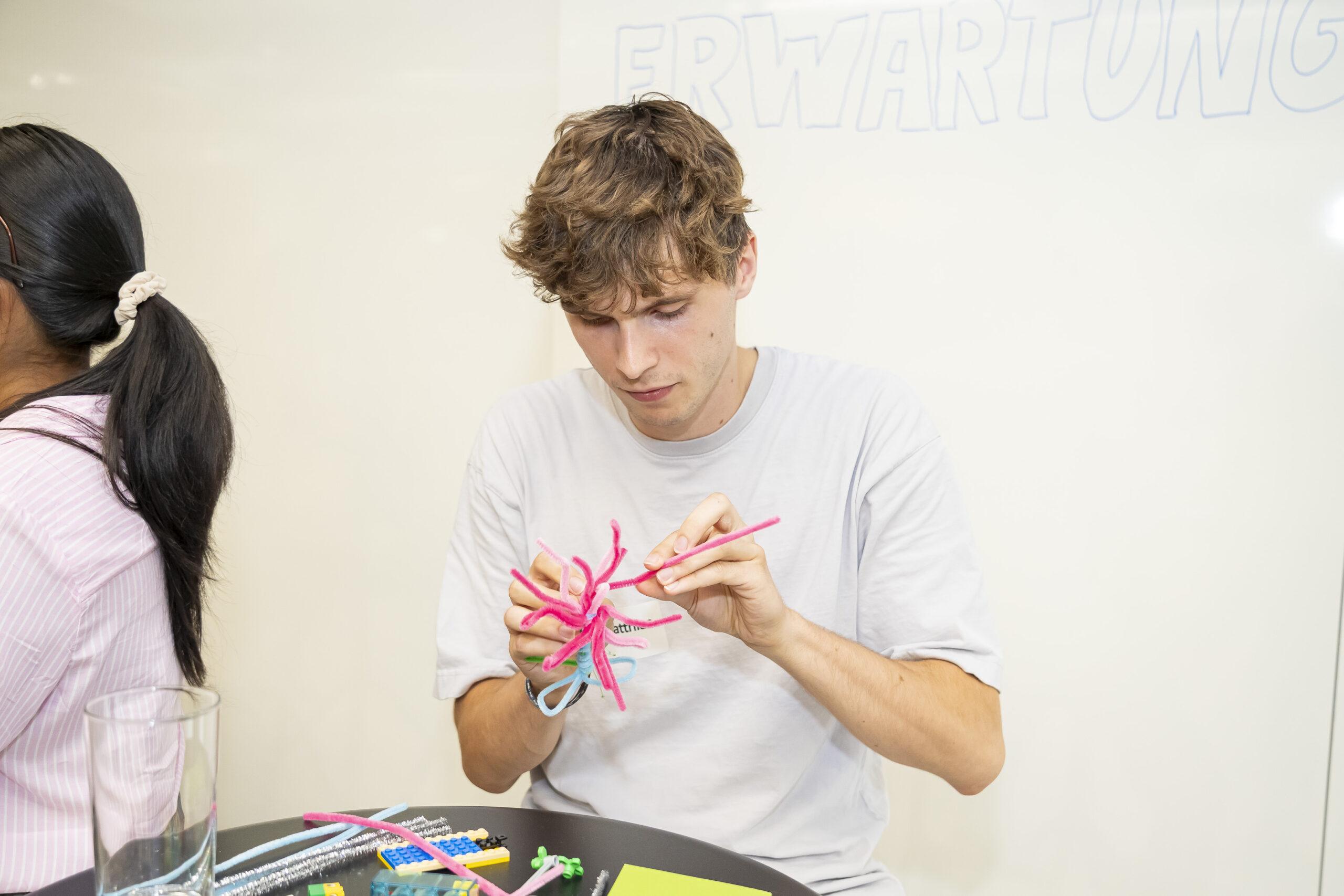
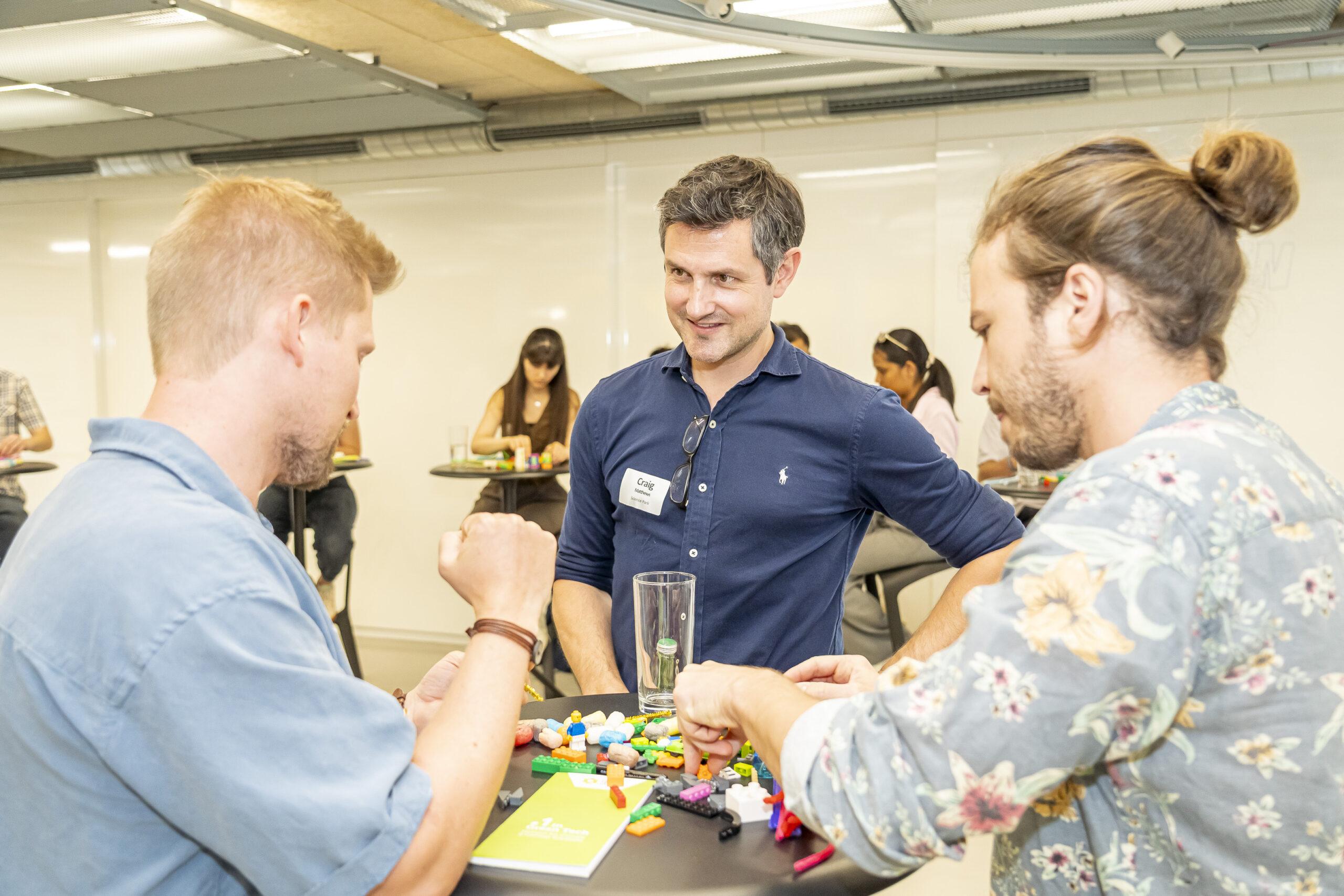
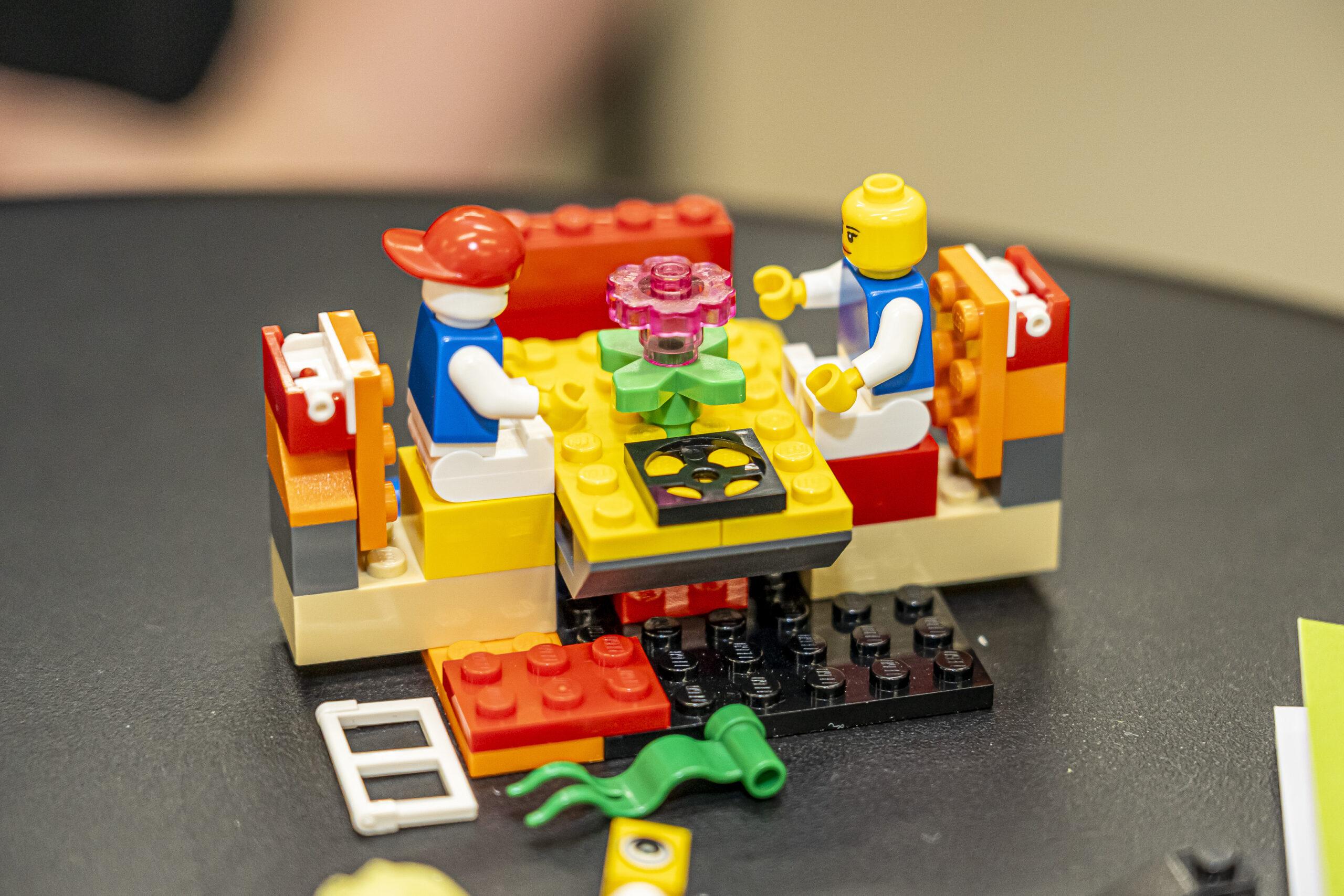
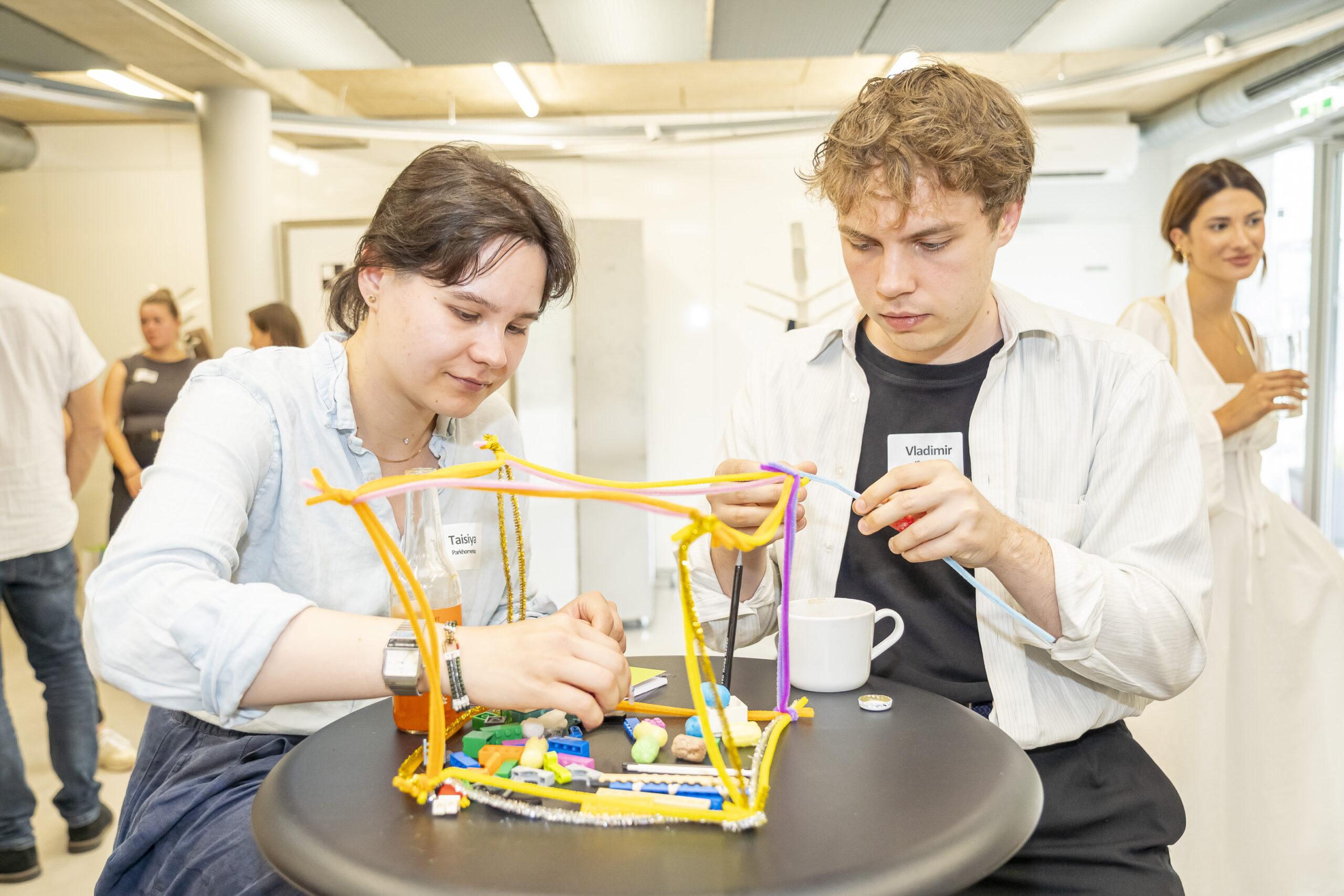
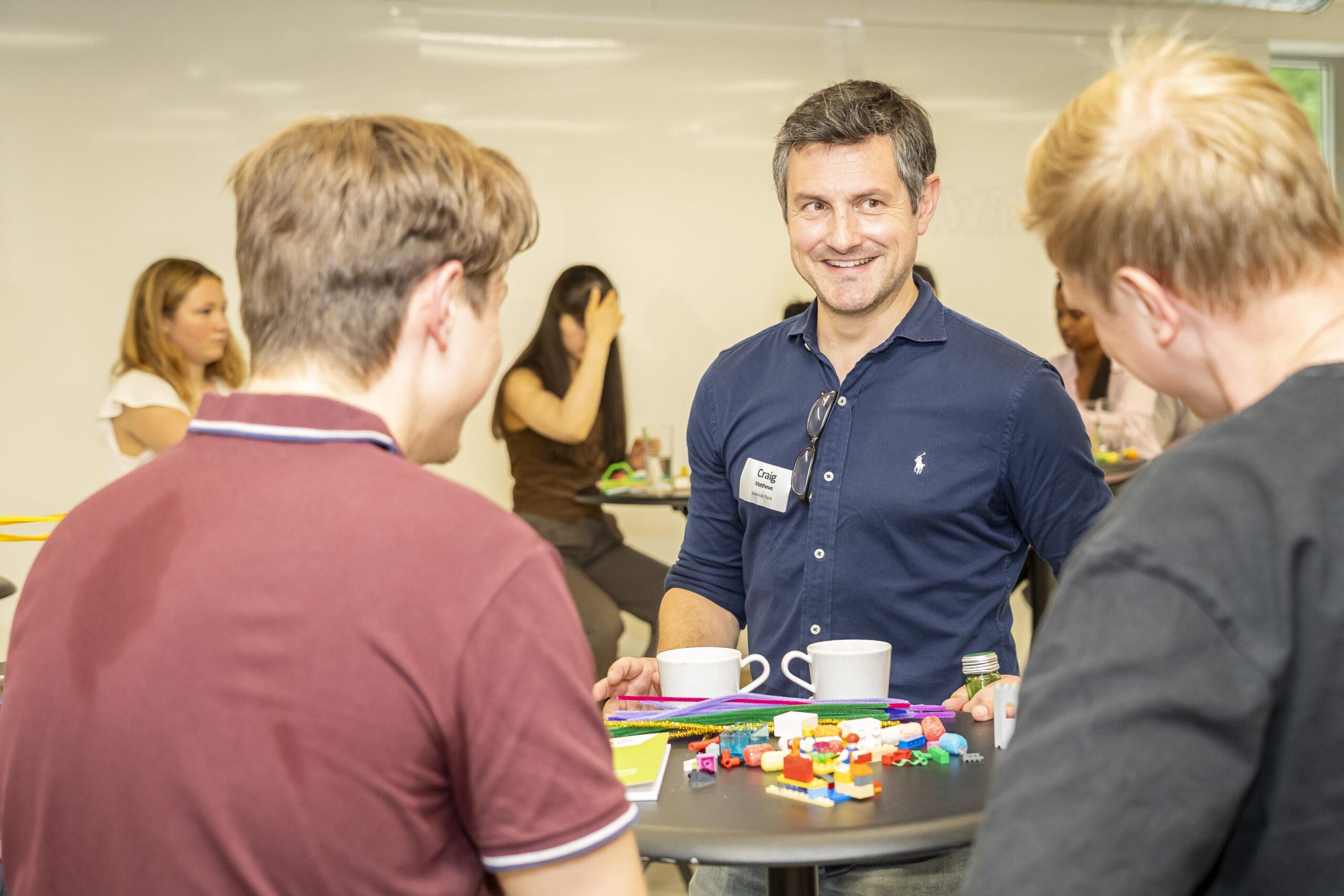
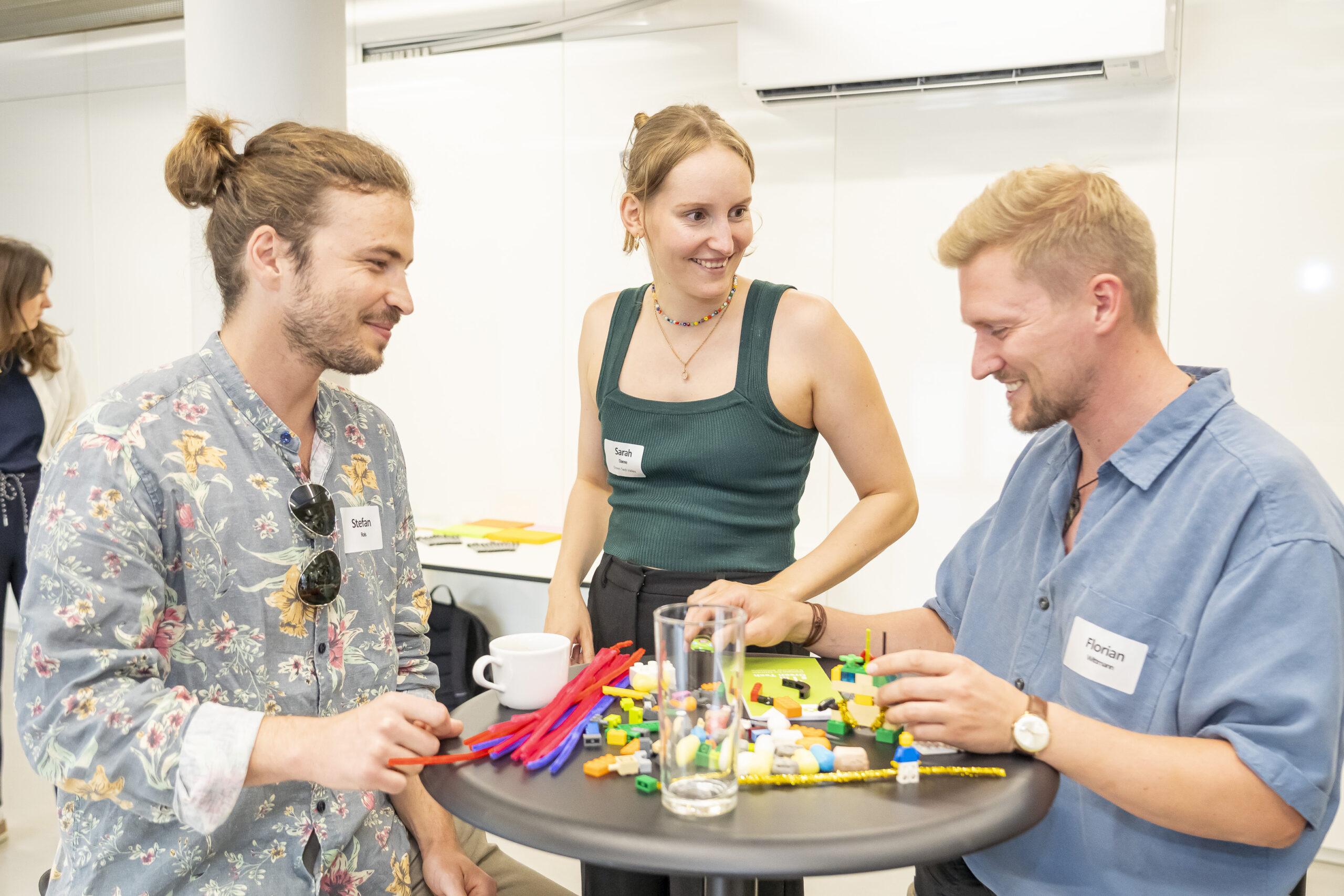
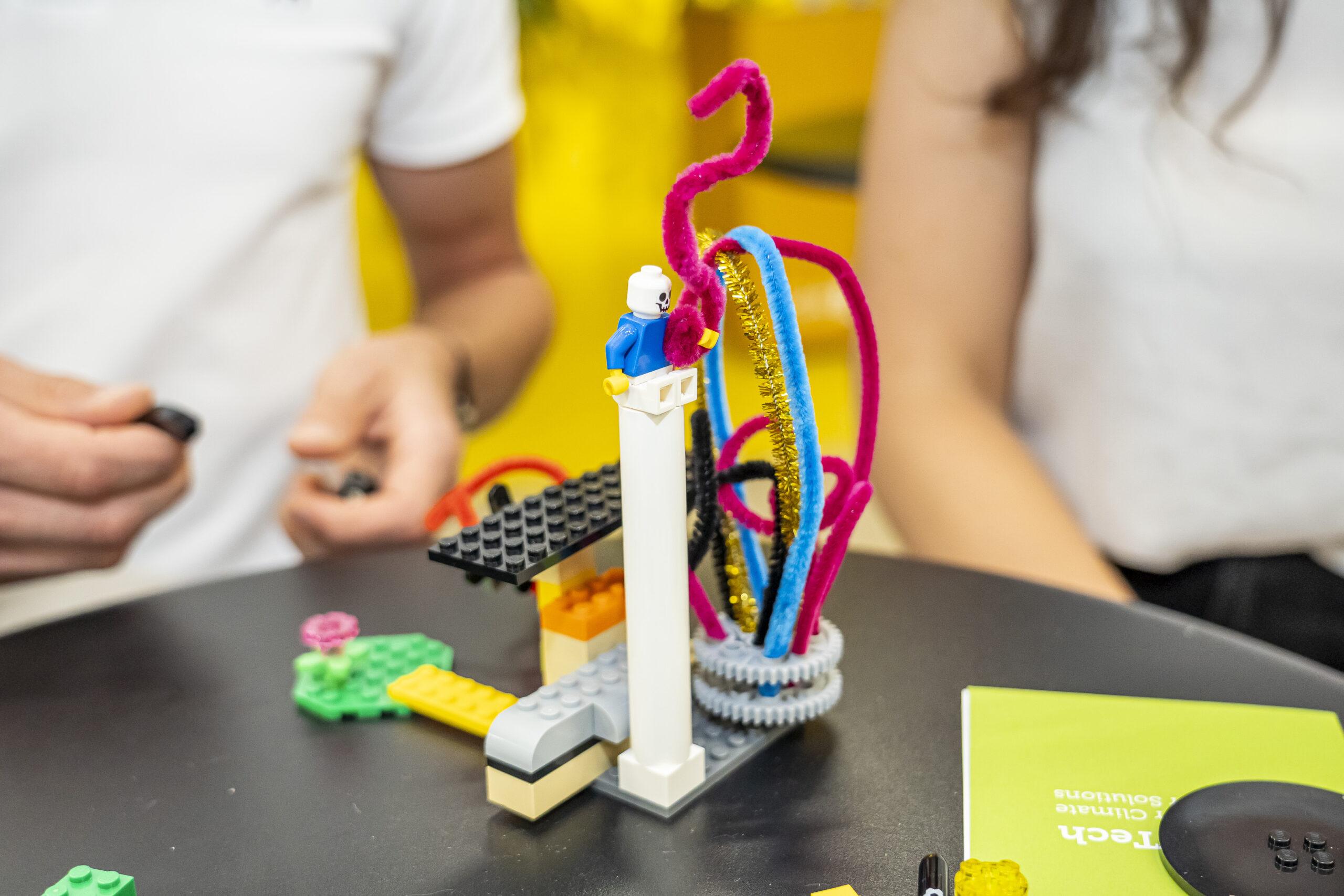
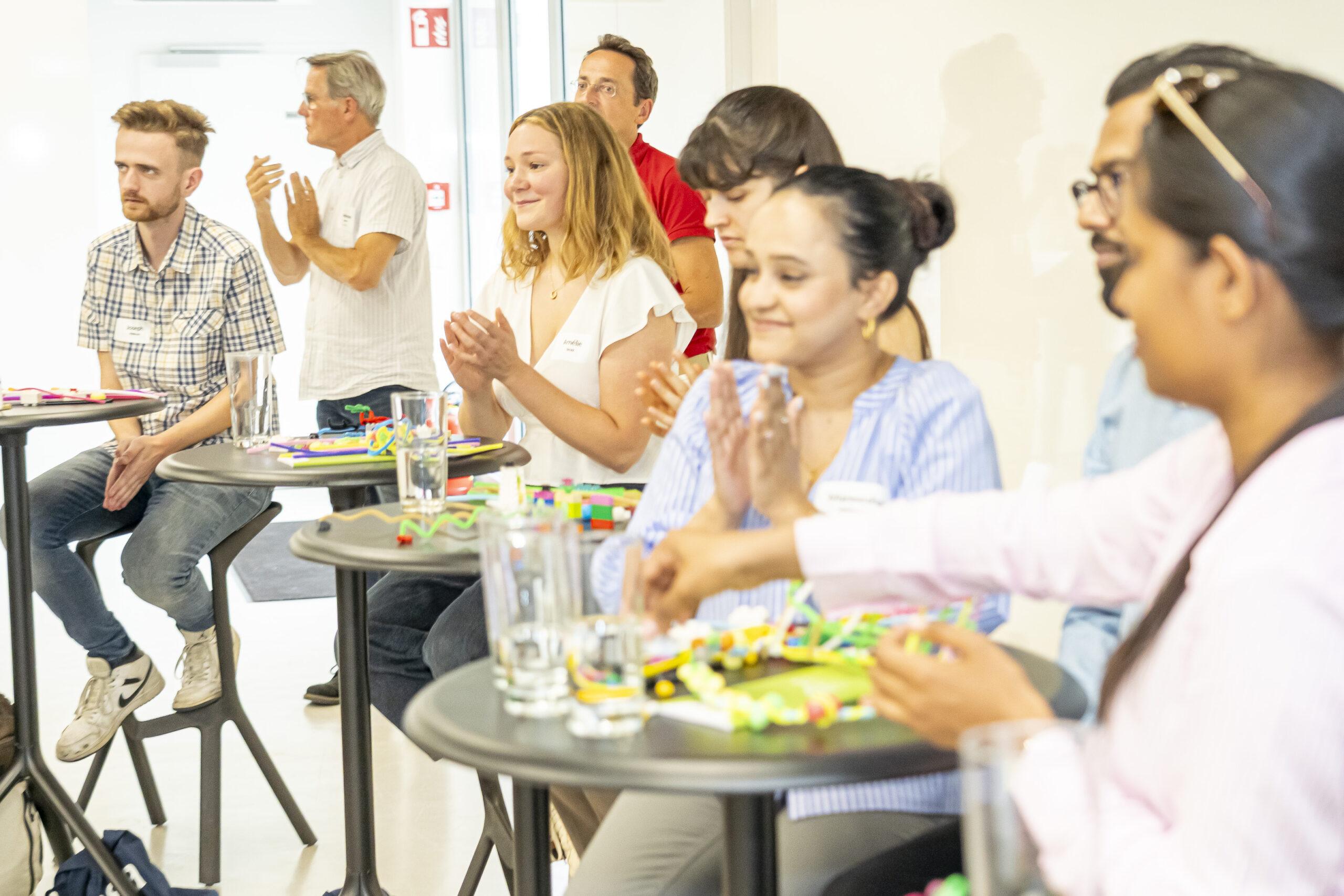
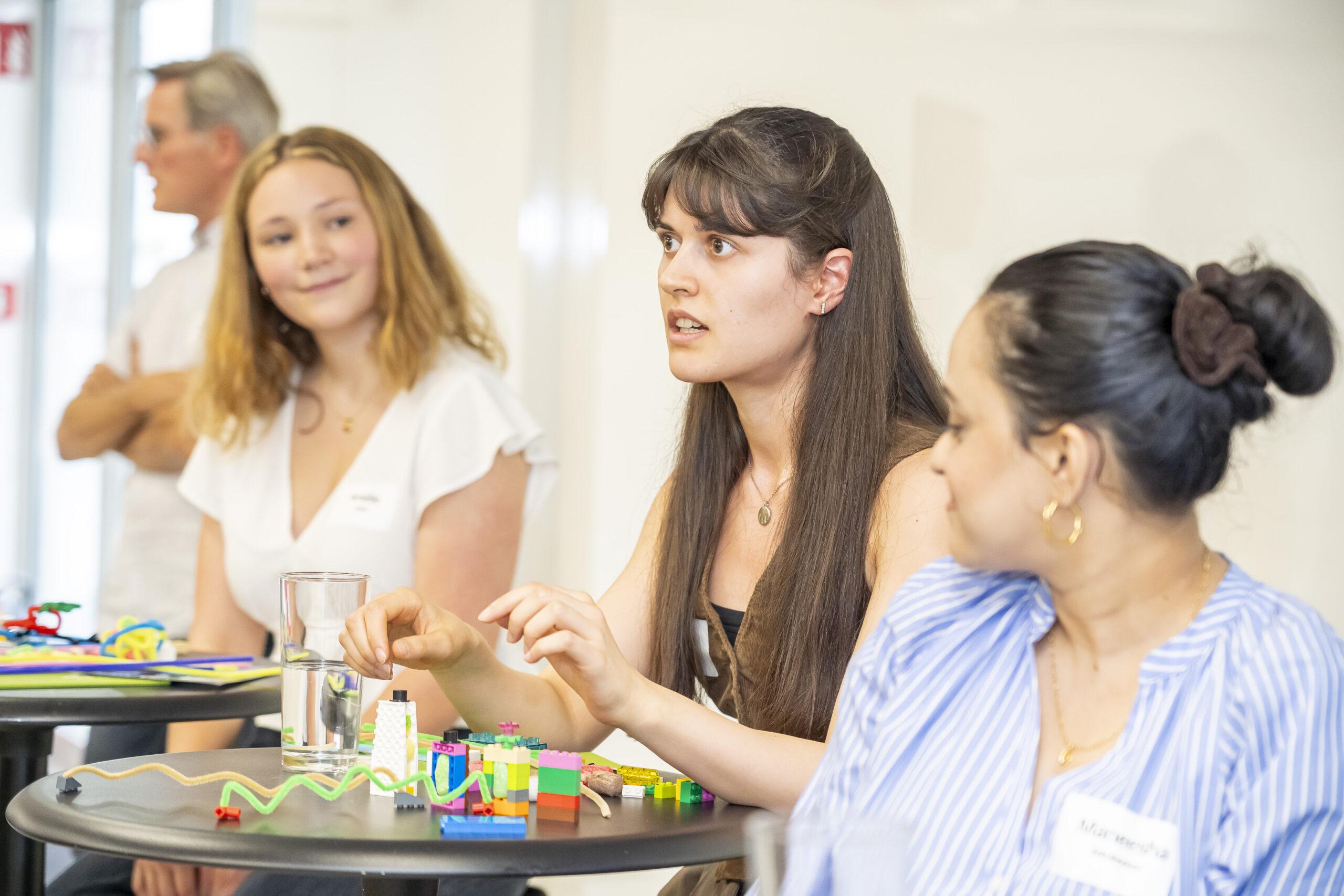
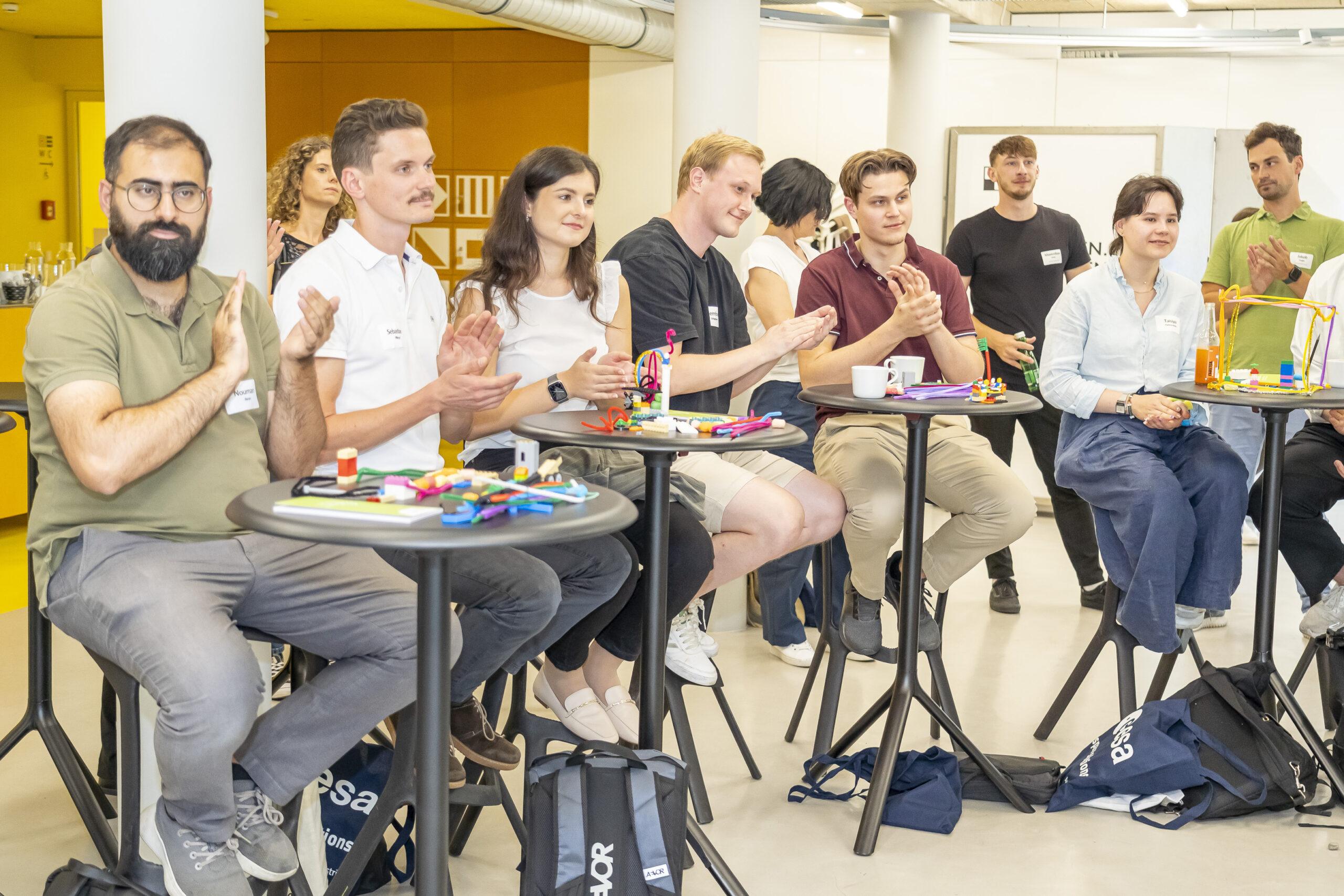
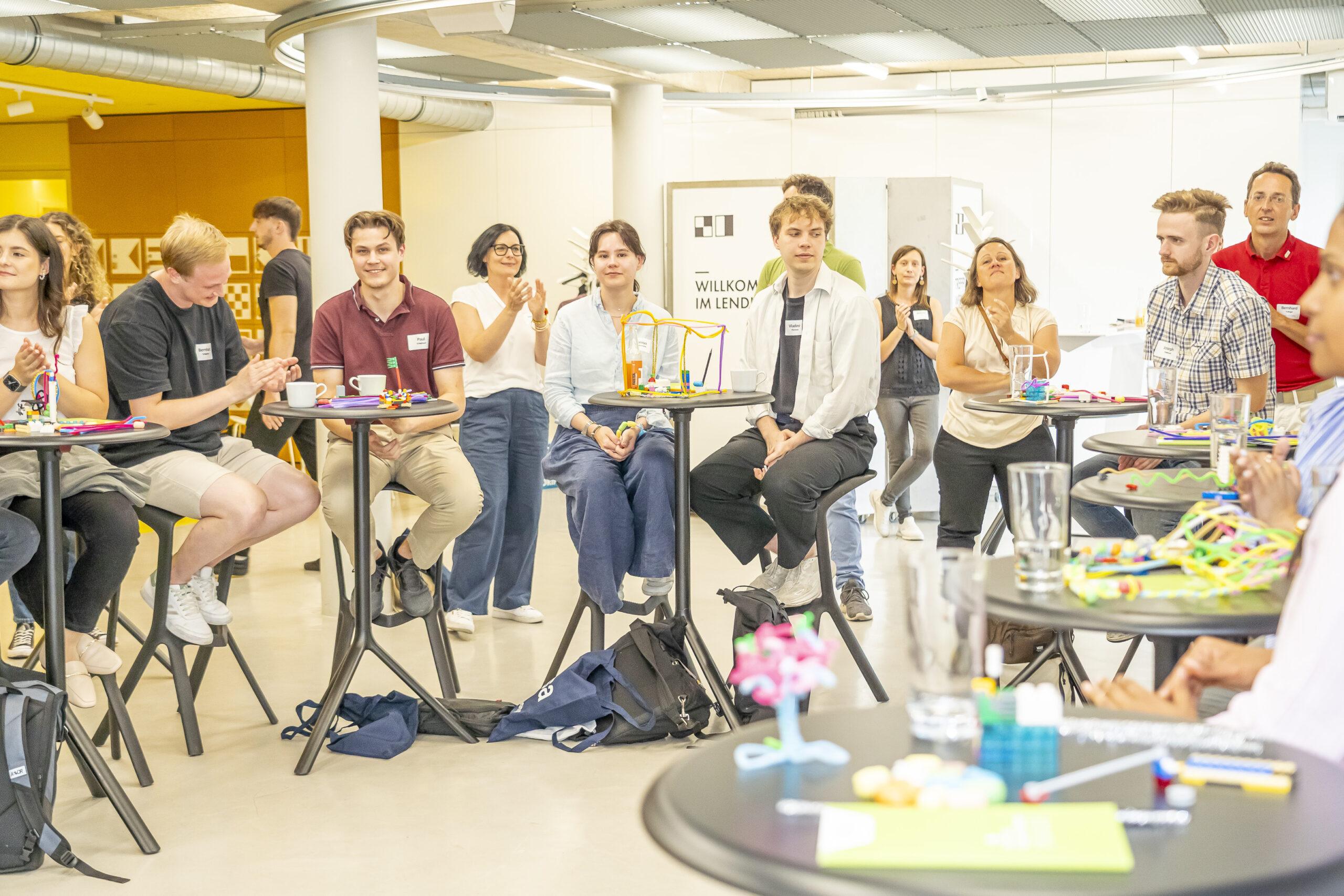
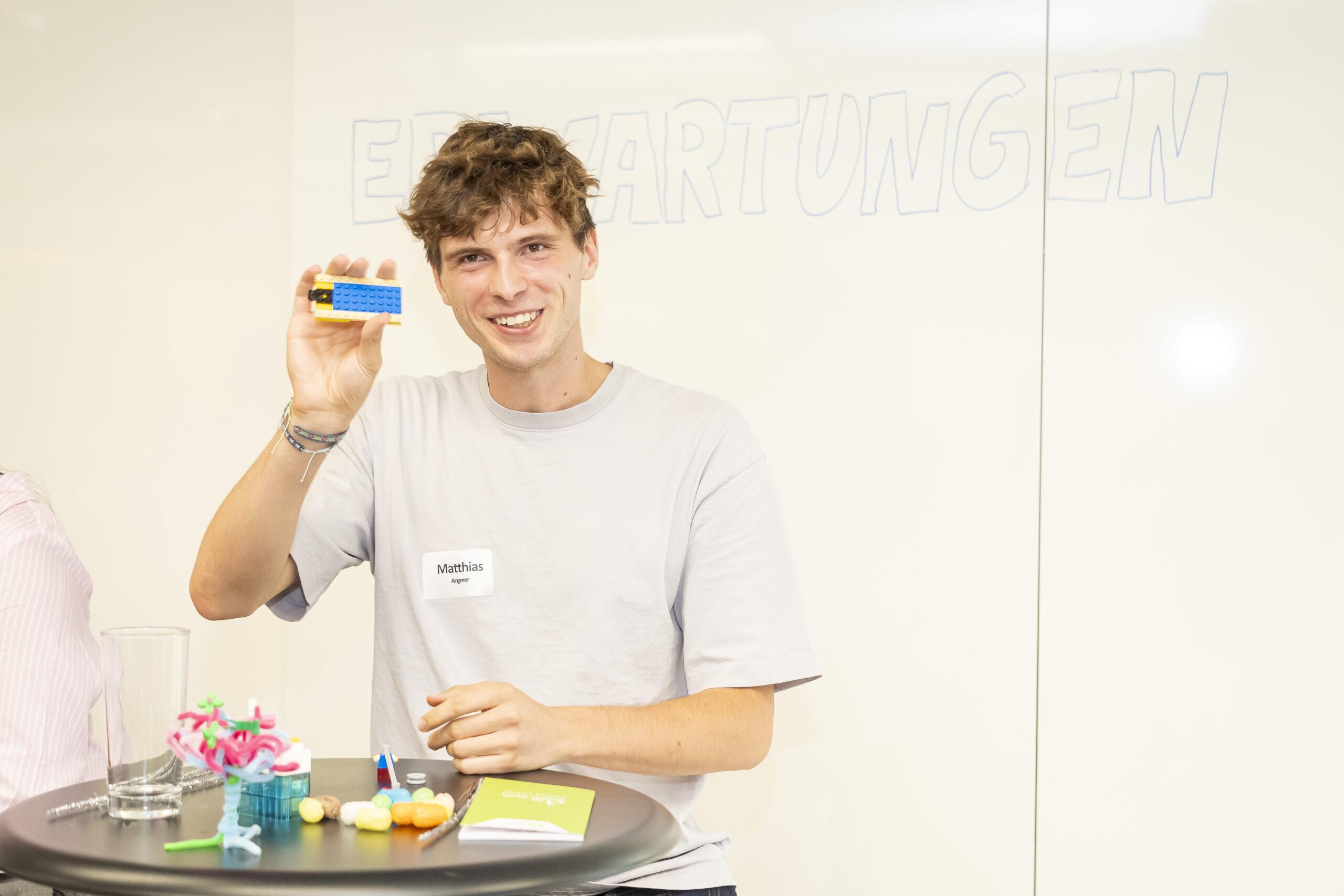
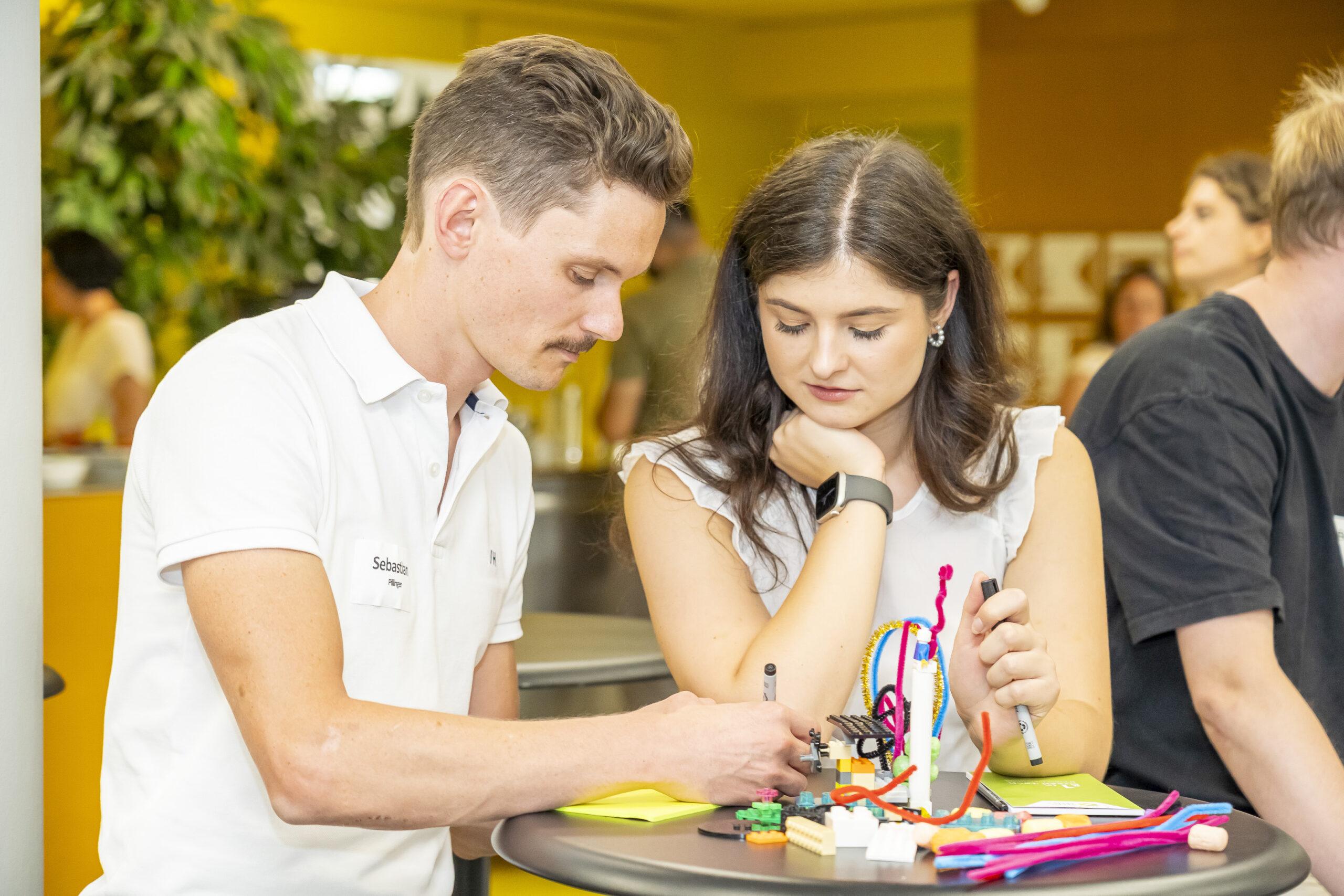
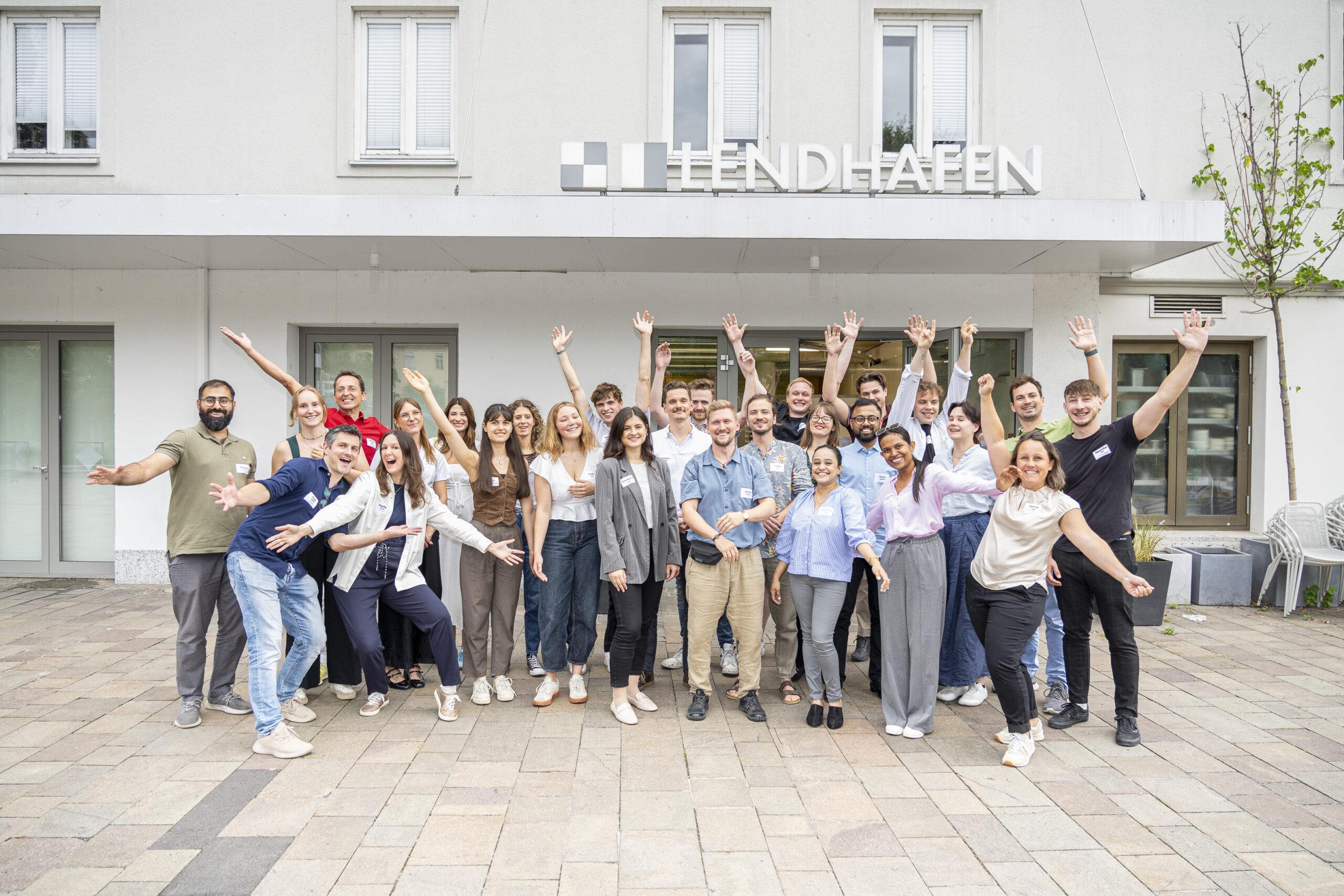
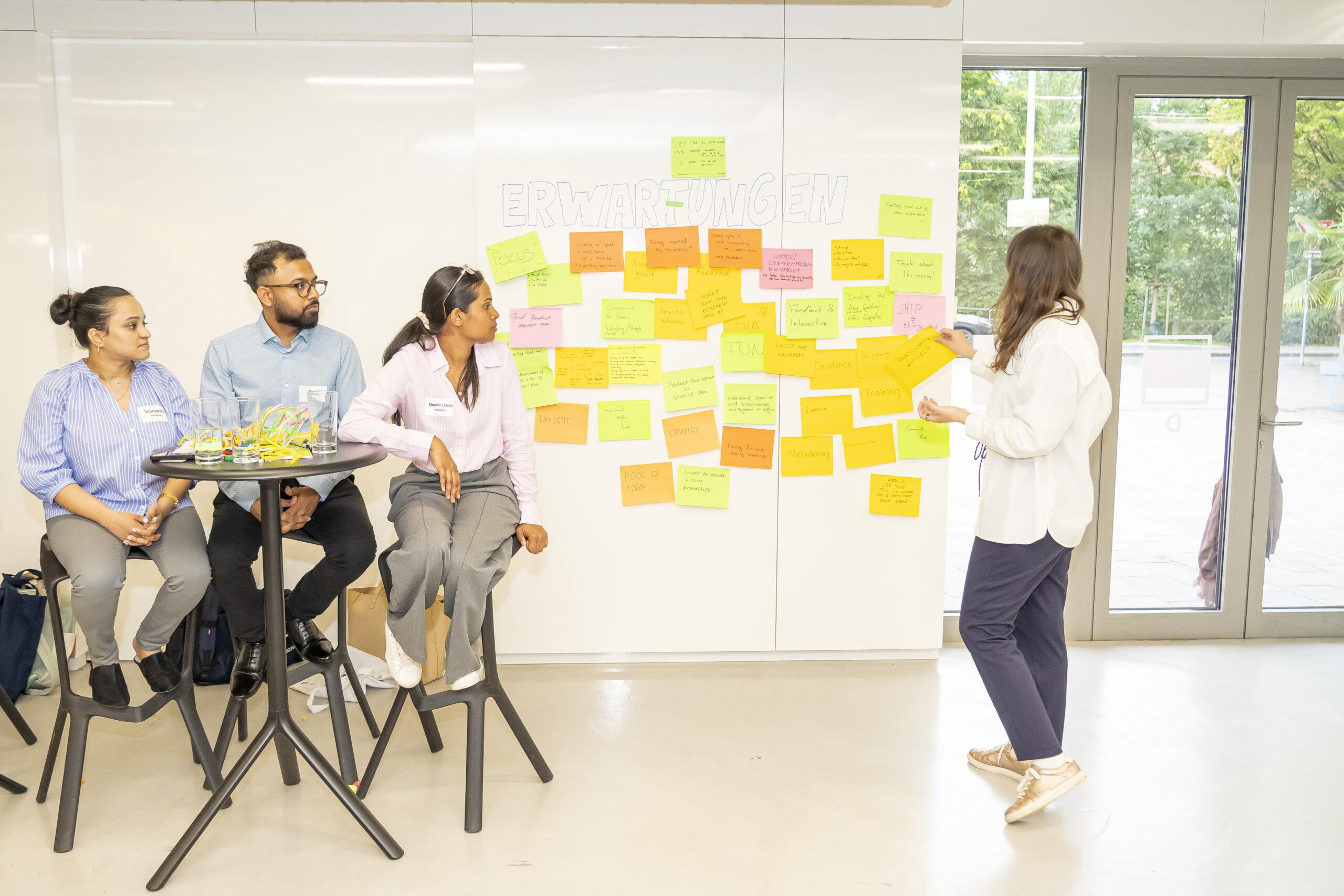
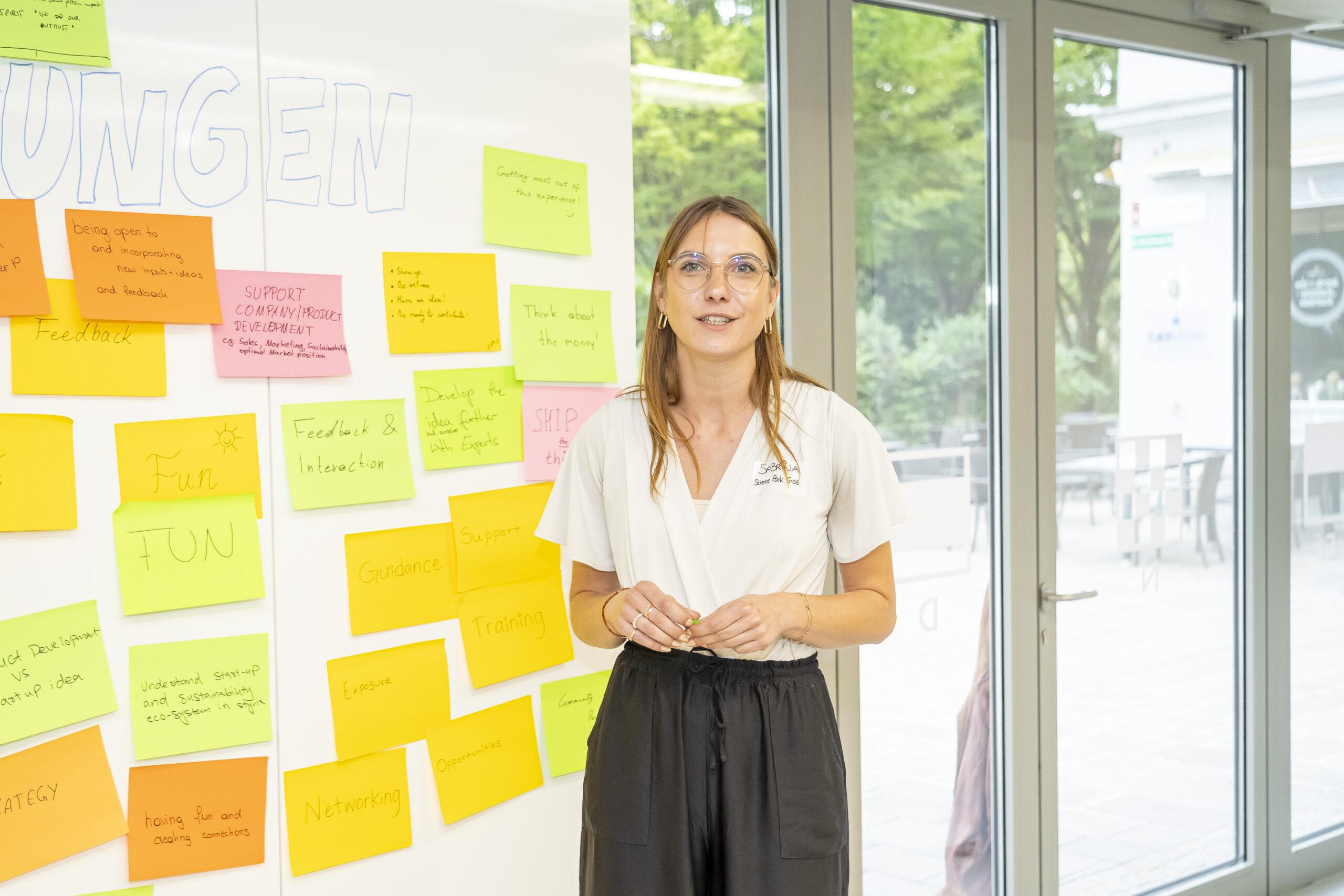
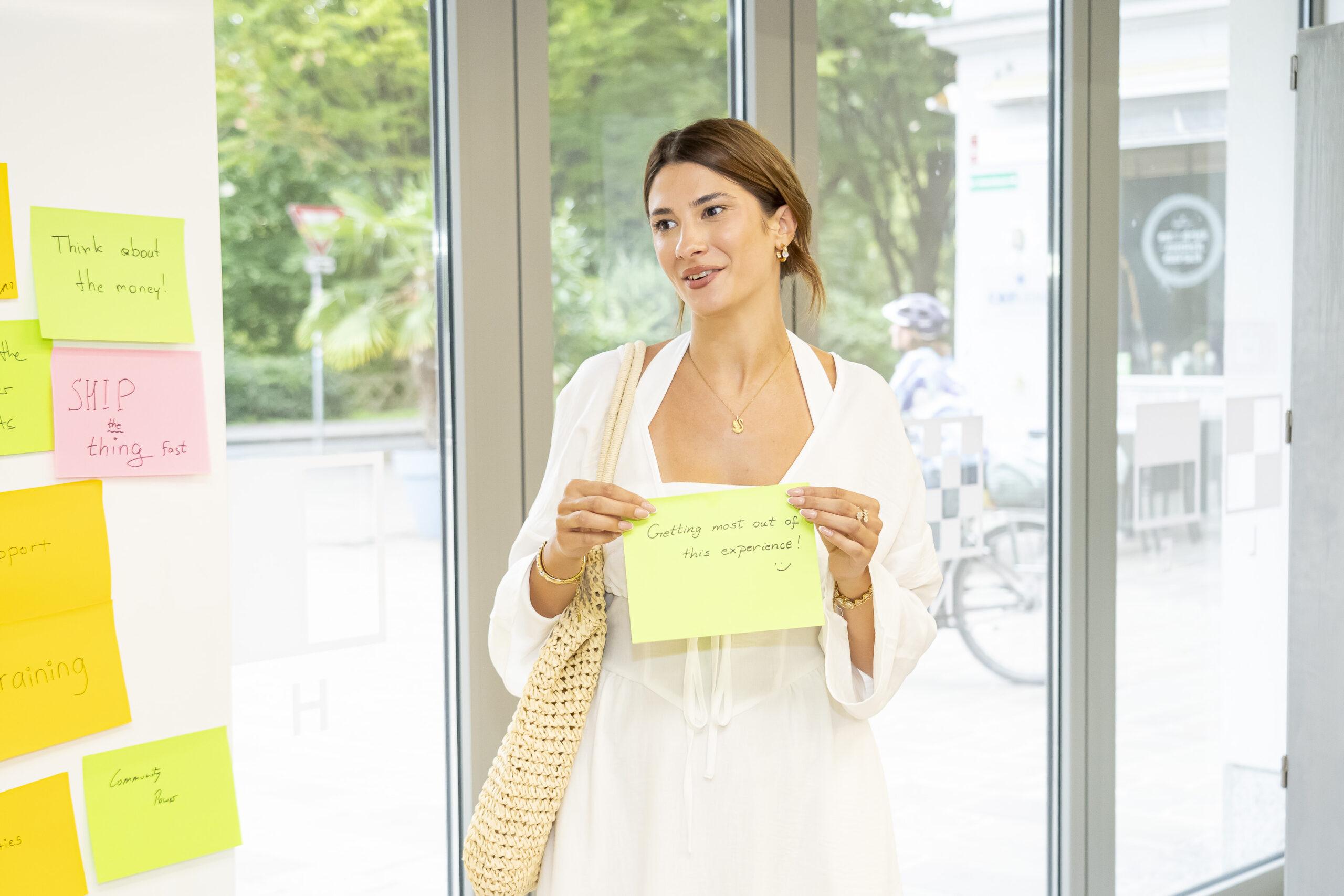
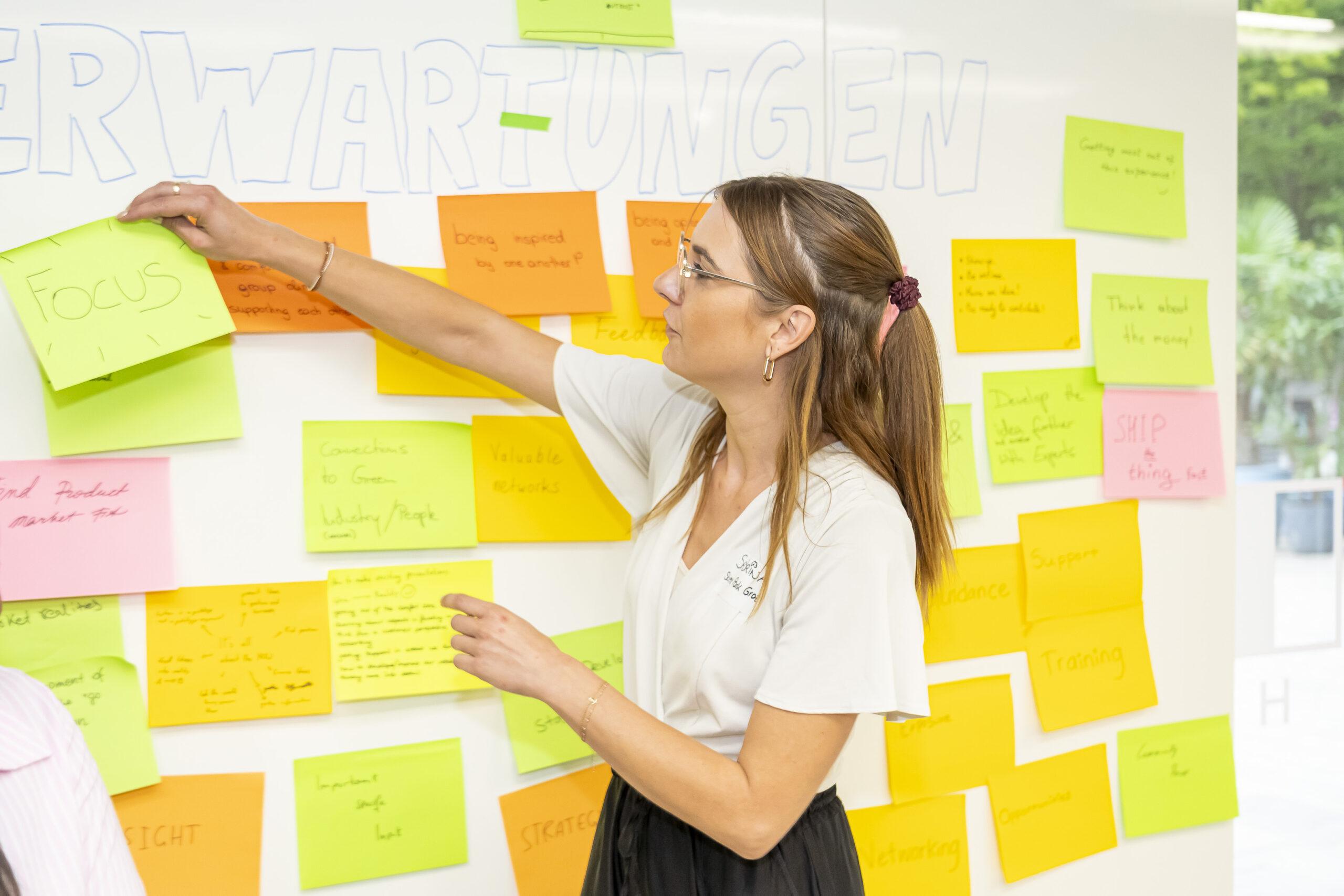
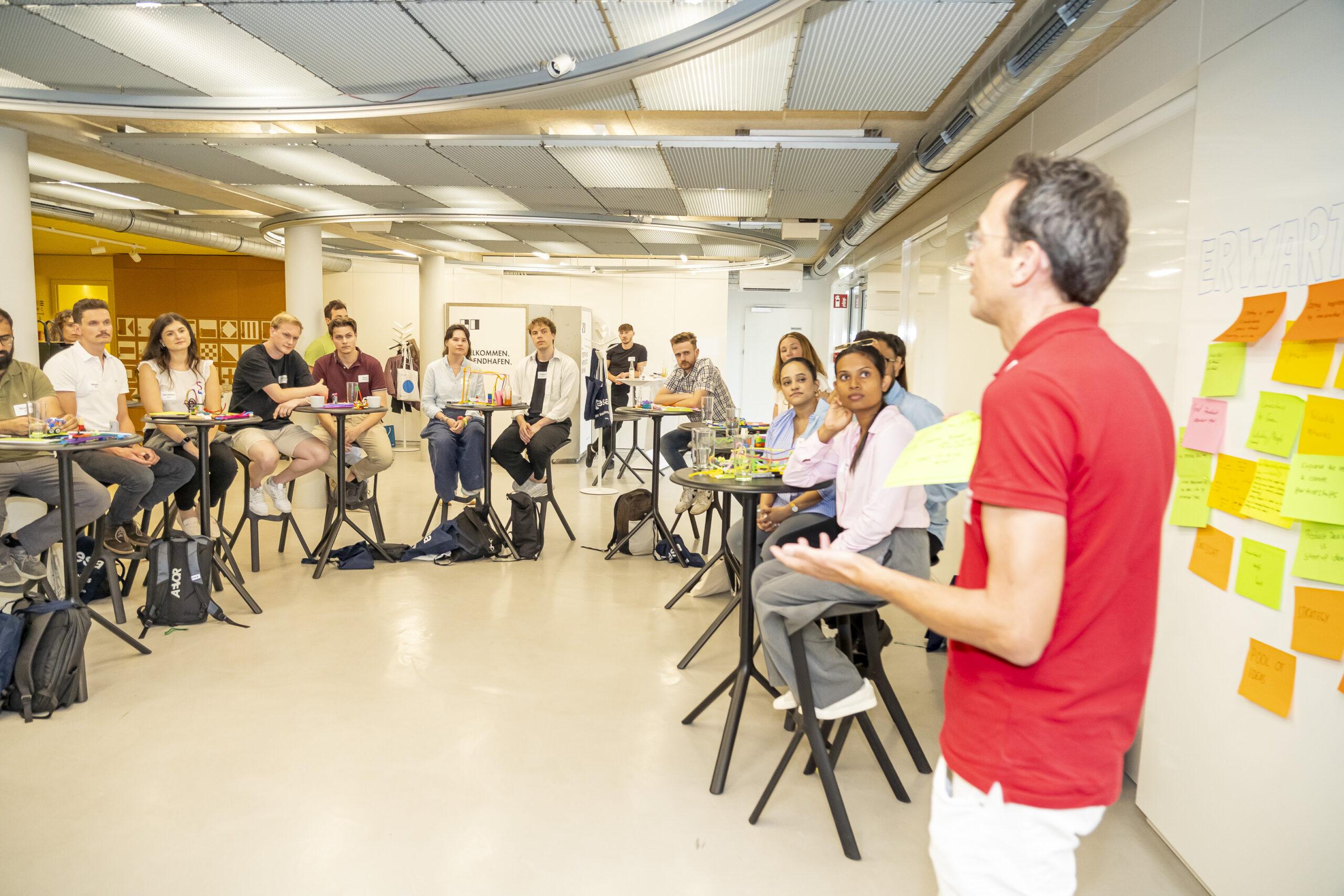
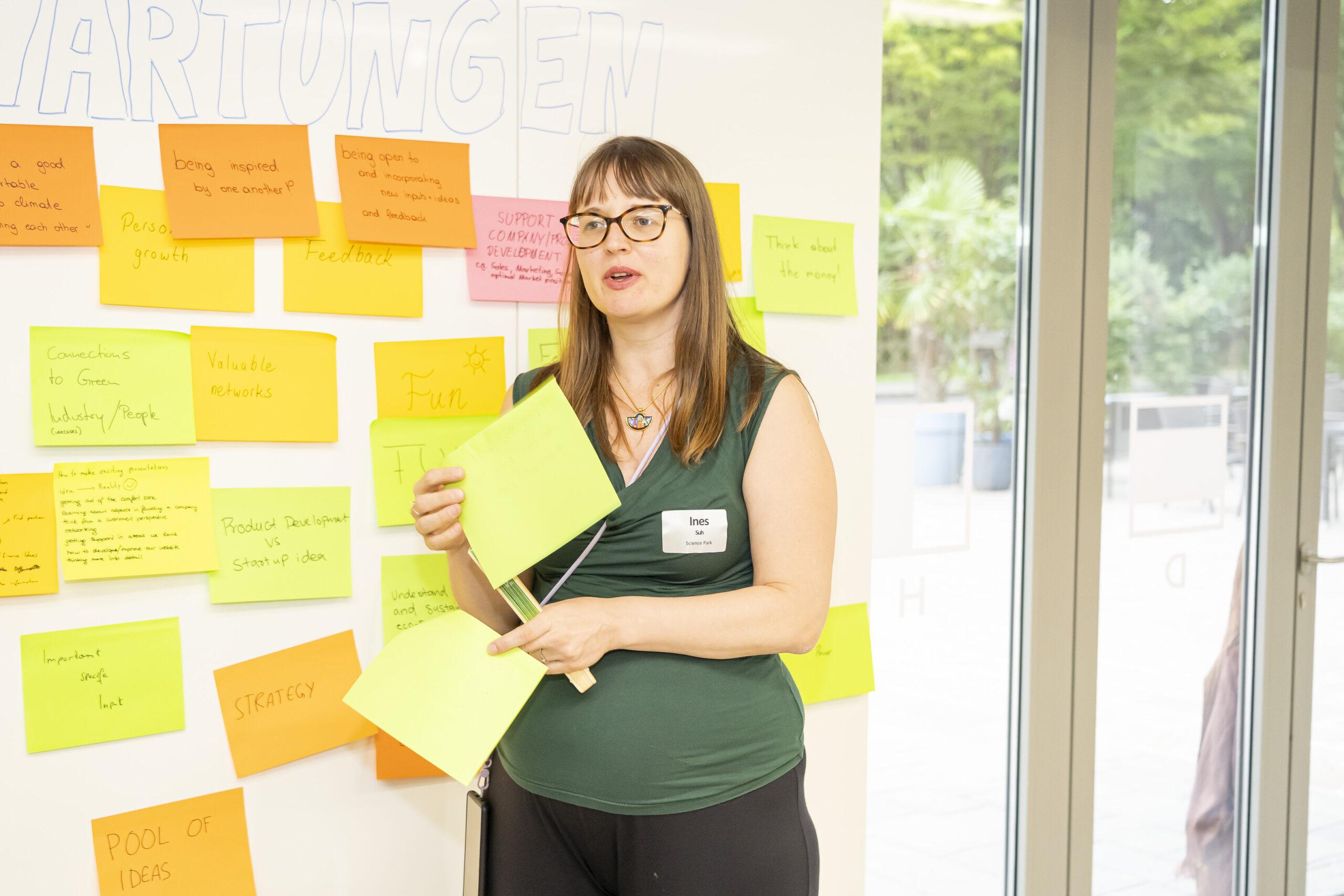
Ready, steady, go! That was the start of the Green Tech Summer 2025 - have a look!
Fotos: GTV/Foto Fischer




GREEN TECH SUMMER 2024
Das waren die Teilnehmer:innen 2024
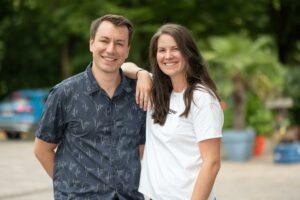
Astrid Radkohl &
Lukas Bernauer
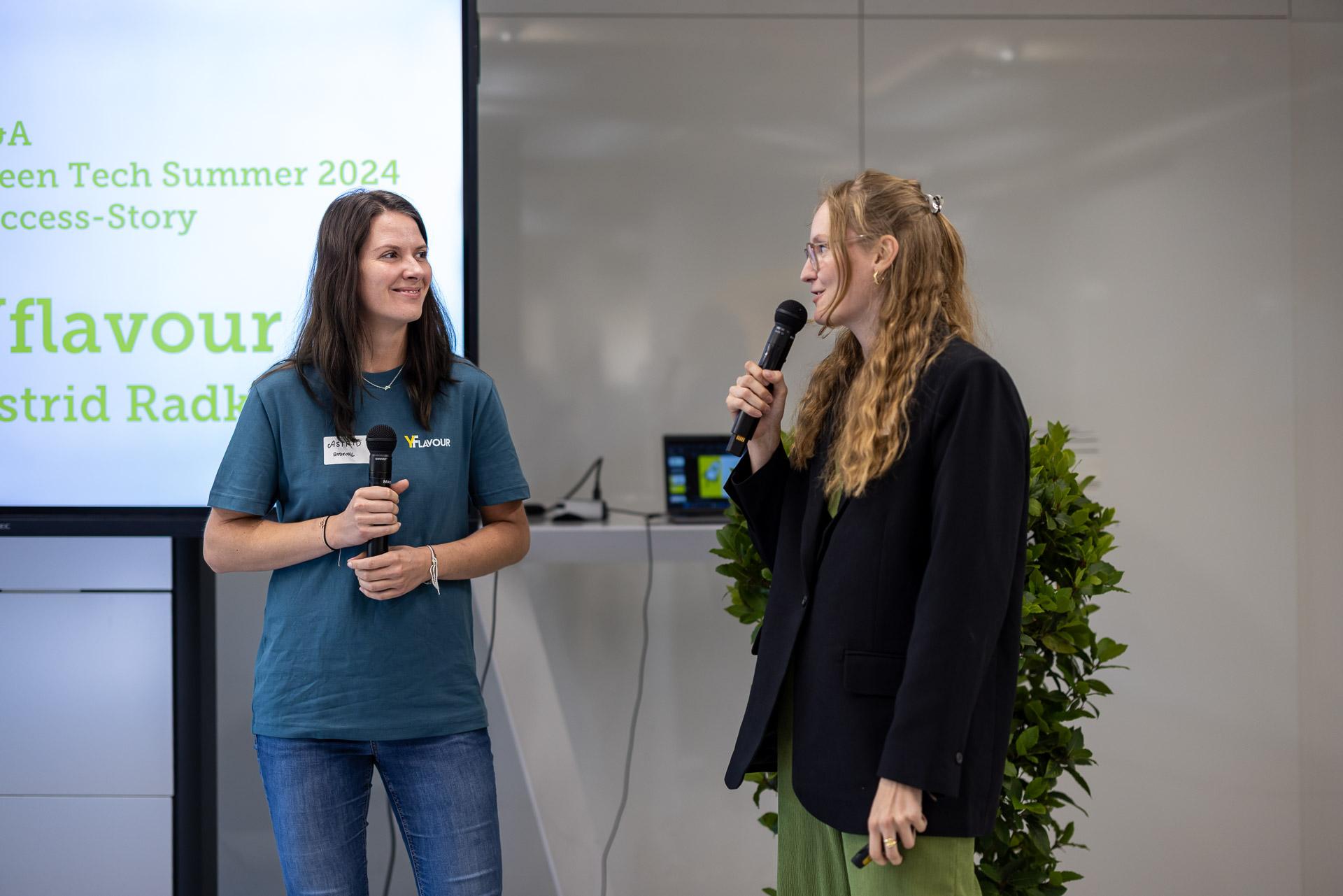
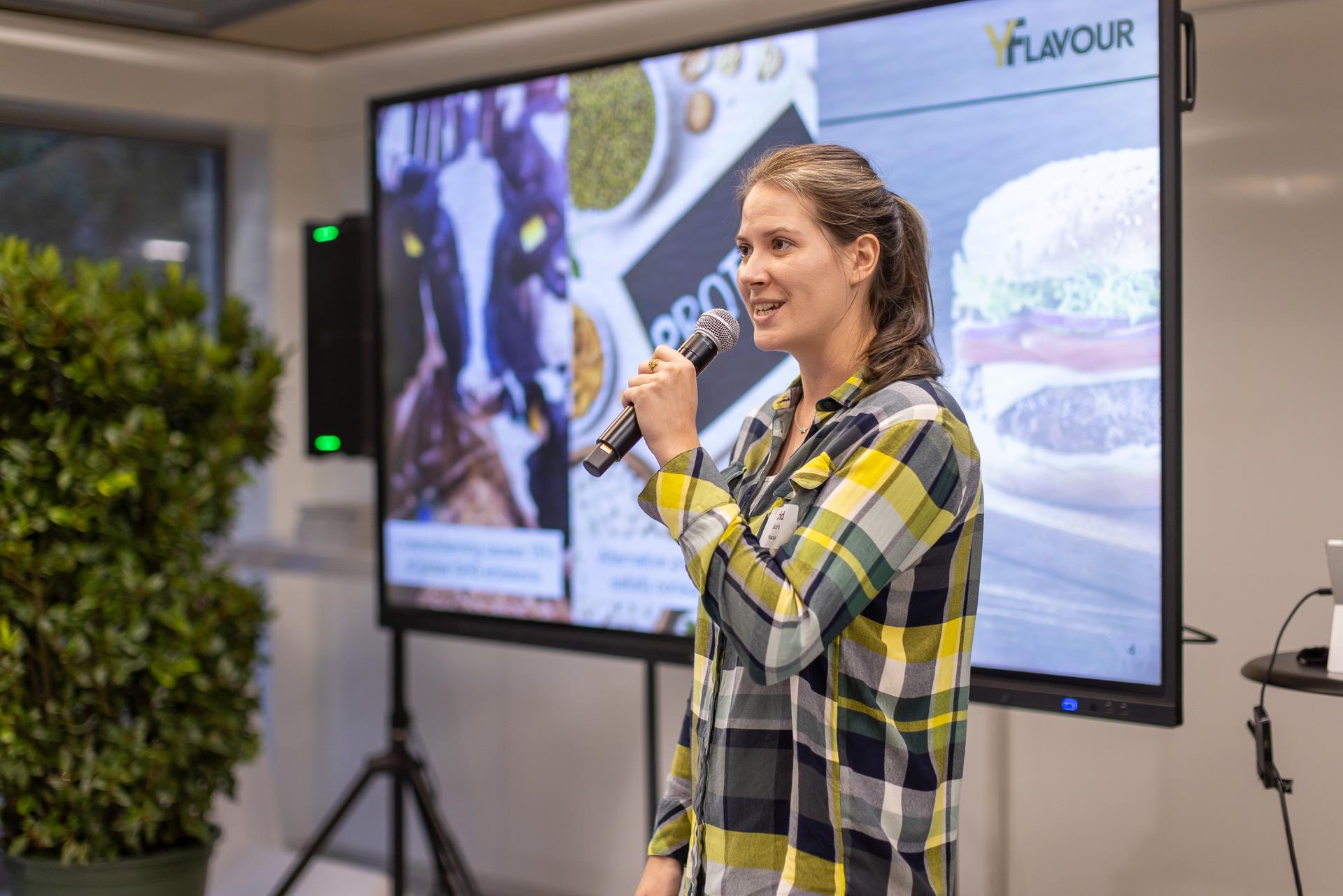
YFlavour
Dieses Projekt entwickelt natürliche, vegane Hefe-basierte Geschmackslösungen zur Ver-besserung des Geschmacks von pflanzlichen Fleischalternativen, insbesondere im Rind-fleischsektor in Europa. Mithilfe eines nachhaltigen Bioprozesses verbessern diese Aromen den Geschmack, reduzieren den Salzgehalt und überdecken unangenehme Gerüche. Damit bieten sie Unternehmen, einschließlich Beyond Meat, eine Lösung mit sauberer Kennzeichnung.

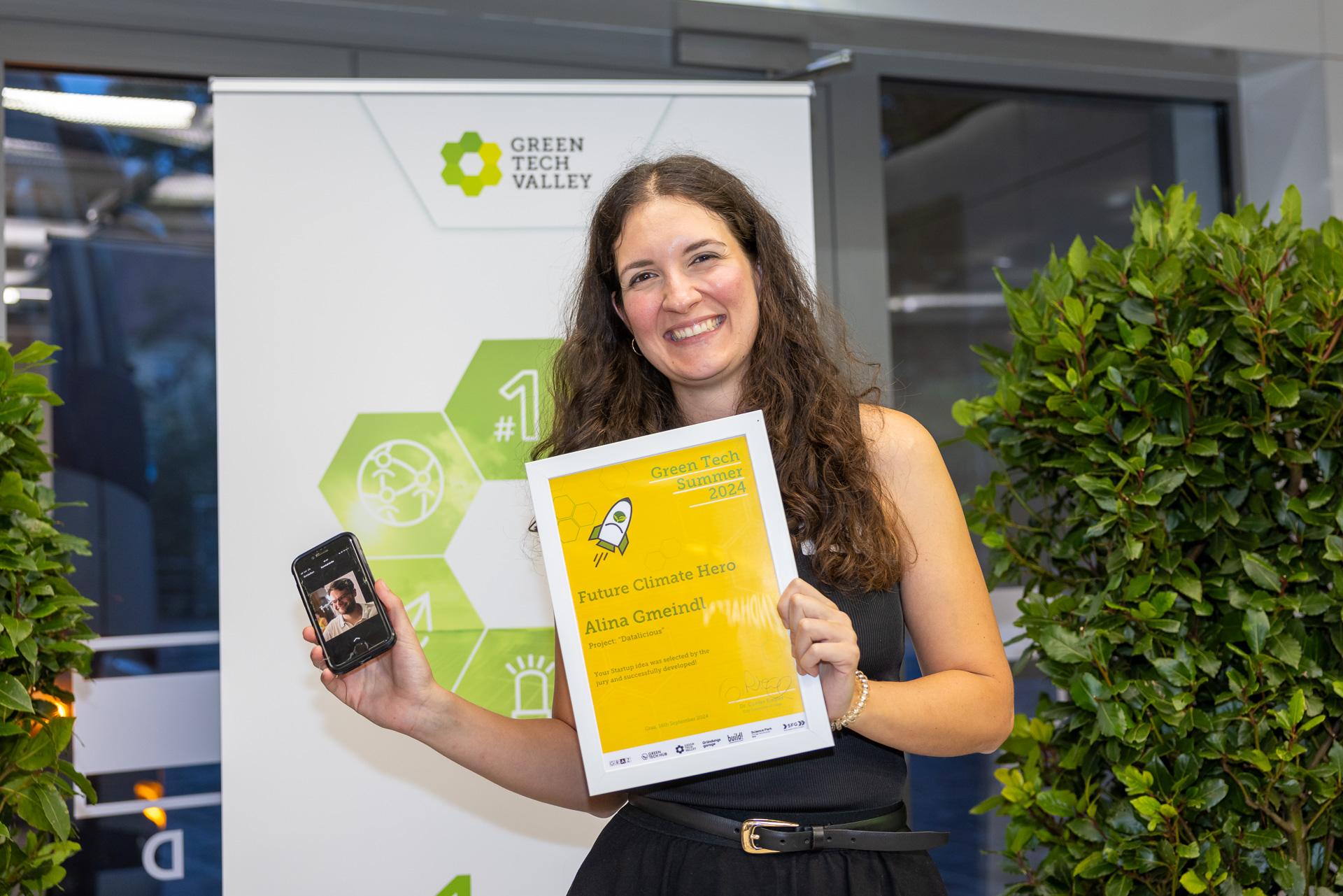
Tristan Leiter &
Alina Gmeindl
Datalicious
Das Projekt unterstützt Unternehmen und öffentliche Einrichtungen bei der Nachhaltigkeitsberichterstattung, indem es Vorlagen zur Erstellung und Datenvisualisierung bereit-stellt. Ziel ist es, durch systematische Datenerhebung und -auswertung fundierte Ent-scheidungsgrundlagen zu schaffen und langfristig den gesamten Nachhaltigkeitsprozess zu verbessern.
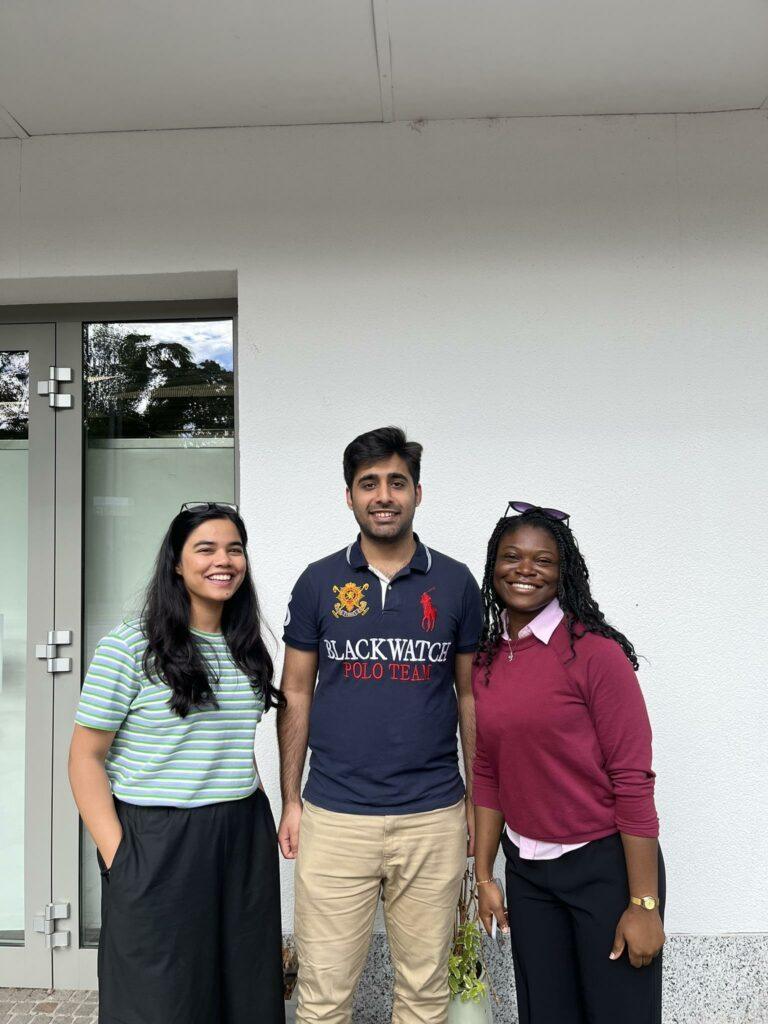
Akua Baah Addo &
Usama Rehman Lodhi &
Sibrah Kashif
Reinheit Solutions
Ein luftreinigendes System auf Basis von Zellulose zielt auf Entwicklungsländer wie China, Indien, Pakistan und Ghana ab, wo Luftverschmutzung die Gesundheit und die Umwelt stark beeinträchtigt. Diese kostengünstige und biologisch abbaubare Lösung ist für städti-sche Schulen, Büros, Wohngebäude und öffentliche Einrichtungen gedacht. Sie adressiert die Einschränkungen konventioneller Luftfilter und entfernt effektiv ultrafeine Partikel.

Christoph Prem
IntelliGrid
Das Projekt unterstützt Privathaushalte, Unternehmen und Gemeinden dabei, Energiekos-ten zu senken und erneuerbare Energien effizient zu nutzen. Die benutzerfreundliche Lösung ermöglicht dezentralisierte Energieversorgung und fördert lokale Energiegemeinschaften ohne technisches Know-how. Es bietet eine praktische und wirtschaftliche Möglichkeit, Netzstabilität zu sichern und die Energiewende voranzutreiben.

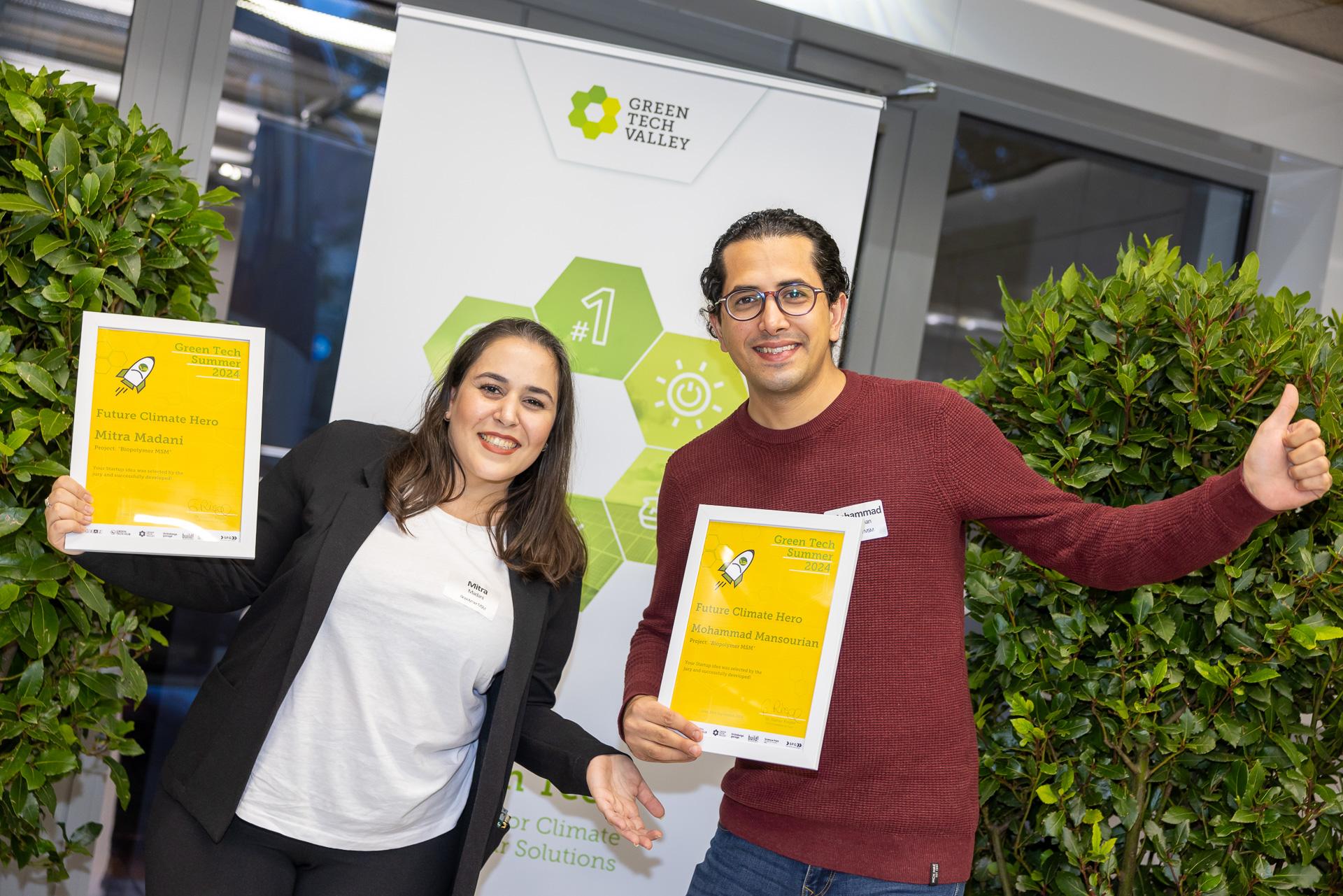
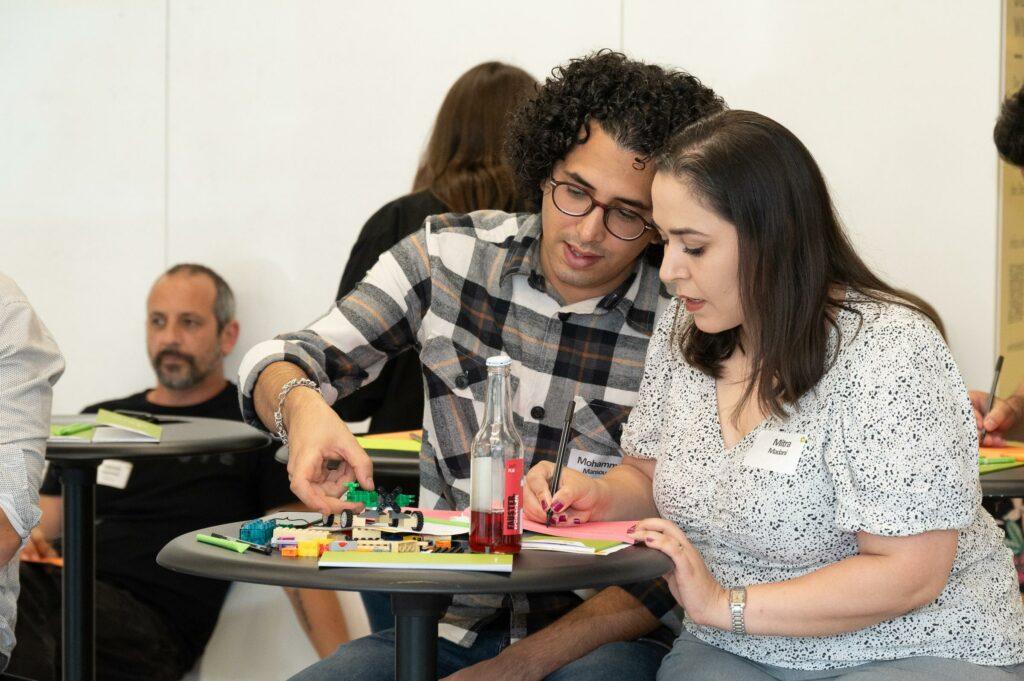
Mitra Madani &
Mohammad Mansourian
Biopolymer MSM
Dieses Projekt nutzt eine neue Biopolymer-Methode, um die Haltbarkeit von Obst und Gemüse bei Raumtemperatur zu verlängern. Dadurch wird der Bedarf an Kühlung redu-ziert und die Lebensmittelverschwendung während Produktion, Transport, Verkauf und Lagerung signifikant gesenkt. Diese innovative Verpackungslösung verhindert nicht nur Verderb, sondern trägt auch zum Umweltschutz bei, indem der Energiebedarf für Kühlung verringert wird.

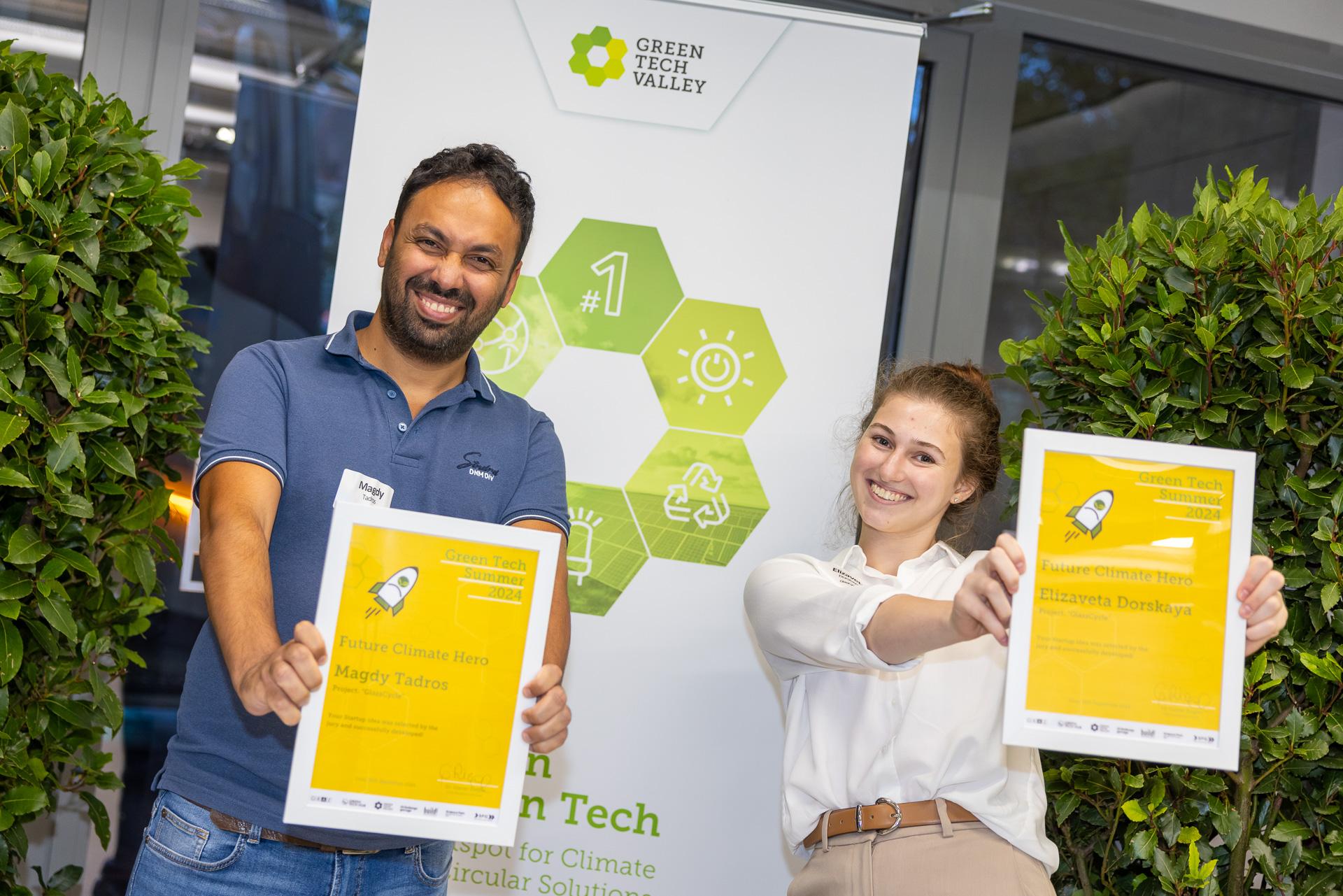
Elizaveta Dorskaya &
Magdy Tadros
Glasscycle
Gläser aus recycelten Glasflaschen. Die Initiative fördert Prinzipien der Kreislaufwirtschaft und nachhaltigen Konsum, indem sie sich auf die Reduzierung von Ressourcenverschwen-dung konzentriert. Ein wesentlicher Aspekt besteht darin, für die verantwortungsvolle Wiederverwendung von Materialien wie Glas zu werben, insbesondere in Regionen, in denen traditionelle Rücknahmesysteme weniger verbreitet sind
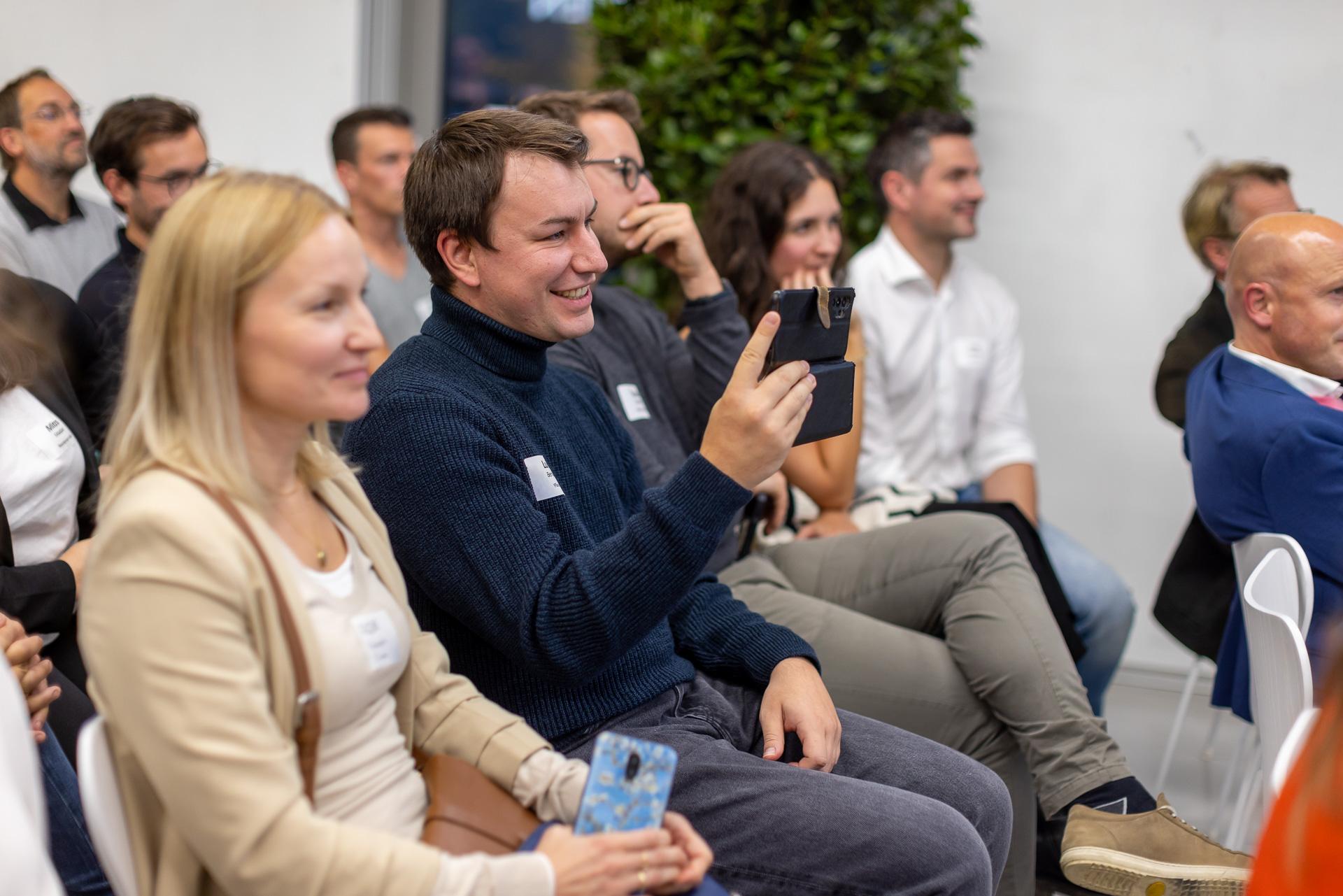
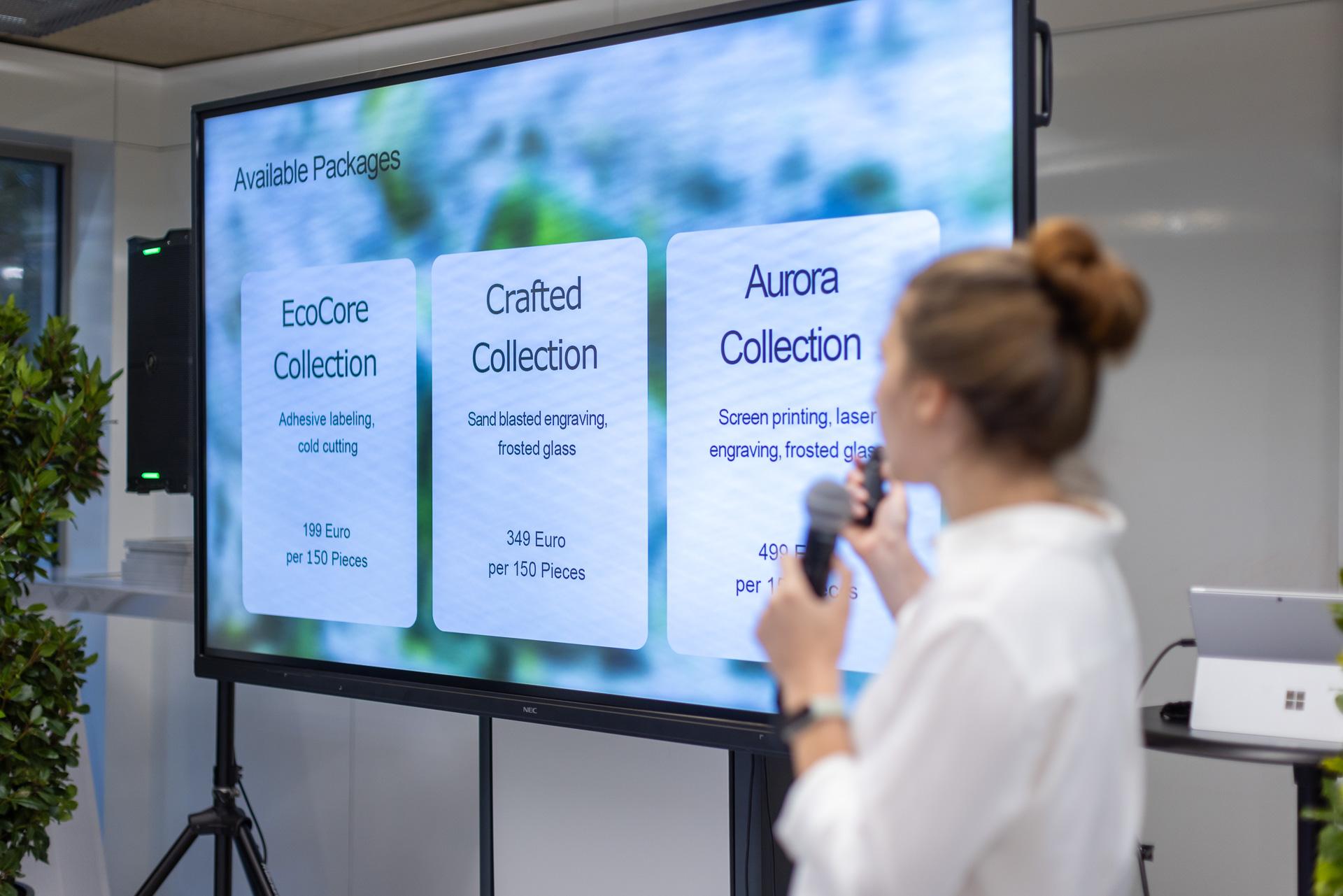
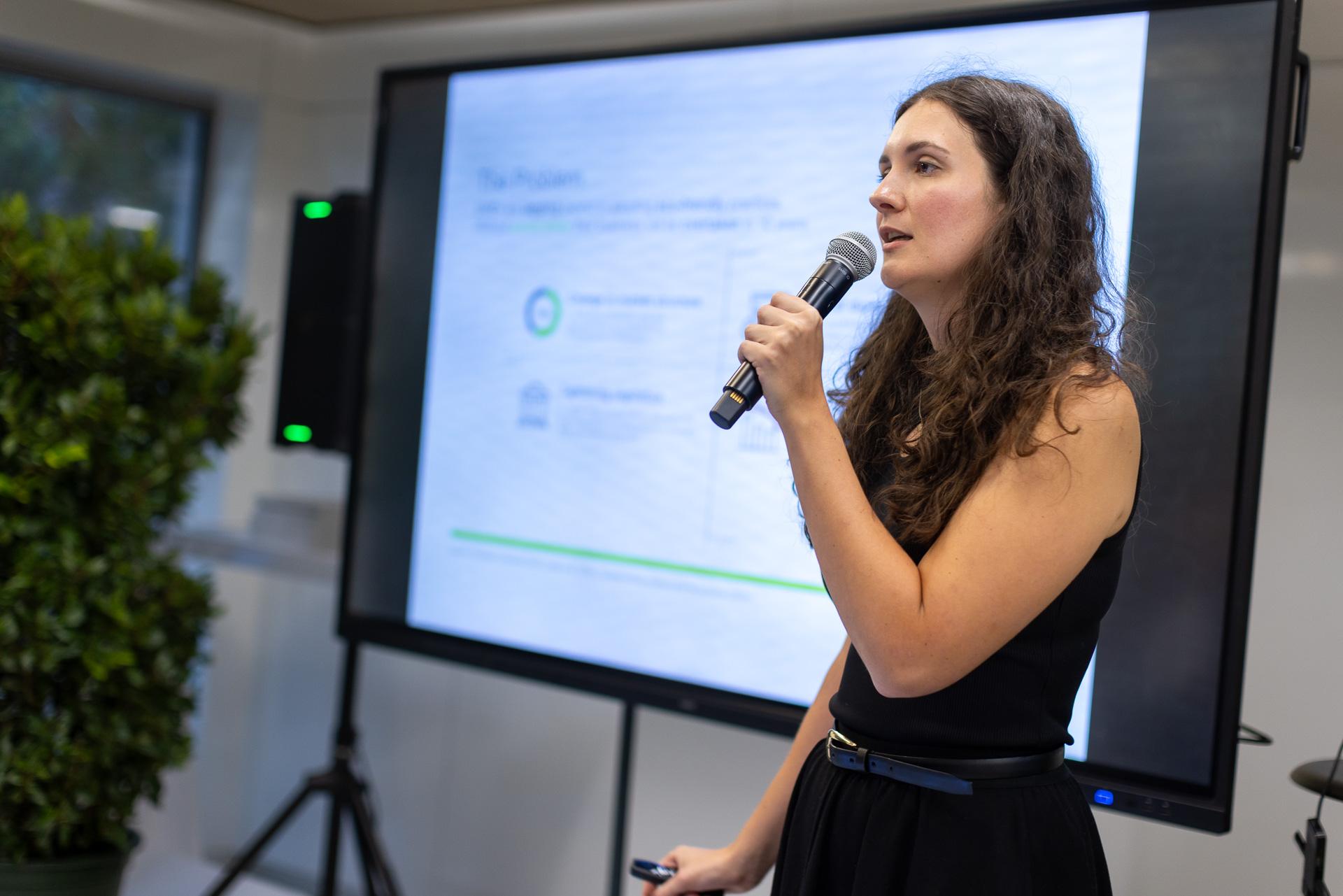
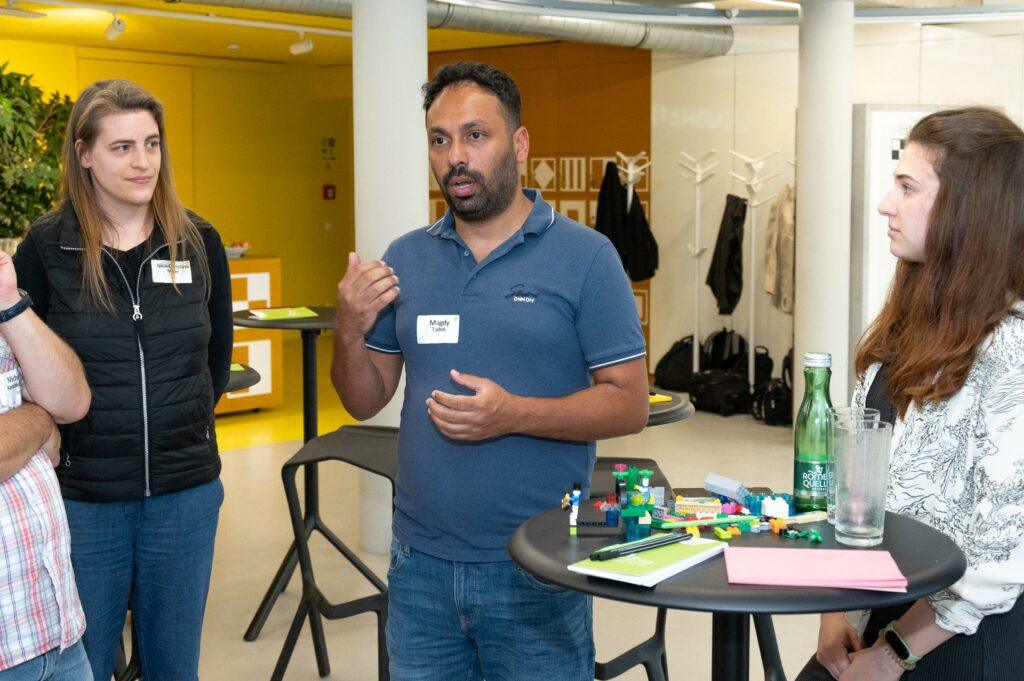
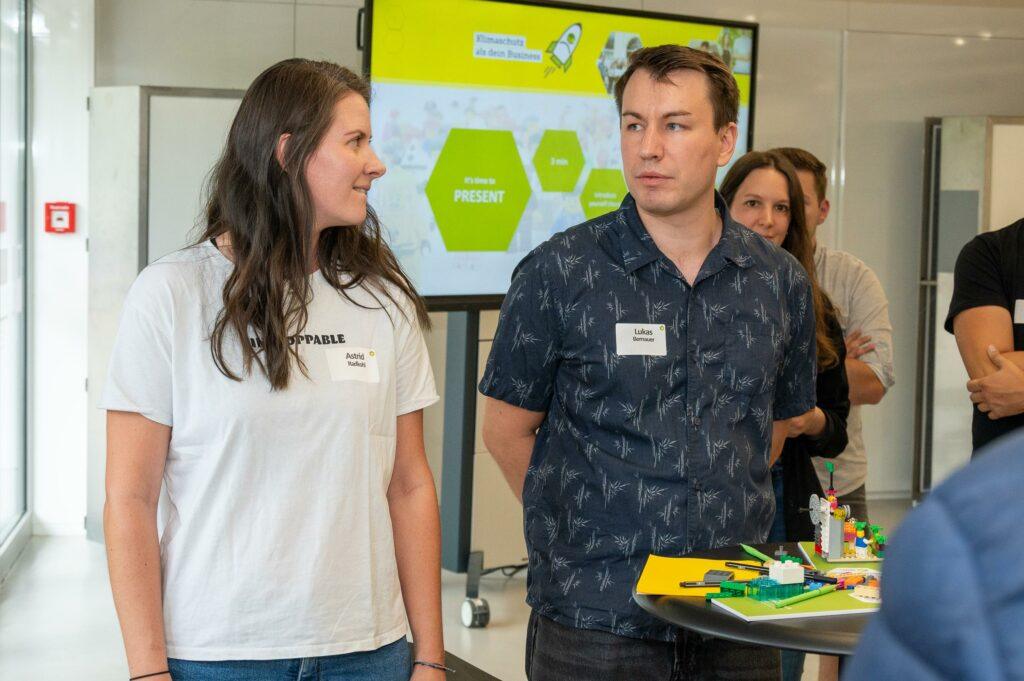
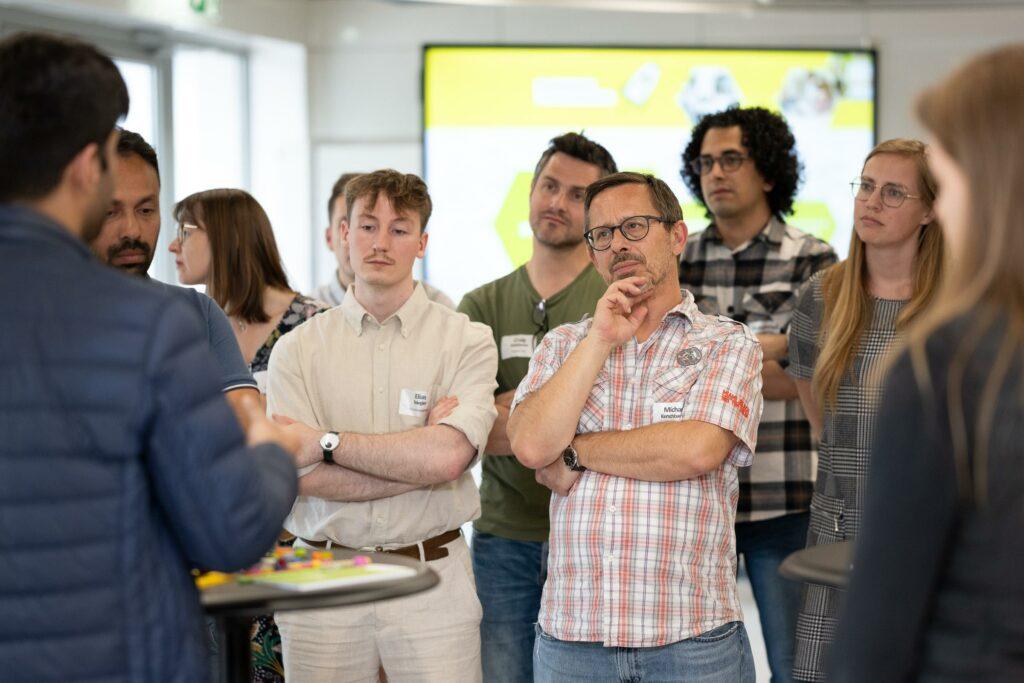
Das Finale des Green Tech Summers 2024!
Ihr wart einfach großartig und habt die Gäste mit euren Pitches begeistert!
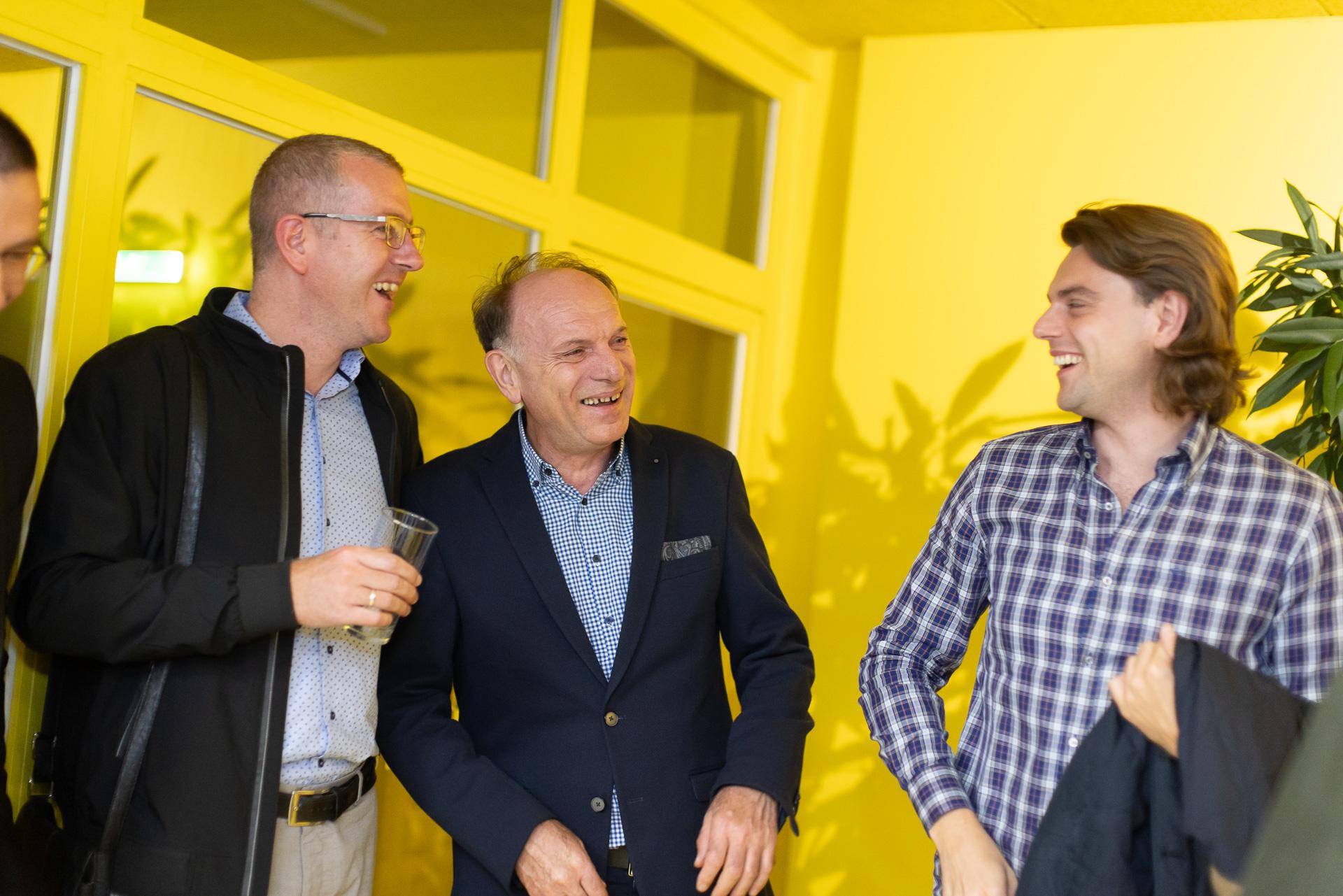
Hier die Fotos vom Abschlussabend am 16. September 2024:
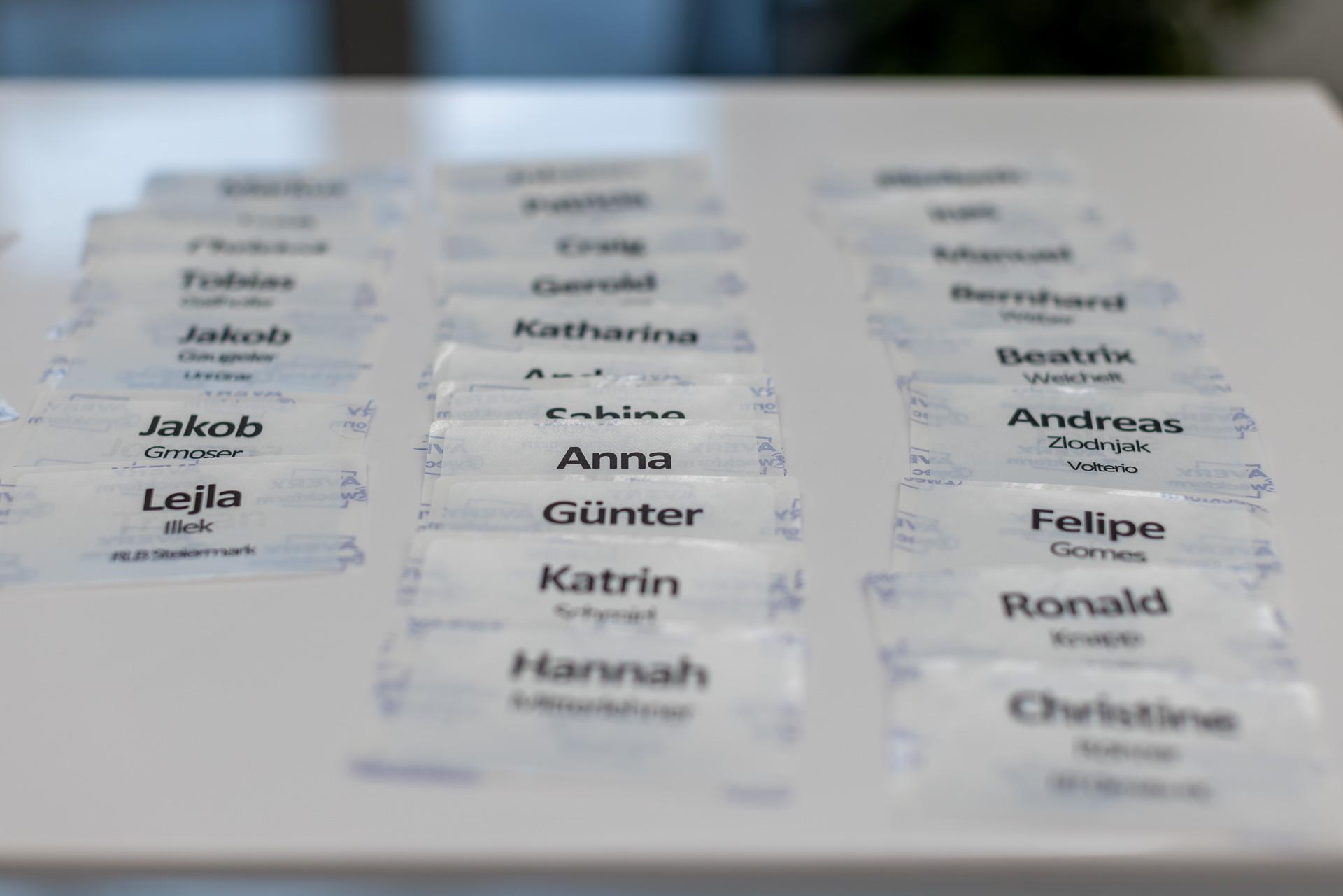
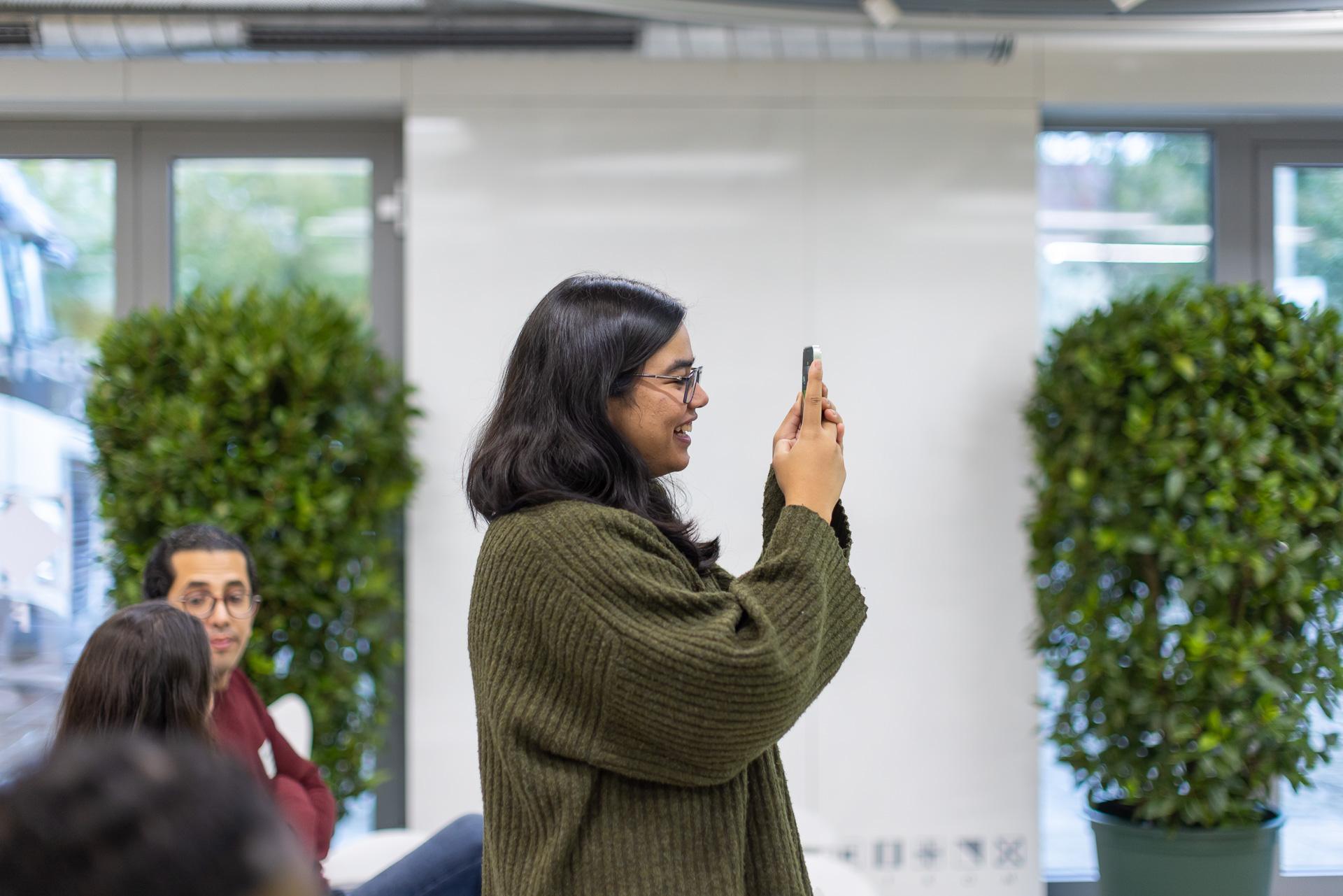
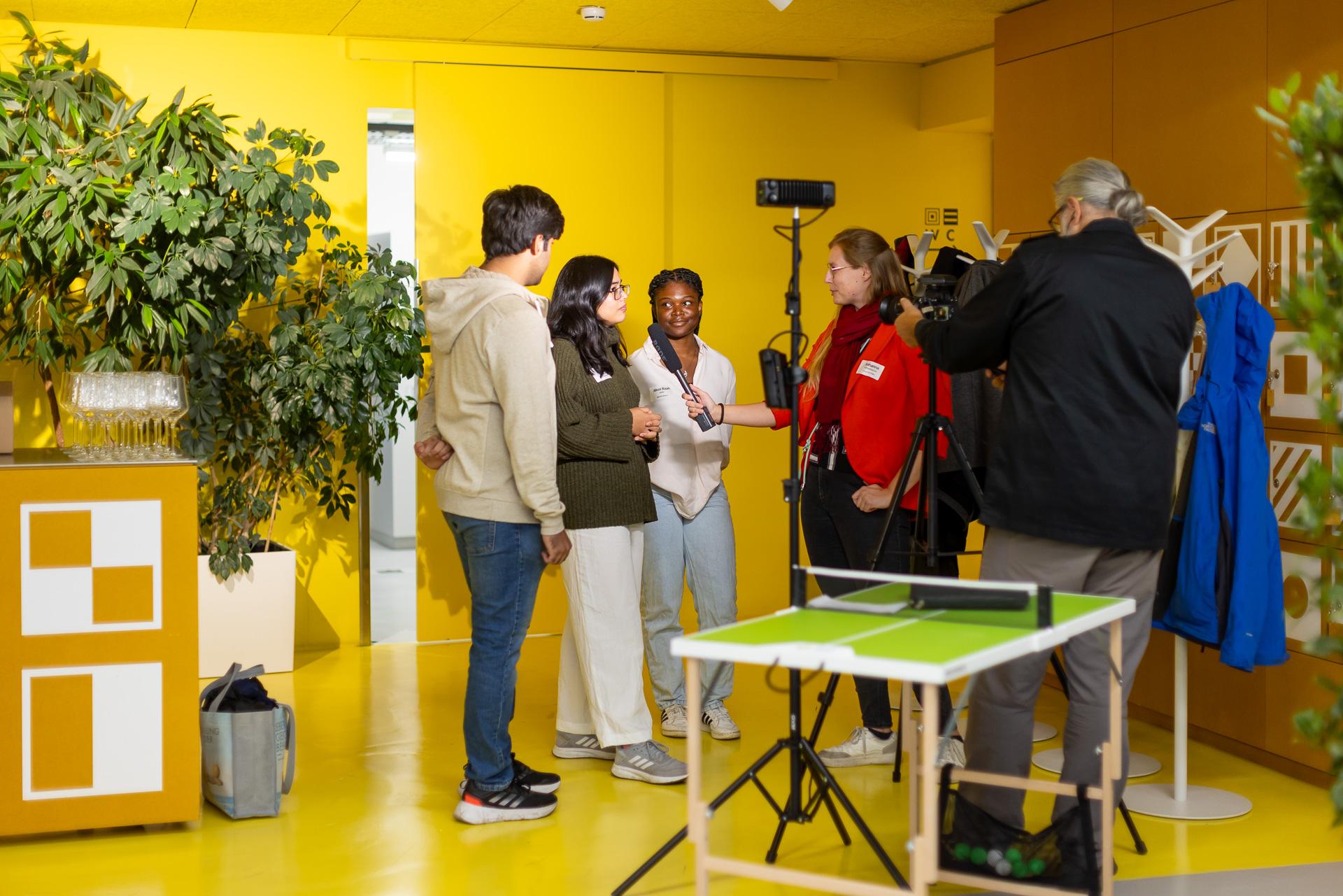
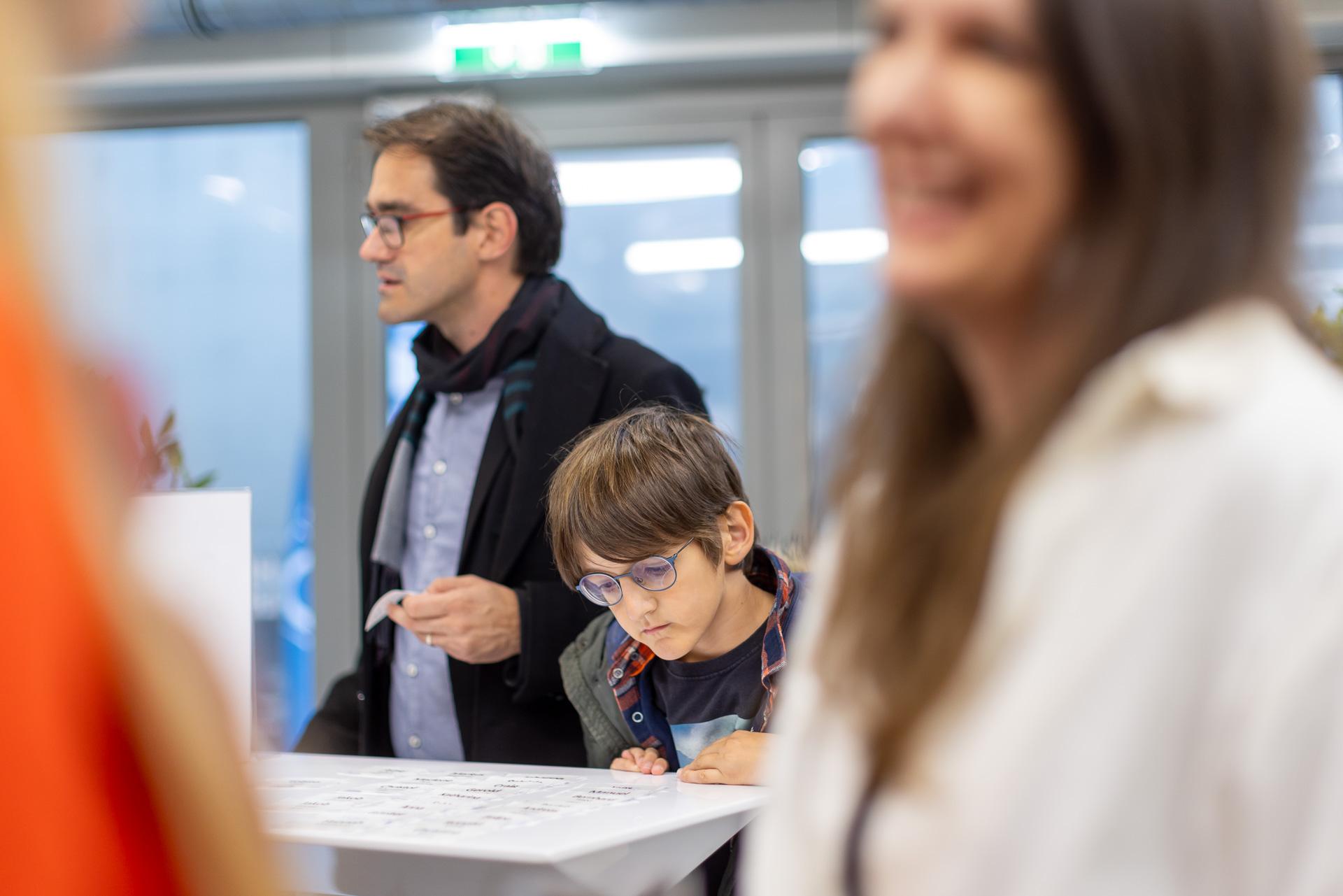
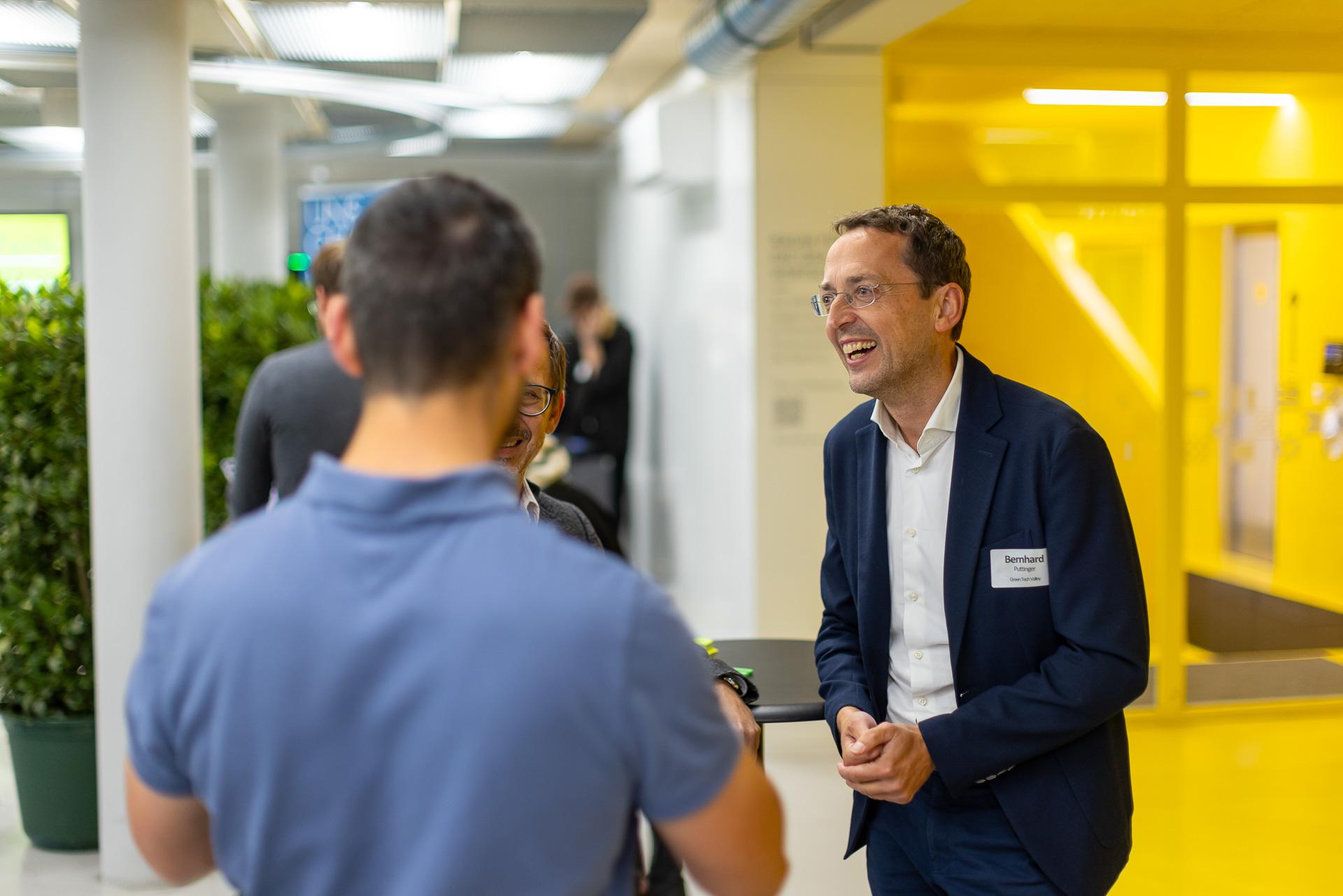
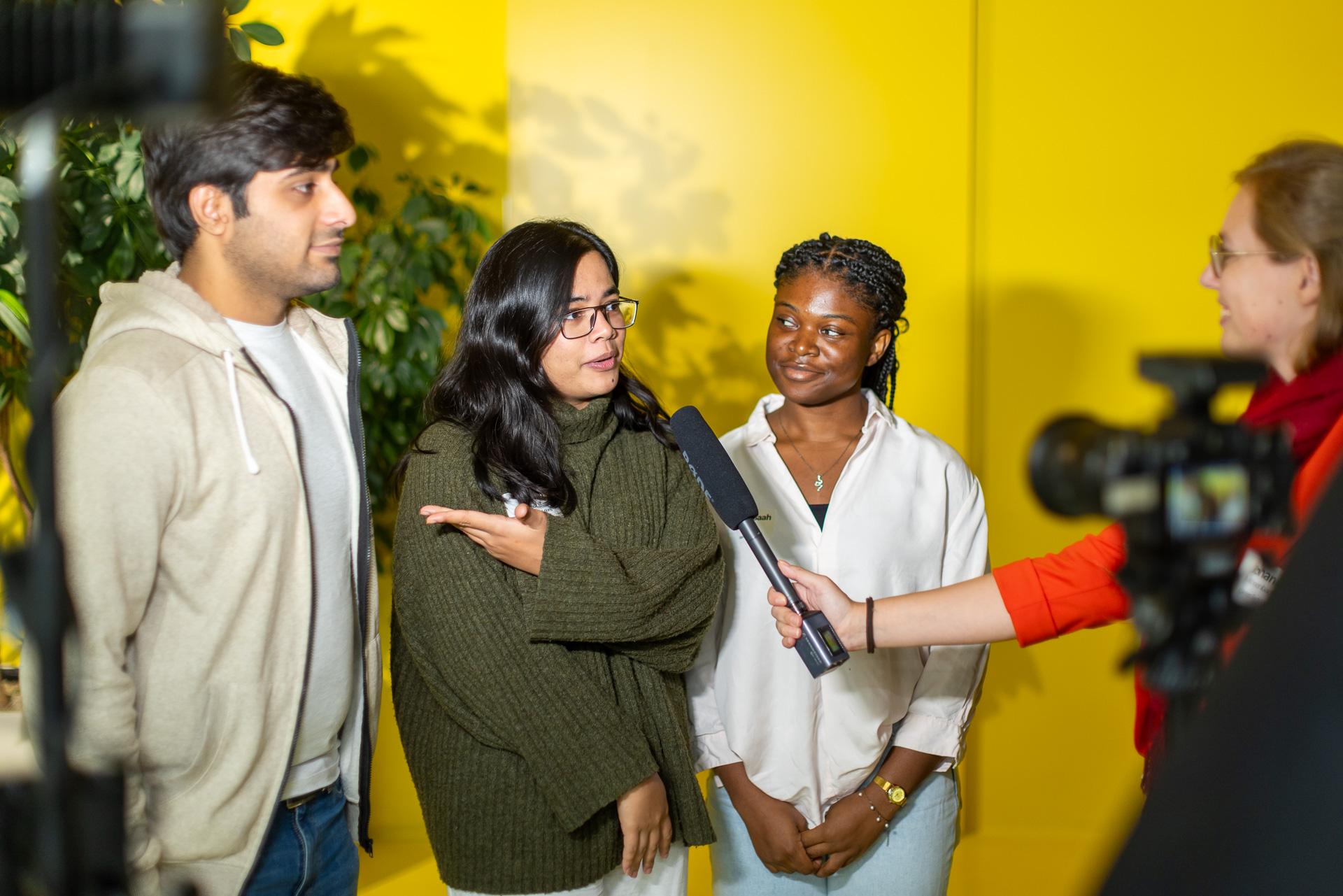
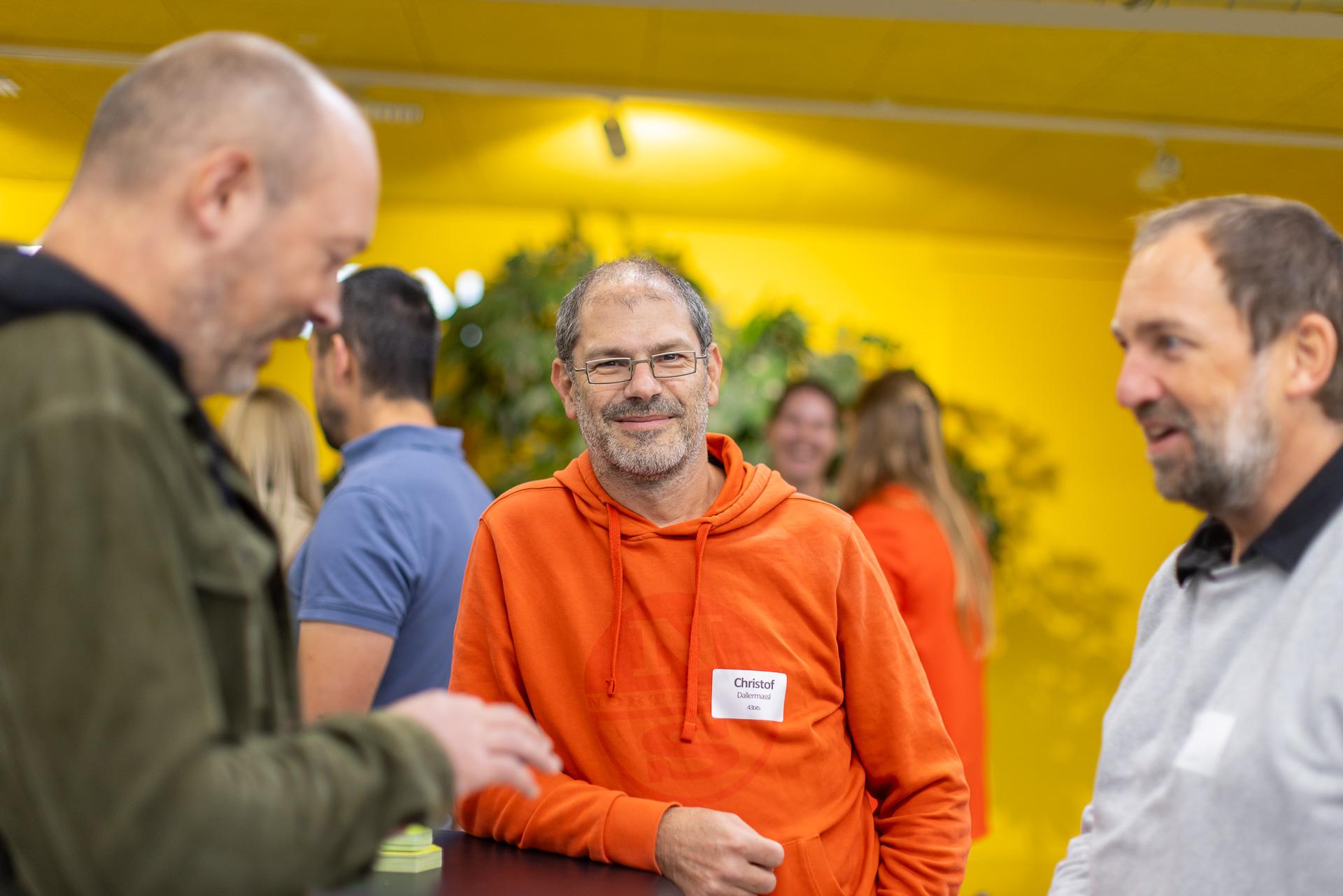
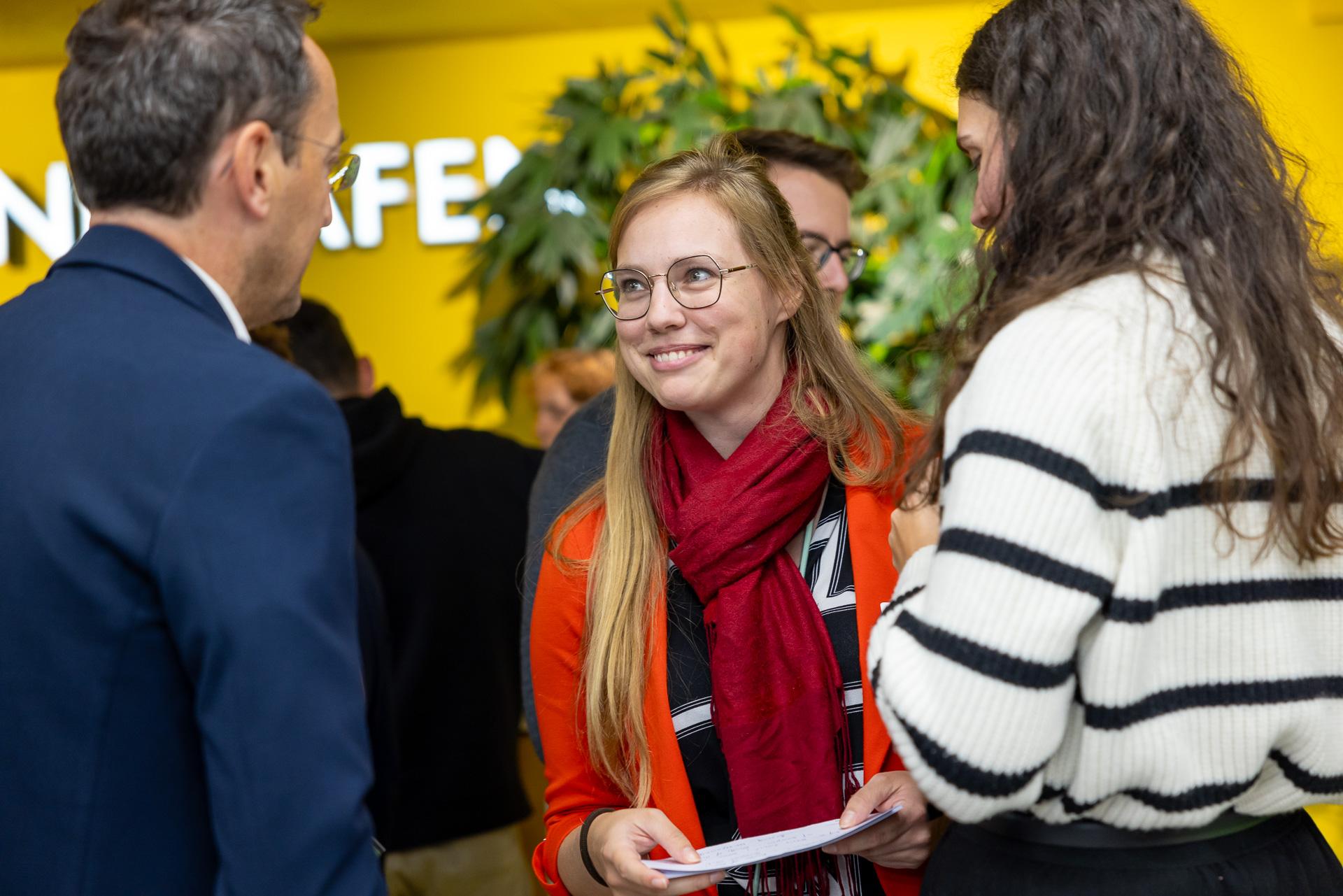
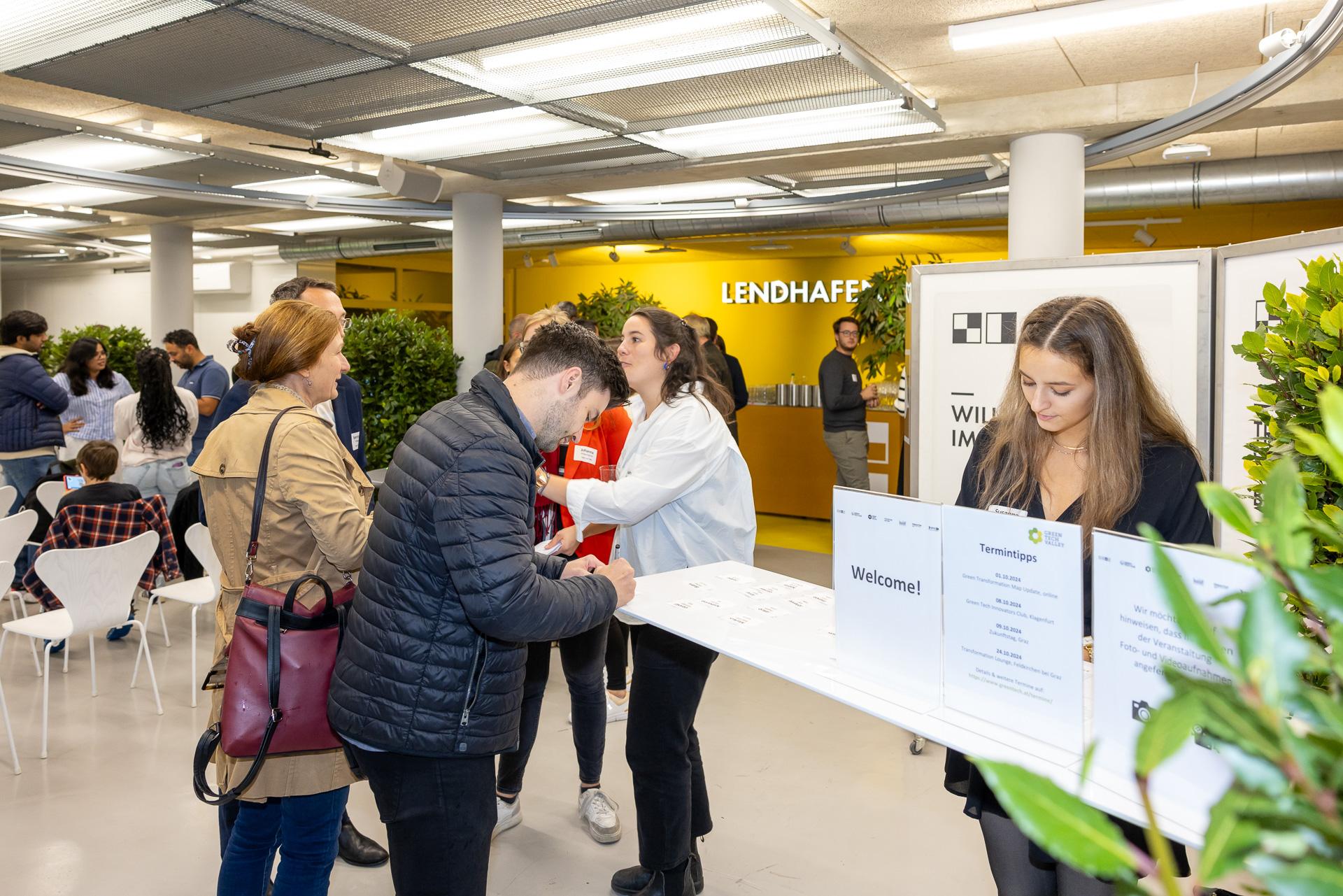

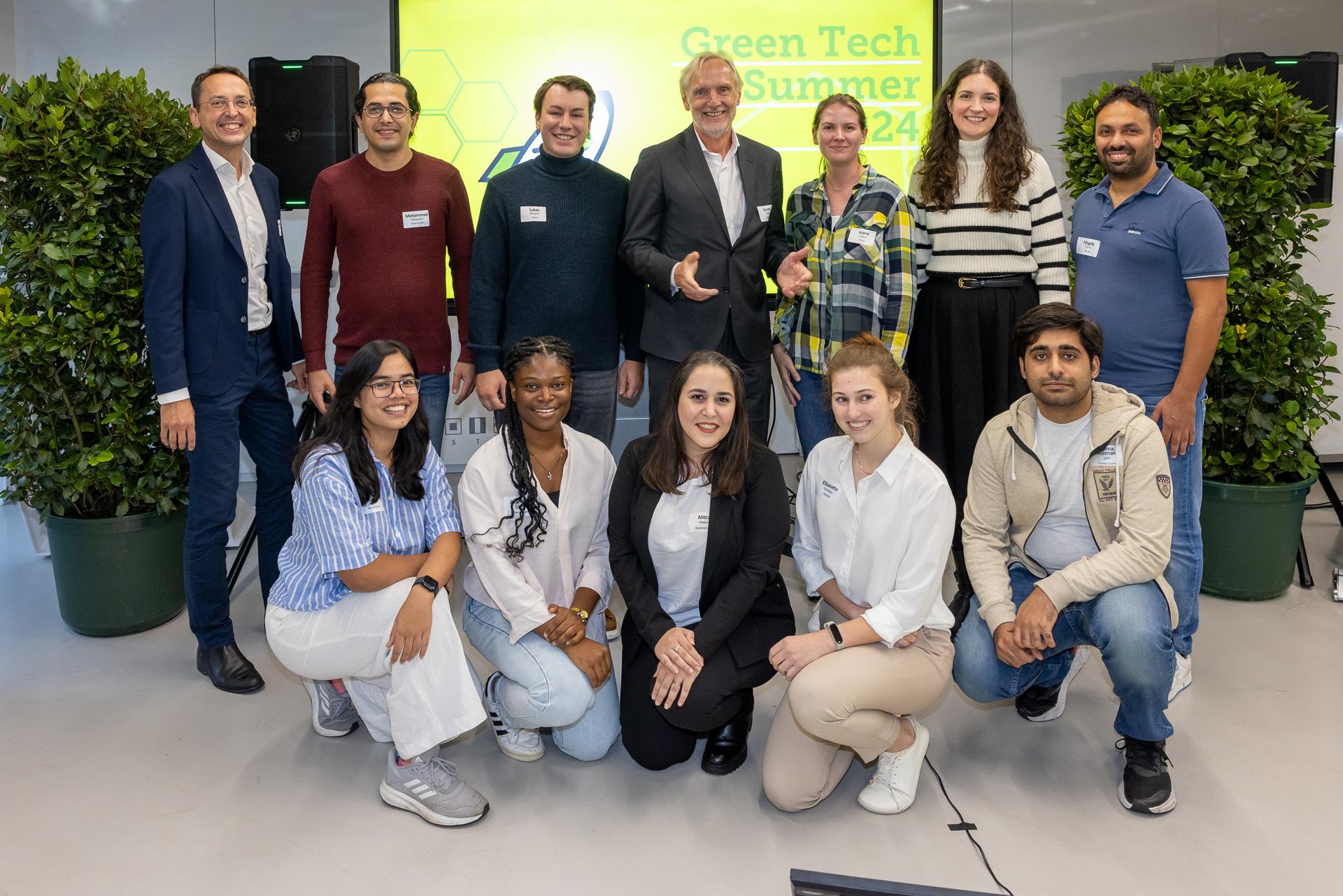
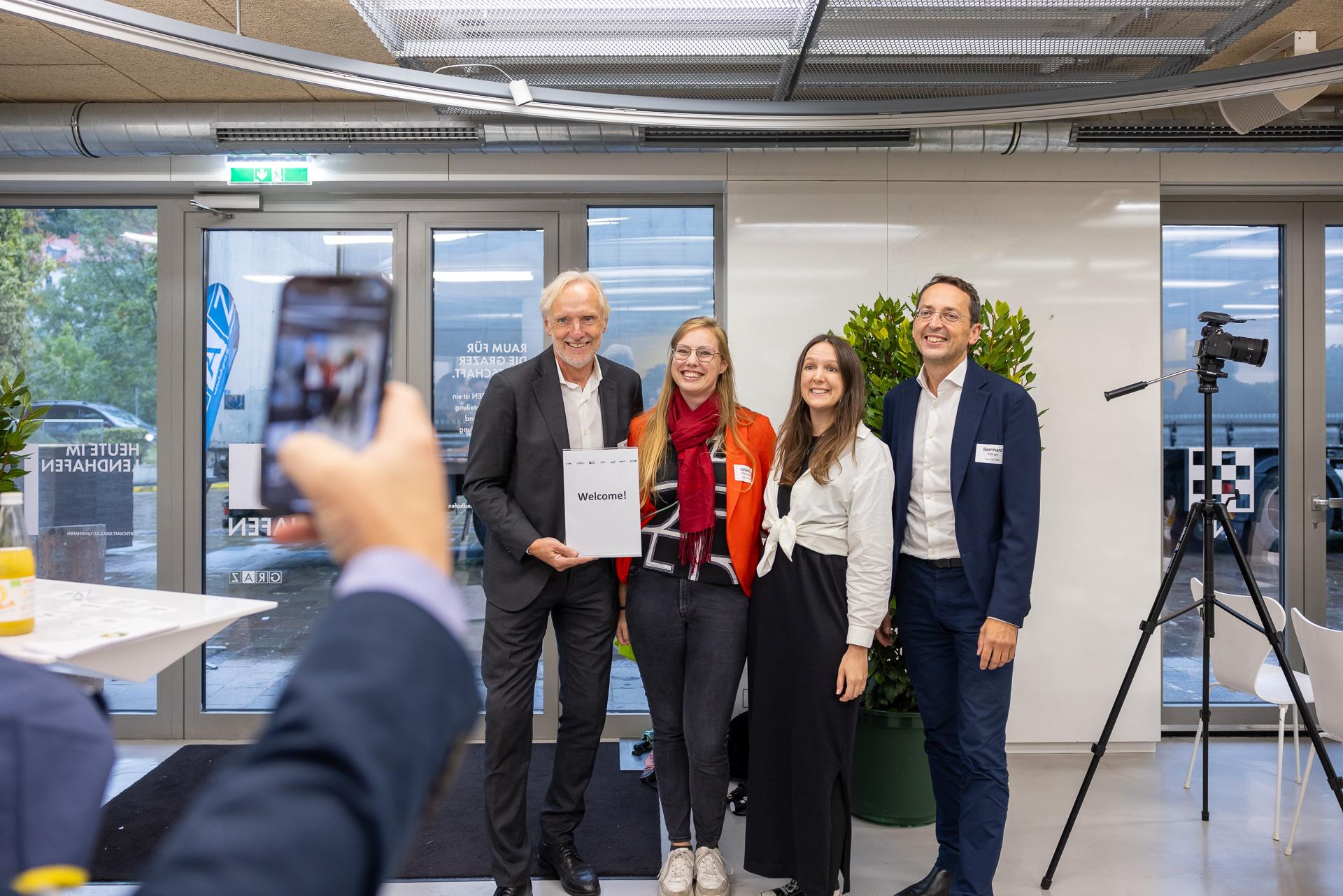
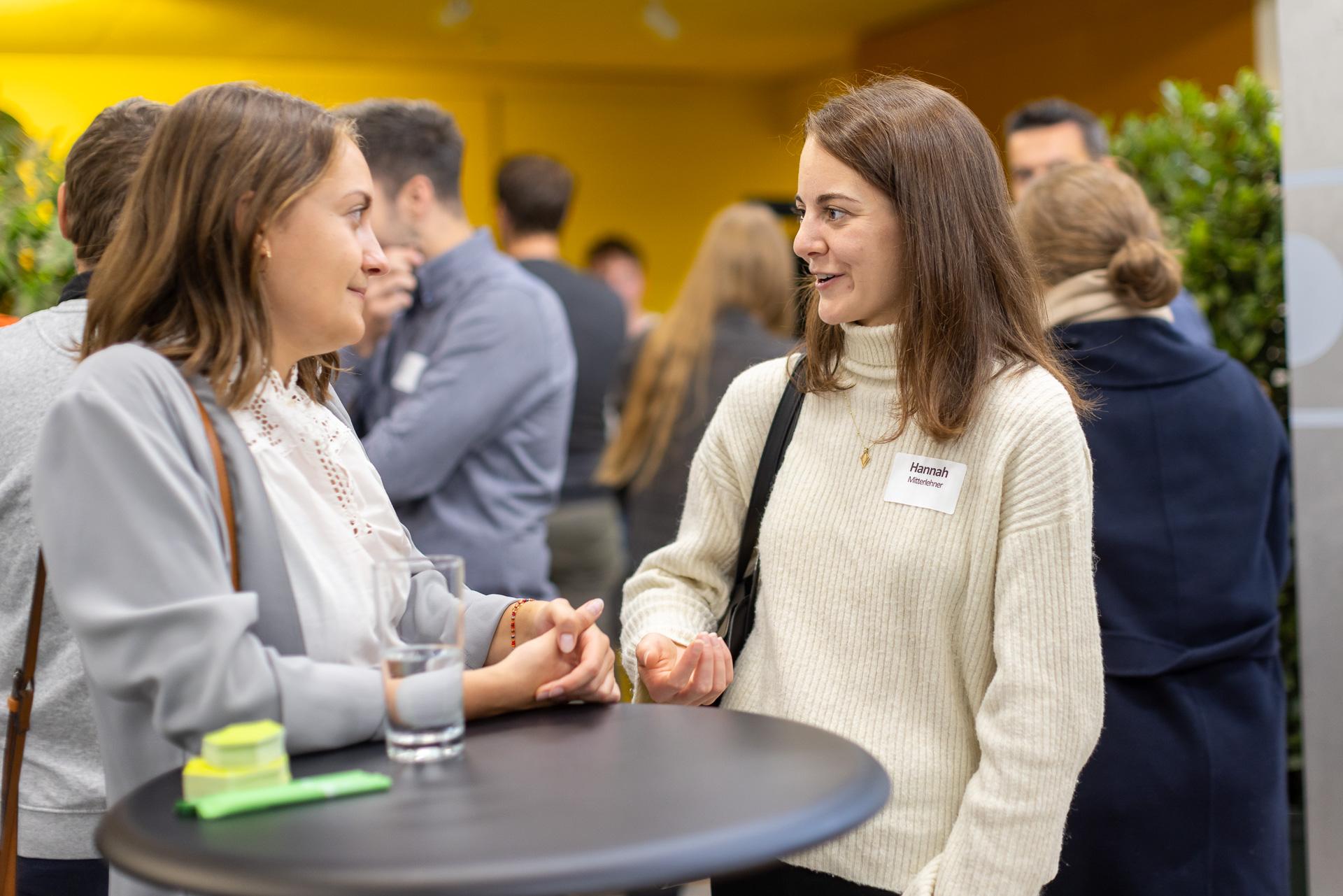
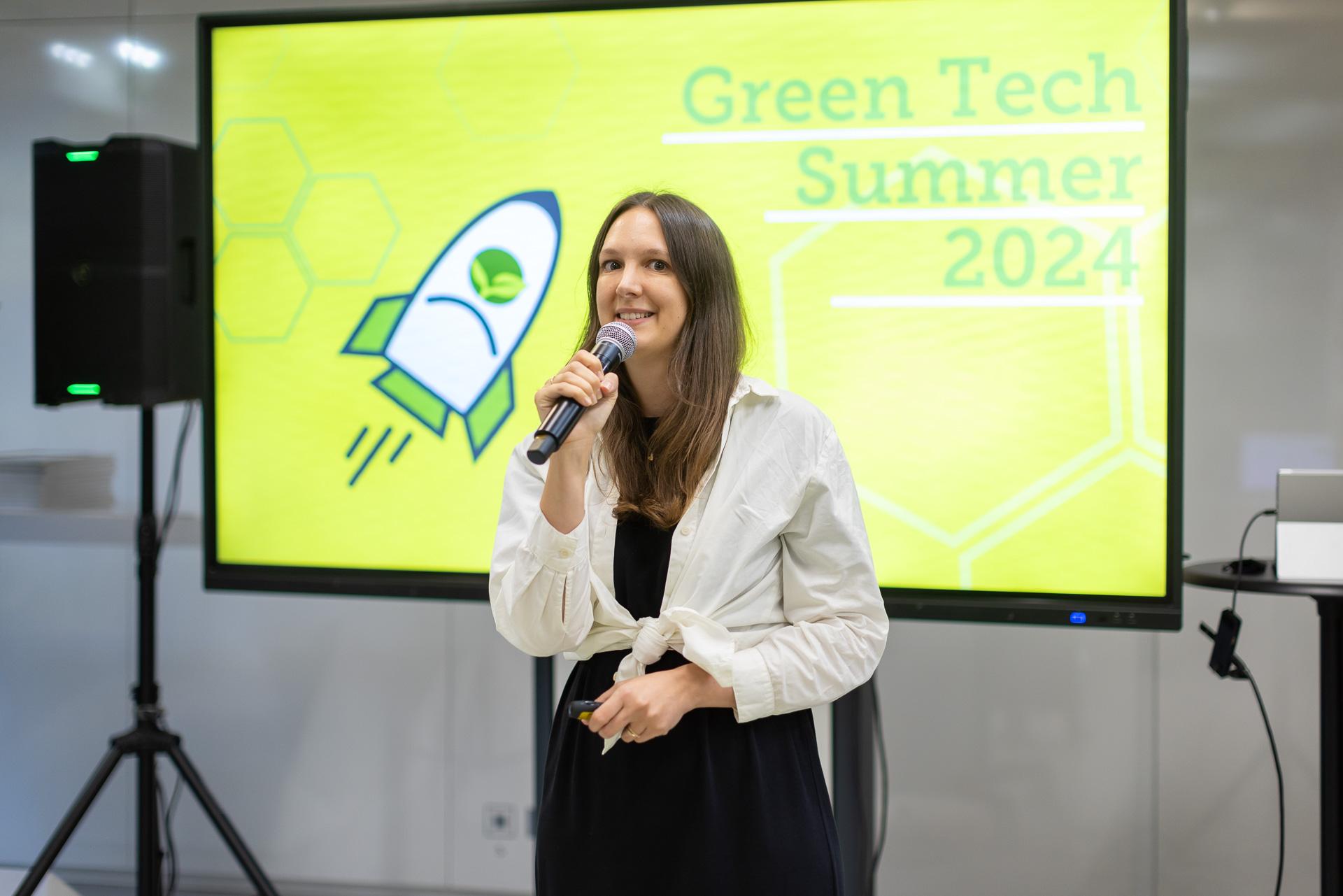
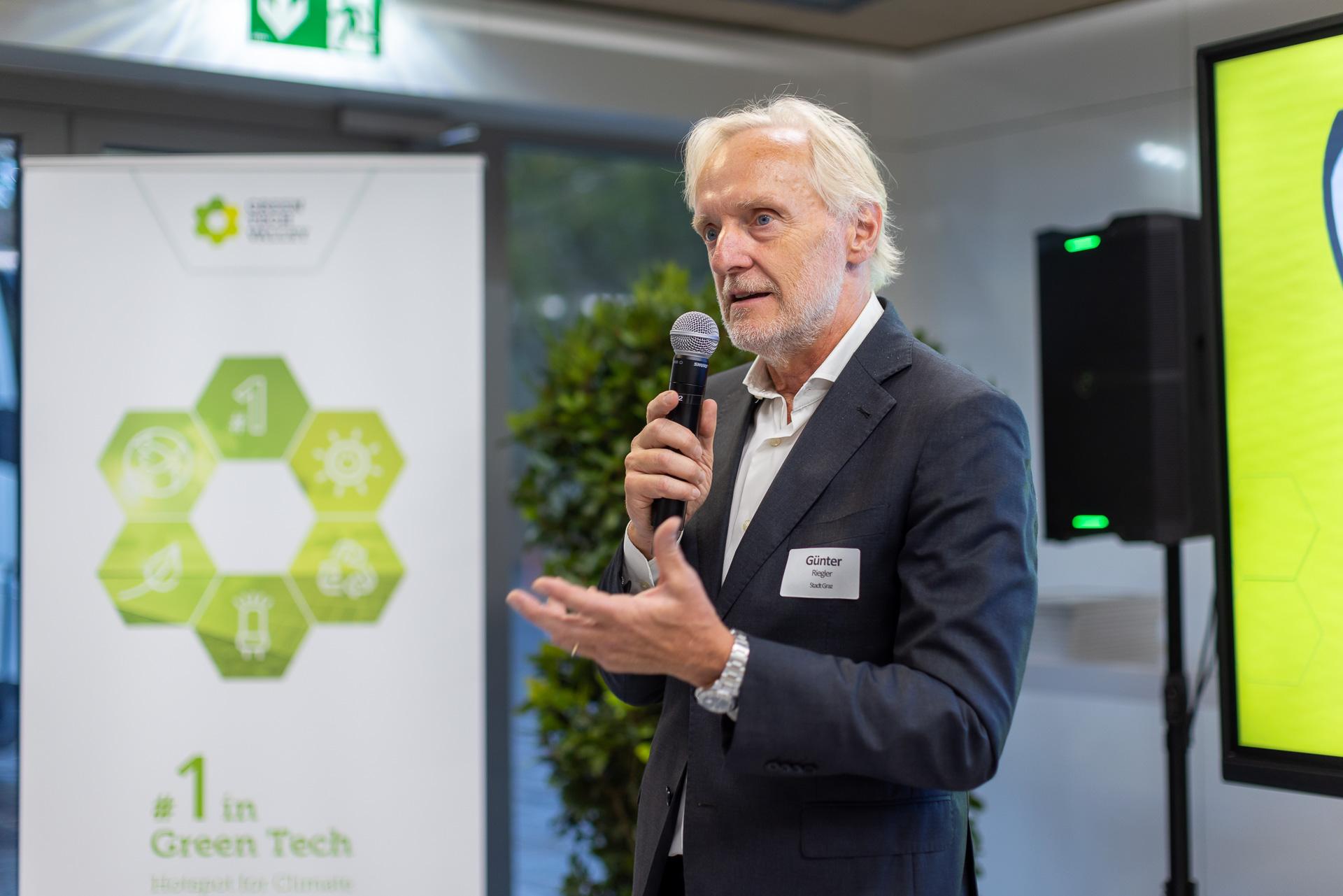


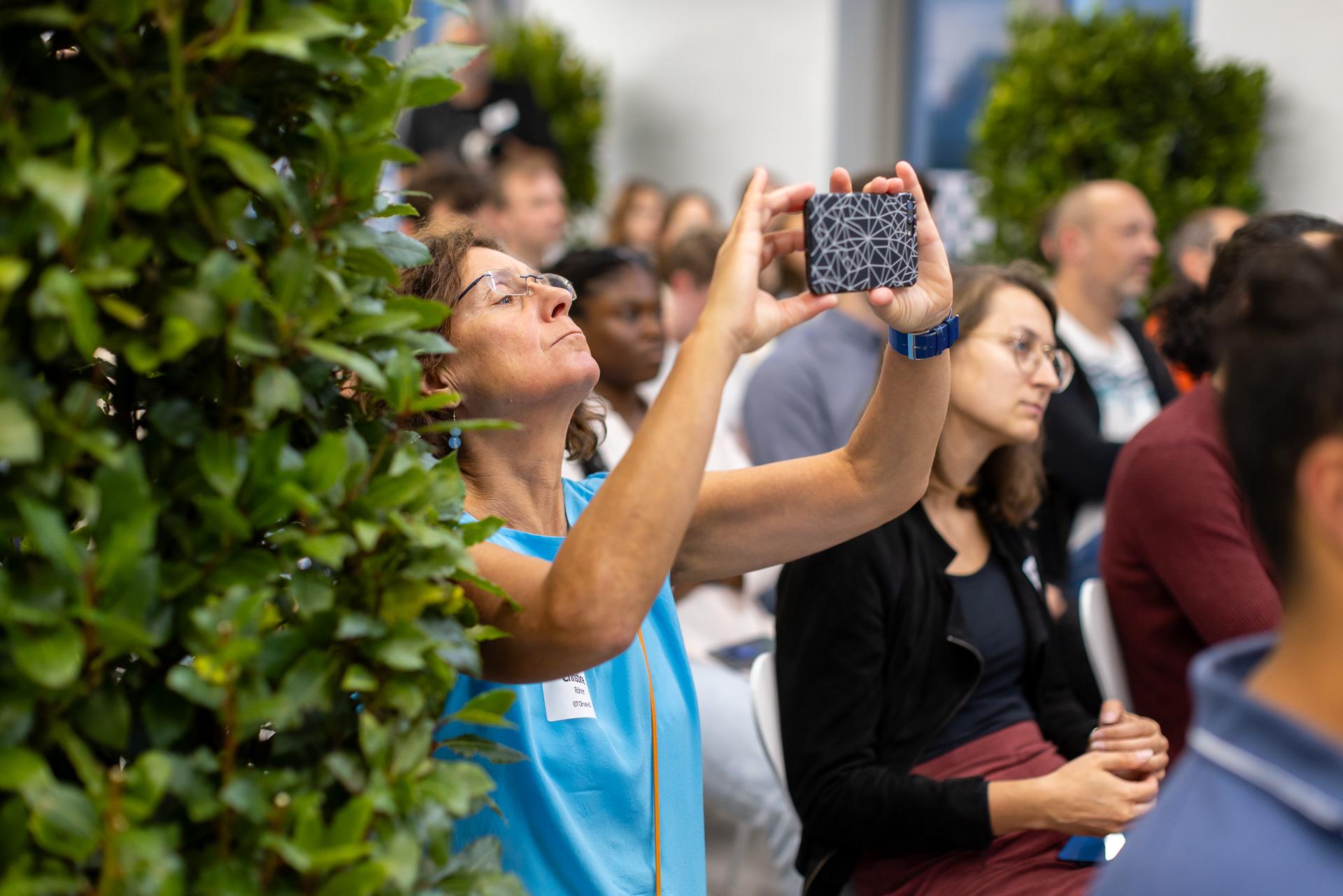
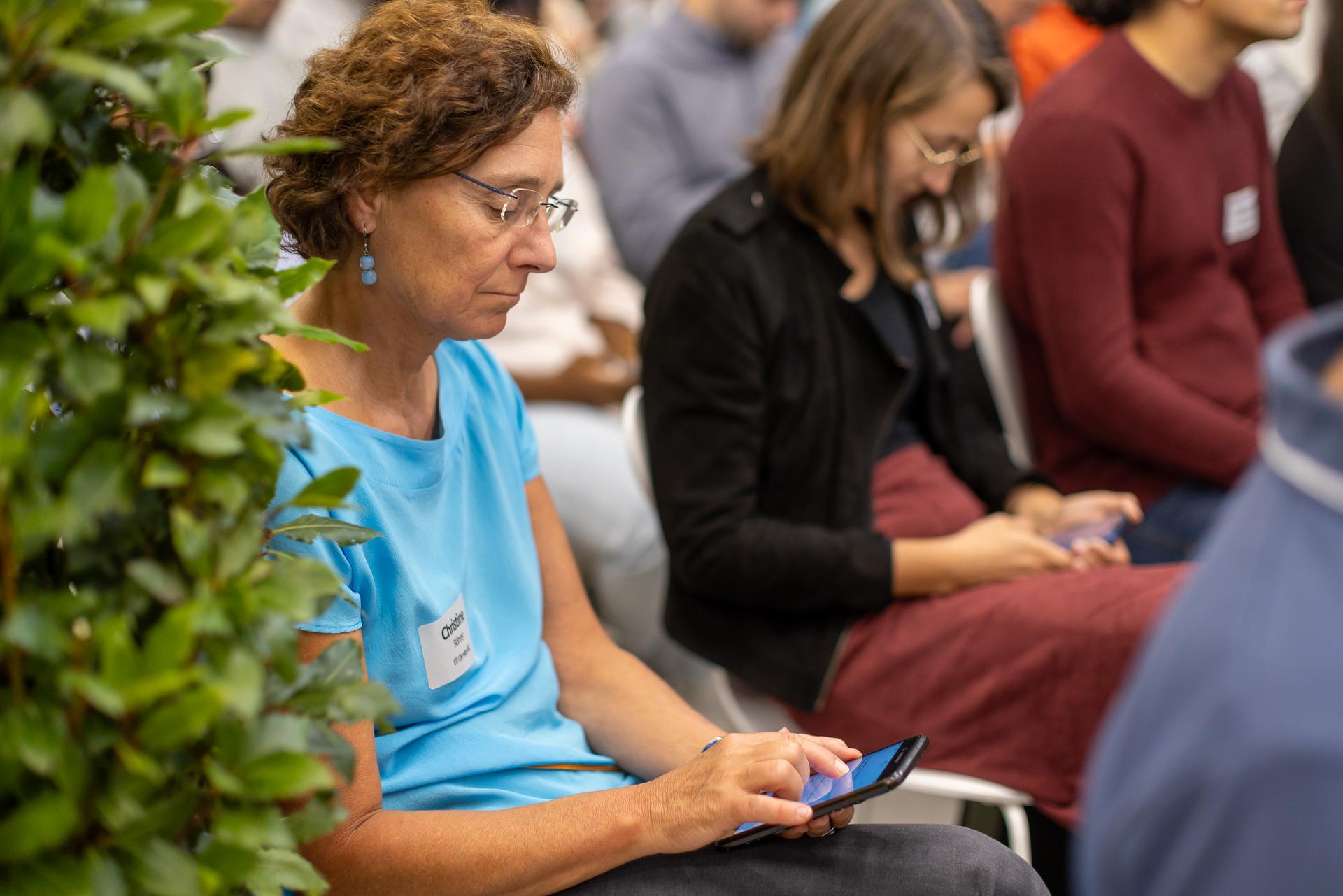

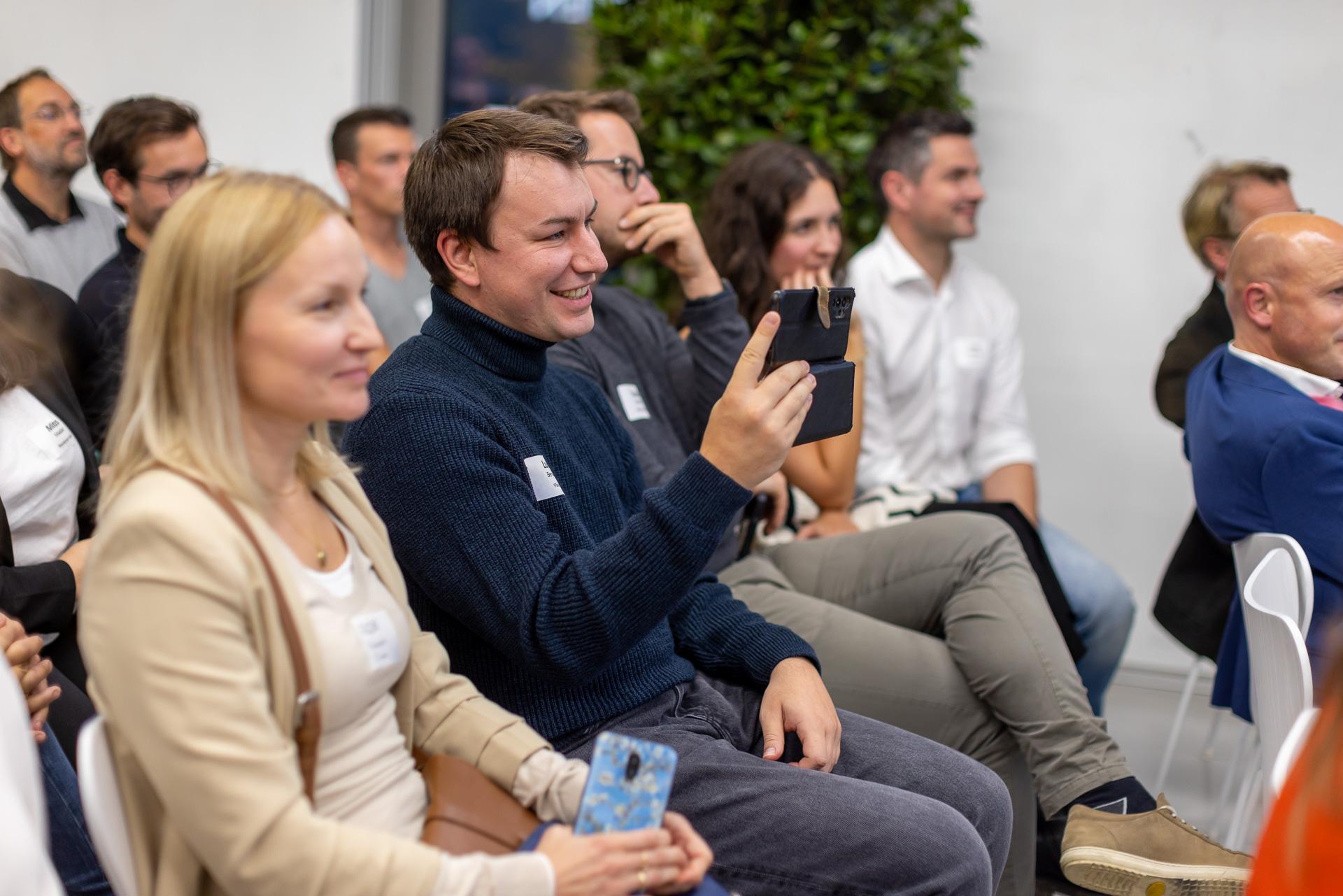
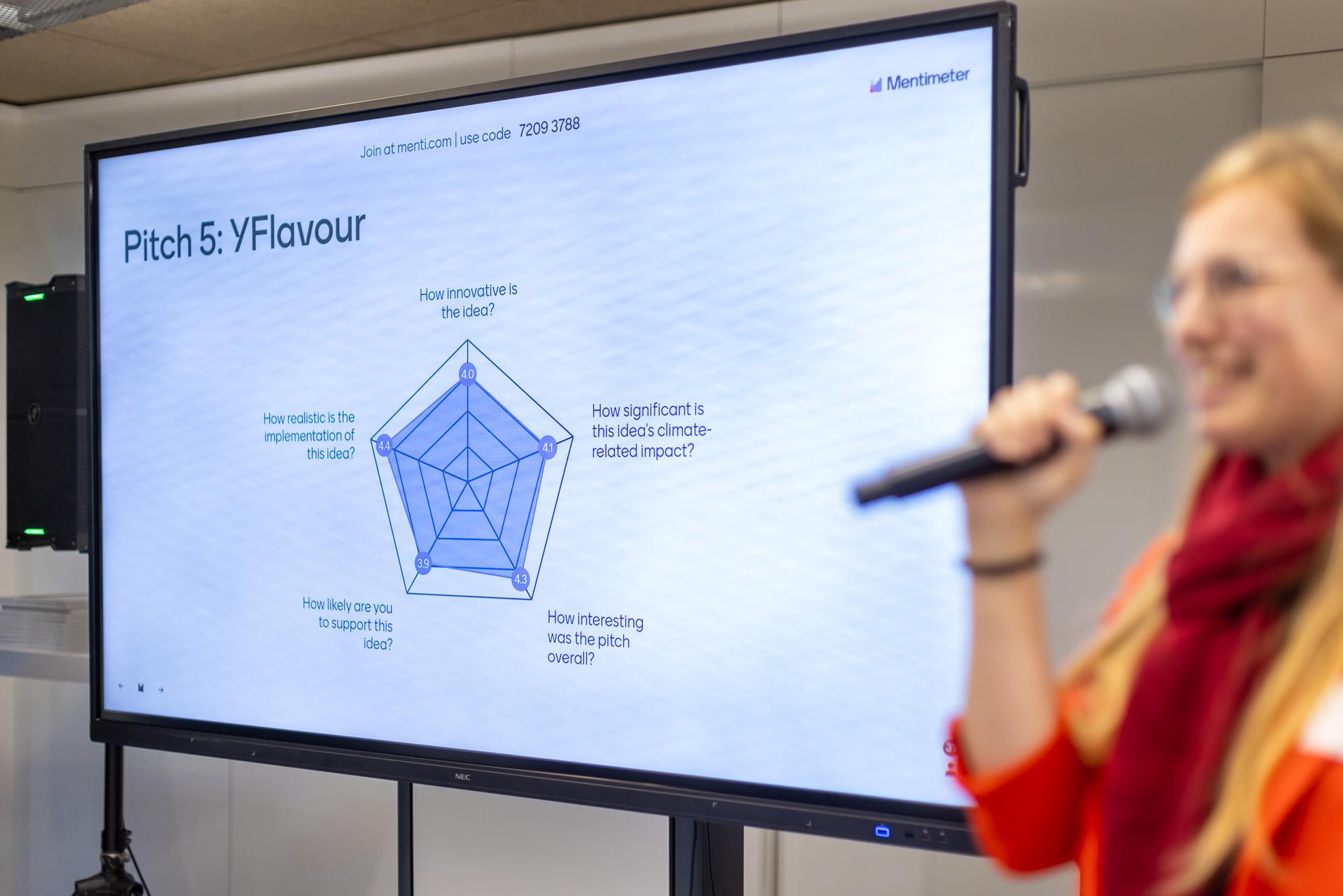
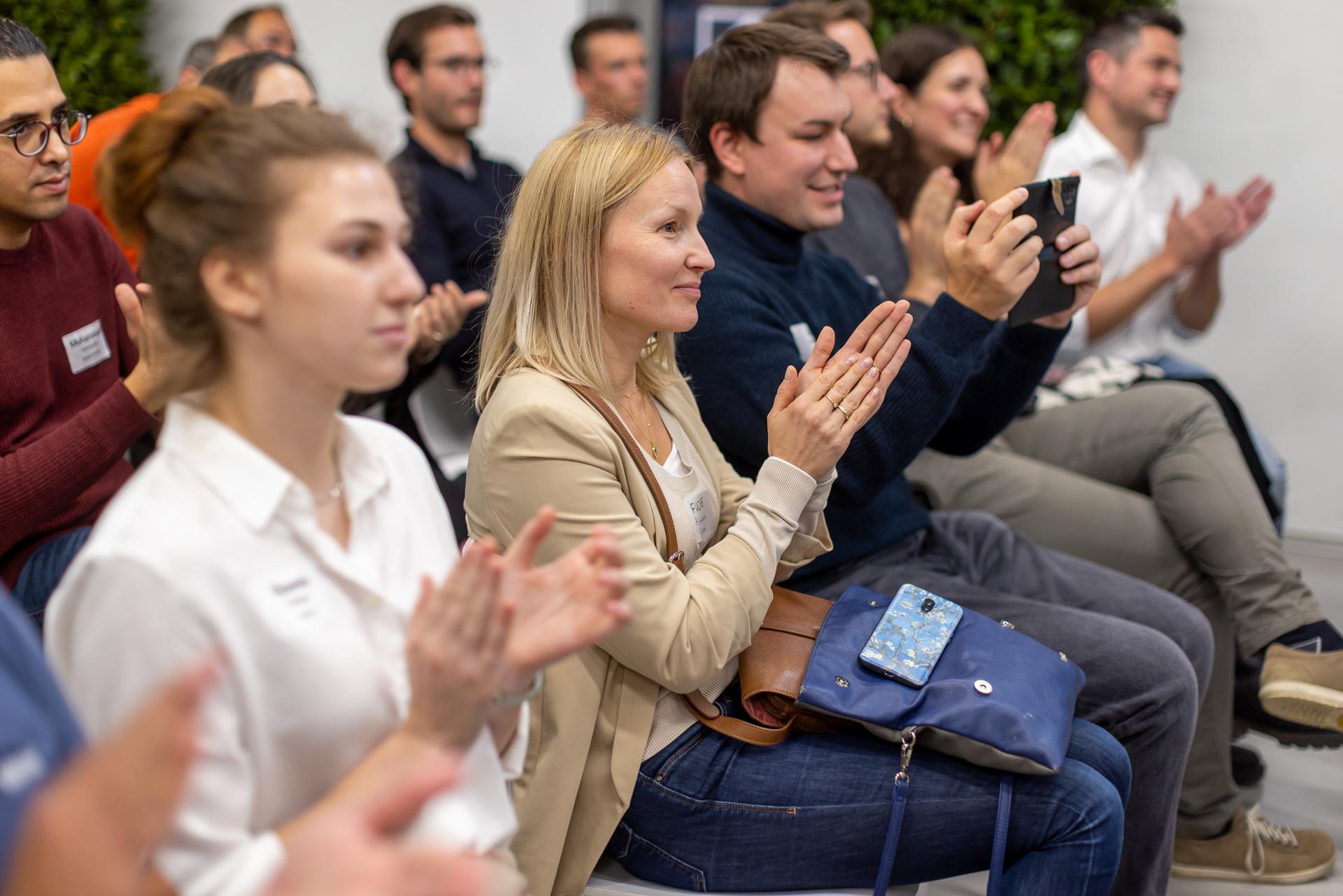
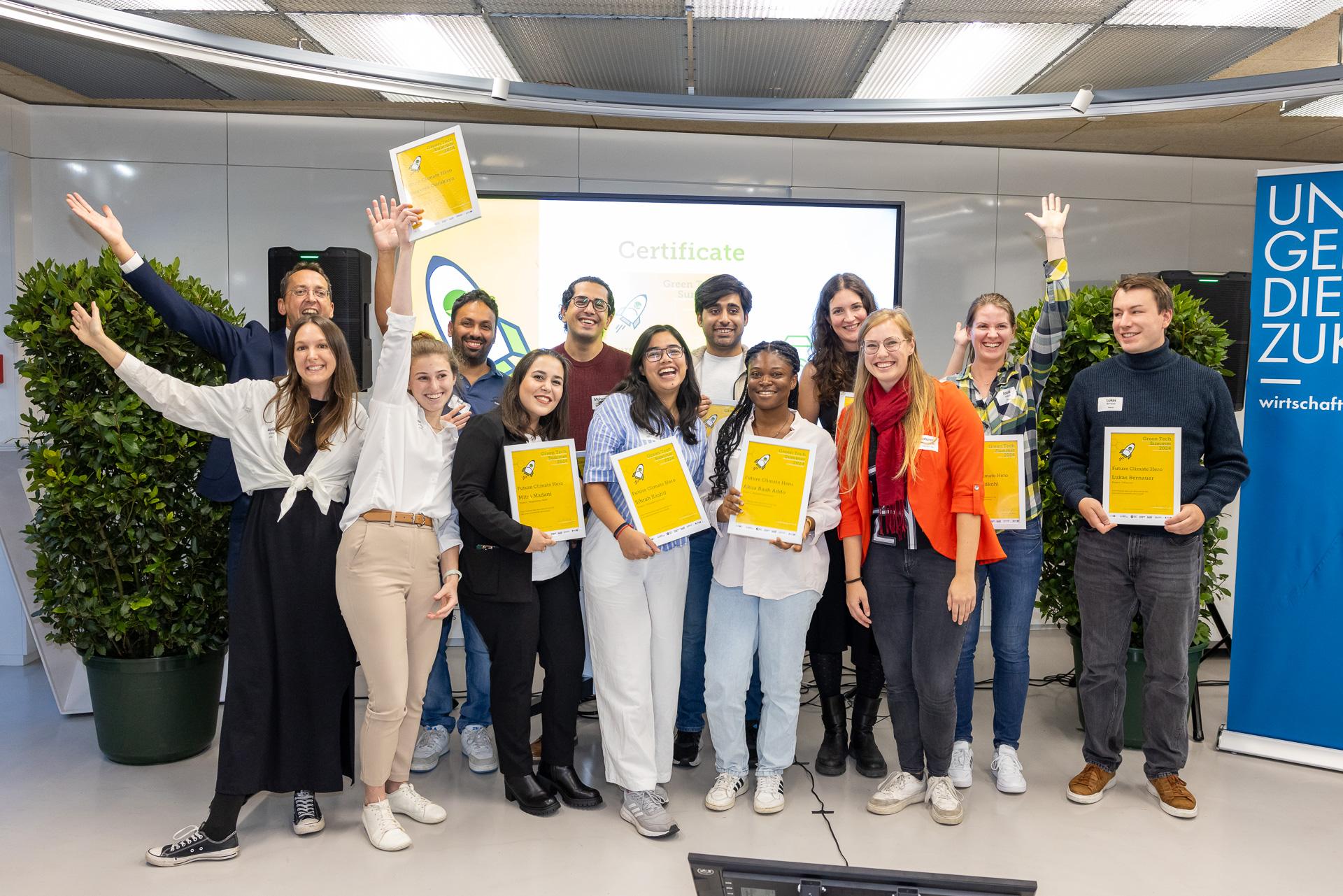
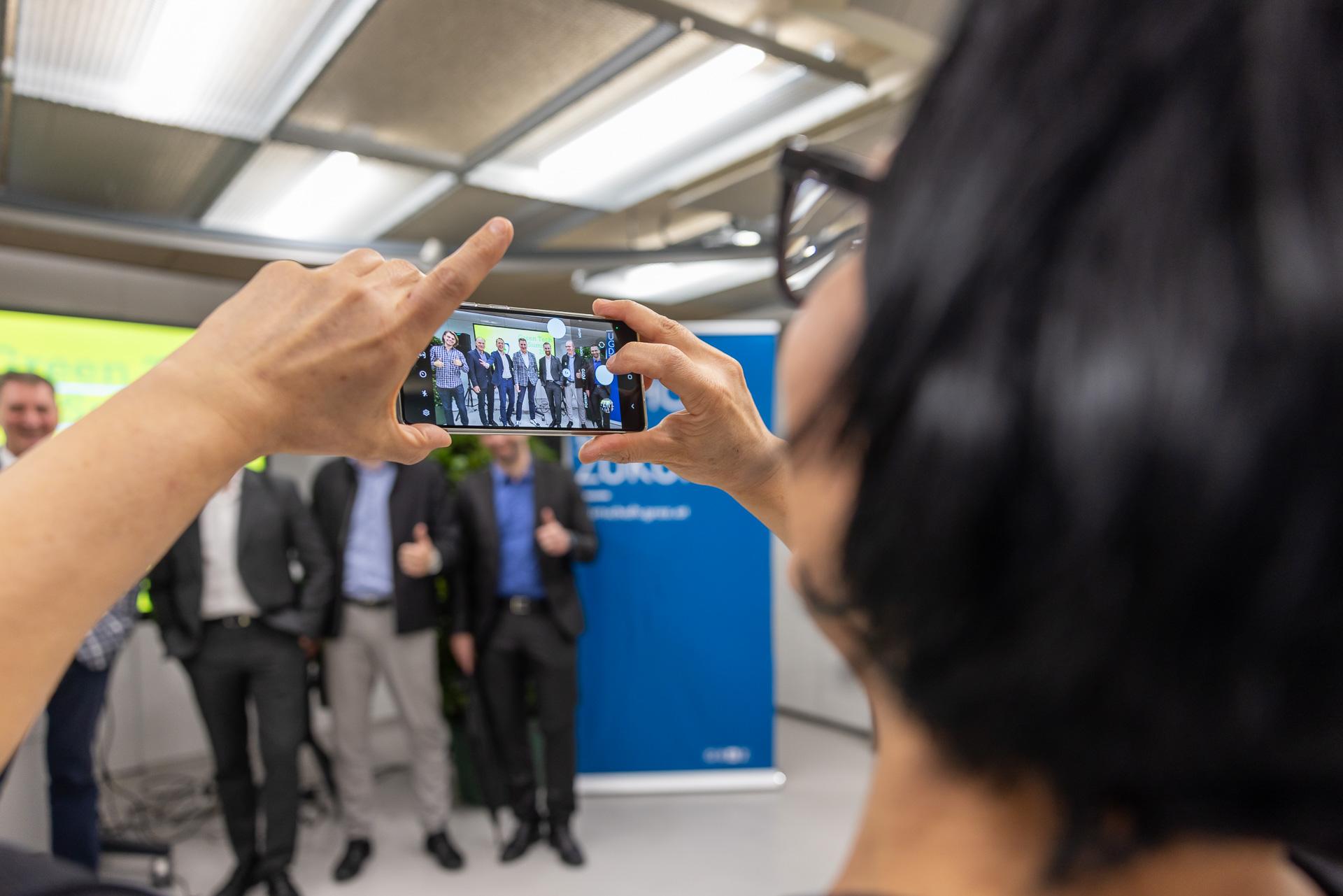
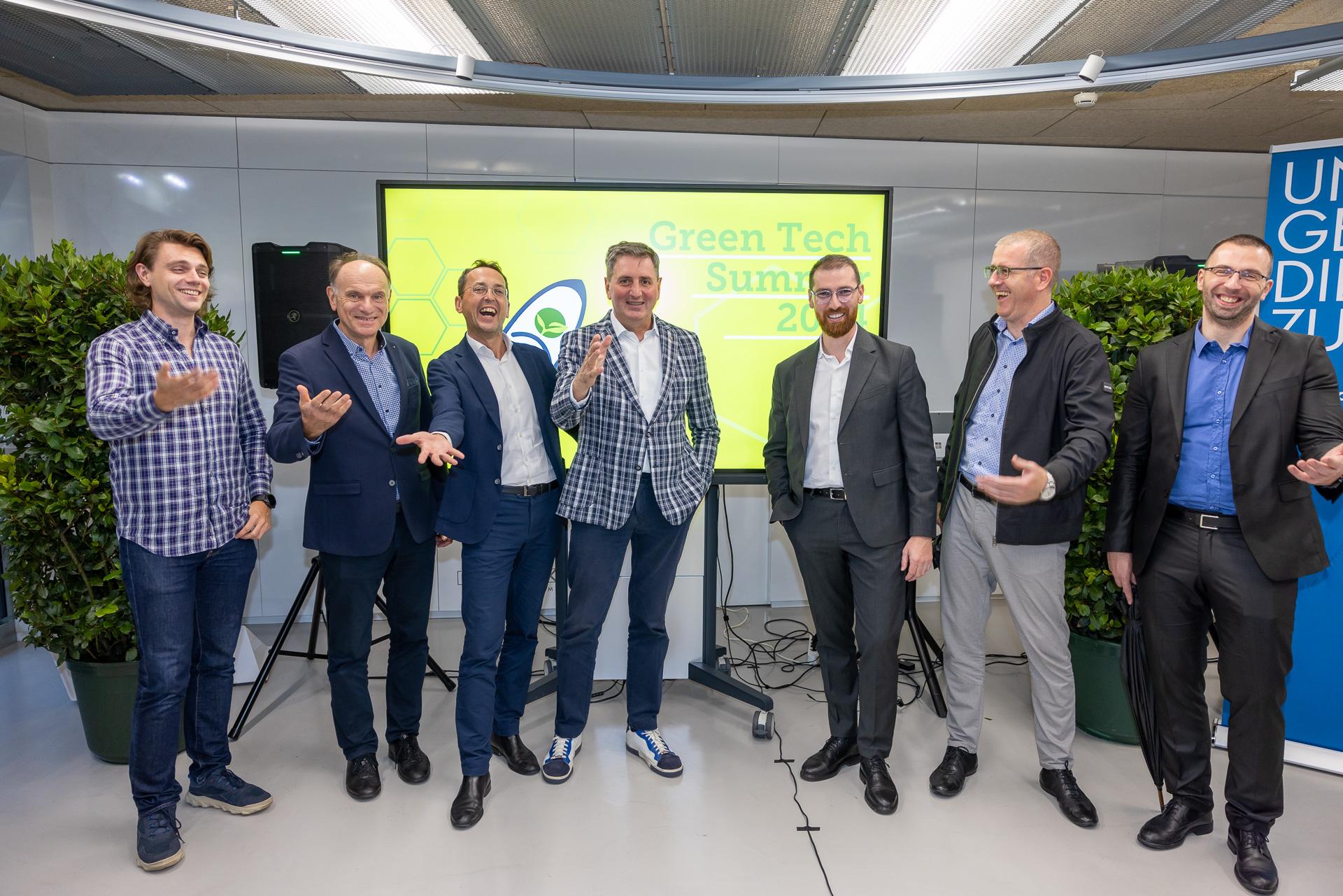
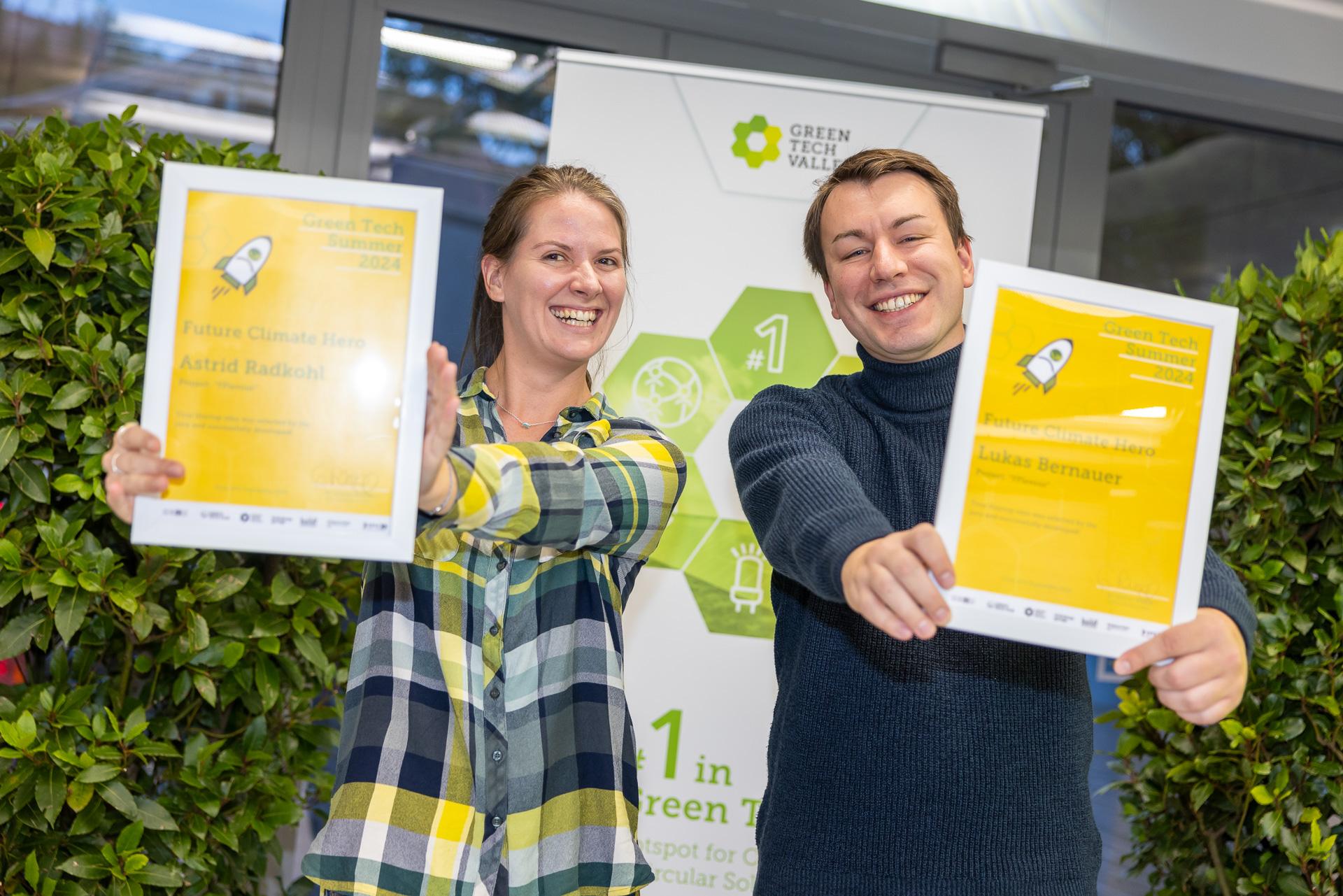
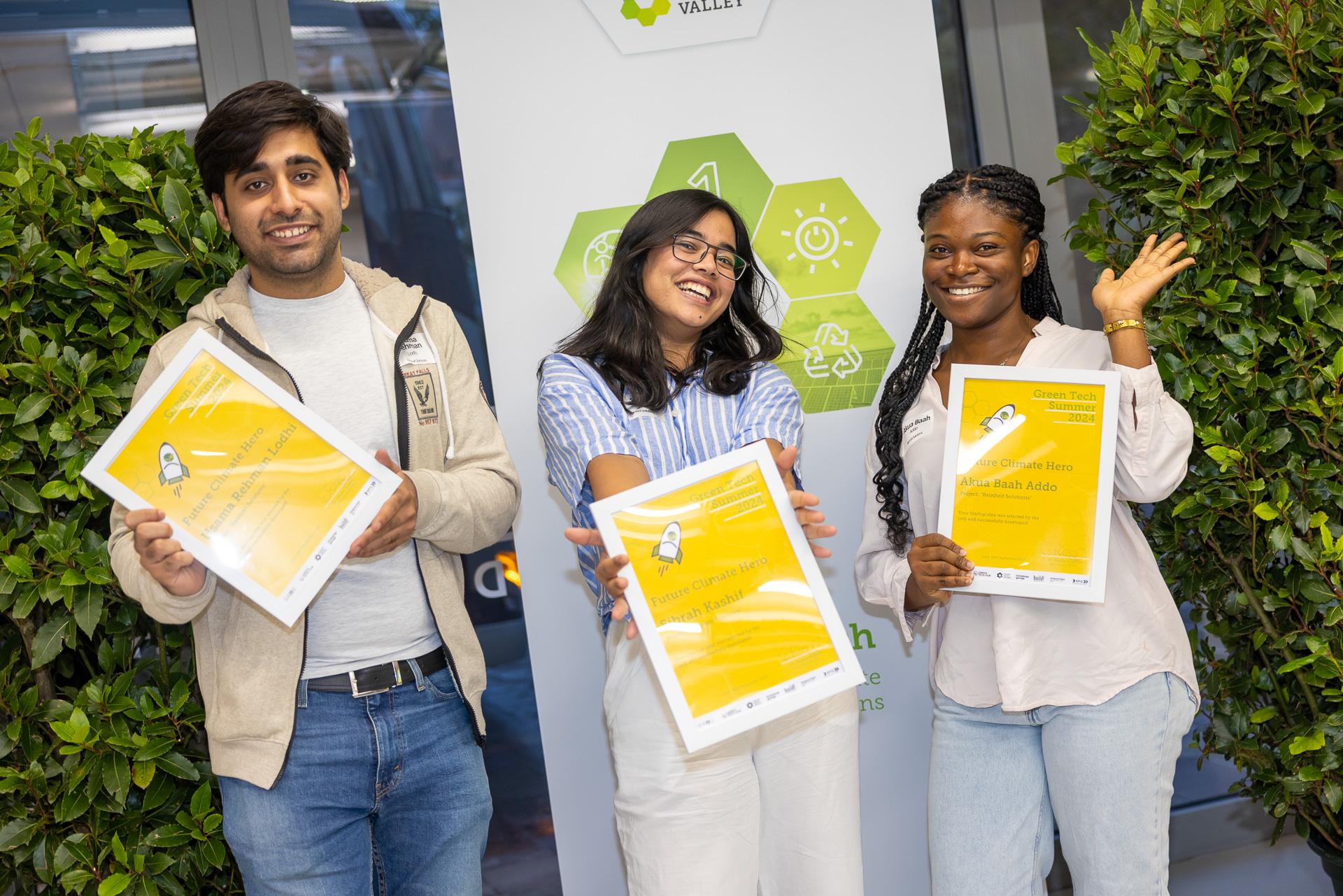
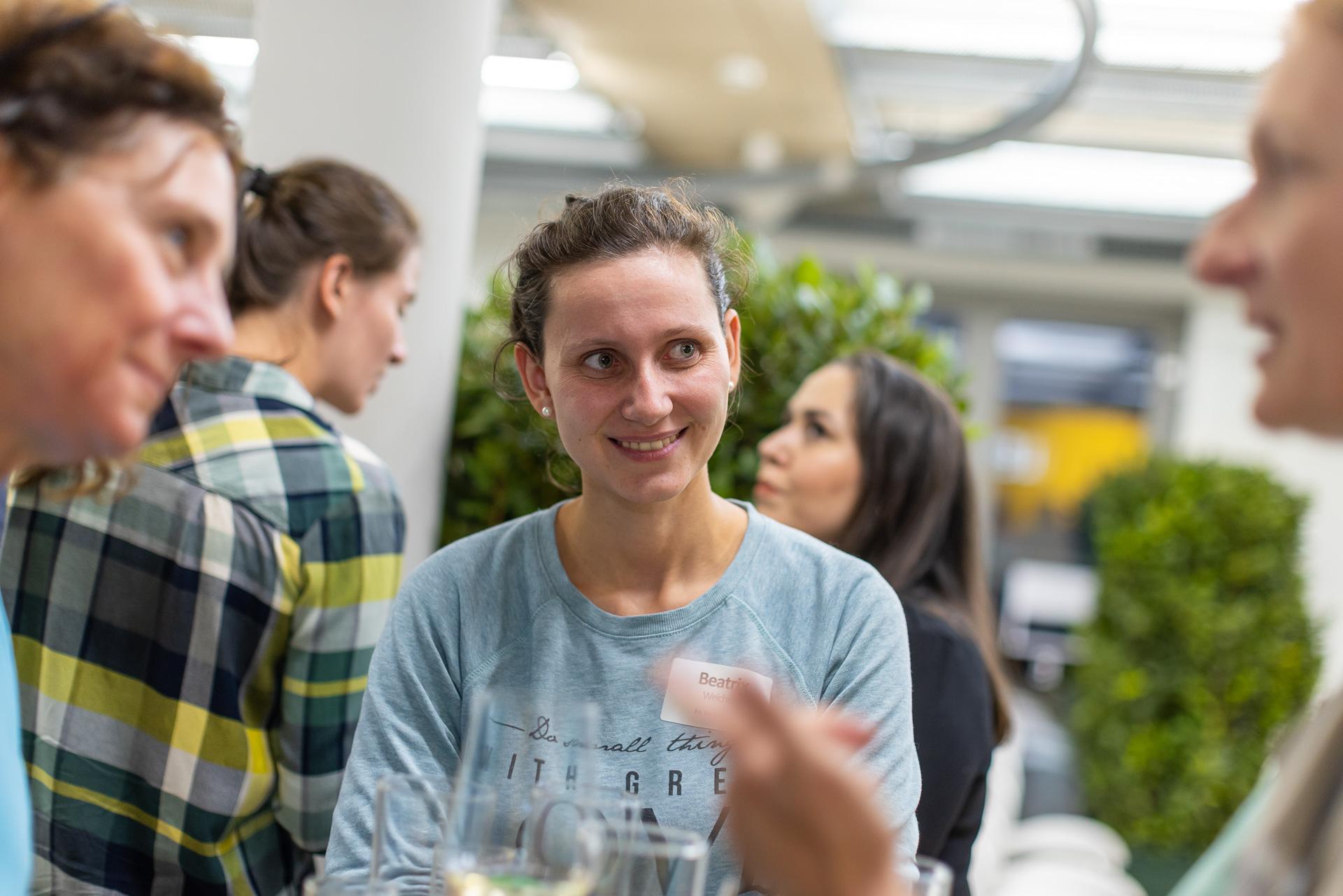
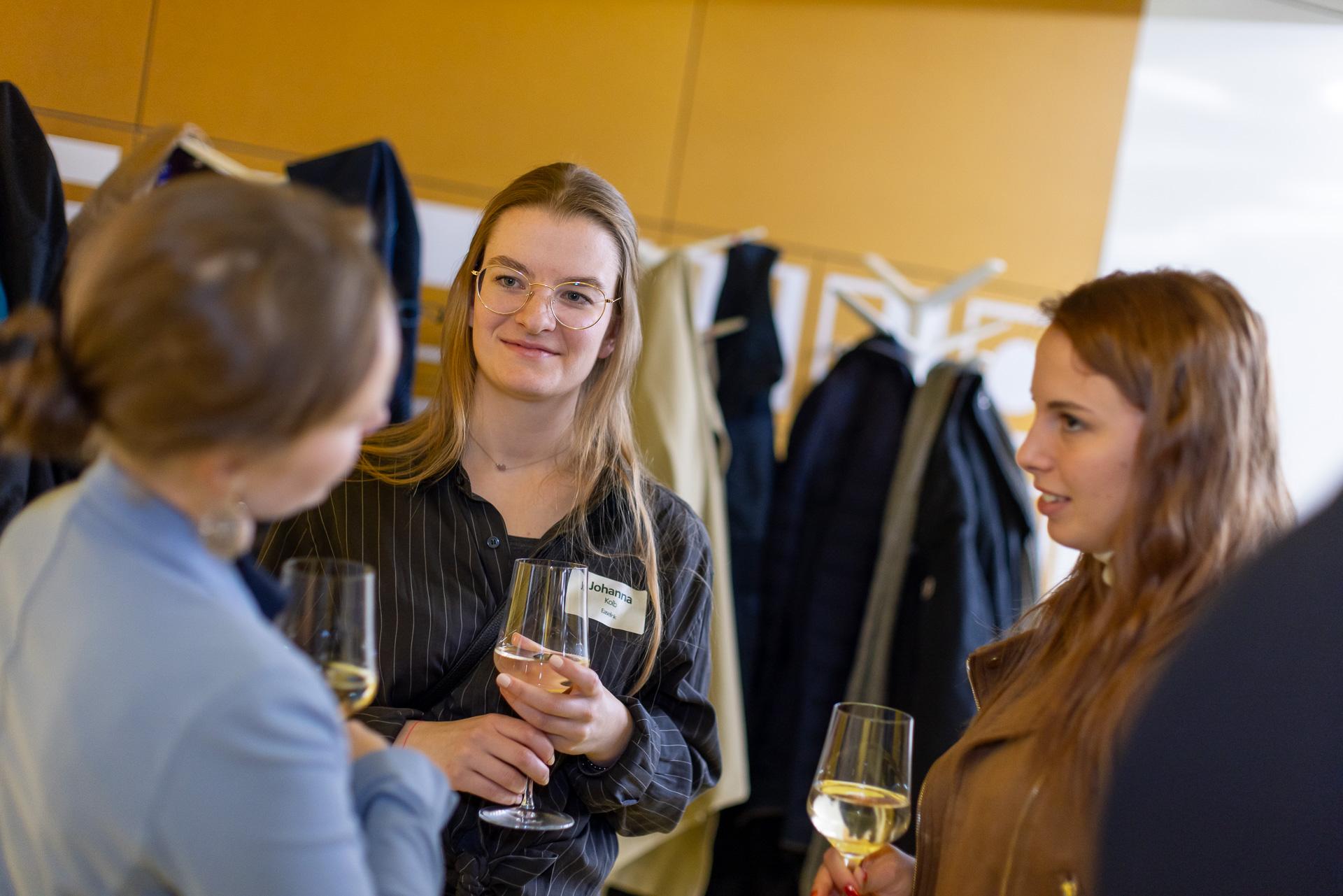

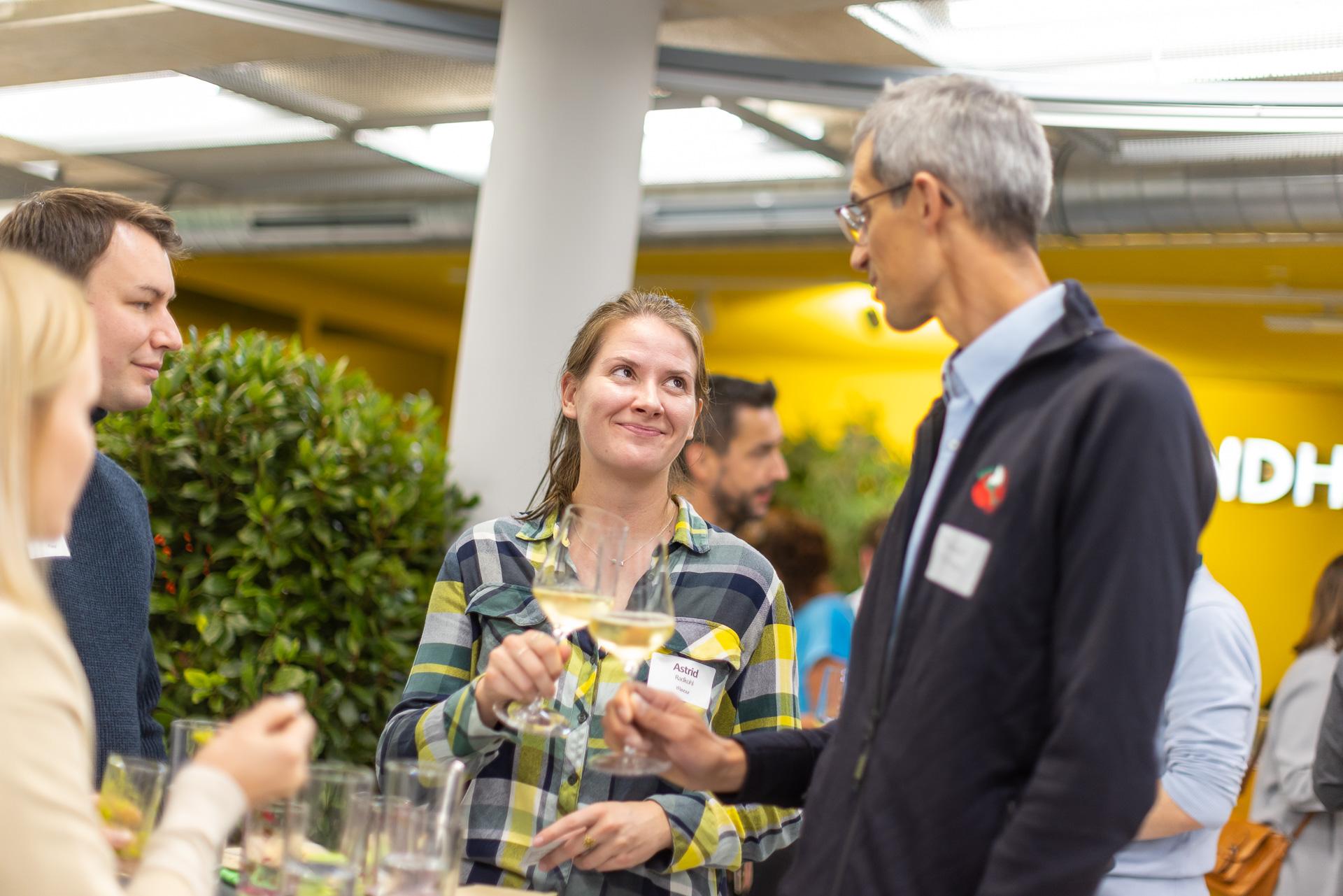
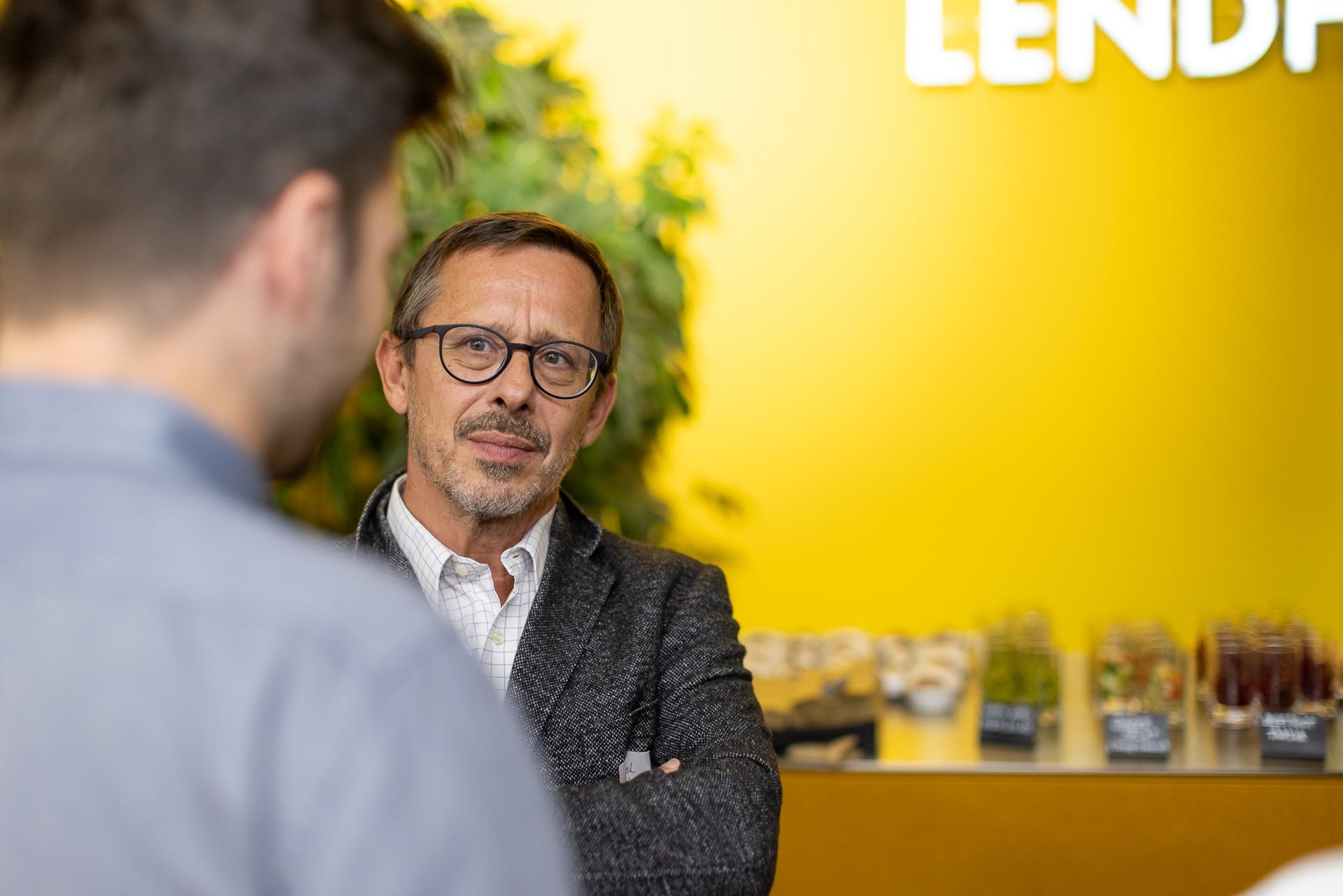
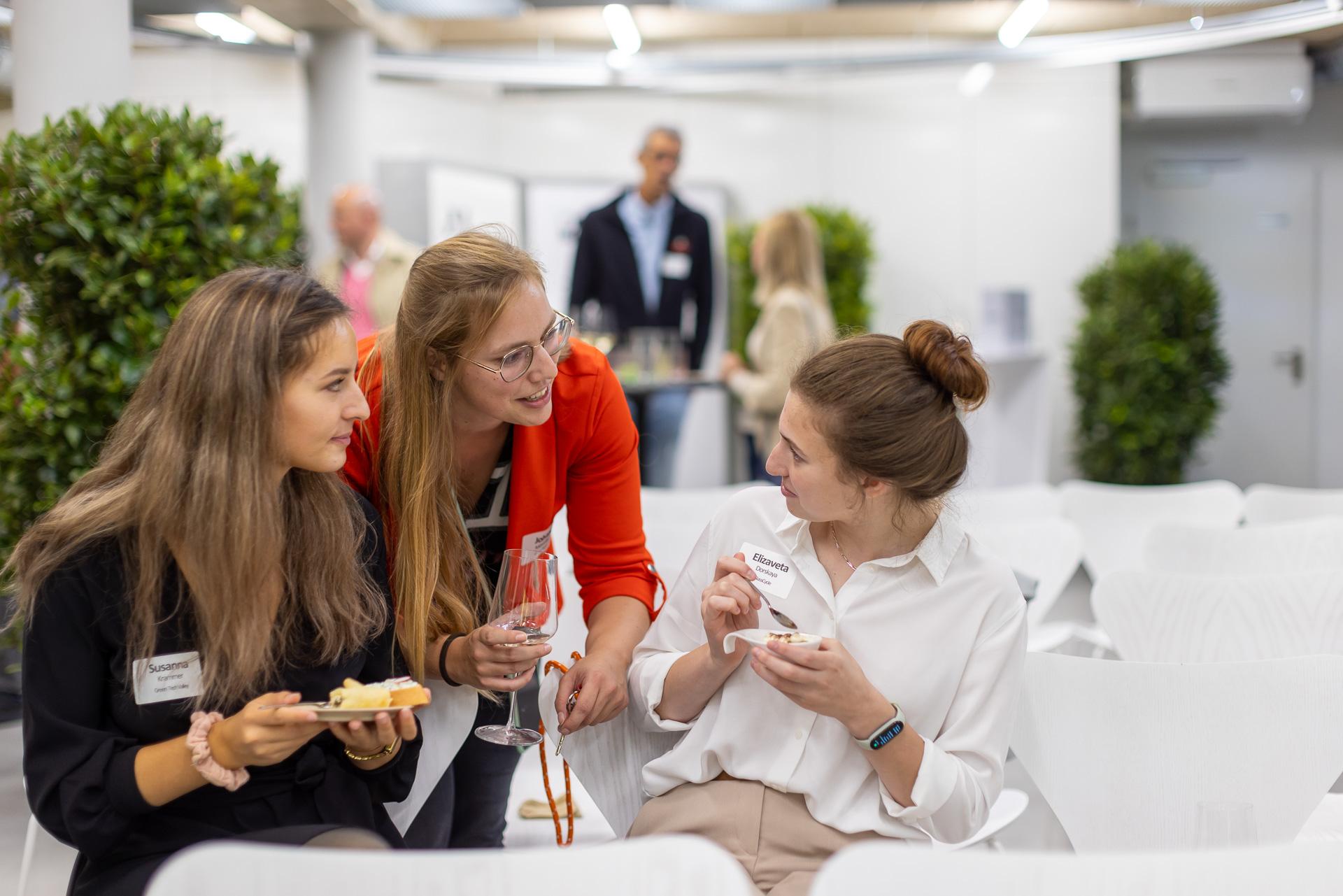

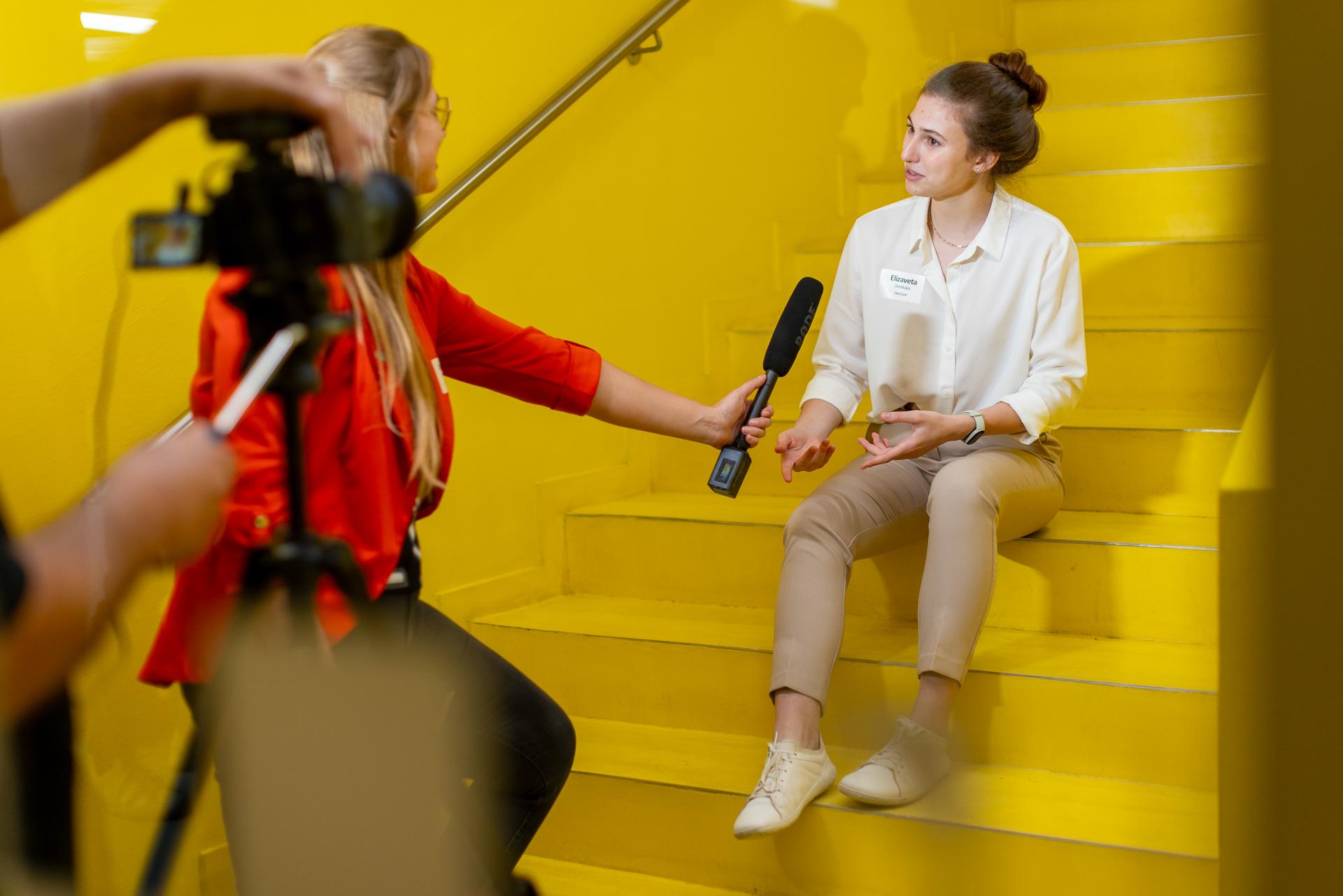
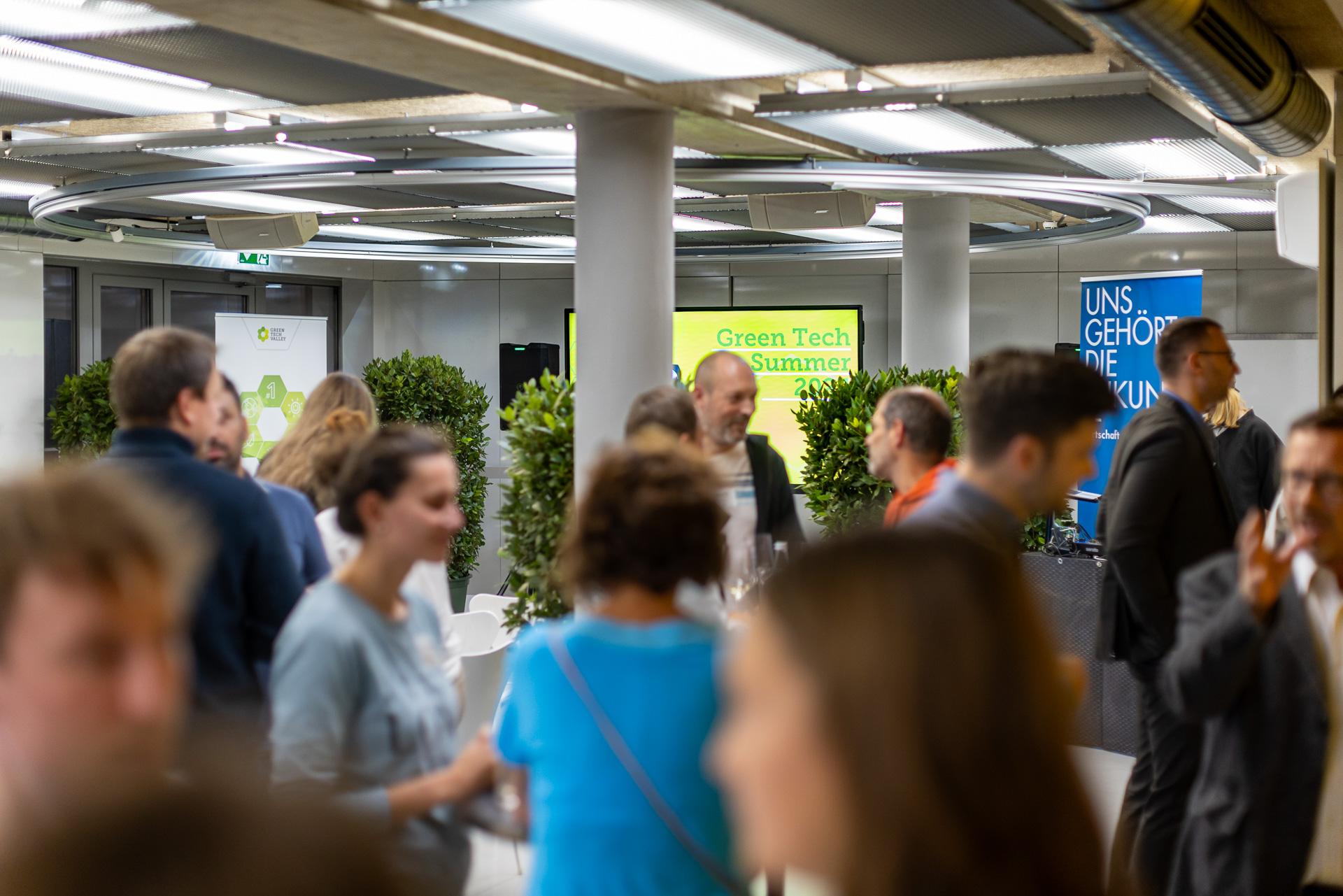
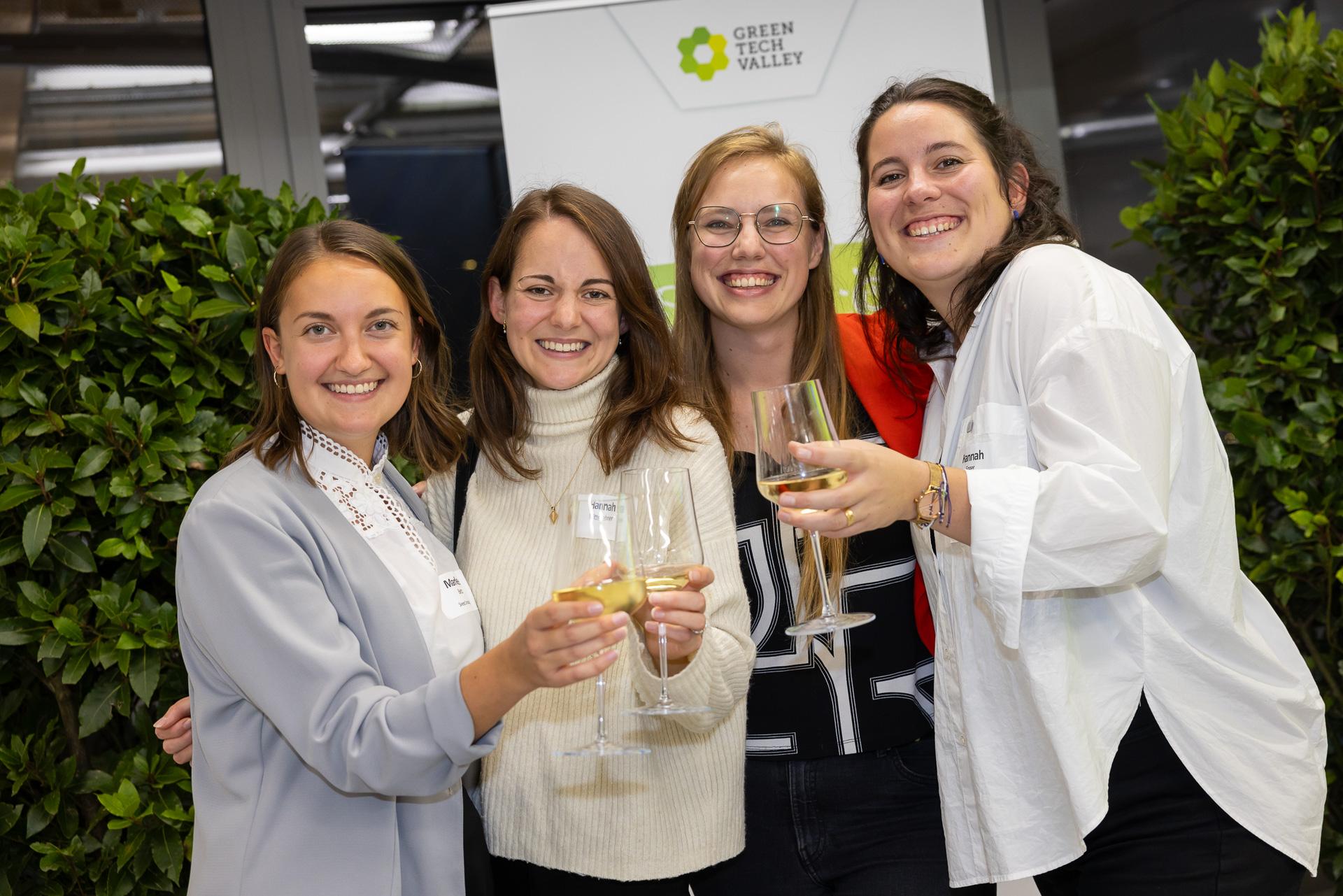
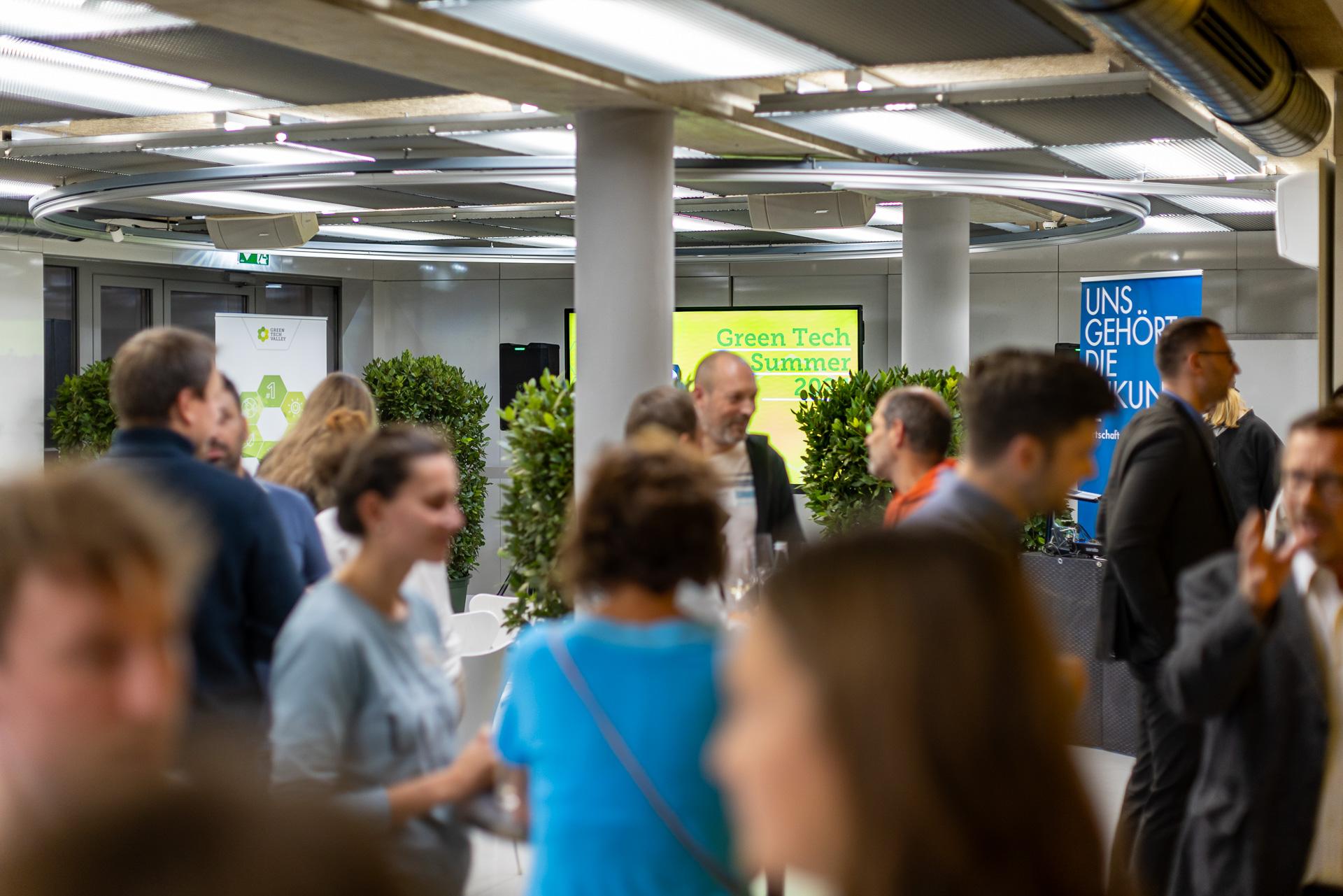
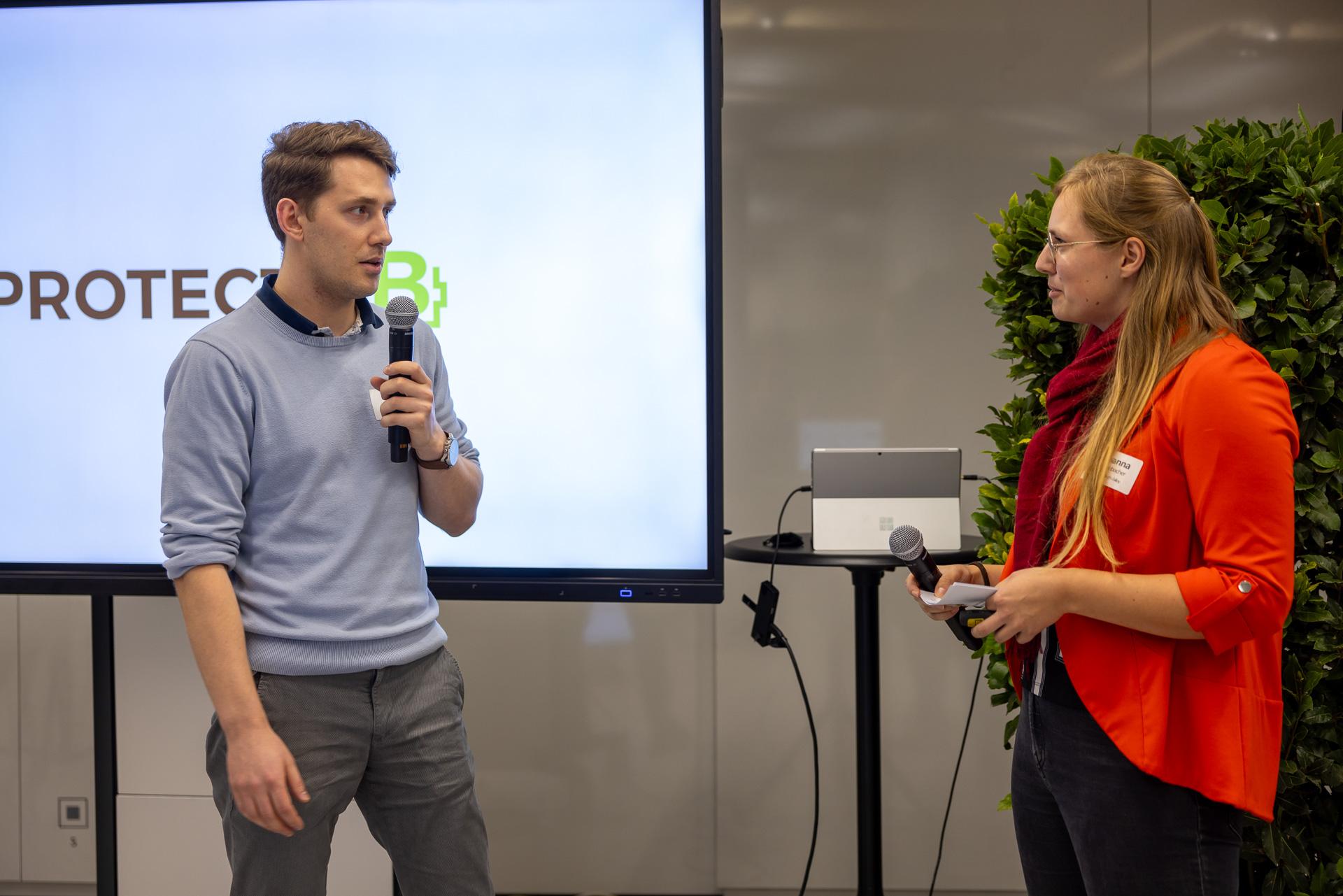

Fotos: Salon Deluxe
Video zum Finale des Green Tech Summer 2024
Sie sehen gerade einen Platzhalterinhalt von YouTube. Um auf den eigentlichen Inhalt zuzugreifen, klicken Sie auf die Schaltfläche unten. Bitte beachten Sie, dass dabei Daten an Drittanbieter weitergegeben werden.
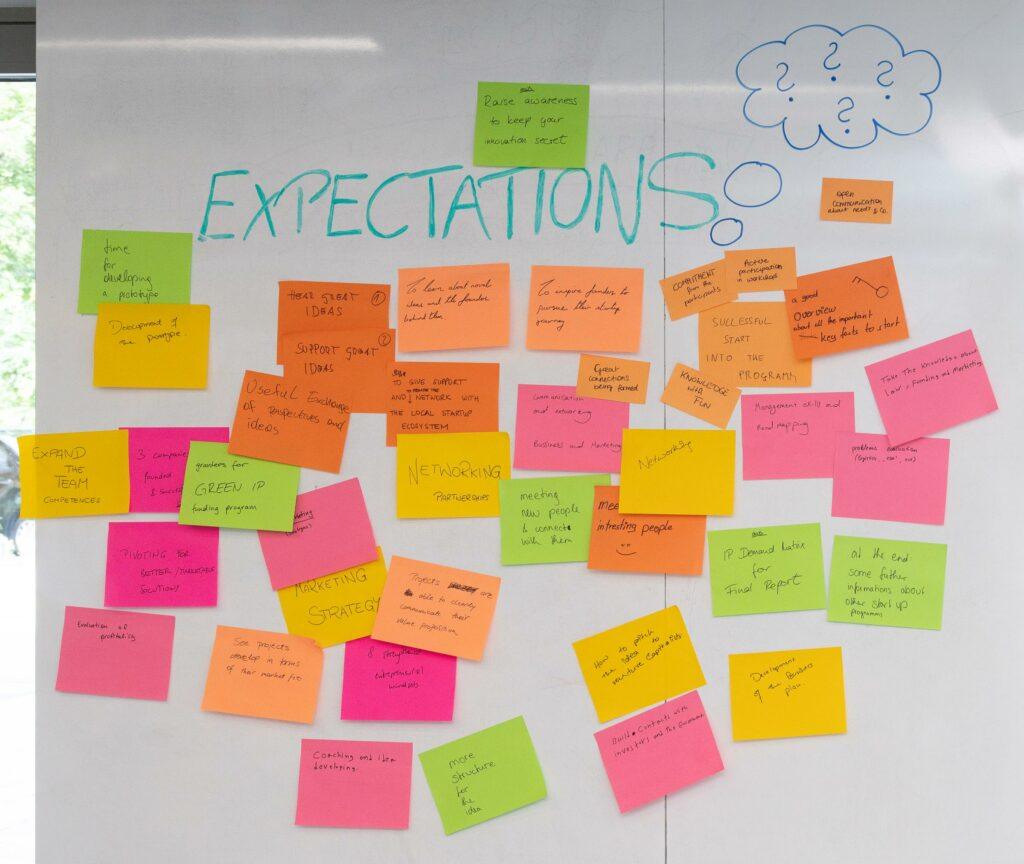
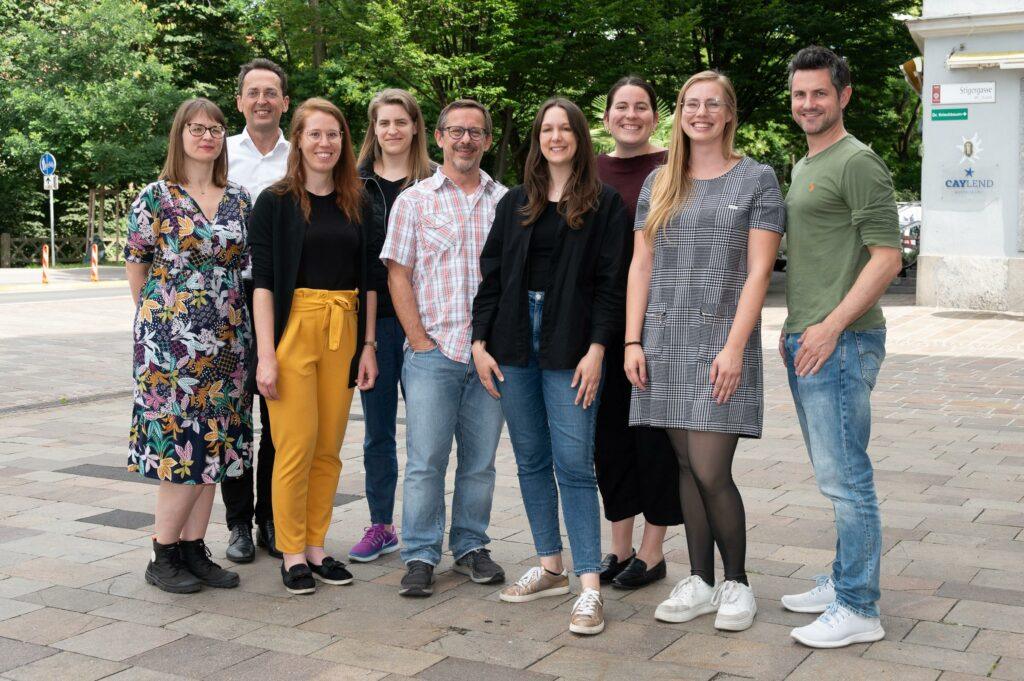
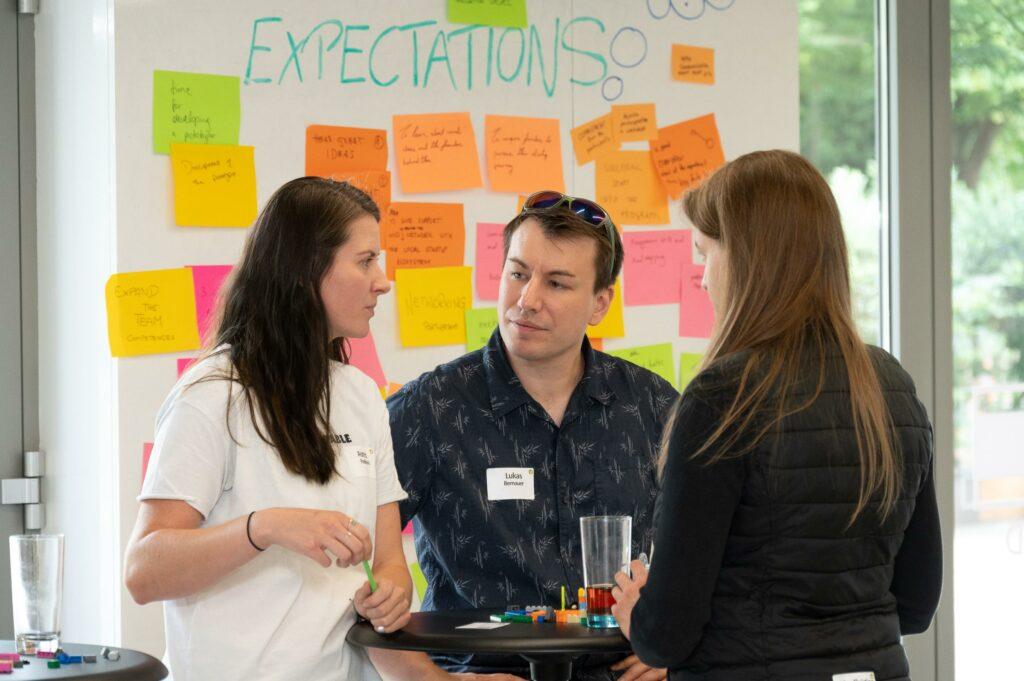
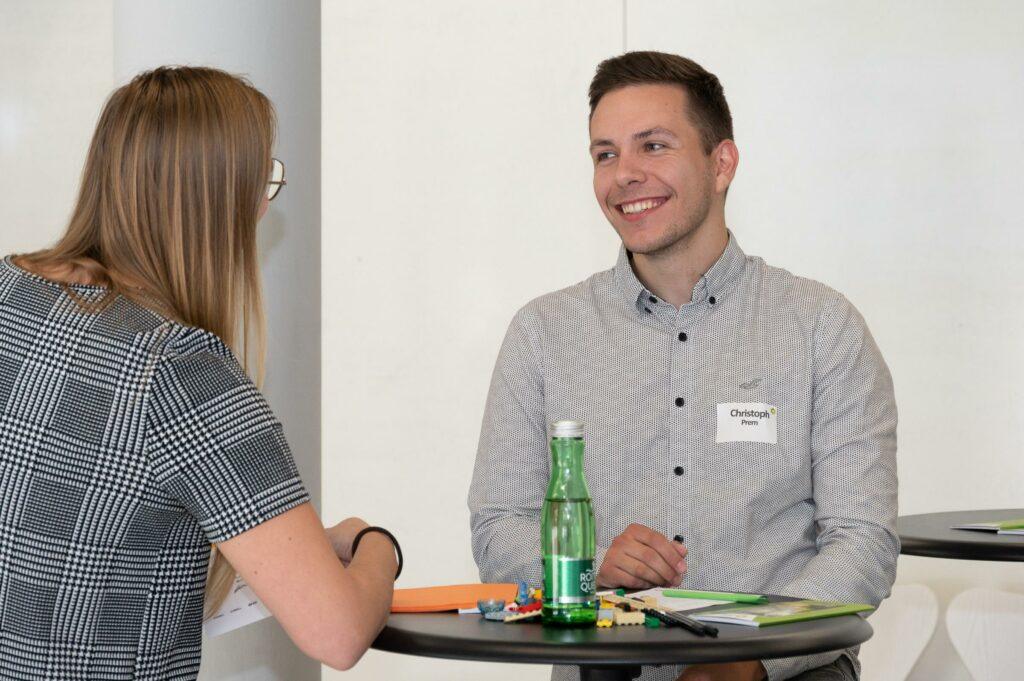
Mehr InformationenDer Start in den Green Tech Summer 2024 im Lendhafen
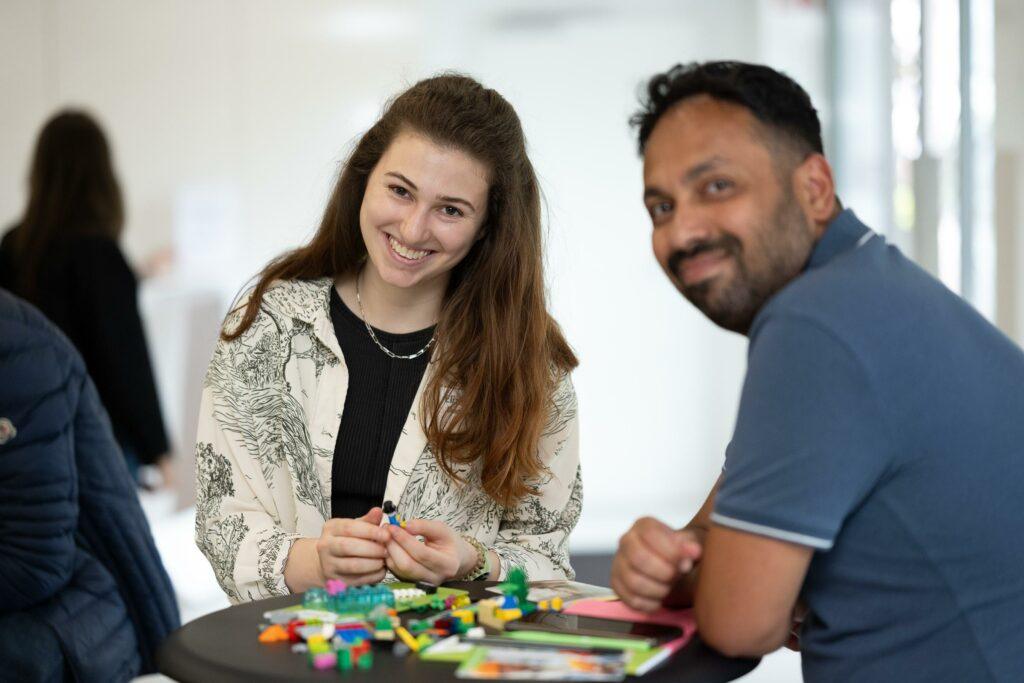
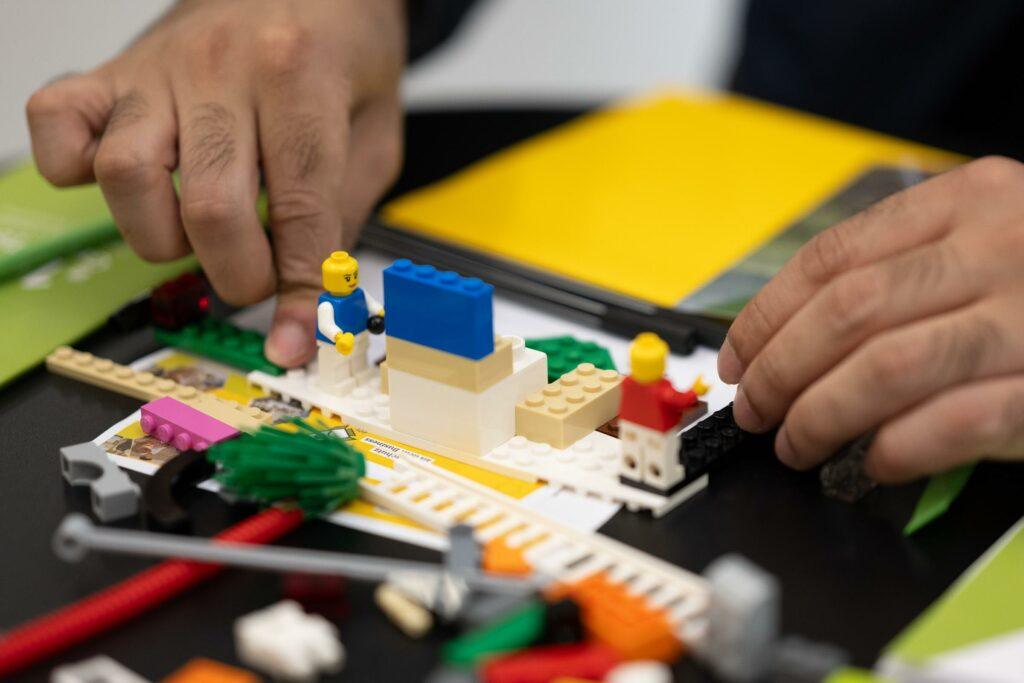
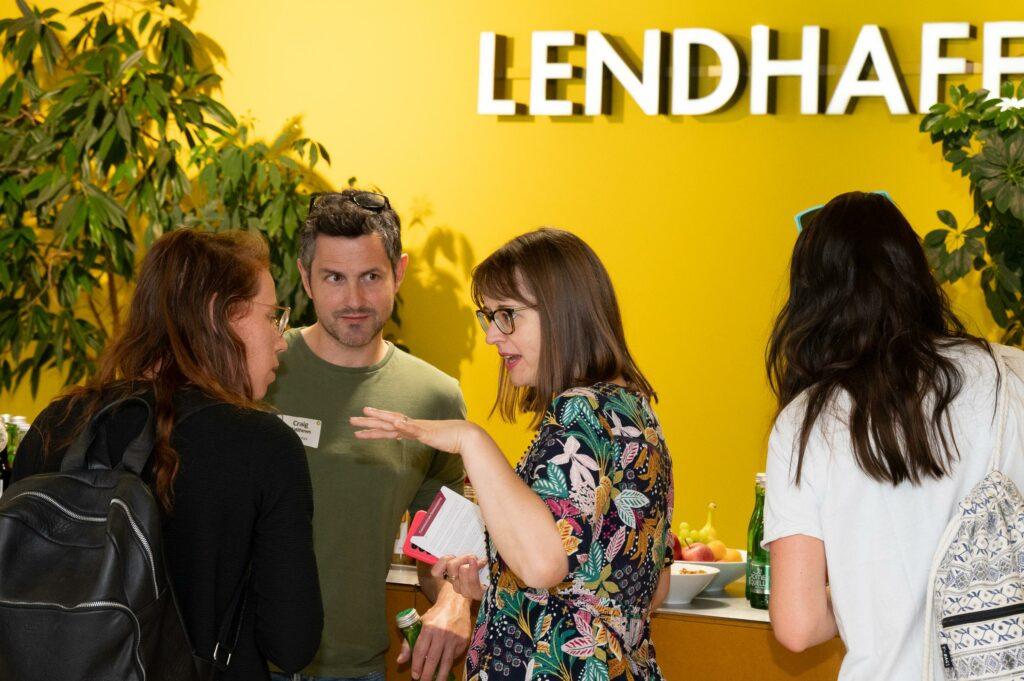
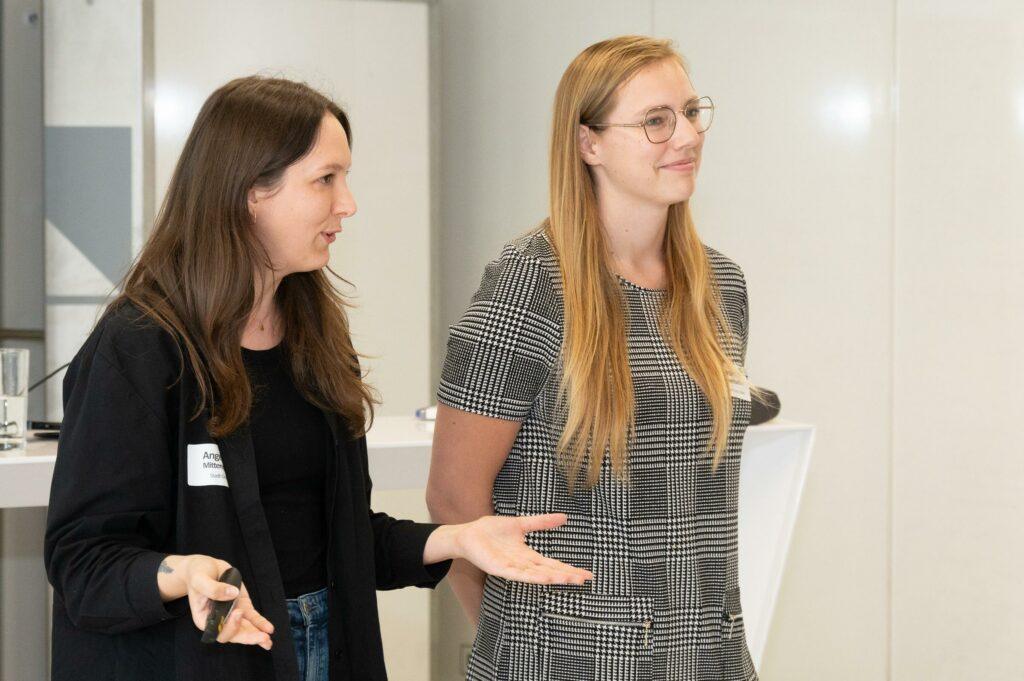
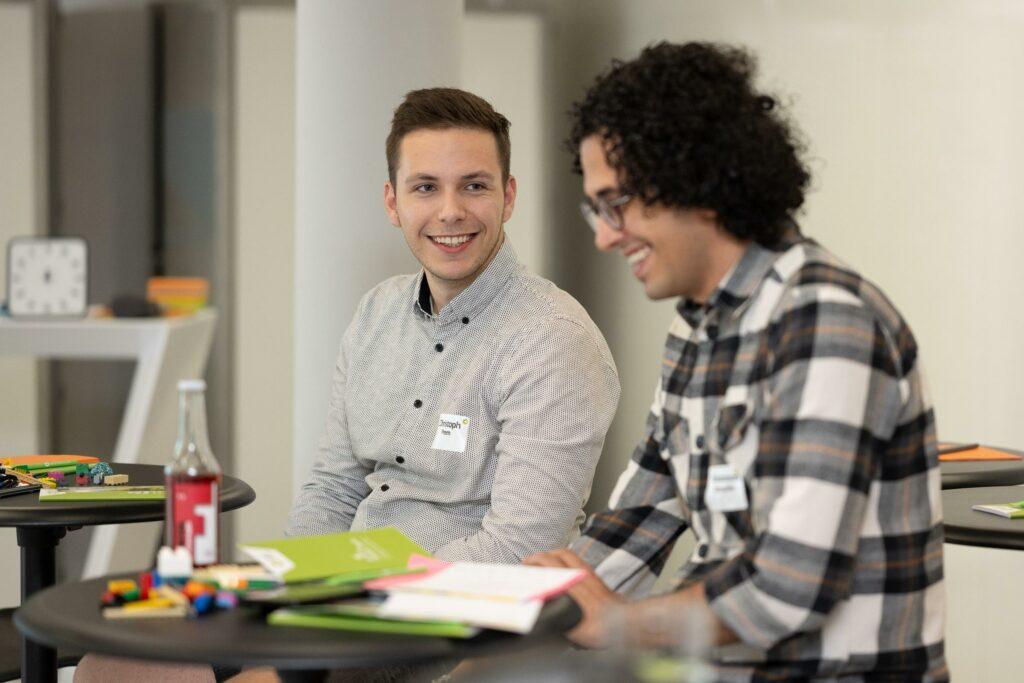

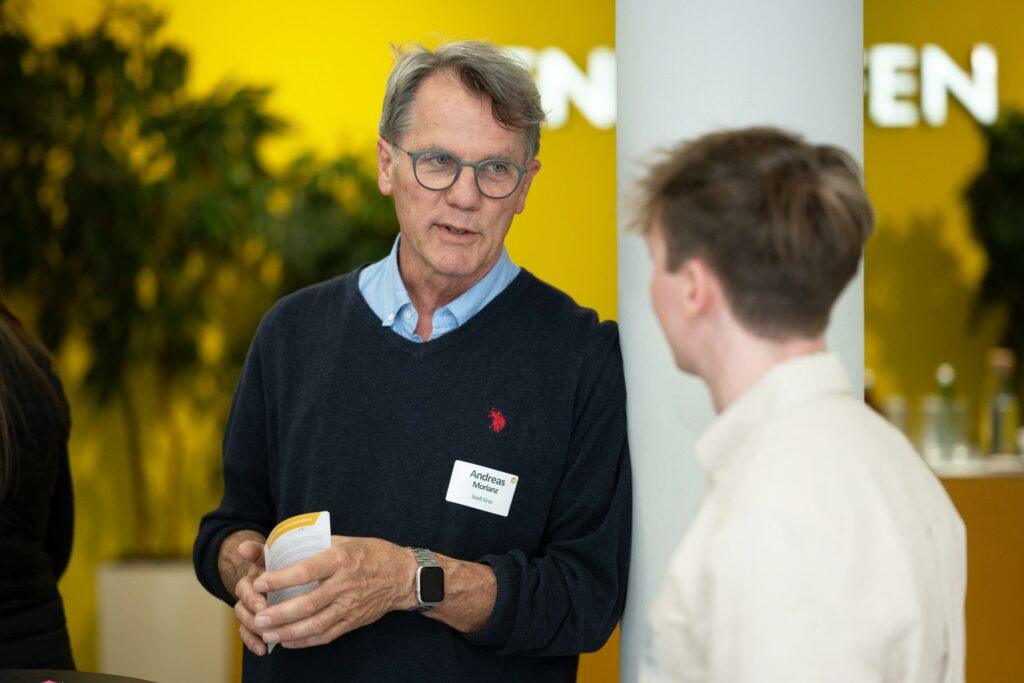
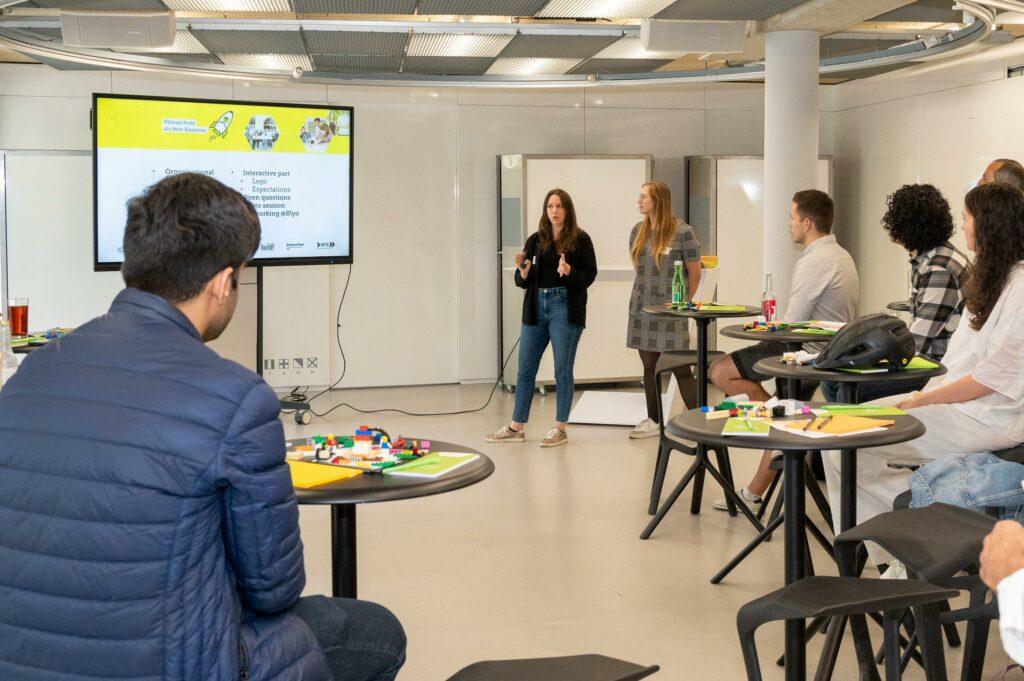
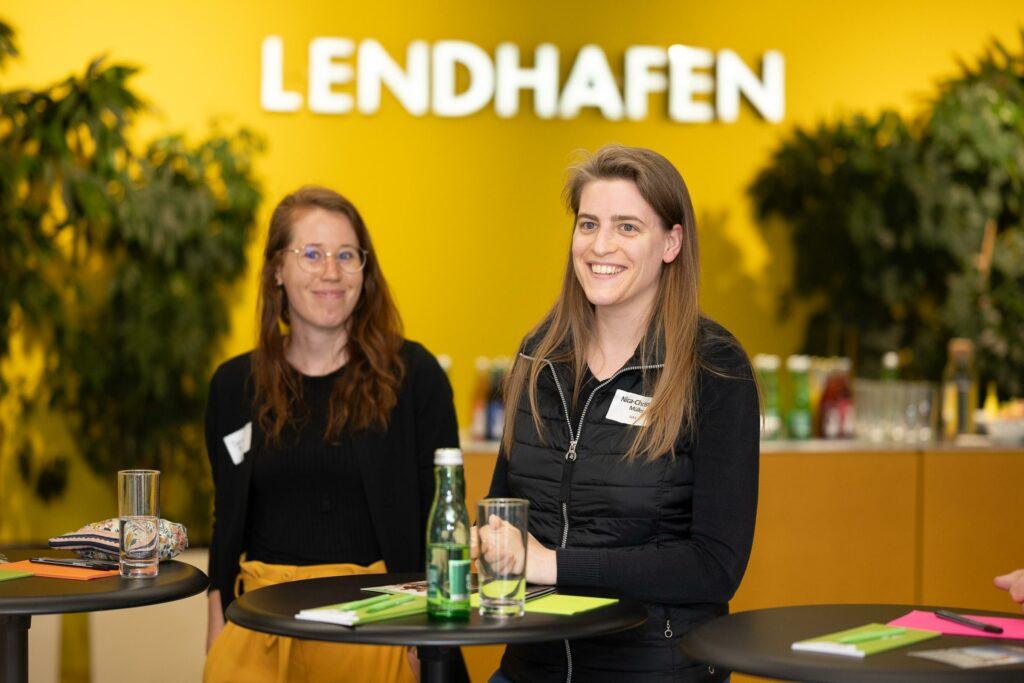
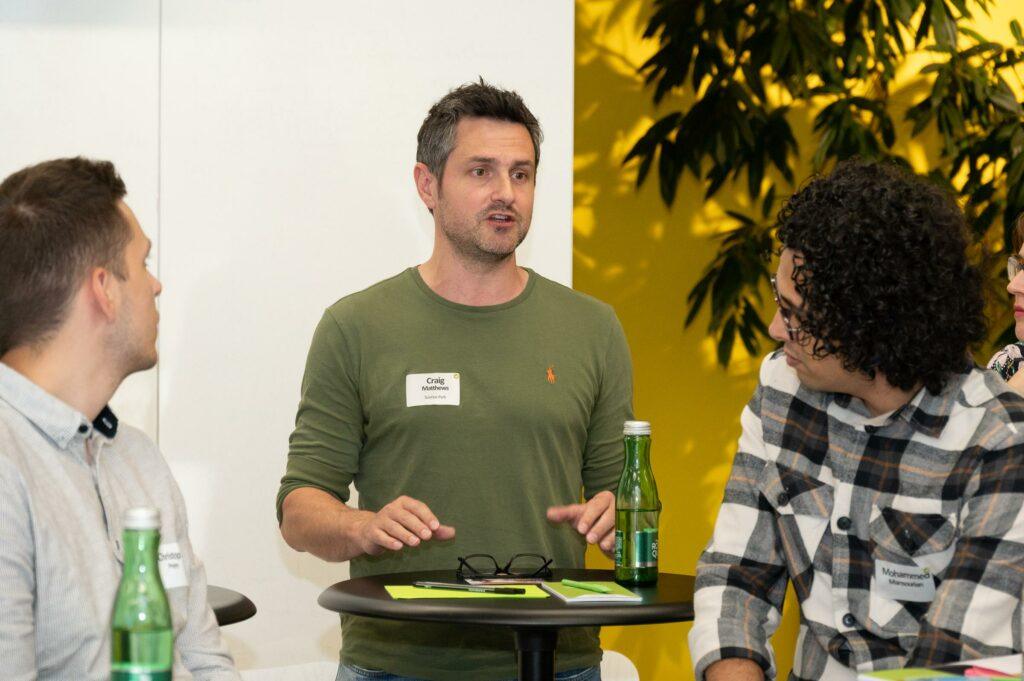
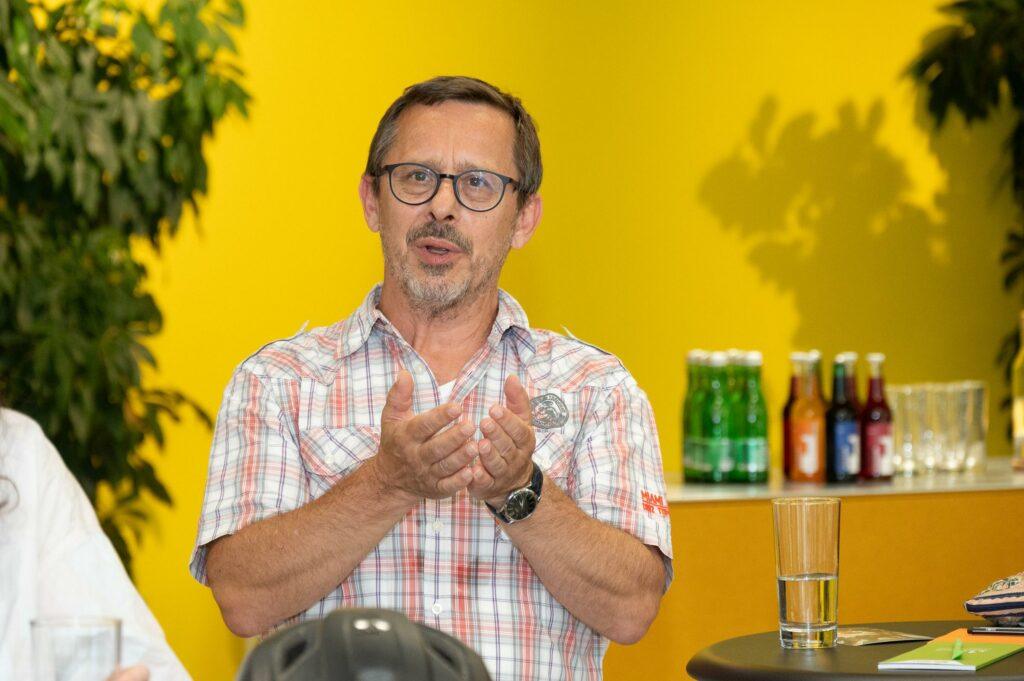
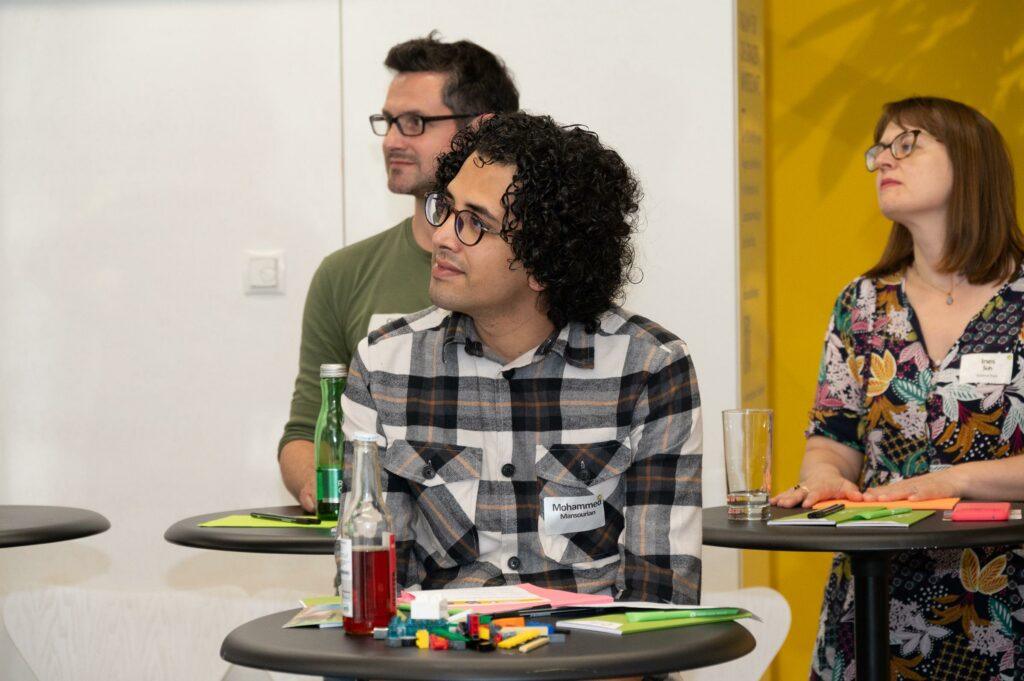
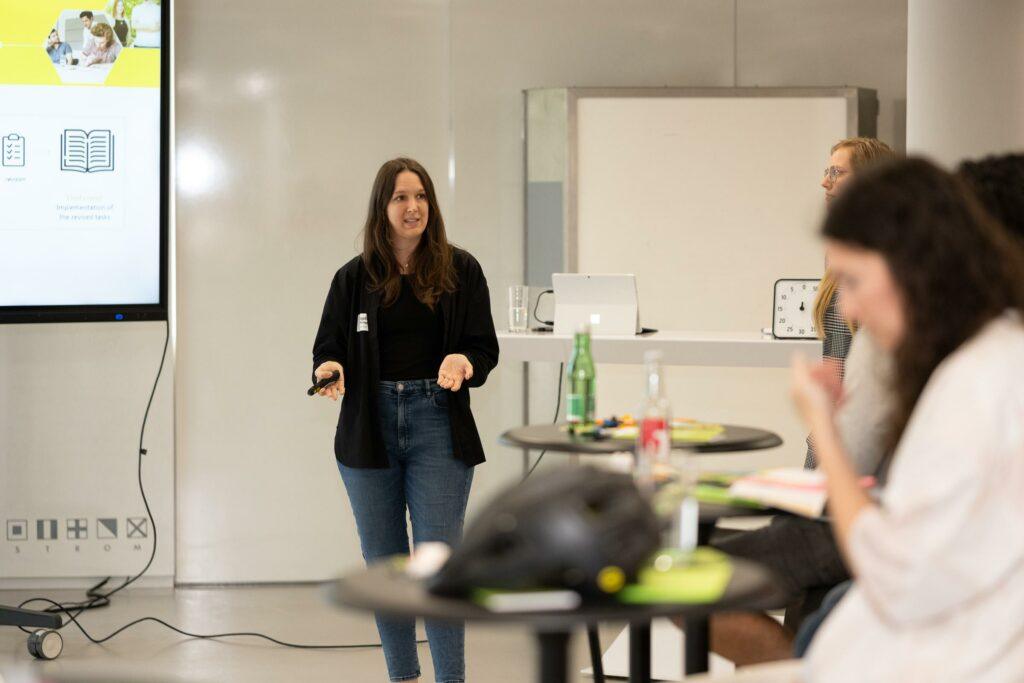
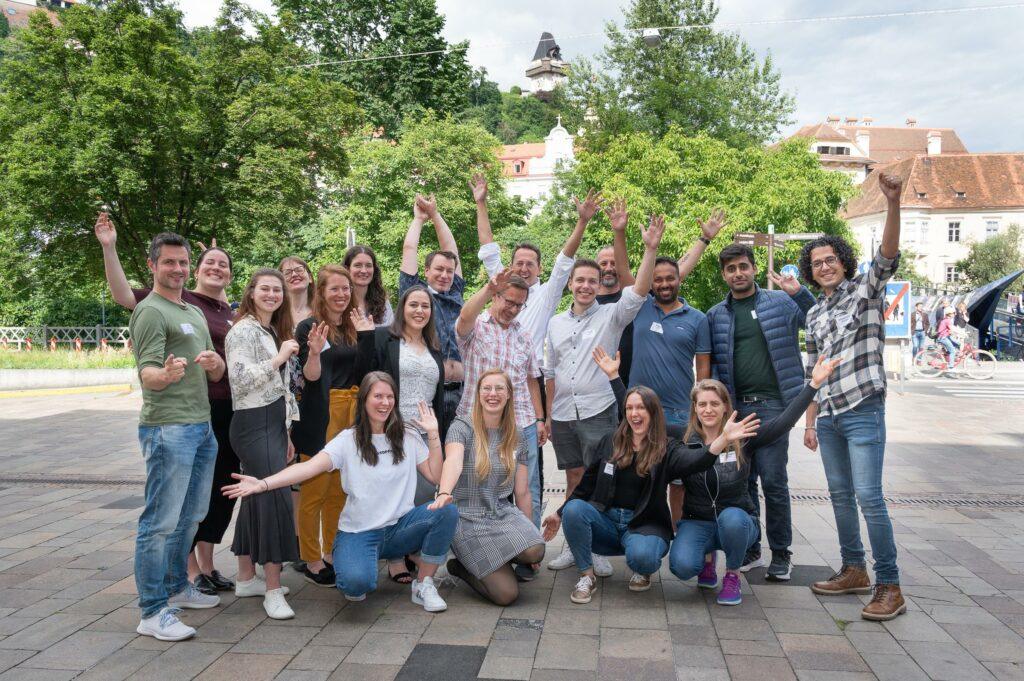
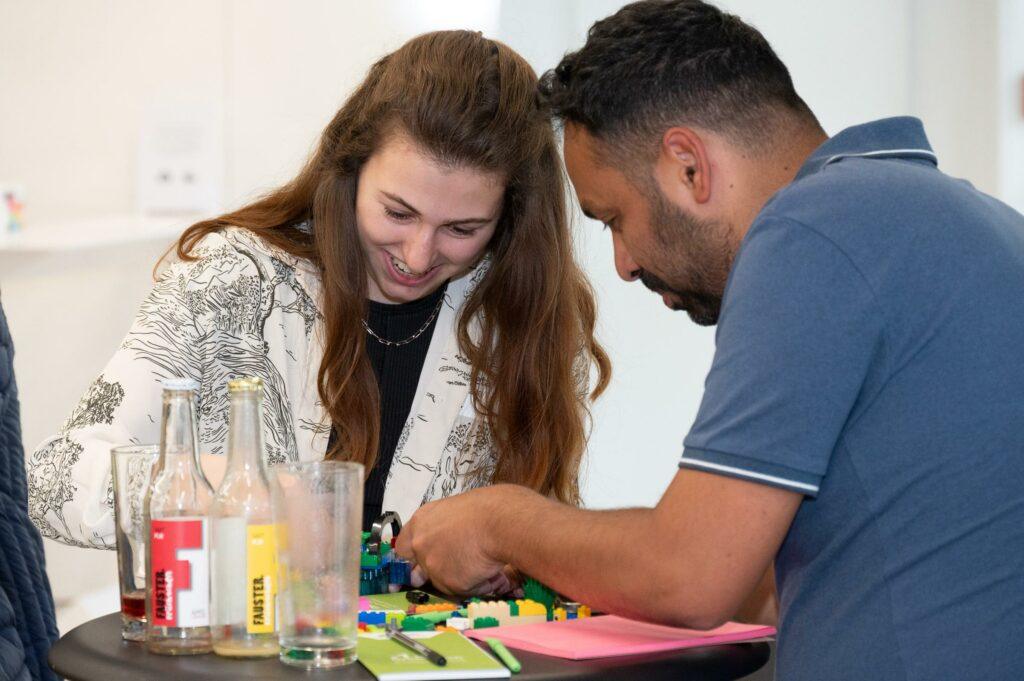


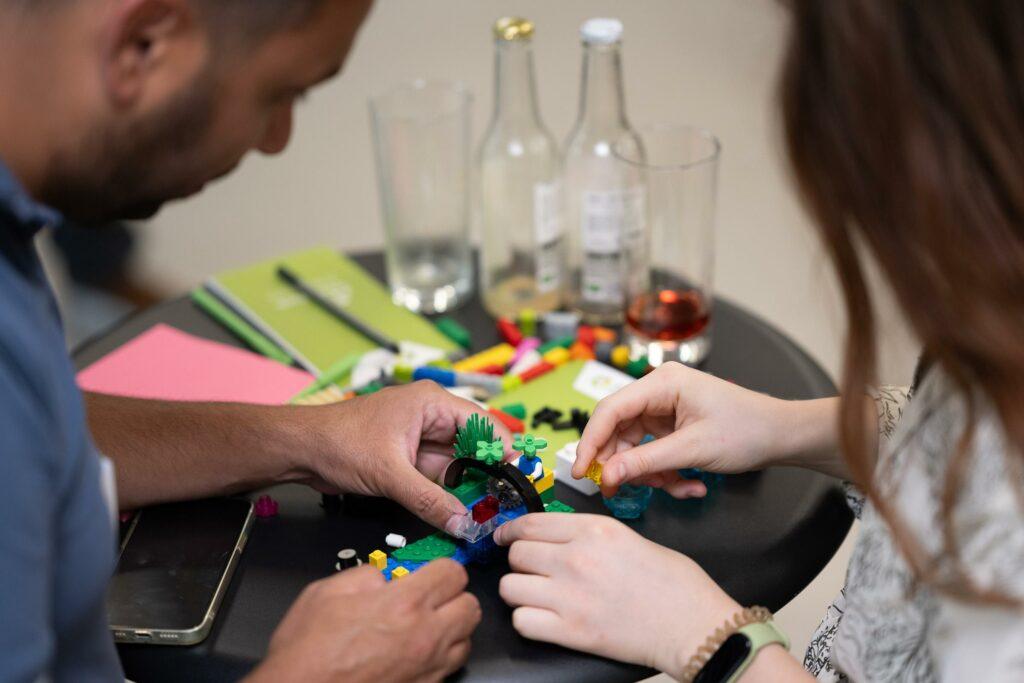
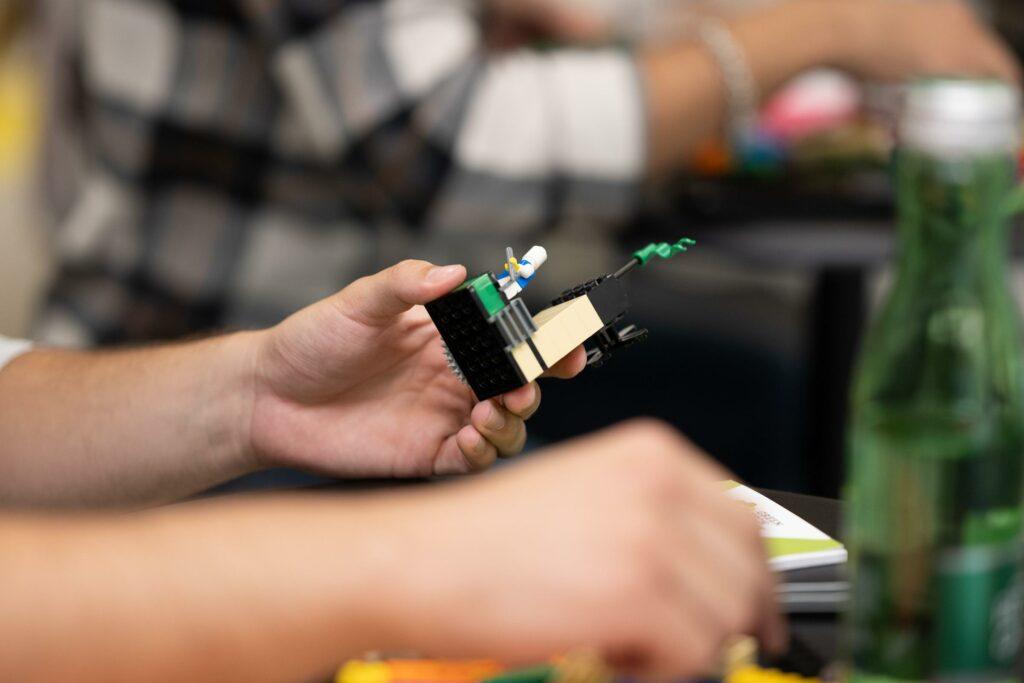
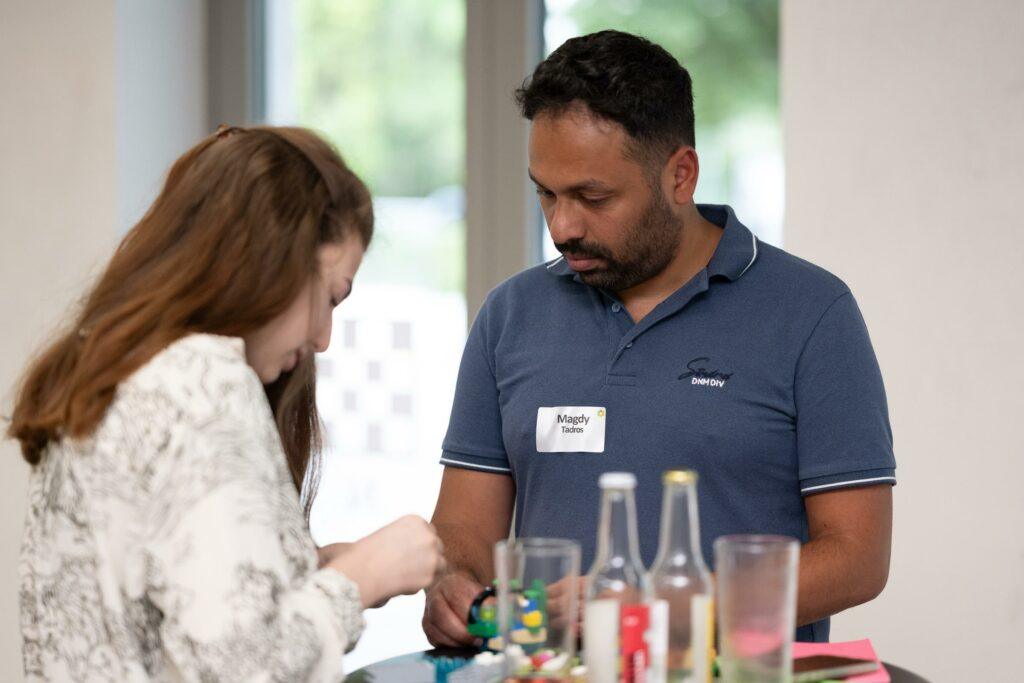
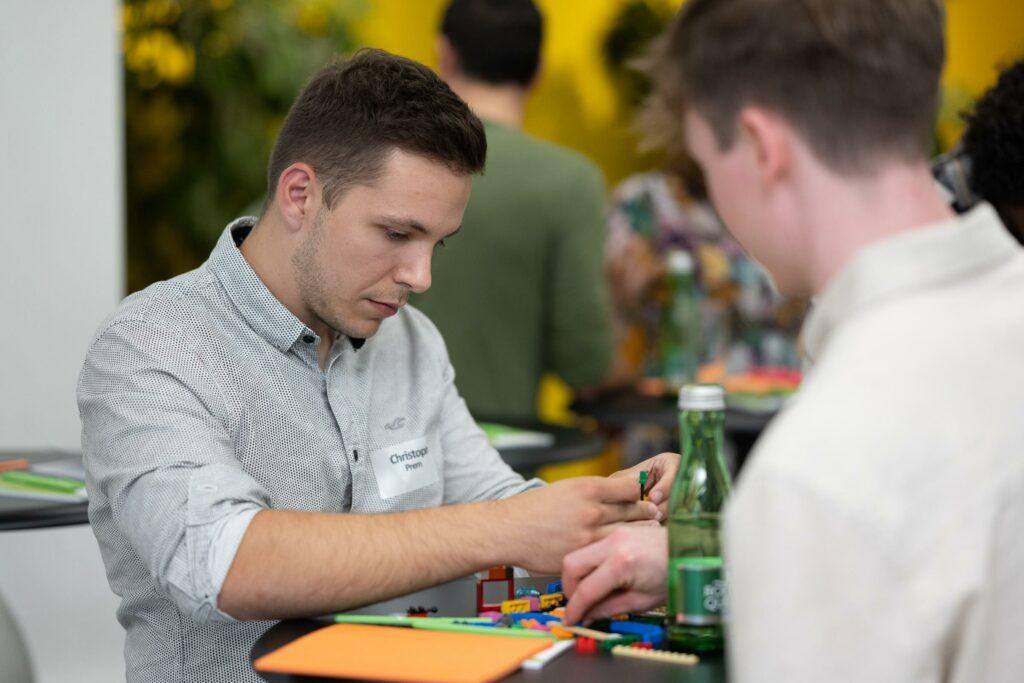
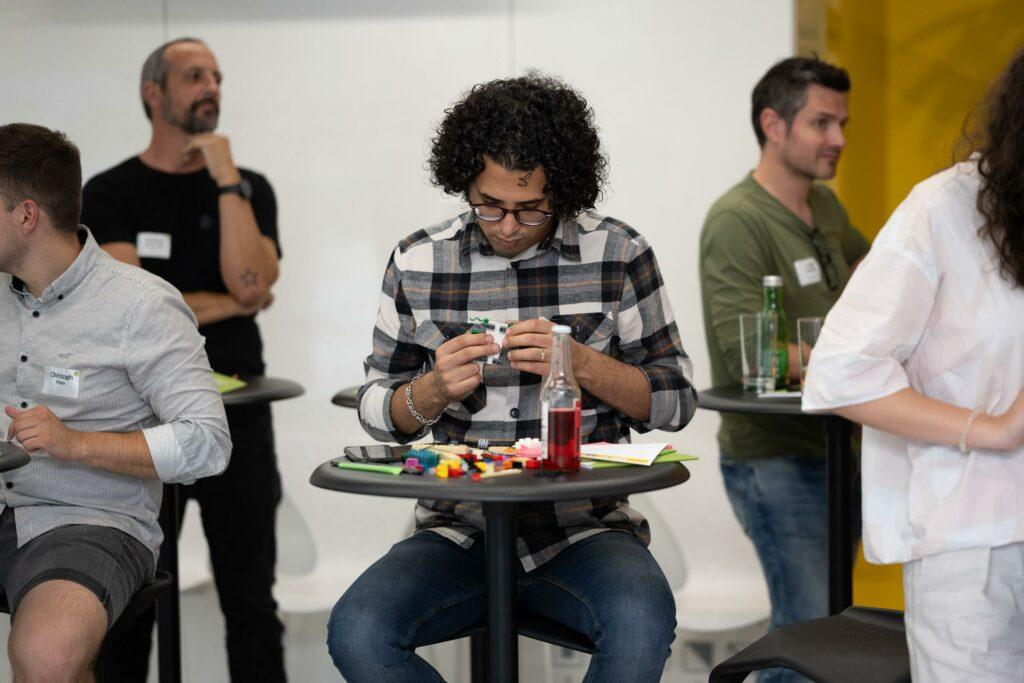
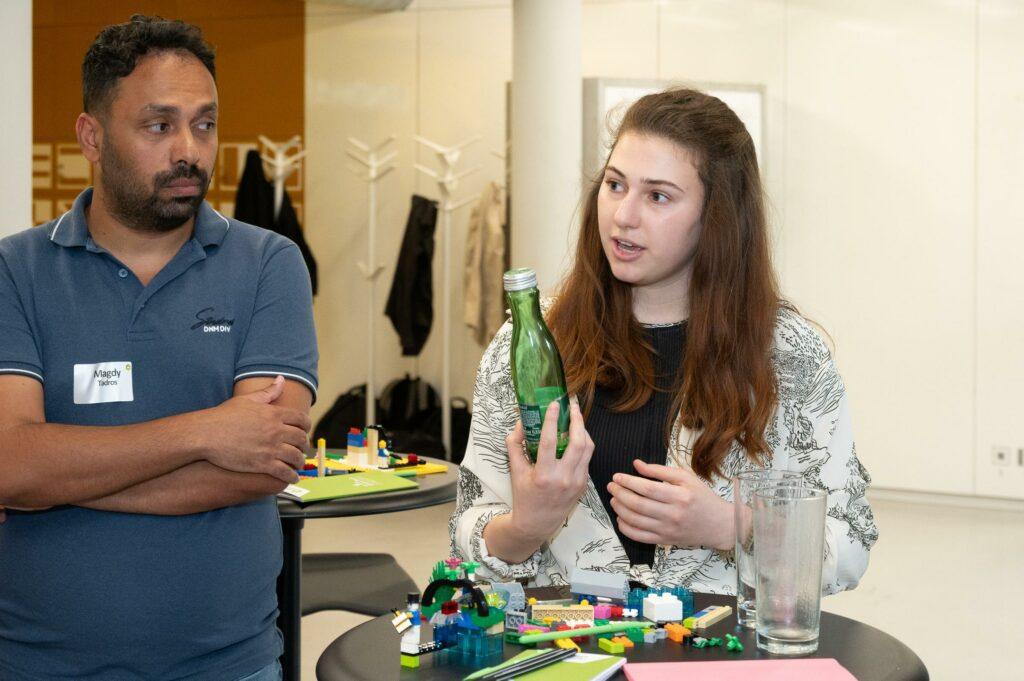

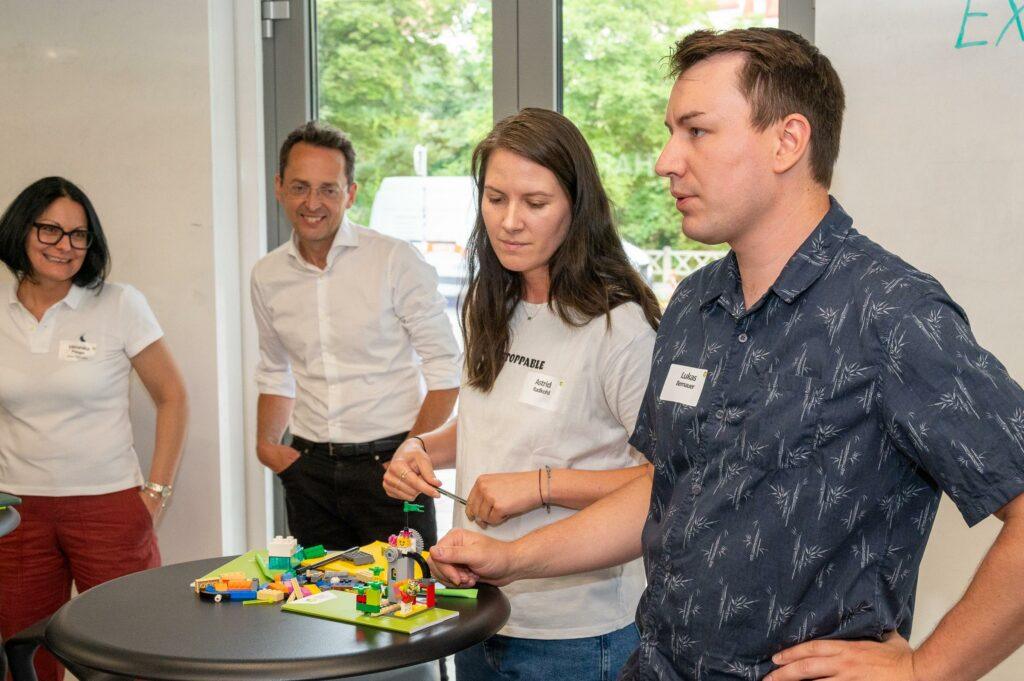
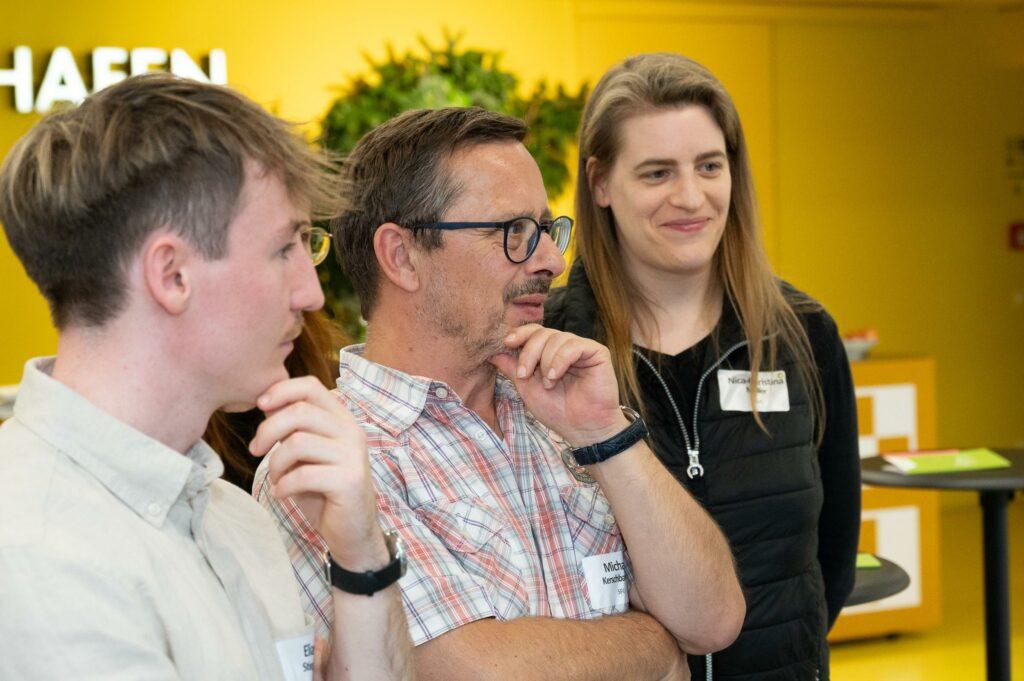


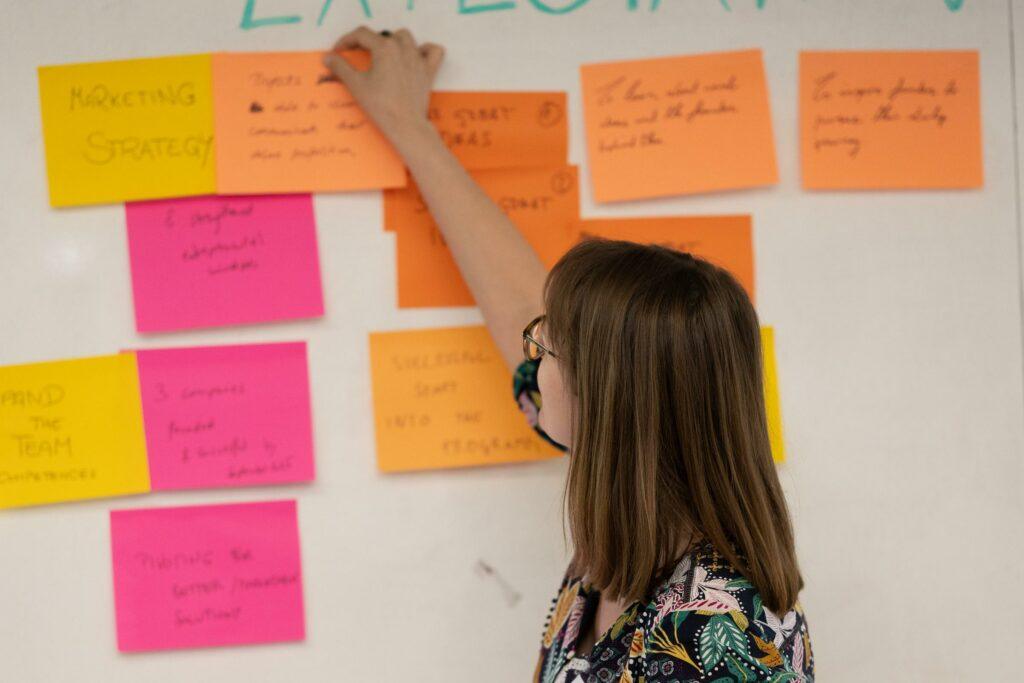
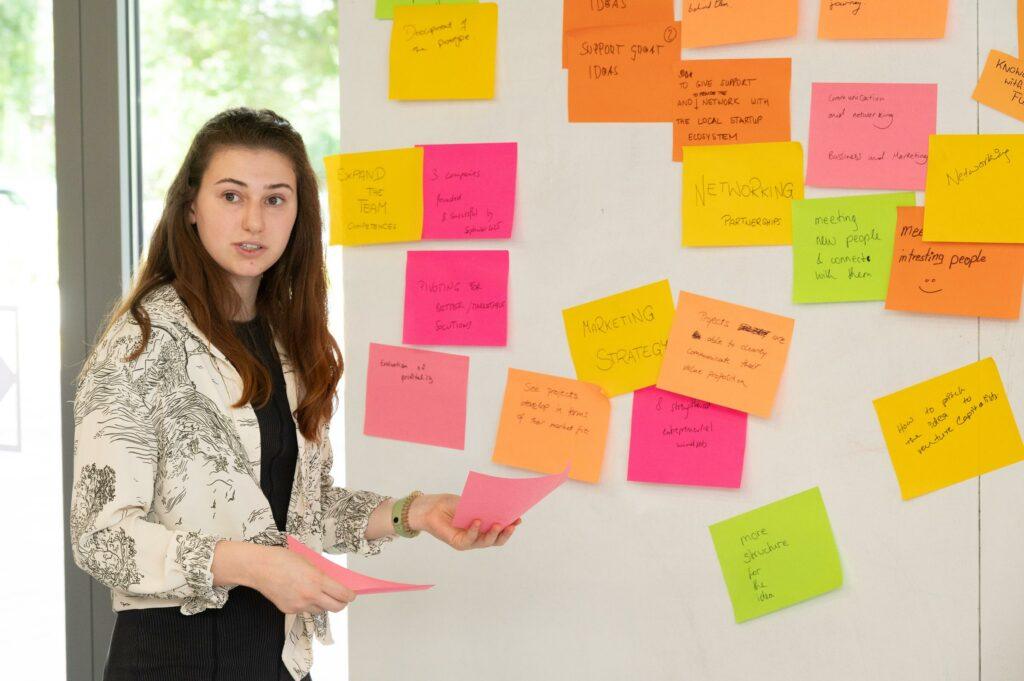
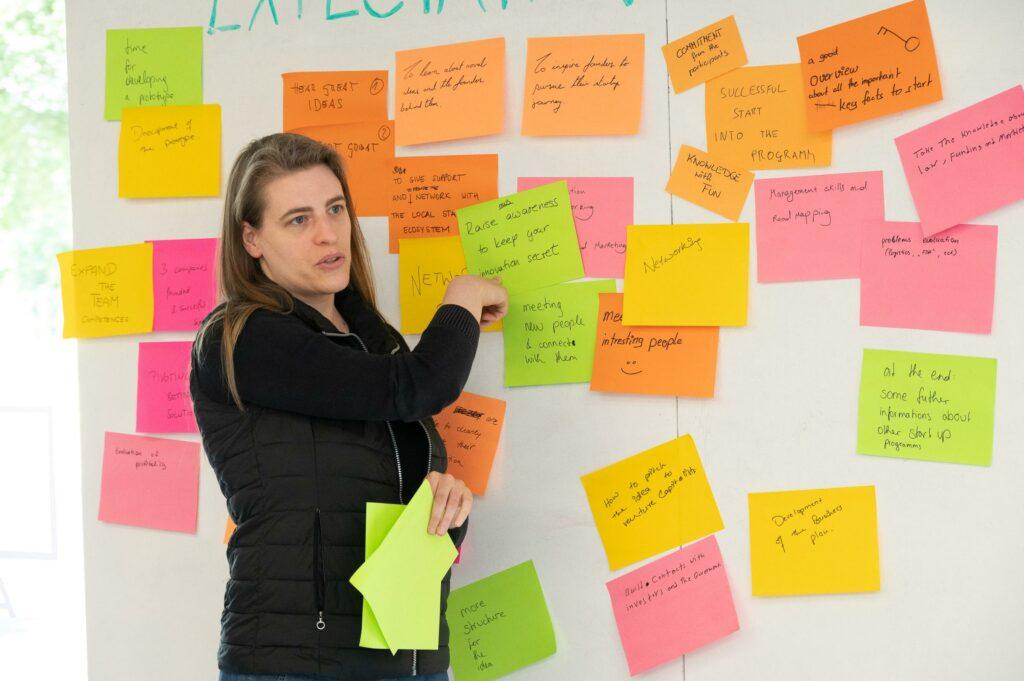
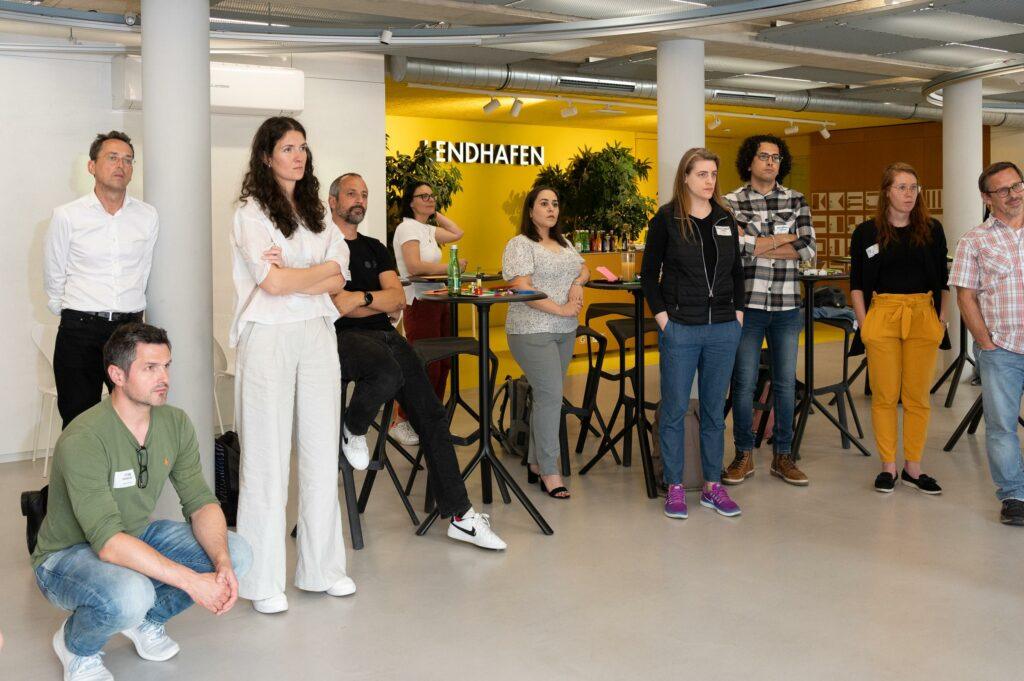
Fotos: Jokesch